Everything beginners need to choose their first woodworking router for edge profiling with confidence - no jargon, just simple picks.
Picking your first router for woodworking feels overwhelming - endless models, scary safety warnings, and confusing specs like HP and RPM. As a beginner focused on edge profiling (smoothing and shaping wood edges), you worry about buying something too big, too hard to control, or a waste of money. This guide cuts through the noise.
Routers are power tools that use spinning bits to carve, trim, and profile wood edges beautifully. But beginners often freeze from choice overload. We'll simplify it: what matters, top Amazon picks, accessories, and pitfalls to skip.
By the end, you'll know exactly which router to buy, feel ready to start, and have a clear path to grow your skills without regrets.
📋 In This Guide
• Why Beginners Struggle with Router
• What to Look For (Key Features)
• Top 4 Beginner-Friendly Router
• Essential Accessories for Beginners
• Common Beginner Mistakes to Avoid
• Your Progression Path
• FAQ & Learning Resources
😰 Why Beginners Struggle with Router
Beginners dive into routers and hit walls fast. Forums like Reddit's r/woodworking are full of 'I bought cheap and it broke' or 'Plunge router kicked back on me!' Edge profiling sounds simple, but controlling the tool while feeding wood straight terrifies newcomers.
Jargon bombs you: collets, bushings, fixed vs plunge base, 1/4-inch shank. You fear injury from spinning bits (up to 30,000 RPM!), or wasting $100+ on the wrong type. Over 500 Amazon options mean analysis paralysis - is more power better? Cordless or corded?
Real pain: No idea what 'forgiving' means. Cheap routers vibrate wildly, making straight edges impossible. You skip practice because setup (bit changes) feels like rocket science.
🔍 What to Look For: Key Beginner-Friendly Features
Focus on beginner essentials: compact size for easy control during edge profiling, variable speed to match bits (slow for large profiles, fast for trimming), and soft start to avoid jumps. Skip huge 2+ HP monsters - they're for pros.
Must-haves: 1-1.25 HP power (plenty for edges), 1/4-inch collet (fits most starter bits), ergonomic grip, fixed base (stable for profiling). Nice-to-haves: Edge guide included, dust port. Avoid: Plunge bases (scary for newbies), fixed speeds, heavy tools over 5 lbs.
Beginner-friendly routers are 'forgiving' - low kickback, intuitive depth adjust, vibration-free. They let you make mistakes (like uneven feeds) without ruining wood or your confidence.
✅ Essential Features for Beginners
•Variable Speed (8,000-30,000 RPM): Matches bit size to prevent burning wood edges.
•Soft Start: No sudden spin-up, safer and easier control for shaky hands.
•1/4-Inch Collet: Fits cheap starter bits; simple to swap without frustration.
•Fixed Base: Stable for straight edges; depth adjust in easy clicks.
•Ergonomic Grip: Rubberized handle reduces fatigue on long edges.
•Edge Guide Compatibility: Keeps profiles straight without jigs.
•Dust Collection Port: Less mess, better visibility for beginners.
🏆 Top 4 Best Router for Beginners
#1
💰 Budget
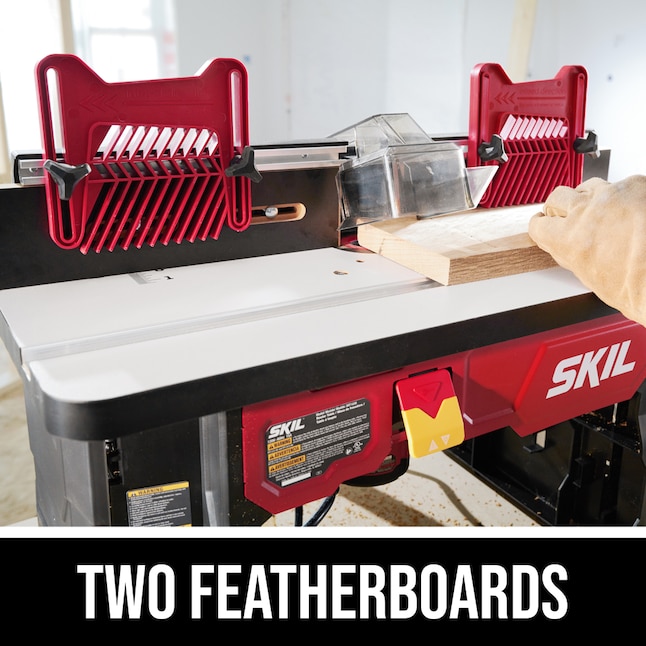
SKIL RT1323-00 1.25 HP Router with Fixed Base & Edge Guide
Learning Curve: Easy
$69.99
Difficulty: 1/5
Why Great for Beginners:
This palm router is super compact and light, perfect for first edge profiling without arm strain. Includes edge guide for straight lines right away. Affordable way to test if routing clicks for you.
✓ Beginner Pros
+Lightweight 3.3 lbs - easy control
+Includes edge guide - no guesswork
+Variable speed - prevents burns
+Simple depth adjust
✗ Beginner Cons
-Basic build - may vibrate slightly
-No soft start
👍 Best for: Absolute newbies testing edge profiling on budget
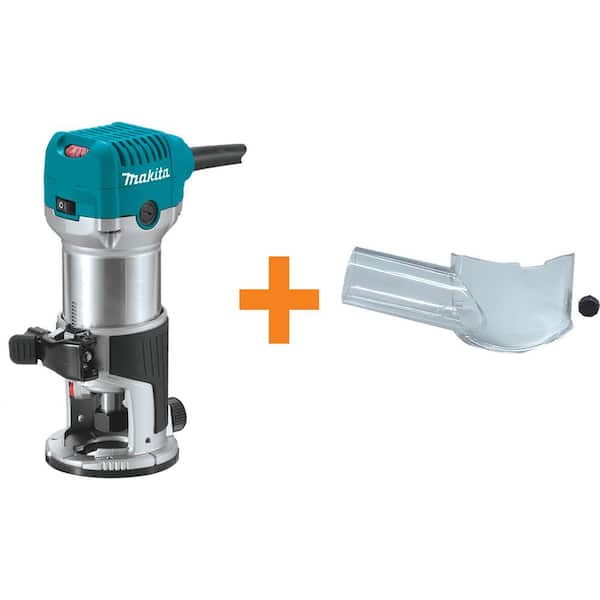
Makita's flat design hugs workpieces perfectly for edge profiling. Variable speed and soft start make it forgiving for shaky starts. Trusted brand with great reviews from woodworking newbies.
✓ Beginner Pros
+Extremely flat base - straight edges easy
+Soft start - no jumps
+Low vibration
+Quick bit changes
✗ Beginner Cons
-No included guide
-Learning depth lock
👍 Best for: Beginners wanting precision on table/desk edges
DEWALT DW618PK 2.25 HP 2-Speed Fixed/Plunge Router Combo Kit
Learning Curve: Moderate
$229.00
Difficulty: 3/5
Why Great for Beginners:
Versatile combo grows with you from edges to dados, but fixed base is beginner-safe first. Precise adjustments and dust port keep work clean. Excellent for motivated starters.
✓ Beginner Pros
+Easy switch bases
+Precise micro-adjust
+Dust collection
+Durable
✗ Beginner Cons
-Heavier 10 lbs total
-Plunge overwhelming at first
👍 Best for: Beginners planning to expand projects soon
Milwaukee 2723-20 M18 FUEL 1.25 HP Compact Cordless Router
Learning Curve: Easy
$199.00
Difficulty: 2/5
Why Great for Beginners:
Cordless freedom for edges anywhere, with pro power in compact body. Bluetooth for speed tweaks via app - fun and forgiving. Battery sold separate but lasts sessions.
A router is a handheld power tool with a motor spinning 'bits' (cutters) at high speed to shape wood. For edge profiling, you run the base along wood edges for smooth rounds, chamfers, or ogees - think fancy table edges.
Types: Palm/trim routers (best beginner pick: tiny, light for edges). Fixed-base (stable profiling). Plunge (drops bit in - advanced, skip first). Combo kits (later upgrade). Cordless (convenient but weak batteries for newbies).
Beginners nail edge profiling with palm routers: forgiving, low power jump risk. Expect wobbly first passes - practice on scrap! Realistic: Perfect 10-ft edges in weeks with good tool.
'Beginsner-friendly' = intuitive knobs, no tools for bit changes, vibration dampening. Marketing traps: 'Pro-grade' often means steep curve; ignore HP over 1.5 for edges.
Evaluate: Hold in store if possible (Amazon returns easy). Check reviews for 'easy bit change' and 'no kickback'.
🔧 Essential Accessories for Beginners
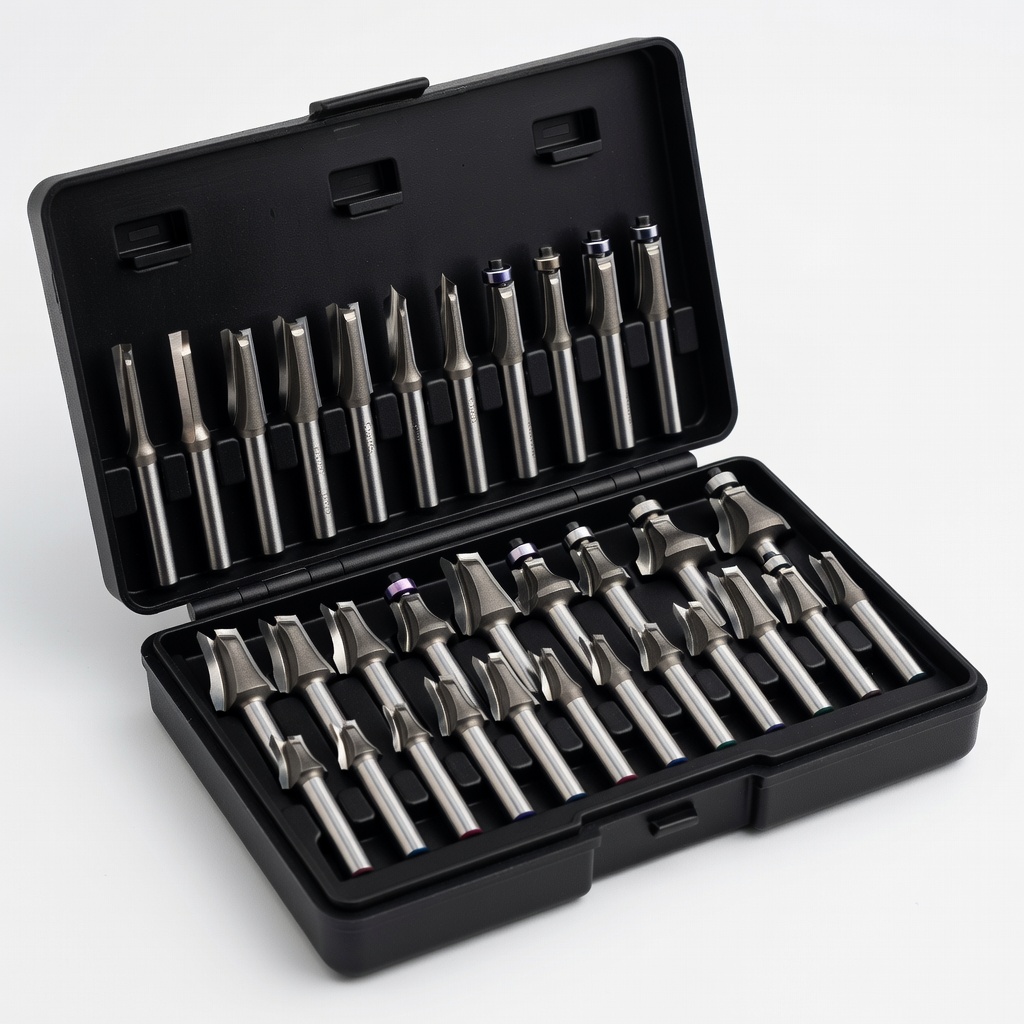
Router Bit Set, 24 Pieces 1/4" Shank Jellas
⚠️ Essential
$25.99
When to buy:
Day one
Bits are the cutters - without variety, you're stuck on one profile. This set has rounds, chamfers for edge work. Beginners ruin projects with wrong bits; start right.
Scenarios: Casual edges (budget palm). Frequent use (recommended compact). Garage pro (premium). Red flags: No variable speed (burns bits), cheap plastic (vibrates), no warranty.
Budget vs tiers: Budget for testing (may upgrade fast). Recommended: Balances ease/value. Premium: Lasts years. Always corded first - reliable power.
💰 Budget Guide for Beginners
350+
Kit-level - combos for expanding beyond edges, serious hobbyists.
100 - $200
Sweet spot for most beginners - variable speed, guides, forgiving for daily edge profiling.
200 - $350
Premium beginner - pro build quality, precise, room to grow without new buy.
Under $ - $100
Entry-level palm routers - ideal for first edge tests, basic features but quick upgrade possible.
⚠️ Common Beginner Mistakes to Avoid
Beginners grab plunge routers thinking 'more features = better,' but kickback on edges frustrates. Why? Marketing hypes versatility. Avoid: Stick palm/fixed. Instead: Watch YouTube safe demos.
Cheap $30 routers vibrate like crazy - uneven profiles, quick burnout. Experienced say: Spend $70+ for stability. Example: Amazon reviews cry 'broke bit change #2.' Fix: Name brands, read 'vibration' mentions.
No bits/guide? Useless tool. Plan day one buys. Growth skippers buy big too soon - overwhelm stalls progress.
×Buying plunge router first - too scary for edges
×Skipping variable speed - burns bits/wood
×No starter bits - can't profile anything
×Cheapest no-brand - vibrates, breaks fast
×Ignoring weight - arm fatigue ruins straight lines
×Cordless without battery plan - stops mid-job
×No edge guide - wobbly crooked profiles
×Overlooking soft start - kickback fear
📈 Your Progression Path: Beginner to Intermediate
Start: Practice straight flush-trim on scrap 2x4 edges. Master speed control, safe feeds. Week 1 goal: 3-ft straight line.