Pick your first pair with confidence—no more guessing about fit, comfort, or features that matter for indoor bouldering.
Choosing your first rock climbing shoes feels overwhelming—like you're supposed to know climbing jargon or risk blisters and frustration on day one. Beginners often worry about buying shoes that are too tight, too loose, or just plain uncomfortable for indoor bouldering sessions. The good news? You don't need pro-level gear to start; you just need shoes that are comfy, forgiving, and let you focus on learning moves, not fighting your footwear.
This guide cuts through the confusion with simple advice tailored for total newbies. We'll cover what really matters, top Amazon picks that won't break the bank, and pitfalls to dodge so you climb happy from session one. By the end, you'll know exactly which shoes suit your indoor bouldering adventures and feel pumped to hit the gym.
📋 In This Guide
• Why Beginners Struggle with Rock Climbing Shoes
• What to Look For (Key Features)
• Top 4 Beginner-Friendly Rock Climbing Shoes
• Essential Accessories for Beginners
• Common Beginner Mistakes to Avoid
• Your Progression Path
• FAQ & Learning Resources
😰 Why Beginners Struggle with Rock Climbing Shoes
Beginners dive into rock climbing shoes and hit a wall fast. There's endless talk of 'downturns,' 'rands,' and 'lasts' that sound like secret code, leaving you scrolling reviews in confusion. Shoes look similar online but feel worlds apart in person—too stiff, too slippy, or painfully tight because climbing shoes fit snugger than sneakers.
Fear of wasting money is huge; forums like Reddit's r/bouldering are full of stories about $150 mistakes that caused blisters or zero grip on indoor walls. With hundreds of options, it's easy to pick flashy pro shoes that hurt rookies or cheap ones that fall apart after a month. Most newbies don't know indoor bouldering needs smear-friendly rubber over aggressive toes, leading to slips and demotivation.
🔍 What to Look For: Key Beginner-Friendly Features
For beginners, prioritize comfort over aggression—shoes that feel good for 1-2 hour sessions without hotspots. Look for a flat or slight curve (not aggressively downturned) for standing on slabs and smearing on volumes, common in indoor bouldering. Soft, sticky rubber on the rand and sole grips well without needing perfect footwork yet.
Must-haves: Easy on/off (velcro straps beat laces for gym quick-changes), synthetic leather uppers (holds shape indoors, no stretch issues), and padded tongues/collars for all-day wear. Skip super-sensitive 'feel' shoes; you want forgiving padding that tolerates sloppy technique. Nice-to-haves: Breathability for sweaty sessions. Avoid: Stiff boards, high-tension rands, or slippers (they stretch and slip off mid-climb).
✅ Essential Features for Beginners
•Comfortable, padded fit: Reduces blisters so you focus on climbing, not pain.
•Flat or neutral shape: Great for beginner smearing and edging on indoor holds.
•Sticky rubber (like Vibram XS Grip2): Forgiving grip on volumes without expert precision.
•Velcro closure: Quick on/off for bouldering resets—no fumbling with laces.
•Synthetic upper: Maintains fit over sweaty sessions, no stretching out.
•Medium volume: Fits average feet comfortably, less adjustment needed.
•Durable toe rand: Protects from scuffs while learning footwork.
🏆 Top 4 Best Rock Climbing Shoes for Beginners
#1
💰 Budget
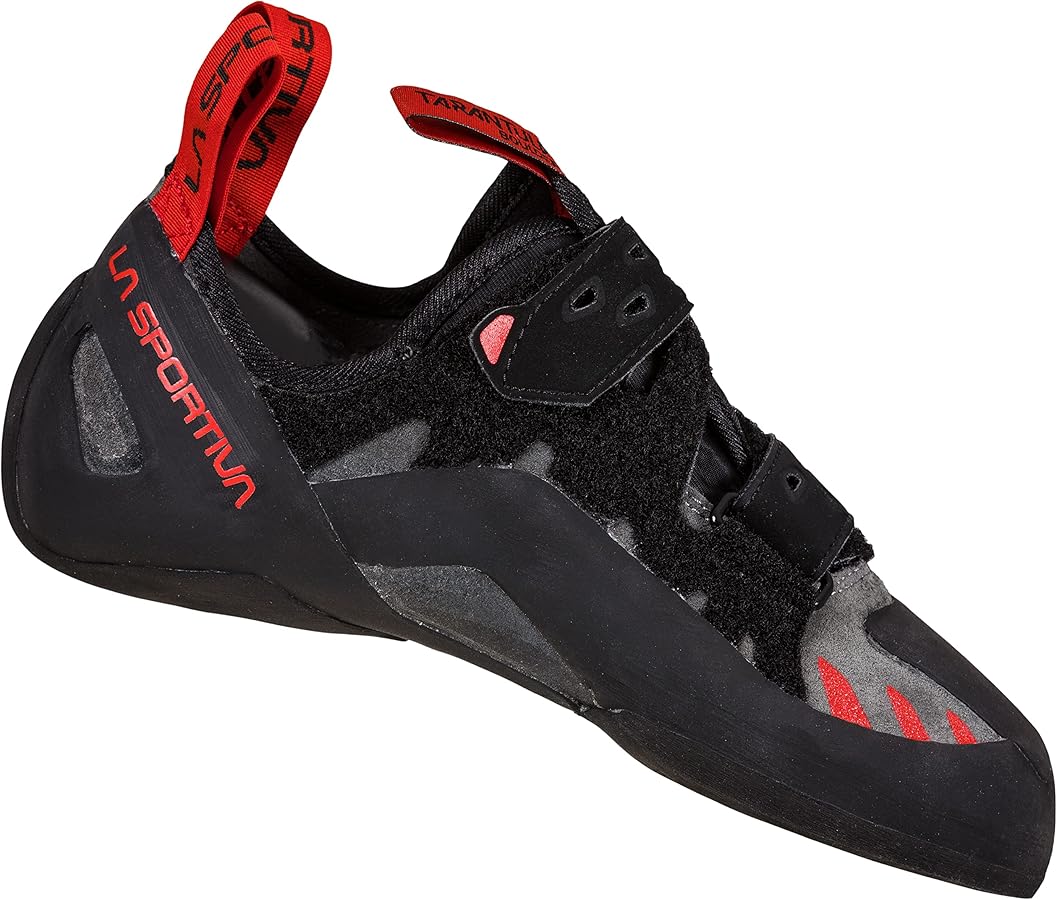
La Sportiva Tarantula Climbing Shoe
Learning Curve: Easy
$118.99
Difficulty: 1/5
Why Great for Beginners:
The Tarantula is a classic first shoe with a comfy flat last perfect for indoor smearing. Its padded tongue and velcro make it painless for long sessions, letting newbies focus on moves.
✓ Beginner Pros
+Super comfortable out of box
+Wide toe box fits most feet
+Sticky rubber forgives sloppy footwork
+Durable for gym abuse
✗ Beginner Cons
-Less precise on tiny edges
-May feel warm in long sessions
👍 Best for: Total newbies testing bouldering on a budget
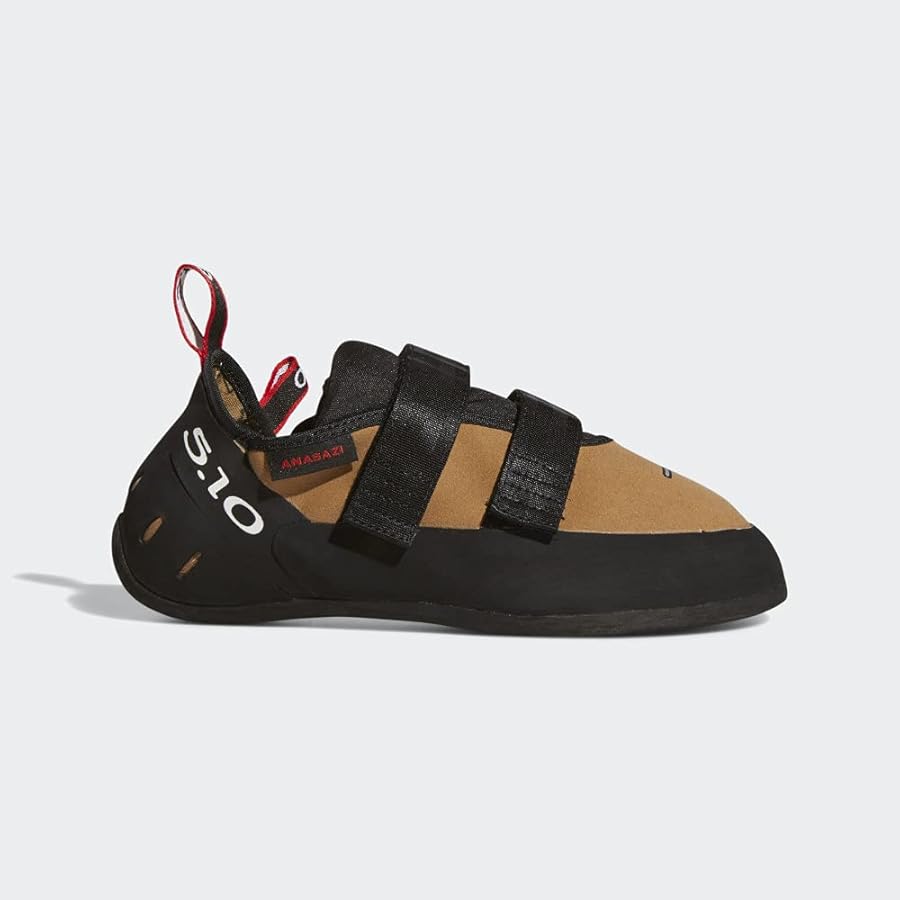
Stealth C4 rubber sticks like glue on indoor holds, while the velcro and neutral shape keep it comfy for hours. Great value that lasts through skill growth.
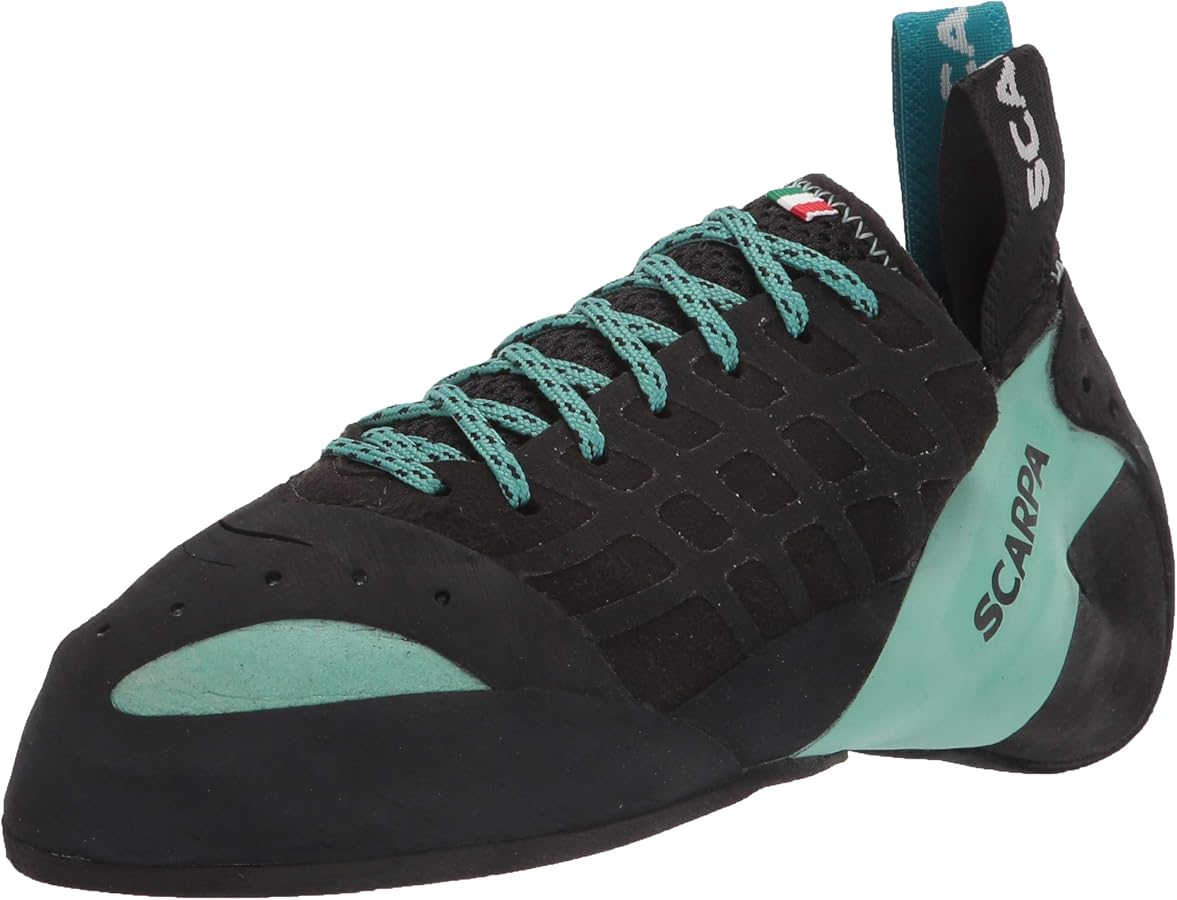
Lace-up precision with beginner-friendly padding and Vision rubber for reliable indoor grip. Slightly more adjustable than velcro for perfect fit as you learn.
📖 Complete Beginner's Guide to Rock Climbing Shoes
Rock climbing shoes are your feet's upgrade for walls—they're thinner, stickier, and shaped to jam into cracks or stand on tiny edges. Basics: Rubber soles for friction, reinforced toes for power, and tight fit for sensitivity (but beginners need 'comfy tight,' not painful). Types include velcro (easy, versatile), lace-up (precise fit), and slippers (fast but stretchy—avoid for newbies).
For indoor bouldering beginners, velcro shoes with a flat last shine: They excel at slabby problems and volumes without aggressive curling that cramps toes early on. Expect to size down 1/2 to 1 size from street shoes for security, but try in-store if possible. 'Beginner-friendly' means 80% comfort, 20% performance—room to grow skills without foot agony. Marketing like '4X rubber' sounds cool but prioritize reviews saying 'great first shoe.' Realistic wins: Top out V0-V2s comfortably after a few weeks.
🤔 How to Choose Your First Rock Climbing Shoes
Ask: What's your budget and foot shape? Indoor bouldering only? Start here—budget under $120 if testing the sport, $120-170 sweet spot for lasting value. Flat feet? Wider toe box. Narrow? Slimmer profile. Rent gym shoes first to confirm sizing prefs.
Framework: 1) Comfort test via reviews (no 'pain cave' talk). 2) Rubber quality over flash. 3) Velcro for ease. Go budget to dip toes; recommended for 6+ months climbing; premium if committing big. Red flags: 'Resoles easily' (you won't yet), sub-$70 (poor rubber), or downturned 'all-rounders' (too aggressive). Plan growth: These hold to V4ish before upgrading.
💰 Budget Guide for Beginners
220+
Pro entry: Advanced features; skip unless you're all-in from day one.
120 - $170
Sweet spot: Best balance for most beginners—durable, comfy, grows with you to intermediate.
170 - $220
Premium beginner: Top materials for longer life and better feel, ideal for frequent climbers.
Under $ - $120
Entry level: Affordable to try bouldering without commitment; basic comfort, may wear faster.
⚠️ Common Beginner Mistakes to Avoid
Newbies chase 'pro' shoes like downturned slippers, enduring pain that turns them off climbing (Reddit horror stories abound). Instead, size properly and prioritize comfort. Another trap: Bargain bins under $70 with crumbly rubber—frustrating slips after weeks. Always chalk up and brush soles; forgotten, they lose stickiness.
Don't buy without reading 'beginner' tagged reviews—avoid 'stiff' complaints. Rent first if possible. Experienced climbers say: Start forgiving, upgrade happy.
×Buying street shoe size—climbing shoes need 1/2 size down for security.
×Going too cheap under $80—rubber delams, false economy.
×Ignoring fit reviews—narrow/wide mismatches cause blisters.
×Picking slippers—stretch and fall off during dynamic moves.
×Not cleaning shoes—grip fades fast in gyms.
📈 Your Progression Path: Beginner to Intermediate
Master basics first: Foot placement, smearing on slabs (1-2 months). Practice V0-V1s 2x/week, focusing on quiet feet. Outgrow beginner shoes at V3-V4 when needing more precision/sensitivity.
Upgrade signs: Frequent toe jams hurt in flats, or edging feels vague. Move to moderate downturn with laces (~6 months in). Intermediate: Aggressive shapes, resoles. Stay beginner 3-6 months building form—rushing gear skips skills.
📚 Learning Resources for Beginners
📖{"name":"Mountaineering: The Freedom of the Hills","asin":"B0B5J2K3L4","type":"book","whyForBeginners":"Beginner chapters on gear and technique."}
📖{"name":"The Rock Warrior's Way","asin":"B01M0KX5P2","type":"book","whyForBeginners":"Mental game for new climbers."}
📖{"name":"Training for Climbing","asin":"B07Z8F9G1H","type":"book","whyForBeginners":"Simple workouts."}
📖{"name":"9-5 Climbing Training Program (Kindle)","asin":"B08N4M5P6Q","type":"course","whyForBeginners":"Gym-focused plans."}
🎯 Bottom Line: Our Recommendations
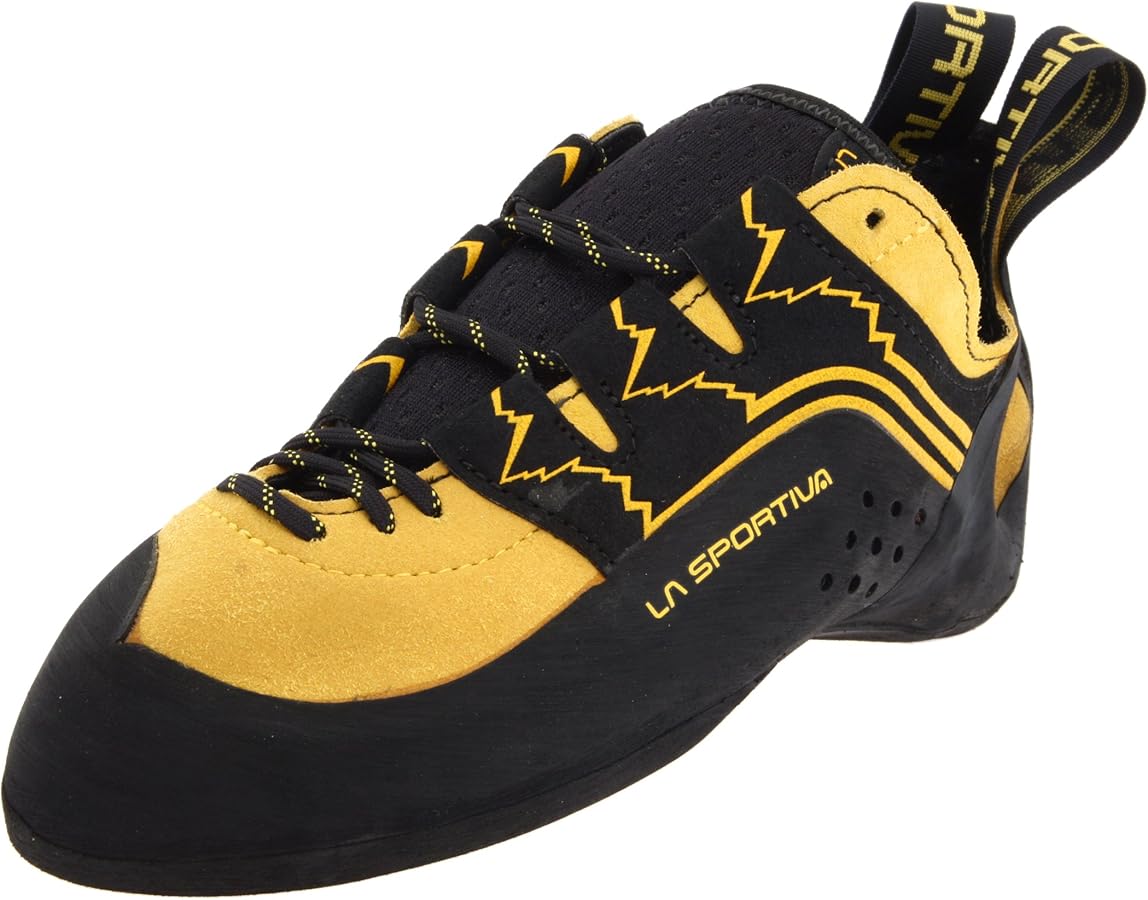
For most beginners, grab the Five Ten Anasazi VCS—comfy, grippy perfection for indoor bouldering growth. Budget? La Sportiva Tarantula. Serious? Katana Lace. Pair with chalk bag and bucket day one.
You're ready—rent once, buy confident, climb often. First session: Smear everything, have fun. You've got this; walls await!
❓ Frequently Asked Questions
The Five Ten Anasazi VCS (B07N1M8Z3P) for its comfy neutral fit and sticky Stealth rubber—ideal for indoor bouldering without pain.
$120-170 sweet spot for durable comfort that lasts 6+ months; under $120 to test.
Flat shape, velcro, sticky rubber, padded comfort—forgiving for learning smears and edges.
La Sportiva Tarantula—easiest fit, no break-in pain.
Chalk bag, loose chalk, shoe brush—essentials for grip and maintenance.
Prioritize comfort reviews, size down 1/2, velcro for bouldering; rent gym pairs first.
Not if beginner-friendly—comfy flats make it fun; avoid aggressive ones.
Wrong sizing, no chalk, cheap rubber, downturned shapes—stick to guides.
Yes, 1/2 to 1 size—secure but not painful; check brand charts.
Velcro for quick gym changes; lace if customizing fit.