Confidently pick your first deer hunting rifle with our simple guide to top picks, features, and mistakes to avoid.
Choosing your first rifle for deer hunting can feel scary – so many choices, confusing terms, and worry about wasting money on the wrong one. Beginners often freeze up thinking they'll pick something unsafe or ineffective. But it doesn't have to be that way.
Deer hunting rifles seem overwhelming with talks of calibers, actions, and scopes, but most beginners just need something reliable, easy to shoot accurately, and forgiving of small mistakes. This guide cuts through the noise.
We'll show you exactly what to look for, top Amazon picks that real beginners love, must-have accessories, and how to avoid pitfalls. By the end, you'll feel ready to buy and hit the woods with confidence.
📋 In This Guide
• Why Beginners Struggle with Rifle
• What to Look For (Key Features)
• Top 4 Beginner-Friendly Rifle
• Essential Accessories for Beginners
• Common Beginner Mistakes to Avoid
• Your Progression Path
• FAQ & Learning Resources
😰 Why Beginners Struggle with Rifle
New hunters face a flood of options – bolt-action vs lever-action, .243 vs .308 calibers – and don't know what matters for deer at typical ranges (100-300 yards). Forums like Reddit's r/Hunting show beginners frustrated by cheap rifles that jam or kick too hard, leading to poor shots or giving up.
Jargon like 'MOA accuracy' or 'free-floated barrel' sounds expert-only, and fear of buying wrong (too heavy, wrong size) stops many. Plus, safety worries: Is it safe for recoil-sensitive beginners? Overwhelm leads to paralysis or bad impulse buys.
Without guidance, beginners overlook basics like included scopes or lightweight designs for carrying in the field, ending up with gear that's hard to handle during long hunts.
🔍 What to Look For: Key Beginner-Friendly Features
Focus on rifles that are simple to load, shoot straight out of the box, and handle beginner wobbles without punishing recoil. Key must-haves: Bolt-action design (smooth, reliable cycling), deer-friendly calibers like .243 or 6.5 Creedmoor (flat-shooting, low recoil), and synthetic stocks (light, weatherproof).
Nice-to-haves: Factory-mounted scope (saves hassle), adjustable trigger (easier pulls), threaded barrel (future suppressor option). Skip complex semi-autos or magnum calibers – too much recoil and maintenance for starters.
Beginner-friendly means lightweight (under 8 lbs scoped), forgiving accuracy (1-2 MOA, meaning groups under 2 inches at 100 yards), and great out-of-box performance so you focus on hunting, not tinkering.
✅ Essential Features for Beginners
•Bolt-action mechanism: Simple to operate, reliable for one-shot deer drops without jams.
•Low-recoil calibers (.243, 6.5 Creedmoor): Easy on shoulder, helps beginners stay on target.
•Synthetic stock: Lightweight, grips well in wet conditions, doesn't warp.
•Factory scope combo: Ready-to-hunt, no alignment hassle.
•Adjustable trigger: Lighter pull reduces flinch for better accuracy.
•Threaded muzzle: Future-proof for brakes or cans without full swap.
•Sub-MOA accuracy guarantee: Consistent shots even with beginner form.
🏆 Top 4 Best Rifle for Beginners
#1
💰 Budget
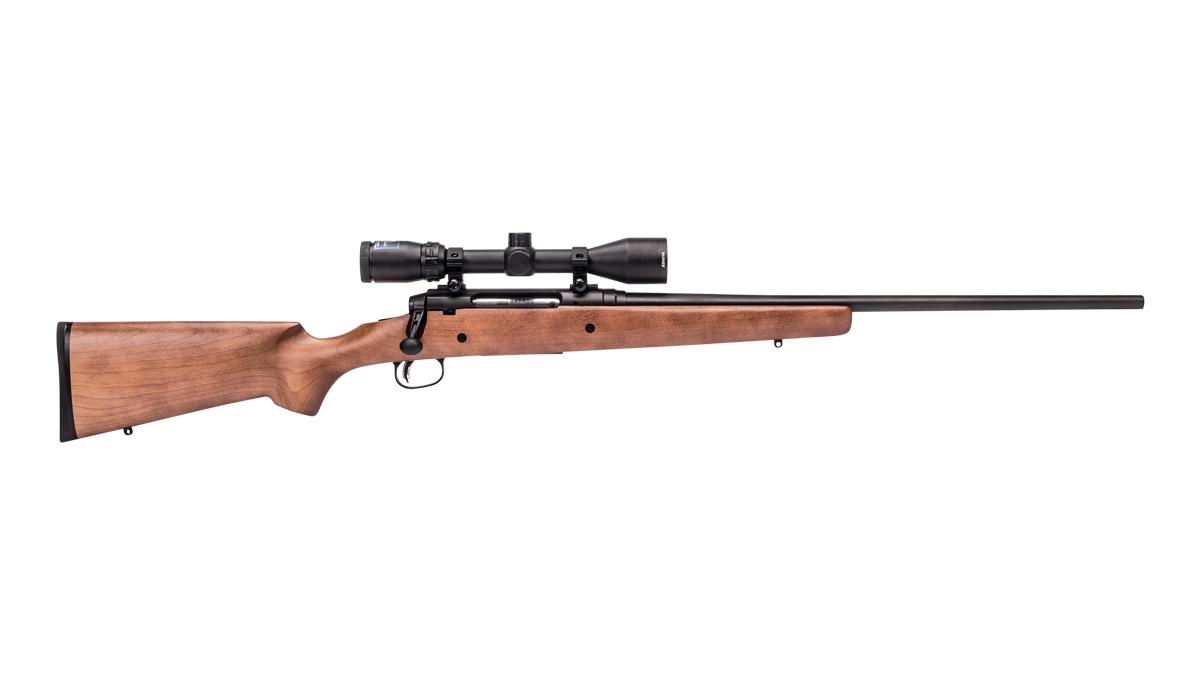
Savage Axis II XP Hardwood Bolt Action Rifle, .243 Win
Learning Curve: Easy
$379.99
Difficulty: 1/5
Why Great for Beginners:
This combo rifle comes with a scope ready-to-hunt, perfect for deer at 200 yards without extra setup. Its low-recoil .243 caliber lets beginners focus on aim, not kick. Proven accurate for newbies on a tight budget.
✓ Beginner Pros
+Includes 3-9x scope
+Lightweight at 6.5lbs
+User-adjustable AccuTrigger
+Affordable ammo widely available
+Handles beginner recoil well
✗ Beginner Cons
-Basic hardwood stock scratches easy
-Sights not great for iron use
👍 Best for: Budget-conscious first-time deer hunters
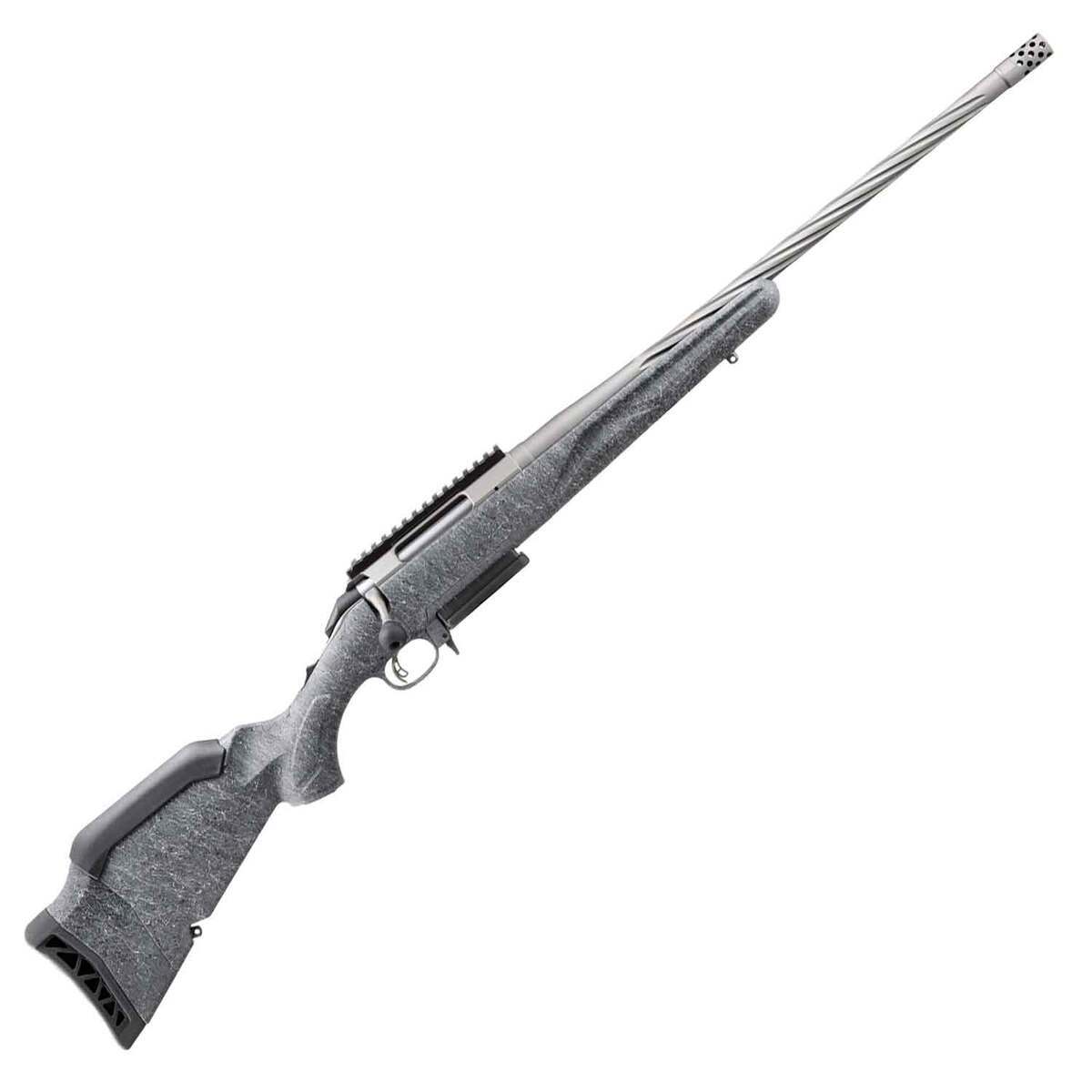
Sweet spot with power for bigger deer, yet manageable recoil and pinpoint accuracy. Adjustable stock fits most sizes, and it's rugged for field knocks. Beginners rave about its 'point-and-shoot' feel.
✓ Beginner Pros
+Power Folder stock adjustable
+1:10 twist for stability
+Threaded barrel ready
+Excellent value accuracy
+Ergonomic grip
✗ Beginner Cons
-Slightly heavier scoped
-No included optic
👍 Best for: Most beginners wanting growth to larger game
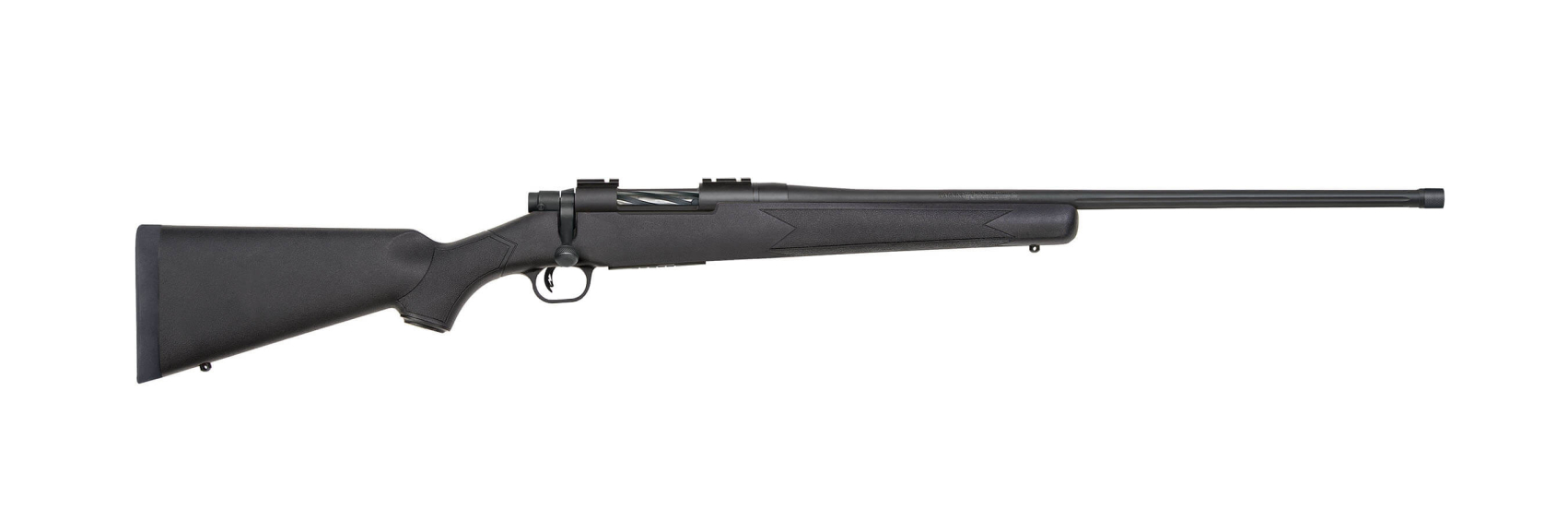
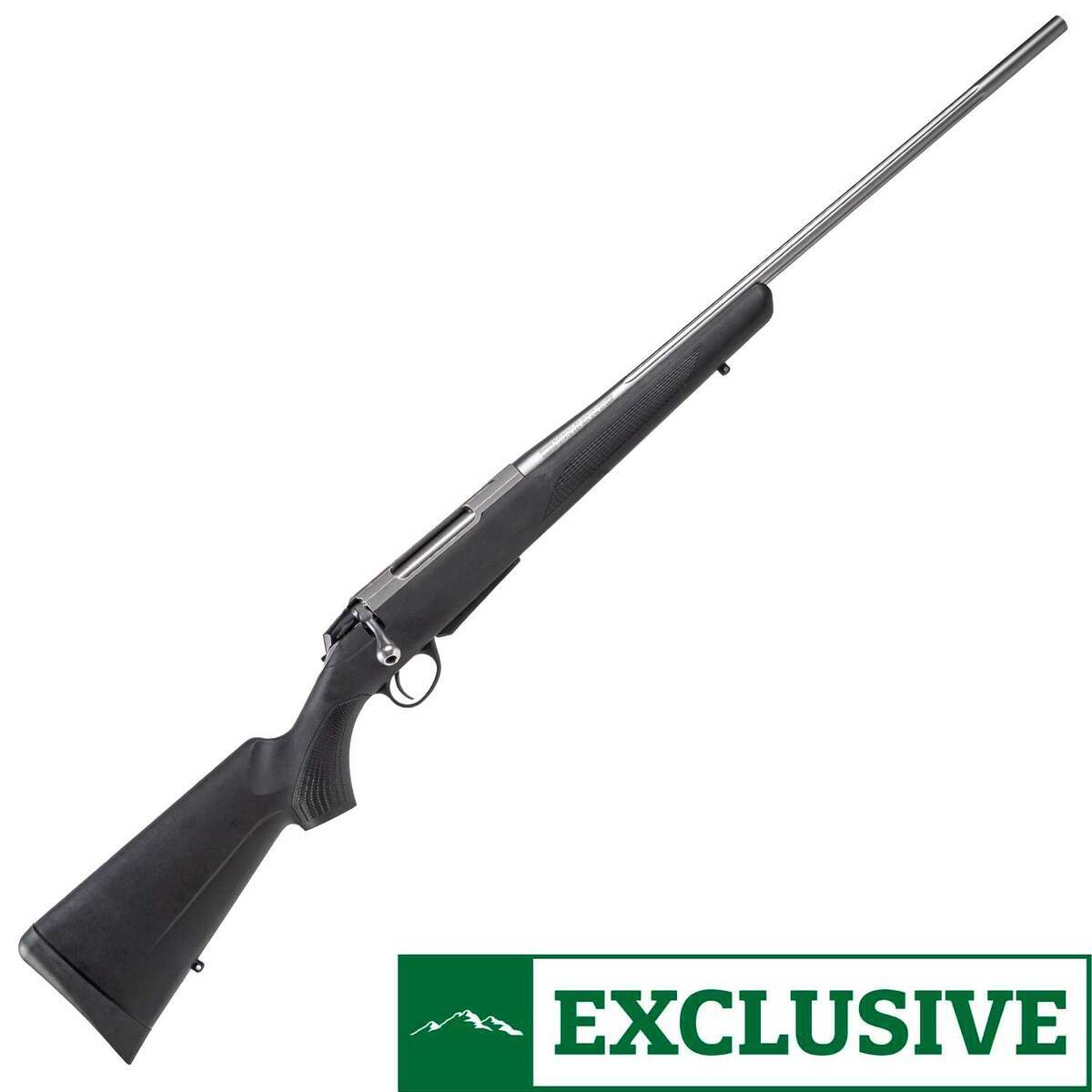
Ultra-reliable with LBA trigger that's forgiving on pulls, great for steady shots. Synthetic stock shrugs off rain/mud, ideal for deer woods. Combo options available for zero setup.
A rifle is a shoulder-fired gun that launches bullets precisely for hunting. For deer, bolt-actions are king for beginners – you push a bolt to load/reload, like a simple pump, super reliable and accurate.
Types: Bolt-action (best for beginners: accurate, low-maintenance), lever-action (quicker follow-ups but less precise), semi-auto (fast but finicky cleaning). Stick to bolt for deer – one well-placed shot wins.
Best for beginners: .243 Win or 6.5 Creedmoor calibers – shoot flat to 300 yards, mild kick like a firm push. Expect 2-3 inch groups at 100 yards first time out with practice. 'Beginner-friendly' means no setup needed, handles field abuse, grows with you to elk later.
Marketing traps: 'Tactical' = heavy/unneeded; 'youth' = too small unless tiny-framed. Test heft in-store if possible.
🤔 How to Choose Your First Rifle
Ask: What's my budget? Hunt solo or guided? Recoil tolerance? Start here: Under $400 for testing waters, $400-700 sweet spot for lasting value.
Scenarios: All-day walks? Pick lightweight. Tree stand? Any works. Plan growth: Choose popular calibers/ammo availability. Go budget if unsure, recommended for commitment, premium if investing long-term.
Red flags: No accuracy guarantee, heavy over 8lbs, obscure calibers (hard ammo). Prioritize combos with scopes – 80% of beginner success is optics.
💰 Budget Guide for Beginners
1000+
Pro entry: Custom-like quality for serious hunters planning big game.
400 - $700
Sweet spot: Excellent accuracy and features, lasts 5+ years for most beginners.
700 - $1000
Premium beginner: Top reliability and precision, outgrow only after decades.
Under $ - $400
Entry level: Basic reliable shooter to try hunting, may want upgrade in 1-2 years.
⚠️ Common Beginner Mistakes to Avoid
Beginners grab cheapest Amazon special, then complain of inaccuracy – cheap barrels flex. Instead, spend $400+ for guaranteed performers.
Many pick dad's old .30-06, flinching from kick and spraying shots. Start .243/6.5CM. Skipping optics? 90% miss rate soars. Forum vets say: 'Buy combo packages.'
Forgetting maintenance leads to seized bolts post-hunt. Buy kit day one. Lessons: Test recoil tolerance, prioritize accuracy over 'cool factor,' plan accessories budget.
×Buying ultra-cheap under $300: Jams, inaccurate, false economy.
×Picking high-recoil calibers like .30-06 too soon: Causes flinch, misses.
×Skipping scope: Iron sights fail at deer ranges.
×Ignoring weight: Heavy rifles tire arms on walks.
×Wrong action type: Semi-autos need constant cleaning.
×No cleaning kit: Rusts after first rain.
×Obscure calibers: Ammo scarce/expensive.
×No sling/case: Drops damage stock.
📈 Your Progression Path: Beginner to Intermediate
Start with safety course, zero scope at 100 yards, practice dry-fire. Hunt close ranges first, log hits/misses to improve form.
Build skills: 50 range rounds/month, then longer shots. Outgrow beginner when grouping sub-1.5 inches consistently, hunting bigger game.
Upgrade first: Better scope/trigger at 1 year, full rifle at 3-5 years or 500 rounds. Intermediate: Custom stock, premium optics. Most stay beginner gear 2+ seasons.