Best Recurve Bow for Beginners: Complete Guide 2025
Everything beginners need to choose their first recurve bow with confidence and avoid costly mistakes.
Picking your first recurve bow can feel overwhelming with all the options, weights, and terms that make no sense yet. Beginners often worry about wasting money on something too hard to use or getting injured right away. This guide cuts through the confusion, focusing only on what matters for total newcomers.
We'll explain why recurve bows are a great starting point for archery, show you beginner-friendly features, and recommend real Amazon products that are forgiving and easy to learn on. By the end, you'll know exactly what to buy, what accessories you need day one, and how to start shooting safely and successfully.
📋 In This Guide
• Why Beginners Struggle with Recurve Bow
• What to Look For (Key Features)
• Top 4 Beginner-Friendly Recurve Bow
• Essential Accessories for Beginners
• Common Beginner Mistakes to Avoid
• Your Progression Path
• FAQ & Learning Resources
😰 Why Beginners Struggle with Recurve Bow
New archers face a ton of confusion: What draw weight is right? Takedown or one-piece? Left or right hand? Forums are full of stories from beginners who bought a cheap plastic bow that snapped or a too-heavy one that caused shoulder pain. The jargon like 'ILF riser' or 'poundage' scares people off before they start.
Fear of buying wrong is huge – reviews show many quit after one bad purchase. Options range from $30 toys to $500 pro gear, and without guidance, it's easy to pick something frustrating or unsafe. Most don't know they need low weight (20-28 lbs) and forgiving limbs to build confidence without strain.
🔍 What to Look For: Key Beginner-Friendly Features
For beginners, prioritize bows that are easy to string, shoot accurately even with bad form, and adjustable as you improve. Look for takedown designs (limbs pop off for easy transport) with draw weights under 30 lbs – this prevents injury and lets you focus on fun. Avoid stiff, high-poundage bows meant for experts.
Nice-to-haves: Included arrow rest and basic sight for instant aiming. Skip fancy stabilizers or carbon limbs – they're overkill and pricey. Beginner-friendly bows have smooth draw, durable risers (the handle part), and come in youth/adult sizes that fit most people.
✅ Essential Features for Beginners
•Takedown design: Limbs detach easily for storage and upgrades
•Low draw weight (20-30 lbs): Forgiving on muscles, builds form without pain
•Durable riser: Aluminum or strong polymer that lasts years
•Included arrow rest/plunger: Helps arrows fly straight from day one
•Smooth limbs: Reduces vibration, easier on beginners
•Ambidextrous options: Works for left or right hand
•Beginner kit extras: Often includes string or basic sight
🏆 Top 4 Best Recurve Bow for Beginners
#1
💰 Budget
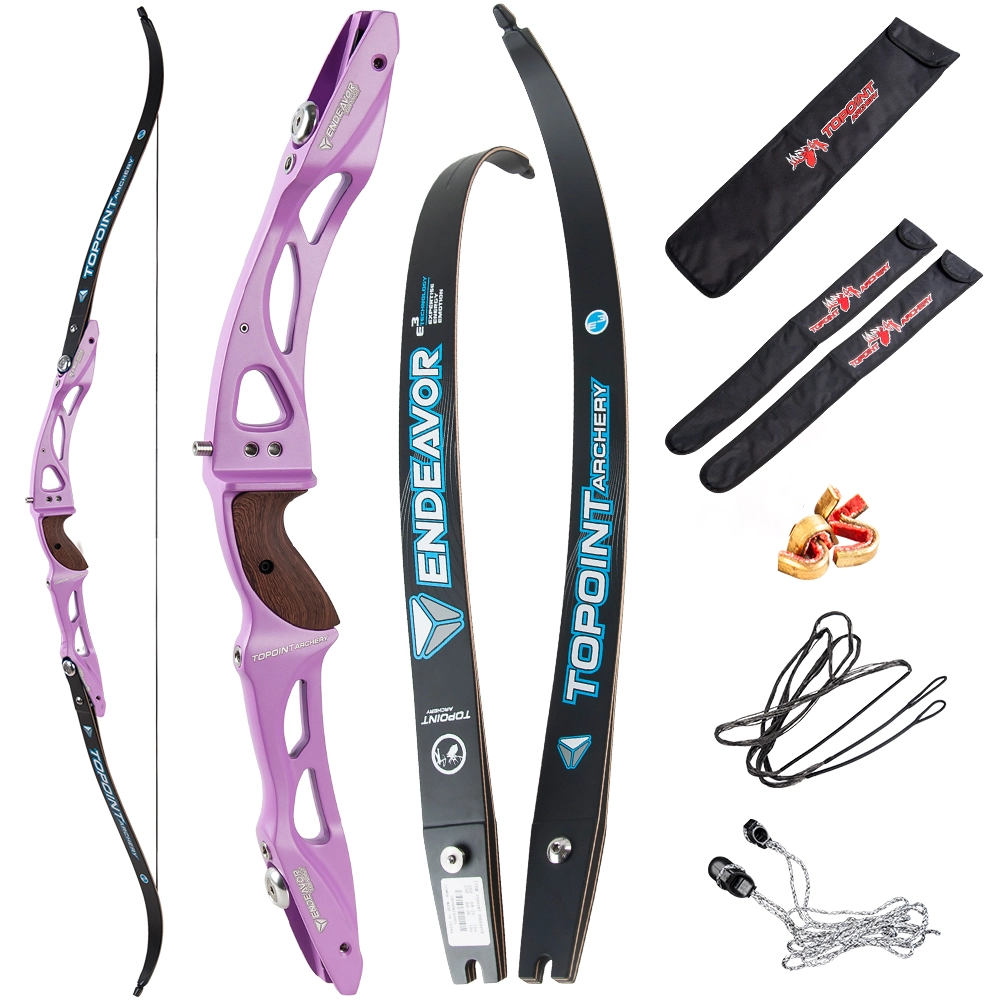
Topoint Archery 54" Recurve Bow Set
Learning Curve: Easy
$69.99
Difficulty: 1/5
Why Great for Beginners:
This affordable set includes everything to start shooting right away, with low 20 lb draw that's gentle on new muscles. The one-piece design is super simple, no stringing hassle. Perfect for backyard testing without commitment.
✓ Beginner Pros
+Includes arrows and rest
+Lightweight and portable
+Very forgiving draw
+Easy setup in minutes
✗ Beginner Cons
-Not upgradable
-Basic accuracy at distance
-May feel cheap long-term
👍 Best for: Total newbies testing the waters on tight budget
👎 Not for: Serious students wanting growth options
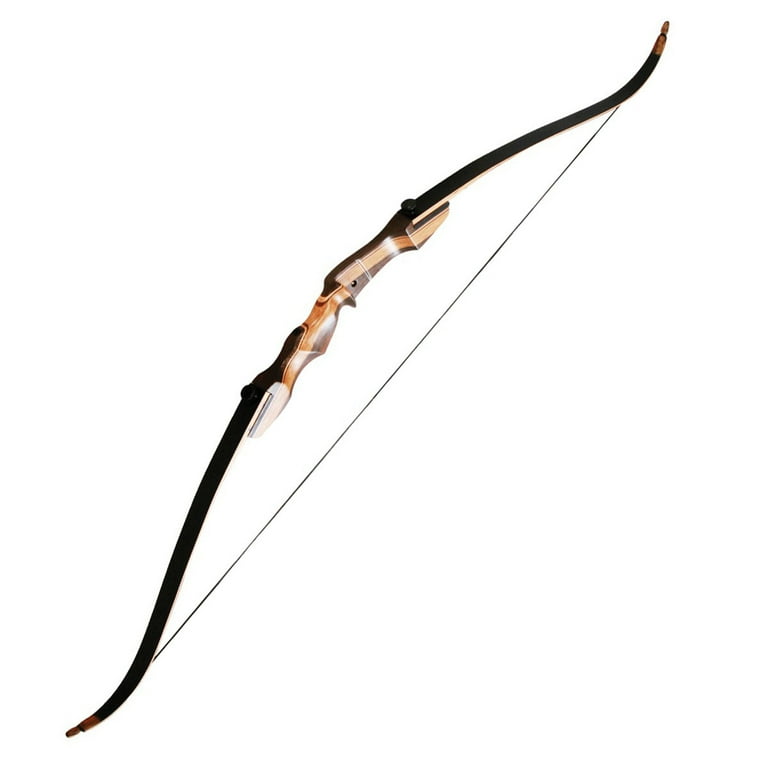
The gold standard for beginners – takedown limbs make it portable and upgradable as you improve. Smooth 25-35 lb options fit most adults, with minimal vibration for confident shots. Thousands of happy newbie reviews.
✓ Beginner Pros
+Upgradable limbs
+Ambidextrous riser
+Durable wood laminate
+Great value longevity
✗ Beginner Cons
-Stringing needs tool (included)
-No extras in base model
👍 Best for: Most beginners planning regular practice
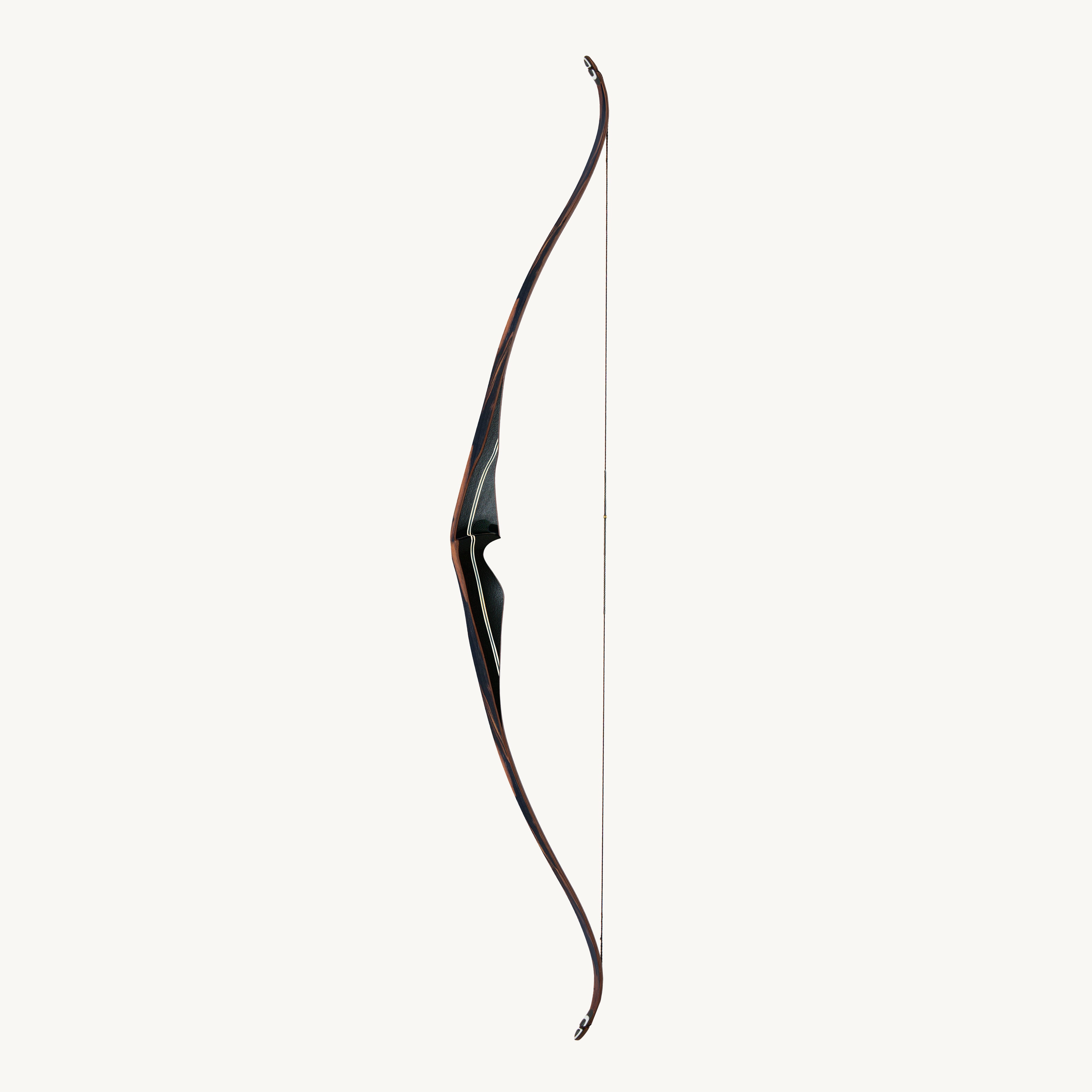
Compact takedown perfect for smaller hands or travel, with forgiving 20-30 lb limbs. Magnesium riser adds stability without weight. Ideal bridge from toy bows to real archery.
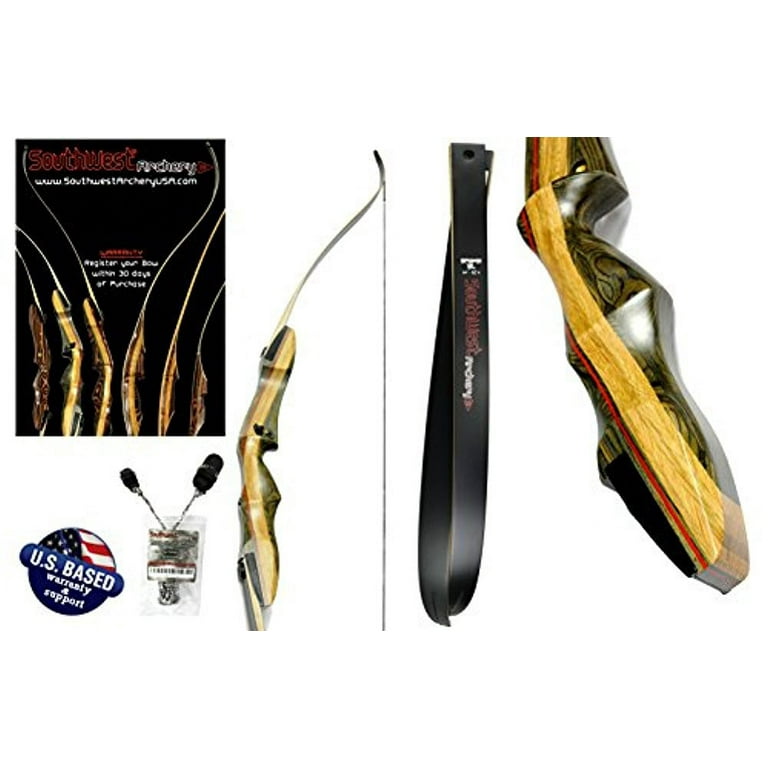
Proven riser with fast limbs for better groups early on, yet beginner weights available. Hardwood construction feels premium and lasts forever. Great for those upgrading from basics without jumping to expert gear.
A recurve bow has curved limb tips that store energy for power – perfect for learning traditional archery like in the Olympics. Unlike compound bows with pulleys, recurves are simple: pull back the string, aim, release. Beginners should start with takedown recurves – they're versatile, portable, and let you swap limbs later.
One-piece bows are cheaper but harder to upgrade; stick to takedown for growth. Expect to hit a target at 10-15 yards after a few sessions with practice. 'Beginner-friendly' means light weight, minimal vibration, and simple setup – no tools needed. Ignore hype like 'hunt-ready' if you're just target shooting.
🔧 Essential Accessories for Beginners
Archery Bow Stringer Tool
⚠️ Essential
$9.99
When to buy:
Day one
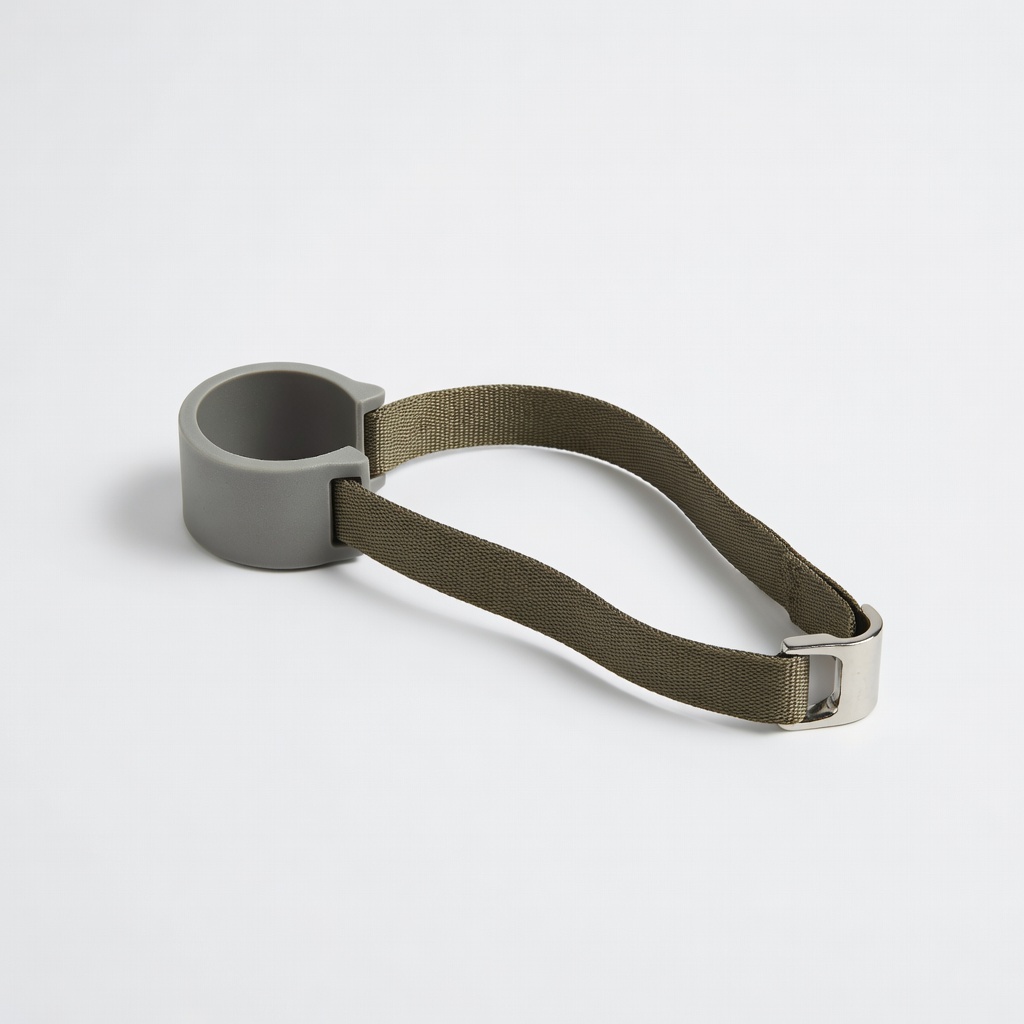
Takedown bows need safe stringing to avoid limb damage – this tool makes it foolproof. Beginners twist limbs wrong without it, risking snaps.
Ask: What's my budget? Trying casually (<$100) or serious practice ($100-250)? Right or left-handed? Indoor targets or backyard? Start with 20-24 lb draw for adults, less for kids. Budget gets basic one-piece; sweet spot ($100-200) takedown like Samick Sage for growth.
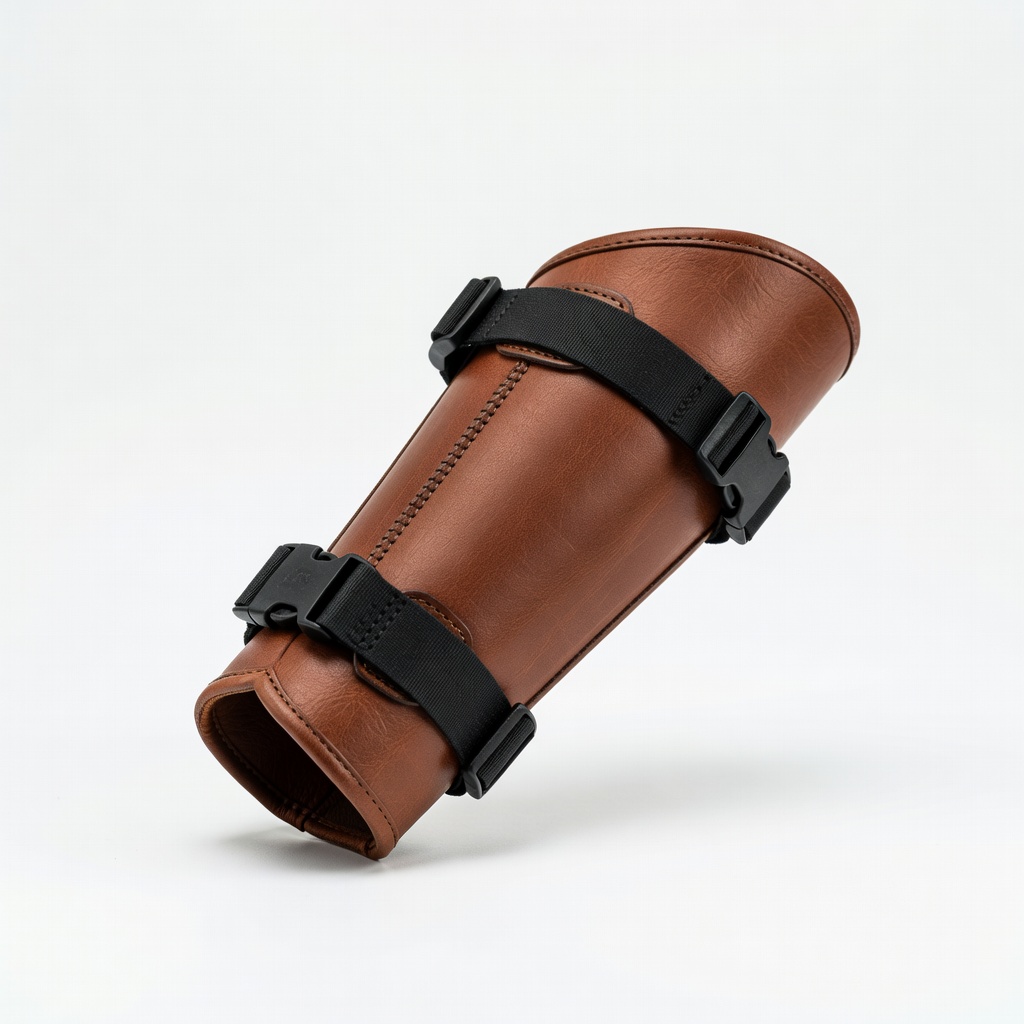
Go premium ($200+) if committing long-term. Red flags: No reviews from beginners, plastic everything, over 35 lbs. Test fit if possible, but Amazon returns make it safe. Plan for accessories like arm guard from day one.
💰 Budget Guide for Beginners
400+
Pro entry: ILF systems for customization; only if you have coaching and big budget
100 - $200
Sweet spot: Quality takedown bows with smooth draw and durability; best for most beginners, lasts 1-2 years
200 - $400
Premium beginner: Advanced materials, better accuracy, room to grow without full replacement
Under $ - $100
Entry level: Basic one-piece or cheap takedown to try archery without big spend; may need upgrade in 6 months
⚠️ Common Beginner Mistakes to Avoid
Beginners grab the cheapest $30 Amazon bow, only to find it's a toy that wobbles and snaps. Or they pick dad’s old 50 lb bow, get sore, and give up. Skipping safety gear like arm guards leads to welts and fear.
Avoid by sticking to proven brands like Samick or Bearpaw, starting low weight, and buying full kits. Read beginner reviews, not pro ones. Plan $150 total startup for bow + basics – it's worth not quitting after week one.
Start with stance, nock, draw basics at 5-10 yards – 15-30 min sessions 3x/week. Master form before distance. Outgrow beginner bow when hitting 20 yards consistently (3-6 months) and wanting 30+ lbs.
Upgrade limbs first on takedown bows, then sights. Intermediate: Add plunger, stabilizer; join club. Most stay beginner 6-12 months; consistent practice speeds it up. Track groups tightening as sign of readiness.
📚 Learning Resources for Beginners
📖Archery Fundamentals Book, ASIN: 073605613X - Step-by-step skills with photos
📖Total Archery Book by Alfie Bassett, ASIN: B0B5K6L7M8 - Recurve-specific beginner tips
📖Archery Training Aid Band, ASIN: B07P8Q9R0S - Builds draw strength safely
📖Beginning Archery DVD (if avail), but book: Shooting Recurve Bow, ASIN: 0970876801
📖Practice Arrow Puller Tool, ASIN: B08L5M6N7O - Easier target use
🎯 Bottom Line: Our Recommendations
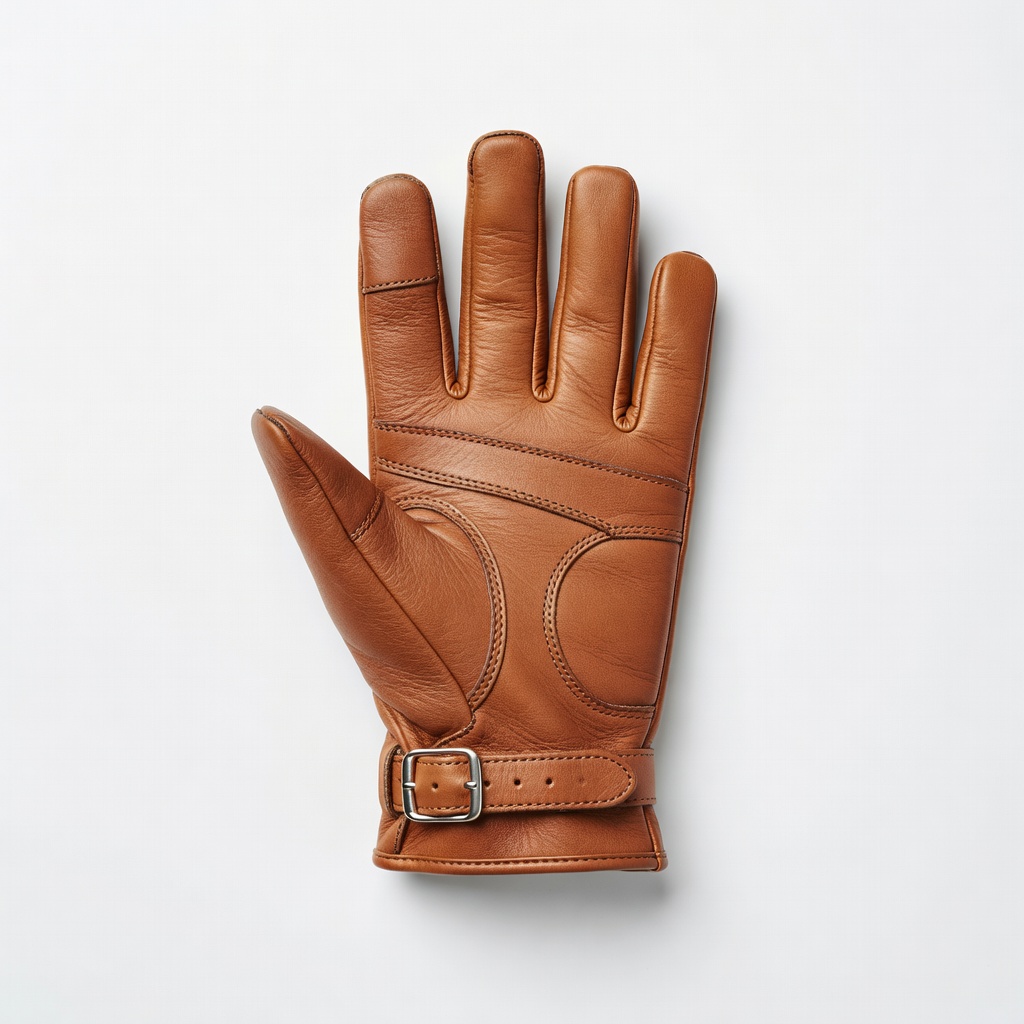
For most beginners, the Samick Sage ($140) is the best pick – reliable, upgradable, and loved by thousands starting out. Budget? Topoint Set ($70). Premium serious? Spyder ($150). Grab essentials: stringer, arm guard, glove, arrows ($75 total).
You're ready – archery is forgiving with right gear. Order, practice 20 min daily, join a local range. You'll hit bullseyes sooner than you think. Start today!
❓ Frequently Asked Questions
The Samick Sage Takedown (ASIN B0045HA0XS) – takedown, 25 lb start, upgradable, perfect balance of ease and growth.
$100-200 sweet spot for durable takedown; under $100 to test, $200+ for premium feel.