#1
💰 Budget
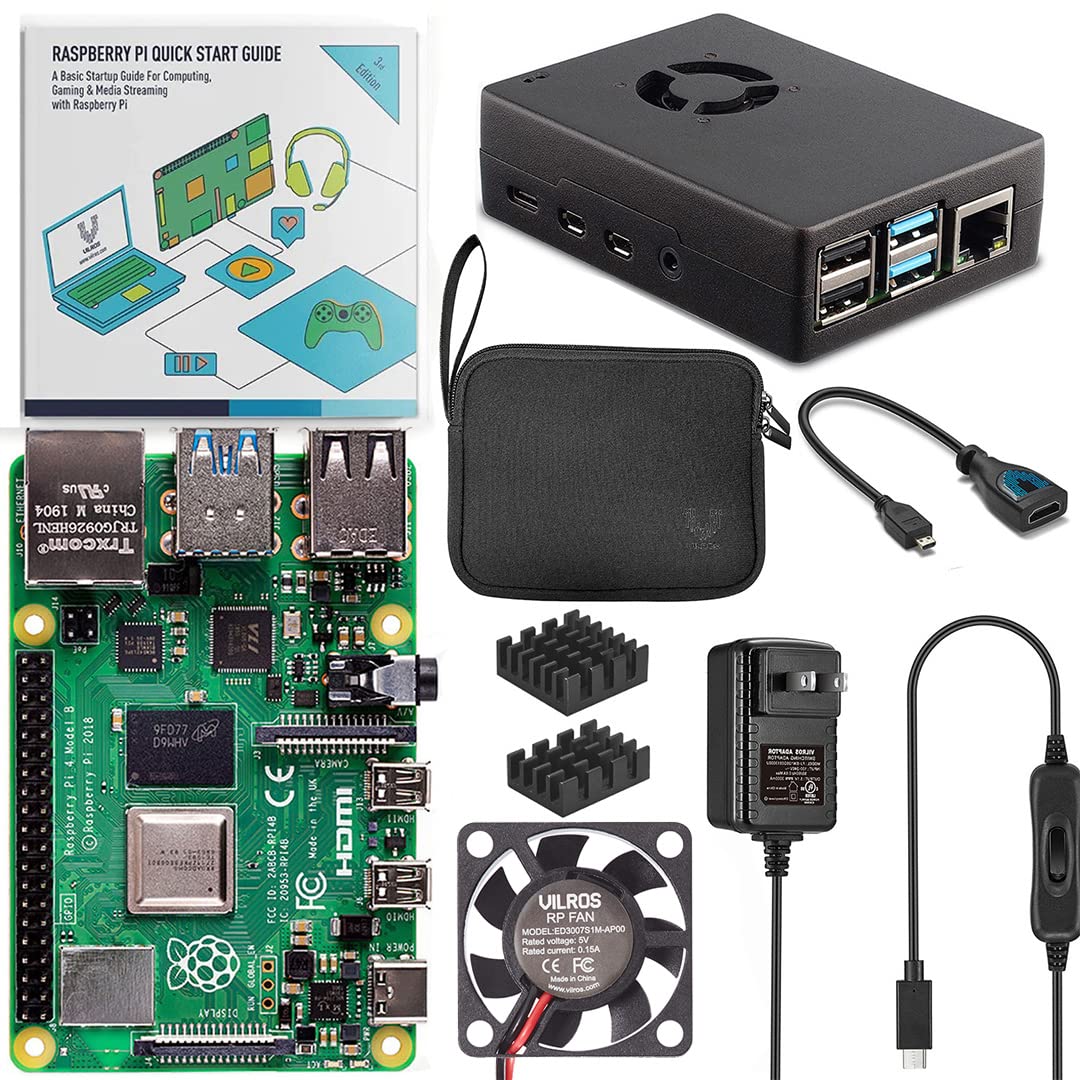
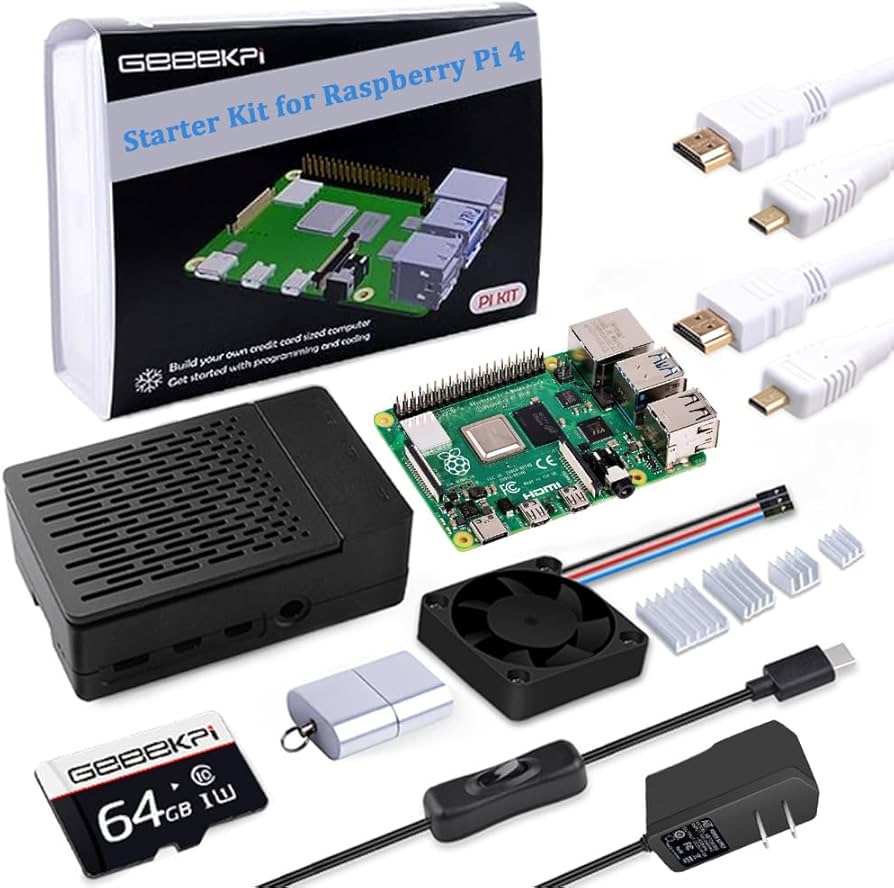
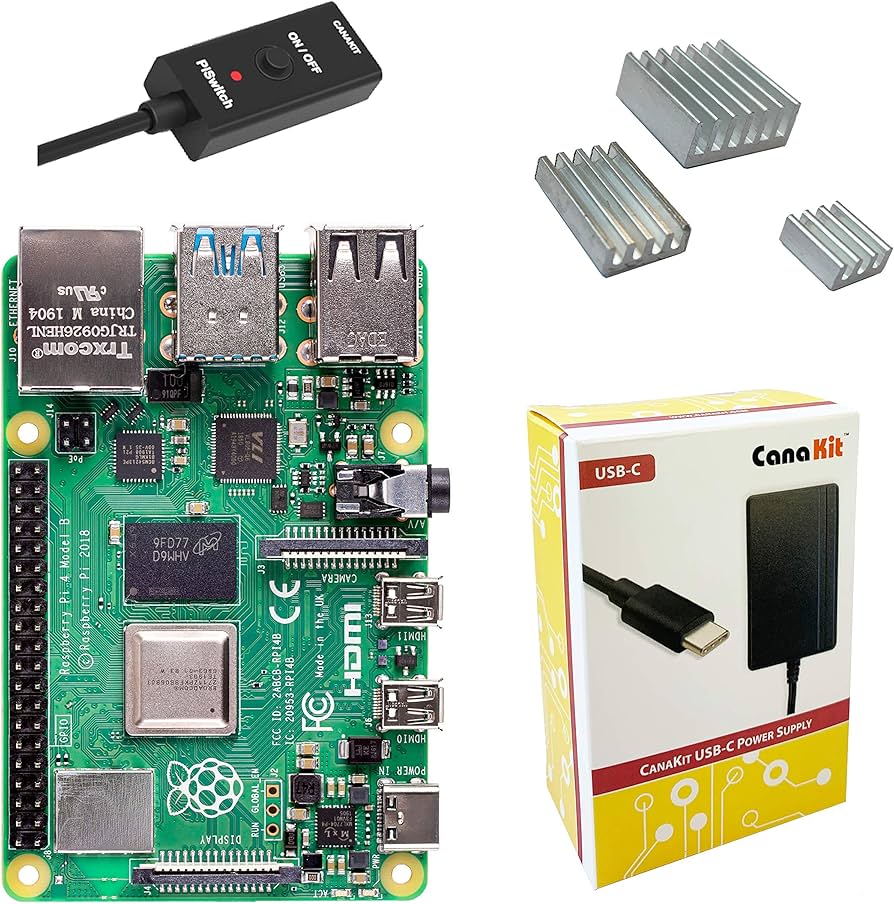
CanaKit Raspberry Pi 4 4GB Starter Kit
Learning Curve: Easy
$99.99
Difficulty: 1/5
Why Great for Beginners:
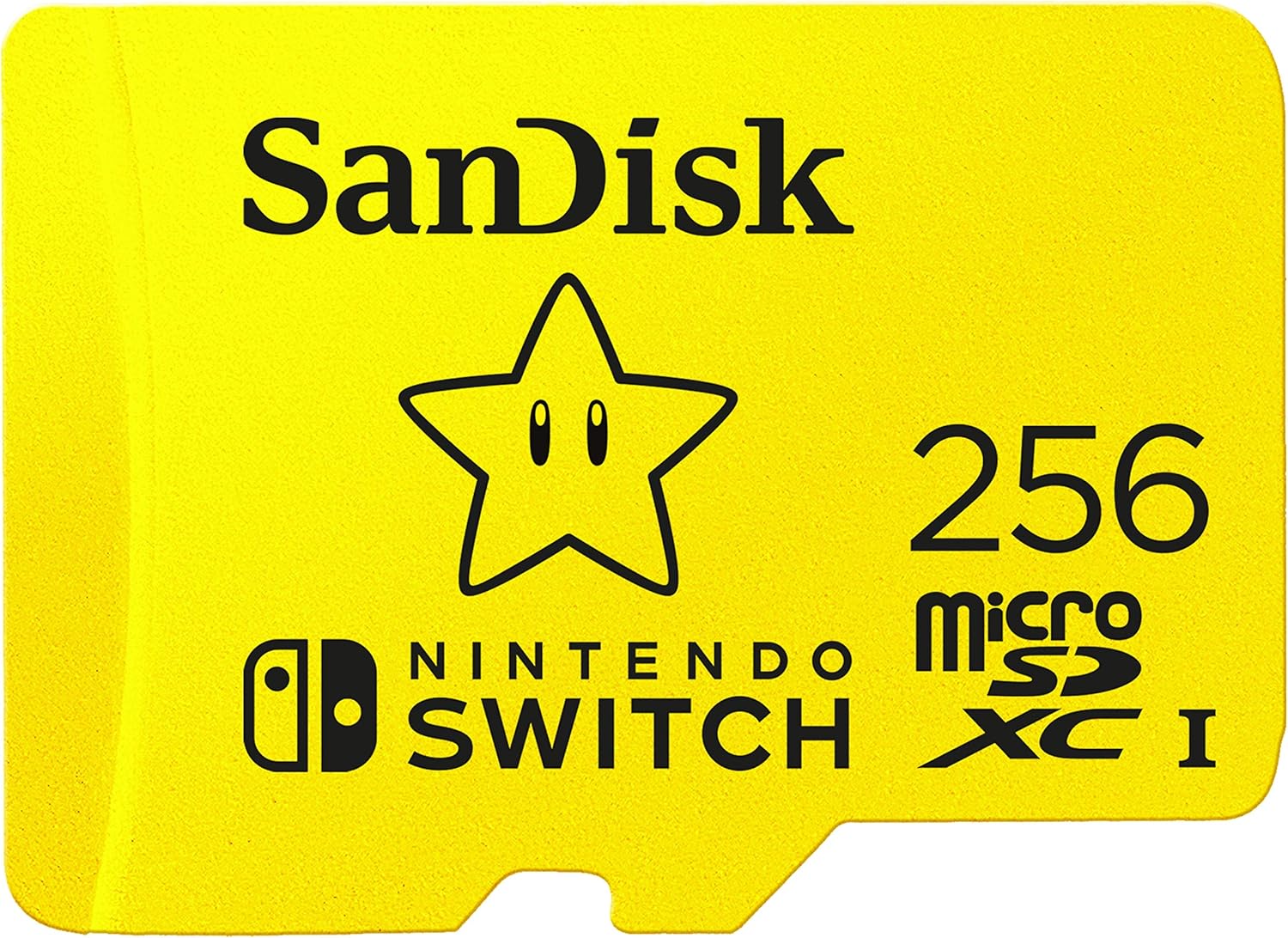
This kit has everything a newbie needs in one box: Pi 4 board, case, power, and pre-loaded 32GB SD card. Setup takes minutes, letting you focus on fun projects instead of hunting parts. Trusted brand with simple guides.
✓ Beginner Pros
- +All-in-one – no missing pieces
- +Pre-installed OS for instant use
- +Affordable without skimping quality
- +Good cooling prevents frustration
✗ Beginner Cons
- -4GB RAM limits heavy multitasking
- -No extra sensors included
👍 Best for: Total newbies testing electronics or coding
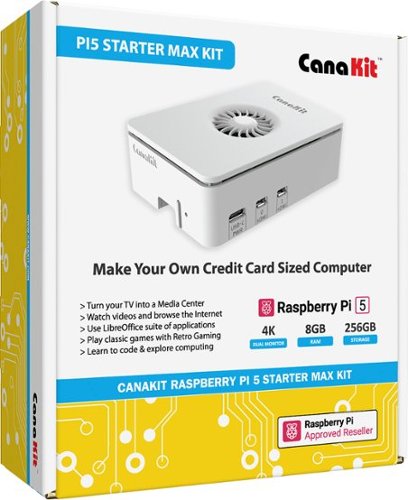
👎 Not for: Users wanting Pi 5 speed right away