7 Best Best Raised Garden Bed for beginners in 2026: Tested & Ra…
Everything beginners need to know to choose their first metal raised garden bed with confidence.
Thinking about starting a garden but overwhelmed by all the raised bed options? You're not alone. Metal raised garden beds have become incredibly popular, but with so many sizes, styles, and materials, it's easy to feel lost. This guide is designed to simplify the process, helping you pick a bed that's forgiving, easy to set up, and perfect for learning the ropes. We'll walk you through what matters, what doesn't, and give you clear recommendations so you can start planting with confidence.
📋 In This Guide
• Why Beginners Struggle with Raised Garden Bed
• What to Look For (Key Features)
• Top 3 Beginner-Friendly Raised Garden Bed
• Essential Accessories for Beginners
• Common Beginner Mistakes to Avoid
• Your Progression Path
• FAQ & Learning Resources
😰 Why Beginners Struggle with Raised Garden Bed
Many beginners jump in without understanding that not all raised beds are created equal. Metal beds can rust if not properly coated, they can get hot in the sun, and assembly can be frustrating if the instructions are poor. Plus, the sheer number of options—from size (4x4 vs 4x8) to depth (6 inches vs 17 inches), to accessories like covers and irrigation—makes it hard to know where to start. Beginners often worry they'll waste money on something that doesn't work or is too complicated to maintain. This guide cuts through the noise.
🔍 What to Look For: Key Beginner-Friendly Features
For a beginner, the most important things are ease of assembly, durability without rust, and a size that won't overwhelm you. Look for beds made of galvanized steel (which resists rust) with a powder-coated finish for extra protection. Pre-drilled holes and a straightforward bolt-together design save frustration. Depth matters: at least 11 inches deep gives roots room and keeps soil from drying out too fast. Avoid beds with complicated irrigation systems or built-in trellises until you're ready. Also, consider modular beds that allow expansion later.
✅ Essential Features for Beginners
•Easy assembly: Pre-punched holes and included hardware mean no drilling or special tools.
•Rust-resistant material: Galvanized steel with a powder coat lasts for years without maintenance.
•Moderate depth (11-17 inches): Deep enough for most vegetables, but not so deep you waste soil.
•Open bottom: Allows drainage and worm access; no need to dig up grass.
•Clear instructions: Look for beds with step-by-step guides and online support.
•Expandable design: Some beds let you add sections later as your skills grow.
•Lightweight panels: Makes moving and assembly manageable for one person.
•No sharp edges: Rounded corners or rolled edges protect hands and clothing.
🏆 Top 3 Best Raised Garden Bed for Beginners
#1
💰 Budget
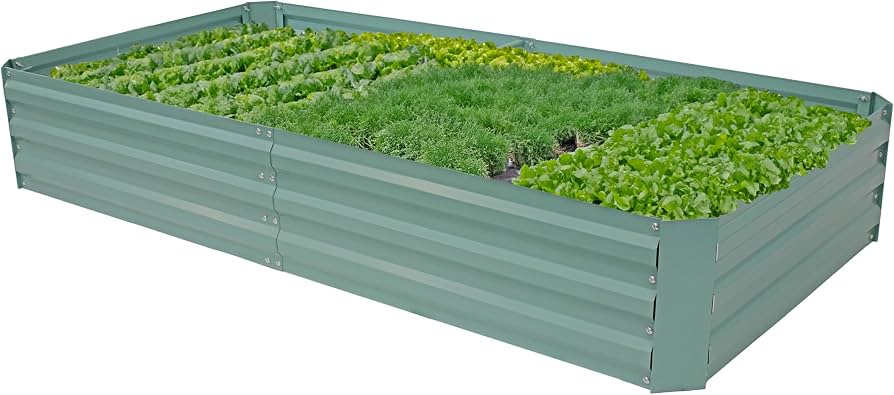
VEVOR 8x4x1ft Galvanized Raised Garden Bed
Learning Curve: Easy
$79.99
Difficulty: 1/5
Why Great for Beginners:
This affordable 8x4 bed is quick to assemble with included bolts and has a galvanized steel body that resists rust for several seasons. The 1-foot depth is fine for shallow-rooted vegetables like lettuce and herbs, making it a low-risk entry point.
✓ Beginner Pros
+Very affordable at under $100
+Easy 30-minute assembly
+Lightweight panels can be moved easily
+Good size for trying a variety of crops
✗ Beginner Cons
-Only 12 inches deep – not great for deep-rooted plants
-Thinner steel may dent over time
-No powder coat – plain galvanized may develop white rust
👍 Best for: Budget-conscious beginners who want a large bed without a big investment.
👎 Not for: Those who want to grow carrots, potatoes, or other deep-rooted crops.
A perfect middle ground: 17 inches deep, powder-coated galvanized steel that won't rust, and a bolt-together design that's still simple. The deeper soil volume lets you grow almost anything, and the neutral color fits any yard.
✓ Beginner Pros
+Deep 17 inches – supports a wide range of plants
+Powder-coated finish prevents rust for years
+Reinforced corners add stability
+Flat-packed for easy transport
✗ Beginner Cons
-Heavier than budget options – may need two people
-Slightly more expensive than basic beds
-No built-in trellis or irrigation
👍 Best for: Most beginners who want a durable, versatile bed that can grow tomatoes, peppers, root vegetables, and more.
👎 Not for: Those with very limited budget or very small space (4x8 may be too large for some).
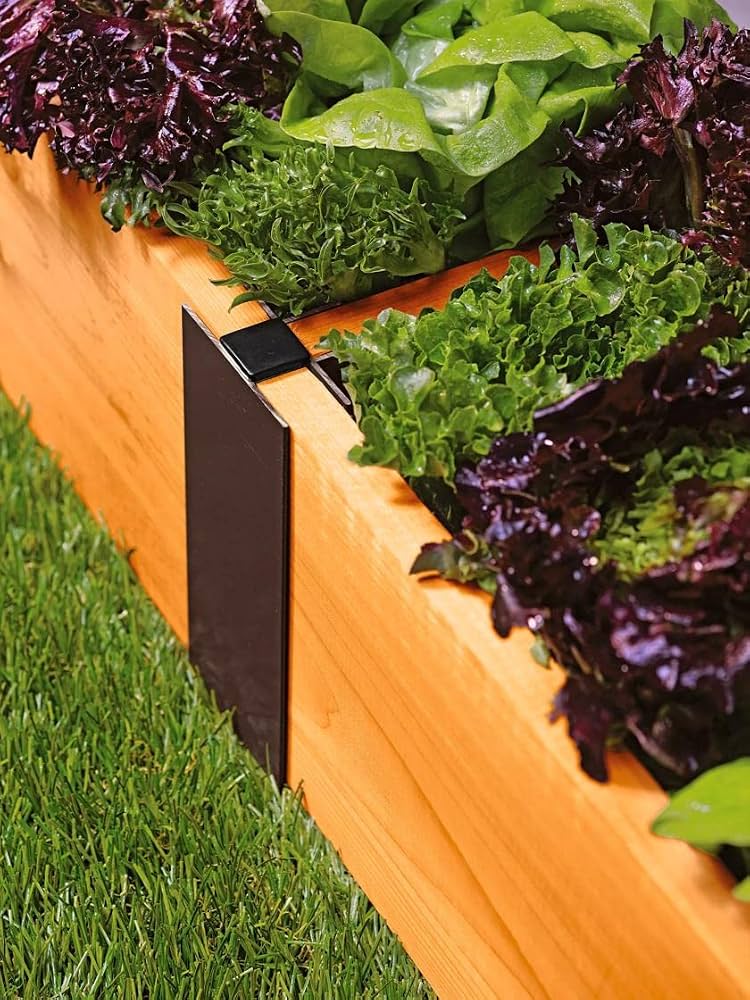
Made of thick 1.0mm galvanized steel with a double-layer powder coat, this bed is built to last decades. The 3x6 size is manageable yet productive, and it comes with plastic corner caps to protect against cuts. Ideal for the beginner who wants quality from day one.
✓ Beginner Pros
+Thick 1.0mm steel – very durable
+Double powder coat – excellent rust protection
+Rounded corners – safe for handling
+Easy 45-minute assembly with a wrench
✗ Beginner Cons
-Higher price point
-3x6 size may feel small over time
-No included soil or accessories
👍 Best for: Beginners who are serious about gardening and want a long-lasting, high-quality bed that won't need replacement.
👎 Not for: Those on a tight budget or those who want a very large bed immediately.
A raised garden bed is simply a container that sits above ground level, filled with soil. Metal ones are loved for their longevity and clean look. For beginners, a standard rectangular bed (like 4x4 or 4x8 feet) is ideal—it's big enough to grow a variety of plants but small enough to manage. Depth is key: 11 inches is the minimum for roots like tomatoes, while 17 inches is perfect for deeper-rooted crops. Most metal beds come in snap-together or bolt-together kits; avoid those requiring welding. Galvanized steel with a powder coat is best—it won't rust like plain steel. Don't be fooled by cheaper 'metal' beds that are actually thin aluminum foil—they dent easily. Start with a basic rectangle; you can always get more creative later. A common marketing term to watch: 'UV-resistant'—this usually applies to liner or fabric, not the metal itself.
🤔 How to Choose Your First Raised Garden Bed
Ask yourself three questions: 1) Where will it go? Measure your space first. 2) What do you want to grow? Leafy greens need less depth than carrots or potatoes. 3) How much time do you want to spend? A bigger bed means more weeding and watering. Your budget sets the range: under $100 gets you a smaller bed (4x2 or 3x6), which is perfect for trying things out. The sweet spot is $100-$250 for a 4x4 or 4x8 bed that will last. Premium options over $250 offer thicker steel, elegant designs, and integrated trellises, but are overkill for most beginners. Red flags: beds that come in many tiny pieces, those labeled 'outdoor storage' instead of 'garden bed', and any that require painting or sealing.
💰 Budget Guide for Beginners
400+
Professional entry – oversized beds with integrated trellises, irrigation, or multiple tiers. Only for serious beginners with large spaces.
100 - $250
Sweet spot – best value. Sturdy galvanized steel, 11-17 inch depth, and easy assembly. Will last 5+ years.
250 - $400
Premium beginner – thicker steel (1.0mm+), powder coating, and often include corner protectors. Great for those who want 'buy once'.
Under $ - $100
Entry level – good for a small herb garden or seasonal plants. May need replacement in 2-3 years if not well-coated.
⚠️ Common Beginner Mistakes to Avoid
Beginners often start with the smallest, cheapest bed to 'test the waters' only to find it too small for more than two tomato plants. Another frequent error is choosing a shallow bed (6-inch depth) thinking it's easier, but most vegetables need at least 11 inches. Skipping the weed barrier leads to a season of pulling weeds from underneath. And many buy plain galvanized steel that develops white rust after one rain. To avoid these, start with at least a 4x4 bed, 17 inches deep, and always invest in a quality weed barrier and proper soil mix. Remember: you can always expand later by adding more beds, but a too-small bed will frustrate you immediately.
×Buying too small a bed and quickly outgrowing it
×Choosing a bed that's too shallow (less than 11 inches) for vegetables
×Ignoring rust prevention – buying plain steel without coating
×Forgetting to buy weed barrier – leading to endless weeding
×Overfilling with cheap potting mix that compacts
×Not leveling the ground before assembly
×Assembling on grass without a barrier – grass grows through
×Buying a bed with complicated irrigation, then giving up
📈 Your Progression Path: Beginner to Intermediate
As a beginner, first focus on growing easy plants like lettuce, radishes, and herbs. Within your first season, you'll learn about soil, water, and sunlight. By the second season, you'll want to expand to bigger crops like tomatoes and peppers. Once you've mastered one bed, you might add a second bed or upgrade to a deeper model (like 17 inches) if you started shallow. Signs you're ready to move beyond beginner: you can identify nutrient deficiencies, you're rotating crops, and you've mastered watering without overdoing it. Typically, beginners stay in the 'starter' phase for 1-2 seasons before upgrading.
🎯 Bottom Line: Our Recommendations
For most beginners, the best overall pick is the Greenes Galvanized Raised Garden Bed 4x8 (recommended tier) – it's the perfect balance of depth, durability, and cost. If you're on a strict budget, start with the VEVOR 8x4 but plan to upgrade within a couple of years. For those who want to invest in a bed that will last decades, the Gardeners Supply Company 3x6 premium bed is an excellent choice. Don't forget the essentials: weed barrier and a good soil scoop. With the right bed and a little patience, you'll be harvesting your own vegetables in no time. Happy gardening!
❓ Frequently Asked Questions
The Greenes Galvanized 4x8 bed is the best all-around beginner choice: 17 inches deep, powder-coated steel, and easy assembly at an affordable price.
Most beginners should budget between $100 and $250. This gets you a quality galvanized bed that's deep enough (17 inches) and will last several years.
Look for: easy assembly (bolt-together), rust-resistant galvanized steel with powder coating, at least 11 inches deep, and an open bottom for drainage.
Both the VEVOR and Greenes beds are very easy to assemble. The VEVOR snaps together faster, while Greenes uses bolts but has clear instructions. Both are beginner-friendly.
Essential: a weed barrier fabric. Highly recommended: a drip irrigation kit and a good soil scoop. Optional: netting to protect from pests.
Measure your space, decide what you want to grow (shallow vs deep roots), set a budget ($100-250), and pick a bed that's at least 11 inches deep with easy assembly and rust-resistant metal.
Not at all! Choosing the right one is simple with our guide, and assembly usually takes under an hour. Gardening itself is a learning process, but the bed is just a container.
Buying too small or too shallow, skipping the weed barrier, using poor soil, and not leveling the ground. Avoid these by following our advice.
Yes, but always lay down weed barrier or cardboard first to kill the grass. Otherwise, grass will grow up through the soil.
Taller is better for root vegetables and reduces bending. If you only grow lettuce or herbs, 11 inches will work, but 17 inches gives more options.