Review Atlas

Menu

Shop by Category

Get the App

Better experience on mobile

Beginners GuideGolf

Best Putter Golf Club for Beginners: 2025 Guide

Discover simple steps to pick your first putter with confidence—no golf expertise needed.

Picking your first putter can feel scary if you're new to golf. With endless shapes, brands, and prices, it's easy to worry you'll grab the wrong one and hate putting forever. But don't stress—this guide cuts through the confusion.

Putting is the easiest part of golf to start with, and the right beginner putter makes it fun right away. We'll explain why beginners struggle, what features actually matter, and share top Amazon picks that are forgiving and easy to use. By the end, you'll know exactly what to buy.

Our promise: Simple advice, real recommendations, and tips to build your confidence so you can sink putts and love the game from day one.

📋 In This Guide

  • • Why Beginners Struggle with Putter Golf Club
  • • What to Look For (Key Features)
  • • Top 4 Beginner-Friendly Putter Golf Club
  • • Essential Accessories for Beginners
  • • Common Beginner Mistakes to Avoid
  • • Your Progression Path
  • • FAQ & Learning Resources

😰 Why Beginners Struggle with Putter Golf Club

New golfers often feel lost with putters because golf shops and online ads throw around terms like 'toe hang,' 'CG projection,' and 'moment of inertia' that sound like rocket science. You might not even know if you need a blade or mallet style, leading to analysis paralysis.

Many beginners grab the cheapest option or copy what pros use, only to find it's too unforgiving—the ball veers off on mishits, causing frustration. Forums like Reddit's r/golf are full of posts like 'My putter feels weird' or 'Is $200 worth it for a beginner?' The fear of wasting money on something that doesn't fit your stroke adds pressure.

Overwhelming choices (hundreds on Amazon) and no clue about length or grip size make it worse. But most beginners just need something straight-forward that tolerates wobbly strokes.

🔍 What to Look For: Key Beginner-Friendly Features

Focus on forgiving designs that help straight putts. Mallet putters are best for beginners—they have a larger head that resists twisting on off-center hits, unlike skinny blade putters that demand perfect contact.

Key must-haves: Clear alignment lines (like railroad tracks on the top), a soft face insert for smooth roll, and adjustable or standard length (34-35 inches fits most adults). Nice-to-haves: High-MOI (moment of inertia—fancy for 'forgiving') and counterbalanced grips for stability.

Skip fancy tech like adjustable weights or tour-proven lofts—you won't use them yet. Beginner-friendly putters are intuitive (easy to aim), forgiving (misses don't punish much), and value-packed without extras that confuse.

✅ Essential Features for Beginners

  • Mallet head shape: Larger sweet spot forgives off-center hits common for newbies
  • Alignment aids: Lines or dots help you aim straight without guessing
  • Face insert: Soft material gives true roll even on imperfect strokes
  • Perimeter weighting: Keeps putts on line if you don't hit dead center
  • Standard grip: Comfortable, non-slip for relaxed hands
  • Length 34-35 inches: Fits most beginners without custom fitting hassle
  • Lightweight build: Easy to swing smoothly without fatigue

🏆 Top 4 Best Putter Golf Club for Beginners

#1
💰 Budget

Pinemeadow Golf PGXSL Putter

Learning Curve: Easy

$32.95
Difficulty: 1/5
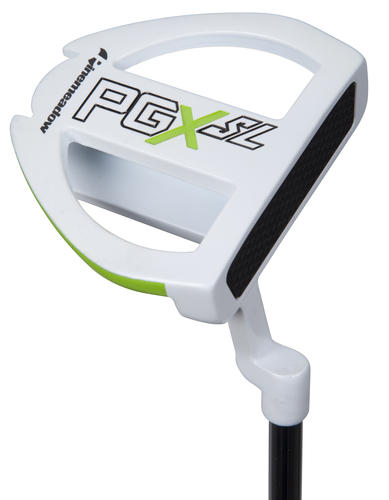
Pinemeadow Golf PGXSL Putter

Why Great for Beginners:

This mallet putter has a huge sweet spot and clear alignment line, perfect for shaky beginner strokes. It's lightweight and affordable, letting you practice without worry. Thousands of new golfers praise its straight rolls right out of the box.

Beginner Pros

  • +Super forgiving on mishits
  • +Easy alignment for straight putts
  • +Lightweight—no arm fatigue
  • +Great value, Amazon Prime ready

Beginner Cons

  • -Basic grip may slip if sweaty
  • -Not adjustable length
👍 Best for: Total newbies testing putting on a tight budget
👎 Not for: Tall golfers needing 36+ inch length

#2
👍 Recommended

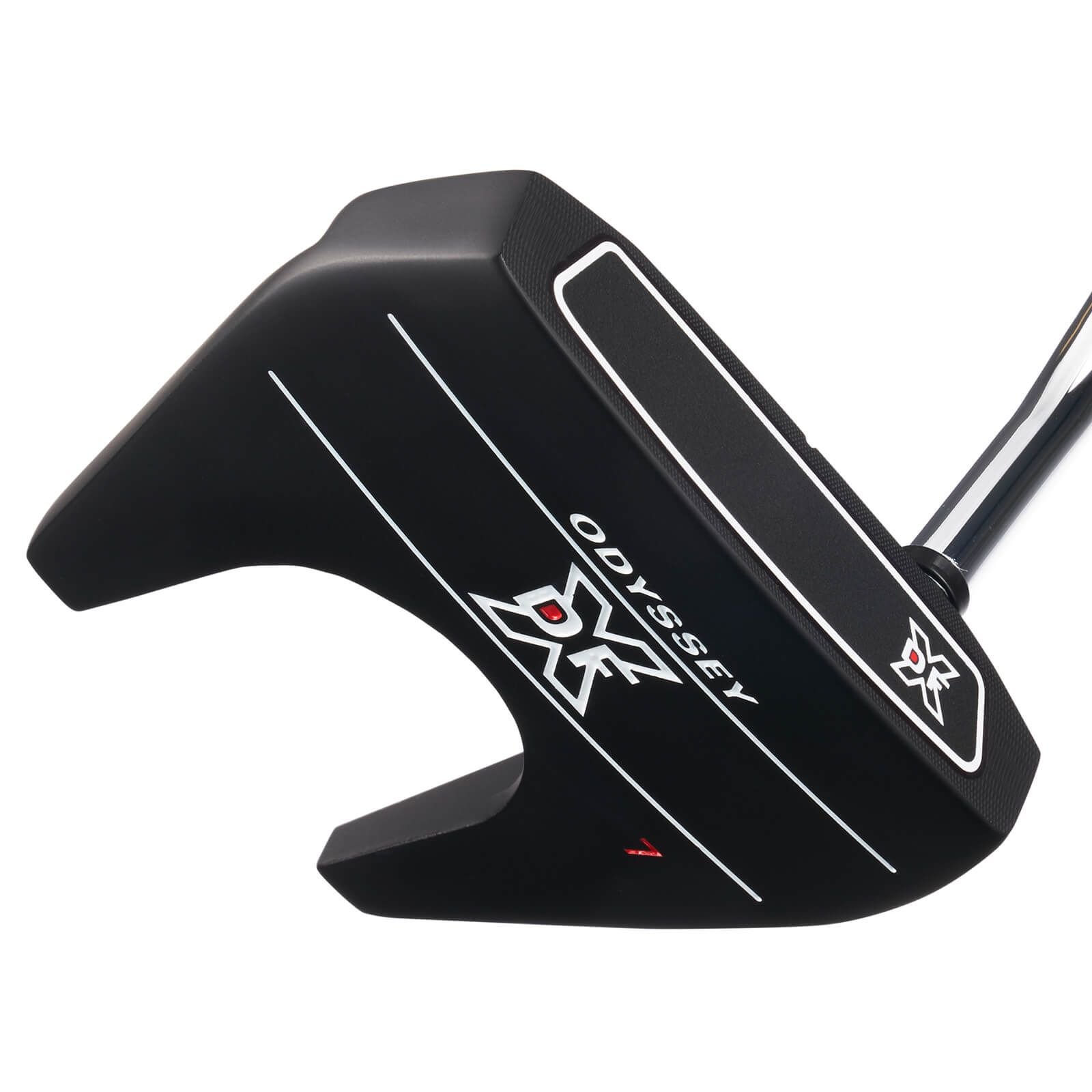
Odyssey DFX #7 Mallet Putter

Learning Curve: Easy

$129.99
Difficulty: 1/5
Odyssey DFX #7 Mallet Putter

Why Great for Beginners:

Odyssey's famous White Hot insert gives buttery roll, forgiving slight mishits—ideal for building confidence. Versa alignment pops against the black head for easy aiming. Sweet spot for most beginners' budgets and skills.

Beginner Pros

  • +Ultra-forgiving high MOI
  • +Clear Versa alignment
  • +Soft feel for distance control
  • +Durable build lasts years

Beginner Cons

  • -Slightly heavier head takes a session to love
  • -Grip average—not oversized
👍 Best for: Beginners practicing 3x/week at home or range
👎 Not for: Those wanting super cheap starter
#3
👍 Recommended

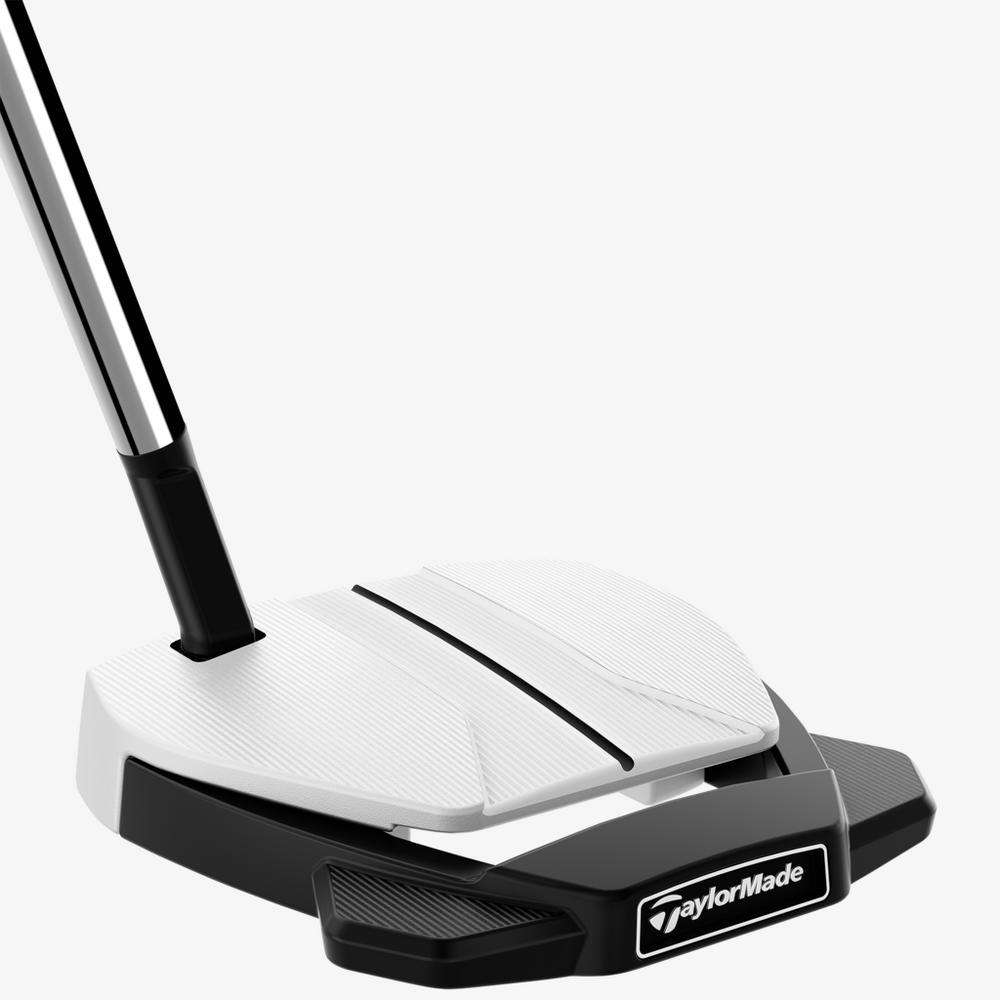
TaylorMade Spider GTX #3 Putter

Learning Curve: Moderate

$179.99
Difficulty: 2/5
TaylorMade Spider GTX #3 Putter

Why Great for Beginners:

True Path alignment channels make aiming foolproof, while the Pure Roll insert ensures smooth speed. High stability mallet suits inconsistent strokes. Great step-up without overwhelming newbies.

Beginner Pros

  • +Foolproof alignment tech
  • +Fluted face for true roll
  • +Very stable on off-center
  • +Confidence-boosting looks

Beginner Cons

  • -Price jumps to mid-range
  • -Longer learning for face grooves
👍 Best for: Beginners serious about quick improvement
👎 Not for: Budget-only buyers
#4
✨ Premium

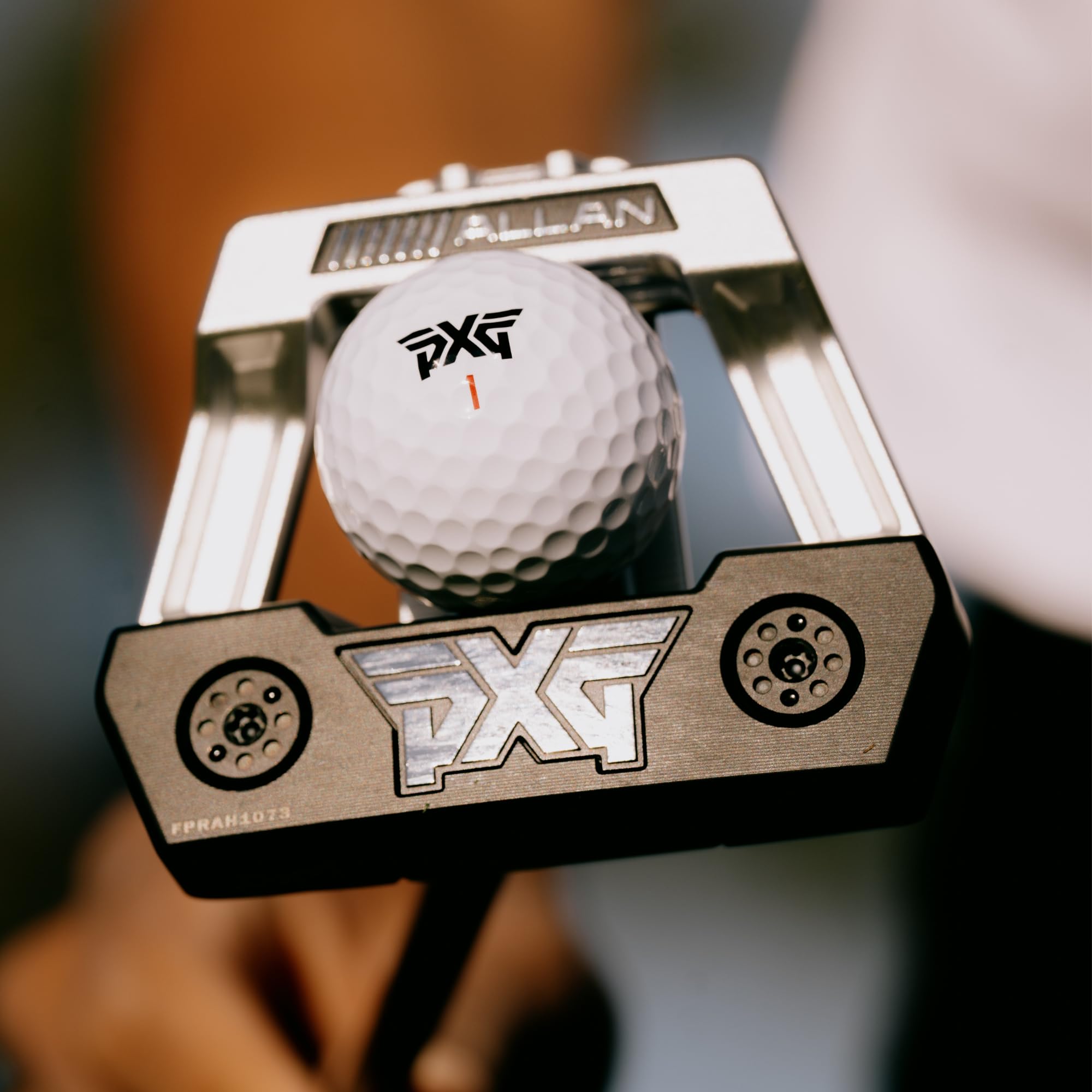
PXG 0311 Putter

Learning Curve: Moderate

$249.99
Difficulty: 2/5
PXG 0311 Putter

Why Great for Beginners:

Premium forgiveness with ten weights for custom feel, but beginner-tuned for stability. Deep face milling gives perfect roll. For newbies ready to invest in gear that grows with them.

Beginner Pros

  • +Highly customizable forgiveness
  • +Pro-level roll on amateur strokes
  • +Elegant alignment
  • +Tour-proven but accessible

Beginner Cons

  • -Higher price tag
  • -May feel too fancy at first
👍 Best for: Committed beginners with $200+ budget
👎 Not for: Casual try-it-outers

📖 Complete Beginner's Guide to Putter Golf Club

A putter is the flat-faced golf club for rolling the ball into the hole on the green—short, precise strokes under 10 feet. No big swings needed, making it perfect for home practice.

Two main types: Blade (narrow, like a hockey stick—pro feel but less forgiving) vs. mallet (wide, half-moon shape—beginner favorite for stability). Go mallet first; 80% of beginners improve faster with it.

Beginner-friendly means high forgiveness (MOI tech keeps direction on mishits), easy alignment, and soft feel for distance control. Expect to make 50-70% of 3-foot putts starting out—realistic progress comes with practice, not gear.

Evaluate by reading reviews for 'straight putts' and 'easy to use.' Ignore 'tour proven' hype; pros have perfect strokes you don't yet. Test in-store if possible, but Amazon returns make online safe.

Marketing traps: 'Zero torque' sounds cool but means little for newbies. Stick to simple, proven beginner models.

🔧 Essential Accessories for Beginners

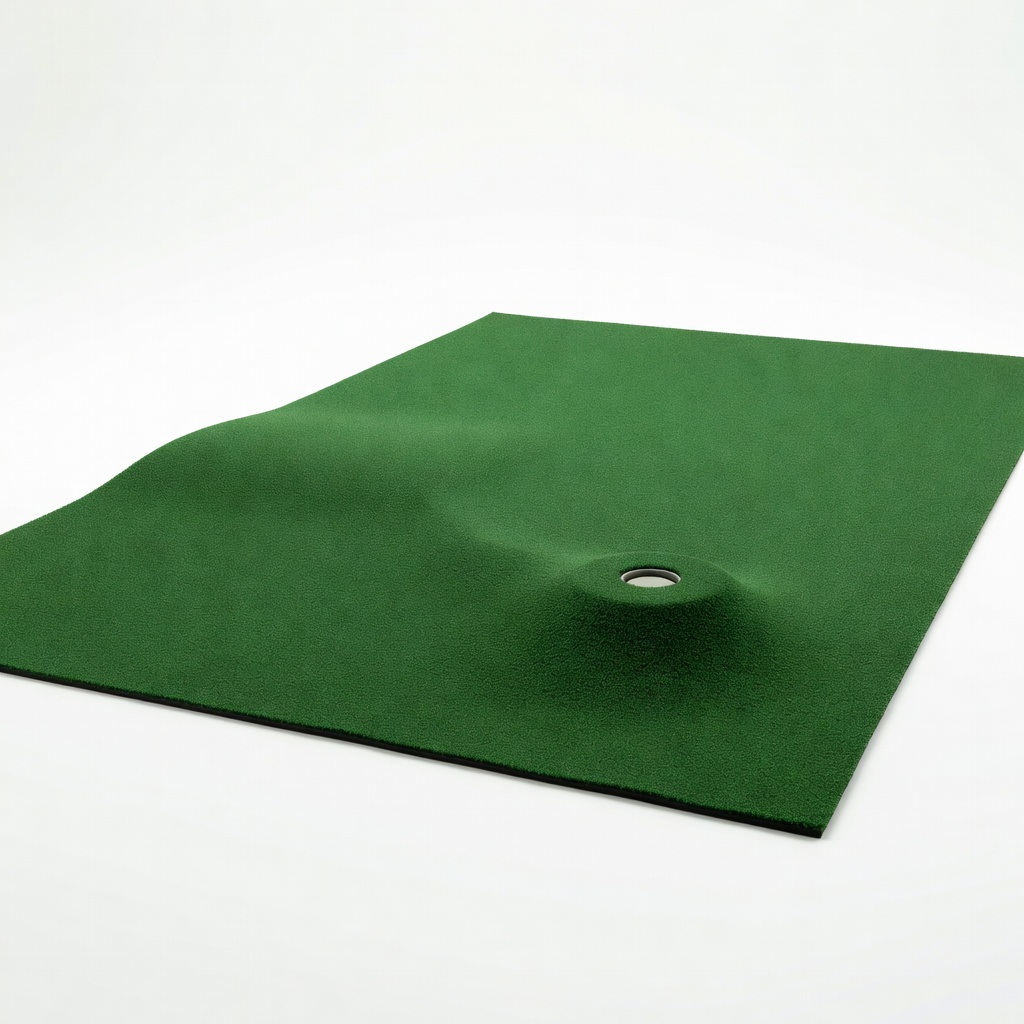
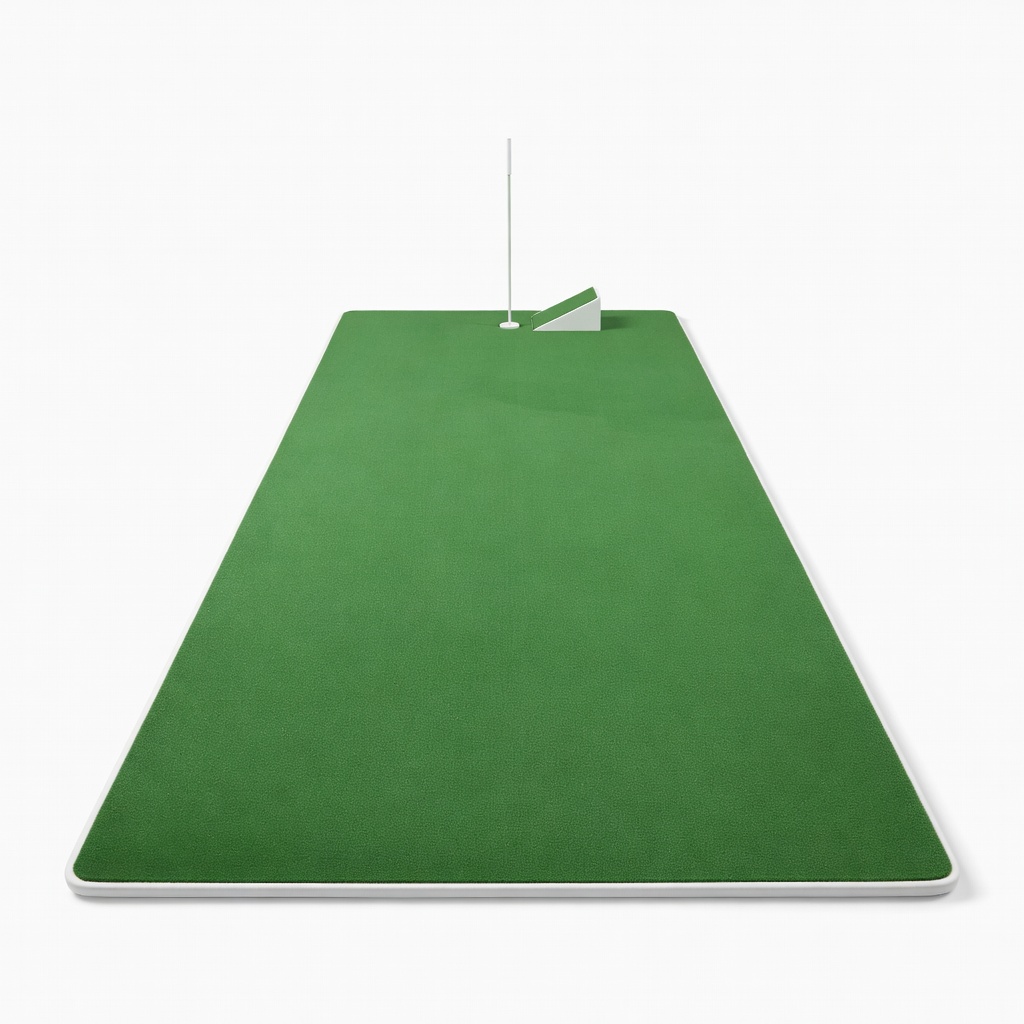
Putt-A-Bout Academy Putting Green

⚠️ Essential

$29.99

When to buy:
Day one

Practice putting anytime indoors without a green—builds stroke consistency fast. Holes teach distance control, key for newbies missing short putts. Rolls true like real grass.

Beginner Benefits:

  • Home practice builds confidence
  • Teaches speed control
  • Portable and setup-free
  • Fun solo drills

SKLZ Home Golf Putting Mat

👍 Recommended

$49.95

When to buy:
First month

Thicker turf mimics real greens better, helping groove your stroke. Alignment lines pair perfectly with beginner putters. Prevents bad habits from hard floors.

Beginner Benefits:

  • Realistic feel reduces course shock
  • Built-in guides for aim
  • Durable for daily use
  • Improves short putts quickly

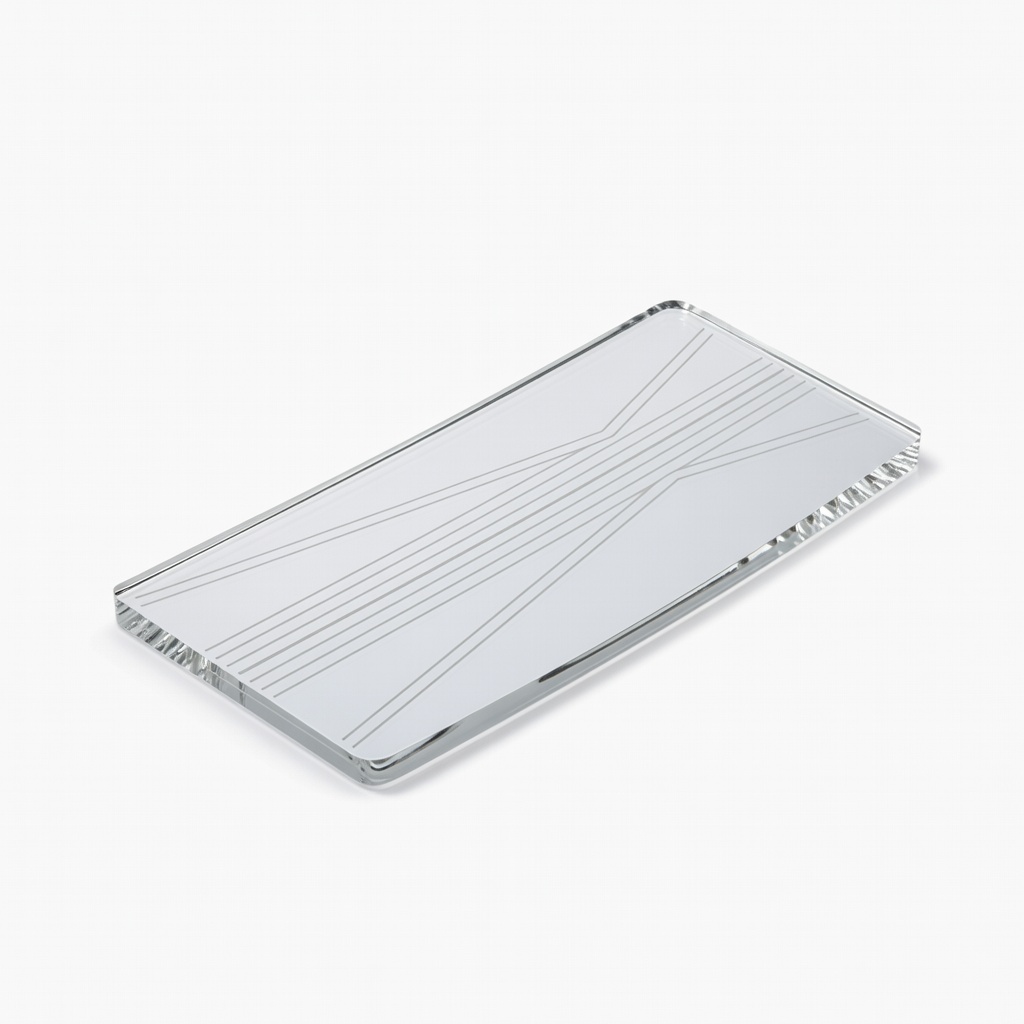
Wellputt Putting Mirror

👍 Recommended

$39.99

When to buy:
First month

Mirror shows your eye position and stance flaws instantly—fixes common beginner aim errors. Builds muscle memory for straight putts. Cheap fix for big improvements.

Beginner Benefits:

  • Visual feedback on posture
  • Eliminates guessing
  • Quick stroke fixes
  • Compact for home

🤔 How to Choose Your First Putter Golf Club

Ask: What's your budget? Will you practice indoors/outdoors? Height (taller needs longer shaft)? Start with mallet style.

Budget: Under $50 for testing, $50-150 sweet spot (durable, forgiving), $150+ premium (pro feel without overwhelm). Most beginners thrive in $50-150—great value, lasts years.

Scenarios: Home practice? Get alignment-focused. Casual range? Forgiving mallet. Serious learner? Premium with growth room. Avoid if too heavy (fatigues arms) or no alignment (guessing aim). Red flags: No reviews from beginners, overly cheap plastic feel, or blade for shaky hands.

💰 Budget Guide for Beginners

300+

Pro entry: Custom-like features—only if budget allows and you're hooked fast.

50 - $150

Sweet spot: Best value—high forgiveness, good materials, room to improve skills before upgrading.

150 - $300

Premium beginner: Tour-quality feel, advanced forgiveness—ideal for committed newbies who practice often.

Under $ - $50

Entry level: Basic forgiving putter to try putting—may feel basic but gets you started without big spend.

⚠️ Common Beginner Mistakes to Avoid

Beginners often buy blades thinking 'pro style = better,' but mishits go wild (Reddit horror stories abound). Solution: Mallet + alignment. Another trap: Wrong length from stock 34-inch—measure eye height over ball.

Cheap junk putters ($10) have dead feel, killing fun; spend $30+ for insert. Skipping mat means practicing on carpet, ingraining bad rolls. Experienced golfers say: 'Fit length/grip first, forgive second.' Avoid by using our picks and measuring guide.

  • ×Buying blade putter—too unforgiving for wobbly strokes
  • ×Picking wrong length (too short/long causes bends)
  • ×Skipping alignment aids—leads to constant misses
  • ×Going cheapest no-name—poor roll frustrates fast
  • ×Ignoring grip comfort—slippery hands ruin confidence
  • ×Overbuying pro models—unused features overwhelm
  • ×No practice mat—can't groove stroke at home

📈 Your Progression Path: Beginner to Intermediate

Start with 10-min daily mat drills: Focus on 3-footers, straight-back stroke. Week 1-4: Build consistency. Month 2: Add distance, read breaks.

Outgrow beginner putter when making 80% short putts consistently and wanting custom fit. Signs: Fewer 3-putts, confident on course. Upgrade to fitted intermediate (length/loft adjusted) after 6-12 months.

Intermediate: Game-improvement mallet or blade hybrid. Practice 5x/week, join clinic. Most stay beginner 3-6 months with regular use.

📚 Learning Resources for Beginners

  • 📖{"name":"Dave Pelz's Putting Bible","asin":"B000OFWBRM","type":"book","why":"Step-by-step drills for beginners—simple science of putting."}
  • 📖{"name":"PuttOUT Pressure Putt Trainer","asin":"B01N4K6U0G","type":"training aid","why":"Portable trainer for perfect stroke feedback."}
  • 📖{"name":"Golf Putting Practice Mat","asin":"B08L3QJ2K5","type":"accessory","why":"Extended mat for progression drills."}
  • 📖{"name":"The Art of Putting by Stan Utley","asin":"B00AZN8W2Y","type":"book","why":"Visual guides for stroke basics."}
  • 📖{"name":"SKLZ Weighted Putting Training Aid","asin":"B07Z5N3Q4R","type":"training aid","why":"Builds tempo for smoother putts."}

🎯 Bottom Line: Our Recommendations

Best overall for most beginners: Odyssey DFX #7 ($130)—forgiving, easy, grows with you.

Budget pick: Pinemeadow PGXSL ($33)—dip your toe in. Premium: PXG 0311 ($250)—invest if committed. Grab Putt-A-Bout mat day one.

You've got this! Start small, practice daily, watch putts drop. Order today, hit the mat tomorrow—confidence awaits.

❓ Frequently Asked Questions

Odyssey DFX #7—forgiving mallet with easy alignment and soft roll. Perfect balance of ease and performance.