Review Atlas

Menu

Shop by Category

Get the App

Better experience on mobile

Beginners GuideGardening

Best Pruning Shears for Beginners 2025

Discover simple, reliable pruning shears that make your first cuts easy and confident, without overwhelming choices.

Choosing your first pruning shears can feel intimidating with so many options, sharp blades, and confusing terms like 'bypass' or 'anvil.' As a beginner gardener, you worry about picking something too cheap that breaks, too fancy that you can't use, or just wrong for your plants. Fear not—this guide cuts through the confusion.

We'll explain everything in plain English, highlight what really matters for newbies, and recommend real Amazon products that are forgiving, easy to grip, and perfect for small hands or tired wrists. By the end, you'll know exactly what to buy, why it works for beginners, and how to start pruning roses, shrubs, or herbs without stress.

Our promise: Simple steps to confidence, top picks under $60, and tips to avoid buyer's remorse so you can enjoy gardening right away.

📋 In This Guide

  • • Why Beginners Struggle with Pruning Shears
  • • What to Look For (Key Features)
  • • Top 4 Beginner-Friendly Pruning Shears
  • • Essential Accessories for Beginners
  • • Common Beginner Mistakes to Avoid
  • • Your Progression Path
  • • FAQ & Learning Resources

😰 Why Beginners Struggle with Pruning Shears

Beginners often feel lost because pruning shears look simple but come in dozens of styles—bypass, anvil, ratcheting—with prices from $10 to $100. Reviews on Amazon and Reddit gardening forums show newbies frustrated by shears that pinch skin, dull quickly, or crush stems instead of clean cuts. 'I bought cheap ones and they rusted after one use,' is a common cry.

Jargon like 'paraffin-coated blades' or 'shock absorbers' overwhelms, and without knowing your plant types (roses need precise cuts, thick branches need power), choices paralyze. Plus, hand fatigue from stiff handles leads to blisters, making gardening feel like work, not fun.

The fear of damaging plants or wasting money stops many from starting. This guide fixes that by focusing on forgiving tools that tolerate shaky hands and beginner mistakes.

🔍 What to Look For: Key Beginner-Friendly Features

For beginners, prioritize comfort and forgiveness over pro features. Look for soft, non-slip rubber handles that fit small-to-medium hands and reduce blisters—ergonomic grips are key since you'll prune for 10-30 minutes at first.

Bypass blades (like scissors) for clean cuts on live stems; they're safer and easier than anvil types that can mash plants. A simple spring or ratchet mechanism opens blades automatically, saving hand strength—no wrestling required.

Skip extras like locking mechanisms or ultra-sharp replaceable blades until later. Choose coated steel blades (non-stick) to prevent sap buildup, and lightweight under 1 lb for easy control. Good ones have 5-year warranties and come with basic care instructions.

✅ Essential Features for Beginners

  • Soft rubber grips for comfy, blister-free use
  • Bypass blade design for clean, precise cuts on green stems
  • Spring-loaded or ratcheting action to reduce hand strain
  • Non-stick coated blades that stay clean and sharp longer
  • Lightweight under 8 oz for easy handling
  • Ergonomic shape fitting most hand sizes
  • Simple one-handed operation—no tools needed

🏆 Top 4 Best Pruning Shears for Beginners

#1
💰 Budget

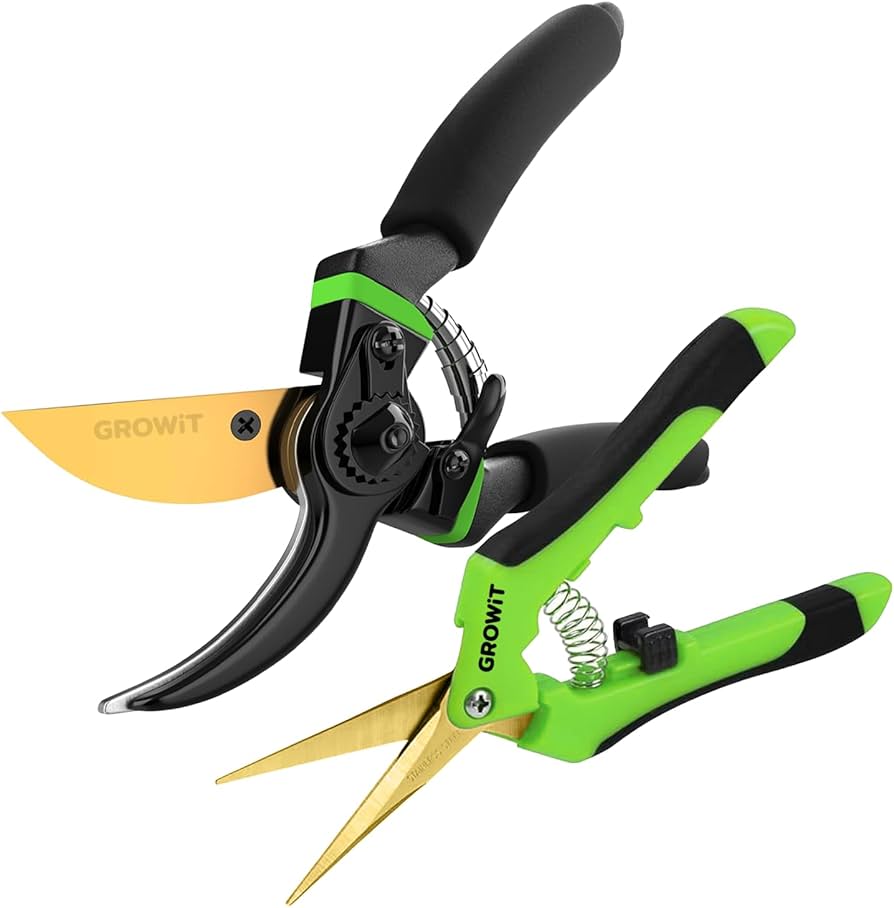
GrowGreen Professional Bypass Pruning Shears

Learning Curve: Easy

$12.99
Difficulty: 1/5
GrowGreen Professional Bypass Pruning Shears

Why Great for Beginners:

These are super affordable and mimic basic garden scissors, perfect for first-timers nervous about spending. Soft handles prevent slips, and the spring opens wide for easy repeated cuts without hand cramps.

Beginner Pros

  • +Ultra-cheap to start
  • +Lightweight and simple
  • +Clean bypass cuts on thin stems
  • +Non-slip grip
  • +No assembly needed

Beginner Cons

  • -Dulls faster on thick branches
  • -Basic steel may rust if wet
  • -No ratchet for power
👍 Best for: Absolute newbies testing on herbs or flowers
👎 Not for: Thick woody stems or long sessions

#2
👍 Recommended

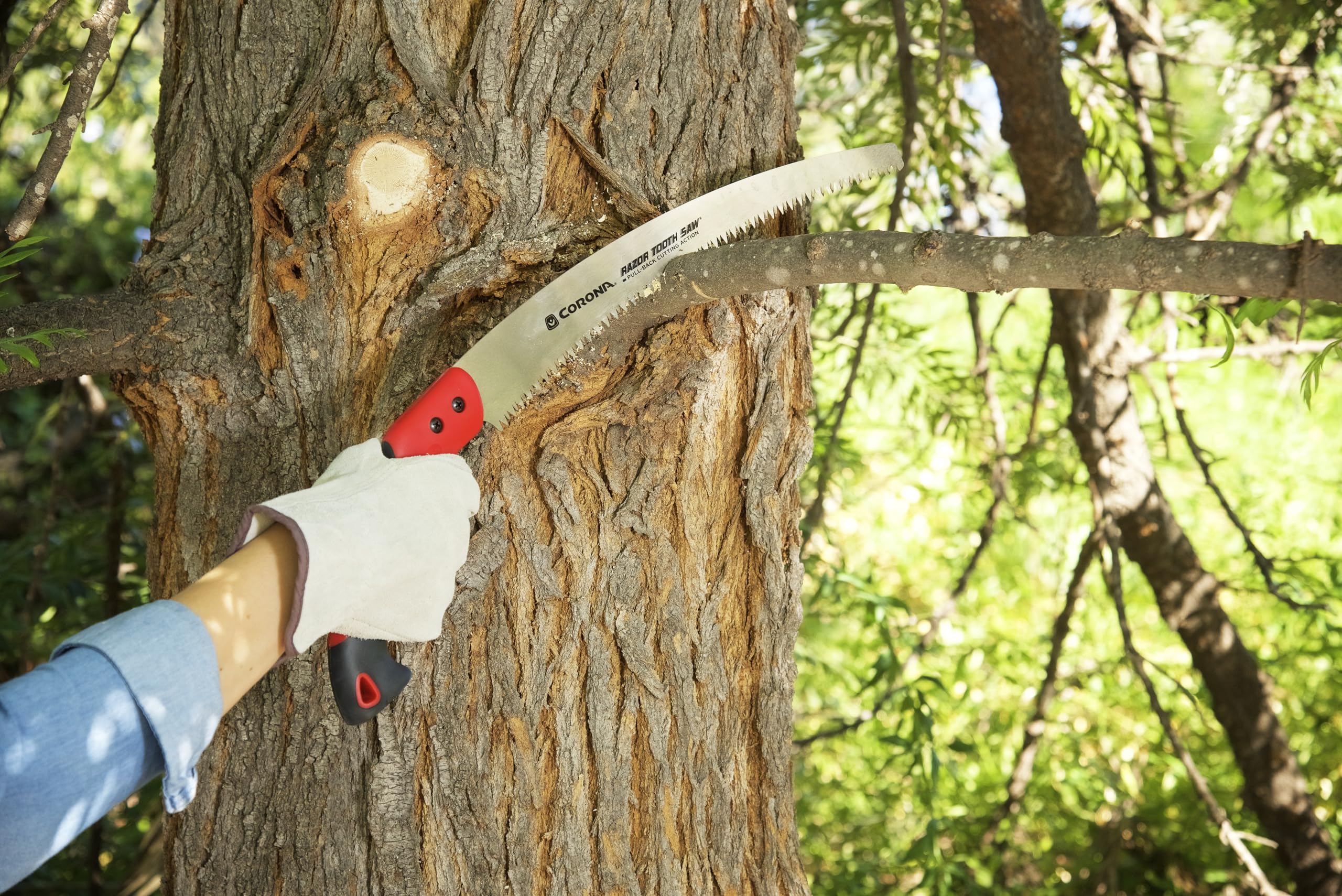
Corona BP 3310 RTD Razor Tooth Pruner

Learning Curve: Easy

$24.99
Difficulty: 1/5
Corona BP 3310 RTD Razor Tooth Pruner

Why Great for Beginners:

Goldilocks choice: Comfortable for 30-min sessions, shock absorbers soften the 'snap,' and sap-resistant blades stay clean. Great progression from budget without overwhelm.

Beginner Pros

  • +Ergonomic angled handles
  • +Shock reduction for comfort
  • +Cuts up to 1 inch easily
  • +Durable coated blades
  • +Lifetime warranty

Beginner Cons

  • -Slightly heavier
  • -No ratchet for very thick cuts
👍 Best for: Most home gardeners with roses/shrubs
👎 Not for: Tiny hands or ultra-light needs
#3
✨ Premium

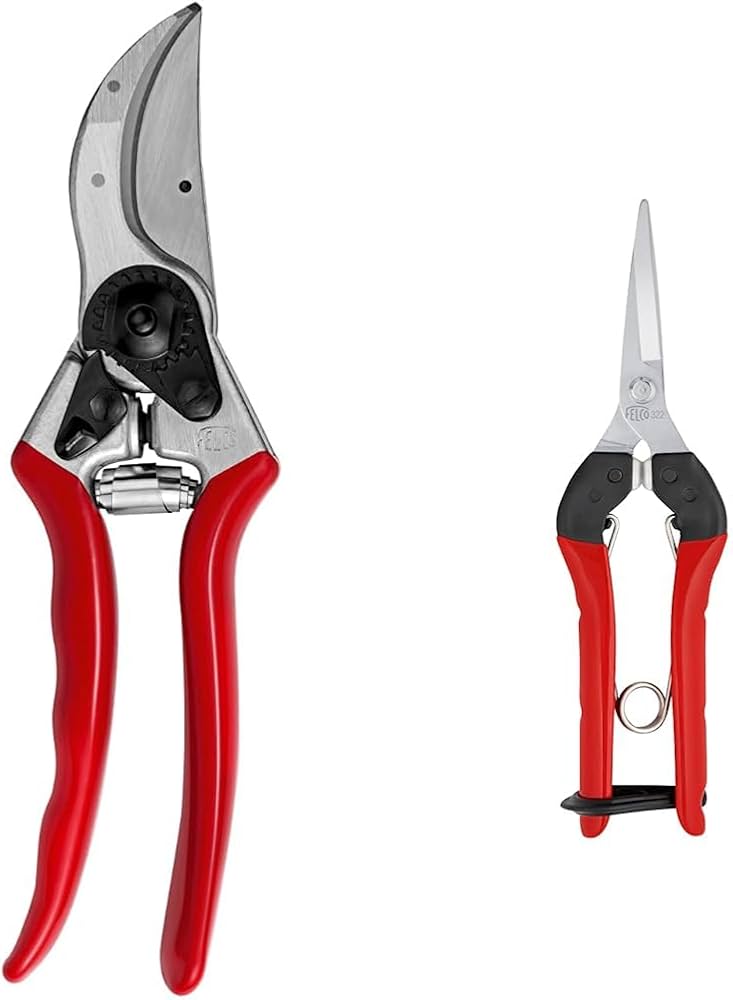
FELCO F-2 Classic Manual Pruner

Learning Curve: Moderate

$59.99
Difficulty: 2/5
FELCO F-2 Classic Manual Pruner

Why Great for Beginners:

Pro quality that's still simple—replaceable parts mean it grows with you, but wire bypass and soft handles make it forgiving for shaky beginner cuts. Feels premium without scary sharpness.

Beginner Pros

  • +Ultra-sharp yet safe
  • +Ergonomic for all-day use
  • +Repairable for longevity
  • +Cleanest cuts
  • +Swiss-made durability

Beginner Cons

  • -Higher price
  • -Learning precise angle
👍 Best for: Serious beginners planning bigger gardens
👎 Not for: Casual once-a-month pruners
#4
👍 Recommended

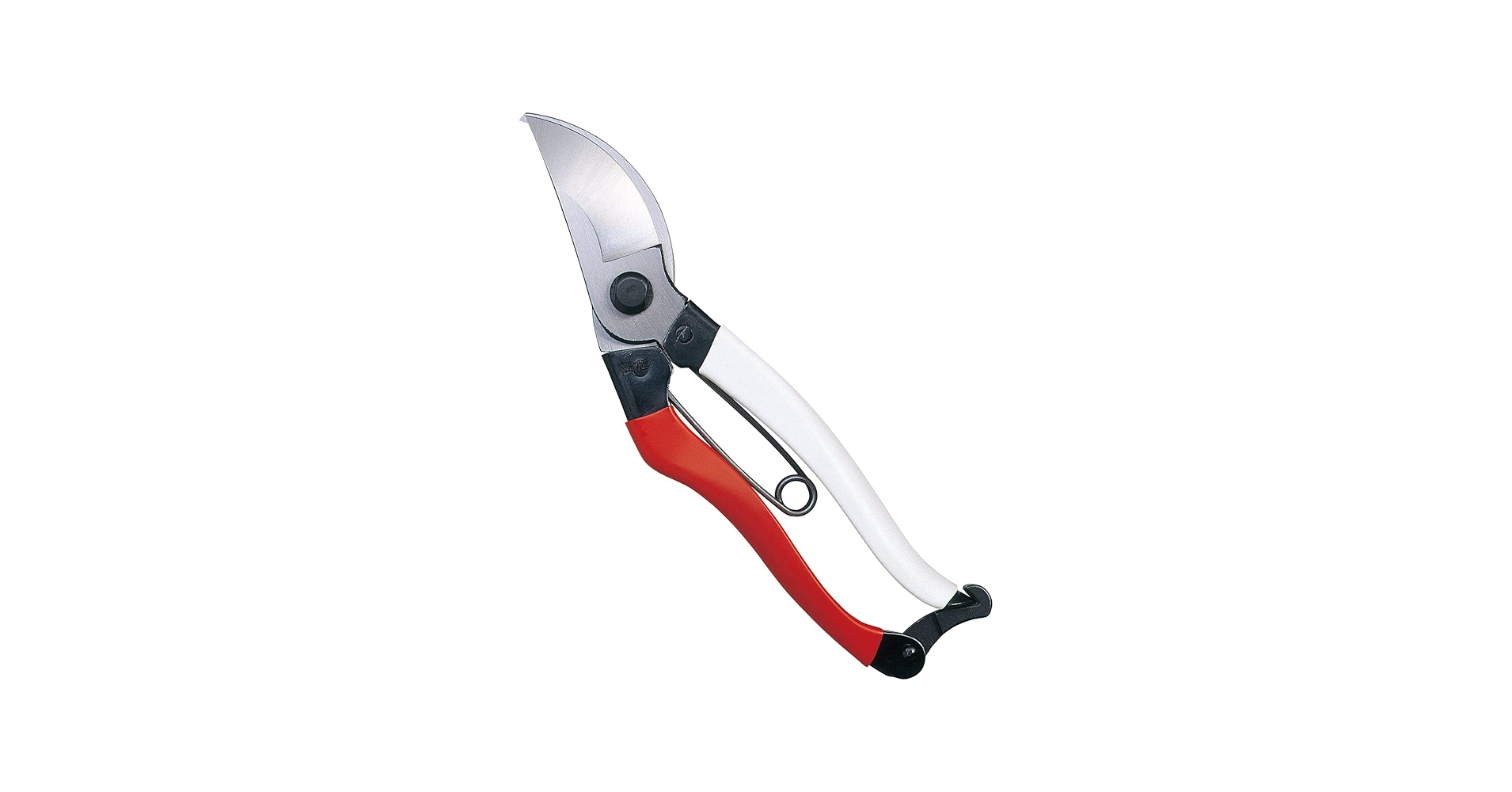
Okatsune 301 Precision Bypass Pruner

Learning Curve: Easy

$39.99
Difficulty: 2/5
Okatsune 301 Precision Bypass Pruner

Why Great for Beginners:

Japanese precision in a lightweight package—super clean cuts on flowers without effort. Comfortable for smaller hands, ideal alternative if you want finesse over power.

Beginner Pros

  • +Feather-light
  • +Razor bypass blade
  • +Florist-favorite clean cuts
  • +Comfortable cone handles

Beginner Cons

  • -Limited to 0.6-inch cuts
  • -No spring
👍 Best for: Flower/herb pruners needing precision
👎 Not for: Thick branches

📖 Complete Beginner's Guide to Pruning Shears

Pruning shears are handheld scissors for trimming plants—think snipping dead flowers, shaping bushes, or harvesting herbs. The two main types: bypass (scissor-like, best for beginners on live green growth) and anvil (one blade against a flat surface, better for dead wood but riskier for newbies as they can crush stems).

Bypass is ideal for starters because it mimics kitchen scissors you're used to, making clean 45-degree cuts that heal fast and prevent disease. Ratcheting shears add multi-step closing for thicker branches (up to 1 inch) without tiring hands—perfect if arthritis or weak grip is a concern.

Expect to make 50-100 cuts per session initially; good shears feel natural, not fighty. 'Beginner-friendly' means intuitive (no assembly), forgiving (dulls slowly, sap-resistant), and versatile for roses, veggies, or small shrubs. Ignore hype like 'Japanese steel' if handles suck—comfort first.

Marketing terms: 'Shock reduction' = cushioned bumpers for soft close; 'paraffin dip' = sap-proof coating. Test in-store if possible, or check Amazon videos for grip demos. Realistic goal: Clean cuts without hand pain after week 1.

Evaluate by reading beginner reviews (filter 1-3 stars for pain points), weight (lighter better), and cut capacity (0.5-1 inch suffices).

🔧 Essential Accessories for Beginners

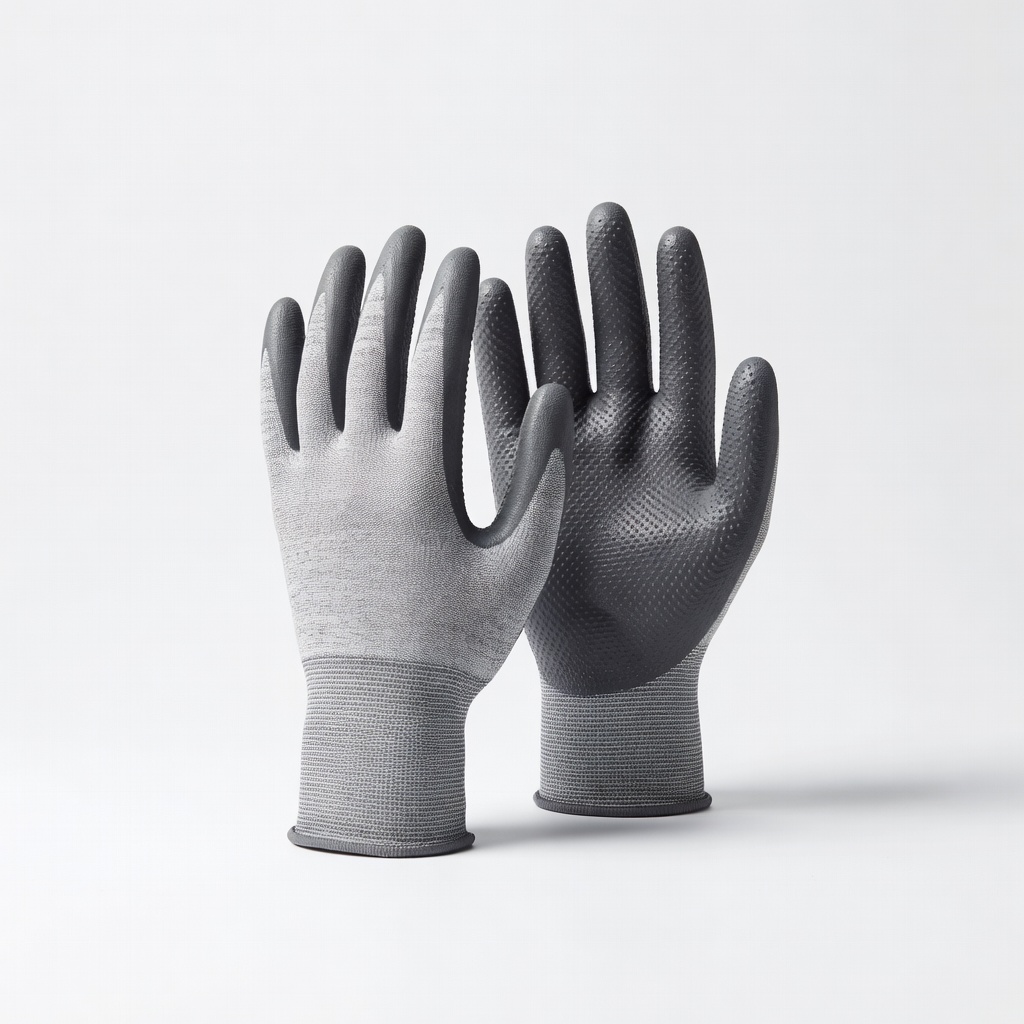
NoCry Cut Resistant Gardening Gloves

⚠️ Essential

$12.99

When to buy:
Day one

Pruning involves thorns and slips— these Level 5 cut-proof gloves protect hands without bulk, letting you focus on cuts not owies. Beginners drop shears less with grippy palms.

Beginner Benefits:

  • Prevents cuts/blisters
  • Better grip on tools
  • Machine washable
  • Flexible for precision

Fiskars Pruning Shears Sharpening Tool

👍 Recommended

$9.99

When to buy:
First month

Dull blades crush plants—easy whetstone keeps yours sharp for months, preventing frustration. No pro skills needed; carbide/ diamond sides for quick fixes.

Beginner Benefits:

  • Extends tool life
  • Simple 10-sec sharpen
  • Prevents plant damage
  • Cheap maintenance

Holstein Horticulture Pruner Sheath Holster

💡 Nice to Have

$8.99

When to buy:
After comfortable

Keeps shears handy on belt, not lost in garden. Safety strap prevents drops; beginners fumble less.

Beginner Benefits:

  • Quick access
  • Safer storage
  • Hands-free gardening
  • Durable for outdoors

🤔 How to Choose Your First Pruning Shears

Ask: What plants? (Flowers/herbs = basic bypass; bushes = ratcheting). Hand size? (Small = compact models). Sessions? (Short = spring-loaded). Budget? Start here.

Use this framework: 1) Comfort test via photos/videos. 2) Bypass > anvil. 3) Spring/ratchet for ease. 4) Under 8 oz, coated blades. Match your use—home garden, not orchard.

Budget: Under $20 for trials (may dull fast); $20-40 sweet spot (durable, comfy); $40-60 premium (pro feel, lasts years). Go budget if testing hobby; recommended for regulars; premium if investing in gardening. Avoid no-name brands without reviews, stiff metal handles, or heavy tools. Red flags: No warranty, sap-sticking complaints, pinches fingers.

💰 Budget Guide for Beginners

60+

Pro entry: Ultra-durable for daily use, but overkill unless serious gardener.

20 - $40

Sweet spot: Ergonomic, spring-loaded with coatings—best value, lasts 1-2 years with care.

40 - $60

Premium beginner: Ratcheting or replaceable blades, pro comfort without complexity.

Under $ - $20

Entry level: Basic steel shears to try pruning—functional but may rust or dull quickly.

⚠️ Common Beginner Mistakes to Avoid

Newbies grab $5 bargain shears from hardware stores, only to find stiff handles blister hands and blades stick with sap—Reddit threads full of regrets. Instead, spend $20+ on coated bypass.

Many pick anvil for 'power,' but mash stems, inviting bugs; bypass is safer. Skipping gloves means ER visits from roses—buy cut-proof day one.

Not oiling/sharpening leads to early trash; 5-min weekly care doubles life. Overbuying Felco without basics wastes money—start simple.

  • ×Buying cheapest no-name shears that rust and dull fast
  • ×Choosing anvil over bypass, crushing live plants
  • ×Ignoring grip comfort, getting blisters after 10 cuts
  • ×Skipping gloves, leading to thorns/cuts
  • ×Not sharpening blades, making cuts ragged
  • ×Overbuying pro models with replaceable parts you won't use
  • ×Pruning wet plants, causing rust/disease
  • ×No holster, losing shears in yard

📈 Your Progression Path: Beginner to Intermediate

Start with 10-min sessions on herbs/deadheads: Learn 45-degree cuts above buds. Practice weekly, noting hand comfort—build to shrubs in month 1.

Outgrow beginner shears when cutting 1+ inch branches effortlessly or daily use. Signs: Needing more power, blades dulling weekly, or bigger garden.

Upgrade to ratcheting/loppers at 3-6 months; intermediate means multi-tool kits. Most stay beginner 6-12 months; focus skills over gear.

📚 Learning Resources for Beginners

  • 📖The Pruning Book: Completely Revised and Updated (ASIN: B000Q84XVI) - Step-by-step visuals for new gardeners.
  • 📖Ortho's All About Pruning (ASIN: B0000A8F0Z) - Beginner plant guides with photos.
  • 📖Gardener's Pruning Handbook (ASIN: B08L5YQJZK) - Simple techniques, no jargon.
  • 📖Fiskars StaySharp Instructional Guide (free PDF with tools, or ASIN: B07DNFZ5G3 bundle)
  • 📖YouTube: Epic Gardening Pruning Basics (link in Amazon reviews)

🎯 Bottom Line: Our Recommendations

For most beginners, grab the Corona BP 3310 ($25)—comfy, reliable, grows with you. Budget? GrowGreen ($13). Premium? Felco F-2 ($60).

Essentials: NoCry gloves day one, Fiskars sharpener soon. You'll prune confidently in week 1—gardening's joy awaits!

Next: Buy, glove up, snip dead bits. Watch progress, upgrade later. You've got this!

❓ Frequently Asked Questions

Corona BP 3310—easy grips, clean cuts, under $25. Forgiving for shaky hands.