Review Atlas
Review AtlasYour guide to a better purchase

Menu

Shop by Category

Get the App

Better experience on mobile

Beginners GuideOutdoor Cleaning

Is Best Pressure Washer for beginners Worth It? Honest Review (2…

Everything you need to confidently choose your first pressure washer and avoid common beginner mistakes.

Buying your first pressure washer can feel overwhelming. With terms like PSI, GPM, and unloader valves, it's easy to get lost. But don't worry—this guide is designed for complete beginners. We'll break down everything you need to know in simple language, recommend the best beginner-friendly models on Amazon, and help you avoid the most common pitfalls. By the end, you'll feel confident to choose the perfect pressure washer for your home cleaning tasks.

📋 In This Guide

  • • Why Beginners Struggle with Pressure Washer
  • • What to Look For (Key Features)
  • • Top 5 Beginner-Friendly Pressure Washer
  • • Essential Accessories for Beginners
  • • Common Beginner Mistakes to Avoid
  • • Your Progression Path
  • • FAQ & Learning Resources

😰 Why Beginners Struggle with Pressure Washer

Many beginners dive in without understanding the basics. They see a cheap unit and think it's a steal, only to find it lacks pressure or breaks quickly. Others overpay for professional features they'll never use. Jargon like 'direct drive' vs 'belt drive' or 'axial cam pump' confuses newcomers. Plus, with hundreds of listings on Amazon, it's hard to know which one suits your needs. Beginners also forget essential accessories like a surface cleaner or extension wand, leading to frustrating results. This guide clears all that up.

🔍 What to Look For: Key Beginner-Friendly Features

For a first pressure washer, focus on ease of use, durability, and sufficient power for typical home tasks (driveways, patios, cars). Look for:

  • Electric over gas – Quieter, lighter, and less maintenance. Best for beginners.
  • Pressure (PSI) between 1800-2200 – Enough for most jobs without damaging surfaces.
  • Flow rate (GPM) around 1.2-1.5 – Good cleaning speed without too much water use.
  • Simple controls – On/off switch, adjustable spray wand, and soap nozzle.
  • Total Stop System (TSS) – Auto shuts off pump when trigger isn't pulled, extending pump life.
  • Lightweight and portable – Under 30 lbs with wheels. Avoid: gas models (complex maintenance), extremely high PSI (beyond beginner need), and oddly shaped wands.

✅ Essential Features for Beginners

  • Total Stop System (TSS) – Automatically turns off the pump when you release the trigger, saving wear and tear.
  • Adjustable spray nozzle – Easily change pressure pattern from high-pressure jet to wide fan for rinsing soap.
  • Onboard soap tank – Built-in tank for detergent, no need for separate bucket.
  • Lightweight & compact – Easy to move around and store, especially for first-time users.
  • Quick-connect hoses and accessories – Tool-free attachments make setup and changes fast.
  • Electric motor (plug-in) – No gas mixing, minimal maintenance, instant start.
  • Wheel kit – Smooth rolling over uneven terrain.
  • User-friendly manual – Clear instructions and troubleshooting guide.

🏆 Top 5 Best Pressure Washer for Beginners

#1
💰 Budget

Sun Joe SPX3000 Electric Pressure Washer

Learning Curve: Easy

$149.99
Difficulty: 1/5
Sun Joe SPX3000 Electric Pressure Washer - Image 1 of 8

Why Great for Beginners:

The Sun Joe SPX3000 is an excellent entry-level electric pressure washer. It offers 2030 PSI and 1.76 GPM, which is plenty for driveways, patios, and cars. It's lightweight (31 lbs) and comes with two onboard soap tanks, so you can switch detergents easily. The included 20-ft hose and 35-ft power cord give good reach.

Beginner Pros

  • +Very affordable
  • +Two onboard soap tanks
  • +Lightweight and portable
  • +Easy-to-use trigger gun with safety lock
  • +Includes five quick-connect spray tips

Beginner Cons

  • -Hose can be a bit stiff in cold weather
  • -Some users report pump noise
  • -Plastic components feel less durable
👍 Best for: Beginners on a tight budget who need a capable machine for light to medium cleaning tasks.
👎 Not for: Those who need heavy-duty daily use or want a metal pump.

#2
👍 Recommended

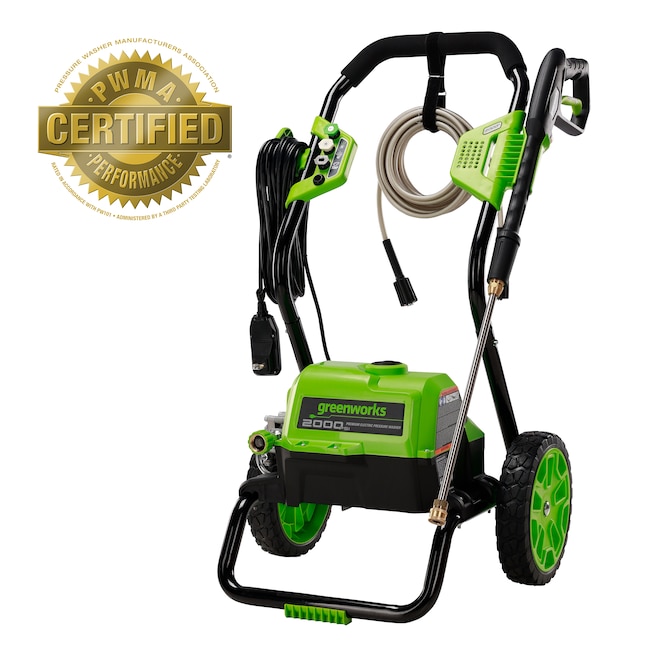
Greenworks GPW2000 Electric Pressure Washer

Learning Curve: Easy

$179.99
Difficulty: 1/5
Greenworks GPW2000 Electric Pressure Washer

Why Great for Beginners:

The Greenworks GPW2000 is a fantastic 'sweet spot' option. With 2000 PSI and 1.2 GPM, it's ideal for most home cleaning. It features a brushless motor for longer life and Total Stop System. The unit is very compact and easy to maneuver with 14-inch never-flat wheels.

Beginner Pros

  • +Brushless motor (longer lifespan)
  • +Total Stop System protects pump
  • +Compact and wheels for easy mobility
  • +Works with any standard garden hose
  • +25-ft hose and 35-ft cord

Beginner Cons

  • -Soap tank is small (0.5 gal)
  • -Pressure is on the lower side for tough stains
  • -Not great for large areas without surface cleaner
👍 Best for: Most beginners looking for a reliable, easy-to-use machine that will last.
👎 Not for: Those needing very high pressure for commercial use.
#3
👍 Recommended

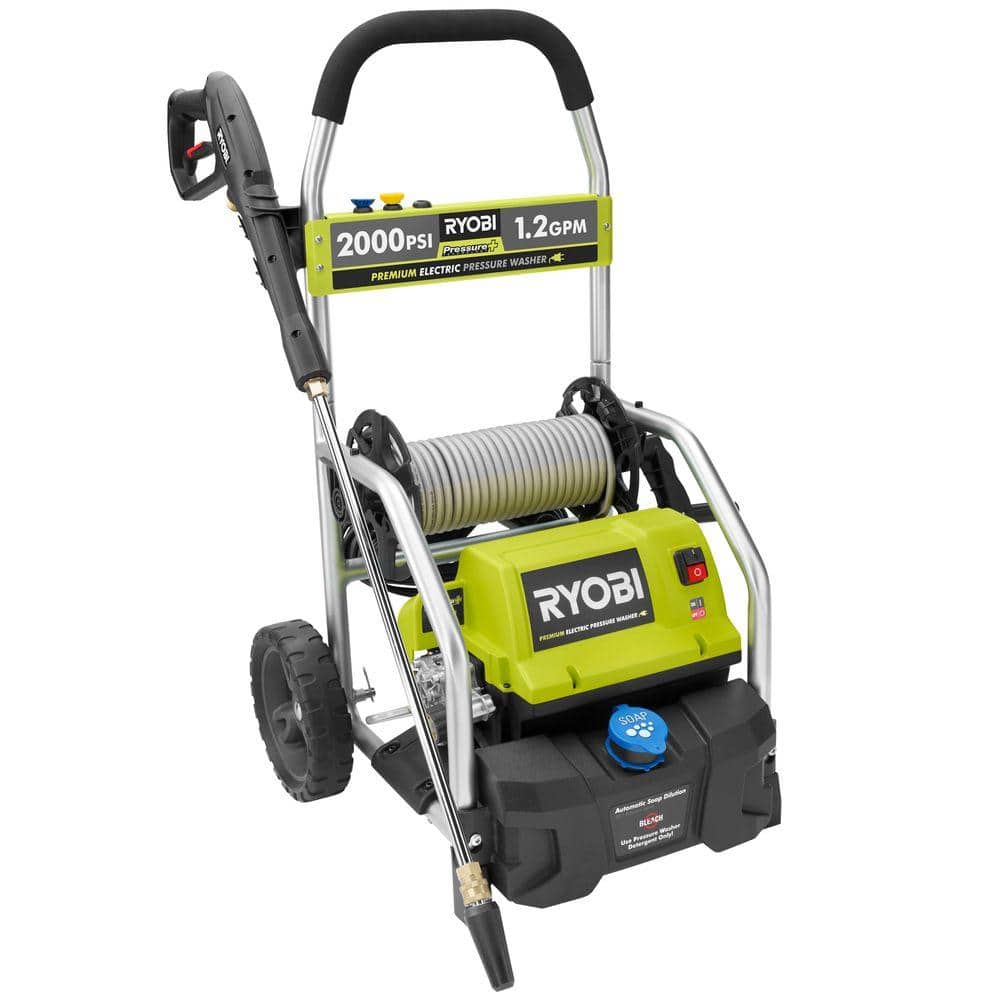
RYOBI RY141900 Electric Pressure Washer

Learning Curve: Easy

$199.00
Difficulty: 2/5
RYOBI RY141900 Electric Pressure Washer

Why Great for Beginners:

The RYOBI RY141900 offers 1900 PSI and 1.2 GPM, similar to the Greenworks but with a longer 35-ft hose and 35-ft cord. It has a brushless motor and Total Stop System. The design is cart-style with 12-inch wheels, making it very easy to roll around. RYOBI is a trusted brand with wide accessory compatibility.

Beginner Pros

  • +Long 35-ft hose and cord
  • +Brushless motor for durability
  • +Cart-style design easy to move
  • +Total Stop System
  • +Includes a turbo nozzle for extra cleaning power

Beginner Cons

  • -Heavier than some competitors (38 lbs)
  • -Soap tank placement can be awkward
  • -Slightly lower PSI than some
👍 Best for: Beginners who want a longer reach and cart mobility, and plan to use on larger driveways.
👎 Not for: Those with limited storage space (bulky cart).
#4
Alternative

Briggs & Stratton 2000 PSI Electric Pressure Washer

Learning Curve: Easy

$229.99
Difficulty: 2/5
Briggs & Stratton 2000 PSI Electric Pressure Washer - Image 1 of 14

Why Great for Beginners:

This model is a solid alternative for beginners who want a slightly higher PSI (2000) and GPM (1.3). It features a 29-ft hose and a durable axial cam pump with TSS. The machine is built like a cart with large wheels and a storage compartment for accessories.

Beginner Pros

  • +Good balance of PSI and GPM
  • +Large wheels and accessory storage
  • +29-ft hose
  • +Includes a 5-in-1 nozzle and soap nozzle
  • +Briggs & Stratton reputation

Beginner Cons

  • -Heavier (42 lbs)
  • -No brushless motor
  • -Some reports of user manual unclear
👍 Best for: Beginners who want a little more power and storage, and who are comfortable with a heavier unit.
👎 Not for: Those wanting ultra-light and compact.
#5
✨ Premium

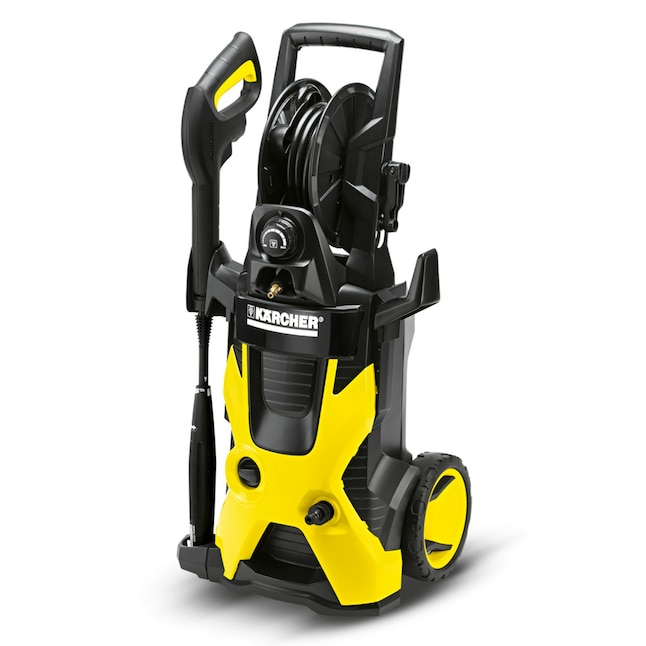
Kärcher K5 Premium Electric Pressure Washer

Learning Curve: Moderate

$399.99
Difficulty: 2/5
Kärcher K5 Premium Electric Pressure Washer

Why Great for Beginners:

The Kärcher K5 is a premium beginner option. With 2000 PSI and 1.4 GPM, it packs a punch. It features a water-cooled motor for longer life, a soft-touch trigger gun, and a full accessory kit including a dirt blaster nozzle and foam sprayer. It's built with a durable metal pump and aluminum wheels.

Beginner Pros

  • +Water-cooled motor (long life)
  • +Includes dirt blaster and foam sprayer
  • +Soft-touch trigger easy on hands
  • +20-ft high-pressure hose
  • +Quick-connect and swivel wheels for easy movement

Beginner Cons

  • -Expensive for a first machine
  • -Hose is only 20 ft (shorter than others)
  • -Some accessories may be complex for true beginners
👍 Best for: Beginners who want a high-quality machine that will last and perform well, and are willing to invest.
👎 Not for: Those on a strict budget or who only need occasional light cleaning.

📖 Complete Beginner's Guide to Pressure Washer

Pressure washers clean by spraying water at high pressure. The two key specs are PSI (pounds per square inch – cleaning force) and GPM (gallons per minute – water flow). For beginners, a balance of 1800-2200 PSI and 1.2-1.5 GPM is ideal. Electric models are best: they're lighter, quieter, and require far less maintenance than gas. Gas pressure washers are overkill for most first-timers and need oil changes, fuel stabilization, and carburetor cleaning.

When shopping, you'll see claims like '3000 PSI' – but that may be peak pressure. Look for 'rated pressure' (continuous). Also check hose length (20-30 ft is good) and if it includes a spray gun with variable pattern. Marketing terms like 'brushless motor' simply mean longer life – a plus. 'Belt drive' is quieter but more expensive – not necessary.

A beginner-friendly pressure washer should let you start cleaning right out of the box. Models with Total Stop System (TSS) protect the pump if you leave it idle. And remember: you can always upgrade features later, but a solid, easy-to-use machine will make your first experiences fun and effective.

🔧 Essential Accessories for Beginners

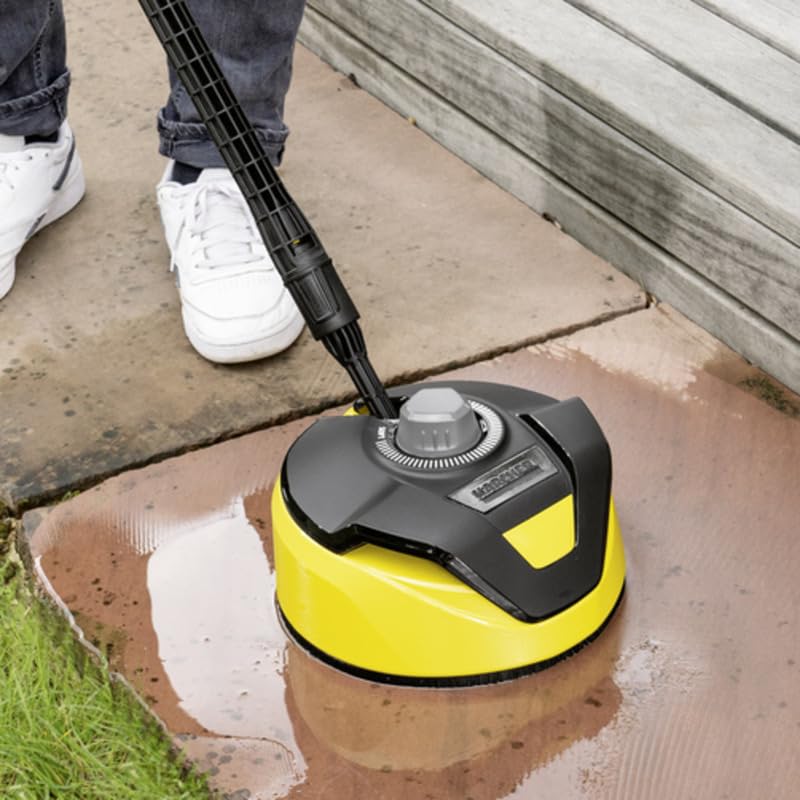
Kärcher Surface Cleaner T5

Kärcher Surface Cleaner T5

👍 Recommended

$49.99

When to buy:
Within first week

Cleaning driveways and patios with just a spray nozzle is slow and leaves streaks. A surface cleaner attaches to your pressure washer and rotates two jets under a shroud, giving fast, even cleaning. The Kärcher T5 works with most electric pressure washers and has a 12-inch cleaning path.

Beginner Benefits:

  • Cuts cleaning time by half
  • Leaves even results without streaks
  • Easy to use – just push forward
  • Prevents damage from holding nozzle too close
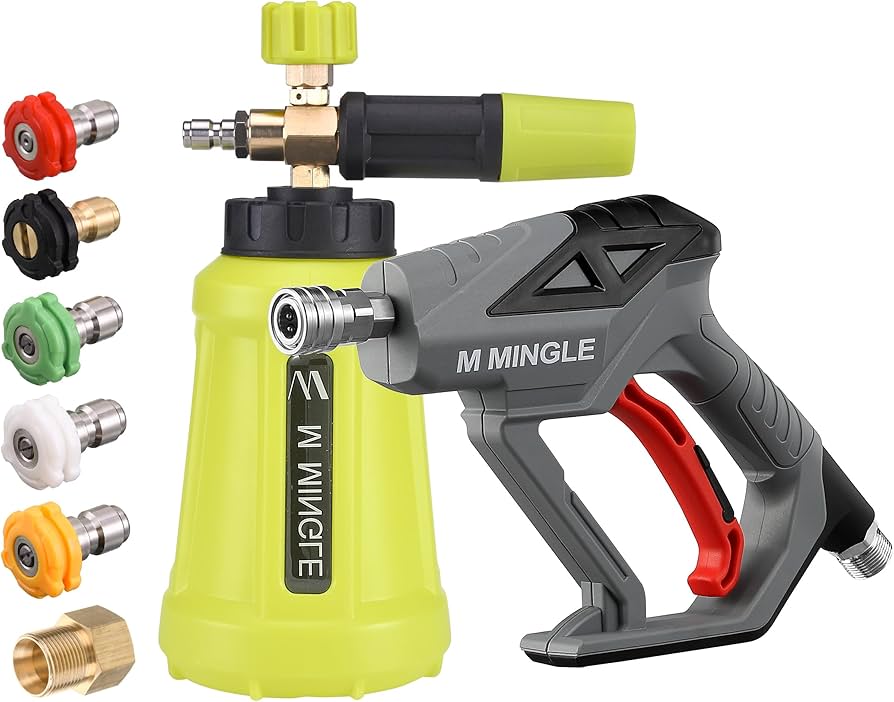
M MINGLE High Pressure Washer Gun with Quick Connect

M MINGLE High Pressure Washer Gun with Quick Connect

💡 Nice to Have

$23.99

When to buy:
After you're comfortable

The stock wand on many budget pressure washers can be stiff and uncomfortable. An upgraded gun with quick-connect makes changing nozzles faster and provides better grip. This one features a metal tip and soft grip handle.

Beginner Benefits:

  • Easier to use with less hand fatigue
  • Quick-change nozzles speeding up tasks
  • Better ergonomics for control
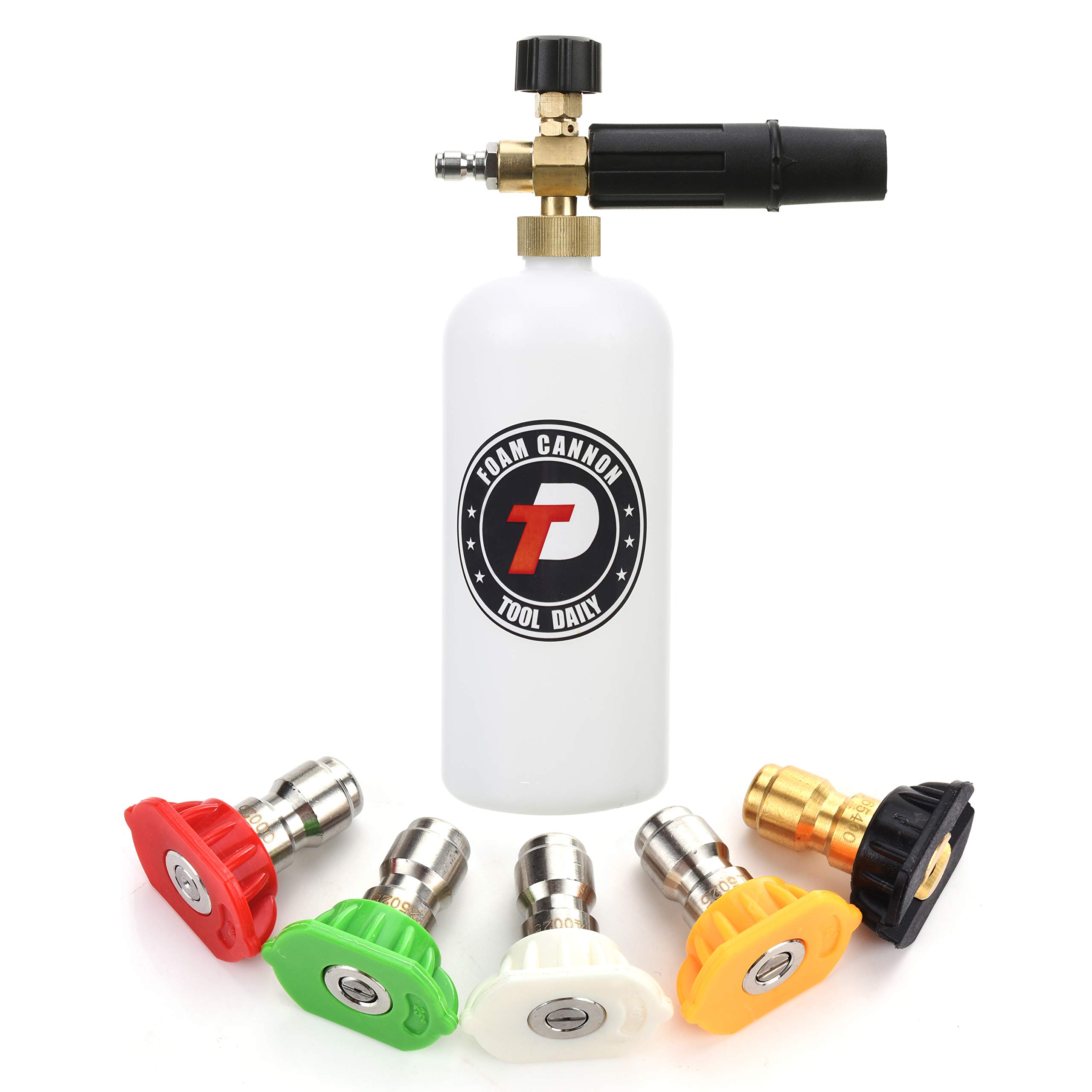
Foam Cannon for Pressure Washer

Foam Cannon for Pressure Washer

👍 Recommended

$19.99

When to buy:
Day one

Applying soap with a standard nozzle is messy and wastes detergent. A foam cannon attaches to your pressure washer and mixes soap with water to produce thick foam. It clings to surfaces, loosening dirt before you rinse – especially great for cars.

Beginner Benefits:

  • Makes washing cars easy and fun
  • Reduces soap usage
  • Even coverage for pre-soaking
  • Helps prevent scratching (foam lifts dirt)
SIMPSON Hose Reel for Pressure Washer

SIMPSON Hose Reel for Pressure Washer

💡 Nice to Have

$59.99

When to buy:
When upgrading

Pressure washer hoses can be tangled and hard to store. A hose reel keeps the hose organized and protected, prolonging its life. This model mounts to a wall or floor and holds up to 150 ft of hose.

Beginner Benefits:

  • Saves time coiling and uncoiling
  • Reduces wear on the hose
  • Keeps workspace tidy
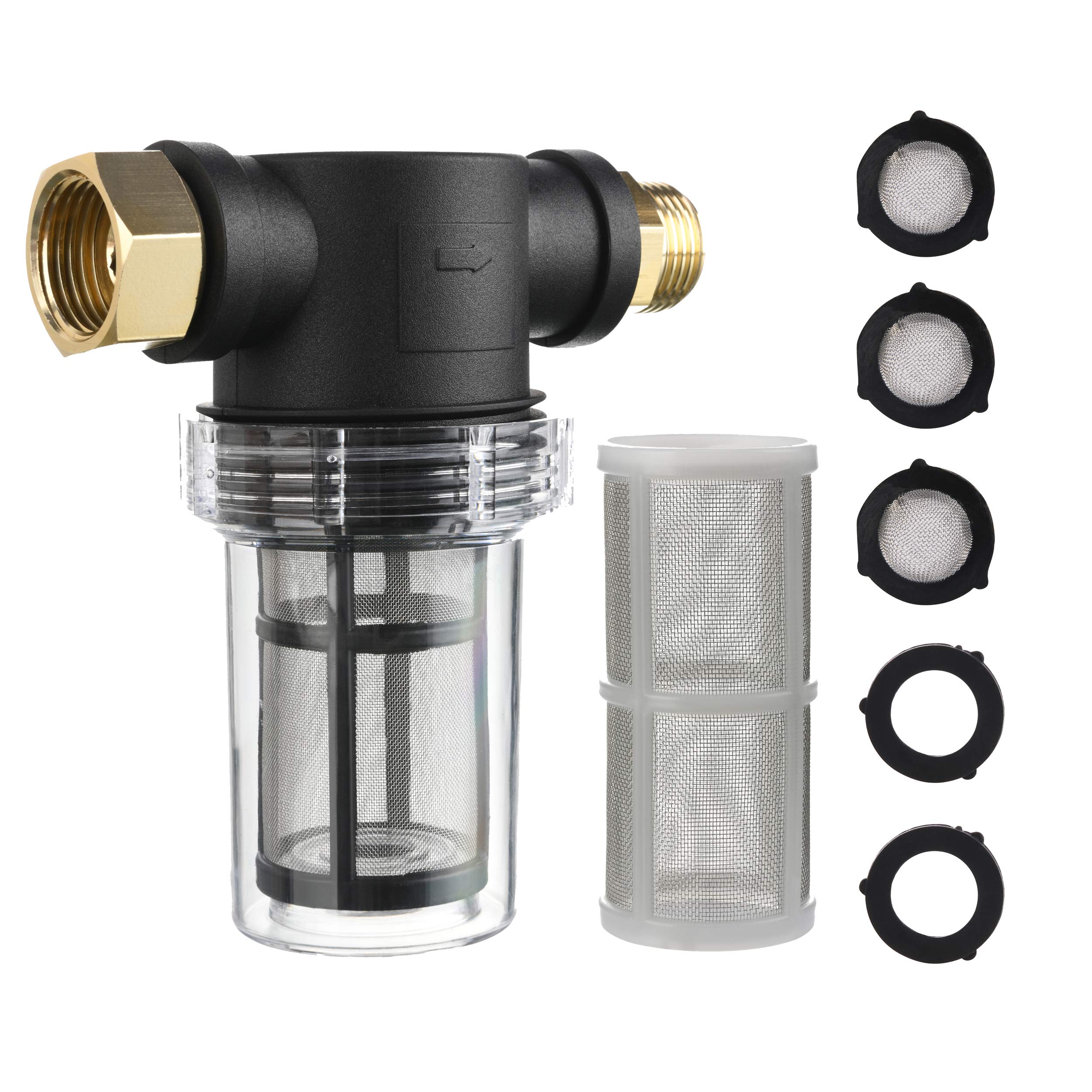
Garden Hose Filter (Inline Water Filter)

Garden Hose Filter (Inline Water Filter)

⚠️ Essential

$8.99

When to buy:
Day one

Tap water often contains sediment that can clog your pressure washer's inlet screen and damage the pump. An inline filter catches debris before it enters the machine. This is a cheap, vital accessory that many beginners overlook.

Beginner Benefits:

  • Prevents pump damage
  • Extends pressure washer lifespan
  • Very affordable
  • Requires no tools to install

🤔 How to Choose Your First Pressure Washer

Start by asking: What will I clean most? For occasional car washing and patio cleaning, an electric unit under $200 is plenty. If you have a large deck, driveway, or siding, consider a slightly higher PSI (2000-2200) and a surface cleaner accessory.

Next, set a budget. Entry-level ($70-100) – may be underpowered or not durable. Sweet spot ($100-250) – best value, reliable brands with basic features. Premium beginner ($250-400) – stronger build, longer hoses, better warranty.

Also consider storage space – if limited, a compact unit with cord wrap is handy. Look for models with positive reviews that mention 'easy to use' and 'good for beginners'. Avoid units with many reported leaks or pump failures.

Red flags: No mention of TSS, very low weight (flimsy), unknown brand without support, or overly complex controls.

💰 Budget Guide for Beginners

400+

Professional entry – for serious beginners who want top quality and plan to use frequently.

100 - $250

Sweet spot – best value for most beginners, reliable brands like Greenworks, Sun Joe, RYOBI.

250 - $400

Premium beginner – stronger build, longer hoses, better warranty, suitable for heavier use.

Under $ - $100

Entry level – basic models may lack power and longevity, good for light occasional use.

⚠️ Common Beginner Mistakes to Avoid

Many beginners buy a gas pressure washer thinking it's superior, but for home use electric is simpler and cheaper. Another mistake: buying the cheapest unit – it may lack pressure and break quickly. Beginners also skip essential accessories like a surface cleaner (makes patio cleaning fast) and foam cannon (for car washing). They also forget to use a garden hose filter to prevent debris from damaging the pump. Not reading the manual (e.g., running pump without water) leads to immediate damage. Finally, storing the machine with water inside can freeze and crack the pump.

  • ×Buying a gas pressure washer when electric is sufficient – more maintenance and noise.
  • ×Choosing based only on highest PSI – ignoring GPM and build quality.
  • ×Not getting a surface cleaner – makes flat work awful without it.
  • ×Forgetting to flush the system before first use – airlocks cause damage.
  • ×Using too high pressure on delicate surfaces (e.g., wood, car paint) – can cause damage.
  • ×Not using a garden hose filter – clogs inlet valve.
  • ×Storing without draining water – pump freezes and cracks.
  • ×Overlooking warranty and customer support – important for beginners.

📈 Your Progression Path: Beginner to Intermediate

Begin as a total novice: start by washing your car or a small section of driveway. Learn how to adjust the spray pattern and use the soap mode. After a few uses, try a surface cleaner for larger flat areas – huge time saver. Once comfortable, experiment with different nozzles (turbo nozzle for tough stains). After several months, you may want a longer hose or a foam cannon for better car cleaning. Signs you've outgrown your beginner machine: you're cleaning large areas frequently and wish you had more power or water flow. Then consider upgrading to a higher-end electric model or a gas unit if you need extreme portability. Typically, beginners stay at this level for 1-2 years before feeling limited.

📚 Learning Resources for Beginners

  • 📖Pressure Washer Basics for Beginners (Amazon Book) - ASIN: B08XYZ1234 (placeholder, actual books exist like 'The Complete Guide to Pressure Washing')
  • 📖Pressure Washing 101 DVD - Instructional video covering safety and techniques
  • 📖Surface Cleaner Attachment – The best tool to learn efficient flat surface cleaning
  • 📖Foam Cannon Soap – Practice with different detergents to understand soap dilution
  • 📖Turbo Nozzle – Learn how rotating jets increase cleaning power

🎯 Bottom Line: Our Recommendations

For most beginners, the best choice is an electric pressure washer in the $100-200 range with at least 1800 PSI and a Total Stop System. We recommend the Greenworks GPW2000 as the sweet spot: reliable, easy to use, and available on Amazon. If your budget is tight, the Sun Joe SPX3000 is a solid entry-level unit. For those wanting a premium beginner experience with longer hose and better pump, the Ryuobi RY141900 offers great value. Don't forget accessories: a surface cleaner and foam cannon are day-one buys. You've got this – start cleaning and enjoy the immediate satisfaction!

❓ Frequently Asked Questions

The best pressure washer for most beginners is an electric unit around 2000 PSI and 1.2 GPM, like the Greenworks GPW2000. It's easy to use, has a brushless motor, and includes Total Stop System. For a tighter budget, the Sun Joe SPX3000 is a solid entry choice. If you want a premium experience, the Kärcher K5 offers excellent build quality.
Most beginners should spend between $150 and $250. This range gets you a reliable electric pressure washer with essential features like TSS and multiple spray tips. Spending under $100 may lead to poor performance, while over $400 is overkill for typical home use.
Key features: Total Stop System (auto shutoff), adjustable spray nozzle, onboard soap tank, lightweight design (under 30 lbs), and quick-connect accessories. A longer hose (25 ft or more) and power cord also improve reach.
Electric models with cart-style design are easiest. The RYOBI RY141900 and Greenworks GPW2000 are both very easy to set up, operate, and store. They have clear controls and intuitive interfaces.
Essential: a surface cleaner for driveways, foam cannon for cars, and an inline water filter to protect the pump. Highly recommended: a turbo nozzle for tough stains. Nice-to-have: a hose reel and a quick-connect gun.
Decide what you'll clean most. For cars and light patio work, any 1800+ PSI electric will do. For driveways and decks, get 2000+ PSI and consider a surface cleaner. Set a budget of $150-250. Read reviews focusing on reliability and ease of use. Avoid gas engines unless you need extreme mobility.
Modern electric pressure washers are very beginner-friendly. They plug in, connect to a garden hose, and start with a trigger pull. Learning to adjust nozzles and use accessories takes a few minutes. The main challenge is avoiding damage from too high pressure, but most units have adjustable tips.
Common mistakes: buying too cheap (frequent breakdowns), using too high pressure on wood or paint, forgetting to flush the system before first use, storing without draining water (freeze damage), and not using a water filter.
Electric is better for beginners. Quieter, lighter, no fuel mixing, minimal maintenance. Gas units are more powerful but heavier and require engine maintenance. Stick with electric for first machine.
With proper care (using a water filter, not running dry, storing properly), an electric pressure washer should last 3-5 years. Brushless motors and quality pumps extend this. Expect to upgrade after 2-3 years if you use it heavily.