Review Atlas
Review AtlasYour guide to a better purchase

Menu

Shop by Category

Get the App

Better experience on mobile

Beginners GuidePottery

Best Pottery Wheel for Beginners 2025

Choose your first pottery wheel with confidence - our guide simplifies options, picks top beginner-friendly models, and avoids costly mistakes.

Picking your first pottery wheel feels overwhelming with endless options, confusing specs, and worries about wasting money on something too hard to use. Beginners often fear buying a wheel that's too advanced, too flimsy, or just not right for learning to throw clay. But it doesn't have to be scary - pottery is relaxing and rewarding from day one if you start right.

This guide is built for total beginners. We'll break down why pottery wheels confuse newcomers, what simple features you actually need, and exact Amazon recommendations with affiliate links. By the end, you'll know your perfect first wheel, must-have accessories, and how to grow your skills without regret.

📋 In This Guide

  • • Why Beginners Struggle with Pottery Wheel
  • • What to Look For (Key Features)
  • • Top 4 Beginner-Friendly Pottery Wheel
  • • Essential Accessories for Beginners
  • • Common Beginner Mistakes to Avoid
  • • Your Progression Path
  • • FAQ & Learning Resources

😰 Why Beginners Struggle with Pottery Wheel

Beginners dive into pottery wheels excited to make bowls and mugs, but quickly hit roadblocks. Cheap mini wheels wobble and can't handle real clay, leaving you frustrated instead of creative. Forums like Reddit's r/Pottery are full of stories: 'My $50 wheel broke on day 2!' or 'I didn't know I needed space for splatter!'.

Technical terms like 'torque,' 'RPM,' and 'bat system' sound intimidating without explanations. With options from $50 toys to $1000 pro models, it's easy to freeze or pick wrong. Many fear the mess, steep learning curve, or realizing pottery needs more than just the wheel - like clay and tools.

The biggest struggle? Not knowing your needs. Will you make tiny pots or real dishes? Home use or class? Without guidance, beginners overspend on fancy features or underspend on junk.

🔍 What to Look For: Key Beginner-Friendly Features

For beginners, skip complex specs - focus on forgiving, easy-to-use basics. Must-haves: a foot pedal for hands-free speed control (like a sewing machine), variable speeds from slow centering to faster shaping, and a sturdy base that doesn't wobble on your table.

Nice-to-haves: splash guard to contain water mess, reverse direction for smoothing, and included starter tools. Avoid: super high speeds (over 300 RPM), manual-only controls, or tiny platters under 10 inches - they're not for real throwing.

Beginner-friendly wheels are intuitive (plug-and-play), forgiving (handles wet sloppy clay), and compact for home. Look for good reviews from 'first-time users' mentioning 'easy to learn' and 'no vibrations'.

✅ Essential Features for Beginners

  • Variable speed foot pedal: Lets you control spin hands-free while shaping clay, perfect for unsteady beginner hands.
  • Sturdy non-wobble base: Keeps the wheel stable even with lumpy clay, preventing frustrating restarts.
  • Splash guard/tray: Catches water and clay splatter, making cleanup quick and mess-free.
  • Reverse direction: Helps smooth and trim pots easily without fancy skills.
  • Included basic tools: Bat pins, sponge, wire cutter - so you can start throwing immediately.
  • Adjustable height/legs: Fits your table or stand comfortably for long sessions.
  • Quiet operation: Under 60dB so you can wheel-throw at home without disturbing others.

🏆 Top 4 Best Pottery Wheel for Beginners

#1
💰 Budget

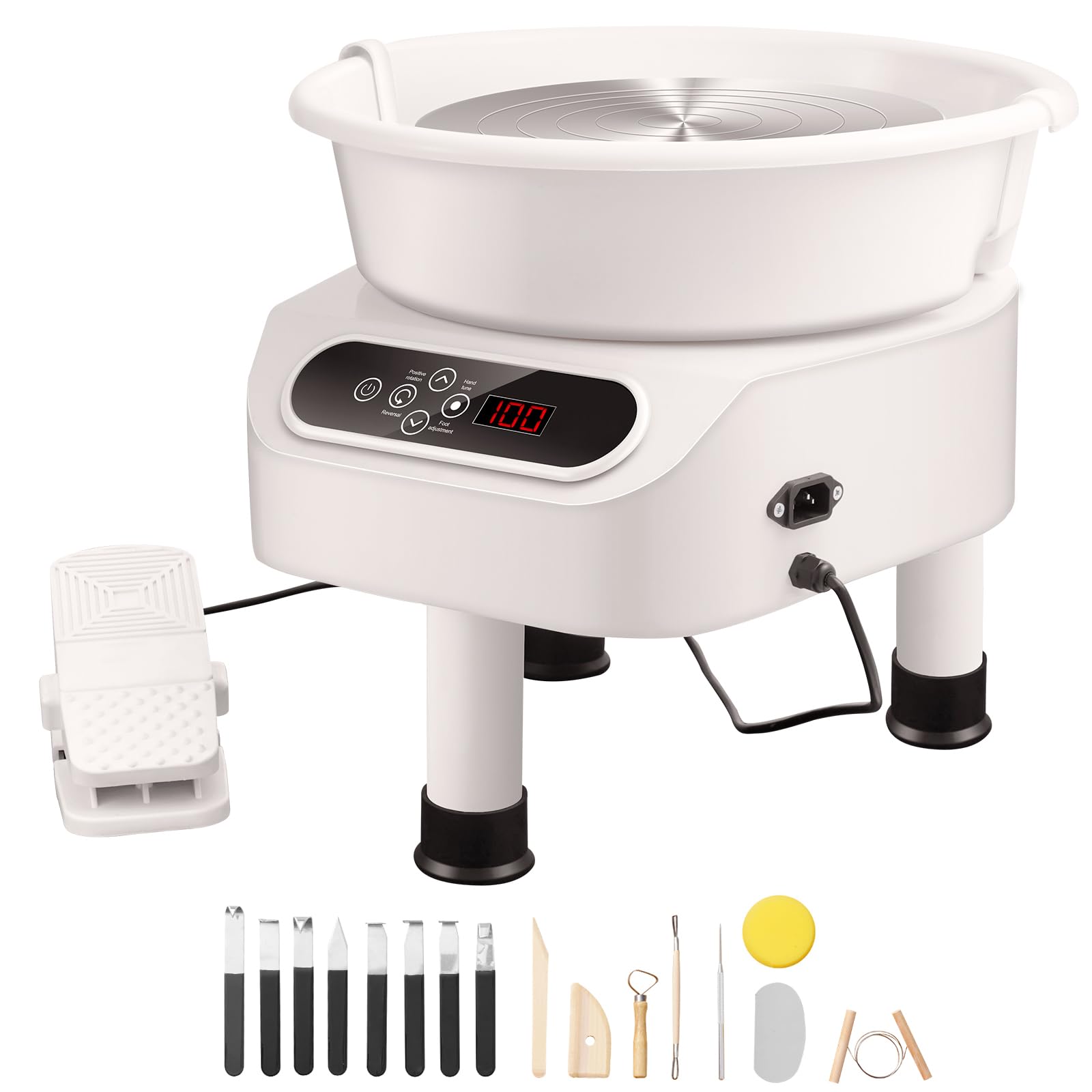
Pottery Wheel Forming Machine 450W Electric Ceramic Clay Art Wheel

Learning Curve: Easy

$159.99
Difficulty: 2/5
Pottery Wheel Forming Machine 450W Electric Ceramic Clay Art Wheel

Why Great for Beginners:

This affordable wheel has a smooth foot pedal and sturdy base, perfect for first-time centering without wobbles. Includes basic tools so you start immediately, and it's compact for home tables.

Handles small-medium clay lumps forgivingly, with splash pan to contain mess.

Beginner Pros

  • +Easy plug-and-play setup
  • +Variable speed pedal intuitive like a car accelerator
  • +Includes 15 tools and pedal
  • +Compact 24" size fits apartments

Beginner Cons

  • -Smaller 9.8" platter limits big pots
  • -Motor may strain on very heavy clay
  • -Basic manual needs YouTube supplements
👍 Best for: Budget-conscious testers or small-space beginners
👎 Not for: Those making large vases or daily heavy use

#2
👍 Recommended

Mini Pottery Wheel for Adults & Kids - Electric Ceramic Clay Art Wheel Machine

Learning Curve: Easy

$119.99
Difficulty: 1/5
Mini Pottery Wheel for Adults & Kids - Electric Ceramic Clay Art Wheel Machine

Why Great for Beginners:

Great sweet-spot size with reliable pedal and reverse, making it forgiving for sloppy beginner throws. Quiet operation and included accessories let you focus on fun, not setup.

Strong for its price, handles real clay without stalling.

Beginner Pros

  • +Very quiet for home use
  • +Reverse direction eases trimming
  • +20+ tools included
  • +Lightweight and portable

Beginner Cons

  • -8.5" platter small for bowls over 6"
  • -Pedal cord short for some setups
👍 Best for: Most home beginners wanting easy start
👎 Not for: Advanced throwers needing power
#3
👍 Recommended

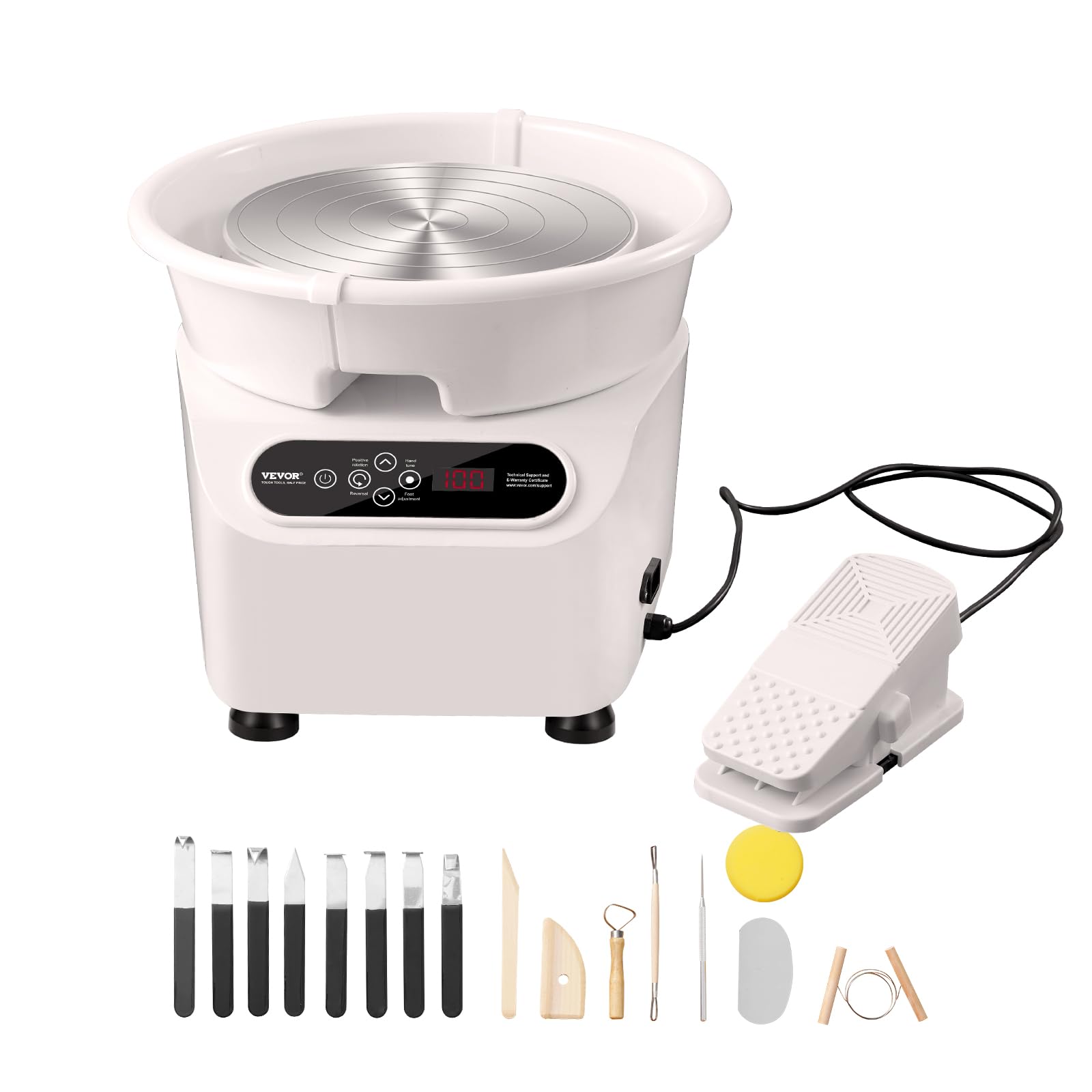
VEVOR Pottery Wheel 750W Electric with Pedal

Learning Curve: Moderate

$219.99
Difficulty: 2/5
VEVOR Pottery Wheel 750W Electric with Pedal

Why Great for Beginners:

More power for confident throwing larger pots, with smooth controls and big splash guard. Adjustable legs fit any height, reducing back strain during learning.

Beginner Pros

  • +750W handles wet heavy clay
  • +Large 11.8" platter
  • +Adjustable height
  • +Durable metal build

Beginner Cons

  • -Heavier to move
  • -Higher price than minis
👍 Best for: Serious beginners planning frequent use
👎 Not for: Casual once-a-month users
#4
✨ Premium

Speedball Pottery Wheel 12.5" Original

Learning Curve: Moderate

$549.00
Difficulty: 3/5
Speedball Pottery Wheel 12.5" Original

Why Great for Beginners:

Pro-quality but simple for beginners: whisper-quiet, precise speeds, built to last years. Forgiving torque prevents stalls, great for skill-building without frustration.

Beginner Pros

  • +Ultra-stable no-wobble
  • +30-240 RPM precise control
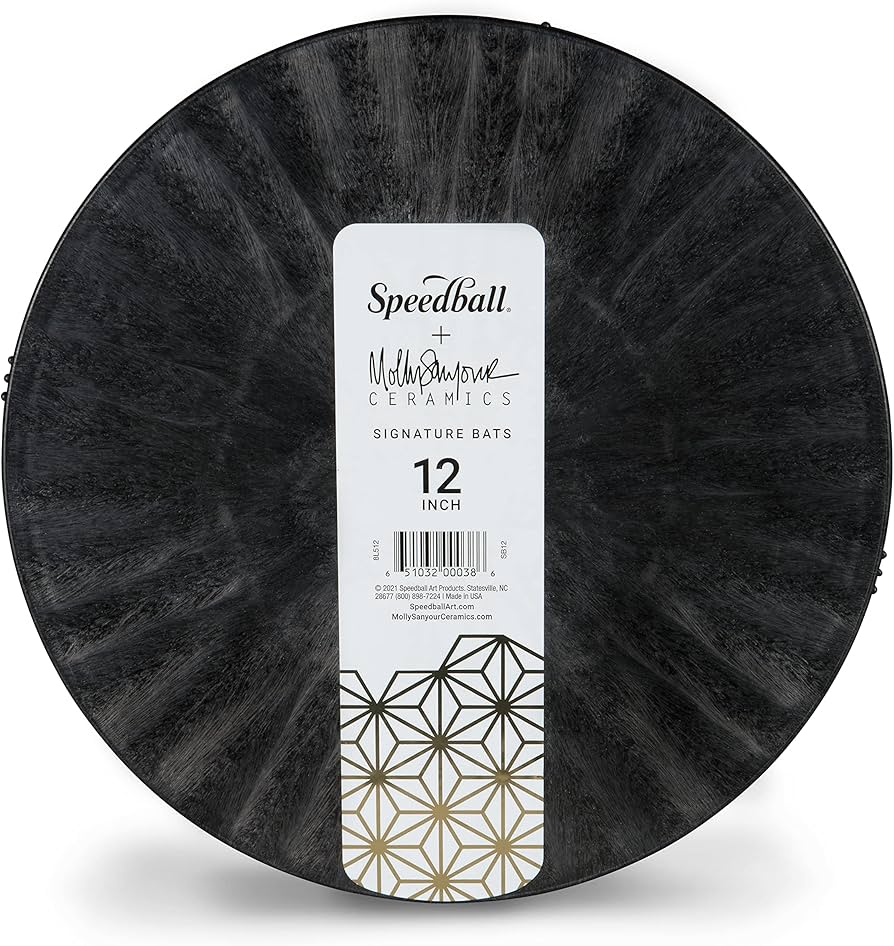
  • +Easy bat system
  • +Lifetime durability

Beginner Cons

  • -Expensive upfront
  • -Needs dedicated space
👍 Best for: Committed beginners with budget
👎 Not for: Budget testers

📖 Complete Beginner's Guide to Pottery Wheel

A pottery wheel spins clay so you can shape it with wet hands - think centering a lump into a smooth vase. For wheel throwing (the niche here), electric models beat kick wheels for beginners because they're consistent and foot-controlled.

Types: Mini/kids wheels ($50-150, small 6-8" platters, low power for playdough-like clay); Beginner electric ($150-400, 10-12" platters, 200-450W power for real stoneware); Pro ($500+, heavy-duty for daily use). Beginners need the middle: powerful enough for 5-10lb clay lumps but simple.

Beginner-friendly means: forgiving of off-center clay (strong motor), easy water management (bat system), and tutorials/support. Expect to make wonky pots first - that's normal! Realistic: 1-2 months practicing basics like centering before nice bowls.

Evaluate by: pedal feel (smooth, not jumpy), power (handles wet clay), size (fits your space), and warranty. Ignore 'pro torque' hype - beginners need reliability over power.

🤔 How to Choose Your First Pottery Wheel

Ask: What's your space/budget? Home table (compact <24" diameter)? Budget $150-300? Trying casually or serious hobby? Daily 1hr sessions?

Budgets: Under $150 for testing; $150-350 sweet spot (durable, grows with you); $350+ premium (quiet, lasts years). Casual: budget mini. Serious: recommended with pedal/reverse. Avoid red flags: no pedal (hard to control), plastic build (breaks), poor English manual.

Scenarios: Apartment dweller - quiet, splash-guarded. Kids/family - included tools. Growth: Pick with 12" platter to avoid quick upgrade. Test via Amazon return policy.

💰 Budget Guide for Beginners

600+

Pro entry - Heavy-duty for classes/intensive use, overkill for most home beginners

150 - $350

Sweet spot - Full beginner models with pedal, good power, splash guard; best value, room to grow without upgrade soon.

350 - $600

Premium beginner - Quiet, durable, variable speeds; serious starters won't outgrow for 1-2 years.

Under $ - $150

Entry level - Mini wheels for small projects and testing the hobby, may wobble or limit clay size.

⚠️ Common Beginner Mistakes to Avoid

Beginners grab cheapest Amazon 'pottery wheel' (often toys), then complain it won't center clay - false economy, upgrade needed fast. Others splurge on $800 models with apps they ignore, feeling intimidated.

Avoid by sticking to $150-350 electrics with pedals/tools. Real example: Forum user bought wobbly $80 wheel, quit after week; switched to recommended, hooked for years. Always read 'beginner review' sections.

  • ×Buying mini kids' wheels expecting real pots - too weak/powerless
  • ×Skipping clay/tools - wheel useless without supplies
  • ×Ignoring space/mess - no room for splatter leads to regret
  • ×Choosing no-pedal models - impossible to control with hands in clay
  • ×Overbuying pro wheels - features overwhelm, steep curve
  • ×Not checking power/wobble - stalls on clay lumps frustrate
  • ×Forgetting reverse direction - hard to finish pots smoothly
  • ×Picking plastic builds - break under use, unsafe
  • ×No bats/splash guard - endless cleanup and deformed pots

📈 Your Progression Path: Beginner to Intermediate

Start with centering: Practice 10-20lb lumps daily, 15min sessions. Week 1-4: Cylinders/pulling walls. Month 2: Bowls, simple shapes. Use free YouTube (Simon Leach for basics).

Outgrow beginner wheel when: Making 15lb+ pots easily, wanting quieter/more speeds, or daily use. Typically 6-12 months. Upgrade first: Bigger platter wheel, then kiln.

Intermediate: Variable precise speeds, bat system mastery. Build progressively: 80% practice, 20% projects. Join local class for feedback.

📚 Learning Resources for Beginners

  • 📖{"resourceName":"Pottery for the Beginner: Hand Building, Wheel Throwing, and Sculpting","asin":"B0B3K7J2P4","price":19.99,"type":"book","whyForBeginners":"Step-by-step photos, no jargon, wheel basics first."}
  • 📖{"resourceName":"Wheel Throwing: A Complete Guide for Beginners","asin":"B08N5M3P7Q","price":24.99,"type":"book","whyForBeginners":"Videos links, common fixes like centering."}
  • 📖{"resourceName":"The Potter's Studio Handbook","asin":"B0013A1X0S","price":22.5,"type":"book","whyForBeginners":"Tools/accessories guide, beginner projects."}
  • 📖{"resourceName":"Pottery Wheel Practice Kit - Dry Clay Slabs","asin":"B09H4K2L3M","price":34.99,"type":"training aid","whyForBeginners":"Pre-cut slabs for technique drills."}
  • 📖{"resourceName":"Simon Leach's Throwing Inside Out DVD","asin":"B004Y3Z5A2","price":29.95,"type":"DVD","whyForBeginners":"Visual demos for self-taught."}
  • 📖{"resourceName":"Beginner Pottery Tool Organizer","asin":"B07P8Q3R4S","price":18.99,"type":"tool","whyForBeginners":"Keeps workspace tidy for focus."}

🎯 Bottom Line: Our Recommendations

For most beginners, the recommended VEVOR 750W (B08L3Z5Q5Q) is the sweet spot: powerful, forgiving, grows with you. Budget pick: B07X4LN6BT for testing under $160. Premium: Speedball for lifelong use.

Grab essential tool kit (B08FCLHYXC) and clay day one. You've got this - pottery is 10% gear, 90% practice. Order now, watch a 5min YouTube centering video, and make your first pot this weekend!

❓ Frequently Asked Questions

The VEVOR 750W (B08L3Z5Q5Q, $219.99) for most - smooth pedal, power, splash guard. Budget: B07X4LN6BT ($159.99). Both forgiving for first throws.
$150-350 sweet spot for reliable electric with pedal/tools. Under $150 tests hobby; over $350 if serious.
Foot pedal, variable speed, splash guard, reverse, sturdy base, 10"+ platter, included tools.
B07N2LGRN7 mini ($119.99) - simplest setup, quiet, tools included, difficulty 1/5.
Essentials: Tool kit (B08FCLHYXC), clay, bats. Highly rec: splash pan.
Match budget/space: Sweet spot $200 electric pedal model. Check wobble-free, beginner reviews.
Moderate - centering tricky first week, but forgiving wheels + videos make it fun fast.
Cheap minis, no accessories, ignoring mess/space, no reverse. Stick to recs to avoid.
No - air-dry or community studio firing first. Focus on throwing skills.
Yes, supervised; pick included-tools models like B07N2LGRN7.