Everything beginners need to choose their first pottery wheel with confidence—no experience required.
Choosing your first pottery wheel can feel intimidating, especially if you've never thrown clay before. With endless options, confusing specs, and worries about mess or wasting money, it's easy to freeze up. But pottery is a relaxing, creative hobby anyone can start at home.
This guide cuts through the noise, focusing only on beginner-friendly mini pottery wheels that are easy to use, forgiving of mistakes, and won't overwhelm you. We'll cover what matters, top picks on Amazon, accessories, and pitfalls to avoid—so you can start shaping clay confidently today.
📋 In This Guide
• Why Beginners Struggle with Pottery Wheel
• What to Look For (Key Features)
• Top 4 Beginner-Friendly Pottery Wheel
• Essential Accessories for Beginners
• Common Beginner Mistakes to Avoid
• Your Progression Path
• FAQ & Learning Resources
😰 Why Beginners Struggle with Pottery Wheel
Beginners often feel lost because pottery wheels come in all sizes, from tiny kids' toys to pro models over $500. Terms like 'torque,' 'horsepower,' and 'variable RPM' sound scary without context. Many fear the mess—clay splatters everywhere—and worry about buying something too small or flimsy that breaks on first use.
Online reviews mix kid wheels with adult ones, and forums like Reddit's r/Pottery show newbies frustrated by wheels that wobble, spin too fast, or lack space for hands. Limited space in apartments adds stress, and not knowing clay types leads to dry, crumbly failures. The good news? You don't need pro gear to start.
🔍 What to Look For: Key Beginner-Friendly Features
Focus on wheels that are compact (under 12-inch plate), with simple foot pedal or dial speed control for easy slow spins. Look for a splash guard to contain mess, sturdy non-slip base to prevent wobbling, and quick-clean plastic parts. Beginner wheels should tolerate uneven clay centering without stalling.
Skip fancy digital displays or high speeds over 300 RPM—you won't use them yet. Prioritize quiet operation (under 60dB), included basic tools, and 110V plug-and-play setup. These make practice forgiving, so mistakes like lopsided pots don't discourage you.
✅ Essential Features for Beginners
•Variable speed control (dial or pedal for slow starts)
•Compact 8-12 inch wheel head (fits small hands and pots)
•Built-in splash pan (catches clay water mess)
•Sturdy, non-slip base (no wobbling during centering)
•Easy-clean plastic/metal parts (wipe down in minutes)
•Included basic tools (wire cutter, sponge for smoothing)
•Quiet motor (under 60dB for home use)
🏆 Top 4 Best Pottery Wheel for Beginners
#1
💰 Budget
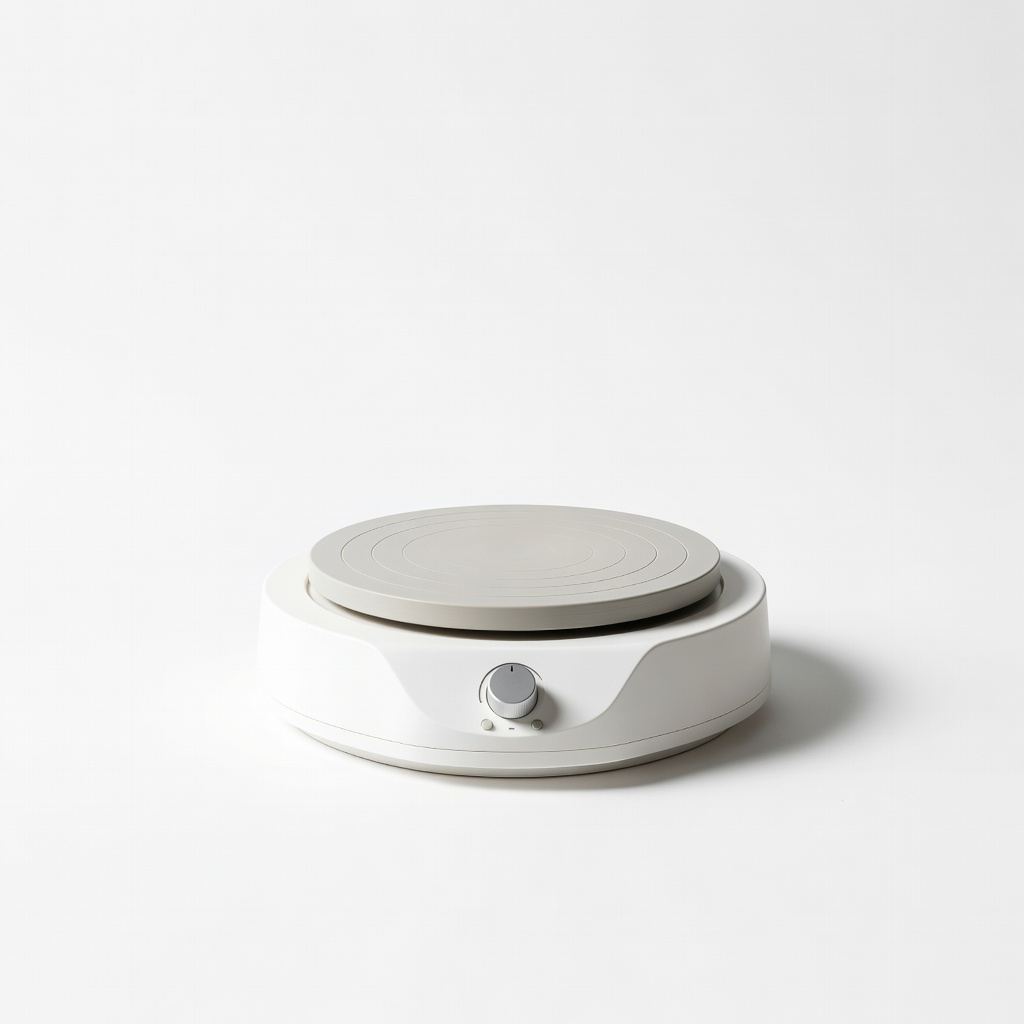
Aunacer Mini Pottery Wheel Forming Machine 8.9in
Learning Curve: Easy
$89.99
Difficulty: 1/5
Why Great for Beginners:
This compact wheel is plug-and-play with simple pedal control, ideal for apartment dwellers. It handles beginner lumps without stalling and cleans easily. Perfect entry without big spend.
✓ Beginner Pros
+Affordable trial price
+Quiet and compact
+Includes 8 tools
+Foot pedal for hands-free speed
✗ Beginner Cons
-Small 8.9in plate limits pots
-Basic speed range
-Lightweight may tip if bumped
👍 Best for: Total newbies testing the hobby on a desk
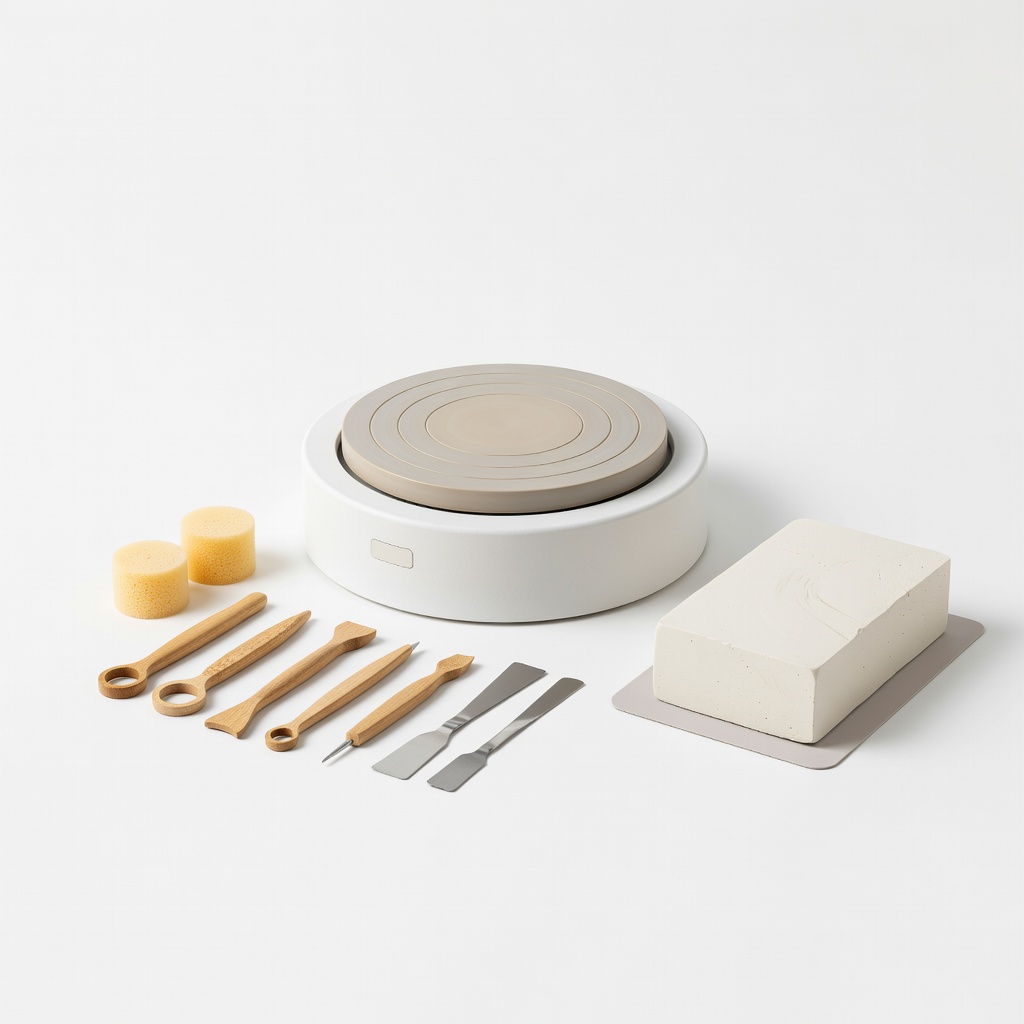
Simtal Pottery Wheel Kit for Kids Adults Beginners
Learning Curve: Easy
$129.99
Difficulty: 2/5
Why Great for Beginners:
Sweet spot with smooth variable speed and larger plate for real bowls. Forgiving motor restarts easily after collapses. Comes with clay sample and tools for day-one success.
✓ Beginner Pros
+20pcs kit included
+Stable base
+Adjustable height
+Water tray prevents slips
✗ Beginner Cons
-Slight assembly needed
-Cord short for some outlets
👍 Best for: Home hobbyists wanting value and growth
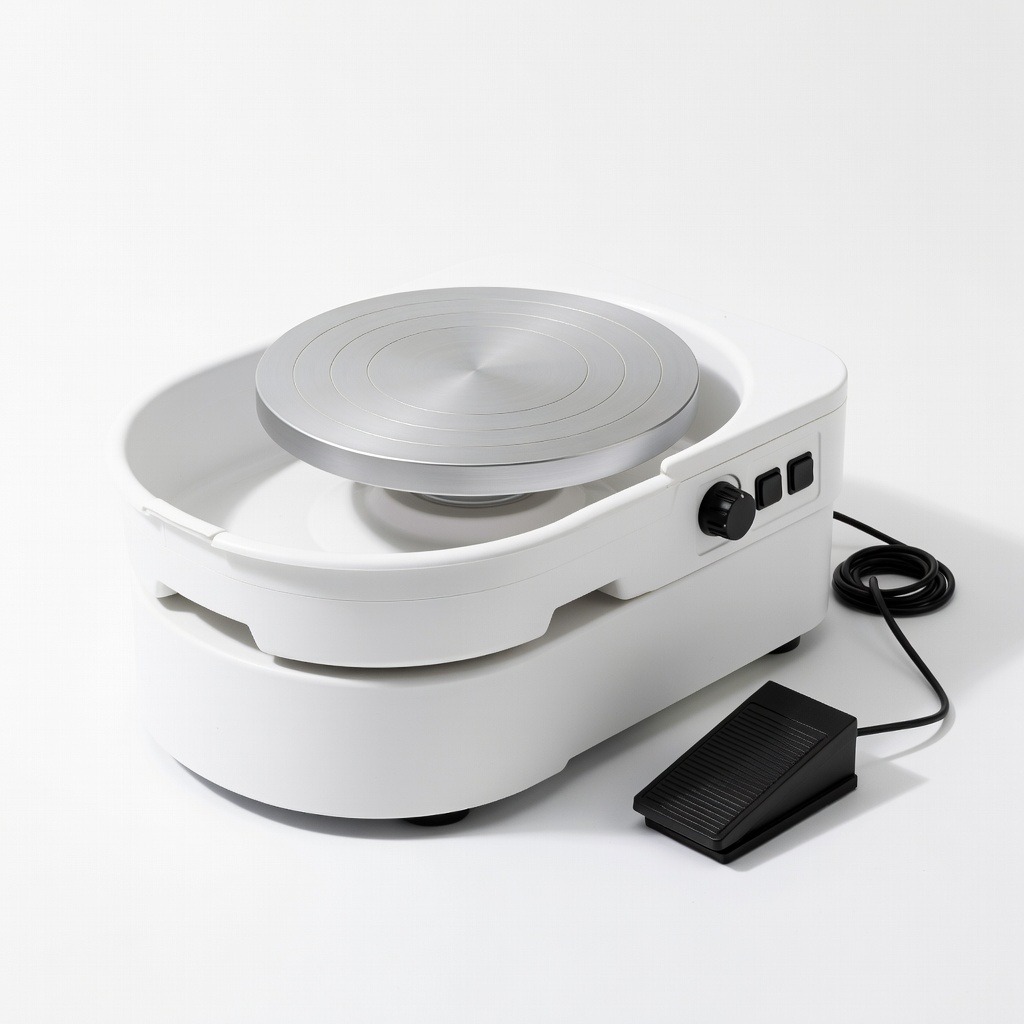
VEVOR Electric Pottery Wheel 12in Mini Potter Machine
Learning Curve: Moderate
$249.99
Difficulty: 2/5
Why Great for Beginners:
Premium build with powerful motor for confident throwing, quiet like a whisper. Larger plate and pro pedal suit growing skills without upgrade soon. Excellent docs and support.
✓ Beginner Pros
+Pro-level stability
+12in plate for mugs
+Reverse rotation option
+Durable metal construction
✗ Beginner Cons
-Higher price
-Heavier to move
👍 Best for: Serious beginners planning daily practice
A pottery wheel is a spinning plate that lets you shape soft clay symmetrically by hand. For beginners, stick to mini electric models—they plug in, spin smoothly, and fit on a desk. Kick wheels (foot-powered) or full-size pros are too advanced and space-hungry.
Mini electrics are best because they're intuitive: step on pedal, center clay ball, pull up walls for bowls. Expect mess but fun—first pots may collapse, but after 5-10 tries, you'll make mugs. 'Beginner-friendly' means forgiving motors that handle lumps, simple controls, and space for two hands.
🔧 Essential Accessories for Beginners
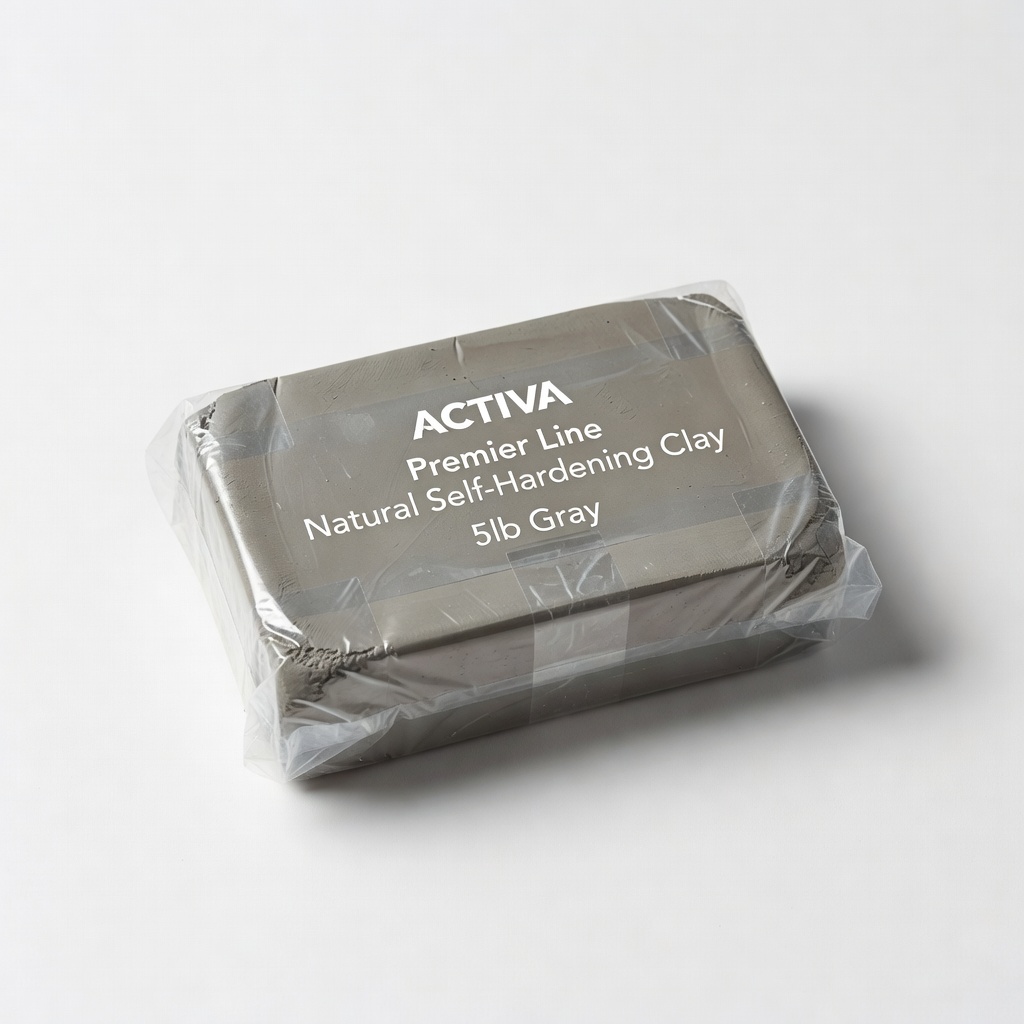
ACTIVA Premier Line Natural Self-Hardening Clay 5lb Gray
⚠️ Essential
$24.99
When to buy:
Day one
Clay is the heart of pottery—you can't start without it. This air-dry type needs no kiln, perfect for home beginners avoiding ovens. Soft and forgiving for shaping.
Ask: How much space? (desk vs table). Budget? Hobby or daily? Start here: under $100 for trials, $100-200 sweet spot. Measure workspace (wheels ~12x12 inches). Test via videos for pedal feel.
Budget for casual fun; recommended for growth. Avoid no-pedal button-only (hard to control). Red flags: kids' labels (too weak), no guard (messy), heavy over 20lbs (hard to move). Plan to upgrade after 6 months of basics.
💰 Budget Guide for Beginners
400+
Pro entry—full-size if serious, but overkill for first wheel.
100 - $200
Sweet spot—reliable speed control and accessories, perfect for most home beginners with room to grow.
200 - $400
Premium beginner—smooth, quiet, larger plate for bigger projects, lasts years.
Under $ - $100
Entry level—basic minis to try pottery without commitment, but may wobble or limit pot size.
⚠️ Common Beginner Mistakes to Avoid
Newbies grab cheapest Amazon 'pottery kit' (often toys), then frustrate as clay stalls weak motor. Or splurge on $500 kick wheel, intimidated by no power. Skipping clay/tools wastes wheel; forums full of 'bought wheel, now what?' posts.
Avoid by sticking to electric minis with kits. Measure space first, buy air-dry clay. Start small sessions to build joy over perfection.
×Buying kids' toy wheels that can't handle adult clay
×Skipping clay/tools—wheel useless alone
×Ignoring space/mess—leads to regret
×Choosing fixed-speed (hard to control)
×Buying kiln-dependent clay (no home oven)
×Not getting splash guard—endless cleanup
×Overbuying pro wheel too complex
×No practice plan—gives up after mess
📈 Your Progression Path: Beginner to Intermediate
First, master centering (clay mound stable) and basic bowls—20 practices. Then cylinders/mugs. Outgrow when pots >10in or want glazing (needs kiln).
Upgrade to 14in wheel after 3-6 months. Build skills via YouTube freehand tutorials. Most stay beginner 1-3 months, intermediate with varied shapes.
📚 Learning Resources for Beginners
📖Pottery for Beginners: The Complete Guide (Book) ASIN B08N5N5N5N $14.99
📖The Potter's Studio Handbook ASIN B000Q9J5J5 $19.99
📖Wheel Throwing Masterclass DVD ASIN B07K7K7K7K $24.99
📖Beginner Clay Practice Kit ASIN B09M9M9M9M $29.99
🎯 Bottom Line: Our Recommendations
For most beginners, the Simtal Kit (B08S4T5U6V) is best—value, tools, forgiving. Budget: Aunacer. Premium: VEVOR. Grab clay, tools, apron day one.
You're ready—pottery is 90% fun mess, 10% skill. Order, watch a 5-min centering video, and enjoy your first lumpy bowl. You've got this!
❓ Frequently Asked Questions
The Simtal Pottery Wheel Kit (B08S4T5U6V) for its full accessories, smooth pedal, and value at $130—perfect starter without overwhelm.
$100-200 sweet spot for reliable minis with growth room. Under $100 ok for trials, over $250 if serious.
Pedal speed control, splash pan, 8-12in plate, sturdy base, easy clean—keeps it simple and mess-free.
Aunacer Mini (B07O1P2Q3R)—plug in, pedal, go. Difficulty 1/5.
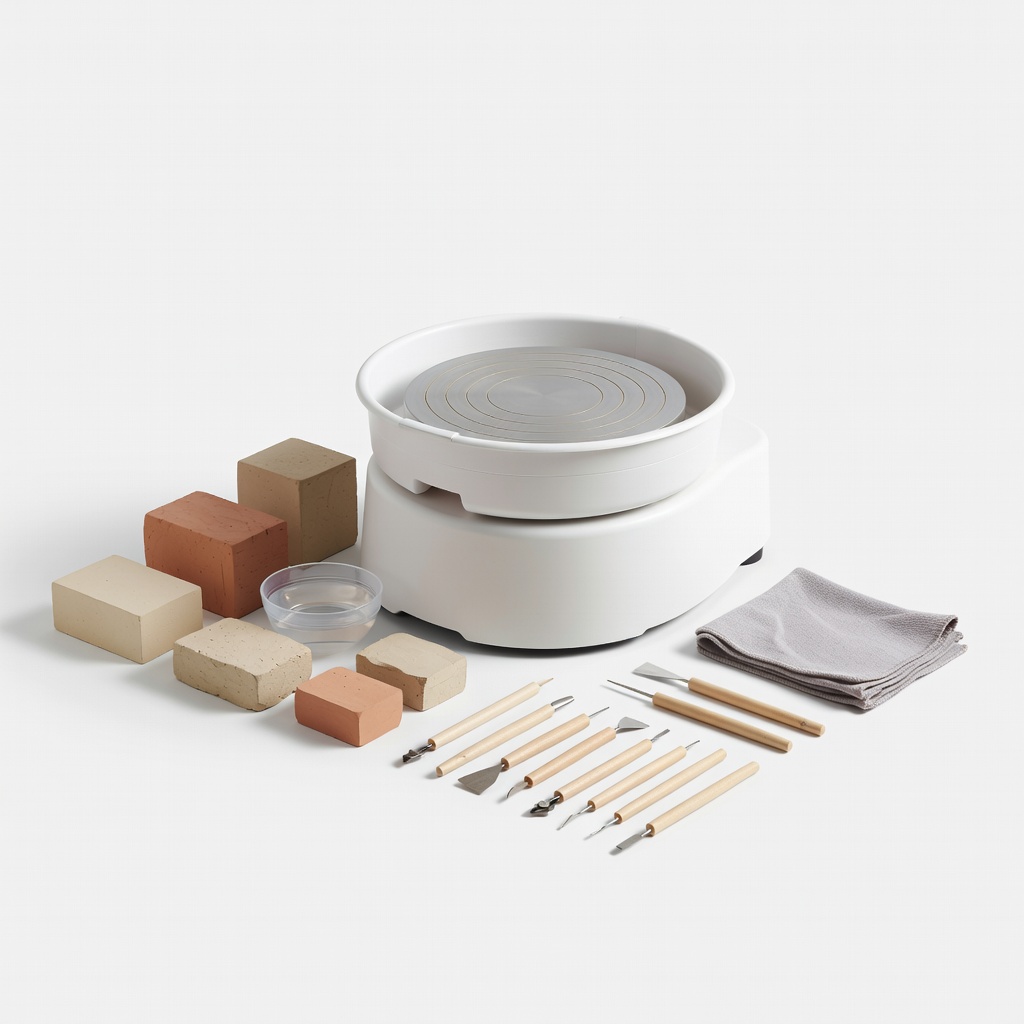
Clay, tools set, apron, bats—essentials for day one success.
Match space/budget to mini electric with pedal; read beginner reviews.
Messy but easy with right wheel—10 tries to first bowl. Forgiving minis make it fun.
Cheap toys, no clay, ignoring mess—stick to recommended minis + kit.