7 Best Best Portable Speaker for beginners in 2026: Tested & Ran…
Everything beginners need to know to choose their first portable speaker with confidence.
Choosing your first portable speaker can feel overwhelming. With dozens of models boasting waterproofing, 360-degree sound, and smart assistants, it's easy to get lost. This guide cuts through the noise, focusing on what really matters for beginners: simplicity, durability, and great sound for the price. We'll help you find a speaker that's easy to use, forgiving of mistakes, and will keep you jamming for years.
📋 In This Guide
• Why Beginners Struggle with Portable Speaker
• What to Look For (Key Features)
• Top 5 Beginner-Friendly Portable Speaker
• Essential Accessories for Beginners
• Common Beginner Mistakes to Avoid
• Your Progression Path
• FAQ & Learning Resources
😰 Why Beginners Struggle with Portable Speaker
Beginners often get stuck on technical specs like frequency response and driver size. They worry about buying something too cheap that sounds terrible or too expensive with features they'll never use. The sheer variety of brands and price points is confusing. Many fear they'll make a costly mistake. Without clear guidance, they might overspend on a speaker meant for audiophiles or underspend on a toy. Understanding your actual needs—like where you'll use it and how loud you need it—is the first step to confidence.
🔍 What to Look For: Key Beginner-Friendly Features
For your first portable speaker, focus on ease of use, durability, and connectivity. Look for Bluetooth for wireless pairing, a simple button layout, and a rugged design with an IP rating (e.g., IP67) for water and dust resistance. Battery life should be at least 10 hours. Don't worry about multi-room audio or advanced EQ—those come later. A beginner-friendly speaker should be forgiving: drop it in sand or splash it with water and it still works. Good bass without distortion at moderate volumes is a plus.
✅ Essential Features for Beginners
•Bluetooth connectivity (simple pairing)
•Waterproof or water-resistant design (forgives splashes)
•Long battery life (10+ hours)
•Compact and lightweight (easy to carry)
•Simple button controls (no complex setup)
•Good sound quality at moderate volumes
🏆 Top 5 Best Portable Speaker for Beginners
#1
⭐ Top Pick👍 Recommended
JBL Flip 6
Learning Curve: Easy
$119.95
Difficulty: 1/5
Why Great for Beginners:
The JBL Flip 6 is rugged, waterproof (IP67), and sounds fantastic for its size. Simple controls and long battery (12 hours) make it beginner-friendly. Plus, it pairs easily with any Bluetooth device.
✓ Beginner Pros
+Very durable and waterproof
+Easy Bluetooth pairing
+Great sound quality with good bass
✗ Beginner Cons
-Slightly larger than mini speakers
-No aux input
👍 Best for: Beginners who want a rugged, all-around speaker for outdoor and indoor use
👎 Not for: Those on a tight budget (under $100) or who need a pocket-sized speaker
The Motion+ offers exceptional sound for the price, with customizable EQ via app. It's waterproof (IPX7) and has a 12-hour battery. Perfect for beginners who want room-filling sound without spending a lot.
✓ Beginner Pros
+Excellent sound quality and bass
+Customizable EQ (easy to learn)
+Waterproof and floats
✗ Beginner Cons
-Slightly heavier than some rivals
-Micro-USB charging (older standard)
👍 Best for: Budget-conscious beginners who prioritize sound quality
👎 Not for: Those who need USB-C or a very lightweight speaker
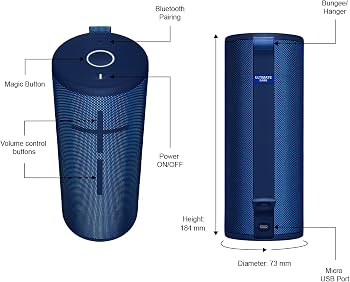
The UE BOOM 3 is incredibly durable (IP67, floatable) and delivers 360-degree sound. One-touch controls and a simple app make it beginner-friendly. It's a premium speaker that's hard to break and easy to use.
✓ Beginner Pros
+360-degree sound fills any room
+Drop-proof, waterproof, and dustproof
+Simple one-touch music control
✗ Beginner Cons
-Higher price point
-Proprietary charging cable (older model)
👍 Best for: Beginners who want the best durability and 360-degree sound, and are willing to invest more
👎 Not for: Those on a budget or who want deep bass (BOOM 3 is balanced)
The Soundcore 2 is an ultra-affordable entry point. Despite the low price, it's waterproof (IPX7) and has a 24-hour battery. Sound is surprisingly good for casual listening. Ideal for trying out portable speakers without risk.
✓ Beginner Pros
+Extremely affordable
+Long 24-hour battery
+Waterproof
✗ Beginner Cons
-Bass can distort at high volume
-No app support
👍 Best for: Beginners on a tight budget or as a gift for someone who wants to try a portable speaker
👎 Not for: Those who want premium sound or loud parties
The Sony XB23 offers Extra Bass for those who love thumping lows. It's waterproof (IP67) and has a 12-hour battery. The simple design and reliable build make it a great alternative for bass lovers.
✓ Beginner Pros
+Powerful bass in a compact size
+Durable and waterproof
+Can connect two speakers for stereo
✗ Beginner Cons
-Bass may overwhelm mids
-No app necessary but limited EQ
👍 Best for: Beginners who prioritize bass and reliable performance
👎 Not for: Those who want neutral sound or very lightweight speakers
Portable speakers are simply wireless, battery-powered speakers you can take anywhere. The three main types are: mini speakers (pocket-sized, decent volume), mid-size (best balance of sound and portability), and boomboxes (larger, louder, heavier). For beginners, a mid-size speaker is ideal—it fits in a bag, fills a room or campsite, and won't break the bank. Most beginner-friendly speakers are Bluetooth 5.0 or later, offering reliable connectivity. Many now have USB-C charging, which is convenient. IP ratings indicate protection: IPX7 means 1 meter water immersion for 30 minutes, IP67 adds dust resistance. Don't fall for inflated wattage claims; instead listen for clarity and balanced sound. Remember, a great beginner speaker is one you'll actually use because it's simple and fun.
🔧 Essential Accessories for Beginners
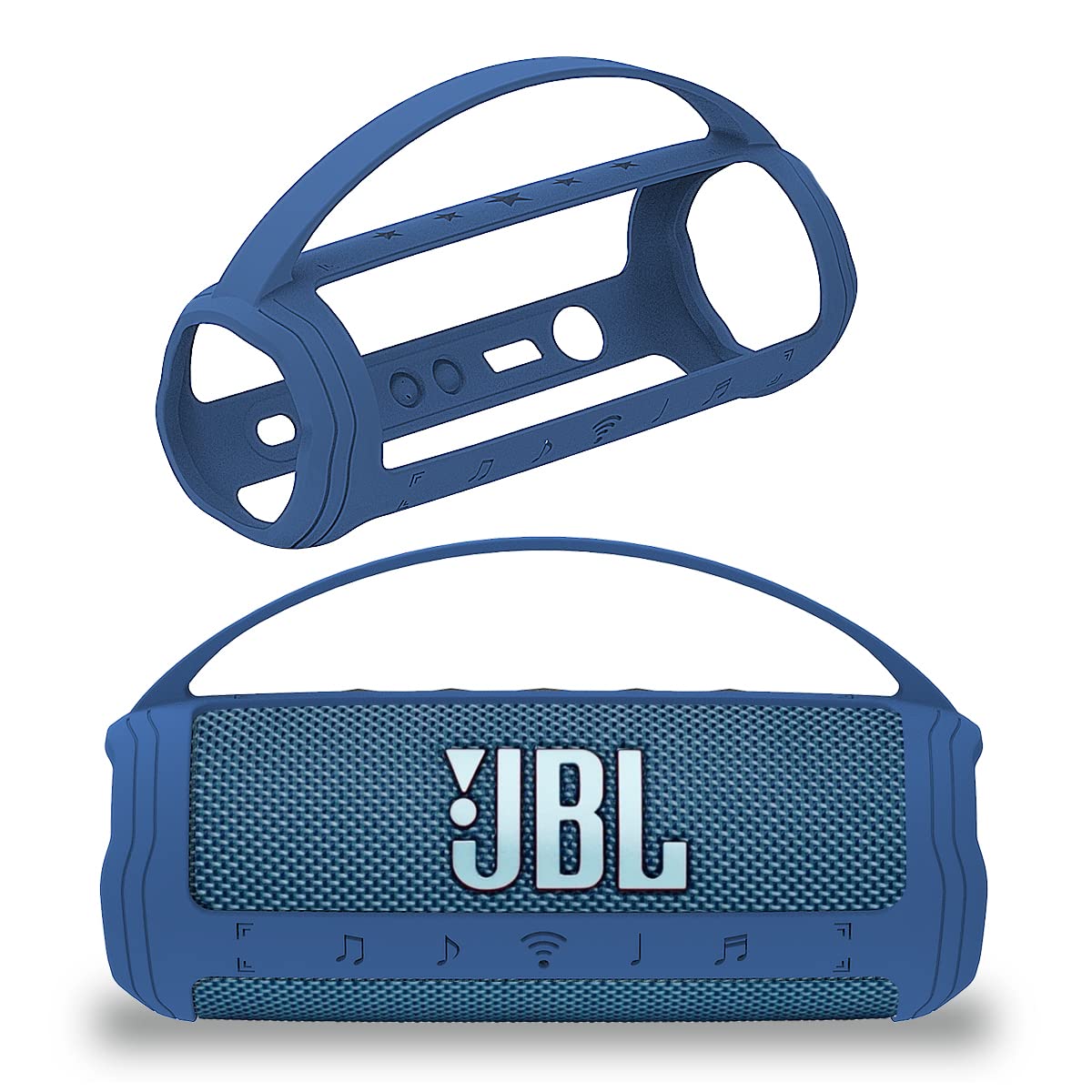
JBL Flip 6 Carrying Case
👍 Recommended
$19.99
When to buy:
Day one
A carrying case protects your speaker from scratches, dents, and dust when not in use or during transport. Especially helpful for beginners who take their speaker to parks or beaches.
Many speakers come with short cables. A longer cable allows you to charge while the speaker is on a high shelf or away from an outlet. Beginners often forget to charge, so a backup cable is handy.
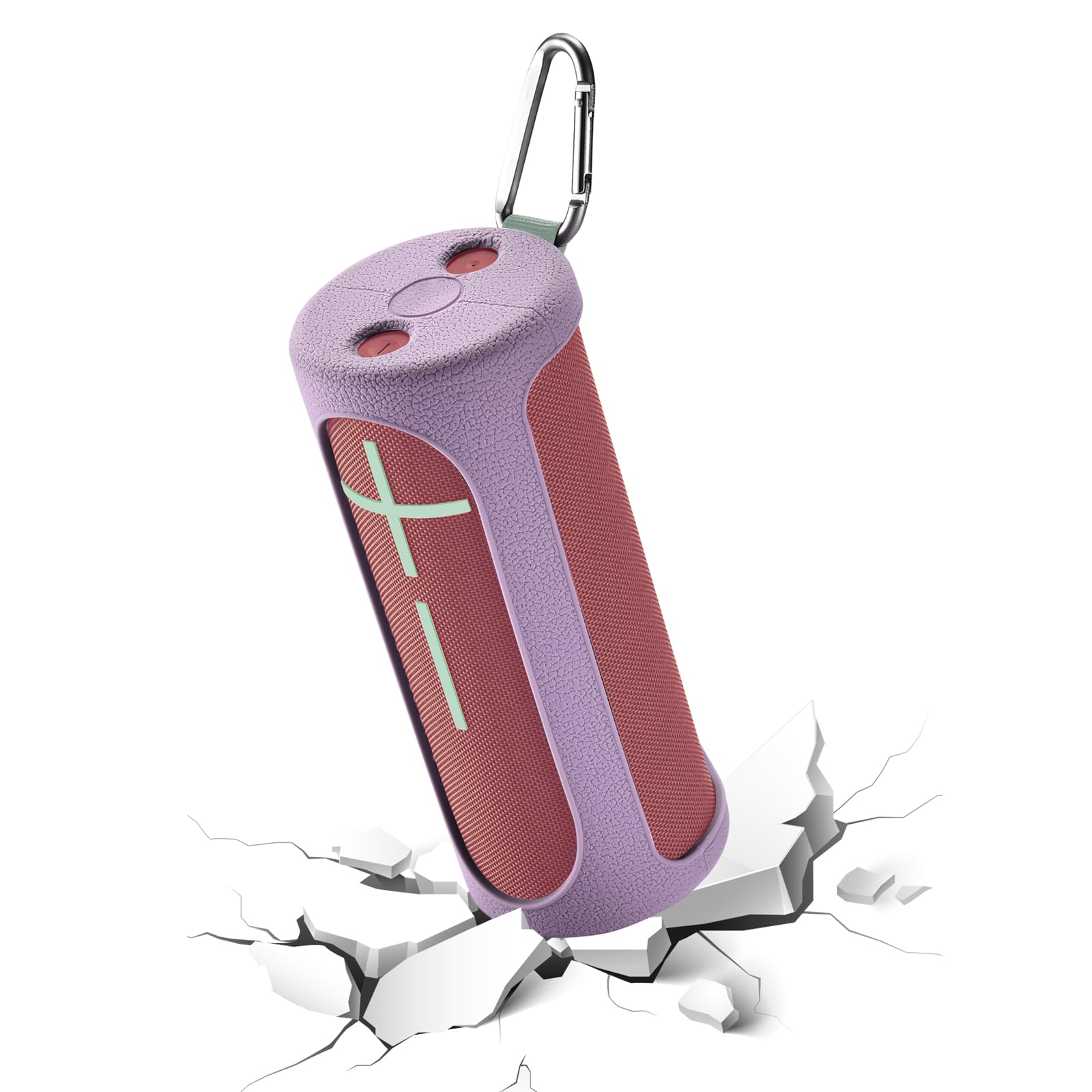
A silicon sleeve adds extra grip and scratch protection. Beginners who are clumsy will appreciate the extra cushioning and the ability to attach a carabiner.
A small stand elevates the speaker to ear level, improving sound clarity and reducing vibrations. Great for beginners who want to get the best sound without buying a new speaker.
Start by asking: Where will I use this speaker mostly? For poolside or beach, prioritize waterproof (IP67 or higher). For hiking or biking, prioritize size and weight. For indoor parties, prioritize loudness and bass. Set a budget: Under $50 for basic, $50-$100 for great value, $100-$150 for premium beginner. Think about battery life—do you need all-day? Also, consider ecosystem: if you have an iPhone, AirPlay 2 might be nice but not necessary. Avoid speakers with too many buttons or app requirements; simplicity is key. Read reviews from other beginners to see what they liked.
💰 Budget Guide for Beginners
150+
High-end: Professional features like multi-room and extreme loudness
50 - $100
Sweet spot: Best value, solid sound and durability for most beginners
Entry level: Good for trying out, but may lack bass and battery life
⚠️ Common Beginner Mistakes to Avoid
Beginners often buy the cheapest speaker and get frustrated by poor sound or battery. Others buy a professional-grade speaker like the JBL PartyBox when they only need a personal speaker. Many forget to check the IP rating and ruin their speaker with water. Some skip accessories like a protective case or charging cable. Another mistake is not considering size: a huge speaker may be too heavy to carry. Finally, neglecting to update firmware can cause connection issues.
×Buying the cheapest option and getting poor sound
×Choosing a speaker that's too large or heavy to carry
×Ignoring IP rating and damaging the speaker with water
×Not considering battery life for their usage
×Overlooking the need for a charging cable or case
×Falling for fake specs (e.g., misleading wattage)
📈 Your Progression Path: Beginner to Intermediate
Start by learning basic operation: pairing, volume, and power. Explore playlists and find your preferred volume levels. Once comfortable, learn to connect multiple speakers (e.g., JBL Connect+ or UE PartyUp). Try using the equalizer in the app to customize sound. After a few months, you may want more bass or louder volume—that's when to upgrade to a larger model or a stereo pair. Signs you've outgrown your beginner speaker: you want more clarity at high volume, or you need longer battery life for trips.
📚 Learning Resources for Beginners
📖Portable Speaker Buyer's Guide on Amazon
📖YouTube channels like TechSource or CNET
📖Online forums (Reddit r/Bluetooth_Speakers)
📖User manuals and quick start guides
🎯 Bottom Line: Our Recommendations
For most beginners, the sweet spot is the JBL Flip 6 or Anker Soundcore Motion+. Both are durable, sound great, and easy to use. If budget is tight, the Anker Soundcore 2 offers amazing value. For a premium experience that will last, the UE Boom 3 is a top choice. Don't forget a protective case and a spare charging cable. Your first speaker should inspire you to take it everywhere—so keep it simple and have fun.
❓ Frequently Asked Questions
For most beginners, the JBL Flip 6 offers the best balance of sound, durability, and ease of use. If you're on a budget, the Anker Soundcore Motion+ is excellent. For a premium beginner experience, the UE BOOM 3 is top-notch.
Spend between $50 and $100 for a good value speaker that will last. If you can stretch to $150, you'll get better sound and durability. Avoid going below $30 as those often disappoint.
Focus on Bluetooth 5.0+, IPX7 or IP67 water resistance, at least 10 hours battery life, and simple controls. Extra features like app EQ or multi-speaker pairing are nice but not essential.
The UE BOOM 3 is extremely easy: press the top button to play/pause, and it connects instantly. The JBL Flip 6 and Anker Soundcore 2 are also very straightforward.
At minimum, get a longer USB-C cable and a protective case. A silicon sleeve or stand can be added later. A backup power bank is helpful for extended outings.
Consider where you'll use it most: outdoor parties need durability and volume; indoor use can focus on sound quality. Set a budget, check IP rating, and read beginner reviews. Pick a mid-size speaker from a reputable brand.
No, modern portable speakers are designed to be simple. You pair via Bluetooth and press play. Most have only a few buttons. Within minutes, you'll be enjoying music.
Common mistakes include buying too cheap, ignoring water resistance, forgetting to charge, and choosing a speaker too large for their needs. Also, falling for specs like '100 watts peak power' which is misleading.
IP (Ingress Protection) rating indicates resistance to dust and water. IPX7 means can be submerged in 1m water for 30 minutes; IP67 adds dust resistance. For beginners, at least IPX7 is recommended for pool or beach use.
Many brands support multi-speaker pairing (e.g., JBL PartyBoost, UE PartyUp). This allows you to wirelessly link speakers for stereo or louder sound. It's a fun feature once you're comfortable.