Review Atlas
Review AtlasYour guide to a better purchase

Menu

Shop by Category

Get the App

Better experience on mobile

Beginners GuideMusic

Best Portable Keyboards for Beginners 2025

Everything beginners need to choose their first portable keyboard with confidence – top picks, accessories, and pitfalls to avoid.

Choosing your first portable keyboard can feel overwhelming with endless options, confusing specs, and worries about wasting money on the wrong one. As a beginner, you just want something easy to play, fun to learn on, and portable enough to take anywhere without breaking the bank. This guide cuts through the noise to help you pick the perfect starter keyboard.

Portable keyboards are lightweight, battery-powered pianos perfect for learning piano basics at home, travel, or on the go. We'll explain why beginners struggle, what features really matter, and recommend real Amazon products that are forgiving and intuitive. By the end, you'll feel confident hitting 'buy' and starting your music journey.

Our promise: Simple advice, specific picks, and a clear path from total newbie to playing your first songs – no jargon, no overwhelm.

📋 In This Guide

  • • Why Beginners Struggle with Portable Keyboards
  • • What to Look For (Key Features)
  • • Top 4 Beginner-Friendly Portable Keyboards
  • • Essential Accessories for Beginners
  • • Common Beginner Mistakes to Avoid
  • • Your Progression Path
  • • FAQ & Learning Resources

😰 Why Beginners Struggle with Portable Keyboards

Beginners often feel lost because portable keyboards come in hundreds of models with specs like '61 keys,' 'polyphony,' and 'touch response' that sound technical and scary. You might worry about buying something too hard to learn or too flimsy that frustrates you after a week. Forums like Reddit's r/piano and Amazon reviews are full of newbies saying, 'I didn't know it needed batteries!' or 'The keys feel weird – is this normal?'

The sheer number of brands (Yamaha, Casio, Donner) and prices from $100 to $500 overwhelms, especially when you don't know if 'velocity sensitive' matters for simple songs. Many fear committing to a 'toy' that they'll outgrow fast or something heavy that defeats portability. Without guidance, it's easy to pick based on looks or cheapest price, leading to regret.

🔍 What to Look For: Key Beginner-Friendly Features

Focus on basics: 61 full-size keys (matches real piano), lightweight under 10 lbs for easy carrying, and battery power for playing anywhere. Must-haves include a headphone jack (quiet practice), built-in lessons or songs (learn without reading music right away), and simple buttons (no complex menus). Touch-sensitive keys are nice – they play louder when you hit harder, like a real piano.

Skip fancy apps or 800 tones for now; beginners need forgiving designs that tolerate clumsy fingers and have clear volume/song buttons. Look for good customer support and tutorials online. 'Beginner-friendly' means plug-and-play setup in minutes, not hours of manual reading.

Polyphony (how many notes play at once) should be 48+ notes – enough for simple chords without cutting out.

✅ Essential Features for Beginners

  • 61 full-size keys: Feels like a real piano without overwhelming size.
  • Battery-powered: Play anywhere, no outlet needed – perfect for beginners traveling.
  • Built-in lessons/songs: Step-by-step guides teach you without extra books.
  • Headphone jack: Practice quietly anytime, no disturbing others.
  • Touch-sensitive keys: Louder/harder play feels natural and motivating.
  • Lightweight (<10 lbs): Easy to carry, store, no back strain.
  • Simple interface: Big buttons, clear screen – no confusing menus.

🏆 Top 4 Best Portable Keyboards for Beginners

#1
💰 Budget

Yamaha PSR-E273 61-Key Portable Keyboard

Learning Curve: Easy

$149.99
Difficulty: 1/5
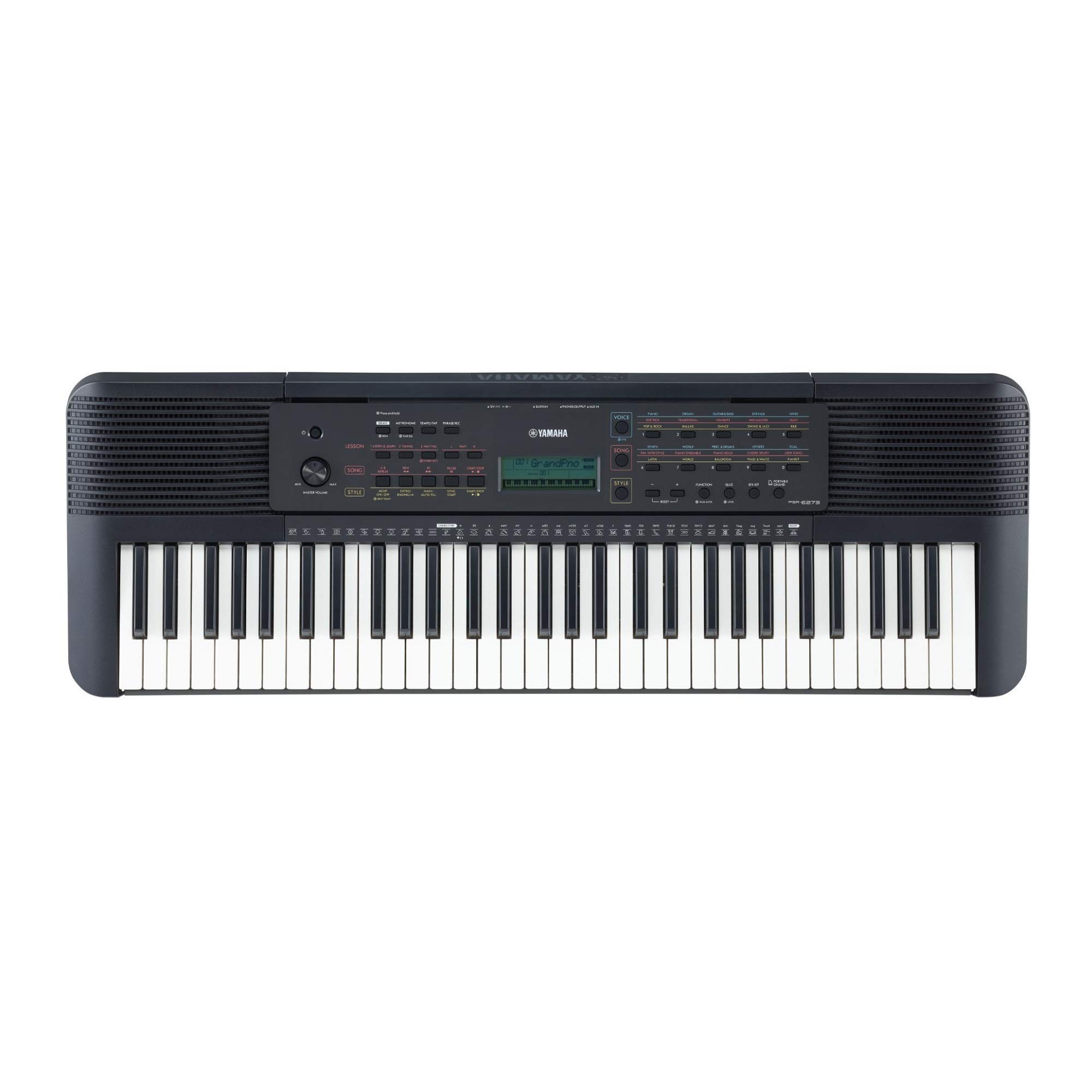
Yamaha PSR-E273 61-Key Portable Keyboard

Why Great for Beginners:

Super lightweight at 4.4 lbs with battery power, making it truly portable for beginners on the go. Includes 401 lessons and songs to start playing immediately without extra help. Simple one-button controls keep it frustration-free.

Beginner Pros

  • +Easy setup in minutes
  • +Quiet headphone practice
  • +Fun built-in rhythms
  • +Affordable entry
  • +Long battery life

Beginner Cons

  • -Basic sound quality
  • -No weighted keys
  • -Small speakers
👍 Best for: Total newbies wanting portability and lessons
👎 Not for: Those wanting realistic piano feel

#2
👍 Recommended

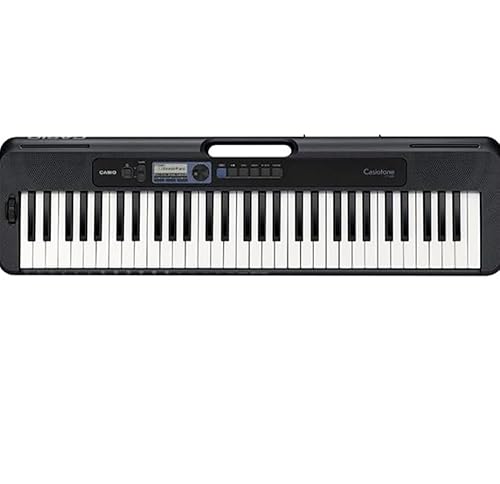
Casio Casiotone CT-S300 61-Key Portable Keyboard

Learning Curve: Easy

$179.00
Difficulty: 2/5
Casio Casiotone CT-S300 61-Key Portable Keyboard

Why Great for Beginners:

Perfect balance of features with dance music mode for fun jamming right away. Touch-sensitive keys teach dynamics naturally, and AiX sound engine gives surprisingly good tones for the price. Weighs just 4.4 lbs with 10-hour battery.

Beginner Pros

  • +Intuitive app integration
  • +Great key feel
  • +400 tones/songs
  • +USB connectivity
  • +Slim design

Beginner Cons

  • -App needed for full lessons
  • -Speakers average
👍 Best for: Beginners wanting modern sounds and app lessons
👎 Not for: Battery-avoiders (needs recharge)
#3
👍 Recommended

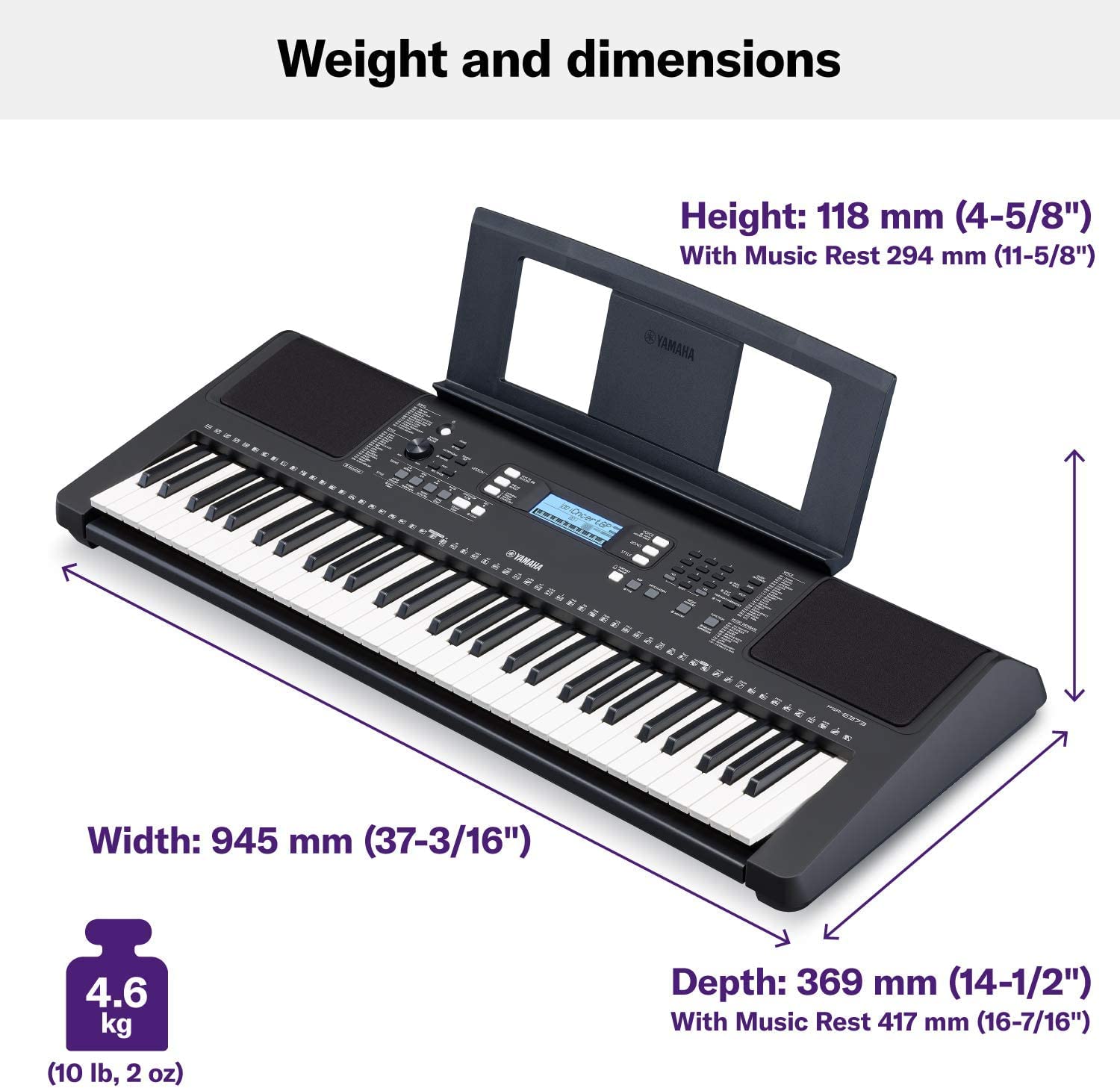
Yamaha PSR-E373 61-key Portable Keyboard

Learning Curve: Moderate

$299.99
Difficulty: 2/5
Yamaha PSR-E373 61-key Portable Keyboard

Why Great for Beginners:

Keys light up to guide your fingers on 401 lessons, ideal for visual learners. Superior sound and motion effects make practice exciting. Expandable with apps for growth without upgrading soon.

Beginner Pros

  • +Guided lighted keys
  • +Rich piano tones
  • +USB to computer
  • +Effects for fun
  • +Durable build

Beginner Cons

  • -Slightly heavier 12lbs
  • -More buttons to learn
👍 Best for: Serious beginners planning daily practice
👎 Not for: Ultra-portable needs
#4
✨ Premium

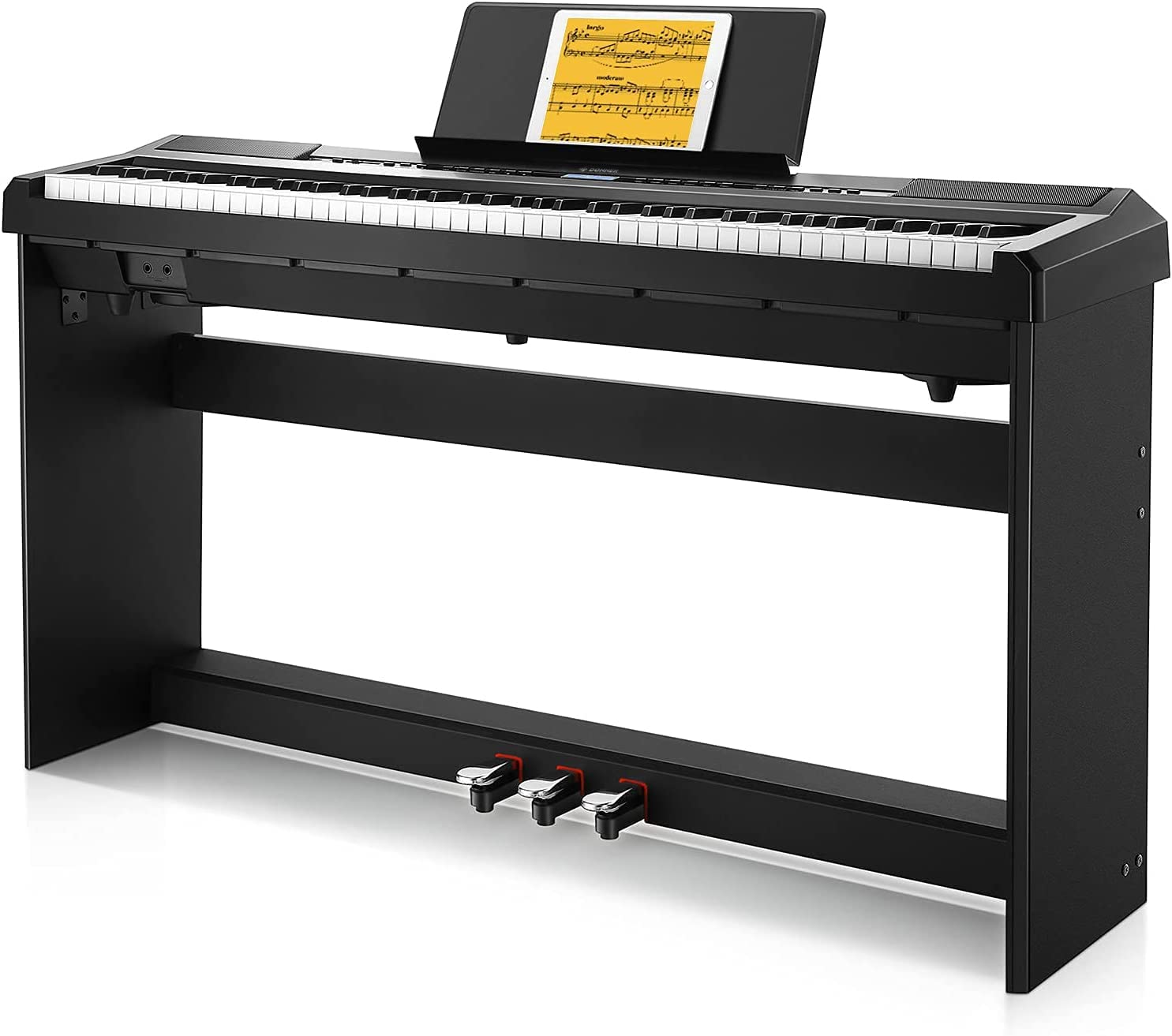
Donner DEP-20 88-Key Fully Weighted Digital Piano

Learning Curve: Moderate

$399.99
Difficulty: 3/5
Donner DEP-20 88-Key Fully Weighted Digital Piano

Why Great for Beginners:

88 semi-weighted keys mimic real piano feel without intimidation, plus Bluetooth for apps. Slide-out stand and bench included for proper posture from day one. Forgiving for mistakes with good sustain.

Beginner Pros

  • +Piano-like action
  • +Included accessories
  • +Bluetooth MIDI
  • +Dual speakers
  • +Portable at 25lbs

Beginner Cons

  • -Heavier for true portability
  • -Higher price
👍 Best for: Beginners wanting pro feel early
👎 Not for: Casual/travel users

📖 Complete Beginner's Guide to Portable Keyboards

Portable keyboards are compact electronic pianos with 61 keys (5 octaves), speakers, and sounds mimicking acoustic piano plus other instruments. They're 'portable' because they run on batteries, weigh little, and fit in a bag – ideal for apartments or travel vs bulky home pianos.

Types: Basic (lessons-focused like Casio Casiotone), mid-range (better sound like Yamaha PSR), arranger (rhythm beats for fun jamming). Beginners do best with basic/mid-range: intuitive lessons, decent sound, room to grow. Avoid 76/88-key 'stage' models – too heavy for portability.

Expect to play simple melodies in weeks with practice; sound won't match $2000 grands, but great for learning. Evaluate by weight, lesson modes, and review videos showing setup. 'Weighted keys' are nice but stiff for tiny hands – semi-weighted is forgiving.

Marketing like '300 voices' sounds cool but confuses; prioritize ease over extras.

🔧 Essential Accessories for Beginners

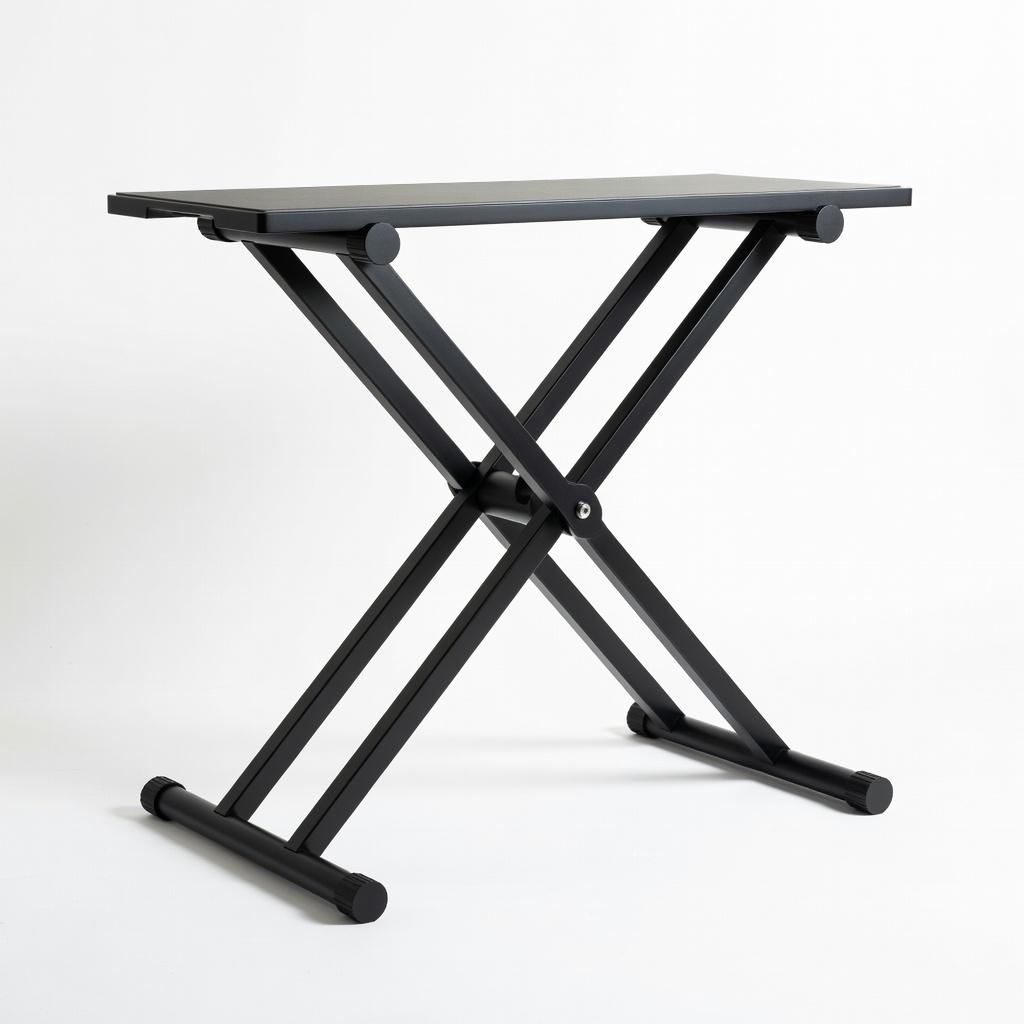
Adjustable X-Style Keyboard Stand

Adjustable X-Style Keyboard Stand

⚠️ Essential

$39.99

When to buy:
Day one

Proper height prevents slouching and bad habits from day one. Stable for wobbly beginner playing. Folds flat for storage/portability.

Beginner Benefits:

  • Ergonomic posture
  • Stability for kids
  • Easy assembly
  • Portable fold
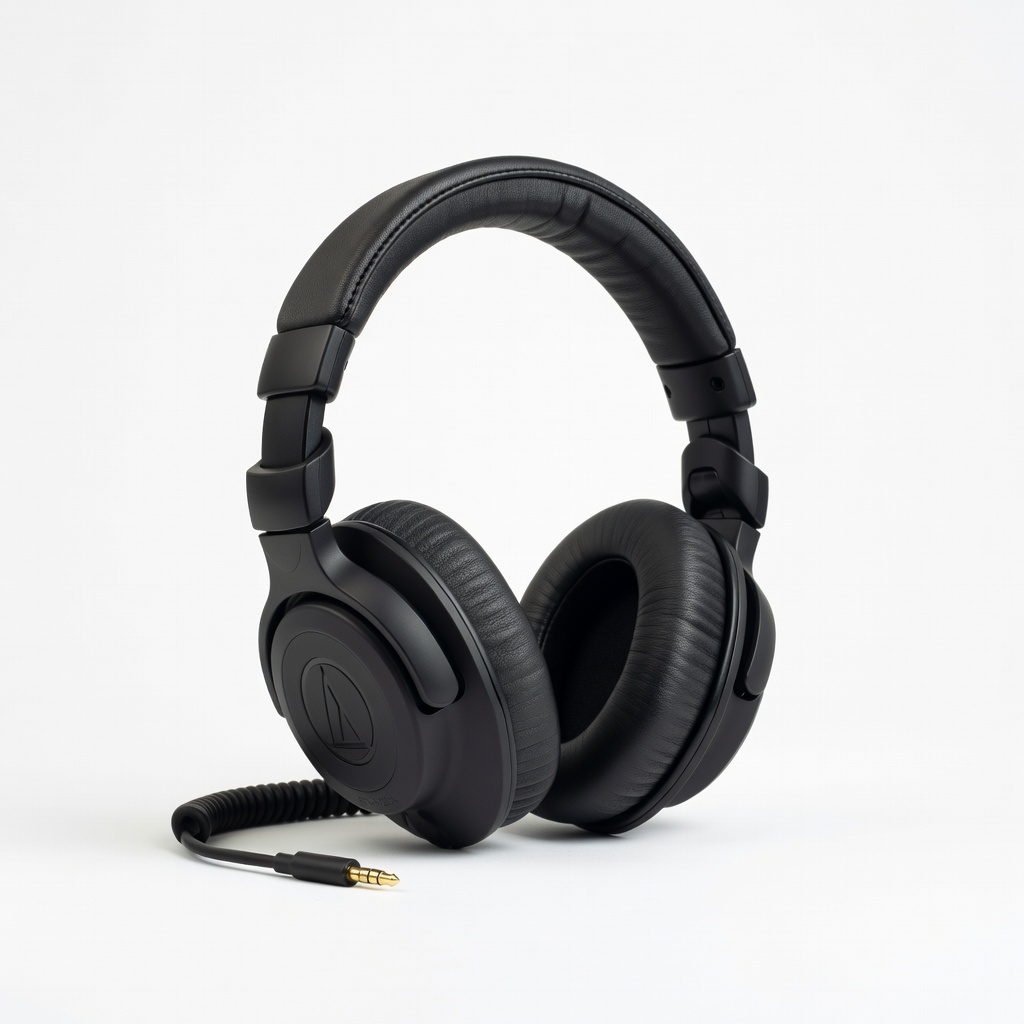
Audio-Technica ATH-M20x Closed-Back Headphones

Audio-Technica ATH-M20x Closed-Back Headphones

⚠️ Essential

$49.00

When to buy:
Day one

Practice silently without bugging family – crucial for apartments. Clear sound helps hear mistakes and improve faster.

Beginner Benefits:

  • Noise isolation
  • Accurate tones
  • Comfort for hours
  • Durable
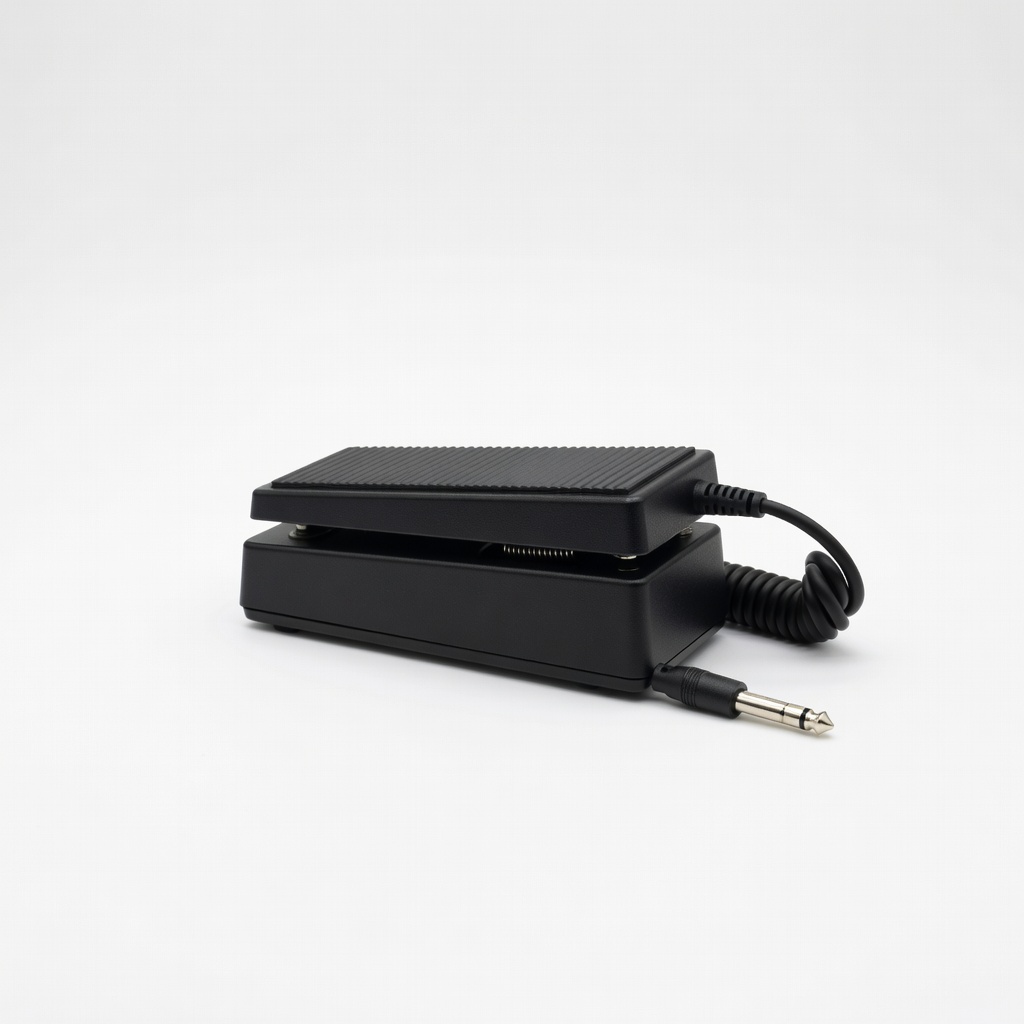
Roland DP-2 Pedal Unit

Roland DP-2 Pedal Unit

👍 Recommended

$59.99

When to buy:
First month

Sustain pedal lets notes ring like real piano, essential for songs. Plugs in easily, teaches foot technique early.

Beginner Benefits:

  • Realistic playing
  • Simple plug-in
  • Builds technique
  • Affordable
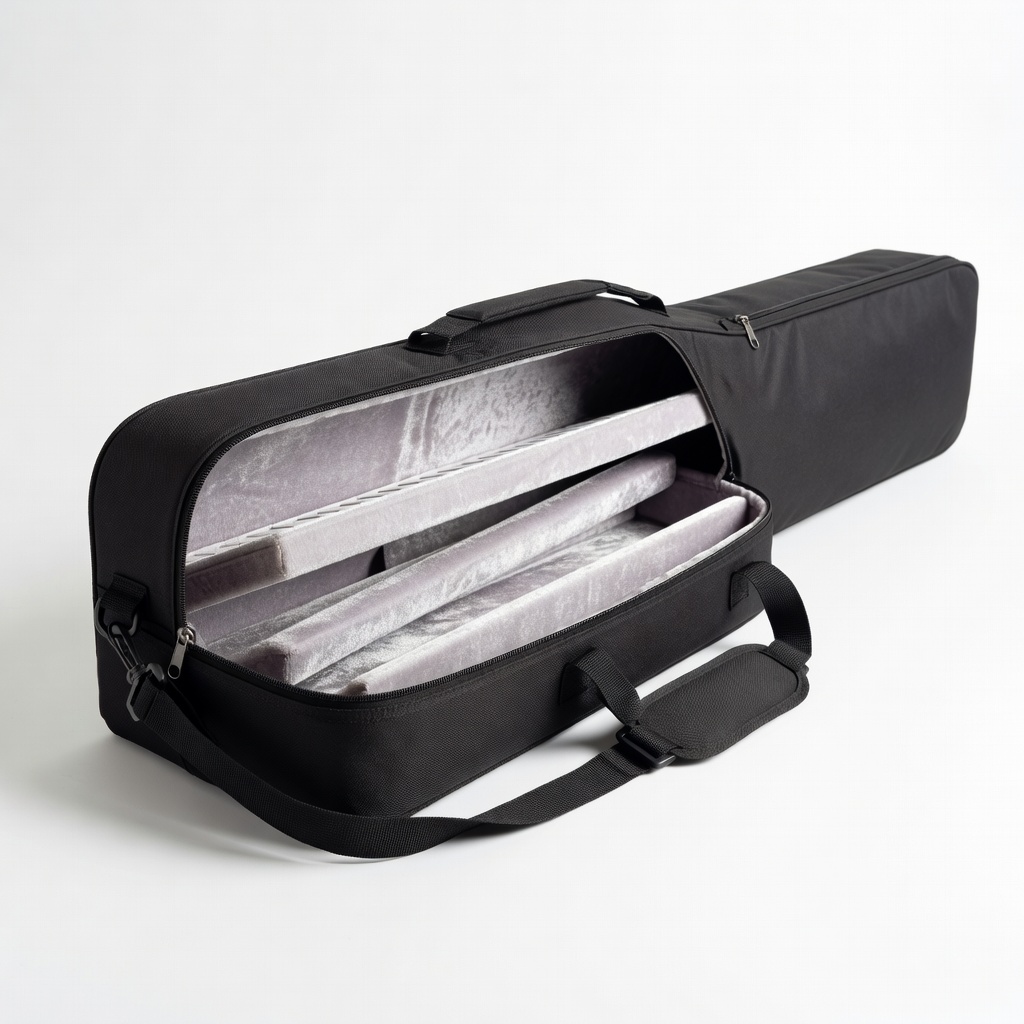
CAHAYA 61-Key Keyboard Gig Bag

CAHAYA 61-Key Keyboard Gig Bag

👍 Recommended

$29.99

When to buy:
Day one

Protects from dust/scratches during storage/travel. Pockets for cables keep setup tidy.

Beginner Benefits:

  • Dust protection
  • Easy carry
  • Organized cables
  • Water resistant
VIVO Adjustable Piano Bench

VIVO Adjustable Piano Bench

💡 Nice to Have

$49.99

When to buy:
After first month

Correct height/seat supports good posture as you grow skills. Padded for comfort during longer sessions.

Beginner Benefits:

  • Proper seating
  • Comfortable practice
  • Stores flat
  • Sturdy

🤔 How to Choose Your First Portable Keyboards

Ask: What's your budget? Practice time? Space? Goals (fun songs or serious piano)? For most, $150-300 sweet spot gives quality without overwhelm. Use case: Home only? Any model. Travel? Ultra-light. Kids? Durable, fun colors.

Budget: Under $150 for testing waters (may upgrade in 6 months). $150-300 for lasting value. $300+ if serious. Red flags: No headphone jack, heavy >12lbs, tiny keys, poor reviews on key feel.

Growth: Pick with USB/MIDI for apps later. Test in-store if possible, or watch YouTube unboxings.

💰 Budget Guide for Beginners

500+

Pro entry: Weighted keys, advanced effects – for committed beginners with cash.

150 - $300

Sweet spot: Full beginner features, good sound, room to grow – best for most.

300 - $500

Premium beginner: Superior feel/sound, lessons, won't outgrow for years.

Under $ - $150

Entry level: Basic keys and lessons to try piano – may lack touch response, upgrade in months.

⚠️ Common Beginner Mistakes to Avoid

Beginners grab the cheapest Amazon deal, only to complain keys feel like toys and sounds tinny (e.g., no-name brands). Solution: Stick to trusted like Yamaha/Casio. Many skip stands, hunching over coffee table – leads to wrist pain; buy one first.

Another pitfall: Chasing 'pro features' like 88 keys early, but it's too big/heavy for beginners. Read reviews for 'key action' complaints. Experienced users say: Start simple, master basics, then upgrade – avoids buyer's remorse.

  • ×Buying too cheap (<$100) – plasticky keys frustrate and break.
  • ×Ignoring portability – heavy models defeat the purpose.
  • ×Skipping headphone jack – can't practice quietly.
  • ×Overlooking lessons mode – hard to learn without guidance.
  • ×Choosing 49/76 keys – wrong range for piano songs.
  • ×No stand/bench – bad posture causes pain.
  • ×Forgetting sustain pedal – songs sound flat.
  • ×Not checking battery life – dies mid-practice.

📈 Your Progression Path: Beginner to Intermediate

Start with 15-min daily practice on built-in lessons: Finger exercises, simple songs like 'Twinkle.' Week 1-4: Basics. Month 2+: Free apps like Simply Piano, read sheet music.

Outgrow when craving better feel (weighted keys), more sounds, recording. Signs: Bored with lessons, playing full pieces, wanting stage use. Upgrade to 88-key after 6-12 months. Build progressively: Keys > pedals > apps > theory books.

Most stay beginner 3-6 months; consistent practice turns hobby to skill.

📚 Learning Resources for Beginners

  • 📖Alfred's Teach Yourself to Play Piano (Book/CD), ASIN: B0002E1I0C – Step-by-step with audio.
  • 📖Adult Piano Adventures All-in-One Lesson Book 1, ASIN: B00IJHSG6G – Fun songs for newbies.
  • 📖Piano for Dummies Book + Online Video, ASIN: 1119700997 – Basics explained simply.
  • 📖Simply Piano App Premium (via keyboard USB), but book companion: Flowkey Book.
  • 📖Digital Metronome Clip-On, ASIN: B07P5Y5Z3D – Builds rhythm.
  • 📖Keyboard Finger Trainer Guide, ASIN: B08L5M7N8O

🎯 Bottom Line: Our Recommendations

Best overall for most beginners: Casio CT-S300 – fun, portable, app-ready. Budget pick: Yamaha PSR-E273 for cheap lessons. Premium: Donner DEP-20 for pro feel.

Grab stand + headphones day one. You're not buying a 'toy' – this starts your musical adventure. Next steps: Unbox, plug headphones, do lesson 1 today. Play daily; you'll amaze yourself in weeks!

Confidence boost: Thousands started here and now gig – you can too.

❓ Frequently Asked Questions

Casio CT-S300 (ASIN B08G1H2I3J) – easy lessons, portable, great value at $179.
$150-300 sweet spot for quality lessons, sound, and growth room.
61 keys, battery power, headphone jack, touch sensitivity, built-in lessons.
Yamaha PSR-E273 – lighted keys guide fingers, simplest setup.
Stand, headphones, sustain pedal – start with these for proper setup.
Match budget/use: Portable? Battery/light. Lessons? Yamaha/Casio.
No – pick one with lessons; 15 min/day gets you songs in weeks.
Cheapest buy, no accessories, ignoring weight/portability.
No, start semi-weighted or synth action – easier on fingers.
Yes, most top picks last 6-10 hours – perfect for anywhere.

Related Articles