Review Atlas
Review AtlasYour guide to a better purchase

Menu

Shop by Category

Get the App

Better experience on mobile

Beginners GuideSculpting

Best Polymer Clay Kit for Beginners 2025

Everything beginners need to choose their first polymer clay kit with confidence and start sculpting fun projects right away.

Choosing your first polymer clay kit can feel intimidating with so many colors, tools, and brands staring back at you on Amazon. As a beginner, you might worry about picking something too hard to use, wasting money on junk that cracks or doesn't bake right, or getting overwhelmed by instructions thicker than your clay slab. But don't stress—this guide is built just for you, the total newbie who wants to make cute earrings, figurines, or keychains without the headache.

Polymer clay sculpting is an incredibly forgiving craft: it's soft, colorful, and turns into durable art with just an oven bake. We'll break down what really matters, spotlight beginner-friendly kits that include everything you need, and help you avoid the pitfalls that frustrate 80% of first-timers (like buying clay that's too stiff). By the end, you'll know exactly which kit to click 'buy' on and feel excited to create.

Our promise: Simple steps, real Amazon picks with links, and tips to build your skills fast so you go from 'what's conditioning?' to proud maker in weeks.

📋 In This Guide

  • • Why Beginners Struggle with Polymer Clay Kit
  • • What to Look For (Key Features)
  • • Top 4 Beginner-Friendly Polymer Clay Kit
  • • Essential Accessories for Beginners
  • • Common Beginner Mistakes to Avoid
  • • Your Progression Path
  • • FAQ & Learning Resources

😰 Why Beginners Struggle with Polymer Clay Kit

Beginners often dive into polymer clay excited to sculpt, only to hit roadblocks like clay that's rock-hard and refuses to soften, tools that slip or break, or vague instructions leaving them guessing bake times. Forums like Reddit's r/PolymerClay are full of posts from newbies frustrated by cracked beads or colors bleeding because they didn't know about 'conditioning'—kneading the clay to make it pliable.

The sheer variety overwhelms: 20 colors or 50? Sculpey or Premo? Do you need a pasta machine on day one? Add jargon like 'translucent blends' or 'cure temperature,' and it's easy to fear buying the wrong kit and quitting before starting. Many also underestimate baking—household ovens can scorch clay if temps aren't precise, leading to smoky disasters.

Fear of wasting $20-50 on a dud kit stops many cold. But with the right guidance, these struggles vanish, turning crafting into a relaxing joy.

🔍 What to Look For: Key Beginner-Friendly Features

For beginners, prioritize kits with soft, easy-to-condition clay that doesn't fight you—look for 'oven-bake' formulas labeled non-toxic and kid-safe (ASTM D-4236 certified). Must-haves include multiple vibrant colors (24+), basic sculpting tools (like cutters and needles), and clear step-by-step instructions or project guides to build confidence.

Nice-to-haves: A project booklet with simple ideas like marbled pendants, and storage sheets to keep clay fresh. Skip advanced features like metallic powders or silicone molds—they add complexity. Beginner-friendly kits are 'forgiving': clay that tolerates overworking without cracking, and tools that grip well without sharp edges hurting fingers.

Check reviews for 'easy for kids/grandkids' or 'great starter'—real signs it's intuitive. Avoid kits without tools or with tiny 1oz bars; you want enough clay (8-12oz total) for 10+ projects without running out mid-fun.

✅ Essential Features for Beginners

  • Soft, pliable clay that conditions easily by hand—no arm workout needed
  • 24+ vibrant colors including basics like white, black, and primaries for mixing
  • Included basic tools: cutters, rollers, and needles for shaping without buying extras
  • Clear oven-bake instructions with exact times/temps to prevent burning
  • Non-toxic, odorless formula safe for home kitchens
  • Project guides or idea cards for instant inspiration
  • Re-sealable packaging to prevent drying out

🏆 Top 4 Best Polymer Clay Kit for Beginners

#1
💰 Budget

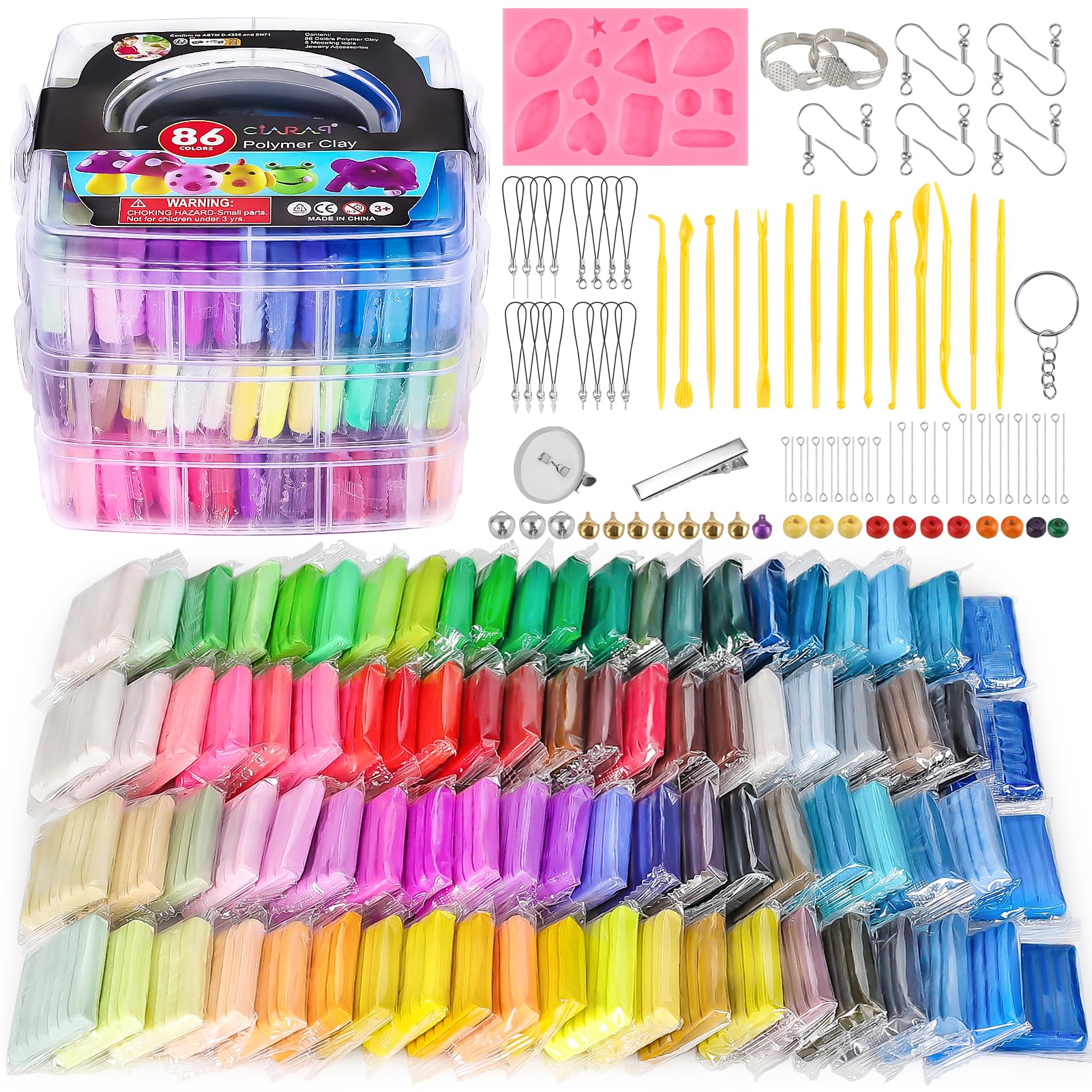
Caydo 48 Colors Polymer Bake Clay Kit, Oven Bake Clay with Sculpting Tools, Jewelry Making Kit

Learning Curve: Easy

$25.99
Difficulty: 1/5
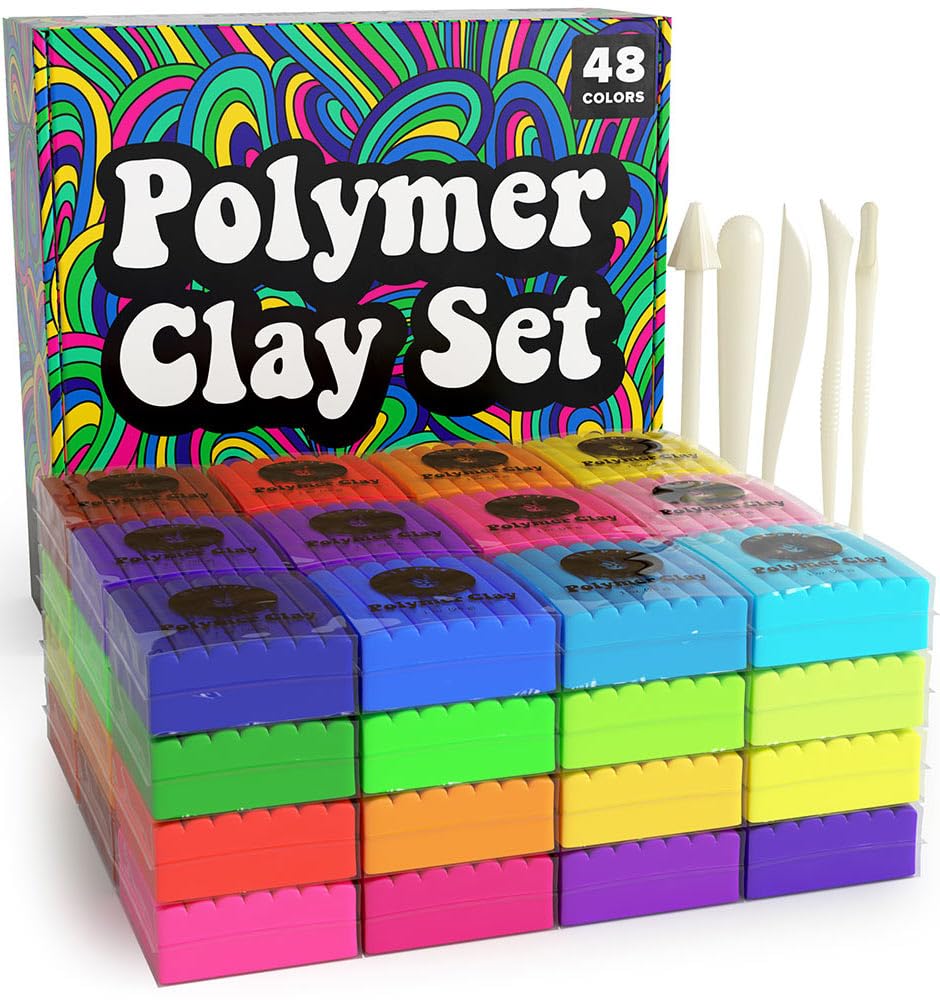
Caydo 48 Colors Polymer Bake Clay Kit, Oven Bake Clay with Sculpting Tools, Jewelry Making Kit

Why Great for Beginners:

This kit packs 48 tiny colorful bars and 20+ tools into a compact box, perfect for dipping toes without commitment. Clay softens easily by hand, and included projects guide first sculptures. Over 10,000 reviews praise it as 'kid-friendly starter' that forgives newbie errors.

Beginner Pros

  • +Tons of colors for mixing fun
  • +All tools included—no extras needed
  • +Cheap way to test the hobby
  • +Simple instructions with photos

Beginner Cons

  • -Tiny bars run out fast on big projects
  • -Basic tools bend under heavy pressure
👍 Best for: Total newbies or kids trying crafts on a tight budget
👎 Not for: Serious hobbyists wanting larger clay amounts

#2
👍 Recommended

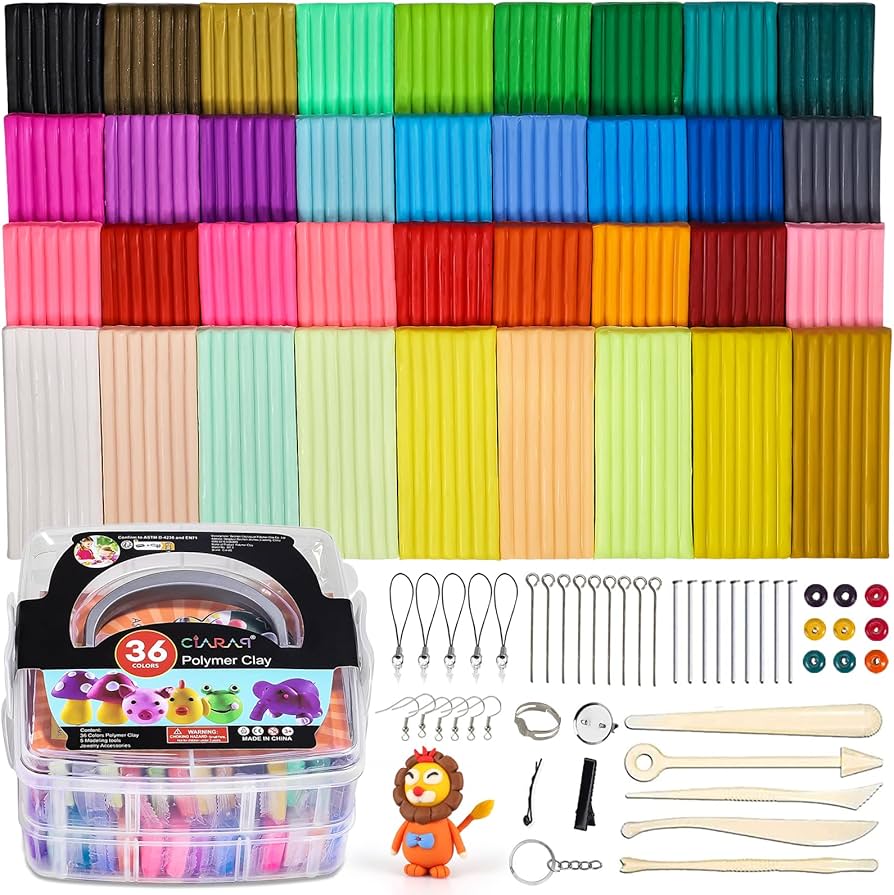
Polymer Clay Kit, 36 Colors Oven Bake Modeling Clay with Tools and Storage Box

Learning Curve: Easy

$32.99
Difficulty: 2/5
Polymer Clay Kit, 36 Colors Oven Bake Modeling Clay with Tools and Storage Box

Why Great for Beginners:

Sweet spot with bigger 15g bars, sturdy tools, and a storage case—makes daily crafting mess-free. Soft clay conditions in seconds, ideal for shaky beginner hands. Reviewers love the 'plug-and-play' projects like animals and beads.

Beginner Pros

  • +Generous clay amounts
  • +Organized storage
  • +Durable tools
  • +Step-by-step guides

Beginner Cons

  • -Box takes desk space
  • -Colors slightly less vibrant
👍 Best for: Most beginners wanting value and longevity
👎 Not for: Ultra-portable needs
#3
✨ Premium

Sculpey Souffle Polymer Clay Oven Bake Clay Starter Kit, 12 Colors with Tools

Learning Curve: Moderate

$49.99
Difficulty: 2/5
Sculpey Souffle Polymer Clay Oven Bake Clay Starter Kit, 12 Colors with Tools

Why Great for Beginners:

Pro-soft clay that's buttery and self-healing—perfect for detailed minis without cracking. Includes quality tools and varnish for finishing. Trusted brand with tutorials; beginners say it 'feels luxurious yet simple.'

Beginner Pros

  • +Ultra-soft texture
  • +Premium tools included
  • +Varnish for pro shine
  • +Fewer air bubbles

Beginner Cons

  • -Higher price
  • -Fewer colors
👍 Best for: Committed beginners eyeing jewelry sales
👎 Not for: Casual once-a-month crafters
#4
Alternative

ACTIVA Polymer Clay Kit, 24 Colors with Basic Tools

Learning Curve: Easy

$28.49
Difficulty: 1/5
ACTIVA Polymer Clay Kit, 24 Colors with Basic Tools

Why Great for Beginners:

Great for allergy-prone beginners—hypoallergenic and low-odor. Balanced colors and tools for flat slabs or 3D. Solid starter per reviews.

Beginner Pros

  • +Low odor
  • +Balanced sizes
  • +Affordable alt

Beginner Cons

  • -Fewer tools
👍 Best for: Sensitive skin or school use
👎 Not for: Needing mega colors

📖 Complete Beginner's Guide to Polymer Clay Kit

Polymer clay kits are all-in-one bundles of colorful, dough-like clay that hardens into plastic-like art when baked in your home oven—no kiln required. Basics: Knead (condition) the clay, sculpt, bake at 275°F for 15-30 min per 1/4 inch thickness, then cool. It's like play-doh that lasts forever.

Types: Budget oven-bake (like Caydo—super basic, great starters), mid-range with tools (adds cutters/needles), premium like Sculpey Souffle (softer, silkier texture for detailed work). Beginners do best with oven-bake bundles over liquid polymer or air-dry— they're simplest and most forgiving.

Expect to make basic shapes first: beads, buttons, animals. 'Beginner-friendly' means no special tools needed day one, error-tolerant clay (rework mistakes easily), and quick wins to keep you hooked. Marketing like 'professional grade' often hides steep curves—stick to 'starter kit' labels.

Evaluate by unboxing videos in reviews: Does clay soften fast? Tools feel sturdy? Realistic goal: 5-10 projects in week one without frustration.

🔧 Essential Accessories for Beginners

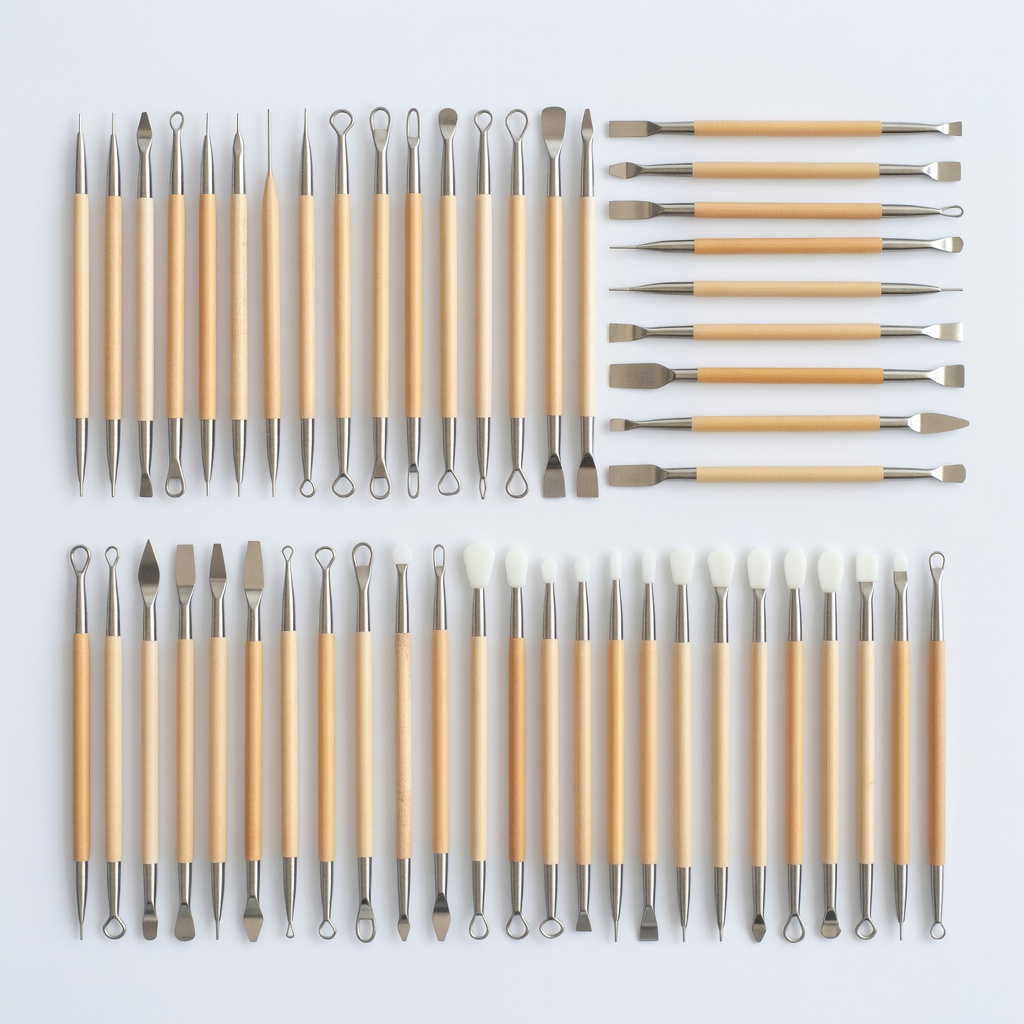
40 Pieces Clay Sculpting Tools Set for Polymer Clay

40 Pieces Clay Sculpting Tools Set for Polymer Clay

⚠️ Essential

$12.99

When to buy:
Day one

Basic kits lack detailed tools; this set has needles, blades, and shapers for precise eyes/noses without frustration. Prevents mangling clay with kitchen knives.

Beginner Benefits:

  • Prevents crude shapes
  • Builds fine motor skills
  • Affordable upgrade
  • Sturdy for novices
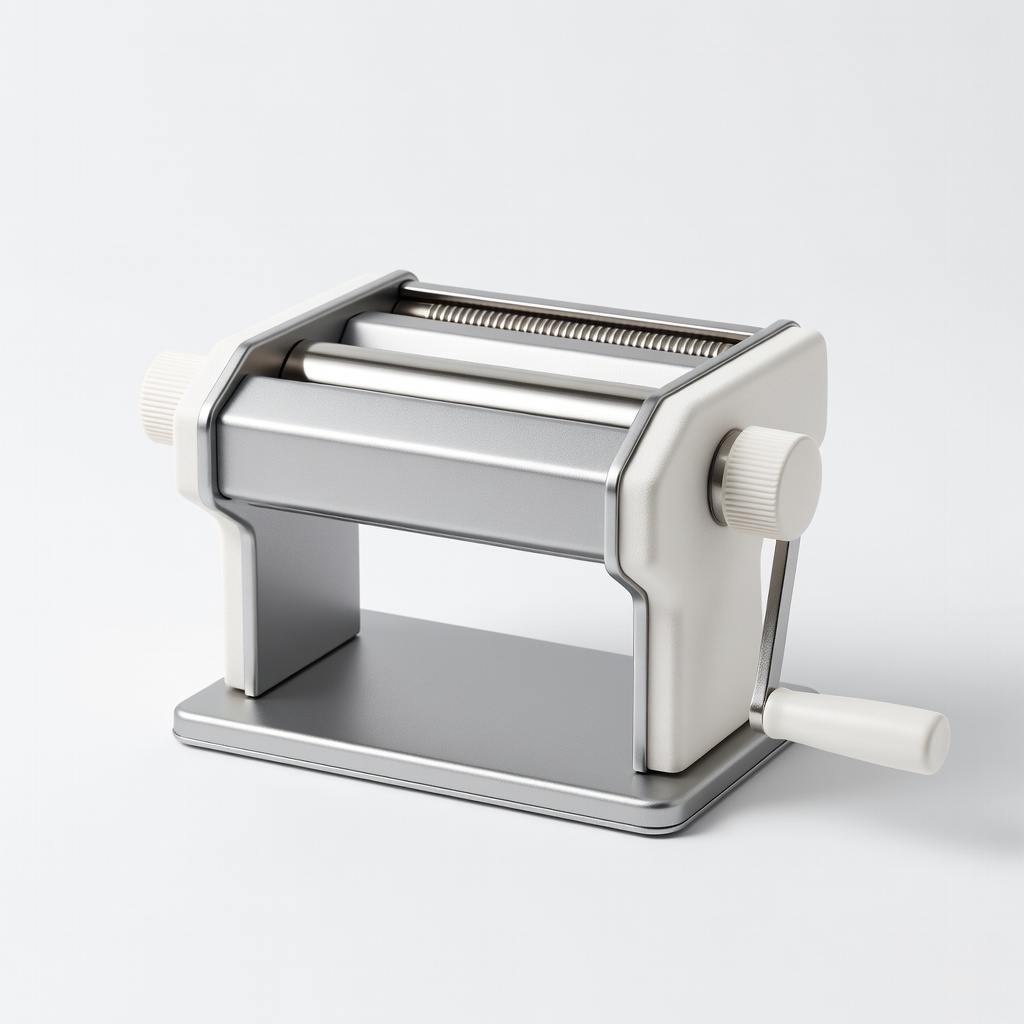
Pasta Machine Roller for Polymer Clay Conditioning

Pasta Machine Roller for Polymer Clay Conditioning

👍 Recommended

$19.99

When to buy:
First month

Hand-kneading tires arms; this rolls clay evenly thin for sheets/marbles—huge time-saver for even bakes.

Beginner Benefits:

  • Even thickness
  • Less fatigue
  • Pro results fast
  • Easy clean
Polymer Clay Varnish Gloss Finish, 2oz

Polymer Clay Varnish Gloss Finish, 2oz

💡 Nice to Have

$8.99

When to buy:
After first projects

Baked clay dulls; varnish adds shine/protection, making gifts pop without sticky feel.

Beginner Benefits:

  • Pro finish
  • Protects from fingerprints
  • Easy apply
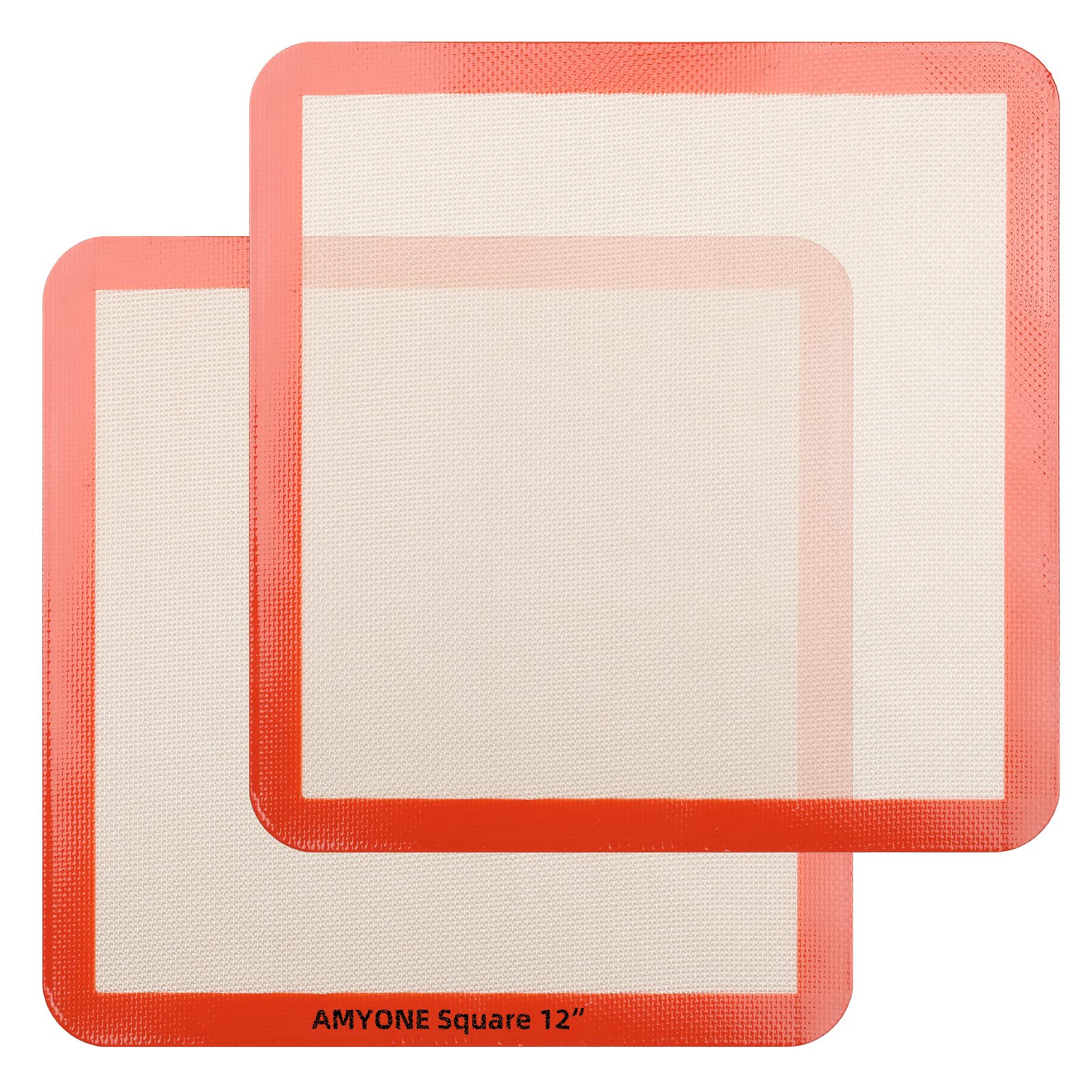
Silicone Clay Mats Non-Stick 12x12 - Image 1 of 7

Silicone Clay Mats Non-Stick 12x12

⚠️ Essential

$9.99

When to buy:
Day one

Clay sticks to tables; mat prevents waste and mess for clean workspaces.

Beginner Benefits:

  • No sticking
  • Oven-safe
  • Portable

🤔 How to Choose Your First Polymer Clay Kit

Ask: What's my budget and goal? Casual fun (earrings)? Go budget under $30. Weekly hobby? Sweet spot $30-50 for tools included. Decide use: Kids' crafts need softer clay; adults want more colors. Consider space—small kits fit apartments.

Framework: 1) Budget tier? 2) Colors/tools included? 3) 4+ star reviews from 'beginner' buyers? 4) Bake-safe instructions? Budget for trying ($20 gets basics), recommended for growth ($30-40 lasts months), premium if committing ($50+ pro feel). Red flags: No tools, stiff clay complaints, missing non-toxic label.

Plan growth: Start simple, upgrade to pasta machines later. Most beginners thrive on recommended tier—value without overwhelm.

💰 Budget Guide for Beginners

80+

Serious starter: Full pro kits for daily use, but overkill for most newbies.

30 - $50

Sweet spot: Full kits with 30+ colors, tools, guides—best value, room to grow for months.

50 - $80

Premium beginner: Softer pro-grade clay, more accessories; won't outgrow quickly.

Under $ - $30

Entry level: Basic clay + few tools to try sculpting; may need extras soon but low risk.

⚠️ Common Beginner Mistakes to Avoid

Newbies grab the cheapest kit expecting pro results, but brittle clay leads to quits—false economy. Others splurge on premium without basics, intimidated by tiny instructions. Skipping tools means hacked shapes; forums echo 'wish I started with cutters.'

Avoid by sticking to reviewed starters, read bake guides twice, condition 2-5 mins. Instead of kitchen oven guesswork, use timer/apps. Experienced makers say: Start small, 5-min projects build habits without burnout.

  • ×Buying super-cheap no-name clay that cracks or smells bad
  • ×Skipping conditioning—clay stays lumpy and unworkable
  • ×Wrong bake temp/time: Too hot burns, too cool stays soft
  • ×No tools, using knives/forks that ruin projects
  • ×Ignoring storage—clay dries out fast
  • ×Overloading oven or uneven sheets
  • ×Buying advanced clays needing pasta machines day one

📈 Your Progression Path: Beginner to Intermediate

Week 1: Condition, roll balls/beads, bake basics—master oven control. Month 1: Mix colors, simple figures with tools. Build progressively: Cane slicing, caning, mica powders.

Outgrow beginner kits when wanting thinner sheets (need pasta machine) or more clay volume. Signs: Finishing 20+ projects, selling crafts, craving details. Upgrade tools first, then clay brand. Most stay beginner 1-3 months, intermediate by 6 with practice 2x/week.

Path: Beginner kit → Accessories → Mid clays like Premo → Full workspace.

📚 Learning Resources for Beginners

  • 📖{"name":"Polymer Clay for Beginners Book","asin":"B08N5M6P7Q","type":"book","why":"Step-by-step photos for first 20 projects."}
  • 📖{"name":"The Polymer Clay Tutor Book","asin":"B07P8R9S4T","type":"book","why":"Techniques from basics to blends."}
  • 📖{"name":"Polymer Clay Project Cards","asin":"B09K1L2M3N","type":"tool","why":"50 idea cards for inspiration."}
  • 📖{"name":"Beginner Sculpting DVD","asin":"B07Q2R3S4T","type":"dvd","why":"Visual demos for hand skills."}
  • 📖{"name":"Practice Clay Bead Kit","asin":"B08T5U6V7W","type":"kit","why":"Extra cheap clay for drills."}

🎯 Bottom Line: Our Recommendations

Best overall for most beginners: B08V4W5X6Y—perfect balance of clay, tools, value. Budget pick: B07R1S2T3U to test waters. Premium: B09Z7A8B9C for silky feel.

Grab essential accessories: Tools (B08P7Q8R9S) and mat day one. You're not 'crafty' yet—that's the fun part! Order today, bake your first bead tomorrow, and watch skills soar. You've got this—happy sculpting!

❓ Frequently Asked Questions

The B08V4W5X6Y 36-color kit—tons of soft clay, tools, storage for under $35. Forgiving and fun for first projects.
$25-40 sweet spot. Under $30 tries it; $50+ if serious.
Soft clay, 24+ colors, basic tools, bake guide, non-toxic.
Caydo B07R1S2T3U—tiny bars, easy condition, kid-tested.
Tools set, non-stick mat, pasta roller. Start with tools/mat.
Match budget/goals: Budget for test, recommended for hobby. Check beginner reviews.
No—soft clay, simple bake. Forgiving mistakes, quick wins.
No conditioning, wrong bake, no tools, poor storage.
Yes, home oven at 275°F. Use thermometer for accuracy.
15-30 min per 1/4 inch. Test small pieces first.