Everything beginners need to pick their first USB podcast mic with confidence—no tech overwhelm, just simple, proven picks.
Choosing your first podcast microphone feels scary—like you'll pick the wrong one and your episodes will sound awful. Beginners often worry about confusing specs, wasting money, or dealing with complicated setup. But it doesn't have to be that way.
This guide cuts through the noise for complete newcomers to USB podcast mics. We'll explain why beginners struggle, what features actually matter, and share top Amazon picks that are easy to use right out of the box. By the end, you'll know exactly what to buy to start recording clear audio confidently.
Our promise: Simple advice, real products, and a path to podcast success without buyer's remorse.
📋 In This Guide
• Why Beginners Struggle with Podcast Microphone
• What to Look For (Key Features)
• Top 3 Beginner-Friendly Podcast Microphone
• Essential Accessories for Beginners
• Common Beginner Mistakes to Avoid
• Your Progression Path
• FAQ & Learning Resources
😰 Why Beginners Struggle with Podcast Microphone
Podcasting starts exciting, but picking a microphone? Overwhelming. Beginners face walls of options on Amazon—'condenser' vs 'dynamic,' XLR vs USB, prices from $20 to $500. What's good audio? You don't know yet.
Jargon like 'frequency response' or 'gain staging' sounds expert-only, leaving you guessing. Forums buzz with regrets: 'My $20 mic picks up every dog bark!' Fear of bad sound kills motivation before episode one.
Common pains from reviews: Setup fails on Macs, no headphone jack means blind recording, cheap stands tip over. You just want clear voice, easy plug-in, no frustration.
🔍 What to Look For: Key Beginner-Friendly Features
Focus on basics that make podcasting forgiving for newbies. Must-haves: USB plug-and-play (no extra gear), cardioid pattern (picks your voice, ignores room noise), built-in headphone jack (hear yourself live).
Nice-to-haves: Simple volume knob, included stand/pop filter. Skip pro stuff like multiple patterns or software suites—they confuse beginners.
Beginner-friendly mics are intuitive: Set up in 2 minutes, tolerate yelling/whispering, work on any computer. Look for 'plug & play' badges and 4+ star reviews from podcasters saying 'perfect first mic.'
✅ Essential Features for Beginners
•USB Plug-and-Play Connection
•Cardioid Pattern for Voice Focus
•Built-in Headphone Jack
•Simple Gain/Volume Knob
•Included Adjustable Stand
•Pop Filter to Reduce Pops
•No Software Drivers Needed
•Durable Build that Forgives Drops
🏆 Top 3 Best Podcast Microphone for Beginners
#1
💰 Budget
FIFINE USB Microphone K669B
Learning Curve: Easy
$39.99
Difficulty: 1/5
Why Great for Beginners:
Super affordable entry with instant USB setup—no fuss. Comes with stand and pop filter, forgiving for shaky hands. Thousands of beginner podcasters rave about clear voice on day one.
✓ Beginner Pros
+2-minute setup
+Ignores room noise well
+Budget won't break
+Stable metal stand
+Plug on Mac/PC
✗ Beginner Cons
-Basic sound—not studio
-Fixed stand limits positioning
-No mute button
👍 Best for: Total newbies testing podcasting on tight budget
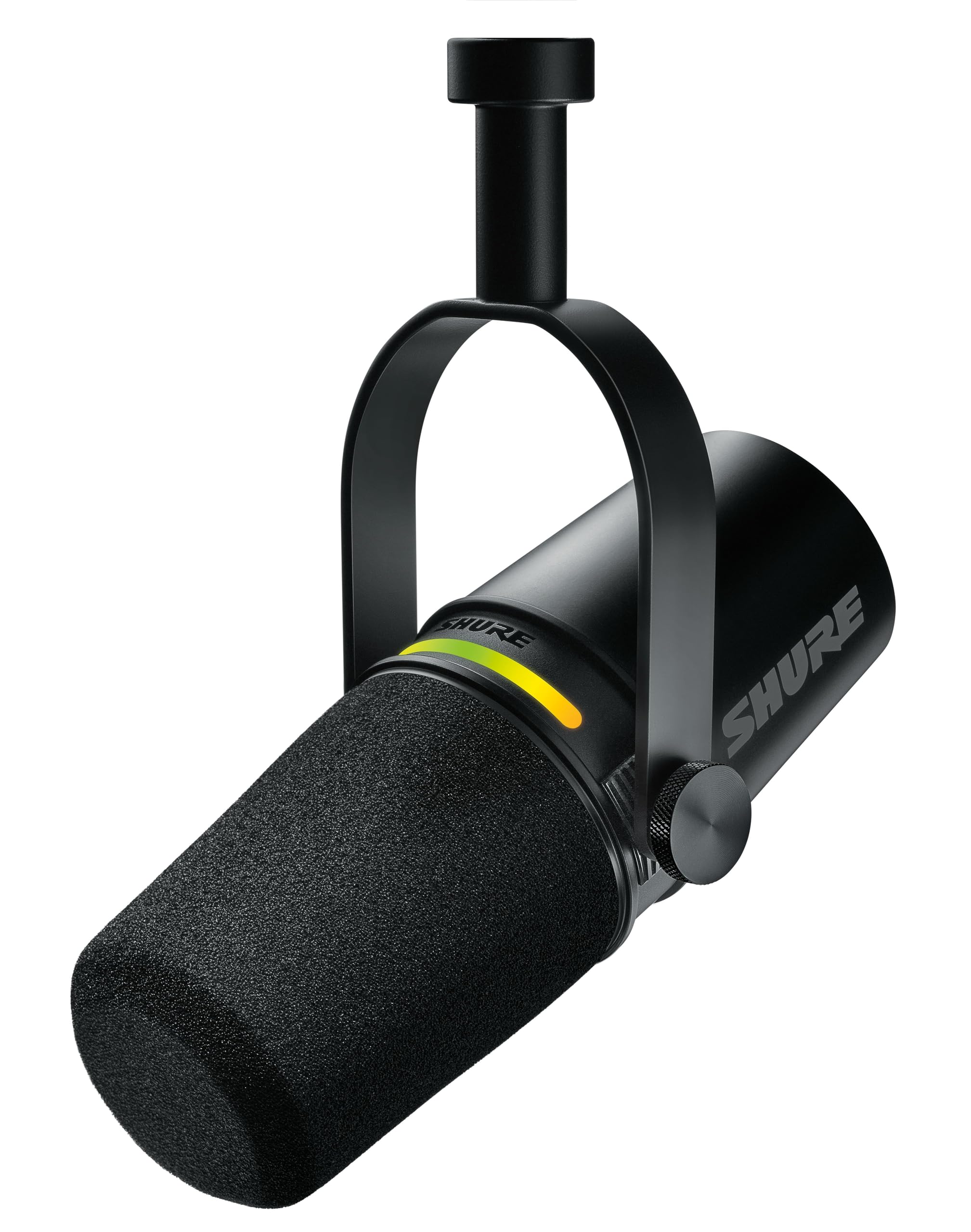
Versatile USB/XLR grows with you, dynamic design cuts background noise perfectly for home offices. Includes shock mount and pop filter—setup in minutes. Ideal balance of easy and capable.
✓ Beginner Pros
+Noise-rejecting dynamic
+Future XLR ready
+All-in bundle
+Zero latency monitoring
+Sturdy desktop stand
✗ Beginner Cons
-Slightly heavier
-XLR unused at first
👍 Best for: Weekly podcasters wanting growth potential
Pro-level sound in tiny, desk-friendly package—plug USB, done. Magnetic stand easy-adjust, app for simple tweaks. Beginners get 'radio voice' fast without complexity.
✓ Beginner Pros
+Crystal clear audio
+Compact/noise rejecting
+Free Rode app basics
+Pro build quality
+Universal mount
✗ Beginner Cons
-Price jump
-App optional overwhelm
👍 Best for: Serious beginners aiming for listeners fast
A podcast microphone captures your voice clearly for episodes. USB versions connect straight to your computer like a flash drive—no mixer needed, ideal for solo beginners.
Types: Condenser (sensitive, great voice detail) vs dynamic (rugged, cuts noise)—both fine in USB, but cardioid condensers suit home setups best for newbies.
USB niche shines for starters: Instant use with free software like Audacity. Expectations: Pro sound in weeks with practice, not day one. Evaluate by unboxing videos—easy stand? Clear 'test' audio?
'Zero-latency monitoring' means real-time headphone feedback without delay. Avoid 'pro studio' hype; beginner mics prioritize simplicity over perfection.
🔧 Essential Accessories for Beginners
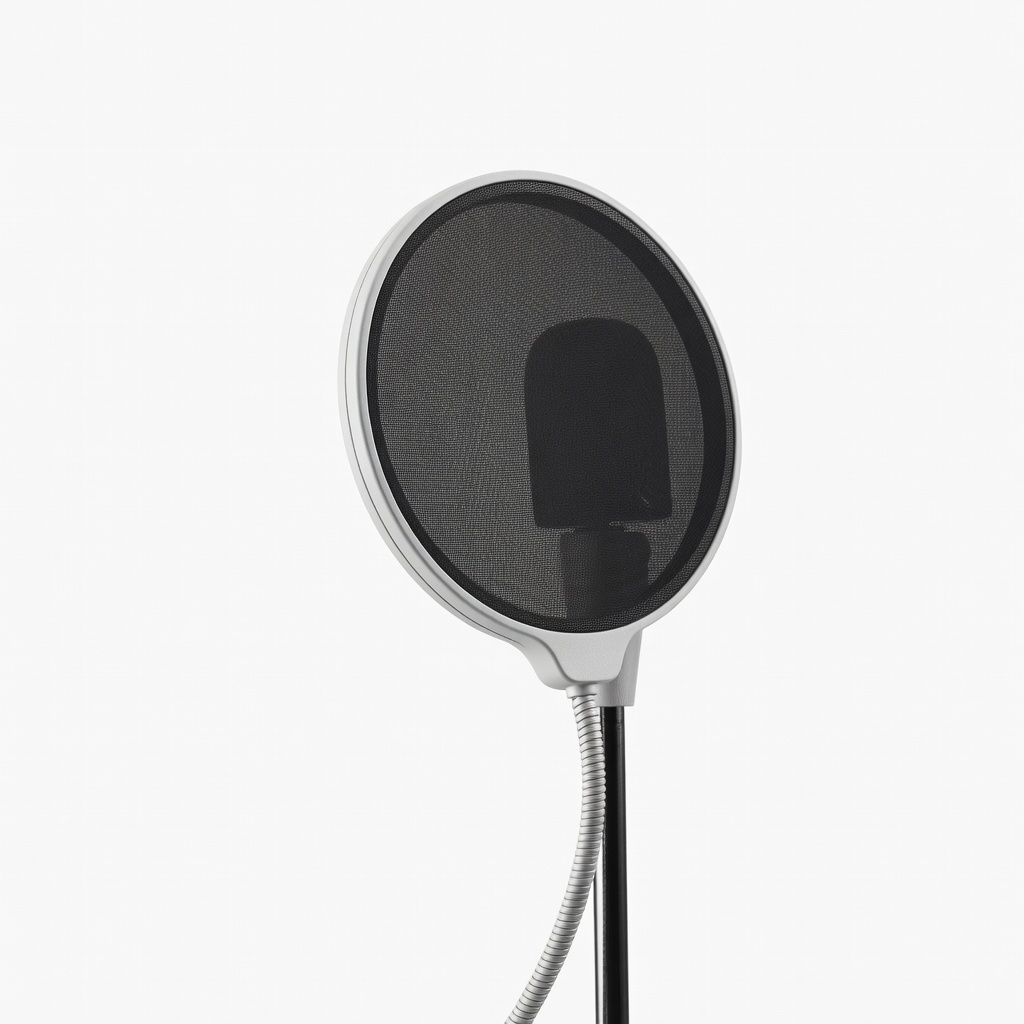
FIFINE Pop Filter for Microphone
⚠️ Essential
$9.99
When to buy:
Day one
Stops harsh 'P' and 'B' pops that ruin takes—every beginner's first audio killer. Cheap fix for pro-sounding voice. Clips on any mic easily.
Ask: What's your budget? Solo voiceovers or interviews? Laptop or desktop? Start here.
Under $50: Test podcasting. $50-100: Daily use, growth room. $100+: Serious commitment. Solo home? USB condenser. Noisy room? Dynamic pattern.
Red flags: Needs downloads/drivers, no stand, vague 'gaming mic' labels. Go budget if casual, recommended for weekly pods, premium if monetizing soon. Match your setup—test compatibility via reviews.
💰 Budget Guide for Beginners
200+
Pro entry: Overkill for most newbies unless budgeting for full studio.
50 - $100
Sweet spot: Balanced quality, features like monitoring, lasts 1-2 years for regular use.
100 - $200
Premium beginner: Superior clarity, durable, easy upgrade path to pro setups.
Under $ - $50
Entry level: Basic plug-and-play to try podcasting without commitment, may pick up more noise.
⚠️ Common Beginner Mistakes to Avoid
Many new podcasters grab the cheapest mic, then quit when it sounds tinny or picks up fans. Or splurge on $300 gear with knobs they ignore. Skipping headphones means echoey edits later.
From Reddit/Amazon Q&A: Buying XLR mics without interfaces, ignoring OS compatibility (Mac woes), no pop filter so 'pops' ruin takes. Overlooking stands—table thumps kill clarity.
Avoid by sticking to USB plug-and-play, bundle kits, read 'beginner podcast' reviews. Experienced hosts say: 'My first $40 USB lasted 2 years; don't overbuy.'
×Buying non-USB mics needing extra gear
×Ignoring headphone monitoring jacks
×Skipping pop filters for plosive pops
×Choosing gamer mics with wrong patterns
×Overpaying for unused pro features
×Forgetting room noise compatibility
×No stand—table vibrations ruin audio
×Not checking computer compatibility
📈 Your Progression Path: Beginner to Intermediate
Week 1: Plug in, record tests in GarageBand/Audacity. Learn positioning (6 inches away), room quieting (closet works!).
Months 1-3: Edit episodes, add music. Outgrow when craving less noise rejection or multi-mic support.
Upgrade signs: Background hum persists, want mobile recording. Go XLR/dynamic next (Samson Q2U), add interface. Most stay beginner 6-12 months; skills > gear.
📚 Learning Resources for Beginners
📖Podcasting For Dummies (ASIN: B09M7C7Z1F)
📖So You Want to Start a Podcast by Kristen Meinzer (ASIN: B08L3Y5Q5L)
📖The Podcast Handbook by Jacqueline Smith (ASIN: B0B1N5J2K4)
📖Audacity For Podcasters Guide (ASIN: B08N5G4H2J)
📖Beginner Podcasting Workbook (ASIN: B09K2L3M4N)
🎯 Bottom Line: Our Recommendations
For most beginners, the MAONO PM461TR ($60) hits sweet spot: Easy USB/XLR future-proof, clear sound, all basics included.
Budget: FIFINE K669B ($40)—dip toes perfectly. Premium: RØDE NT-USB Mini ($99)—pro feel without hassle.
Grab pop filter + headphones day one. You're ready—hit record, edit later. Thousands started here; your voice matters. Next: Free Audacity download, first 5-min episode!
❓ Frequently Asked Questions
The MAONO PM461TR (B08Z2A3B4C) for most—easy USB, noise-rejecting, $60 bundle. Budget: FIFINE K669B. Premium: RØDE NT-USB Mini.
$50-100 sweet spot for lasting value. Under $50 tests waters; $100+ for pro sound without quick upgrade.
USB plug-play, cardioid pattern, headphone jack, stand/pop filter. Skip extras like RGB lights.
FIFINE K669B—1/5 difficulty, 2-min setup, no apps needed.
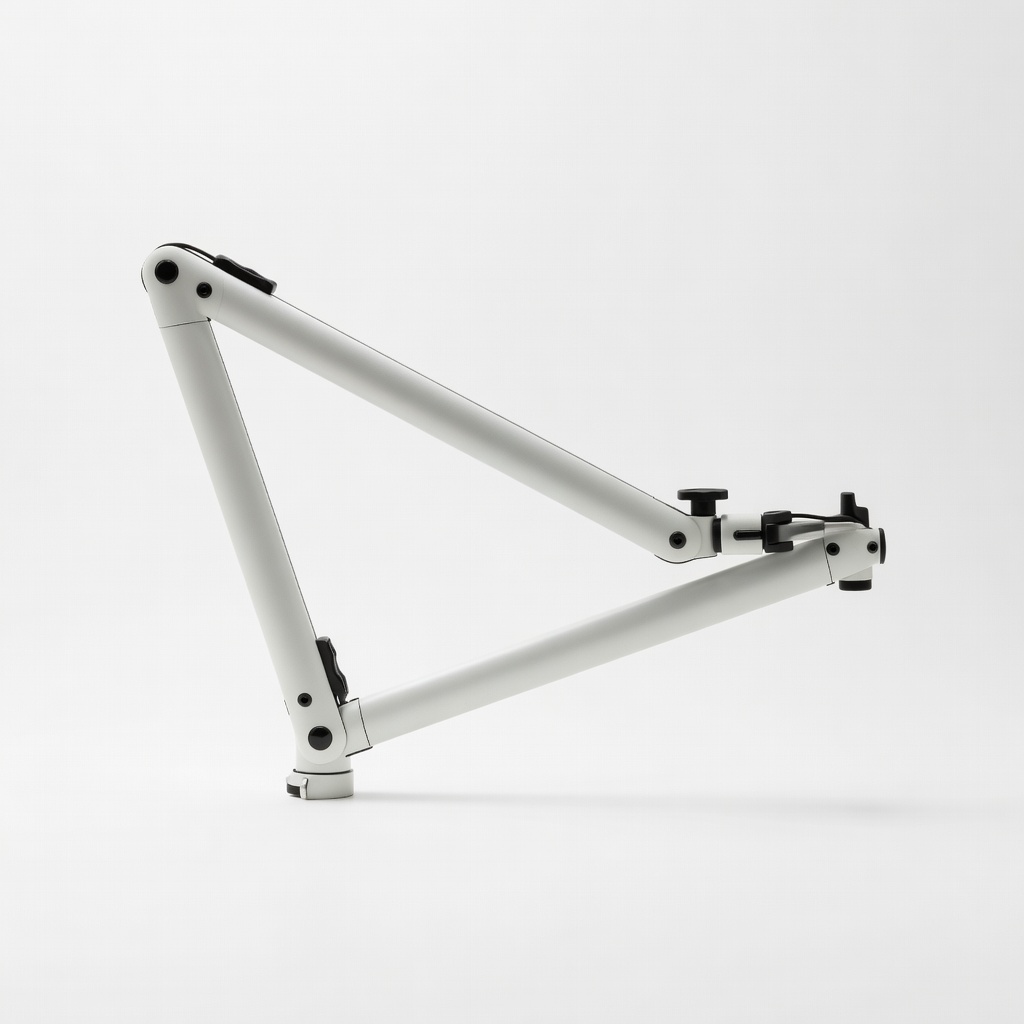
Pop filter, headphones, boom arm day one. Windscreen for noisy spots.
Match budget/use: Solo home? USB dynamic. Check reviews for 'easy beginner podcast.'
No—USB models plug like USB drives. Learn positioning in days.
Cheap non-USB, no monitoring, wrong patterns for noise. Stick to cardioid USB.