Everything beginners need to confidently choose their first podcast microphone without overwhelm or regret.
Choosing your first podcast microphone feels scary when you're a beginner – endless options, confusing specs, and the fear of wasting money on something that sounds terrible. You worry about picking the wrong type, dealing with tricky setup, or ending up with muffled audio that kills your podcast dreams.
Podcasting microphones seem overwhelming because terms like 'condenser,' 'dynamic,' 'XLR,' and 'polar patterns' fly around without explanation. But most beginners just want clear, professional-sounding audio that's easy to set up and use right away.
This guide simplifies it all: we'll cover what really matters, top beginner picks on Amazon, must-have accessories, pitfalls to dodge, and your growth path. By the end, you'll know exactly which mic to buy and feel excited to hit record.
📋 In This Guide
• Why Beginners Struggle with Podcast Microphone
• What to Look For (Key Features)
• Top 3 Beginner-Friendly Podcast Microphone
• Essential Accessories for Beginners
• Common Beginner Mistakes to Avoid
• Your Progression Path
• FAQ & Learning Resources
😰 Why Beginners Struggle with Podcast Microphone
Beginners dive into podcast mics and freeze – Amazon has thousands of options, from $20 USB gadgets to $500 pro gear, with reviews mixing expert lingo and complaints about 'hiss' or 'feedback.' You don't know if you need USB plug-and-play or fancy XLR cables.
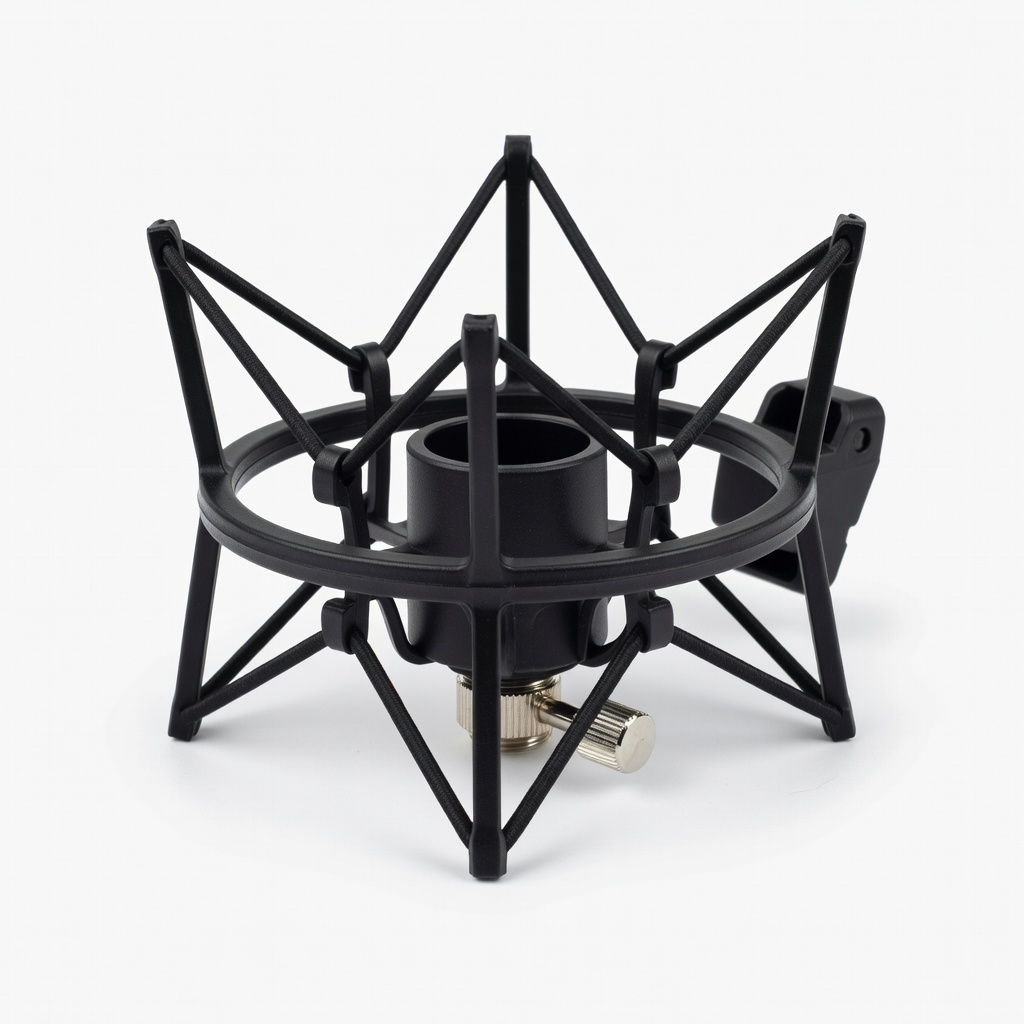
Technical jargon hits hard: 'cardioid pattern' sounds like math class, 'gain staging' feels advanced, and terms like 'shock mount' or 'pop filter' are mysteries. Forums like Reddit's r/podcasts are full of newbies frustrated by noisy recordings in home setups or mics that pick up every keyboard click.
The biggest fear? Buying wrong and quitting. Many spend hours researching but grab the cheapest, then get echoey, tinny sound that discourages them. Without guidance on room noise or setup basics, it's easy to feel defeated before your first episode.
🔍 What to Look For: Key Beginner-Friendly Features
For beginners, prioritize plug-and-play USB mics that connect to your computer like a webcam – no extra boxes needed. Look for cardioid pickup (focuses on voice in front, ignores sides/room noise) and a headphone jack for real-time monitoring so you hear yourself clearly without delay.
Must-haves: Built-in pop filter or stand to block breath pops, sturdy metal build that's forgiving if you bump it, and free software compatibility (like Audacity). Nice-to-haves: Volume knobs or mute buttons for quick control. Skip extras like RGB lights or multi-patterns – they overwhelm.
Beginner-friendly mics tolerate imperfect rooms (some background hum), come with simple guides, and have huge YouTube tutorials. They're 'forgiving' – minor mistakes like wrong distance don't ruin audio.
✅ Essential Features for Beginners
•USB plug-and-play
•Cardioid pattern
•Headphone jack
•Pop filter compatibility
•Sturdy stand
•Noise rejection
•Simple controls
🏆 Top 3 Best Podcast Microphone for Beginners
#1
💰 Budget
FIFINE USB Microphone, Metal Condenser Recording Microphone for Podcasting/PC
Learning Curve: Easy
$39.99
Difficulty: 1/5
Why Great for Beginners:
Perfect starter: Dead-simple setup, clear voice, metal build tolerates bumps. Ideal for first episodes without breaking bank.
A podcast microphone captures your voice clearly for recording. USB mics plug directly into your laptop; XLR needs an audio interface (extra cost/complexity – skip for beginners).
Types: Condenser mics are sensitive for crisp detail but pick up room noise (best in quiet spaces); dynamic mics reject noise, ideal for home offices with fans/AC. Beginners love USB dynamic or hybrid like Samson Q2U.
Cardioid pattern is king for solos – it grabs voice from front, ignores behind. Expect pro-sounding podcasts after setup; no instant studio magic, but miles better than phone mics.
'Beginner-friendly' means zero-latency monitoring, intuitive apps, and tolerance for 6-12 inch mouth distance. Marketing traps: 'Studio quality' often means nothing; check user videos. Evaluate by unboxing demos on YouTube showing real beginner results.
🔧 Essential Accessories for Beginners
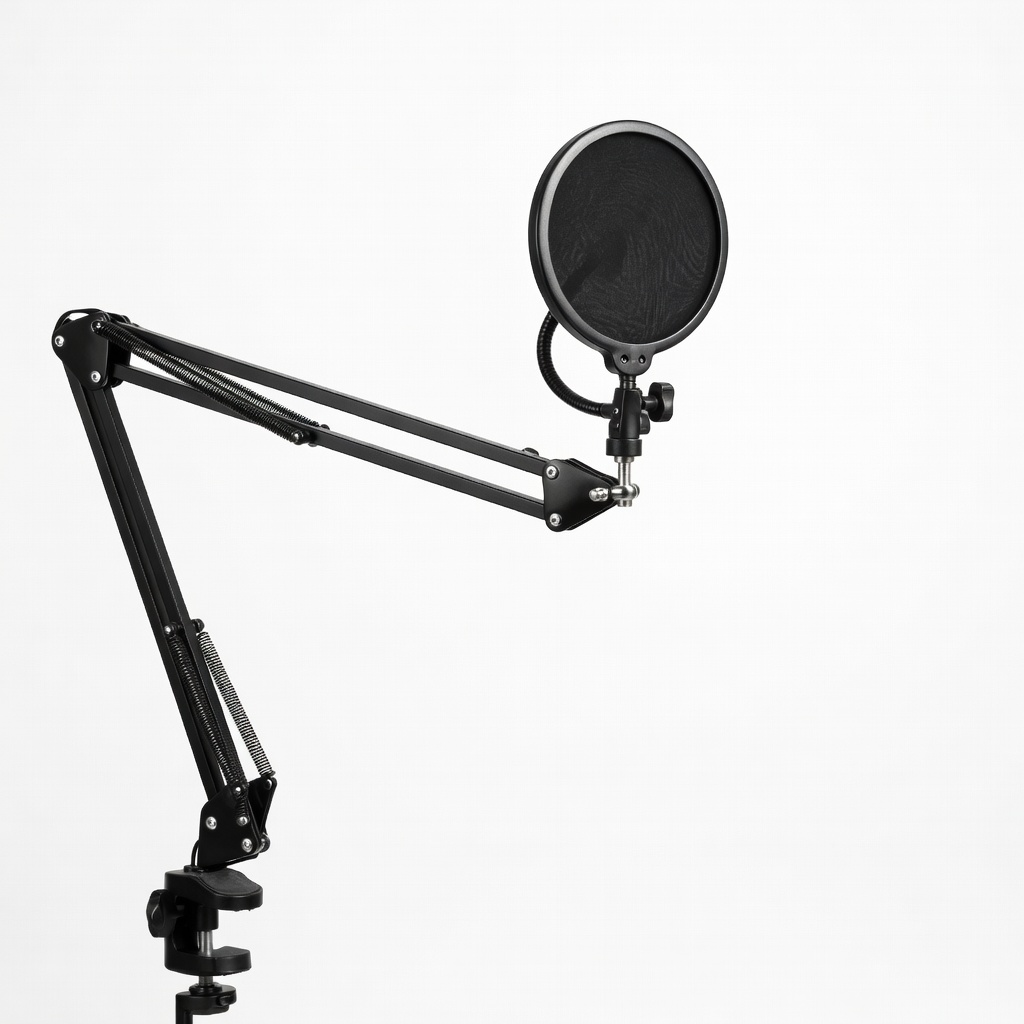
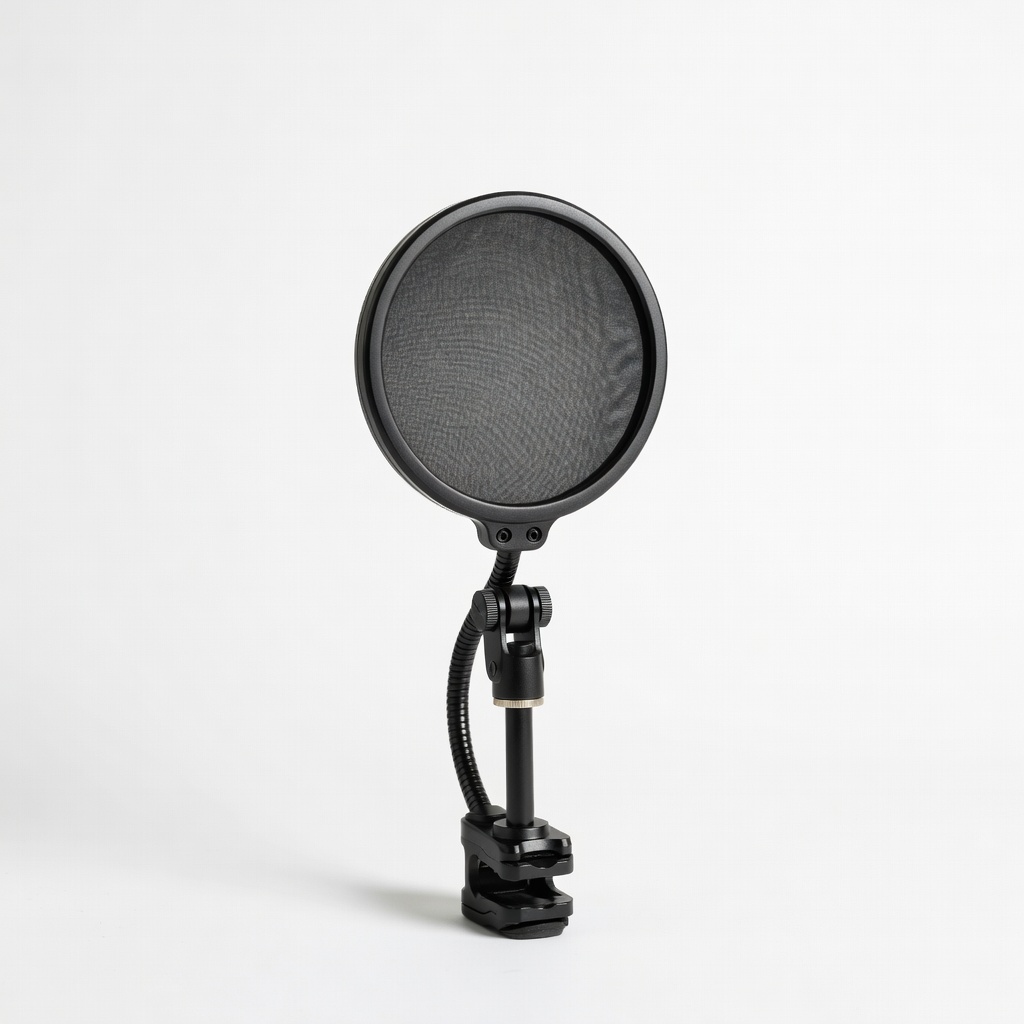
Neewer Microphone Arm, Boom Arm Stand with Pop Filter
⚠️ Essential
$19.99
When to buy:
Day one
Positions mic perfectly at mouth level, reducing plosives and strain. Beginners slump mics wrong without it, ruining clarity.
Start with your setup: solo at desk? USB dynamic like Samson Q2U. Budget $50-150 for sweet spot. Watch YouTube demos in similar rooms.
💰 Budget Guide for Beginners
300+
Pro - for committed with budgets.
50 - $150
Sweet spot - pro-sounding, versatile for growth.
150 - $300
Premium - exceptional quality, long-term use.
Under $ - $50
Entry level - basic USB to dip toes, quick upgrade likely.
⚠️ Common Beginner Mistakes to Avoid
Buying the $20 no-name mic leads to frustration with poor sound; instead, spend $40+ on reviewed options. Skipping a boom arm means awkward positioning and plosives – get one day one. Choosing sensitive condenser in noisy homes causes echo issues; opt for dynamic.
×Buying cheapest without reviews
×Ignoring room noise needs
×Skipping headphone monitoring
×No boom arm or stand
×Overlooking USB vs XLR
×Not testing return policy
×Chasing fancy features early
📈 Your Progression Path: Beginner to Intermediate
First, master basics: record in free Audacity, edit simple clips, speak 6 inches away. Build skills with 10 short episodes – learn gain, compression via YouTube.
Outgrow beginner mic when needing guest mics, better noise rejection, or live streaming. Upgrade after 6-12 months: add audio interface for XLR mics like Shure SM7B. Intermediate: Multi-mic mixers, soundproofing.
Most stay beginner 3-6 months; focus consistency over gear.
📚 Learning Resources for Beginners
📖Podcast Launch: Step-by-Step Guide to Launching Your Podcast (Amazon book)
📖The Podcast Host Handbook (Amazon)
📖Audacity for Podcasters tutorial book (Amazon)
📖Beginner's Guide to Podcasting by Dave Jackson (Amazon)
🎯 Bottom Line: Our Recommendations
Best overall: Samson Q2U – versatile, forgiving, future-proof for 90% beginners.
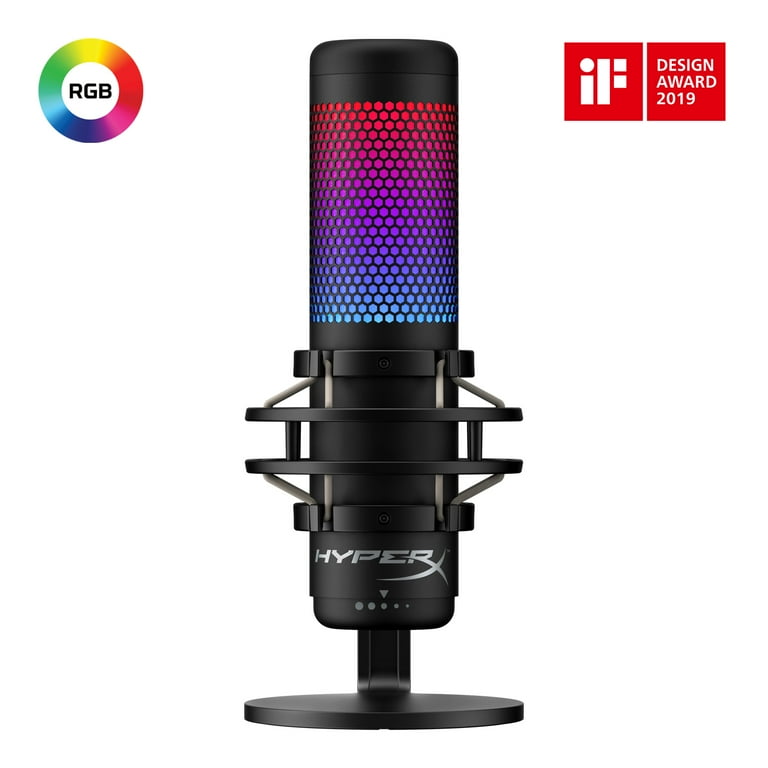
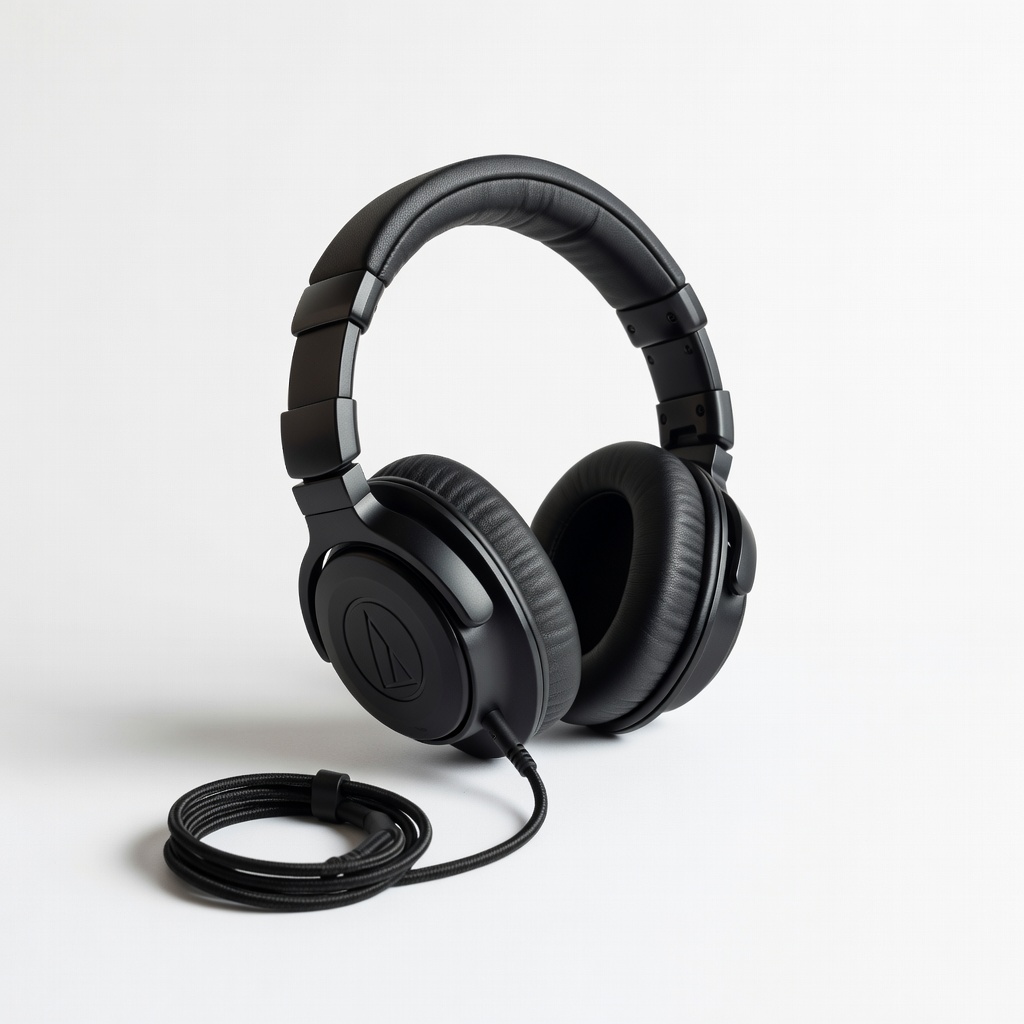
Budget: Fifine K669B. Premium: HyperX QuadCast S. Grab boom arm and headphones first.
You're ready – order, record your intro episode today. Clear audio builds momentum; mistakes are normal. Welcome to podcasting!
❓ Frequently Asked Questions
Samson Q2U (B01N4IGQJU) – easy USB, noise-rejecting, upgradeable. Perfect balance of simplicity and quality.
$50-150 sweet spot for reliable sound without waste. Under $50 works for testing; over $150 if committed.
USB plug-in, cardioid pattern, headphone jack, stand/mount. Skip multi-patterns or wireless.
Fifine K669 (B07N5O6P7Q) – 1-minute setup, forgiving, under $40.
Boom arm (B07HZNZ5QJ), headphones (B00HVLUR86), pop filter. Start there for pro results.
Match to room noise (dynamic for homes), budget ($50-150), solo use. Test YouTube reviews.
No – USB models setup like headphones. 10-min learn curve; focus positioning.
Cheap no-name buys, no arm/monitoring, wrong type for room. Buy reviewed, accessorize.
USB for simplicity. Hybrids like Q2U add XLR later.
Dynamic for noisy homes; condenser only quiet rooms.