Review Atlas
Review AtlasYour guide to a better purchase

Menu

Shop by Category

Get the App

Better experience on mobile

Beginners GuideTable Tennis

Best Ping Pong Paddle for Beginners 2025

Everything beginners need to choose their first Ping Pong Paddle with confidence and start playing fun matches right away.

Choosing your first Ping Pong Paddle feels exciting but overwhelming – with endless options, confusing specs, and worries about wasting money on the wrong one. Beginners often freeze up, unsure if they need a cheap toy or a pro racket. Don't worry: this guide cuts through the noise.

Ping Pong (table tennis) is super fun and easy to pick up indoors, but the paddle makes or breaks your start. We'll explain everything simply, highlight beginner-friendly picks, and help you avoid pitfalls so you can focus on smashing that ball.

By the end, you'll know exactly what to buy, why it works for you, and how to level up – all with Amazon links for one-click confidence.

📋 In This Guide

  • • Why Beginners Struggle with Ping Pong Paddle
  • • What to Look For (Key Features)
  • • Top 4 Beginner-Friendly Ping Pong Paddle
  • • Essential Accessories for Beginners
  • • Common Beginner Mistakes to Avoid
  • • Your Progression Path
  • • FAQ & Learning Resources

😰 Why Beginners Struggle with Ping Pong Paddle

Newbies dive into Ping Pong Paddles and hit a wall of confusion. Terms like 'blade speed rating,' 'inverted rubber,' and 'sponge thickness' sound like rocket science, leaving you guessing what matters. Plus, Amazon shows 1,000+ options from $5 toys to $200 pros – how do you pick without regret?

Fear of buyer's remorse is huge: cheap paddles feel flimsy and die fast, while fancy ones overwhelm with spin you can't control yet. Forums like Reddit's r/tabletennis are full of 'wish I started better' stories. Beginners also overlook fit – wrong grip size kills fun from swing one.

Without guidance, you might grab the shiniest box, only to struggle with dead bounces or slippery handles, quitting before the addiction kicks in.

🔍 What to Look For: Key Beginner-Friendly Features

Focus on paddles that are pre-assembled (ready-to-play, no gluing needed) with soft, thick rubber for easy control over speed beasts. Look for 'allround' balance: good pop without wild spins that frustrate new shots.

Key beginner wins: ergonomic handles (fits small/medium hands comfortably), forgiving sponge (1.8-2.2mm thick absorbs mishits), and lightweight (80-90g) for arm fatigue-free play. Skip pimply 'pips-out' rubber – it's advanced.

Check reviews for 'great for beginners' and 4+ stars from 1,000+ buyers. ITTF approval is nice but not essential for casual indoor fun – prioritize feel over pro stamps.

✅ Essential Features for Beginners

  • Pre-assembled: No rubber gluing hassle – play out of the box
  • Thick sponge (1.8-2.2mm): Forgives off-center hits with better bounce control
  • Allround rubber: Balanced speed/spin for easy learning, not pro offense
  • Ergonomic grip: Comfortable flared/straight handle reduces blisters
  • Lightweight blade (5-ply wood): Easy swings without tiring arms
  • Protective edge tape: Survives table bangs from beginner drops
  • High ratings (80/80/70 speed/control/spin): Predictable ball response

🏆 Top 4 Best Ping Pong Paddle for Beginners

#1
💰 Budget

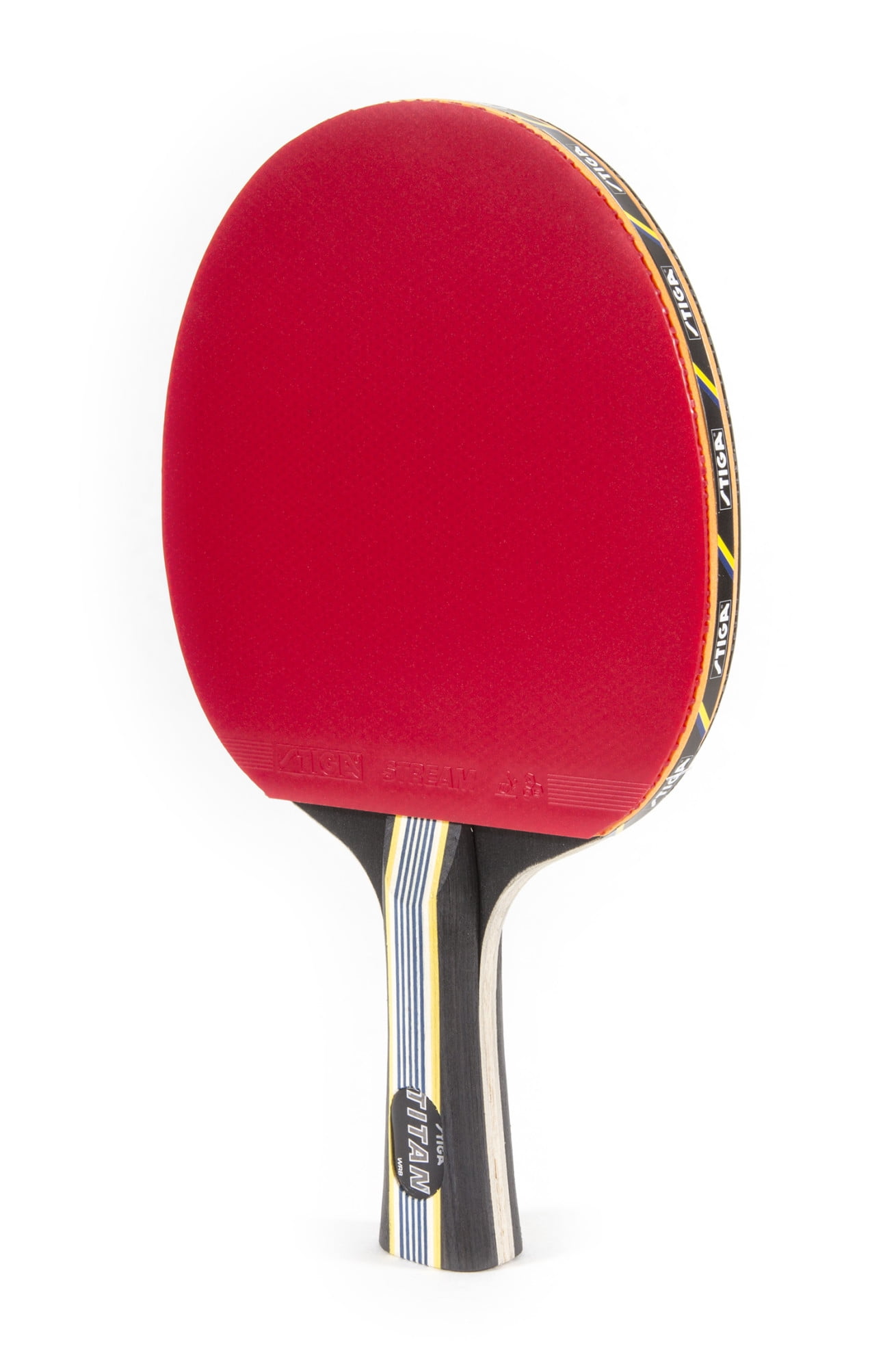
STIGA Titan Table Tennis Racket

Learning Curve: Easy

$39.99
Difficulty: 1/5
STIGA Titan Table Tennis Racket

Why Great for Beginners:

This pre-assembled paddle has soft rubber that's super forgiving on mishits, perfect for first-timers learning control. Its lightweight design prevents arm fatigue during long sessions, and the comfortable grip fits most hands right away.

Beginner Pros

  • +Easy bounce control
  • +Affordable entry
  • +Durable for casual play
  • +No setup needed
  • +Great family fun

Beginner Cons

  • -Limited spin potential
  • -Basic speed
  • -May need replacement in 6 months heavy use
👍 Best for: Casual family players or total newbies testing the waters
👎 Not for: Competitive club players wanting pro spin

#2
👍 Recommended

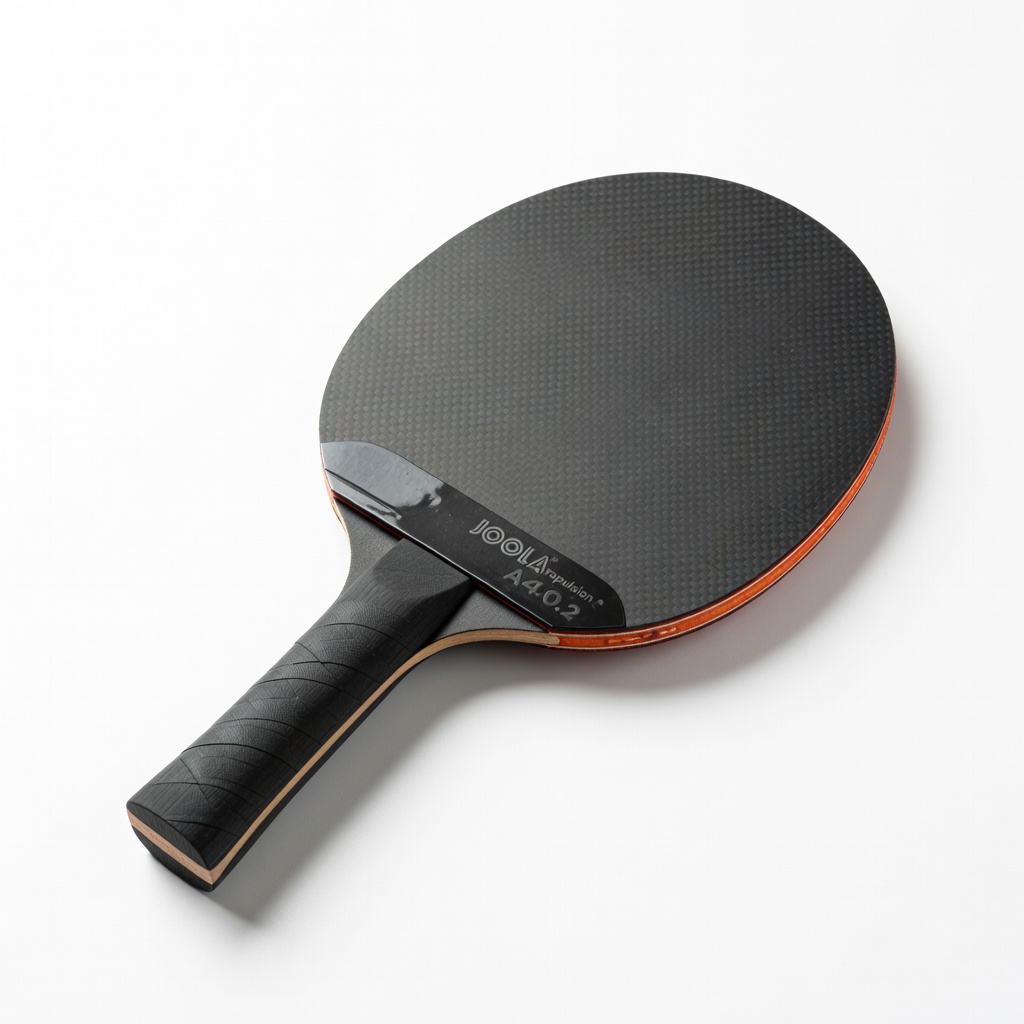
JOOLA Propulsion A40.2 4.0mm Table Tennis Racket

Learning Curve: Easy

$49.95
Difficulty: 1/5
JOOLA Propulsion A40.2 4.0mm Table Tennis Racket

Why Great for Beginners:

Thick 4mm sponge absorbs errors beautifully, giving consistent bounces that build confidence fast. Pre-assembled with quality rubber, it's the sweet spot for weekly play without quick upgrades.

Beginner Pros

  • +Ultra-forgiving control
  • +Good pop for drives
  • +Comfy flared grip
  • +Lasts 1-2 years

Beginner Cons

  • -Slightly heavier
  • -Less spin than premium
👍 Best for: Beginners playing 2-3x/week who want value
👎 Not for: Ultra-light preference seekers
#3
👍 Recommended

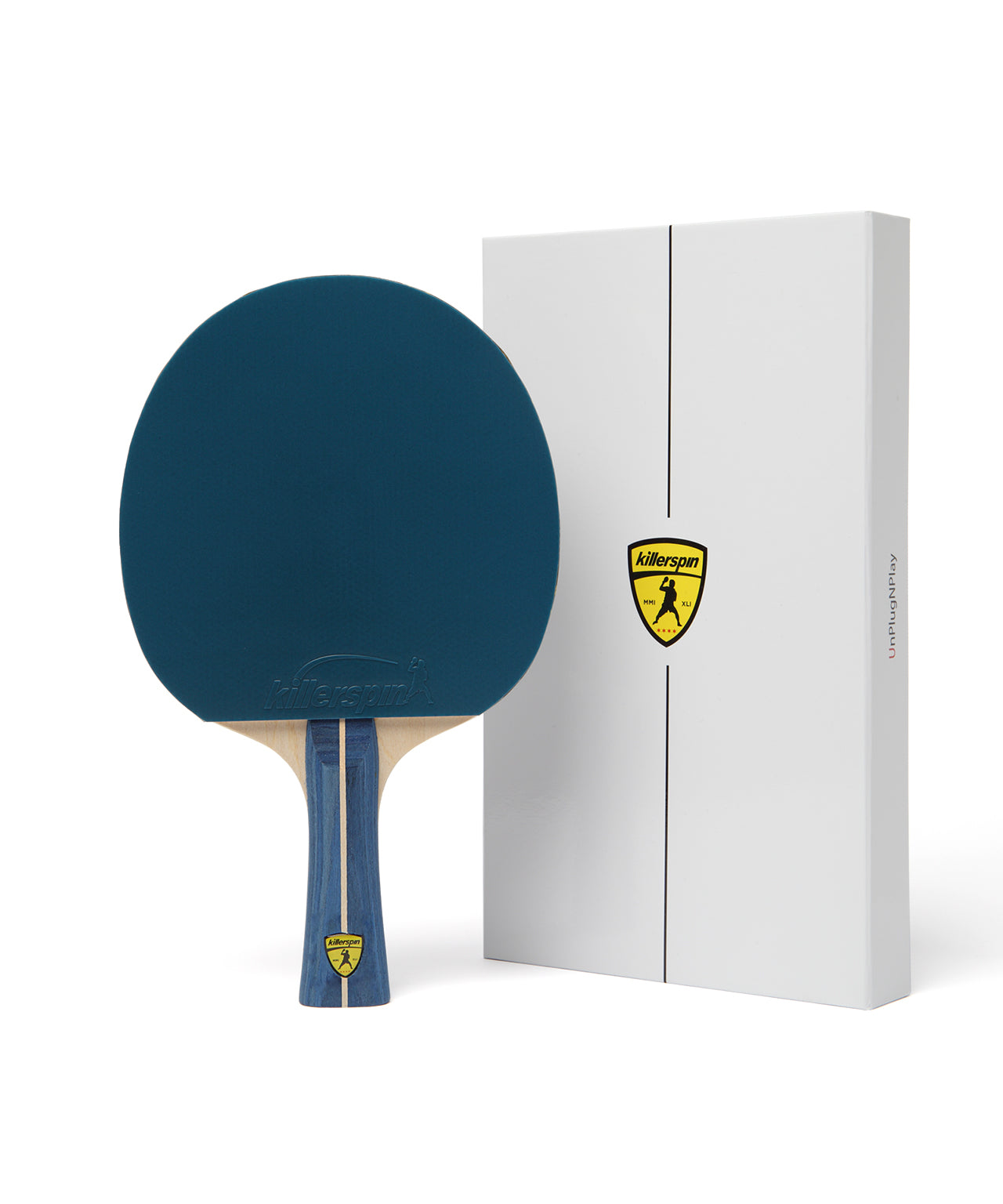
Killerspin JET200 Table Tennis Paddle

Learning Curve: Easy

$34.99
Difficulty: 2/5
Killerspin JET200 Table Tennis Paddle

Why Great for Beginners:

Smooth rubber and lightweight build make rallies effortless, ideal for hand-eye coordination building. Eye-catching design motivates new players, with solid durability for garage battles.

Beginner Pros

  • +Super light & maneuverable
  • +Vibrant grip tape
  • +Predictable response
  • +Budget-friendly quality

Beginner Cons

  • -Thinner sponge less forgiving
  • -Handle may slip if sweaty
👍 Best for: Kids/teens or light adult casual play
👎 Not for: Heavy spinners
#4
✨ Premium

STIGA Pro Carbon Table Tennis Racket

Learning Curve: Moderate

$129.99
Difficulty: 2/5
STIGA Pro Carbon Table Tennis Racket

Why Great for Beginners:

Carbon-infused blade adds power without losing control, perfect for quick progression to intermediate. Premium rubber grips ball intuitively, lasting years of improvement.

Beginner Pros

  • +Excellent balance
  • +High durability
  • +Pro-level forgiveness
  • +Grow-with-you design

Beginner Cons

  • -Higher price
  • -Overkill for rare play
👍 Best for: Serious beginners joining clubs
👎 Not for: Strict budgets under $50

📖 Complete Beginner's Guide to Ping Pong Paddle

A Ping Pong Paddle is your racket: wooden blade + two rubber sides with sponge underneath for bounce and spin. Beginners need 'recreational allround' types – versatile for serves, loops, and smashes without extremes.

Types: Cheap rec ($10-30, plastic-y feel), beginner allround ($30-60, forgiving rubber), offensive ($60+, fast but tricky), defensive (rare for newbies). Stick to allround – best for 90% of starters.

Beginner-friendly means intuitive: mishits still go over net, grip feels natural, lasts 6-12 months of weekly play. Expect fun rallies in week 1, basic spins by month 2. Evaluate by holding (in-store or video reviews), weight feel, and bounce tests in unboxings.

Marketing traps: '7-ply carbon' sounds cool but too stiff for control. 'ITTF' is tournament legal but irrelevant for garage games. Real test: does it smile back at mishits?

🔧 Essential Accessories for Beginners

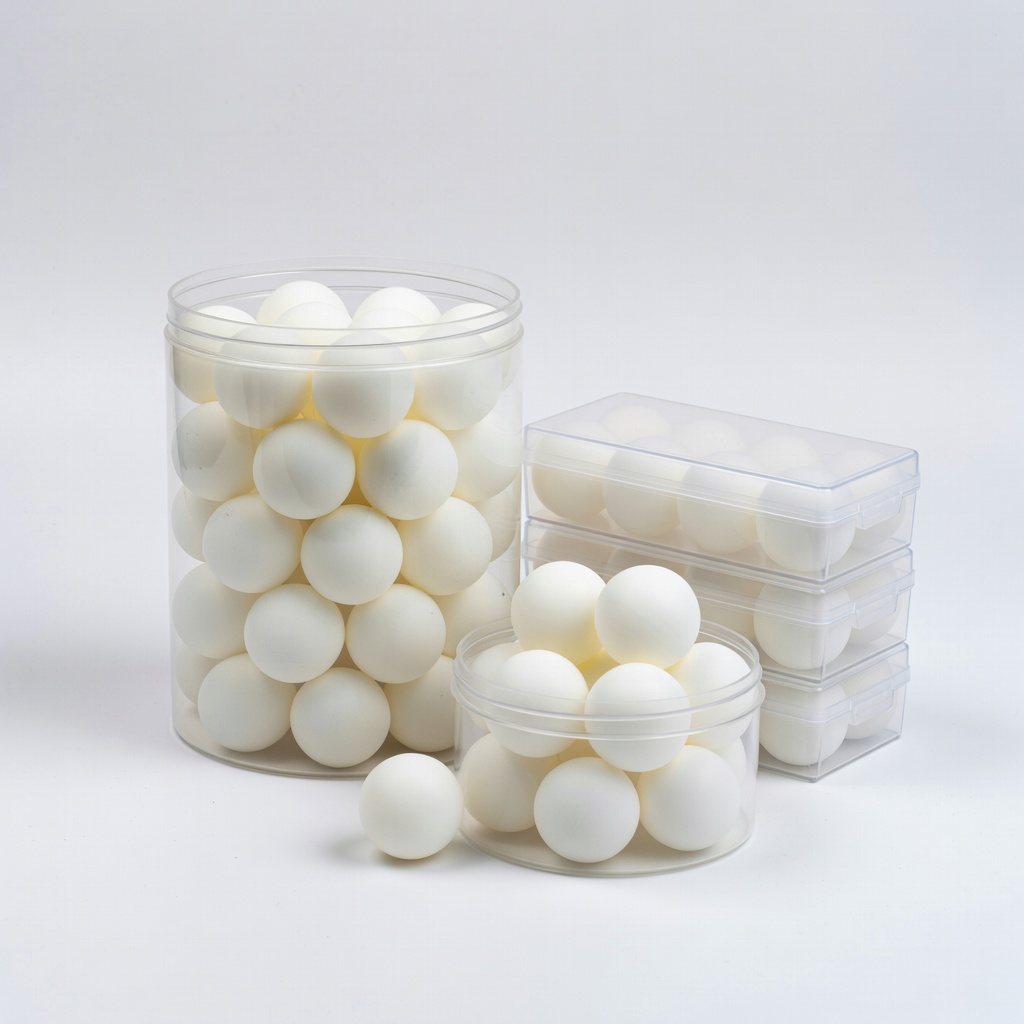
PRO-SPIN 40mm Table Tennis Balls (Pack of 100)

PRO-SPIN 40mm Table Tennis Balls (Pack of 100)

⚠️ Essential

$19.99

When to buy:
Day one

Beginners drop tons of balls – this bulk pack ensures endless practice without hunting. 3-star quality gives true bounces for skill building, not cheap floaters.

Beginner Benefits:

  • Reliable bounce builds confidence
  • Cheap per ball
  • No surprises in flight
  • Practice anytime
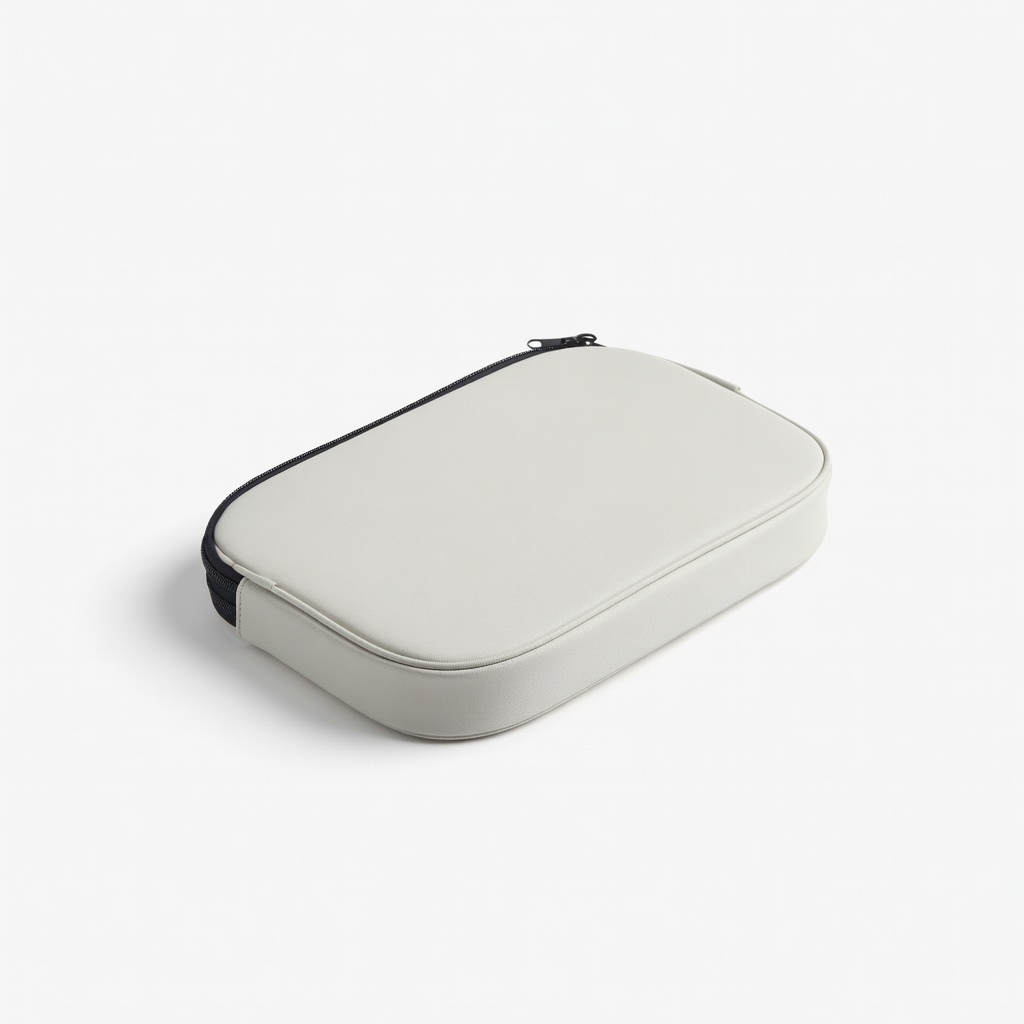
STIGA Paddle Table Tennis Racket Cover

STIGA Paddle Table Tennis Racket Cover

👍 Recommended

$12.99

When to buy:
Day one

Protects your investment from dings and dust – beginners toss paddles everywhere. Neoprene sleeve fits snugly, extending life 2x.

Beginner Benefits:

  • Prevents edge damage
  • Easy carry
  • Keeps clean
  • Cheap insurance
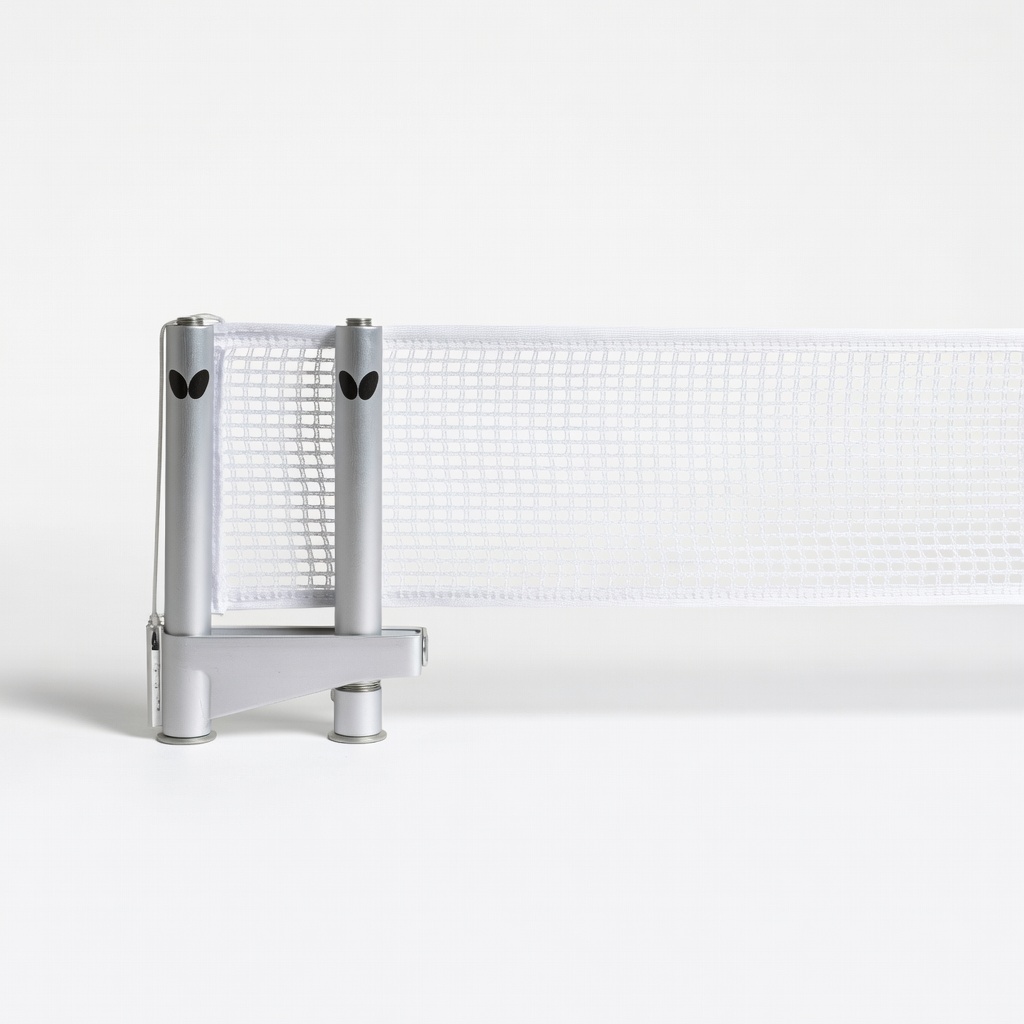
Butterfly Table Tennis Net and Post Set

Butterfly Table Tennis Net and Post Set

⚠️ Essential

$39.99

When to buy:
Day one

No net, no game – this clip-on set works on any table instantly. Tension adjustable for perfect height, crucial for fair home matches.

Beginner Benefits:

  • Quick setup
  • Accurate play
  • No drilling
  • Family ready
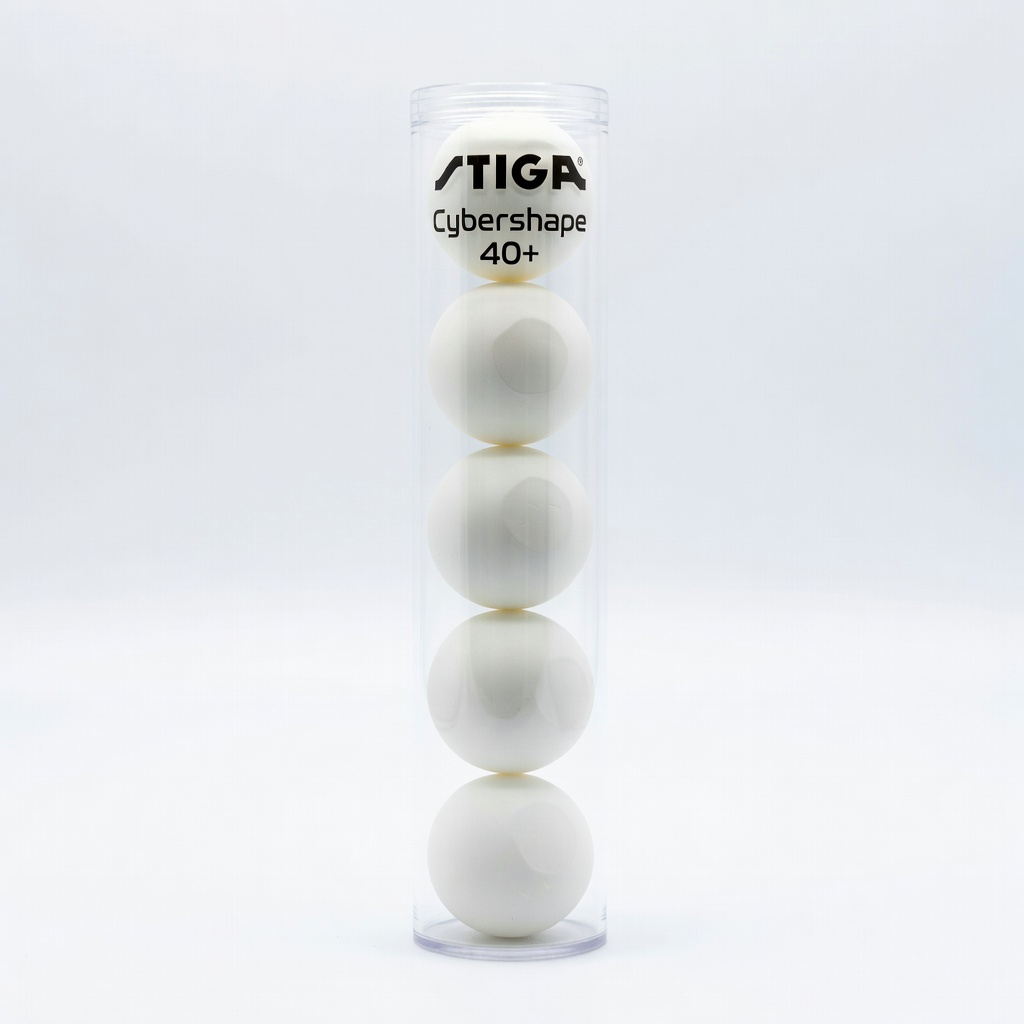
STIGA Cybershape 40+ Table Tennis Balls

STIGA Cybershape 40+ Table Tennis Balls

👍 Recommended

$14.99

When to buy:
First month

Practice-specific balls with extra spin response to learn control early. Bulk for wall drills when solo.

Beginner Benefits:

  • Spin teaching
  • Solo practice
  • Durable
  • Step-up quality

🤔 How to Choose Your First Ping Pong Paddle

Ask: Budget? ($30-60 sweet spot for most.) Play style? (Casual family? Go forgiving allround.) Hand size? (Shake test videos help.) Indoor only? (Yes, standard size.)

Scenarios: Family fun – budget rec. Club newbie – recommended allround. Serious hobby – premium. Avoid under $25 (breaks fast) or $100+ (overkill spin). Red flags: No rubber specs, <4 stars, 'for kids only' (too light).

Growth tip: Pick with upgrade room – good paddles last 1-2 years as skills grow.

💰 Budget Guide for Beginners

100+

Pro entry: Advanced materials for competitive edge – only if committing big time

30 - $60

Sweet spot: Best for most beginners – forgiving rubber, lasts 1+ year, room to improve without upgrade

60 - $100

Premium beginner: High-quality build, better control/spin – ideal for frequent players

Under $ - $30

Entry level: Basic rec paddles to try the sport – fun short-term but may warp or lose grip fast

⚠️ Common Beginner Mistakes to Avoid

Beginners chase 'fastest' ratings but need control first – speed paddles send balls wild, killing fun. Cheap Amazon no-names warp after weeks, wasting $20 vs investing $40 wisely.

Many skip accessories like balls/cases, realizing mid-game they can't play. Wrong handle (too thick/thin) causes pain; always check flared vs straight in reviews. Avoid: kids' paddles as adult (too light), or ignoring weight (heavy tires arms).

Lessons from forums: Start forgiving, upgrade later – one Redditor regretted $150 early buy, stuck frustrated.

  • ×Buying $10 plastic toys that shatter on first drop
  • ×Picking speed-focused paddles and whiffing every shot
  • ×Skipping balls/net – can't play without them
  • ×Ignoring grip size, getting blisters after 10 mins
  • ×Overbuying pro paddles with unneeded carbon
  • ×No case, paddle edges chip in bag
  • ×Forgetting sweat grip tape for sweaty hands

📈 Your Progression Path: Beginner to Intermediate

Week 1: Focus basics – forehand drives, simple serves with your beginner paddle. Practice 30min daily against wall/buddy for control.

Months 1-3: Add backhand, basic spin. Outgrow beginner gear when rallies bore you, wanting more spin/power (every 6-12 months casual, 3-6 frequent).

Upgrade signs: Consistent wins vs friends, club interest. First swap: Thicker sponge rubber. Intermediate: Custom assembly, offensive blade. Most stay beginner 6 months; build via YouTube drills.

📚 Learning Resources for Beginners

  • 📖Table Tennis: Steps to Success Book (Amazon: B000Q4J0O2)
  • 📖Ping Pong Training Balls (Amazon: B07P5YQJ8K)
  • 📖Instructional Table Tennis DVD (Amazon: B0013N2O5M)
  • 📖Beginner Table Tennis Tactics Book (Amazon: B08D5RZQ3P)
  • 📖Wall Rebounder Practice Board (Amazon: B07Z8K5L2M)

🎯 Bottom Line: Our Recommendations

For most beginners, grab the JOOLA Propulsion A40.2 – perfect balance of forgiveness, value, and growth. Budget? STIGA Titan. Serious? STIGA Pro Carbon.

Start with balls, net, and case – total under $100 setup. You're not buying junk; these picks turn newbies into rally machines fast.

Next: Unbox, bounce-test on table, watch 'beginner drills' vids. Play 3x/week – addiction awaits! You've got this.

❓ Frequently Asked Questions

The JOOLA Propulsion A40.2 (B07S5WN5NN) – thick sponge forgives errors, great control for fast learning.
$30-60 sweet spot: Quality lasts, no overkill. Under $30 risks junk; over $100 for later.
Pre-assembled, 1.8-2.2mm sponge, allround rubber, comfy grip, lightweight – control over speed.
STIGA Titan (B000OQ9J1S) – simplest setup, most forgiving bounces, zero learning curve.
Balls (B07H8QJQ5Z), case (B01N4IGQZO), net (B0002F7O2M) – day-one essentials for play.
Match budget/use: Casual $40 allround. Check sponge thickness, reviews, grip fit.
No – forgiving ones make it easy. Focus control paddles; skills snowball quick.
Cheap toys, speed over control, no accessories, wrong grip – stick to this guide!
No for casual; yes for tournaments later. Prioritize feel.
6-18 months casual; replace when rubber smooths/bounce fades.