Choose your first Pilates mat with confidence – simple guide to top picks, features, and mistakes to avoid.
Picking your first Pilates mat feels overwhelming with endless options, thicknesses, and materials. Beginners worry about slipping, joint pain, or wasting money on something too basic or fancy. This guide cuts through the noise.
Pilates mats aren't just yoga mats – they're designed for floor exercises that demand cushioning and grip for core work, rolls, and stretches. Without the right one, hard floors hurt your back and knees, killing motivation.
We'll simplify everything: key features, top Amazon picks across budgets, accessories, and a path to progress. By the end, you'll know exactly what to buy and feel excited to start.
📋 In This Guide
• Why Beginners Struggle with Pilates Mat
• What to Look For (Key Features)
• Top 4 Beginner-Friendly Pilates Mat
• Essential Accessories for Beginners
• Common Beginner Mistakes to Avoid
• Your Progression Path
• FAQ & Learning Resources
😰 Why Beginners Struggle with Pilates Mat
Beginners dive into Pilates excited for better posture and strength, but mat shopping hits roadblocks. Forums like Reddit's r/pilates overflow with complaints: 'My cheap mat slips everywhere!' or 'It's too thin – my spine hurts after 10 minutes.'
Jargon like 'PU foam' or 'TPE vs. PVC' confuses everyone new. Options range from $10 thin rolls to $150 'pro' mats, sparking fear of buyer's remorse. Many don't know thickness matters more than brand for joint protection.
Overwhelm leads to paralysis – grabbing the cheapest Amazon option, then quitting Pilates because it feels unsafe or uncomfortable. This guide fixes that with beginner-tested advice.
🔍 What to Look For: Key Beginner-Friendly Features
Focus on three must-haves: thickness (at least 6mm for joint cushion), non-slip grip (textured surface, not glossy), and easy-roll design (lightweight under 5 lbs). These forgive slips and hard floors without complexity.
Nice-to-haves: alignment lines for pose guidance and eco-friendly materials like TPE (natural rubber alternative, no toxic smell). Skip 'pro density' or alignment grids – too advanced.
Beginner-friendly mats are forgiving (extra padding hides form errors), portable (rolls tight for home storage), and odor-free (no off-gassing headaches). Test grip by pressing; it should stick to skin without tape.
✅ Essential Features for Beginners
•Thickness 6-10mm: Cushions spine, knees, wrists on hard floors without sinking too deep
•Non-slip textured surface: Prevents sliding during sweaty planks or teasers
•Lightweight (3-5 lbs): Easy to unroll, carry, store in small apartments
•Double-sided grip: Works on both sides for varied workouts
•Odor-free material: No chemical smells to ruin first sessions
•Easy to clean: Wipe-down surface fights sweat and dirt
🏆 Top 4 Best Pilates Mat for Beginners
#1
💰 Budget
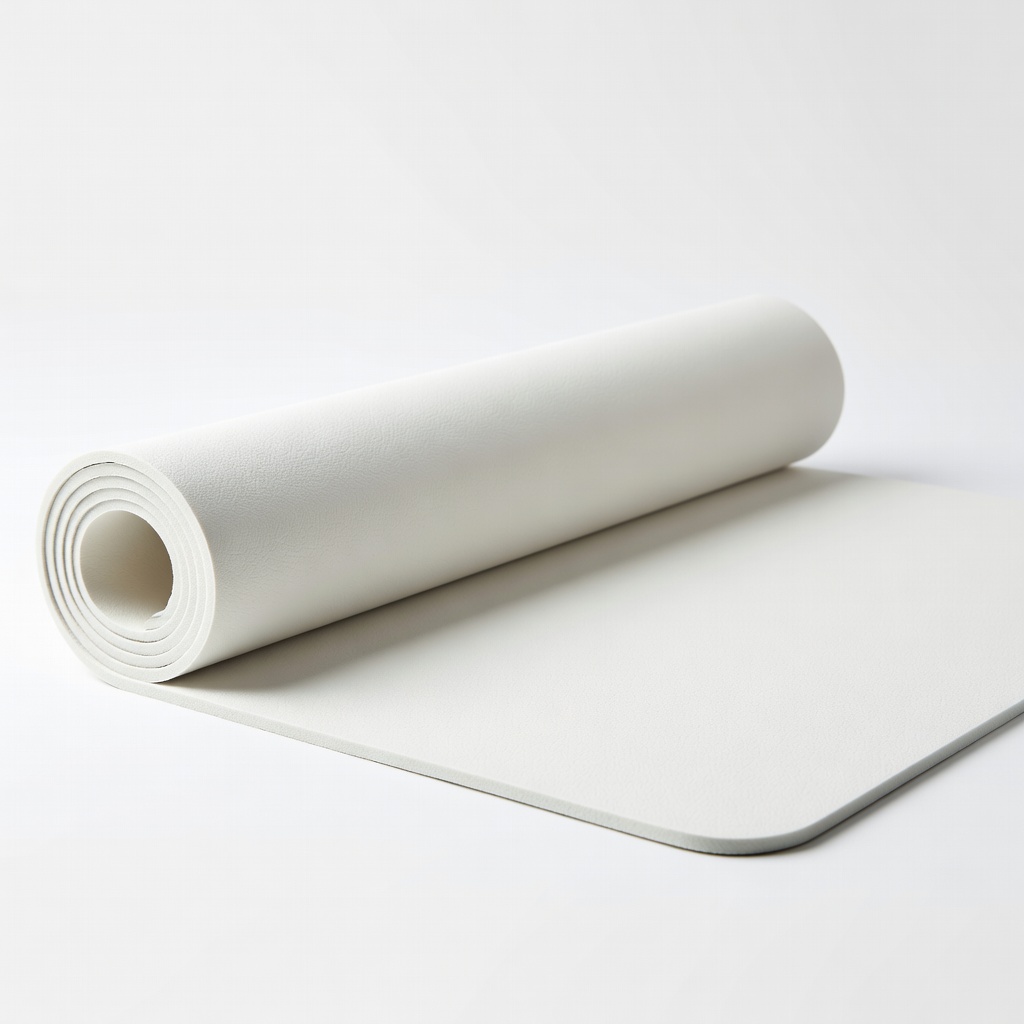
Amazon Basics 6mm Exercise Yoga & Pilates Mat
Learning Curve: Easy
$24.99
Difficulty: 1/5
Why Great for Beginners:
This mat offers solid 6mm padding at a rock-bottom price, perfect for testing Pilates without commitment. Its double-sided non-slip surface forgives sweaty beginner slips, and it's lightweight for easy storage.
✓ Beginner Pros
+Affordable entry point
+Good joint cushioning
+No strong odor
+Rolls compactly
✗ Beginner Cons
-Grip weakens when soaked
-Basic alignment
-May dent over time
👍 Best for: Budget-conscious testers new to Pilates
👎 Not for: Daily heavy sweaters needing premium grip
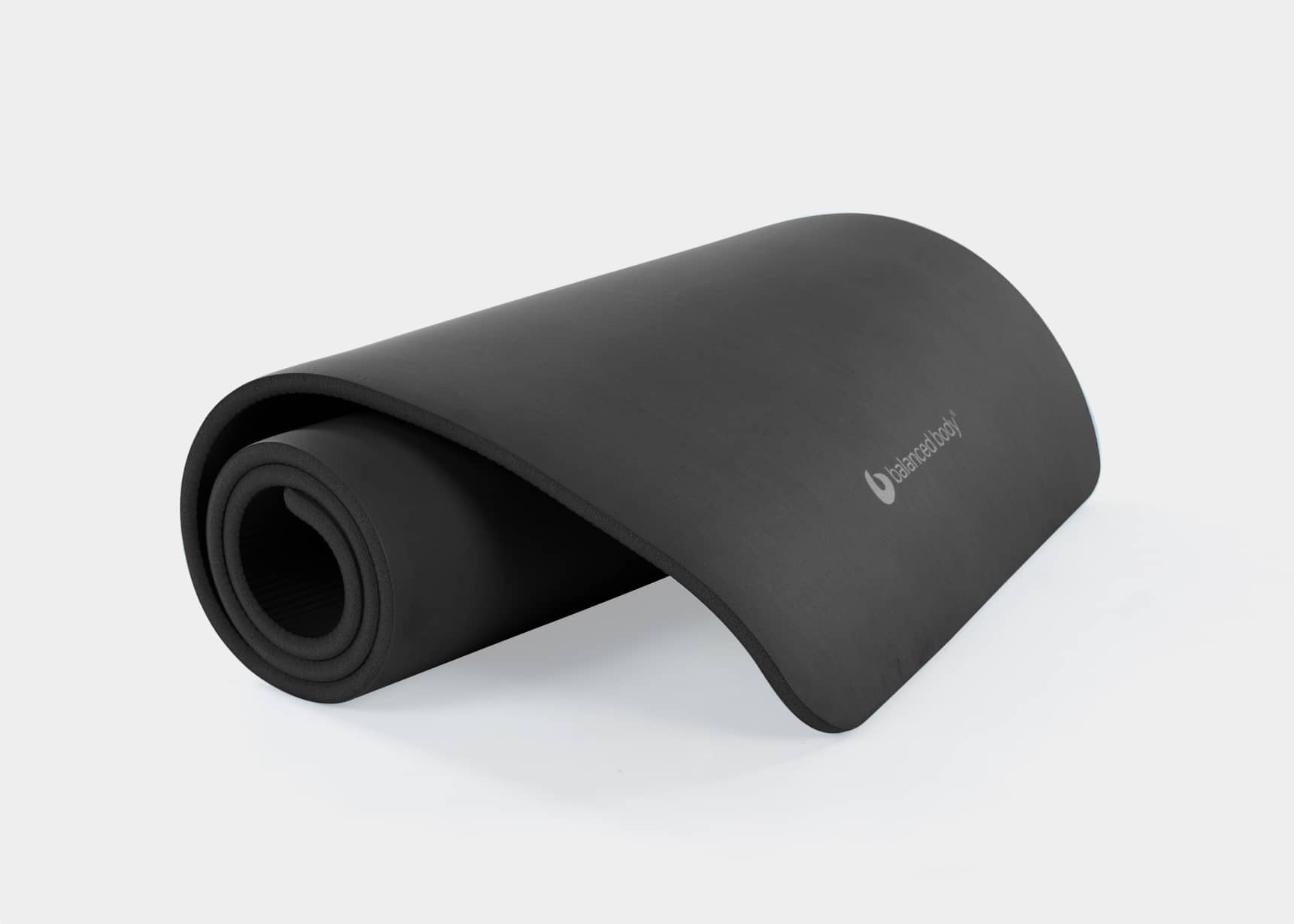
Balances price and performance with 6mm foam that's plush yet stable for core exercises. Sticky surface builds confidence during rolls, and alignment lines teach pose basics without overwhelm.
✓ Beginner Pros
+Excellent value grip
+Joint-friendly padding
+Easy clean
+Portable
✗ Beginner Cons
-Slight initial smell
-Not eco-certified
👍 Best for: Most home beginners doing 3-5 sessions/week
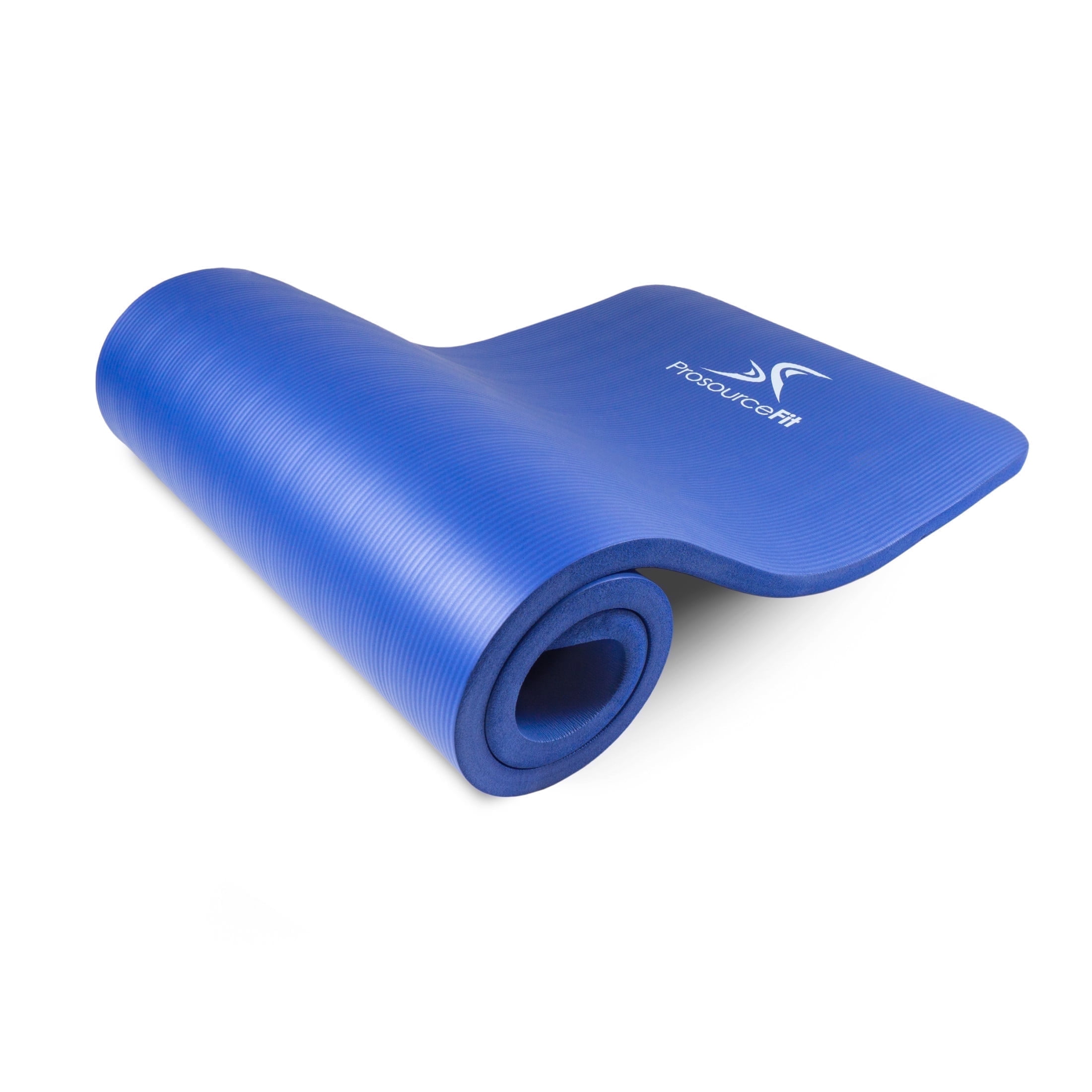
10mm thick cushion protects sensitive joints while superior grip handles progressive workouts. Durable for growth without quick replacement, ideal for serious starters.
✓ Beginner Pros
+Ultra-thick padding
+Pro-level non-slip
+Long-lasting
+Alignment grid
✗ Beginner Cons
-Heavier to carry
-Higher cost
👍 Best for: Beginners with joint issues or long-term commitment
A Pilates mat is a cushioned floor pad for bodyweight exercises focusing on core, flexibility, and control – thicker than standard yoga mats for rolls and bridges.
Types: Basic foam (cheap, less grip), TPE/PVC (durable, grippy), cork/PU (premium eco-grip). Beginners need standard rectangular (24x71 inches) – no fancy folds or shapes yet.
Best for newbies: TPE or high-density foam mats. They're forgiving on form mistakes, with padding that absorbs impacts. Expect 20-30 minute sessions at first; a good mat makes them pain-free.
'BEGINNER-FRIENDLY' means intuitive setup (unroll and go), no tools needed, and room to grow into harder moves. Ignore 'reformer-grade' hype – that's studio stuff.
Evaluate by reviews mentioning 'joint pain gone' and 'no slipping home workouts'. Realistic: You'll master basics in weeks with consistent use.
🔧 Essential Accessories for Beginners
Gaiam Essentials Yoga Blocks (Purple Set)
⚠️ Essential
$14.99
When to buy:
Day one
Blocks lift hips or support wrists in beginner modifications, preventing strain. They make poses accessible from day one.
Pro-level: Thickest padding for intense home studios
30 - $60
Sweet spot: Best value with strong grip and padding for 1-2 years
60 - $100
Premium beginner: Superior durability, eco-materials, lasts 3+ years
Under $ - $30
Entry level: Basic cushion to try Pilates, may wear out in 6 months
⚠️ Common Beginner Mistakes to Avoid
Beginners grab thin $10 mats from big-box stores, regretting pain after week one – false economy. Experts say invest in grip; forums echo 'Amazon Basics saved my knees.'
Another: Hyped 'eco' mats that stink or slip. Avoid by smelling in-store or checking TPE/PVC-free. Instead, prioritize thickness.
Overlooking accessories like blocks leads to poor form injuries. Buy set now. Plan growth: Good beginner mats last 1-2 years.
×Buying under 4mm thick: Causes back/knee pain on hard floors
×Choosing glossy yoga mats: Slips during sweaty planks
×Skipping grip tests: Leads to frustration and quitting
×Overbuying pro mats: Too heavy/expensive for basics
×Ignoring size: Too narrow for full extensions
×Forgetting cleanability: Sweat buildup smells bad
×No alignment guides: Hard to learn poses solo
📈 Your Progression Path: Beginner to Intermediate
Start with 10-15 min daily basics: breathing, hundred, roll-up on your mat. Build to 30 min, adding leg circles weekly. Practice 3x/week consistently.
Outgrow beginner mat when it dents, slips chronically, or feels too soft for advanced bridges (3-6 months). Upgrade to 10mm+ or reformer if joining classes.
Intermediate: Thicker mats or props like rings. Most stay beginner 3-12 months; track by holding teasers 30 seconds.
📚 Learning Resources for Beginners
📖Pilates for Beginners Book: B0B1N5VJ5Q – Step-by-step poses with photos
📖The Pilates Bible by Lynsey Crombie: B001U2BMG2 – Beginner routines