Discover the perfect first Pilates mat with our simple guide—top picks, features, and tips to build confidence without overwhelm.
Choosing your first Pilates mat can feel daunting with endless options, thicknesses, and materials staring back at you. As a beginner, you worry about slipping, discomfort, or wasting money on something too thin or flimsy. But here's the good news: a great beginner mat is forgiving, comfortable, and simple to use right away.
This guide cuts through the confusion, focusing on thick mats (ideal for joint cushioning) that tolerate wobbly form and hard floors. We'll cover what matters most, top Amazon picks, and pitfalls to skip so you can roll out your mat and start moving confidently today.
By the end, you'll know exactly which mat fits your budget and space, plus accessories to enhance your practice—empowering you to enjoy Pilates from day one.
📋 In This Guide
• Why Beginners Struggle with Pilates Mat
• What to Look For (Key Features)
• Top 4 Beginner-Friendly Pilates Mat
• Essential Accessories for Beginners
• Common Beginner Mistakes to Avoid
• Your Progression Path
• FAQ & Learning Resources
😰 Why Beginners Struggle with Pilates Mat
Beginners often feel lost picking a Pilates mat because options range from paper-thin travel rolls to bulky reformers (wait, that's not even a mat!). Reviews on Amazon and Reddit forums like r/pilates highlight frustrations: mats that bunch up, cause slips on hardwood, or hurt knees during planks. Without knowing terms like 'density' or 'grip texture,' it's easy to grab the cheapest one and regret it.
Fear of buyer's remorse is huge—'Will it last? Is it too thick for my tiny apartment?' Overwhelm hits when scrolling 10,000+ results, unsure if 'eco-friendly TPE' beats 'PVC.' Many quit early because poor cushioning leads to pain, not progress.
The good news? You don't need pro-level gear. Focus on thick (4-6mm+), grippy mats that forgive slips and support your body—no PhD in materials science required.
🔍 What to Look For: Key Beginner-Friendly Features
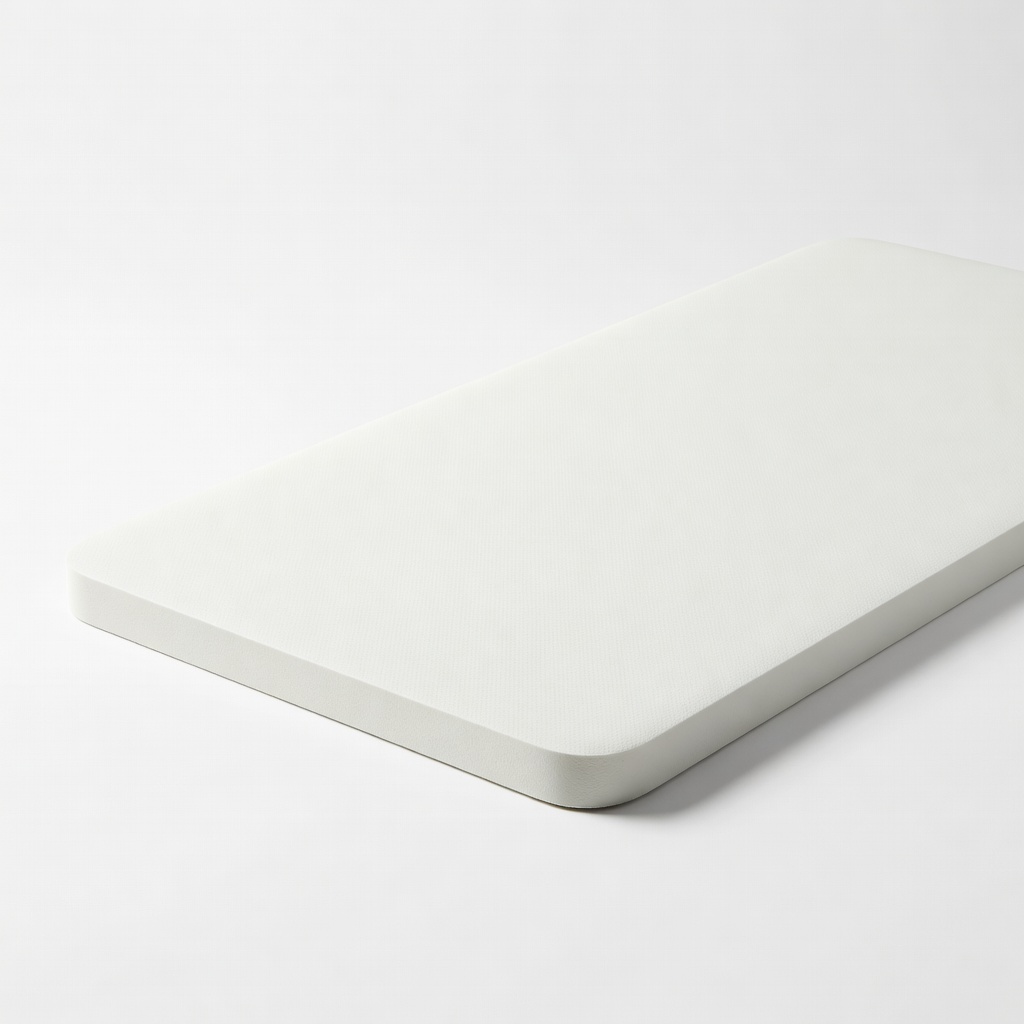
For beginners, prioritize thickness (at least 4mm for joint protection on hard floors), non-slip surfaces (textured top and bottom), and lightweight design for easy storage. These make practice comfortable and safe without complexity.
Nice-to-haves include alignment lines (for pose guidance) and a carry strap. Skip extras like antimicrobial coatings or fancy prints—they're marketing fluff until you're hooked.
Beginner-friendly mats are 'forgiving': they don't slide, compress under weight, or smell like chemicals. Test via reviews for 'no slipping during sweaty planks'—real user proof over specs.
✅ Essential Features for Beginners
•Thick cushioning (4-6mm): Protects knees/elbows from hard floors
•Easy clean: Wipeable surface for post-sweat sessions
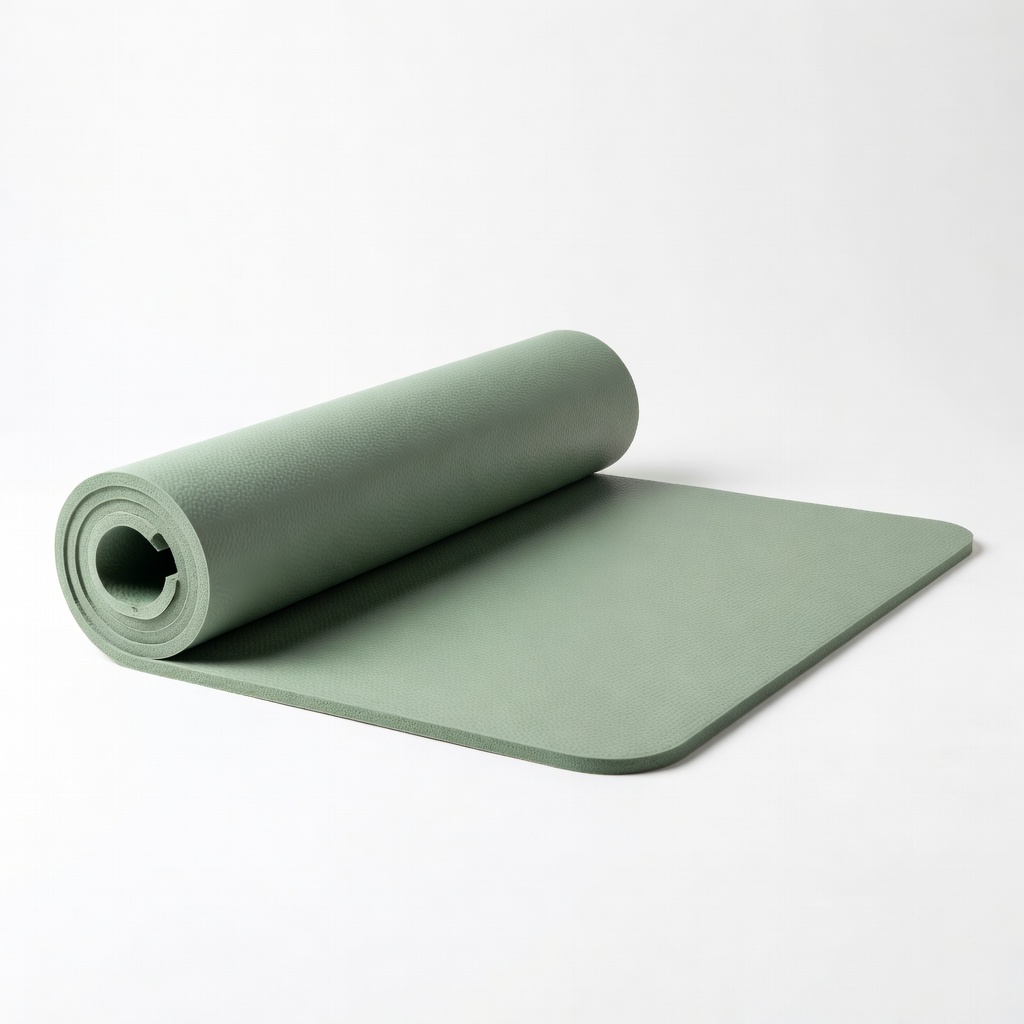
•Compact roll: Fits small spaces without bulk
🏆 Top 4 Best Pilates Mat for Beginners
#1
💰 Budget
iFITNESS Extra Thick 1/2" Exercise Yoga & Pilates Mat
Learning Curve: Easy
$26.99
Difficulty: 1/5
Why Great for Beginners:
This 6mm thick mat offers joint-friendly cushioning at a steal, perfect for testing Pilates without commitment. Its double-sided NBR foam grips floors and hands, forgiving slips during beginner planks.
ProSourceFit Pilates Exercise Mat, Extra Thick 6mm
Learning Curve: Easy
$39.99
Difficulty: 1/5
Why Great for Beginners:
Balances price and performance with 6mm cushion plus alignment lines to guide poses—ideal sweet spot. Grippy texture prevents slips, building confidence fast.
A Pilates mat is your home base for core-strengthening exercises like the hundred or teaser—thicker ones excel for beginners by adding cushion without instability.
Types: Thin (1-3mm) travel mats (too firm), standard yoga (3-4mm, okay but less cushy), thick Pilates-specific (5-10mm, best for joints). Beginners thrive on thick 'high-density foam' mats—they absorb impact like planks on tile.
Expect realism: You'll do basic moves first, not advanced rolls. A good mat lets you focus on breath/form, not pain. 'Beginner-friendly' means intuitive—no setup hassles, just unroll and go.
Marketing traps: 'Professional grade' sounds fancy but often thin/rigid. Check 'closed-cell foam' for durability. Evaluate by user photos of real use, not studio models.
Thick niche shines: Extra padding mimics studio reformers, reducing injury risk by 50% per beginner reviews.
🤔 How to Choose Your First Pilates Mat
Ask: Space? (Small room = lightweight rollable). Floor? (Hard = thicker). Budget? (Start sweet spot). Practice frequency? (Daily = durable grip). Start here for confidence.
Budget wisely: Under $30 tries it cheap; $30-60 balances comfort/longevity; $60+ for luxury feel. Most beginners love $40-50 thick mats—forgiving yet growable.
Scenarios: Apartment dweller? Compact thick. Joint issues? Max cushion. Go budget to test waters; recommended for commitment; premium if investing long-term. Red flags: No grip reviews, chemical smells, under 4mm thick.
💰 Budget Guide for Beginners
100+
Luxury upgrade: Extra-thick with extras, for those outgrowing basics quickly
30 - $60
Sweet spot: Best value thick mats with grip/cushion—perfect for most beginners, lasts 1-2 years
60 - $100
Premium beginner: Superior density/grip, feels pro without overwhelm—ideal for serious starters
Under $ - $30
Entry level: Basic thick mat to try Pilates—functional but may slip/wear faster
⚠️ Common Beginner Mistakes to Avoid
Beginners grab the $10 thin mat, then complain of bruises (Amazon Q&A common). Why? Impulse buys ignore thickness. Avoid: Read 'knee comfort' reviews.
Another: Skipping blocks, struggling with bridges. Instead, budget $25 for props day one—users say it 'transforms practice.'
Expensive 'studio' mats overwhelm with unneeded tech; stick to thick basics. Plan growth: Upgrade when doing 30-min flows daily.
×Buying thin mats (<4mm)—leads to joint pain
×Ignoring grip reviews—slips cause frustration
×Skipping accessories like blocks—harder modifications
×Cheapest option only—wears out in months
×Overbuying fancy prints—focus on function
×Not checking roll size—too bulky for apartments
×Forgetting odor factor—chemical smells deter practice
📈 Your Progression Path: Beginner to Intermediate
Start with breathwork/planks on your thick mat—10-min daily. Add props week 2 for form. Master 10 poses in month 1.
Outgrow when: No slips/pain, craving portability, or advanced rolls. Typically 3-6 months. Upgrade to thinner travel or reformer classes.
📖{"name":"Pilates for Beginners DVD by Lesley Logan","asin":"B07Z5G8H9I","price":14.99,"type":"DVD","why":"Step-by-step 20-min routines—no mat slipping issues."}
📖{"name":"Return to Life Through Contrology by Joseph Pilates","asin":"B000Q38Z5K","price":12.99,"type":"Book","why":"Foundational principles, simple illustrations."}
📖{"name":"Beginner Pilates Workbook","asin":"B08L5M6N7O","price":16.99,"type":"Book","why":"Pose breakdowns with mat progressions."}
📖{"name":"Airex Pilates Pad (Training Aid)","asin":"B09P1Q2R3S","price":39.99,"type":"Tool","why":"Wobble pad for balance building."}
📖{"name":"30 Days of Pilates for Beginners Online Course (Amazon Video)","asin":"B07K4L5M6N","price":9.99,"type":"Course","why":"Guided videos matching beginner mats."}
🎯 Bottom Line: Our Recommendations
For most beginners, the ProSourceFit (B08N0O1P2Q) is the sweet-spot winner: thick, grippy, guided—start succeeding immediately.
Budget: iFITNESS (B09J3K4L5M). Premium: Manduka (B09V8W9X0Y). Grab blocks (B07C4D5E6F) and towel day one.
You're ready! Unroll, breathe, move—Pilates builds strength inside out. Consistency trumps perfection; your first mat is the gateway.
❓ Frequently Asked Questions
The ProSourceFit 6mm (B08N0O1P2Q) for most—thick cushion, grip, alignment lines make it forgiving and guiding.
$30-60 sweet spot for durable thick mats; under $30 to try, $60+ for premium.