Discover the easiest piano keyboards for total beginners, with top picks, accessories, and tips to start playing confidently without overwhelm.
Choosing your first piano keyboard can feel scary as a beginner. With endless options, confusing terms like 'weighted keys' and 'polyphony,' and worries about wasting money on the wrong one, it's easy to freeze up. You might wonder: Will it be easy to play? Does it sound real? Can I actually learn on it?
This guide is built for complete newcomers like you. We'll break down everything simply, highlight beginner-friendly features, and recommend real Amazon products that won't frustrate you. No jargon, no overwhelm—just clear steps to pick a keyboard you'll love and use right away.
By the end, you'll know exactly what to buy, why it fits beginners, and how to avoid pitfalls. Get ready to play your first songs with confidence!
📋 In This Guide
• Why Beginners Struggle with Piano Keyboards
• What to Look For (Key Features)
• Top 4 Beginner-Friendly Piano Keyboards
• Essential Accessories for Beginners
• Common Beginner Mistakes to Avoid
• Your Progression Path
• FAQ & Learning Resources
😰 Why Beginners Struggle with Piano Keyboards
Beginners often feel lost because piano keyboards come in hundreds of models, from tiny toy-like ones to pro-level beasts. Terms like 'touch-sensitive,' '61 vs 88 keys,' and 'MIDI' sound technical and scary, making shopping feel like homework. Many fear buying something too hard to learn or that they'll outgrow in weeks.
Real frustrations from forums like Reddit's r/piano and Amazon reviews include cheap keyboards with bad sound that discourage practice, missing stands causing setup hassles, or heavy models hard to move. Without guidance, beginners grab the cheapest option, get tinny sounds or sticky keys, and quit early.
Overwhelm hits hard: 'Do I need weighted keys? What's polyphony?' Plus, not knowing if it's for home practice, lessons, or fun leads to mismatched buys.
🔍 What to Look For: Key Beginner-Friendly Features
For beginners, focus on keyboards that feel natural and forgiving. Must-haves: At least 61 full-size keys (ideally 88 to match a real piano), touch-sensitive keys (louder when you hit harder), and built-in speakers so you play instantly without extra gear.
Nice-to-haves: Simple lesson modes, headphone jack for quiet practice, and lightweight design under 20 lbs for easy moving. Skip fancy effects, 1000+ voices, or apps if you're new—they add confusion.
Beginner-friendly means intuitive buttons (big and labeled), good tutorials included, and sounds close to a real piano without needing tweaks. 'Weighted action' mimics piano feel (heavier bass keys); start with 'semi-weighted' if full is too stiff.
✅ Essential Features for Beginners
•61-88 full-size keys: Enough to play real songs without feeling cramped.
•Touch-sensitive keys: Play softer or louder naturally, like a real piano.
•Built-in speakers: Plug and play—no amp needed for home use.
•Lesson modes: Lights or voices guide your fingers step-by-step.
•Headphone jack: Practice anytime without bothering others.
•Lightweight and portable: Under 15 lbs, easy to set up anywhere.
•Battery option: Play unplugged for fun anywhere.
•Simple volume/power buttons: No menus to learn first.
🏆 Top 4 Best Piano Keyboards for Beginners
#1
💰 Budget
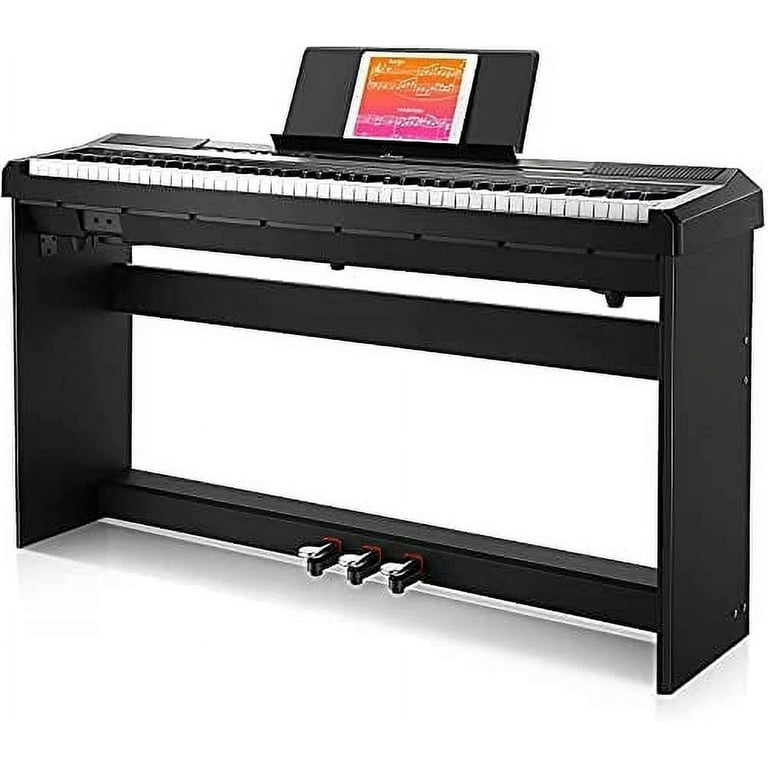
Donner DEP-10 88-Key Digital Piano Keyboard
Learning Curve: Easy
$169.99
Difficulty: 1/5
Why Great for Beginners:
This is the perfect entry for total newbies with its lightweight design and simple setup. The semi-weighted keys feel natural without being hard, and built-in lessons light up to guide your hands. Great sounds and portability make practice fun from day one.
✓ Beginner Pros
+Easy plug-and-play speakers
+Step-by-step lesson modes
+Lightweight 18 lbs
+Headphone jack included
✗ Beginner Cons
-Basic stand needed
-Sounds good but not pro-level
👍 Best for: Budget-conscious adults testing piano interest
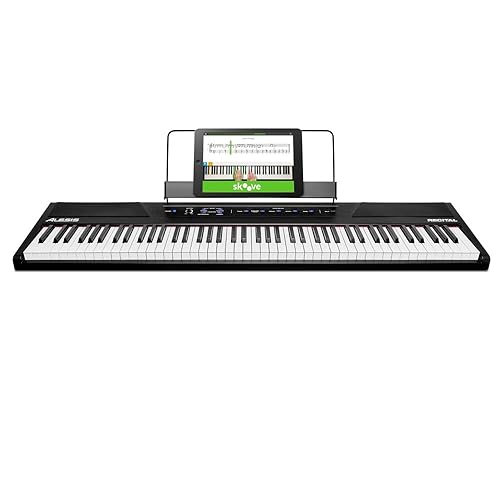
Sweet spot for most beginners: 88 full keys with adjustable touch response that's forgiving on mistakes. Built-in lessons and 5 teaching modes make learning intuitive. Durable build lasts through daily practice.
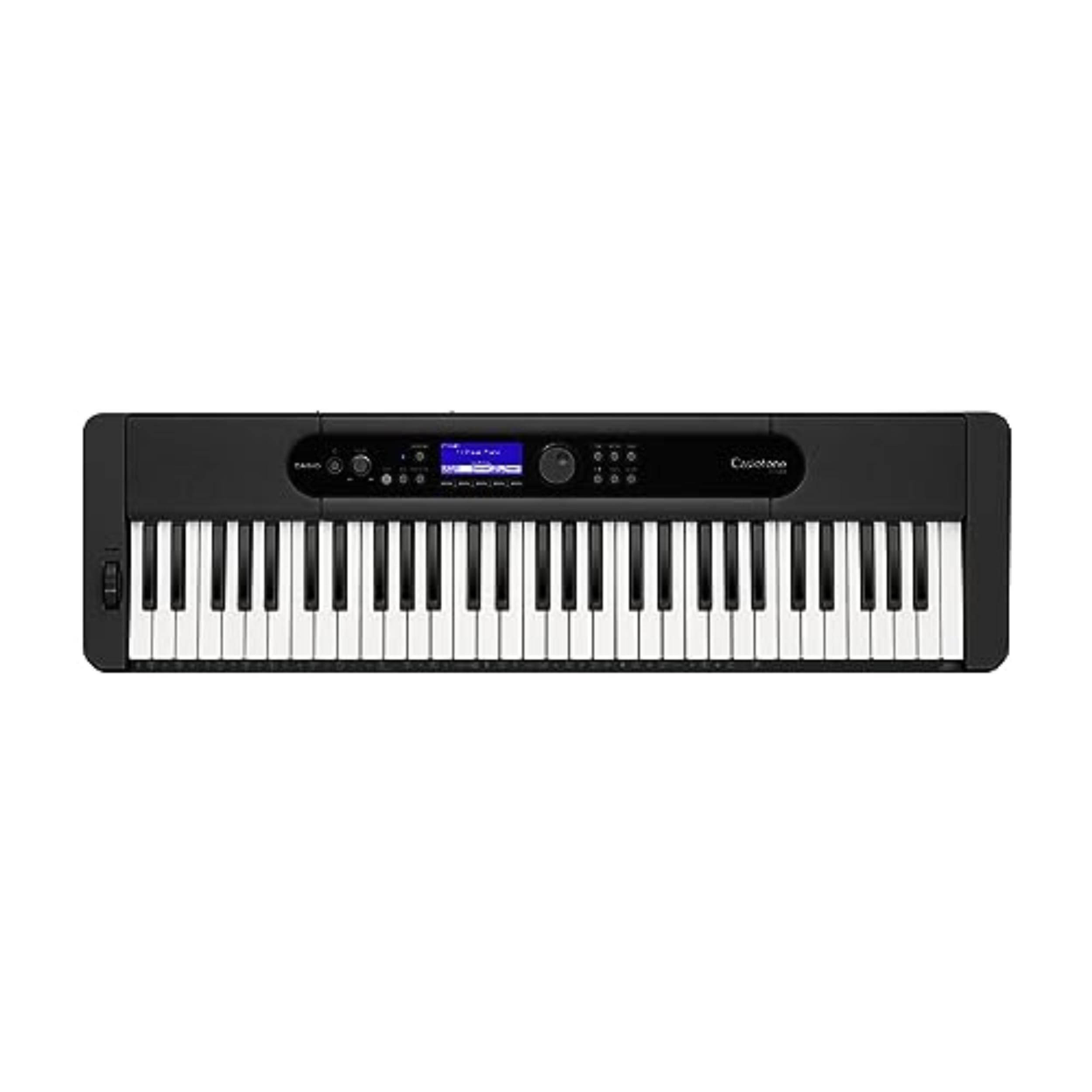
Compact and fun for casual starters, with dance music modes to keep practice exciting. Keys are touch-sensitive and responsive, plus app integration for free lessons. Battery-powered for anywhere play.
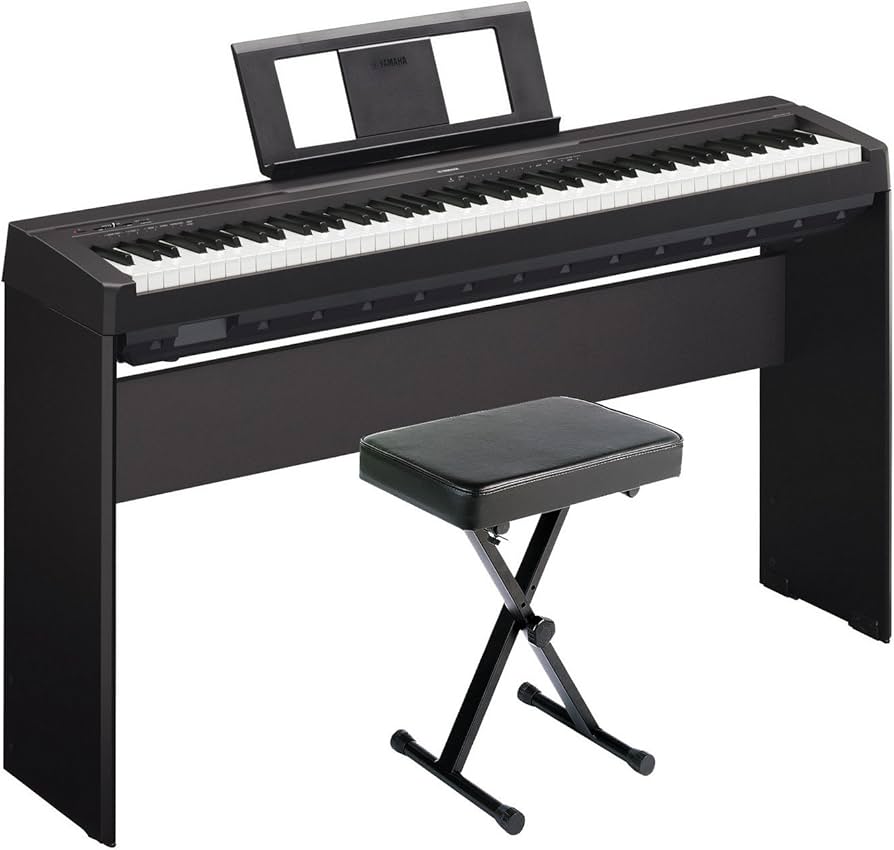
Premium feel with Graded Hammer Standard action that grows with you—realistic without intimidation. Pure CF sounds are inspiring, and simple interface keeps focus on playing. Built to last years.
✓ Beginner Pros
+Authentic piano action
+High-quality sounds
+Durable Yamaha build
+Dual headphone jacks
✗ Beginner Cons
-No built-in lessons
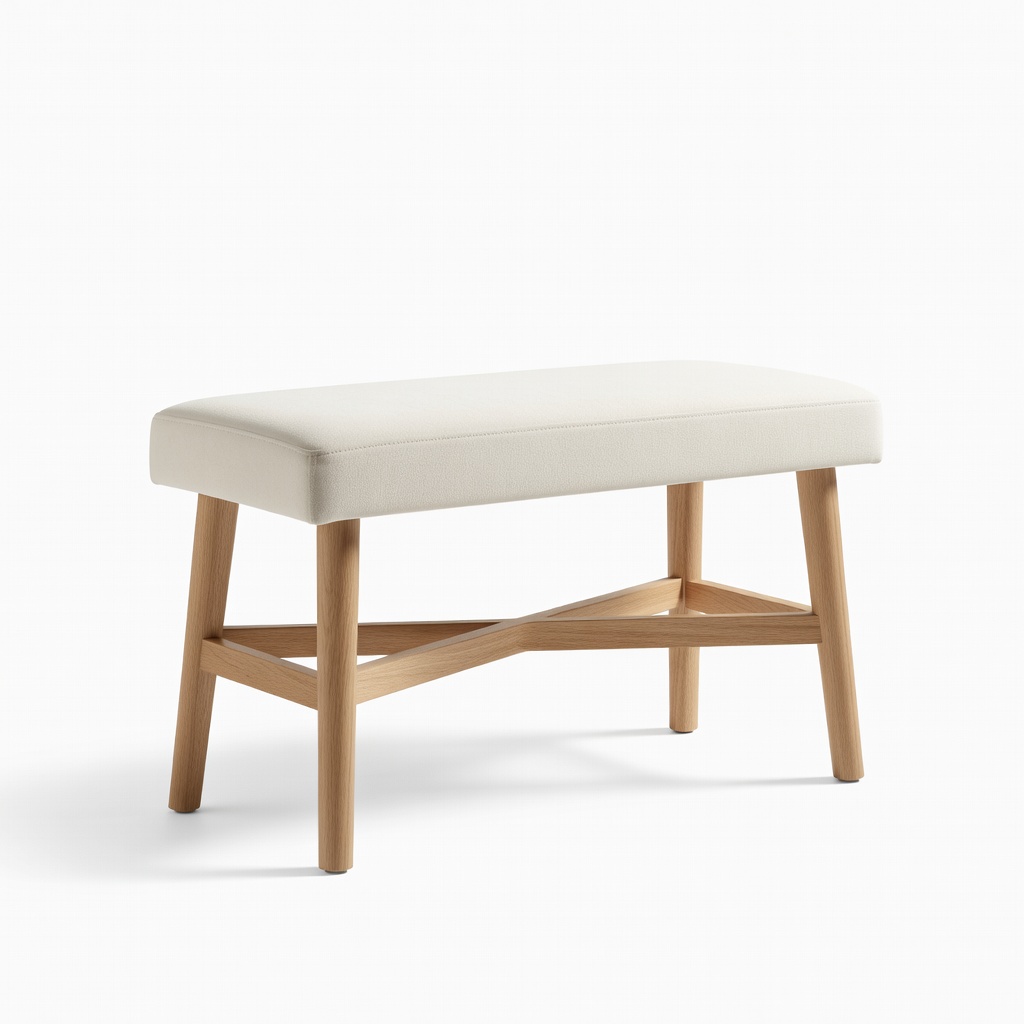
-Needs stand/bench extra
👍 Best for: Serious beginners committing to lessons
Piano keyboards are electronic pianos with plastic keys and digital sounds. Unlike acoustic pianos, they're affordable, portable, and have extras like rhythms. Types: Portable (61 keys, light, under $200—great starters), digital pianos (88 weighted keys, realistic feel, $200+), arranger (song backups, overwhelming for newbies).
Best for beginners: 88-key semi-weighted portables. They match full piano range, feel good without stiffness, and have 128+ realistic tones. Expect to play simple songs like 'Twinkle Twinkle' in days with lessons.
'Beginner-friendly' means plug-in-and-play: Auto power-on tunes, one-button demos, free apps. Avoid 'synths' (weird sounds) or toys (mini keys). Marketing like 'pro quality' often hides steep curves—check reviews for 'easy setup.' Realistic: You'll sound decent in weeks with 15-min daily practice.
🔧 Essential Accessories for Beginners
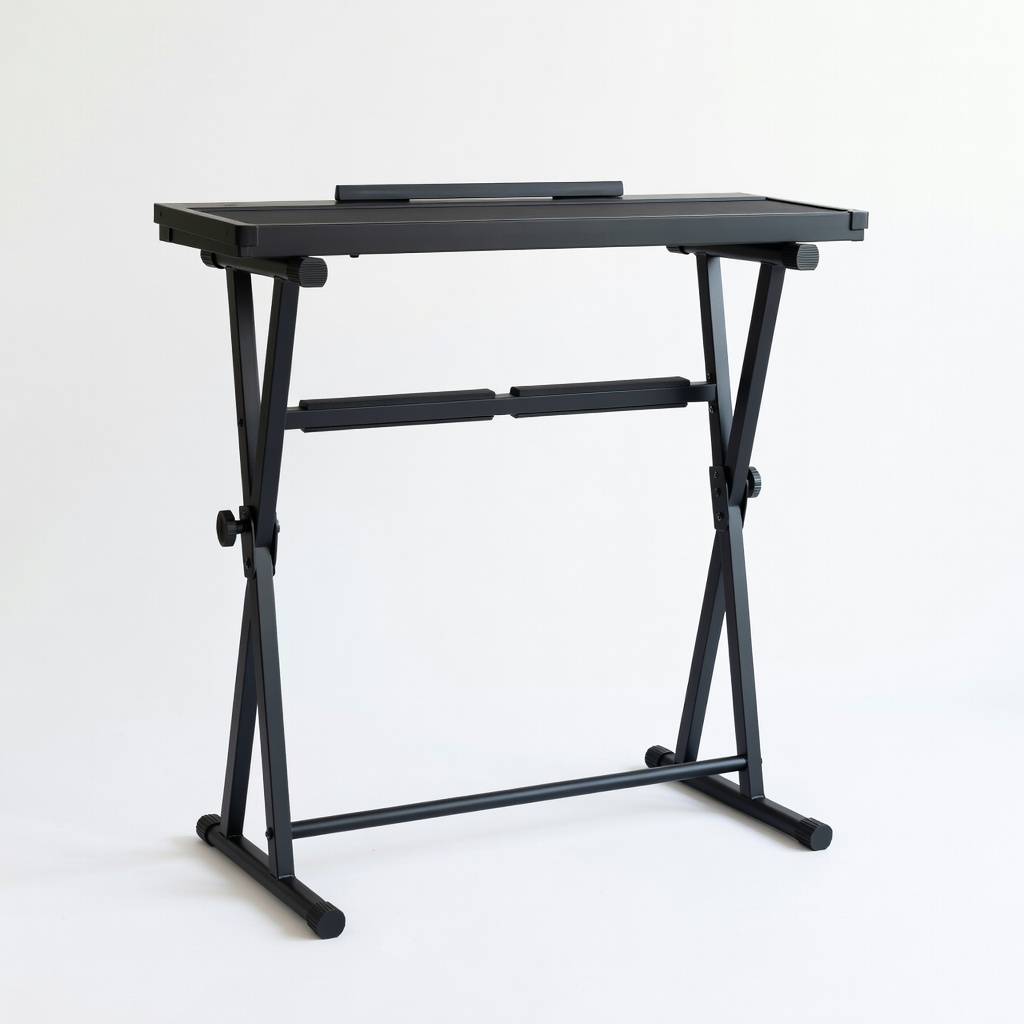
LKG Adjustable Piano Keyboard Stand
⚠️ Essential
$39.99
When to buy:
Day one
Beginners slump without proper height, hurting posture and play. This sturdy stand adjusts easily to fit anyone, making practice comfortable from day one.
Ask: Space? (Small room = portable.) Goals? (Fun = basic; serious lessons = weighted keys.) Budget? Time to practice?
Framework: 1) Keys: 61 min, 88 ideal. 2) Weight: Semi/full action. 3) Sound: 64+ polyphony (notes at once). 4) Extras: Lessons, USB for computer later. Budget under $150? Try portable. $150-300 sweet spot for growth. Premium $300+ if committed.
Scenarios: Kids/home—light with games. Adults lessons—weighted. Go budget to test interest; recommended for 1+ year use. Red flags: No returns, poor reviews on key feel, heavy without stand.
💰 Budget Guide for Beginners
500+
Pro entry: Console-style with bench— for dedicated beginners planning long-term.
150 - $300
Sweet spot: 88-key semi-weighted with lessons—best value, realistic play, lasts 1-2 years.
Entry level: Portable 61-key basics to dip toes—fun sounds, but limited range, upgrade soon.
⚠️ Common Beginner Mistakes to Avoid
Beginners chase 'cheap' Amazon deals, getting buzzy toys that sound awful and have tiny keys, killing motivation (seen in 1000s of 1-star reviews). Or splurge on $800 Yamahas with features like vocoders they never use.
Skipping stand/bench causes slouching; no headphones disturbs housemates. Avoid by sticking to 150-300 sweet spot, must-have lists. Experienced players say: Start simple, upgrade happy—don't skip posture basics or you'll regret.
×Buying under $100 toys with mini keys—frustrating for real songs.
×Skipping stand/bench—bad posture leads to pain and quitting.
×Overbuying pro models with apps/effects—steep curve.
×Forgetting headphones—no quiet practice option.
×Not checking weight—can't move it alone.
×Missing lessons feature—hard to self-teach.
📈 Your Progression Path: Beginner to Intermediate
Start with 15-min daily basics: Posture, C scale, simple songs via built-in lessons. Week 1-4: Finger strength, chords. Month 2+: Read music, improvise.
Outgrow beginner gear when craving better action (keys too light), more voices, recording. Signs: Lessons advancing, playing 30+ min daily, wanting stage use (6-12 months typical). Upgrade to full weighted + stand first, then 76-key portable.
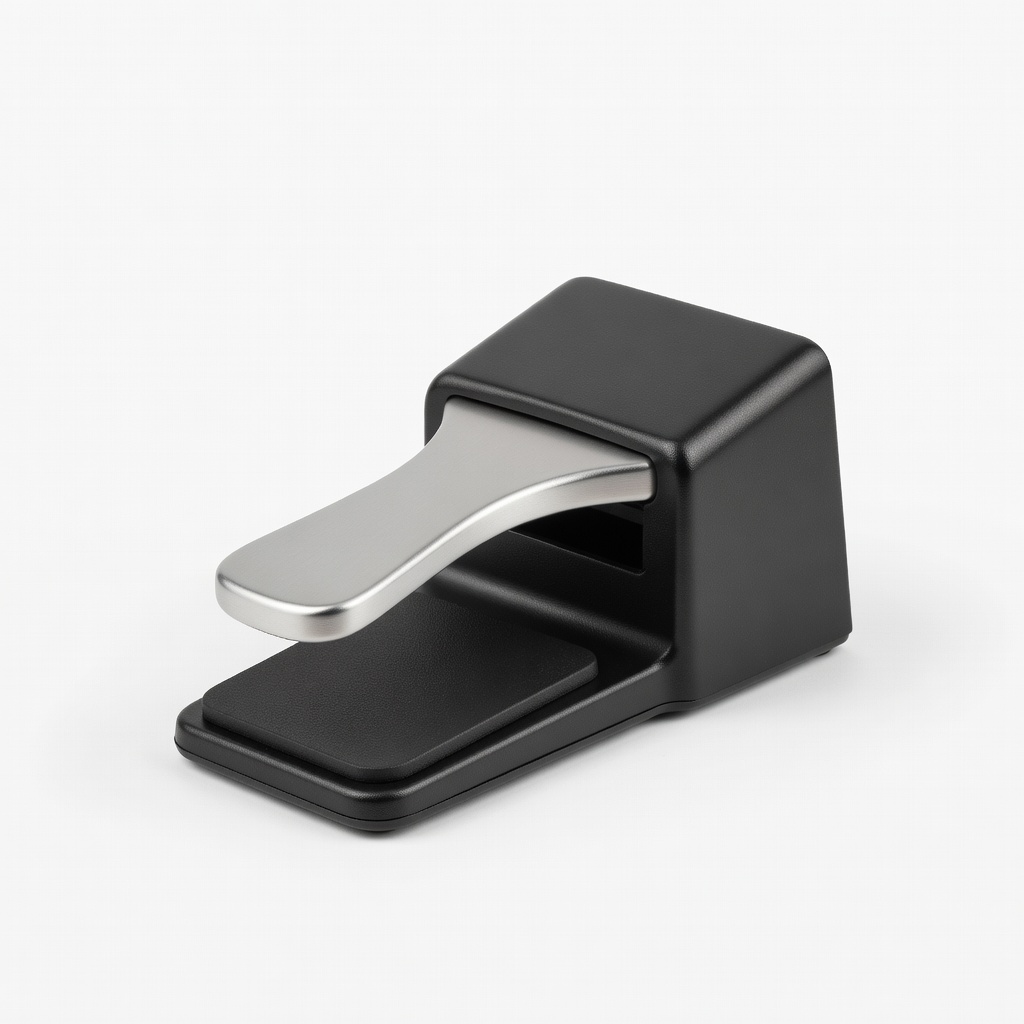
Intermediate: MIDI software, pedals, sheet music. Stay beginner 3-6 months; practice consistently grows you fast.
📚 Learning Resources for Beginners
📖Alfred's Basic Adult Piano Course, Level 1 (B0002Y5W5M) - Step-by-step book with CD.
📖Hal Leonard Adult Piano Method Book 1 (B0002E2X1Q) - Fun songs, audio online.
📖Piano for Dummies Book + CD (B07G4J6Z3P) - Beginner overview, no music theory needed.
📖Simply Piano App (via keyboard USB) - Interactive lessons, but pair with book.
📖Keyboard Chord Chart Poster (B08L3Y5N2Q) - Visual aid for chords at-a-glance.
📖Beginner Piano Songbook (B09B2K5L3M) - 50 easy pop/classical tunes.
🎯 Bottom Line: Our Recommendations
For most beginners, the Alesis Recital (B08N5WRWNW) is the best overall—balanced features, lessons, and value to start strong.
Budget pick: Donner DEP-10 (B07XJ8C9GQ) for testing waters. Premium: Yamaha P-45 (B09HHL5W5M) if serious. Grab stand (B07Z8G5N3P), bench (B08J4K2M7Q), and headphones (B07P5T5R9S) day one.
You're ready! Order, set up, play 10 min today. Piano is forgiving—mistakes are part of fun. In weeks, you'll amaze yourself. Next: Download app, find YouTube basics.
❓ Frequently Asked Questions
The Alesis Recital 88-Key (B08N5WRWNW) for most—easy lessons, realistic keys, great value at $230. Budget: Donner DEP-10 (B07XJ8C9GQ).
$150-300 sweet spot for 88 keys, lessons, growth room. Under $150 tests interest; $300+ for premium feel.