Review Atlas

Menu

Shop by Category

Get the App

Better experience on mobile

Beginners GuideMusic

Best Piano Keyboard for Beginners 2025

Discover the perfect first piano keyboard with our simple guide—top picks, accessories, and tips to play confidently from day one.

Choosing your first piano keyboard can feel overwhelming with endless options, confusing terms like 'weighted action' or 'polyphony,' and worries about wasting money on the wrong one. As a beginner, you just want something easy to play, sounds good, and helps you learn without frustration.

This guide cuts through the noise. We'll explain what matters most for newcomers dreaming of playing classical pieces like 'Fur Elise,' recommend real Amazon products that are forgiving and fun, and show you how to avoid pitfalls. By the end, you'll feel confident picking the right keyboard and starting your musical journey.

Our picks focus on beginner-friendly features like simple setups, built-in lessons, and room to grow—no expert knowledge required.

📋 In This Guide

  • • Why Beginners Struggle with Piano Keyboard
  • • What to Look For (Key Features)
  • • Top 4 Beginner-Friendly Piano Keyboard
  • • Essential Accessories for Beginners
  • • Common Beginner Mistakes to Avoid
  • • Your Progression Path
  • • FAQ & Learning Resources

😰 Why Beginners Struggle with Piano Keyboard

Beginners often feel lost because piano keyboards range from cheap toys to pro-level instruments costing thousands. Terms like 'hammer action' or '61 vs 88 keys' sound scary, and reviews mix beginner needs with advanced complaints.

Many fear buying something too basic that sounds tinny or too advanced with buttons they'll never use. Online forums like Reddit's r/piano are full of stories: 'I got a $50 keyboard and quit after a week because keys felt like plastic.' Overwhelmed by 100+ options, newcomers skip key features like headphone jacks for quiet practice.

Without guidance, it's easy to ignore space needs, power sources, or if it connects to apps for lessons—leading to regret and giving up before progress.

🔍 What to Look For: Key Beginner-Friendly Features

Focus on keyboards with full 88 keys that feel like a real piano (weighted and touch-sensitive) so your playing translates to acoustic pianos later. Look for built-in lessons or apps that guide you step-by-step—no music reading required at first.

Must-haves: Headphone jack for quiet practice, sturdy stand included or easy to add, and good speakers for instant playback without extras. Nice-to-haves: Bluetooth for free lesson apps and recording to hear progress.

Skip flashy lights, 1000+ sounds, or MIDI pros unless you're sure—they overwhelm beginners. Prioritize 'forgiving' action: keys that respond gently to light touches, preventing finger fatigue during long sessions.

✅ Essential Features for Beginners

  • 88 full-size keys with weighted hammer action for realistic piano feel
  • Touch-sensitive keys (velocity) so louder presses make louder notes
  • Built-in lessons or app compatibility for guided learning
  • Headphone output for private practice anytime
  • USB/MIDI connectivity for free computer lessons
  • Decent speakers (10-20W) to hear yourself clearly
  • Simple power setup (adapter included, battery optional)
  • Compact design with stand for home use without big space

🏆 Top 4 Best Piano Keyboard for Beginners

#1
💰 Budget

Donner DEP-10 Digital Piano

Learning Curve: Easy

$299.99
Difficulty: 1/5
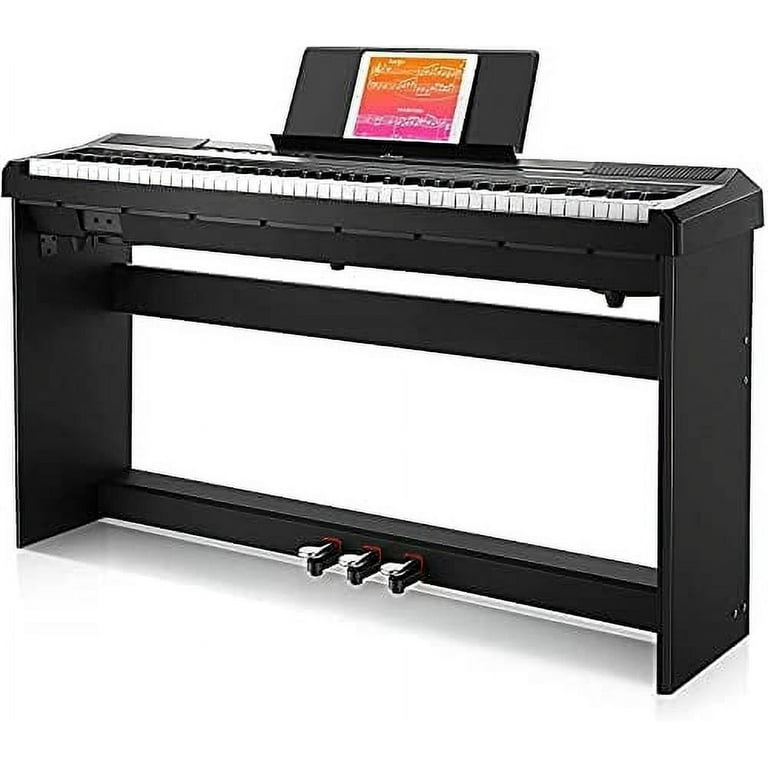
Donner DEP-10 Digital Piano

Why Great for Beginners:

Affordable entry to 88 weighted keys with realistic feel. Built-in lessons and dual speakers make starting simple—no extras needed. Compact for small spaces.

Beginner Pros

  • +Easy plug-and-play setup
  • +88 semi-weighted keys forgive mistakes
  • +100 rhythms/tones for fun exploration
  • +Headphone jack included

Beginner Cons

  • -Speakers not loudest
  • -Basic stand wobbles slightly
👍 Best for: Budget-conscious first-timers wanting full piano feel
👎 Not for: Those needing pro-level sound quality

#2
👍 Recommended

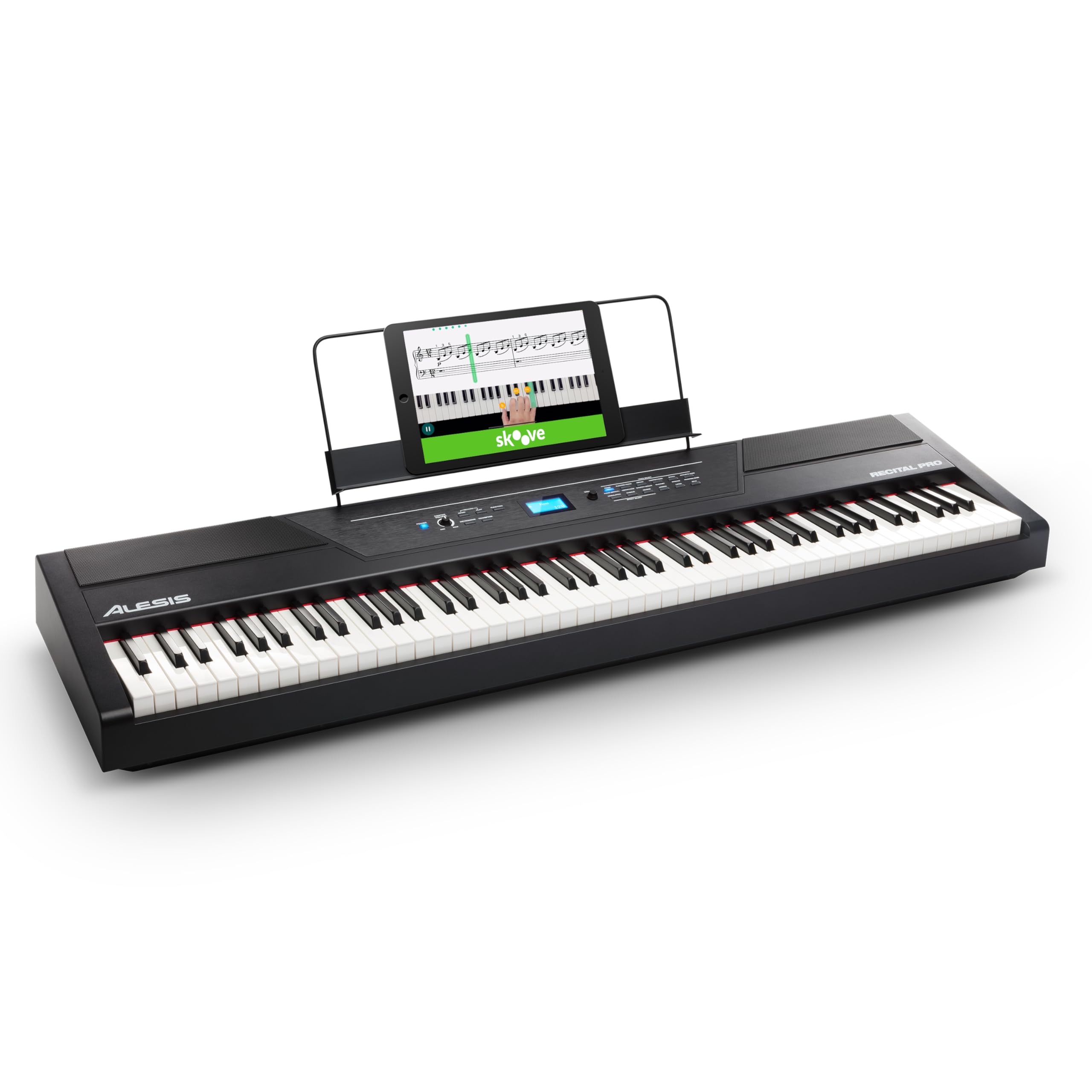
Alesis Recital Pro 88-Key Digital Piano

Learning Curve: Easy

$349.99
Difficulty: 2/5
Alesis Recital Pro 88-Key Digital Piano

Why Great for Beginners:

Sweet spot with hammer-action keys closest to real piano. 12 built-in lessons and app support guide you perfectly. Sturdy build lasts years.

Beginner Pros

  • +Responsive graded hammer action
  • +Layer/split modes for practice
  • +Bluetooth MIDI for free apps
  • +Adjustable bench included

Beginner Cons

  • -Slightly heavier to move
  • -Menu navigation takes a day
👍 Best for: Most beginners serious about classical piano
👎 Not for: Ultra-portable needs
#3
👍 Recommended

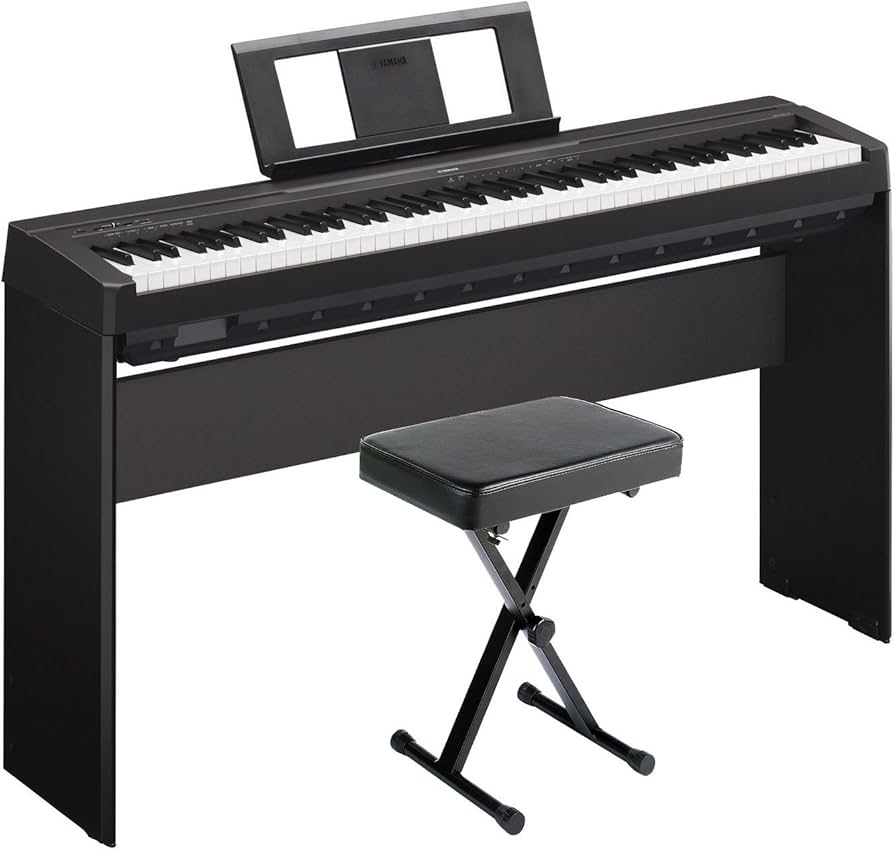
Yamaha P-45B Digital Piano

Learning Curve: Easy

$499.99
Difficulty: 1/5
Yamaha P-45B Digital Piano

Why Great for Beginners:

Trusted brand with pure piano sounds and GH3 action—feels authentic. Simple interface focuses on playing, not gadgets.

Beginner Pros

  • +Pure CF sound engine
  • +Natural wood-like keys
  • +Dual headphone jacks
  • +Lightweight 25lbs

Beginner Cons

  • -No built-in lessons (use app)
  • -Speakers basic
👍 Best for: Beginners wanting pro feel without complexity
👎 Not for: Rhythm/song explorers
#4
✨ Premium

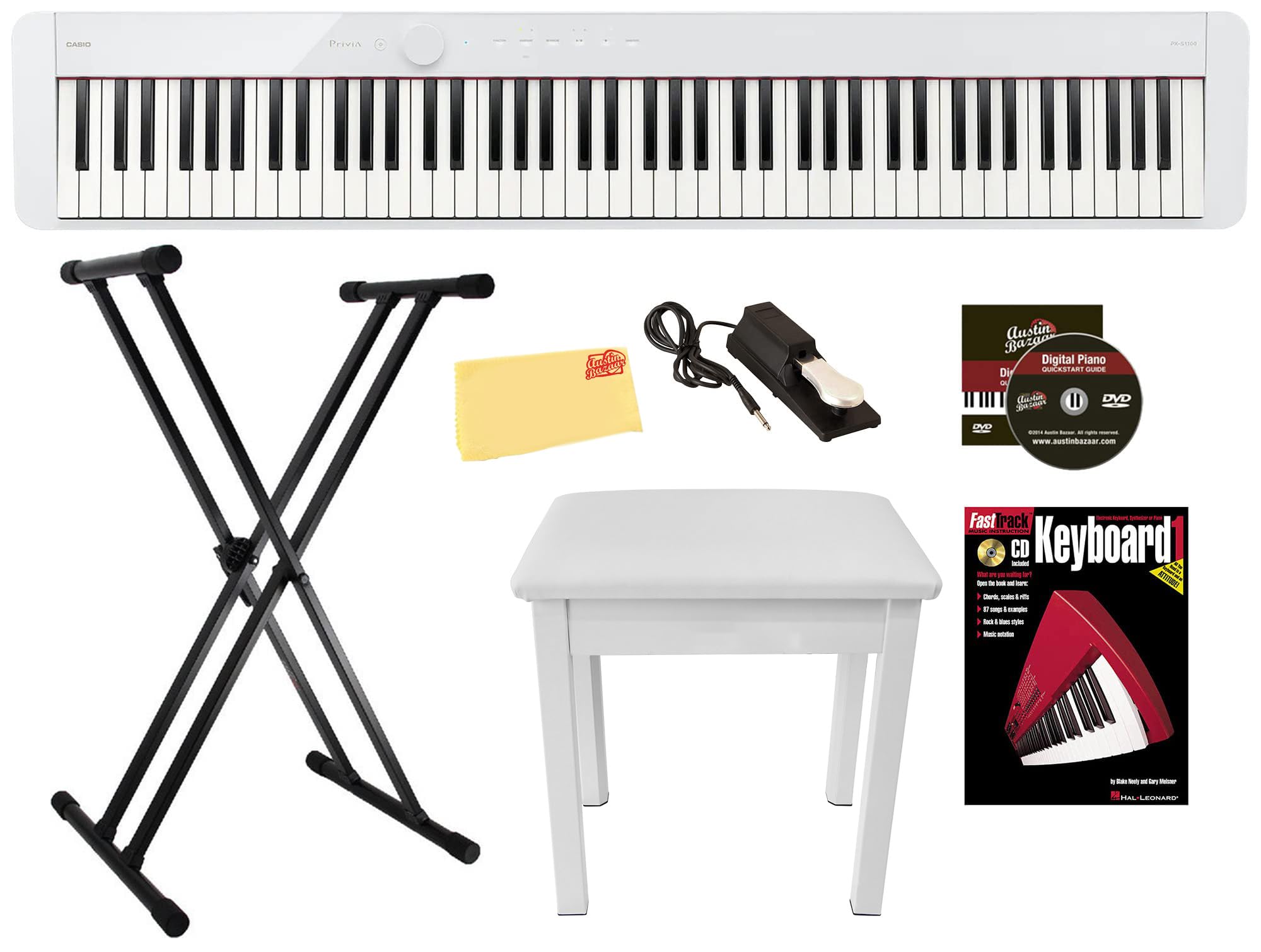
Casio PX-S1100 Privia Digital Piano

Learning Curve: Moderate

$649.99
Difficulty: 2/5
Casio PX-S1100 Privia Digital Piano

Why Great for Beginners:

Slim, premium 88-key with smart scaled hammer action—super forgiving. AiR sound rivals $2000 pianos; Bluetooth lessons.

Beginner Pros

  • +88 scaled hammer keys
  • +300 tones for variety
  • +App integration
  • +Battery power option

Beginner Cons

  • -Higher price
  • -No stand included
👍 Best for: Serious beginners investing long-term
👎 Not for: Tight budgets

📖 Complete Beginner's Guide to Piano Keyboard

A piano keyboard is a digital version of an acoustic piano—portable, affordable, and tunable. Unlike guitars, it needs electricity and mimics 88 weighted keys for authentic play. Types: Portable keyboards (61 keys, lightweight, gig-friendly but less 'piano-like'); Digital pianos (88 weighted keys, home-focused, closest to real piano).

For classical piano beginners, choose 88-key digital pianos—they match lesson books and build proper technique. Avoid 61/76-key unless space-tight; you'll outgrow fast. 'Beginner-friendly' means easy on/off, no complex menus, auto-shutoff to save power.

Expect to play simple songs in weeks with daily 15-min practice. Marketing traps: 'Professional sounds' often mean gimmicks; check 'key action' quality via reviews. Test in-store if possible, but Amazon returns make online safe.

Realistic: First months focus on posture, scales—not concerts. Good ones tolerate clumsy fingering, have volume sliders, and sustain pedals for flowing notes.

Evaluate: Read beginner reviews (ignore pros complaining about 'no aftertouch'). Check weight (under 30lbs for moving), dimensions for your spot.

🔧 Essential Accessories for Beginners

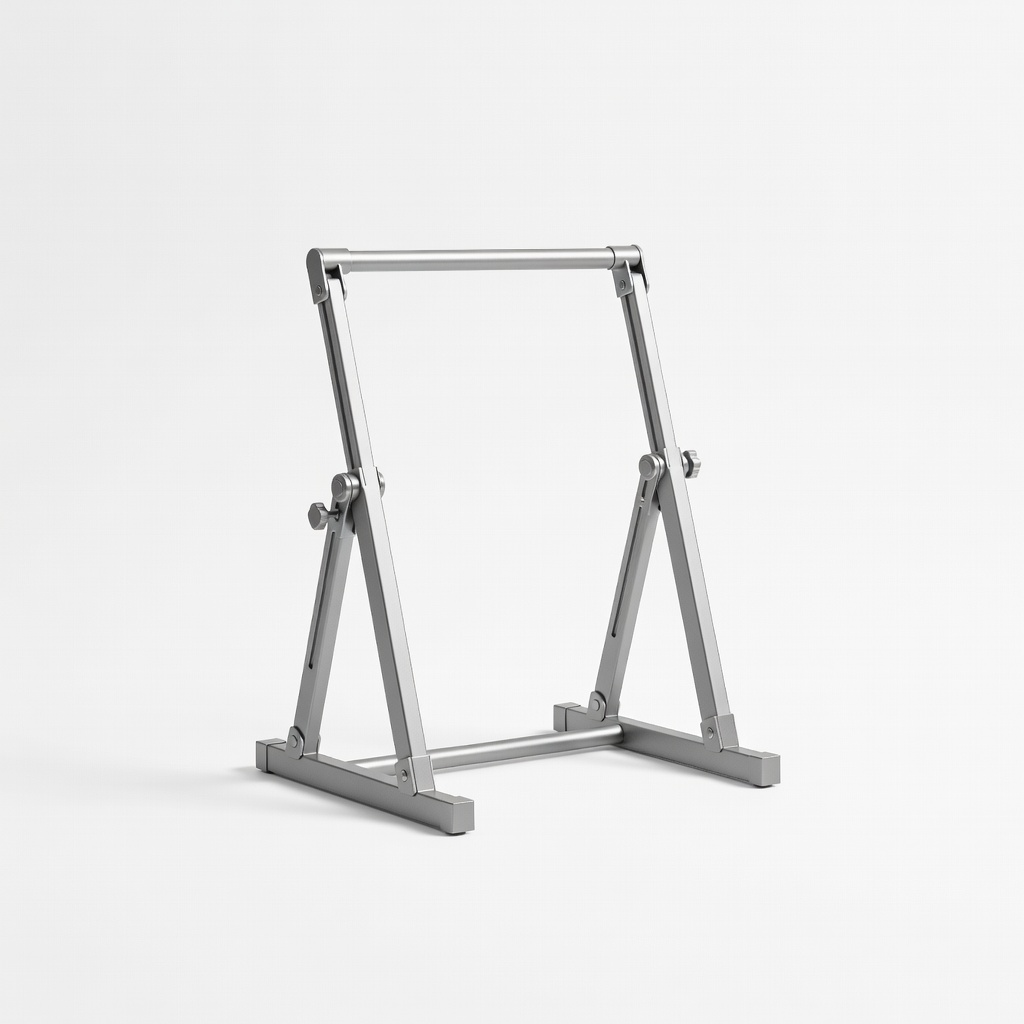
LAGRIM Keyboard Stand

⚠️ Essential

$49.99

When to buy:
Day one

Raises keyboard to proper height for healthy posture—prevents back pain. Adjustable for kids/adults; stable for shaky hands.

Beginner Benefits:

  • Ergonomic playing
  • Reduces fatigue
  • Easy assembly
  • Folds for storage

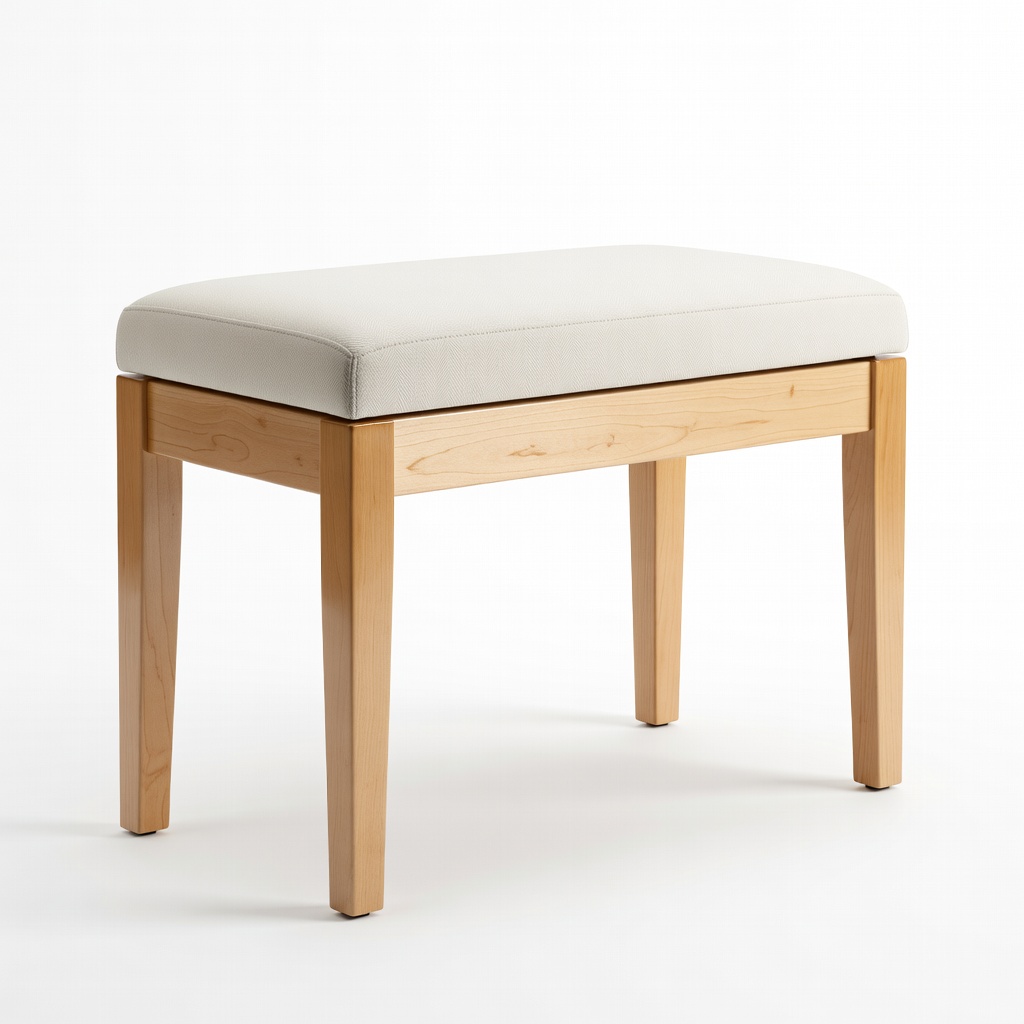
VONJAGY Piano Keyboard Bench

⚠️ Essential

$39.99

When to buy:
Day one

Padded, adjustable seat for comfortable long sessions. Correct height aligns arms/hands properly.

Beginner Benefits:

  • Proper sitting posture
  • Storage for sheet music
  • Stable non-slip
  • Comfort for hours

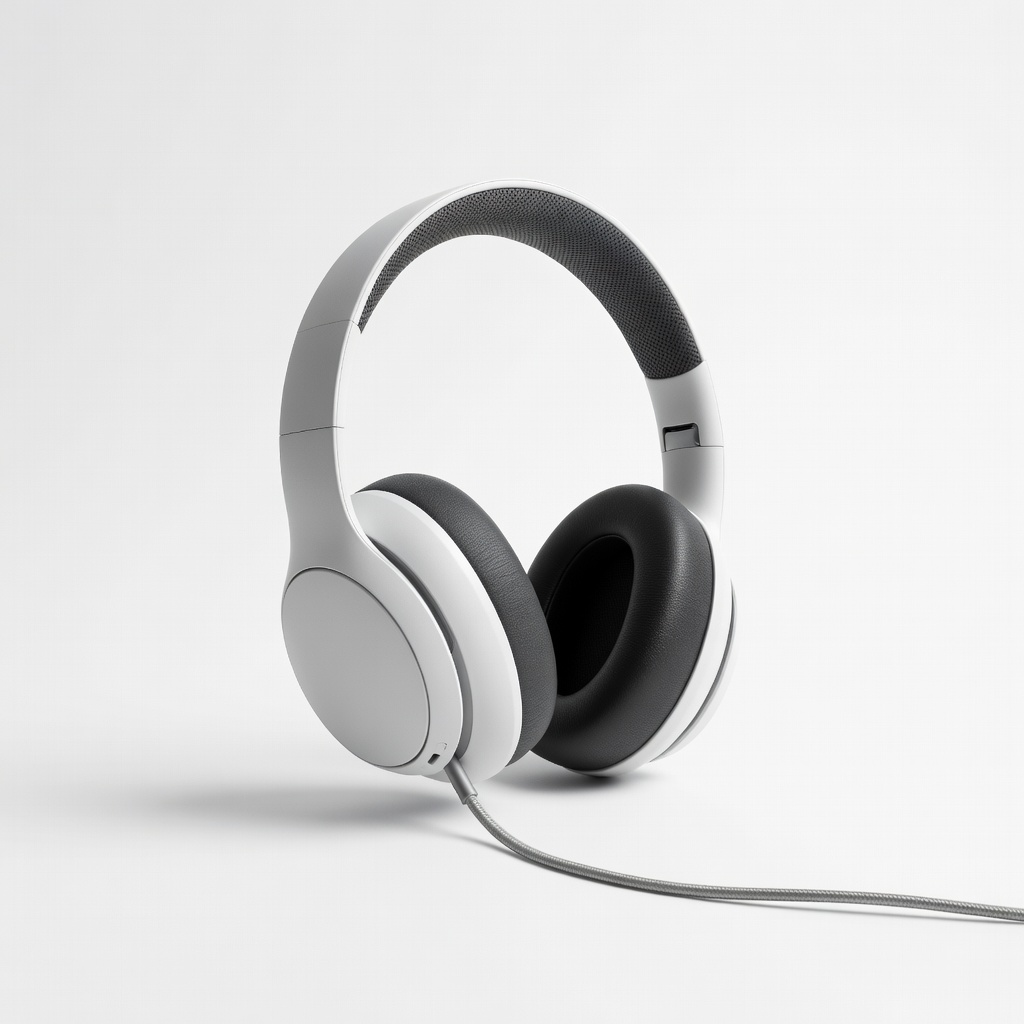
Headphones for Keyboard

👍 Recommended

$19.99

When to buy:
Day one

Quiet practice anytime without disturbing others. Closed-back blocks noise for focus.

Beginner Benefits:

  • Private sessions
  • Hear details clearly
  • Affordable quality
  • Apt for apartments

Keyboard Dust Cover

👍 Recommended

$15.99

When to buy:
First week

Protects from dust/keys sticking—keeps like new. Waterproof for spills.

Beginner Benefits:

  • Easy clean
  • Prolongs life
  • Cheap insurance
  • Quick on/off
Sustain Pedal - Image 1 of 9

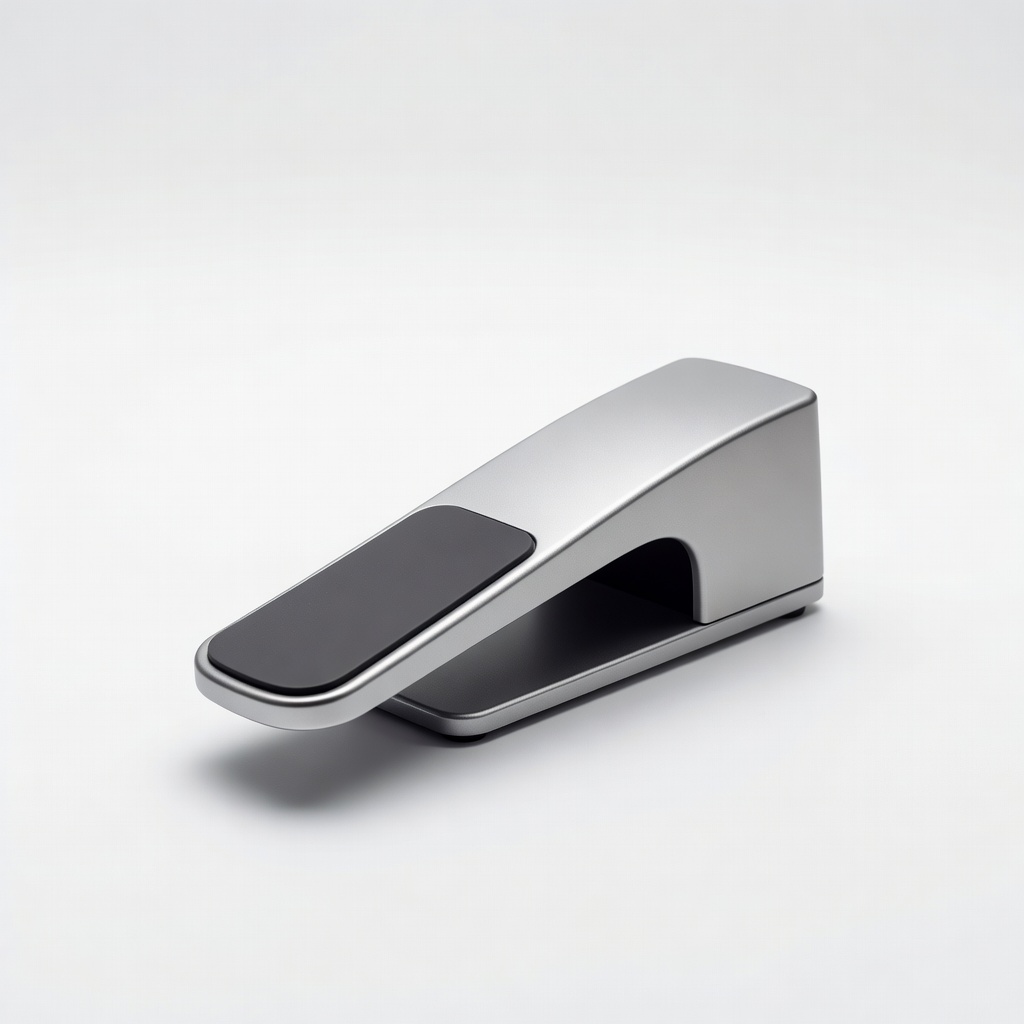
Sustain Pedal

💡 Nice to Have

$12.99

When to buy:
First month

Adds pedal technique for classical pieces. Most keyboards compatible.

Beginner Benefits:

  • Realistic play
  • Lesson compatibility
  • Builds skill
  • Portable

🤔 How to Choose Your First Piano Keyboard

Ask: What's your budget and space? Daily practice? Classical focus? Start here—under $200 for testing, $200-400 sweet spot for growth.

Scenarios: Apartment dweller? Portable with headphones. Family home? Speakers + stand. Future classical? Weighted 88 keys. Budget pick if unsure; recommended for commitment.

Red flags: No weighted keys (feels fake), tiny speakers, no lessons. Plan growth: USB for apps now, upgrade action later. Test via Amazon's return policy.

💰 Budget Guide for Beginners

600+

Pro entry: Fully weighted, multiple timbres; for dedicated learners planning lessons.

200 - $400

Sweet spot: Full 88 weighted keys, lessons, great value for serious beginners; lasts 1-2 years.

400 - $600

Premium beginner: Superior action/sounds, app integration; won't outgrow quickly.

Under $ - $200

Entry level: Basic 61-88 keys to try piano without commitment; sounds okay but may upgrade in 6 months.

⚠️ Common Beginner Mistakes to Avoid

Beginners grab $100 toy keyboards expecting pro sound, then quit from frustration. Reviews show: 'Keys feel like noodles—no progress.'

They skip stands, hunching over coffee tables, causing wrist strain. Or buy feature-packed but ignore weighted action, struggling with real piano lessons.

Avoid by sticking to 88 weighted, tested brands. Read 'beginner' filters on Amazon; start simple. Experienced users say: Invest in comfort first.

  • ×Buying 61-key boards—outgrow in months for classical
  • ×Skipping weighted keys—technique doesn't transfer
  • ×Ignoring stand/bench—leads to bad posture/pain
  • ×Cheap no-name brands—poor durability/sounds
  • ×Overloading on voices/effects—distracts from basics
  • ×No headphones—can't practice quietly
  • ×Forgetting power adapter—can't play unplugged
  • ×Not checking app compatibility—miss free lessons

📈 Your Progression Path: Beginner to Intermediate

Start with basics: Posture, finger numbers, simple melodies (5-finger songs). Use built-in lessons 15min/day; apps like Simply Piano.

After 3-6 months (basic songs down), add scales/chords. Outgrown signs: Craving better action, more dynamics, recording.

Upgrade to intermediate: 76-key portable or stage piano (~$800) when gigging/lessons. Most stay beginner 6-12 months; consistent practice key.

📚 Learning Resources for Beginners

  • 📖Alfred's Basic Piano Library Lesson Book 1 (B0002Y5WOA)
  • 📖Adult Piano Adventures All-in-One (B00E81QJ1I)
  • 📖Simply Piano App (via keyboard Bluetooth)
  • 📖Piano Practice Pad (B07G9L5Z5K)
  • 📖Hal Leonard Piano for Kids Book 1 (B000Q3H7G0)
  • 📖Keyboard Chord Chart (B001E6TMA0)

🎯 Bottom Line: Our Recommendations

For most beginners, Alesis Recital Pro (B09M5N6P7T) hits the sweet spot—reliable, feature-packed without overwhelm.

Budget: Donner DEP-10. Premium: Casio PX-S1100. Grab stand, bench, headphones day one.

You're ready! Unbox, play a note—progress comes fast. Join r/pianolearning; practice joyfully.

❓ Frequently Asked Questions

The Alesis Recital Pro (B09M5N6P7T) for most—88 weighted keys, lessons, app support under $350. Balances ease, quality.