#1
💰 Budget
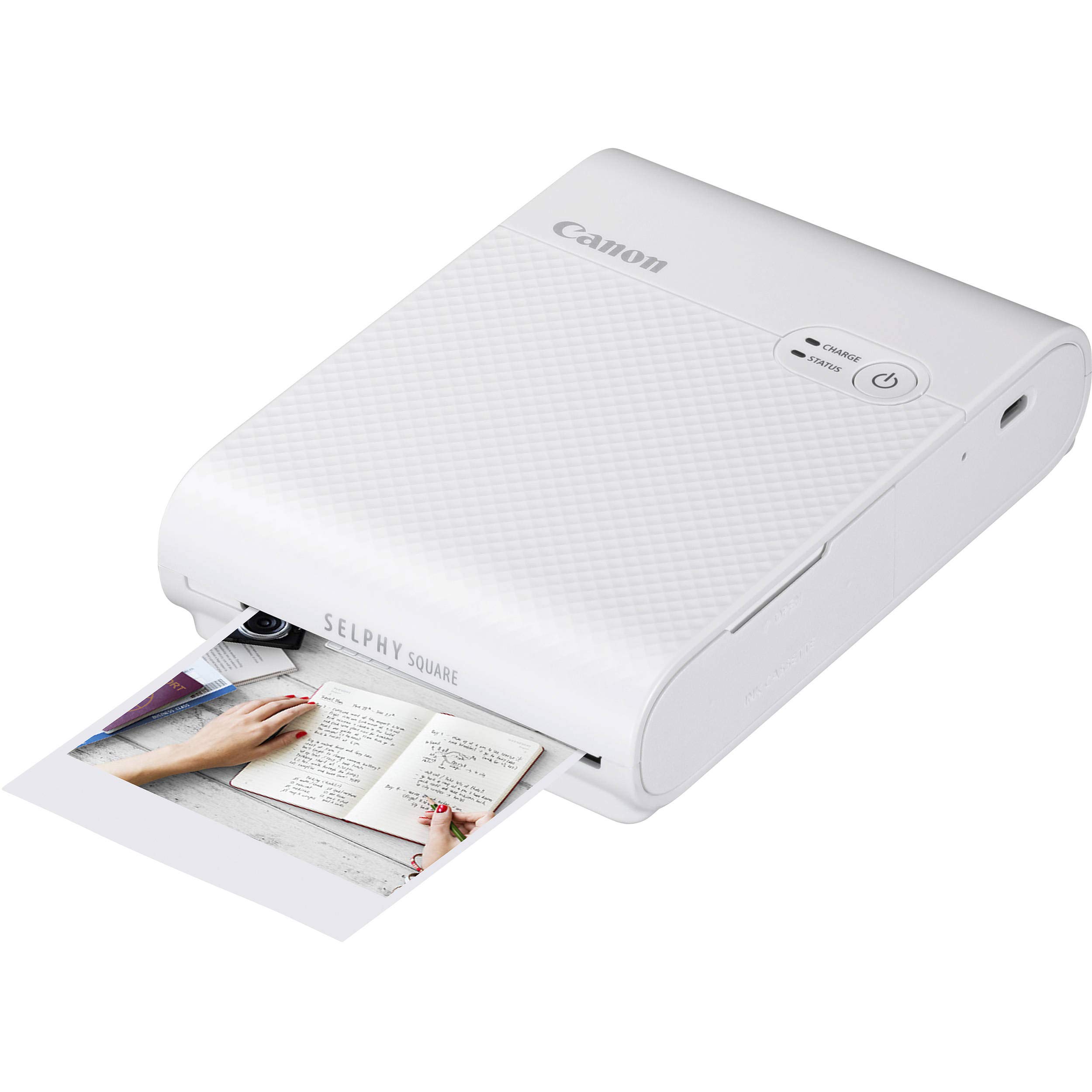
Canon IVY Mini Photo Printer - White
Learning Curve: Easy
$79.99
Difficulty: 1/5

Why Great for Beginners:
The Canon IVY is incredibly easy to use—just pair it with your phone via Bluetooth and print a 2x3 sticky photo in seconds. No ink cartridges to deal with, which eliminates a major hassle for beginners.
✓ Beginner Pros
- +Bluetooth pairing makes it a breeze to print from your phone
- +Pocket-sized so you can take it anywhere
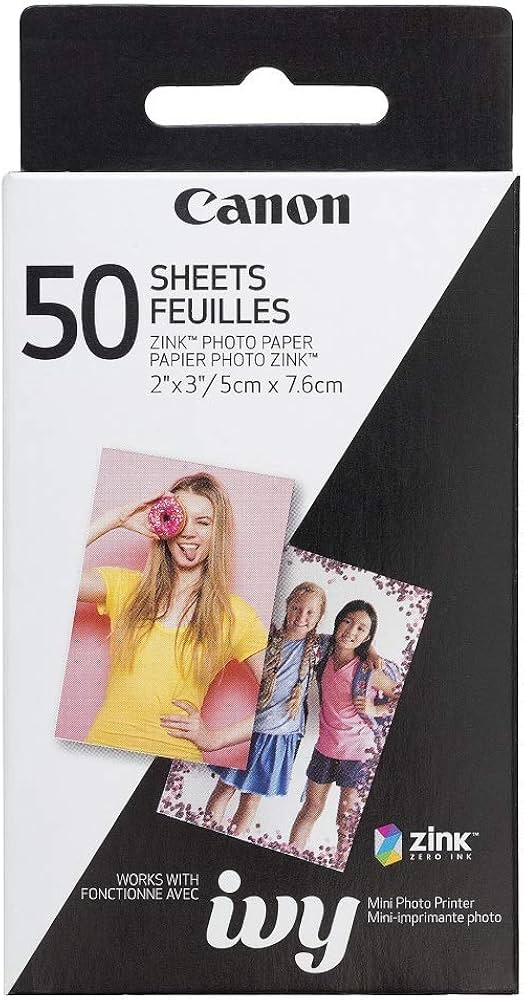
- +No ink cartridges needed—uses ZINK paper only
- +Fun sticky-back prints perfect for crafts and scrapbooks
- +Companion app is simple and guided
✗ Beginner Cons
- -Small 2x3 prints are not suitable for framing
- -Higher cost per print compared to dye-sub printers
- -ZINK paper can only be bought from Canon (proprietary)
👍 Best for: Beginners who want a fun, instant, pocket-size printer for phone photos and casual projects.
👎 Not for: Those who want frame-quality 4x6 prints or more serious photography results.