Discover the perfect first painting easel with our simple guide – no overwhelm, just confident choices for oil and acrylic beginners.
Picking your first painting easel can feel scary – too many types, prices, and confusing terms. As a beginner working with oil or acrylic paints, you worry about stability for wet canvases, easy setup, and not wasting money on something flimsy. This guide cuts through the noise.
We'll explain why easels matter for beginners, what simple features to prioritize, and our top Amazon picks that are forgiving and easy to use. No jargon, just straightforward advice to get you painting happily from day one.
By the end, you'll know exactly which easel fits your space and budget, plus accessories and tips to avoid newbie pitfalls. Let's build your confidence and get those brushes moving!
📋 In This Guide
• Why Beginners Struggle with Painting Easel
• What to Look For (Key Features)
• Top 4 Beginner-Friendly Painting Easel
• Essential Accessories for Beginners
• Common Beginner Mistakes to Avoid
• Your Progression Path
• FAQ & Learning Resources
😰 Why Beginners Struggle with Painting Easel
Beginners often feel lost with painting easels because options range from tiny tabletops to massive studio frames, and terms like 'H-frame' or 'tripod' sound technical. You might fear buying one that's wobbly for heavy wet acrylics or oils, collapsing mid-session and ruining your canvas.
Forums like Reddit's r/learnart show newbies frustrated by cheap easels that tip over or adjust poorly, leading to crooked paintings. Overwhelm hits when Amazon shows 1,000+ results – how do you know what's sturdy without experience?
The big fear? Wasting $50+ on the wrong one, especially if you're tight on space in a small apartment or just testing painting as a hobby.
🔍 What to Look For: Key Beginner-Friendly Features
Focus on easels that are stable, adjustable in height, and quick to set up – no tools needed. For oil/acrylic beginners, look for wide bases to handle wet canvas weight without tipping, and tilt adjustments for comfortable angles.
Must-haves: Lightweight for easy moving (under 10 lbs), holds canvases up to 24x36 inches, and folds flat for storage. Nice-to-haves: Shelf for paints, but skip fancy drawers or wheels yet.
Beginner-friendly easels forgive mistakes like uneven setup and have clear instructions. Avoid heavy wood monsters or tiny desk ones if you paint standing – match your space and style.
✅ Essential Features for Beginners
•Easy height adjustment with knobs (no wrench needed)
•Wide, stable base to prevent tipping with wet canvases
•Lightweight and foldable for quick storage
•Canvas holder clips or ledge that grips securely
•Tilt mechanism for comfortable upright or slanted painting
•Holds standard beginner canvases (up to 24x36 inches)
•Simple assembly under 10 minutes
🏆 Top 4 Best Painting Easel for Beginners
#1
💰 Budget
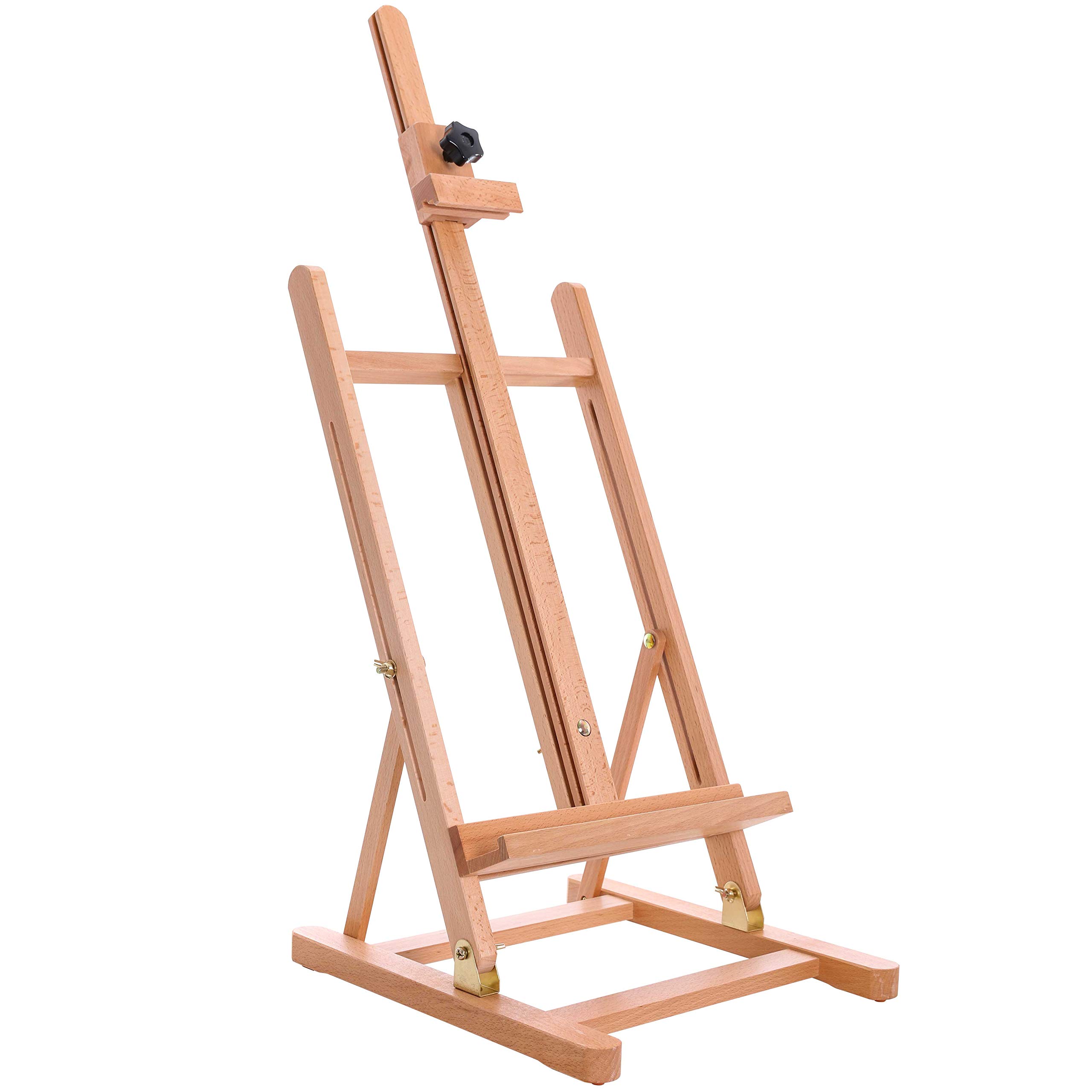
U.S. Art Supply 60" Wooden Artists Tabletop Studio Easel
Learning Curve: Easy
$29.99
Difficulty: 1/5
Why Great for Beginners:
This compact wooden easel sets up in seconds on any table, perfect for apartment dwellers starting with small oil/acrylic canvases. It's super forgiving with a sturdy ledge that holds 18x24 inch boards without slipping, and folds flat for storage.
Sunnyglade 51" H-Frame Easel, Artist Adjustable Painting Easel
Learning Curve: Easy
$39.99
Difficulty: 2/5
Why Great for Beginners:
Affordable standing easel with smooth height/tilt knobs that's stable for acrylic drips on 24x36 canvases. Beginners love how it adjusts 27-51 inches without tools, forgiving minor setup errors.
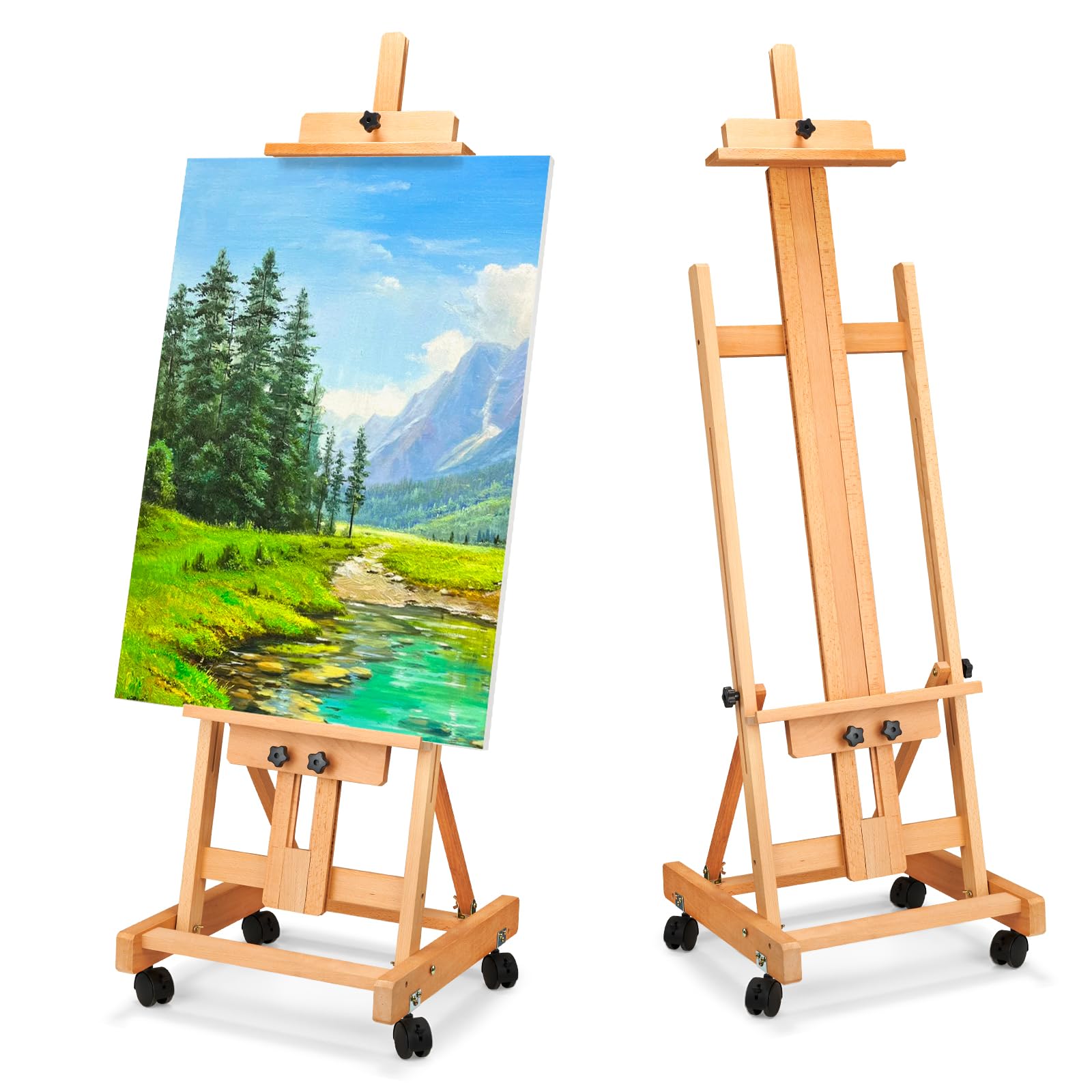
Premium wood build with pro stability for oils, but simple knobs make it newbie-proof. Holds up to 48x36 canvases steadily, with built-in drawer for supplies – grows with you seamlessly.
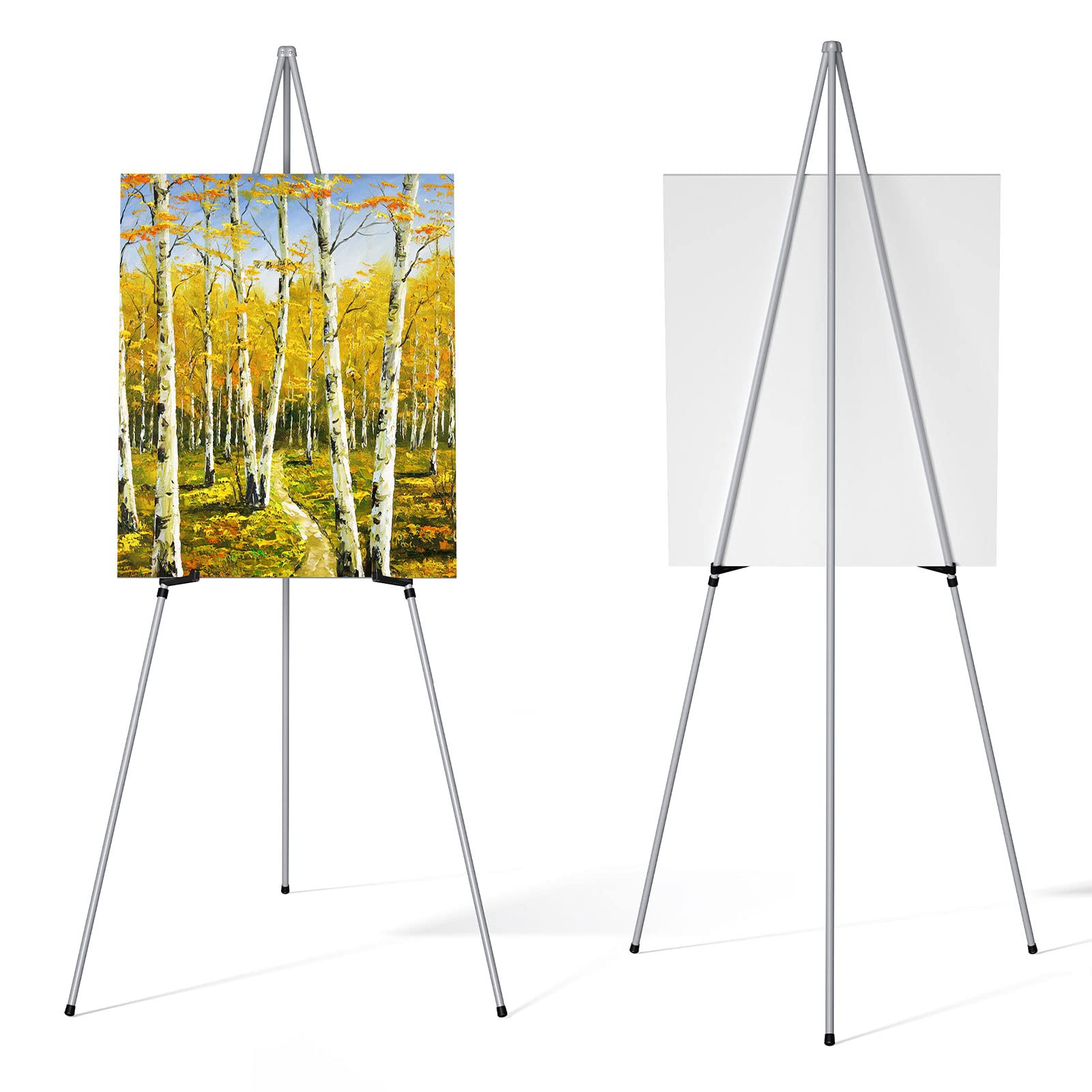
Alloy frame that's lightweight yet rock-solid for wet acrylics, with effortless one-hand adjustments. Perfect bridge to intermediate without feeling overwhelming.
A painting easel is just a stand that holds your canvas at the perfect angle so you can paint without hunching or straining. For oil and acrylic beginners, it keeps wet paint from smearing on tables and lets you step back to see your work.
Types include tabletop (small, desk-use), tripod (portable, three legs), French easel (all-in-one with storage), and H-frame/studio (tall, heavy-duty). Beginners love tripod or tabletop for simplicity – no assembly hassles, portable for apartments.
Tripods are best starters: stable for acrylic drips, adjustable 30-70 inches tall. Expect to paint 11x14 canvases comfortably at first; don't aim for huge murals yet. 'Beginner-friendly' means intuitive knobs, not pro-level tension screws.
Marketing like 'professional grade' often means overbuilt for newbies – stick to 'adjustable artist easel' labels. Test stability by checking reviews for 'doesn't wobble with 16x20 canvas'.
🔧 Essential Accessories for Beginners
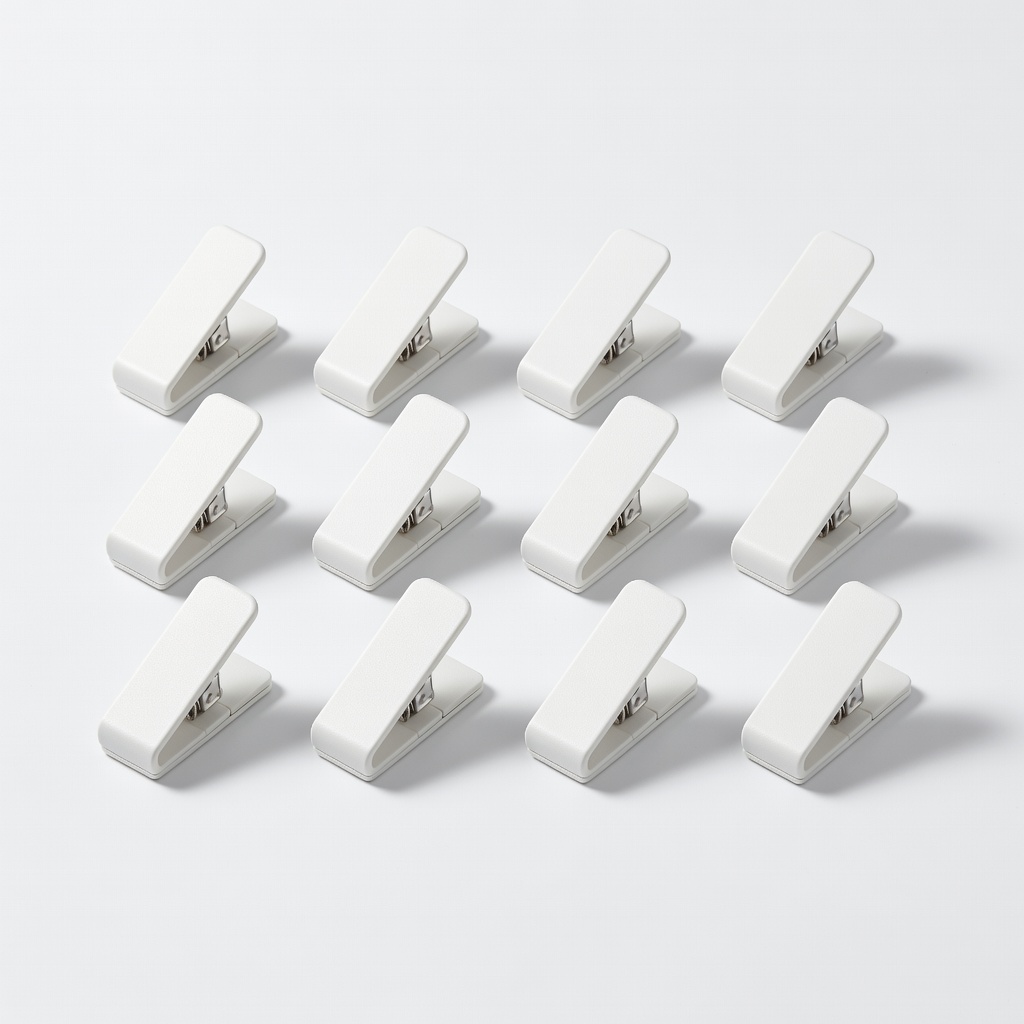
Ohuhu Canvas Clips 12 Pack
⚠️ Essential
$9.99
When to buy:
Day one
These spring clips grip canvases securely to any easel ledge, preventing slips during acrylic blending. Beginners drop paintings without them, saving frustration from day one.
Start with your space: table-only? Tabletop. Standing? Tripod/H-frame. Budget under $50? U.S. Art. $50+? Sunnyglade. Serious? MEEDEN. Test reviews for 'wobble-free'.
💰 Budget Guide for Beginners
300+
Pro entry – full studio frame for dedicated spaces, overkill for pure beginners
50 - $150
Sweet spot – stable alloy/wood for most beginners, handles oils/acrylics with room to grow
150 - $300
Premium beginner – heavy-duty with extras like shelves, won't outgrow for years
Under $ - $50
Entry level – lightweight tripod for trying painting, may wobble on larger canvases
⚠️ Common Beginner Mistakes to Avoid
Buying super-cheap plastic that collapses under paint weight; ignoring space – too tall for low ceilings; skipping assembly videos leading to frustration; choosing studio frames for apartments; not checking canvas size limits; forgetting tilt for angled work; overbuying 'pro' with complex gears.
×Picking too-cheap easel that tips with wet canvas
×Buying huge studio easel for small apartment
×Ignoring height adjustability for comfort
×Skipping canvas clips, causing slips
×Overlooking foldability for storage
×Choosing non-adjustable tilt
×Not reading setup reviews
📈 Your Progression Path: Beginner to Intermediate
Start with basic setups: practice holding canvas steady, adjusting angles for different strokes. Build skills 1-3 months on small canvases, focusing on stability.
Outgrow when painting larger (30+ inches) or outdoors often – upgrade to French easel with storage. Signs: Frequent wobbling, cramped posture, need portability.
Intermediate: 6-12 months in, move to H-frame for heavy oils. Learn incrementally: Week 1 setup mastery, Month 1 angle experiments, Year 1 custom mods.
📚 Learning Resources for Beginners
📖Painting for Beginners by Mark Willenbrink (ASIN B01N4QJ0Z0)
📖Acrylic Painting for Dummies (ASIN B07G9J2K3L)
📖The Acrylic Artist's Bible (ASIN B00A7Y5Z6A)
📖Oil Painting Starter Kit Book (ASIN B08J2K3L4M)
📖Beginner Artist Sketchbook (ASIN B09M5N6O7P)
🎯 Bottom Line: Our Recommendations
For most beginners, the Sunnyglade 51" H-Frame ($39.99) is the sweet spot – stable, adjustable, grows with you. Budget? U.S. Art tabletop. Premium? MEEDEN wood.
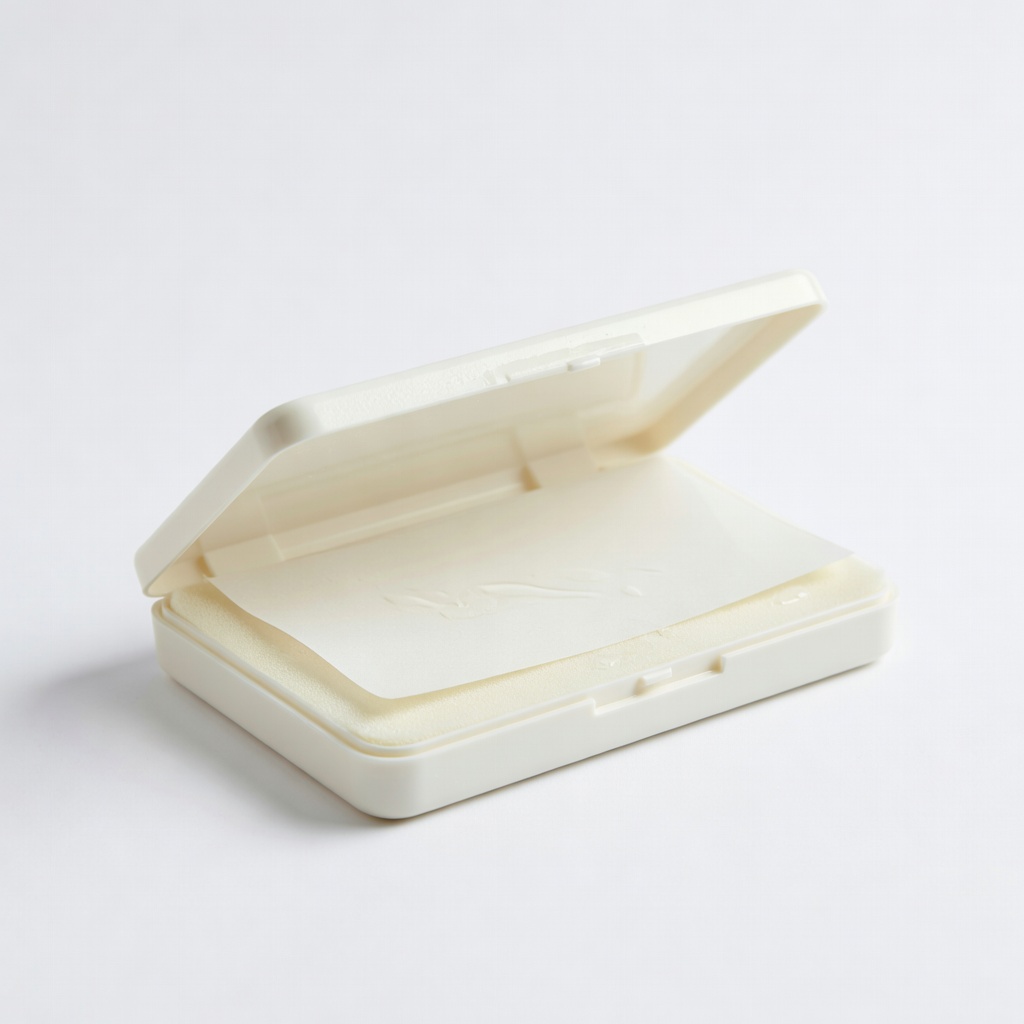
Grab canvas clips and Sta-Wet palette day one. You've got this – start small, paint messy, upgrade later. Order now on Amazon and canvas your first masterpiece!
Next: Set up, prime canvas, paint daily 20 mins. Confidence comes with use.
❓ Frequently Asked Questions
The Sunnyglade 51" H-Frame (B07W3X4Y5Z) – affordable, stable for oils/acrylics, easy adjust. Perfect balance of price and forgiveness.
$50-150 sweet spot for durable without overkill. Under $50 tests hobby; $150+ for serious starters.