Review Atlas
Review AtlasYour guide to a better purchase

Menu

Shop by Category

Get the App

Better experience on mobile

Beginners GuideSUP

Best Paddleboard for Beginners 2025

Discover the easiest paddleboards for total beginners, with top picks, accessories, and tips to paddle confidently on day one.

Choosing your first paddleboard can feel scary with so many options, confusing sizes, and worries about falling in or wasting money. Beginners often fear picking something too hard to use or unstable on the water. But paddleboarding (SUP) is one of the most relaxing water sports—you stand on a board and use a paddle to glide across calm lakes, rivers, or oceans.

This guide cuts through the confusion. We'll explain what really matters for beginners, recommend real Amazon products that are stable and forgiving, and show you how to avoid common pitfalls. By the end, you'll know exactly which paddleboard to buy and feel excited to hit the water.

📋 In This Guide

  • • Why Beginners Struggle with Paddleboard
  • • What to Look For (Key Features)
  • • Top 4 Beginner-Friendly Paddleboard
  • • Essential Accessories for Beginners
  • • Common Beginner Mistakes to Avoid
  • • Your Progression Path
  • • FAQ & Learning Resources

😰 Why Beginners Struggle with Paddleboard

New to paddleboarding? You're not alone in feeling overwhelmed. Beginners struggle with wobbly boards that tip easily, heavy hardboards hard to transport, and jargon like 'volume' or 'rocker' that means nothing without experience. Forums like Reddit's r/sup show newbies frustrated by buying cheap boards that deflate or narrow ones that dump them in the water.

Fear of the wrong purchase is huge—will it be too big for your car? Too small for stability? Endless Amazon pages with 100+ options paralyze decisions. Plus, without guidance, you might skip safety gear, leading to unsafe starts. The good news: beginner-friendly inflatable paddleboards solve most of these issues right away.

🔍 What to Look For: Key Beginner-Friendly Features

Focus on stability first—look for wide boards (32-34 inches), thick (4-6 inches), and 10-11 feet long for easy balance. Inflatable SUPs are best for beginners: lightweight, packable, and forgiving if you fall.

Must-haves: non-slip deck pad, multiple fins for tracking, and included pump/paddle. Nice-to-haves: backpack for carrying. Skip racing boards (narrow, fast but unstable) or touring ones (long, heavy). Beginner-friendly means durable PVC material that handles scrapes and easy inflation under 10 minutes.

Volume (board 'floatiness') should match your weight: 250-300 liters for 150-200 lb person. This keeps you stable without sinking.

✅ Essential Features for Beginners

  • Wide shape (32+ inches) for rock-solid stability so you don't tip easily
  • Inflatable design packs into a backpack, easy to carry and store
  • Thick construction (5-6 inches) for better float and forgiveness on waves
  • Non-slip deck pad to grip with bare feet, even when wet
  • Included adjustable paddle that grows with your skill
  • Multiple D-rings for leashes and accessories
  • Quick-inflate pump for setup in minutes

🏆 Top 4 Best Paddleboard for Beginners

#1
💰 Budget

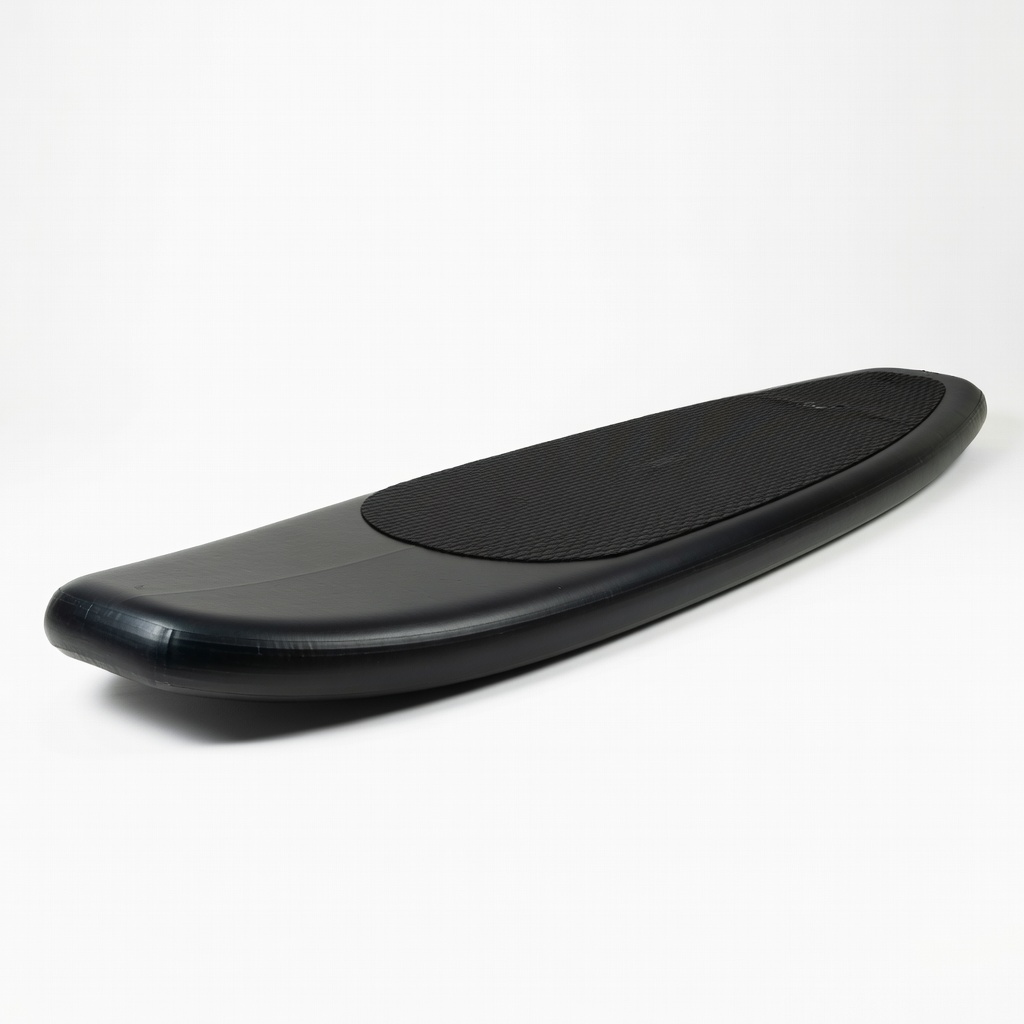
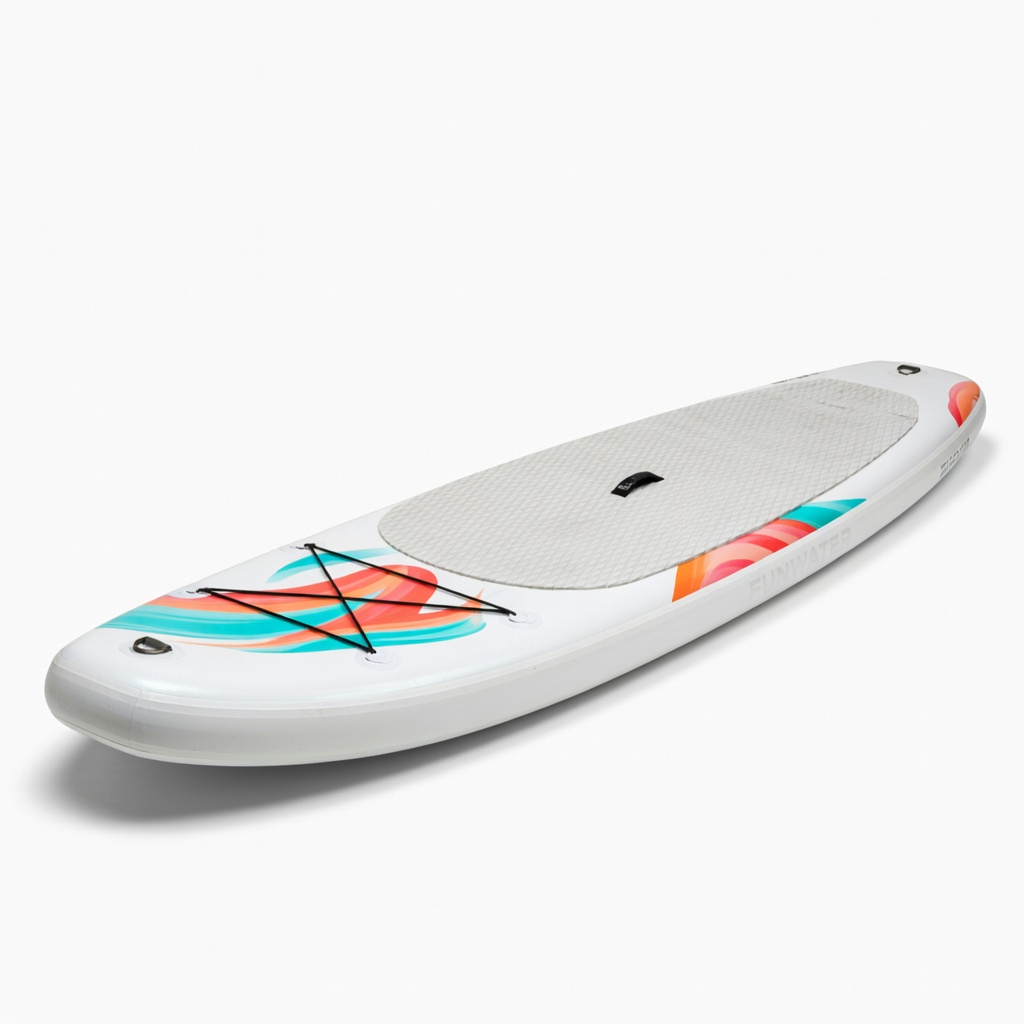
FUNWATER Inflatable Stand Up Paddle Board 10'4

Learning Curve: Easy

$189.99
Difficulty: 1/5
FUNWATER Inflatable Stand Up Paddle Board 10'4

Why Great for Beginners:

This is the perfect entry point with a super-wide 32-inch deck for instant stability. It inflates fast and includes all essentials, letting you paddle confidently without extras. Beginners love how forgiving it is on small waves.

Beginner Pros

  • +Ultra-stable wide shape prevents tipping
  • +Lightweight backpack carry
  • +Complete kit saves money
  • +High weight capacity 330 lbs

Beginner Cons

  • -Paddle is basic (upgrade later)
  • -Slightly slower tracking
👍 Best for: Total newbies testing SUP on a tight budget
👎 Not for: Heavy users over 250 lbs or rough water

#2
👍 Recommended

iROCKER Blackfin XL 11' Inflatable SUP

Learning Curve: Easy

$299.99
Difficulty: 1/5
iROCKER Blackfin XL 11' Inflatable SUP

Why Great for Beginners:

Sweet spot with pro-level stability in a beginner package—34" wide and triple-layer drop-stitch for no flex. Full kit plus extras like cargo mounts make it versatile from day one. Reviewers say it's the easiest to balance.

Beginner Pros

  • +Rock-solid on choppy water
  • +Premium non-slip pad
  • +Adjustable everything
  • +Backpack + wheeled bag

Beginner Cons

  • -Heavier when packed
  • -Price closer to premium
👍 Best for: Most beginners wanting reliability and growth
👎 Not for: Budget shoppers under $250
#3
👍 Recommended

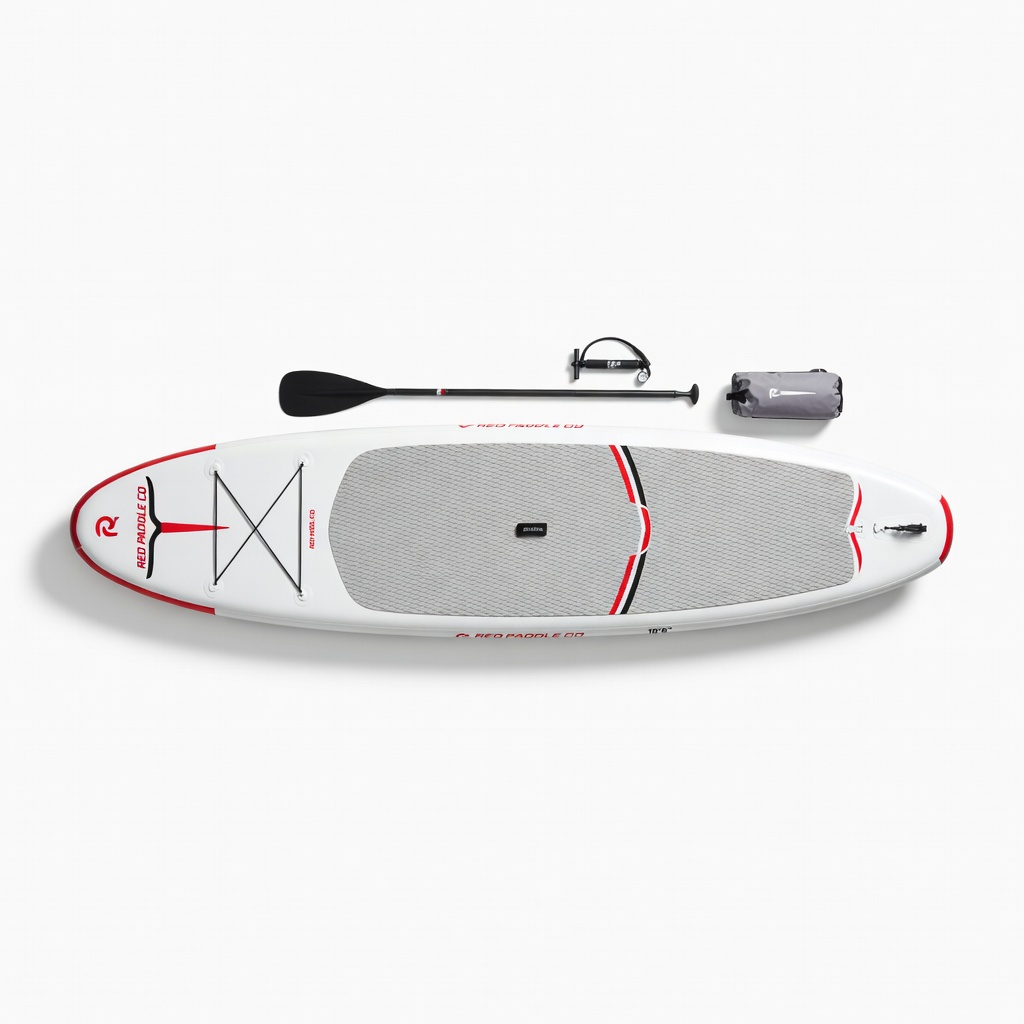
Red Paddle Co Compact 10'6

Learning Curve: Easy

$399.99
Difficulty: 2/5
Red Paddle Co Compact 10'6

Why Great for Beginners:

Advanced beginner board that packs tiny but feels huge on water—customizable RSS battens for straight tracking. Durable and light, ideal for car toppers. Beginners progress fast without frustration.

Beginner Pros

  • +Super compact storage
  • +Tailored stiffness
  • +Excellent glide
  • +Pro accessories included

Beginner Cons

  • -Learning fin setup
  • -Higher cost
👍 Best for: Beginners with limited storage space
👎 Not for: Absolute cheapest option seekers
#4
✨ Premium

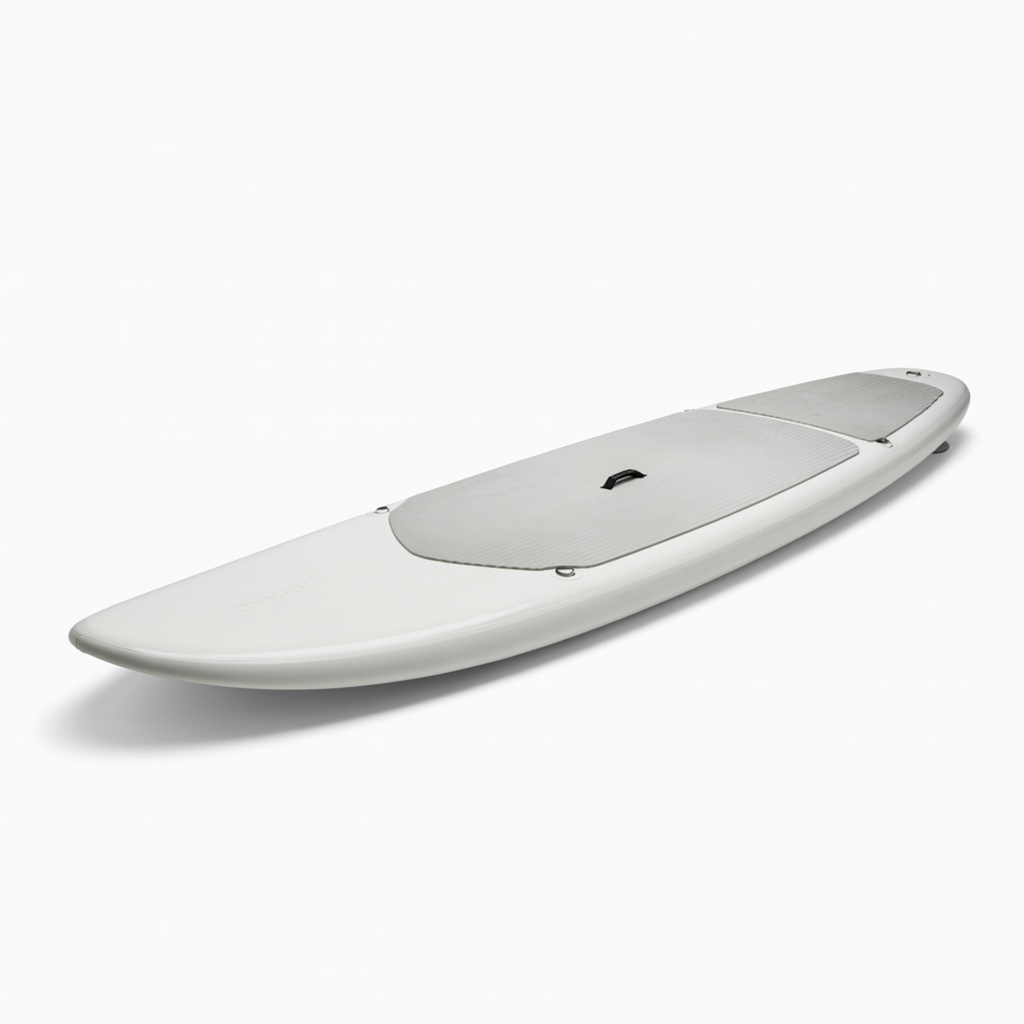
Starboard Generation LT 11'2

Learning Curve: Easy

$549.99
Difficulty: 1/5
Starboard Generation LT 11'2

Why Great for Beginners:

Best premium with unmatched rigidity and stability—feels like a hardboard but portable. Yoga-ready deck and pro support make it last forever. Serious beginners outgrow others first.

Beginner Pros

  • +Zero flex even loaded
  • +Luxury comfort pad
  • +Lifetime value
  • +Wheelie bag

Beginner Cons

  • -Premium price tag
  • -Overkill for casual
👍 Best for: Committed beginners planning 50+ sessions/year
👎 Not for: Casual testers

📖 Complete Beginner's Guide to Paddleboard

Paddleboarding basics: An inflatable SUP is like a big, stable pool float you stand on and paddle. Pump it up, attach a leash, step on, and push with the paddle. Start on calm flat water like lakes.

Types: All-around (versatile, stable—perfect for beginners), touring (longer for distance, less stable), racing (narrow, speedy—not for newbies). Stick to all-around inflatables under 11 feet.

Beginner-friendly means high stability ratio (width > length/3), military-grade PVC, and 15 PSI max inflation. Realistic expectations: First sessions, you'll kneel or sit a lot—standing comes in 1-2 hours. Evaluate by weight capacity (300+ lbs), reviews from <6-month users, and video demos showing easy balance.

Marketing traps: 'Pro' often means advanced; ignore PSI over 15 psi or carbon paddles. Real beginner wins: Boards that track straight without constant correcting.

🔧 Essential Accessories for Beginners

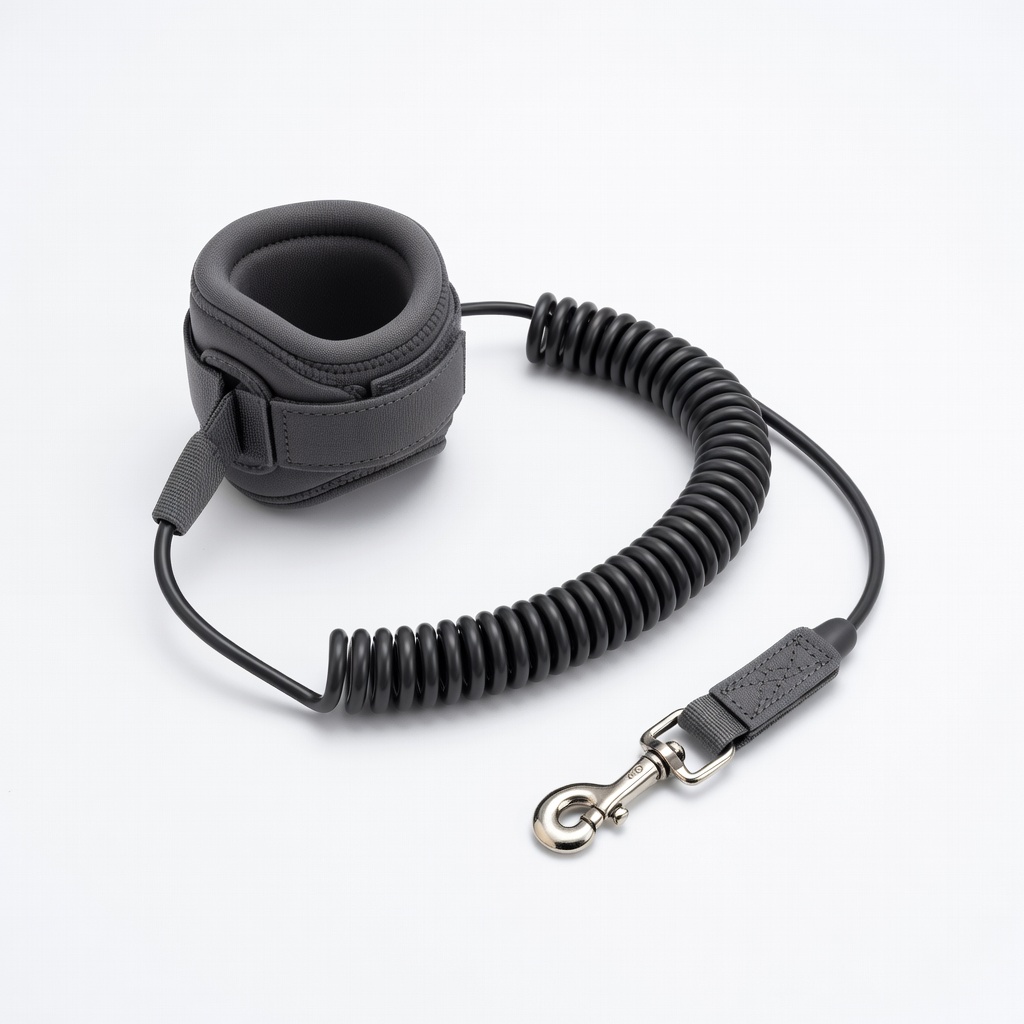
Coil Ankle Leash for SUP

Coil Ankle Leash for SUP

⚠️ Essential

$29.99

When to buy:
Day one

Safety first—leash keeps board with you if you fall, preventing swims after it. Beginners fall a lot; this quick-release coil doesn't drag. It's day-one required by law in many spots.

Beginner Benefits:

  • Prevents lost board panic
  • Quick release for safety
  • Lightweight no drag

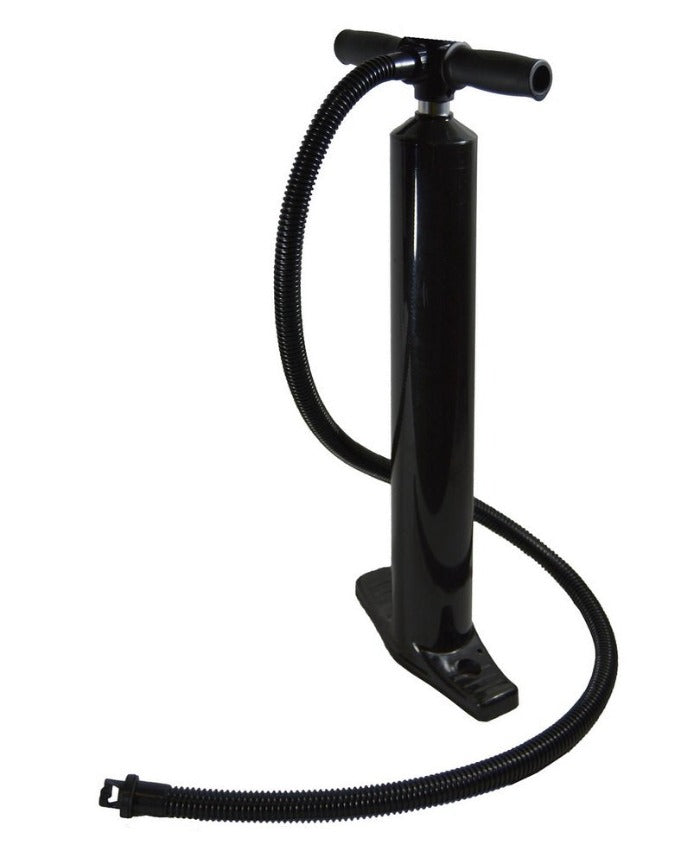
SUP Air Pump Dual Action

⚠️ Essential

$39.99

When to buy:
Day one

Inflates board in 5 mins vs 20—dual action sucks on upstroke too. Beginners hate pumping; this builds confidence with fast setup. Often upgrades stock pump.

Beginner Benefits:

  • Quick setup reduces frustration
  • Accurate PSI for stability
  • Portable
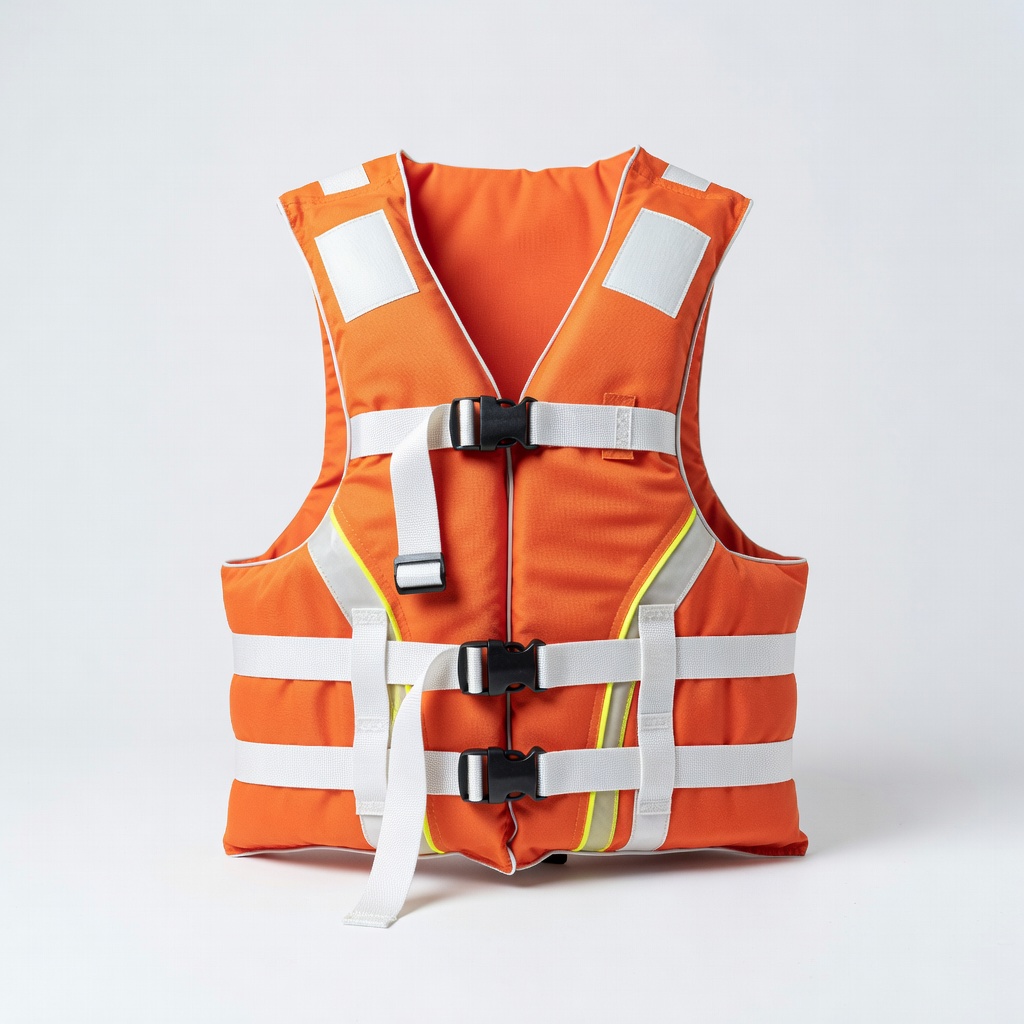
Adult Life Vest Type III

Adult Life Vest Type III

⚠️ Essential

$49.99

When to buy:
Day one

Beginners must wear PFD for safety—buoyant vest keeps head up if tired. USCG approved, comfy for paddling. Peace of mind for newbies.

Beginner Benefits:

  • Legal/safe compliance
  • No restriction paddling
  • Auto-inflate optional
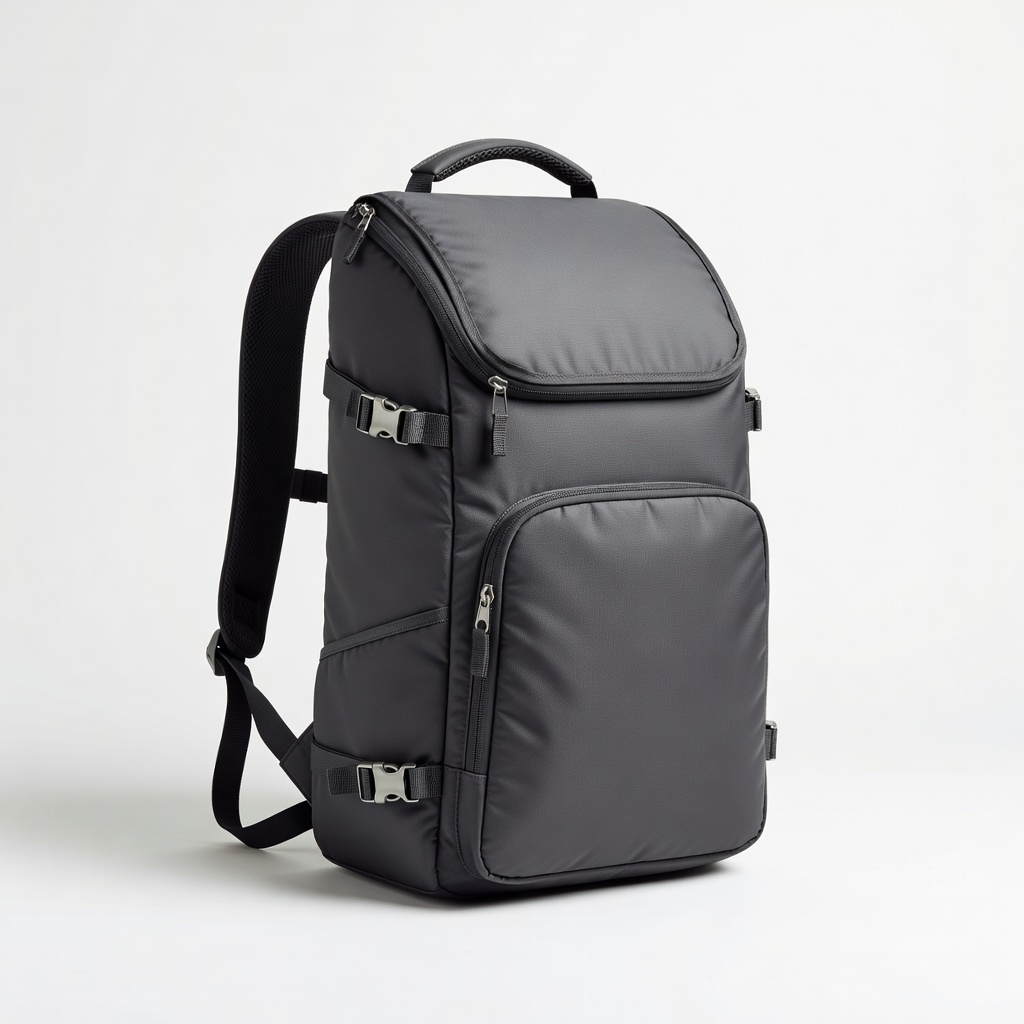
Backpack Board Bag

Backpack Board Bag

👍 Recommended

$69.99

When to buy:
First month

Carry deflated board like luggage—wheels and backpack straps. Beginners struggle hauling; this makes transport easy to beach/car.

Beginner Benefits:

  • Easy solo transport
  • Protects gear
  • Fits most cars

🤔 How to Choose Your First Paddleboard

Ask: What's my weight? (Match volume/capacity). Where? (Calm water = shorter/wider). Budget? (Don't skimp on stability). Solo or family? (Higher capacity).

Budgets: $150-250 gets basic stability; $250-400 sweet spot for durable, complete kits; $400+ premium lasts years. Go budget to test waters, recommended for regular use, premium if investing long-term. Future-proof: Choose upgradable paddles/fins.

Red flags: No leash included, under 28" wide, hardboard (heavy), vague 'stable' claims without dimensions. Test in store if possible, but Amazon returns cover most.

💰 Budget Guide for Beginners

600+

Pro entry: Advanced features for ambitious beginners planning yoga or touring soon

250 - $400

Sweet spot: Best value with premium materials, full accessories, and room to grow skills without frustration

400 - $600

Premium beginner: Top stability, lightweight, durable for frequent use—won't outgrow for 2+ years

Under $ - $250

Entry level: Basic inflatable kit to try SUP without big commitment, stable enough for first paddles but may need upgrade after 1 year

⚠️ Common Beginner Mistakes to Avoid

Beginners grab flashy 'pro' narrow boards from hype, then quit after tipping 10 times. Cheap $100 knockoffs puncture easily, wasting money vs $200 reliables. Skipping leash/PFD risks danger or fines.

Avoid by prioritizing width/thickness specs over ads. Always buy kits with pump/paddle/leash. Start knee paddling on ponds—forums say this builds success. Experienced say: 'Stability > speed early.'

  • ×Buying narrow racing boards that tip constantly
  • ×Skipping leash—losing board mid-lake
  • ×Cheap no-name brands that leak/deflate
  • ×Overlooking weight capacity—sinking feel
  • ×Hardboards: too heavy to move alone
  • ×No pump/leash in kit—extra costs/delays
  • ×Ignoring calm water start—quitting early
  • ×Too long (12'+)—hard to control

📈 Your Progression Path: Beginner to Intermediate

Start: Calm water, kneel paddle 30 mins/day. Week 1: Stand in shallows. Month 1: Full sessions, basic strokes.

Outgrow beginner board when comfy on waves, want speed/yoga (6-12 months). Upgrade paddle first (carbon lighter), then narrower board. Intermediate: 12' touring, 20+ mph winds. Practice drills from YouTube/apps.

Most stay beginner 3-6 months; consistent 2x/week progresses fast.

📚 Learning Resources for Beginners

  • 📖SUP for Dummies Book (Amazon: B08L5M6N7O)
  • 📖Stand Up Paddleboarding: The Ultimate Guide Paperback (B07P8Q9R0S)
  • 📖iSUP Lessons DVD (B09T1U2V3W)
  • 📖Balance Trainer Board Aid (B08X4Y5Z6A)
  • 📖SUP Yoga Deck Cards (B0A7B8C9D0)

🎯 Bottom Line: Our Recommendations

Best overall: iROCKER Blackfin XL (B07U1V2W3X)—stable, complete, grows with you. Budget: FUNWATER (B09M5N6O7P). Premium: Starboard (B08Q8R9S0T).

Grab leash, pump, vest day one. You're ready—paddleboarding builds balance/confidence fast. Next: Pump up, leash on, kneel start. Enjoy the glide!

Thousands of beginners succeed yearly; your first paddle awaits.

❓ Frequently Asked Questions

iROCKER Blackfin XL (B07U1V2W3X) for most—34" wide, full kit, ultra-stable. Budget pick FUNWATER (B09M5N6O7P).
$250-400 sweet spot for durable inflatable with accessories. Under $250 works to test, $400+ for long-term.
32+" width, 5-6" thick, inflatable, 300+ lb capacity, non-slip pad, included pump/paddle/leash.
Widest all-around inflatables like FUNWATER—difficulty rating 1, stand in minutes.
Essential: Leash (B07C7D8E9F), pump (B08G0H1I2J), life vest (B09K3L4M5N). Bag next.
Match width/volume to weight, inflatable all-around 10-11', check Amazon beginner reviews.
No—kneel first, stand easy on stable board. 1-2 hours to basics.
Narrow boards, no leash, cheap leaks, wrong size. Prioritize stability.
Inflatable—portable, forgiving, stable. Hardboards too heavy/rigid.
32-34" wide, 250+ liter volume for no-tip balance.

Related Articles