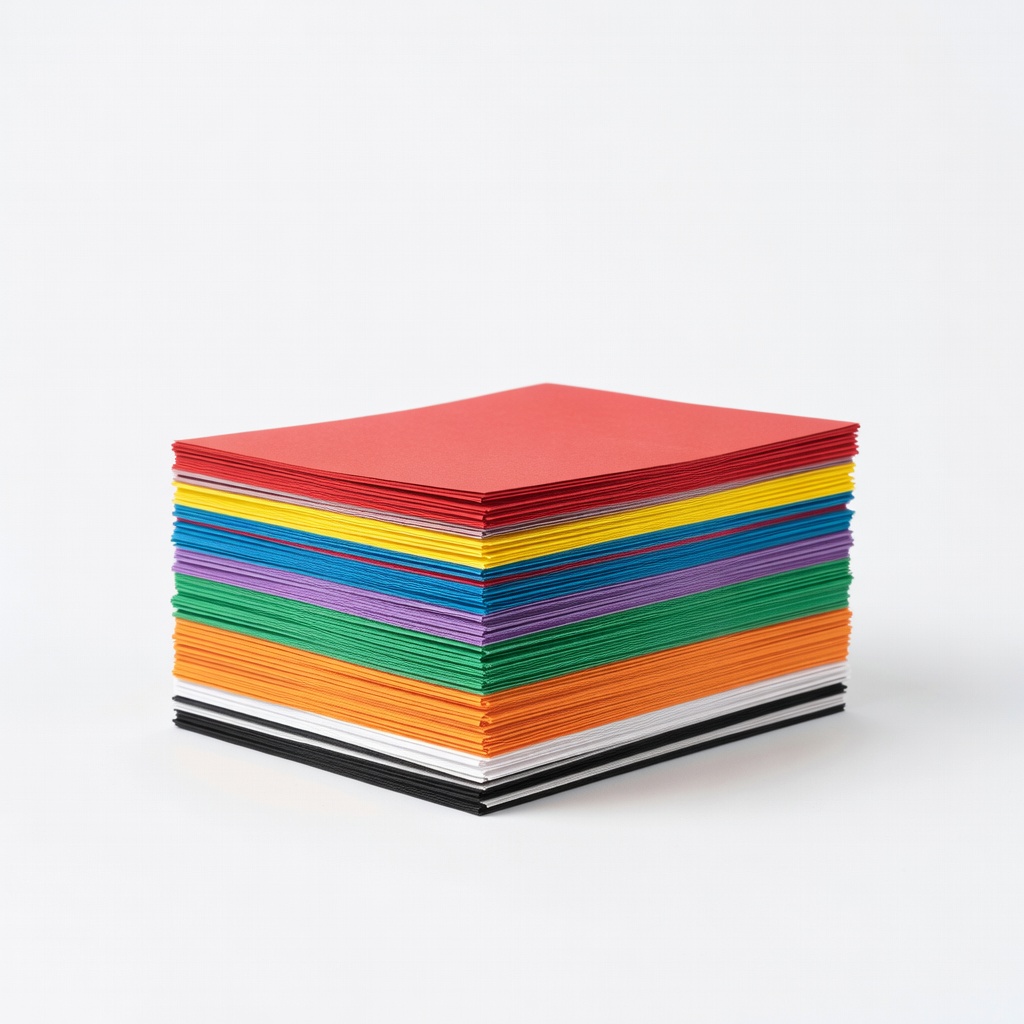
Pick your first origami kit with confidence - simple guide to top picks, features, and mistakes to avoid.
Choosing your first origami paper kit can feel overwhelming with endless options on Amazon. As a beginner, you might worry about picking paper that tears easily, instructions that confuse you, or a kit that's too basic or too advanced. Don't stress - this guide is designed for total newcomers like you.
Origami is the fun art of folding paper into shapes like animals or flowers, and a good starter kit makes it easy and enjoyable. We'll break down what matters, recommend real Amazon products, and help you avoid pitfalls so you can start folding successfully on day one.
By the end, you'll know exactly which kit to buy, what accessories to add, and how to progress - all with confidence.
📋 In This Guide
• Why Beginners Struggle with Origami Paper Kit
• What to Look For (Key Features)
• Top 4 Beginner-Friendly Origami Paper Kit
• Essential Accessories for Beginners
• Common Beginner Mistakes to Avoid
• Your Progression Path
• FAQ & Learning Resources
😰 Why Beginners Struggle with Origami Paper Kit
Beginners often feel lost because origami kits vary wildly: some have flimsy paper that rips mid-fold, others lack clear pictures or simple models. Online reviews mention frustration with tiny instructions or paper that's too thick or slippery, making basic folds impossible.
There's jargon like 'kami' (just fancy for paper), sheet sizes (6-inch squares are standard for starters), and color counts (too many choices paralyze decisions). Fear of wasting money on a 'bad' kit or quitting after failed attempts is common on forums like Reddit's r/origami.
Overwhelmed by 100+ Amazon options, newcomers grab the cheapest and regret it when it falls apart, or splurge on fancy sets they can't use yet.
🔍 What to Look For: Key Beginner-Friendly Features
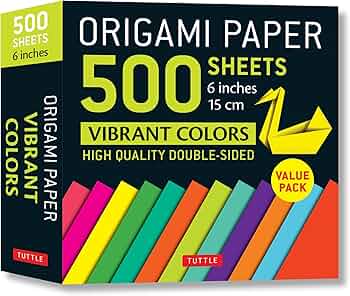
Focus on kits with pre-cut 6-inch square sheets in bright, varied colors - perfect for seeing folds clearly without trimming hassle. Look for included instruction books with big photos and step-by-step simple models like cranes or boats, not complex dragons.
Good paper is thin yet sturdy (60-80gsm), double-sided colored, and doesn't crease prematurely. Beginner kits should have 100-300 sheets for practice without running out fast, plus forgiving paper that holds folds well.
Skip advanced features like metallic paper or tools until later - prioritize ease: clear guides, quality paper, and value packs that tolerate clumsy hands.
✅ Essential Features for Beginners
•Pre-cut 6-inch squares: No measuring or cutting needed, just fold right away
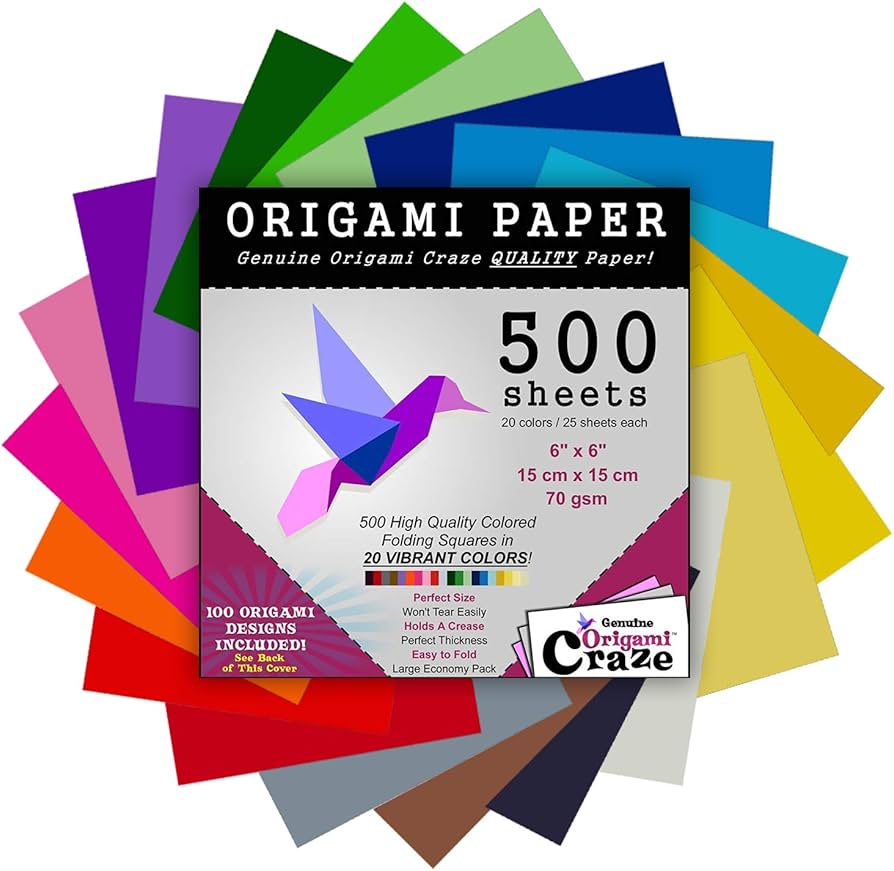
•Double-sided colored paper: Makes models pop and hides fold mistakes
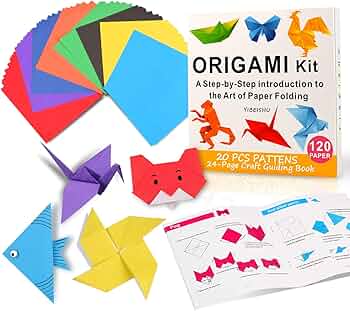
•Simple instruction book: Big pictures, numbered steps for 10-20 easy models
•100+ sheets: Enough practice without constant reordering
•Thin, sturdy paper (60-80gsm): Holds creases without tearing
•Varied colors: Fun for kids/adults, motivates continued practice
•Beginner models only: Builds success from first fold
🏆 Top 4 Best Origami Paper Kit for Beginners
#1
💰 Budget
SATINIOR Origami Paper Kit, 250 Sheets 6 Inch Origami Papers + 32 Pages Instructional Book
Learning Curve: Easy
$9.99
Difficulty: 1/5
Why Great for Beginners:
This affordable kit gives you plenty of colorful paper and a simple book with basic models, perfect for first-timers testing the waters. The pre-cut squares and clear pictures minimize frustration, letting you succeed quickly.
Origami Paper Kit for Kids and Beginners- 370 pcs Origami Papers+ 55 Pcs Origami Figures+ Step by Step Color Instruction Book
Learning Curve: Easy
$14.99
Difficulty: 1/5
Why Great for Beginners:
Sweet spot with extra paper, pre-made figures to copy, and detailed color book - builds confidence fast. Forgiving paper and variety keep practice fun without overwhelm.
✓ Beginner Pros
+Pre-made examples
+55+ models
+Color-coded steps
+Durable sheets
✗ Beginner Cons
-Slightly more volume to store
👍 Best for: Most beginners wanting value and guidance
An origami paper kit is a bundle of square, colored paper plus guides to fold into shapes - ideal for beginners starting origami, the Japanese art of paper folding. No glue or scissors needed; just your hands and patience.
Types include basic paper packs (just sheets), starter kits (paper + book), deluxe (tools included), or themed (animals only). Beginners need starter kits: they provide everything for success without extras.
'Beginner-friendly' means clear photo books (not diagrams), forgiving paper that refolds easily, and models under 20 steps. Expect to master 5-10 shapes in week one. Evaluate by reviews praising 'easy for kids' and 4+ stars from newbies.
Marketing like '400 sheets!' sounds great but overwhelms; prioritize quality over quantity. Realistic: Your first kit gets you folding daily, building hand-eye skills fast.
🔧 Essential Accessories for Beginners
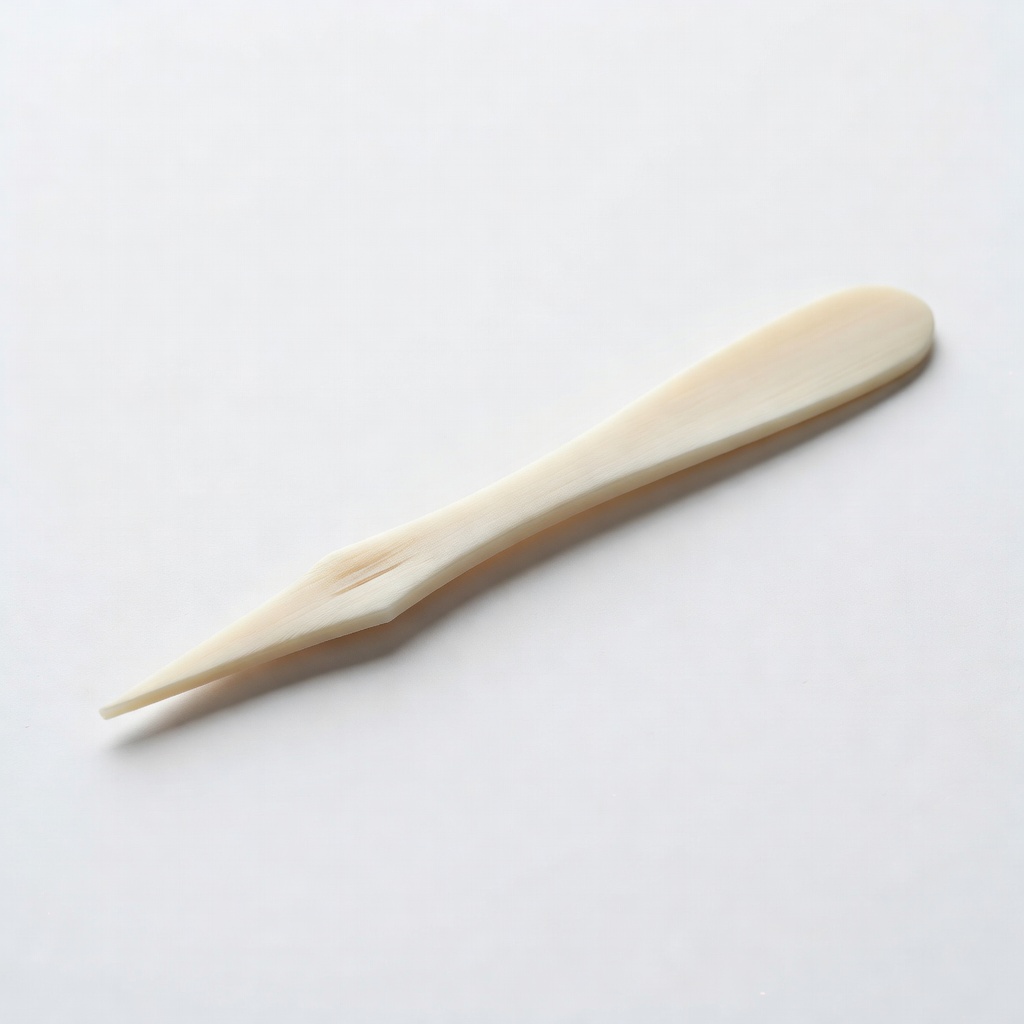
Bone Folder for Origami and Paper Crafts
⚠️ Essential
$6.99
When to buy:
Day one
This simple tool presses creases sharp without tearing paper - huge for clean beginner folds. Prevents frustration from weak creases that unfold.
Ask: What's your budget? Will you fold casually or daily? Kids or adults? Start with sweet spot ($10-20) for most.
Scenarios: Casual fun - budget kit. Daily practice - recommended with book. Gifts/kids - colorful premium. Avoid if no instructions or tiny paper.
Red flags: Under $5 (poor quality), no book, thick cardstock paper. Go budget to test, recommended for staying power, premium if committing long-term. Consider growth: Good kits last 6-12 months.
💰 Budget Guide for Beginners
40+
Advanced starter: Themed or pro kits for serious hobbyists
10 - $20
Sweet spot: Full kits with books and good paper - best value, room to grow skills
20 - $40
Premium beginner: More sheets, tools, durable paper - won't outgrow quickly
Under $ - $10
Entry level: Basic paper packs to try origami, but may lack instructions or quality - upgrade soon
⚠️ Common Beginner Mistakes to Avoid
Beginners buy super-cheap no-name packs ($3-5) that tear or curl, quitting after one fail. Others grab 'pro' kits with complex models, feeling defeated.
Skipping books leads to YouTube hunts; ignoring paper quality means frustration. Not getting a bone folder results in sloppy folds. Experienced users say: Start simple, add tools later.
Avoid by sticking to reviewed kits under $30, reading newbie reviews, and buying with book.
×Buying kits without instructions
×Choosing thick craft paper that won't fold
×Ignoring paper size (too big/small)
×Overbuying fancy colors/patterns early
×Skipping tools like bone folder
×Not practicing basic folds first
×Giving up after first rip
📈 Your Progression Path: Beginner to Intermediate
Start with valley fold, mountain fold, then basics like crane (1-2 weeks). Practice 15 mins daily; master 20 models to advance.
Outgrow beginner kit when you want modular designs or thinner paper (3-6 months). Upgrade to intermediate kits with diagrams/books.
Signs ready: Clean folds without tools, tackling 30-step models. Next: Themed kits or classes; most stay beginner 2-4 months.