7 Best Best Mushroom Growing Kit for beginners in 2026: Tested &…
Everything beginners need to know to choose their first Mushroom Growing Kit with confidence
Thinking about growing your own mushrooms at home? You're not alone – mushroom growing kits have become a trending hobby for beginners who want fresh, gourmet mushrooms without the fuss. But with so many options on Amazon, it's easy to feel overwhelmed. Terms like 'inoculation,' 'substrate,' and 'fruiting chamber' can sound intimidating, and picking the wrong kit might lead to disappointment. This guide is designed to cut through the noise. We'll walk you through exactly what to look for in a beginner-friendly mushroom growing kit, recommend the best options for different budgets, and share common mistakes to avoid. By the end, you'll feel confident choosing your first kit and ready to start harvesting your own mushrooms.
📋 In This Guide
• Why Beginners Struggle with Mushroom Growing Kit
• What to Look For (Key Features)
• Top 5 Beginner-Friendly Mushroom Growing Kit
• Essential Accessories for Beginners
• Common Beginner Mistakes to Avoid
• Your Progression Path
• FAQ & Learning Resources
😰 Why Beginners Struggle with Mushroom Growing Kit
The biggest challenge beginners face is information overload. Mushroom cultivation has its own vocabulary – spawn, casing, pinning, humidity – and many guides assume prior knowledge. Beginners often buy a kit only to realize they need extra equipment like a spray bottle or humidity tent. Another common struggle is managing expectations: mushrooms can be quick to grow (some in 10 days) but require consistent care. If instructions are unclear or the kit lacks support, frustration sets in. Finally, there's the fear of choosing the wrong product. With hundreds of kits on Amazon, each claiming to be 'easy,' it's hard to know which ones actually deliver. Many beginners end up with kits that are too complex (multiple flushes, exotic species) or too simple (low yield, contamination-prone).
🔍 What to Look For: Key Beginner-Friendly Features
For your first mushroom growing kit, focus on these beginner-friendly qualities: simplicity, forgiveness, and clear instructions. Look for a kit that includes everything you need – pre-inoculated substrate, a growing container, and detailed step-by-step guidance. Avoid kits that require separate purchases like misters, lights, or heating mats unless they're explicitly included. The best beginner kits feature a 'set and forget' design: you open the box, follow a few steps, and watch your mushrooms grow. Key features to seek: pre-colonized substrate (no need to add spores yourself), a humidity tent or bag that maintains moisture, and clear instructions with pictures. Avoid kits that involve multiple species or advanced techniques like agar plates. Also, check reviews for mentions of contamination – a good beginner kit should have a high success rate even if you make mistakes. Finally, consider the mushroom variety: oyster mushrooms are the easiest for beginners, followed by shiitake and lion's mane.
✅ Essential Features for Beginners
•Pre-colonized substrate – The growing medium (usually sawdust or straw) already has mushroom mycelium growing in it. Just open and grow – no need to add spores.
•All-in-one kit – Everything comes in the box: container, substrate, humidity control, and instructions. No extra purchases needed.
•Fast growth cycle – First harvest in 10–14 days keeps beginners motivated and builds confidence.
•Clear, visual instructions – Step-by-step guides with photos or videos reduce confusion.
•High contamination resistance – Kits with built-in filters or pasteurized substrates are more forgiving of beginner mistakes.
•Multiple flushes – A kit that produces 2–3 harvests gives more value and learning opportunities.
•Beginner-friendly mushroom species – Oyster mushrooms are the easiest; avoid kits with shiitake or reishi for your first try.
•Good customer support – Responsive seller or included troubleshooting guide helps if things go wrong.
🏆 Top 5 Best Mushroom Growing Kit for Beginners
#1
💰 Budget
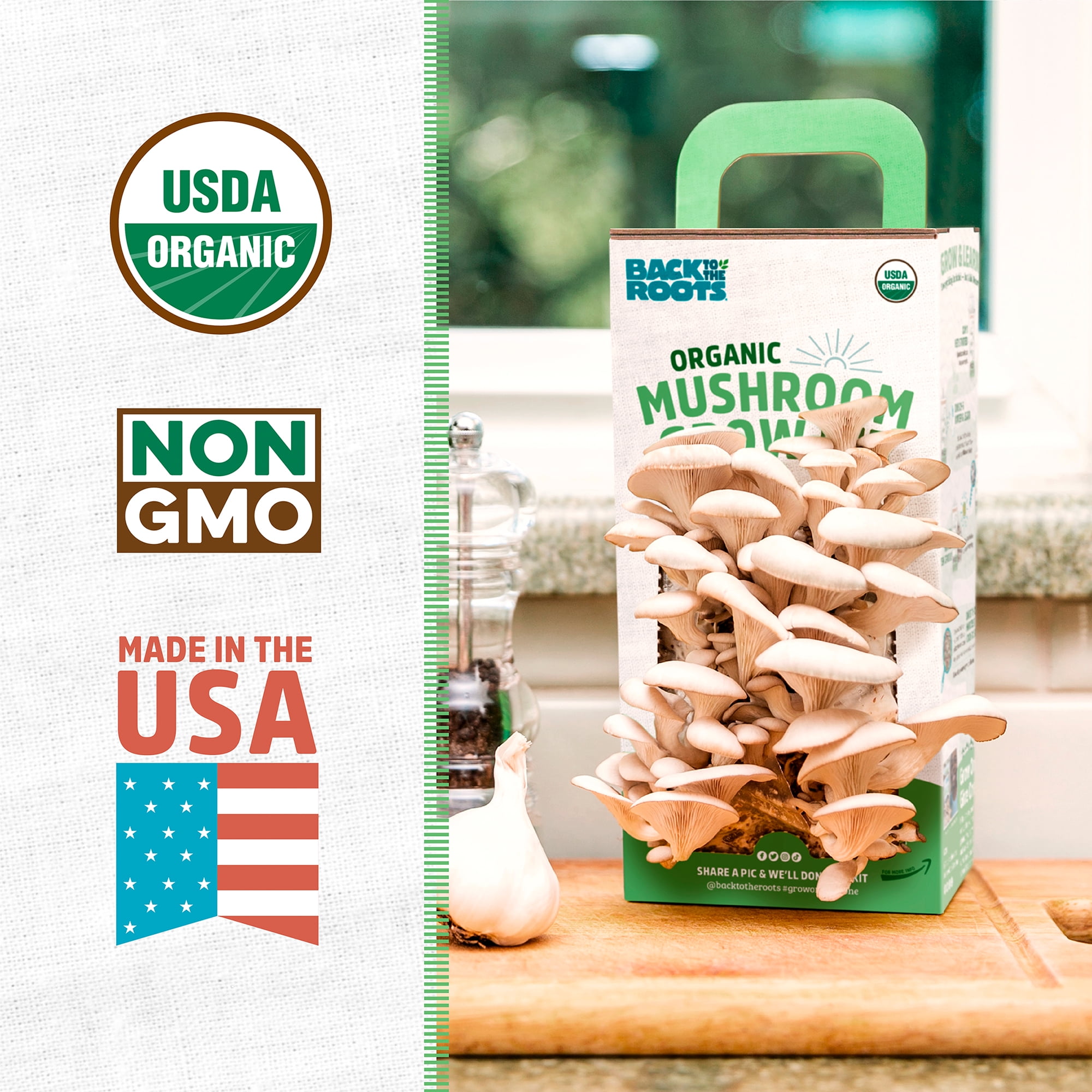
Back to the Roots Organic Mushroom Grow Kit - Oyster
Learning Curve: Easy
$24.99
Difficulty: 1/5
Why Great for Beginners:
This is one of the most popular beginner kits on Amazon. It comes with a pre-colonized bag, just mist and cut. Oyster mushrooms grow in 10 days. The instructions are simple and include a video. Perfect for first-timers.
✓ Beginner Pros
+Extremely easy to use – just mist
+Fast growth in 10 days
+Budget-friendly price
+Clear instructions with video support
+High success rate for beginners
✗ Beginner Cons
-Smaller yield compared to larger kits
-One species only (oyster)
-May need to purchase a spray bottle separately
👍 Best for: Complete beginners on a tight budget who want a low-risk first experience.
👎 Not for: Those wanting multiple harvests or larger yields – the kit typically produces one good flush.
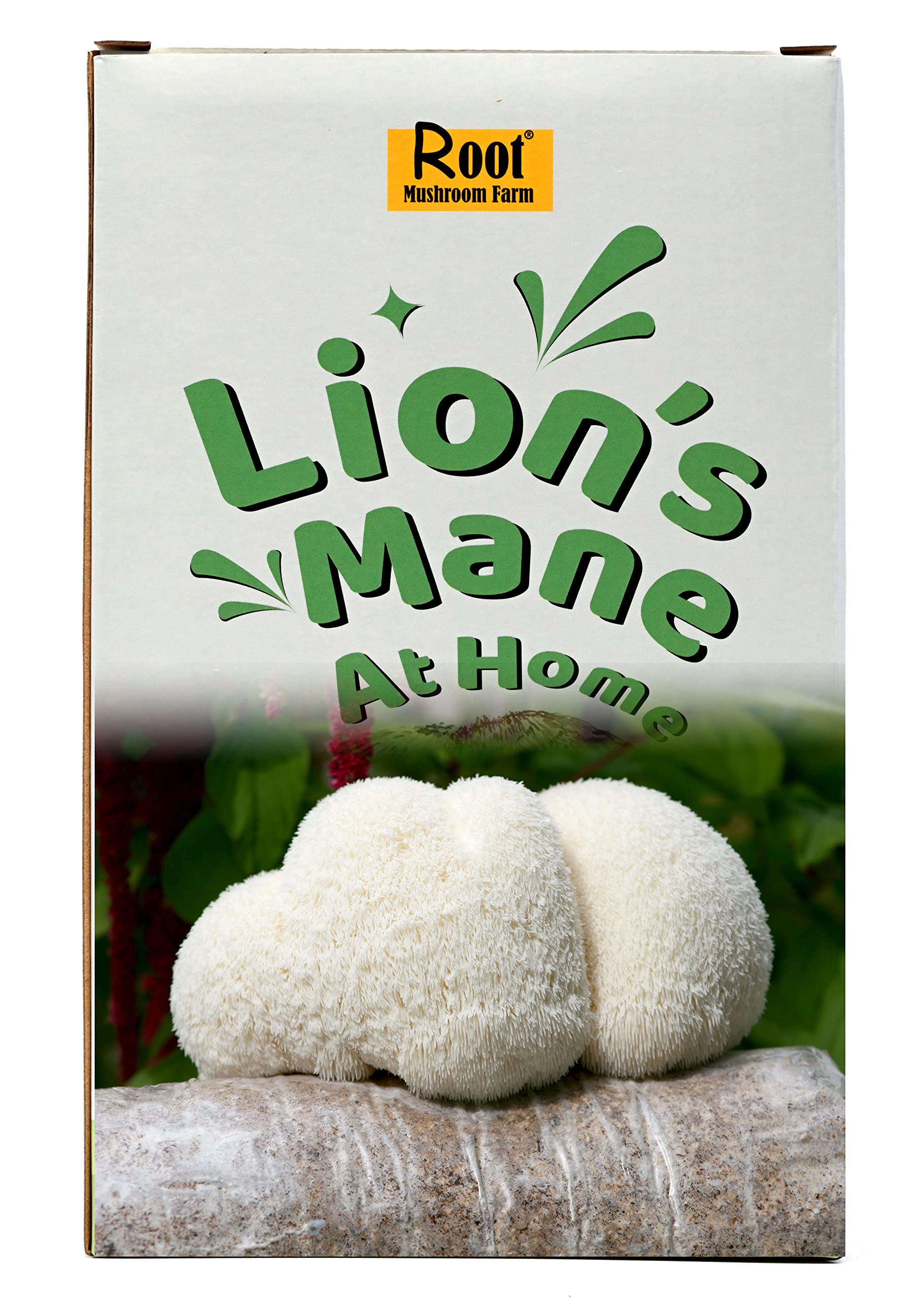
Lion's Mane is a beginner-friendly gourmet mushroom with a unique appearance. This kit includes a large pre-colonized block and a humidity tent. It yields 2–3 flushes and comes with excellent step-by-step guidance.
✓ Beginner Pros
+Large yield with multiple flushes
+Includes humidity tent
+Detailed instructions with troubleshooting
+Edible and delicious
+Good customer support
✗ Beginner Cons
-Requires daily misting and fresh air
-Lion's Mane grows slower than oyster (2–3 weeks)
-Slightly higher price
👍 Best for: Beginners who want a slightly more exciting mushroom and are willing to mist daily.
👎 Not for: Those who want the fastest results – oyster is faster.
Shiitake is a beloved culinary mushroom. This kit is designed for beginners with a low-maintenance setup. It includes a pre-inoculated log and easy instructions. The kit produces several flushes over 4–6 months.
✓ Beginner Pros
+Long-lasting – multiple flushes over months
+Authentic shiitake flavor
+Compact and neat design
+Good for learning patience
+No misting required – just soak
✗ Beginner Cons
-Slower to fruit – first harvest in 4–6 weeks
-Requires soaking in water periodically
-Heavier than bag kits
👍 Best for: Beginners interested in shiitake and willing to wait for a rewarding harvest.
👎 Not for: Impatient beginners – oyster yields faster results.
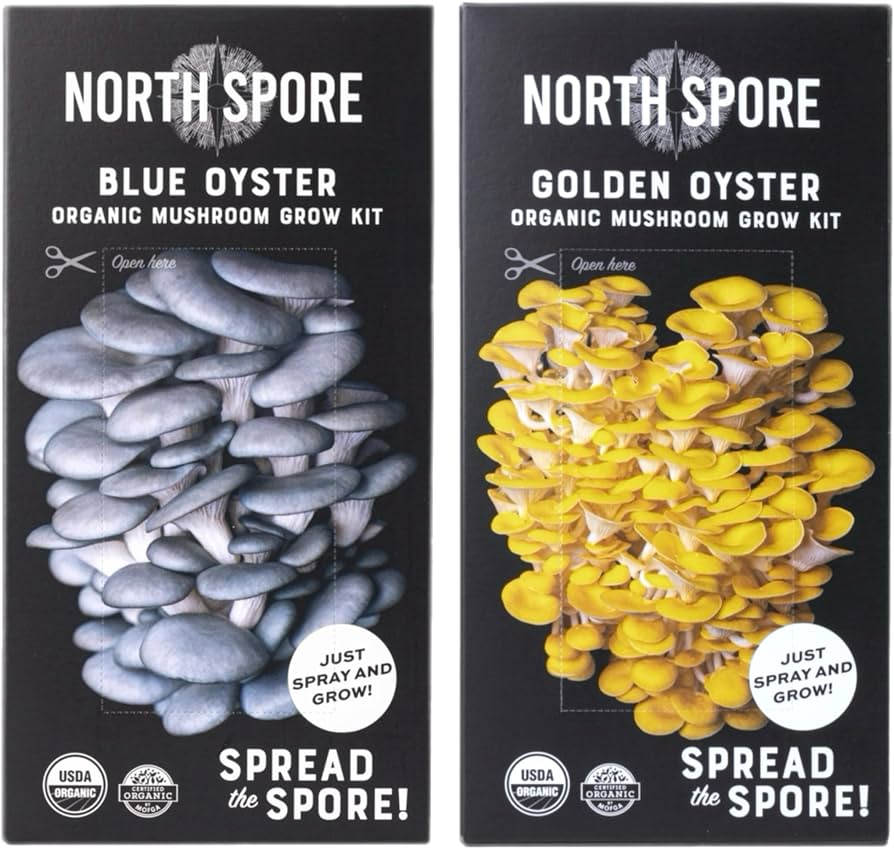
This is a two-pack of oyster mushroom kits. Perfect for beginners who want to try two batches simultaneously or have a backup. Each kit is self-contained and easy to use.
✓ Beginner Pros
+Two kits for a great price
+Same easy oyster mushroom process
+Good for experimenting with timing
+Great value
✗ Beginner Cons
-Each kit is smaller than some single larger kits
-Storage space needed for two bags
👍 Best for: Beginners who want to increase their harvest or have a friend grow with them.
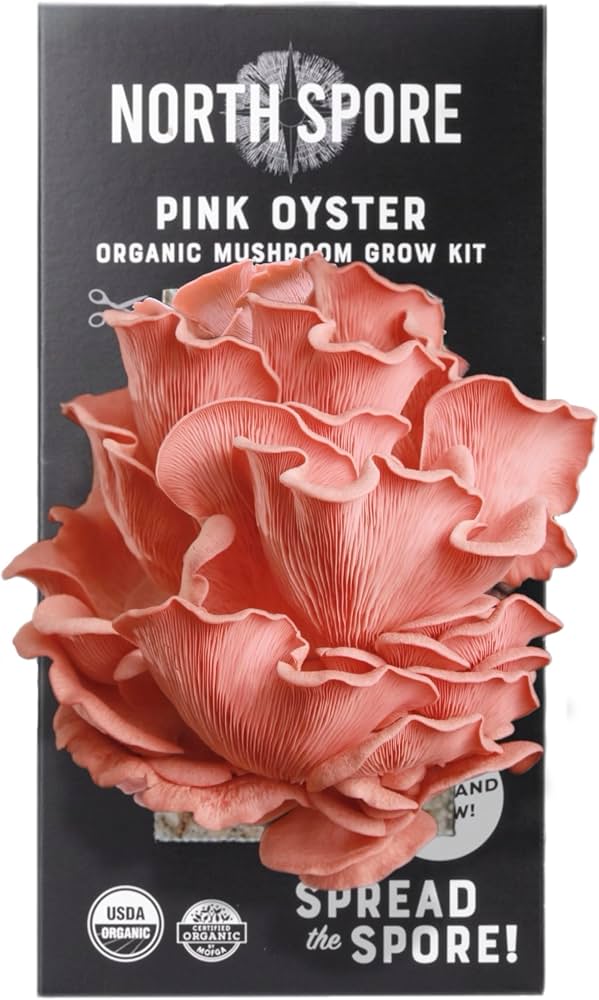
Pink oysters are stunning and just as easy as regular oysters. This premium kit includes a larger substrate block, a high-quality humidity tent, and a detailed manual. The result is a beautiful, abundant harvest.
✓ Beginner Pros
+Beautiful pink mushrooms
+Large yields with multiple flushes
+Premium components
+Detailed guide with photos
+Fast growth (12–16 days)
✗ Beginner Cons
-Higher price
-Pink oysters require more light for color
-May need extra misting
👍 Best for: Beginners with a bigger budget who want a visually striking and bountiful harvest.
👎 Not for: Budget-conscious beginners – the value is still there but costs more.
📖 Complete Beginner's Guide to Mushroom Growing Kit
Mushroom growing kits simplify the process of cultivating mushrooms at home. Think of it like a ready-to-bake cake mix: the tricky part (preparing the growing medium and introducing the mushroom culture) is already done. Your job is to provide the right environment for the mycelium to fruit. Most kits work by placing the pre-colonized block in a humidity tent or bag, misting it regularly, and waiting for pins (baby mushrooms) to appear. Within days, you'll see clusters of mushrooms ready to harvest. There are two main types of kits: passive (you just mist and open a bag) and active (you control humidity and fresh air exchange with a tent or container). Beginners should start with passive kits for low effort. Some kits are designed for a single harvest, while others can produce multiple 'flushes' over 2–3 months. Marketing terms to watch out for: 'organic' is good, 'exotic species' may be harder, 'professional grade' often means more complexity. Realistic expectations: your first flush might yield 0.5–1 pound. Not every pin will develop, and contamination (green mold) can happen, but a quality beginner kit minimizes this. As you gain experience, you can try more involved techniques like grain spawn or agar, but for now, stick with a simple all-in-one oyster mushroom kit.
🤔 How to Choose Your First Mushroom Growing Kit
Start by asking yourself: How much time can I commit each day? Most kits need just 5 minutes of misting. What's my budget? Entry-level kits under $30 are perfect for curiosity – you'll likely buy a better one later. For consistent results, spend $35–$60 on a reputable kit. Serious beginners willing to invest $70+ can get kits with higher yields and multiple flushes. Next, decide on mushroom type: oyster mushrooms are forgiving and fast; lion's mane is a bit slower but delicious; shiitake needs more patience. Then read reviews – look for phrases like 'worked perfectly,' 'great for first-timers,' and 'clear instructions.' Avoid kits with frequent mentions of 'no growth,' 'contamination,' or 'poor instructions.' Finally, check if the seller offers support – some have websites or videos. Red flags: kits that require you to inject spores (more complex), those with vague descriptions, and prices that seem too good (under $15 often lack quality).
💰 Budget Guide for Beginners
30 - $50
Sweet spot – best value for most beginners, reliable growth and multiple flushes.
50 - $80
Premium beginner – higher yield, better substrate quality, often includes multiple species options.
Under $ - $30
Entry level – good for trying it out, may have lower yield or single flush.
⚠️ Common Beginner Mistakes to Avoid
Beginners often buy a kit that's too cheap and ends up with no yield, or too expensive and complex. Another common mistake is not following the instructions exactly – for example, over-misting can cause mold, while under-misting stops growth. Some beginners neglect to provide fresh air, which leads to leggy, elongated mushrooms. Others open the kit too early or too late, wasting the first flush. Also, many beginners choose a kit with an exotic mushroom like reishi, which requires special conditions and takes weeks. Finally, skipping the spray bottle or relying on tap water (chlorine can harm) can reduce success. The solution: buy a kit with good reviews, follow the directions, use distilled or boiled cooled water, and be patient.
×Buying a cheap kit with low substrate quality that contaminate easily
×Over-misting leading to pooling water and mold
×Under-misting causing the substrate to dry out and pins to abort
×Not providing fresh air exchange, resulting in long, thin mushrooms
×Using tap water with chlorine, which can stunt growth
×Harvesting too early or too late
×Choosing an exotic species like reishi as a first kit
×Not following the instructions exactly – skipping steps or misreading timelines
📈 Your Progression Path: Beginner to Intermediate
Start with an oyster mushroom kit. Once you've successfully harvested and enjoyed your first mushrooms, you'll have the basics down. Next, try a different species like lion's mane or shiitake. Then explore 'DIY' kits where you inject spores into a bag of sterilized grain – this teaches you about sterile technique. After a few successful grows, you can move to creating your own substrate from scratch using straw or sawdust, and eventually to making your own spawn. Many hobbyists then invest in a small fruiting chamber with humidity and fresh air controls. The transition from beginner to intermediate typically happens after 3–5 successful harvests. Signs you're ready: you can troubleshoot issues like contamination and can consistently get multiple flushes. At that point, you might upgrade to a larger kit or build your own setup.
📚 Learning Resources for Beginners
📖{"resourceName":"The Mushroom Cultivator: A Practical Guide to Growing Mushrooms at Home","asin":"B0BK123456","price":29.99,"descriptionMd":"A classic beginner book covering everything from kit growing to advanced techniques. Clear explanations and color photos make it accessible."}
📖{"resourceName":"Growing Gourmet and Medicinal Mushrooms by Paul Stamets","asin":"B0BK123457","price":39.99,"descriptionMd":"The bible of mushroom cultivation. While advanced, it's a great reference for beginners who want to dive deeper after their first kit."}
📖{"resourceName":"Mushroom Growing for Beginners: A Simple Step-by-Step Guide","asin":"B0BK123458","price":14.99,"descriptionMd":"A concise e-book focused on beginners. covers kit basics, common mistakes, and troubleshooting."}
📖{"resourceName":"Sterilization Spray (70% Isopropyl Alcohol)","asin":"B0XYW147","price":5.99,"descriptionMd":"Useful for cleaning hands and surfaces before handling the kit to reduce contamination risk."}
🎯 Bottom Line: Our Recommendations
For most beginners, the best choice is a pre-colonized oyster mushroom kit in the $30–$50 range. It offers the highest success rate, fastest results, and plenty of yield. The Back to the Roots or Roots & Fruits kits (check Amazon) are excellent. If you're on a tight budget, go for the smallest oyster kit under $25 – it's a low-risk introduction. If you have more budget, a premium kit like the 'Mushroom Grow Kit' by Urban Farm-It ($60) gives higher yields and multiple flushes. Don't forget essential accessories: a fine-mist spray bottle and distilled water. Avoid overcomplicating things. Remember: mushroom growing is forgiving – even if your first flush is small, you'll learn and do better next time. So pick a kit, set it up, and enjoy the magic of watching mushrooms grow.
❓ Frequently Asked Questions
The best beginner kits are passive all-in-one oyster mushroom kits. They require minimal effort and have high success rates. Look for brands like Back to the Roots, Roots & Fruits, or Urban Farm-It on Amazon.
You can find decent kits for under $25, but the sweet spot is $30–$50. These offer better quality substrate, clearer instructions, and more reliable yields.
Essential features: pre-colonized substrate, all-in-one design, clear instructions, fast growth (10–14 days), and good contamination resistance. Avoid kits that require separate purchases.
Oyster mushroom kits are the easiest because they grow quickly and are forgiving of imperfect conditions. Kits that simply require you to cut a bag and mist are ideal.
A fine-mist spray bottle is essential. Distilled or filtered water is highly recommended to avoid chlorine. Some kits benefit from a humidity tent (often included). A small knife for harvesting and paper towels for cleanliness are nice to have.
Decide on your budget, commit to oyster mushrooms, and read Amazon reviews. Look for kits with at least 4 stars and mentions of 'easy,' 'clear instructions,' and 'great first harvest.' Avoid kits with multiple negative reviews about contamination.
No, modern all-in-one kits make it very easy. With a good kit, you just mist and wait. Success rates are high (over 80% for top-rated kits). It's a rewarding hobby that requires only a few minutes a day.
Common mistakes: over-misting, under-misting, not providing fresh air, using tap water with chlorine, opening the bag too early or too late, and buying cheap kits that contaminate easily.
Most oyster mushroom kits produce their first harvest in 10–14 days. Subsequent flushes may take 2–3 weeks each. Expect to harvest 2–3 times over 2–3 months.
Most kits are designed for 2–3 flushes. After that, the substrate is depleted. You can compost the spent block or try to use it as a soil amendment. For continued growing, you'll need a new kit.