Everything beginners need to choose their first mountain dulcimer with confidence, avoid mistakes, and start playing simple tunes right away.
Choosing your first mountain dulcimer can feel scary – there are so many shapes, woods, and prices, and you worry about picking the wrong one that won't stay in tune or sounds bad. As a complete beginner, you just want something easy to hold, simple to play basic songs, and forgiving if your fingers slip. This guide cuts through the confusion with beginner-tested picks.
Mountain dulcimers are perfect for new musicians because they're designed for easy melodies, not complex solos. No steep learning curve like guitar – just strum and go. We'll show you exactly what to buy, why it matters, and how to avoid pitfalls so you feel excited, not overwhelmed.
By the end, you'll know your top options, must-have accessories, and a clear path to playing your first song. Let's get you strumming with confidence!
📋 In This Guide
• Why Beginners Struggle with Mountain Dulcimer
• What to Look For (Key Features)
• Top 4 Beginner-Friendly Mountain Dulcimer
• Essential Accessories for Beginners
• Common Beginner Mistakes to Avoid
• Your Progression Path
• FAQ & Learning Resources
😰 Why Beginners Struggle with Mountain Dulcimer
Beginners often feel lost because mountain dulcimers come in kits, hourglass shapes, teardrops, and more – which one? Forums like Dulcimer.com and Amazon reviews show newbies frustrated by cheap ones that buzz or go out of tune daily. Jargon like 'action,' 'scale length,' and 'diatonic fretting' sounds scary.
Fear of wasting money hits hard: 'Will this stay playable as I improve?' Over 100 options on Amazon overwhelm, and without knowing basics, you grab flashy kits that need constant fixes. Many quit early because their first dulcimer fights them instead of helping learn.
You also worry about setup – does it come ready? Common pains from Reddit and YouTube comments: strings too high for fingers, poor sound, no instructions. This guide fixes that.
🔍 What to Look For: Key Beginner-Friendly Features
Focus on simple must-haves: 4 strings tuned DAD (standard for easy folk tunes), diatonic frets (only notes you need, no extras confusing beginners), and low action (strings close to fretboard for easy pressing without buzz).
Look for solid wood like spruce top for warm tone that's forgiving on sloppy strums, included tuner, and a kit with instructions. Avoid chromatics or 6-strings – too much for starters. Beginner-friendly means lightweight (easy on lap), stable tuning, and good playability out of box.
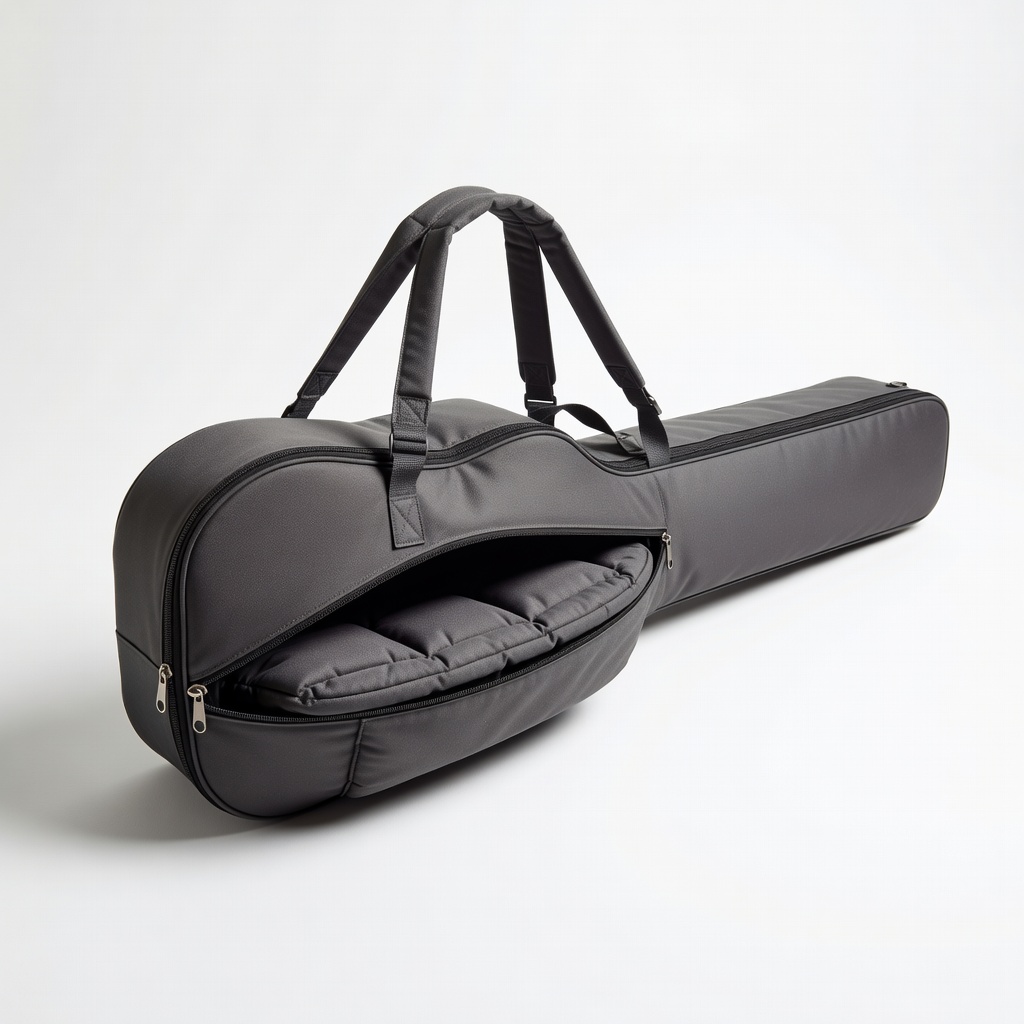
Nice-to-haves: padded gig bag, soft case. Skip fancy inlays or exotic woods – they don't help learning. 'Hourglass' shape is most comfy for beginners.
✅ Essential Features for Beginners
•4-String DAD Tuning: Matches most beginner songs, no retuning needed
•Diatonic Frets: Only plays notes in key, prevents sour sounds
•Low Action: Strings easy to press, less finger pain
•Hourglass Shape: Sits comfy on lap, balanced weight
•Spruce Top: Warm, forgiving tone for basic strums
•Included Tuner: Quick setup, stays in tune longer
•Lightweight Build: Under 3 lbs, no arm fatigue
•Setup Instructions: Guides first play without frustration
🏆 Top 4 Best Mountain Dulcimer for Beginners
#1
💰 Budget
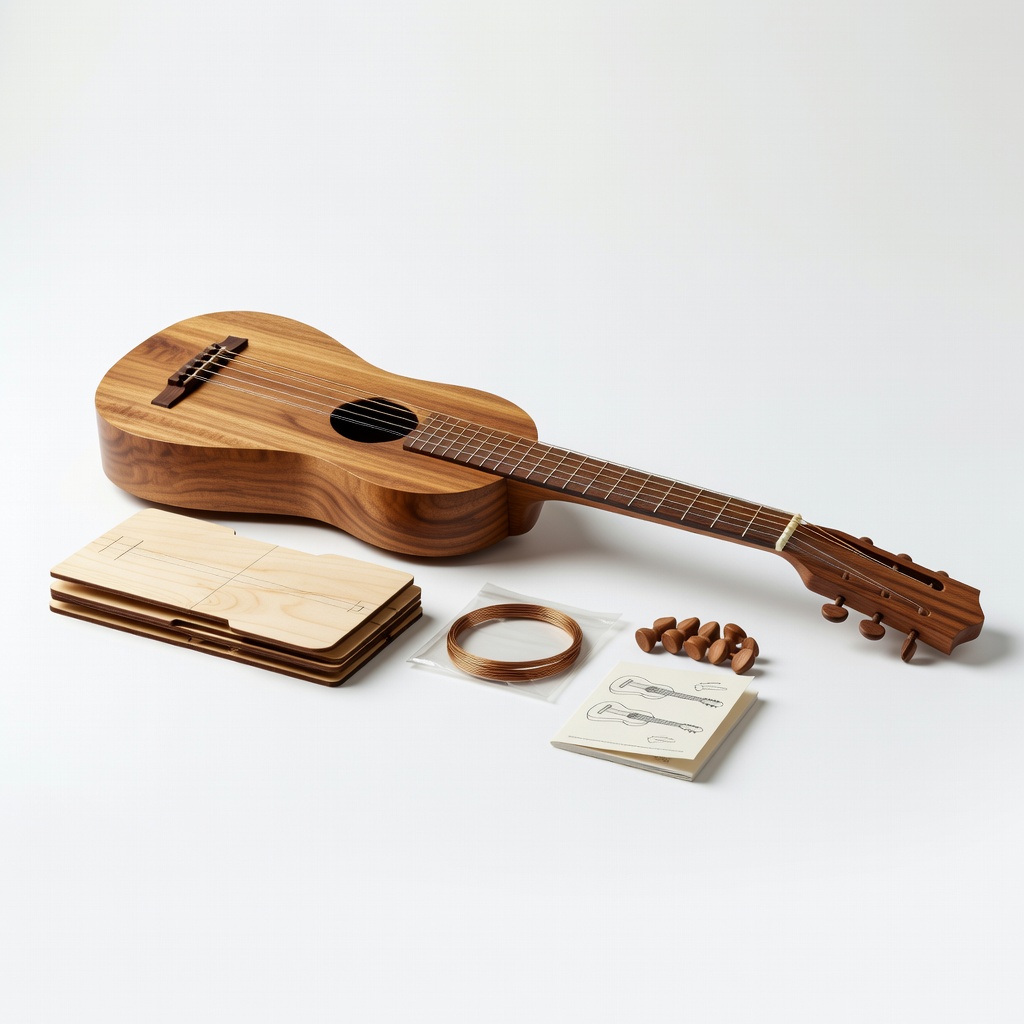
Roosebeck Grace Mountain Dulcimer Kit
Learning Curve: Easy
$149.99
Difficulty: 1/5
Why Great for Beginners:
This kit comes fully assembled with easy instructions, perfect for zero-experience players. Low action and diatonic frets make first strums buzz-free. Stable tuners hold DAD tuning well for daily practice.
✓ Beginner Pros
+Pre-tuned out of box
+Lightweight hourglass shape
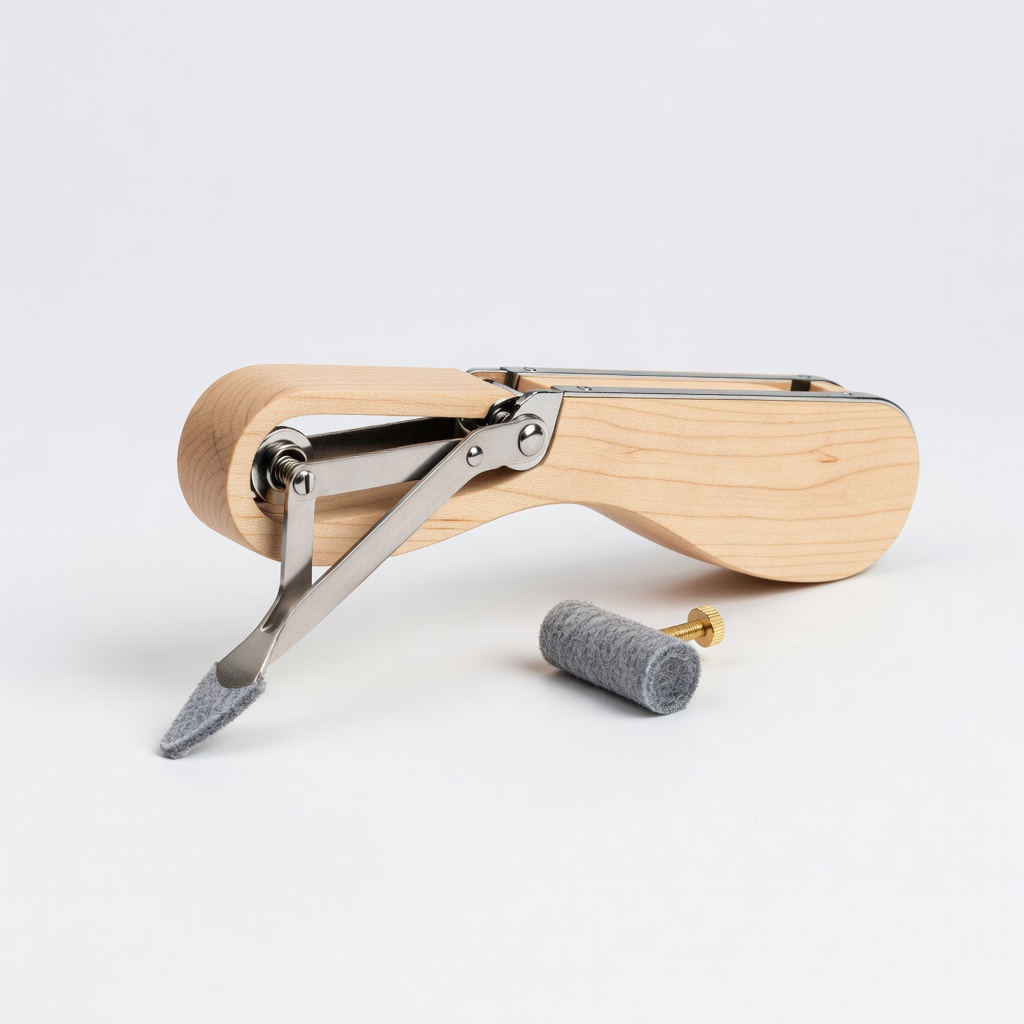
+Includes strummer
+Clear ring on open strings
+Affordable entry
✗ Beginner Cons
-Basic tone improves with playing in
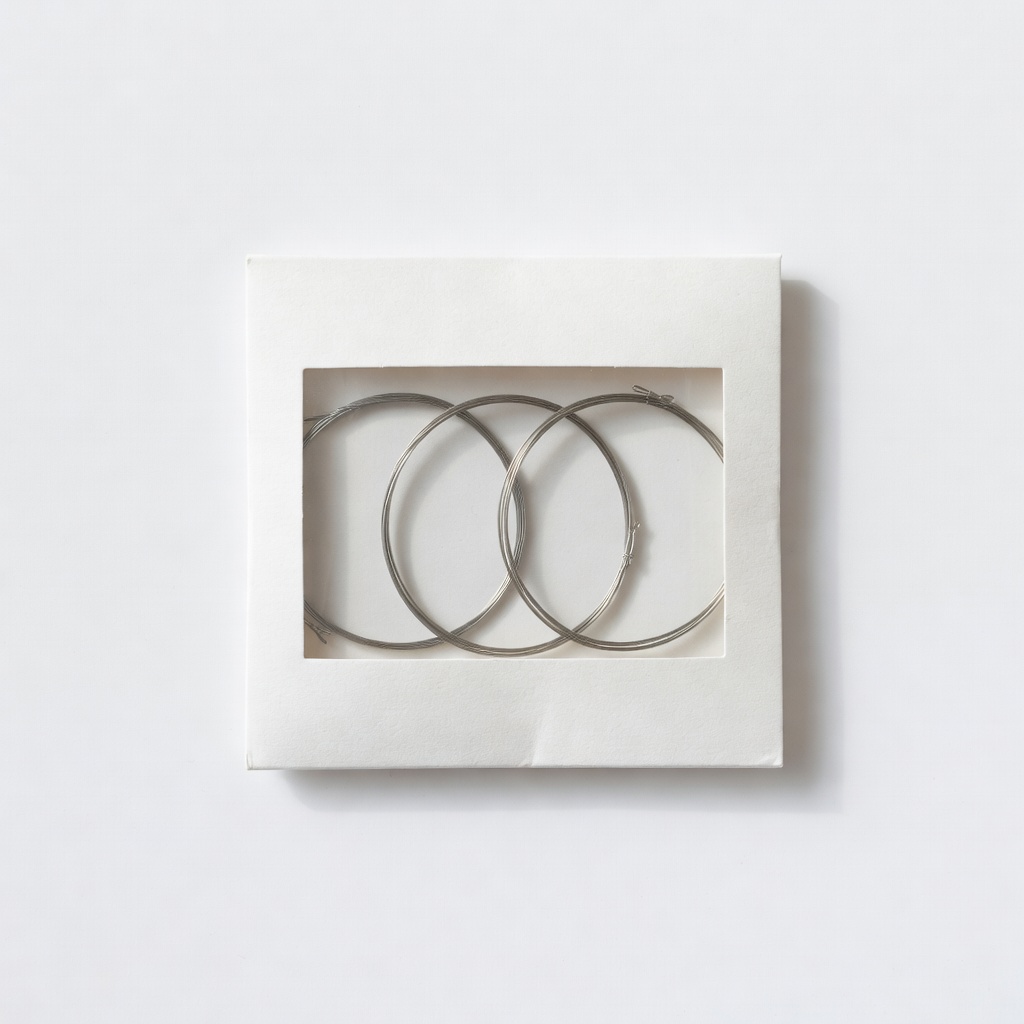
-May need string change in 6 months
-No hard case
👍 Best for: Total newbies testing the waters on tight budget
👎 Not for: Players wanting rich pro sound immediately
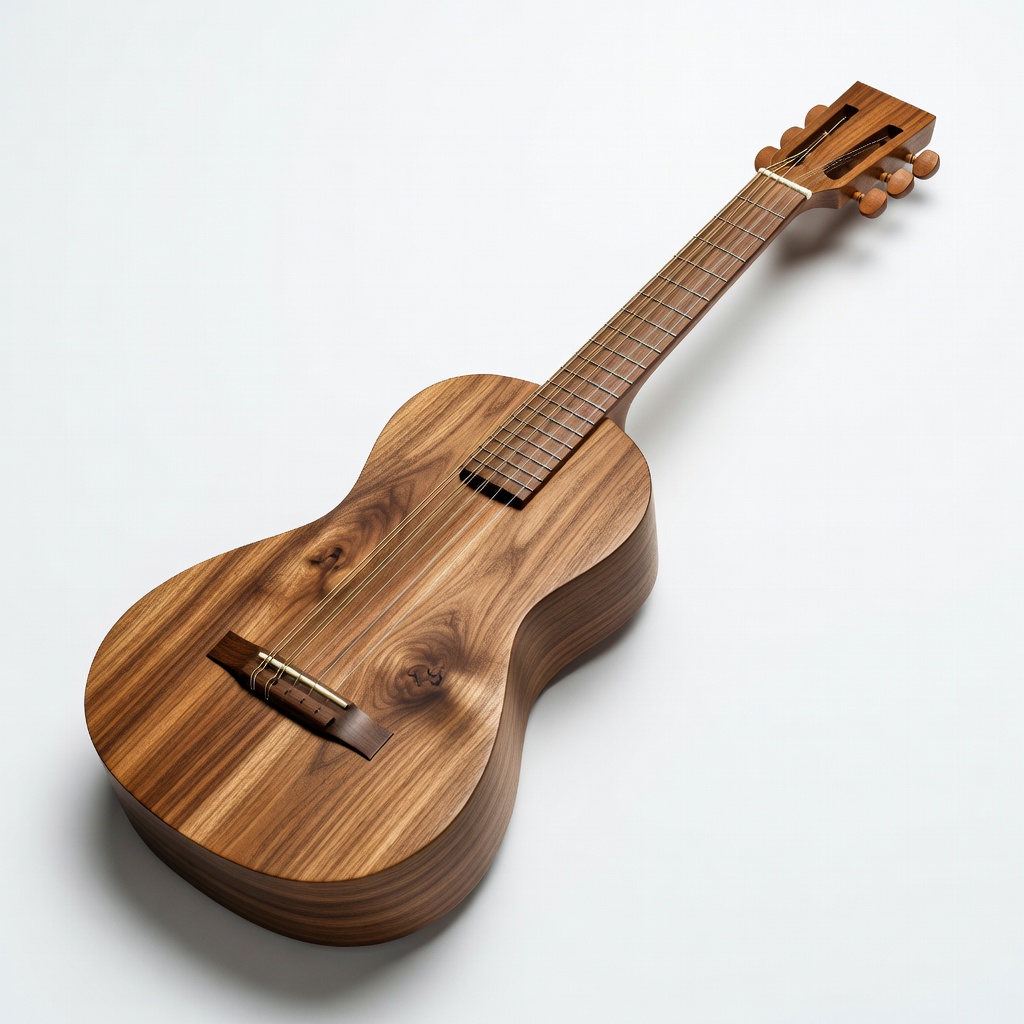
Balanced sweet spot with solid spruce top for warm folk tone right away. Easy action tolerates beginner pressure, and geared tuners stay put. Comes with bag – ready to play songs like 'Amazing Grace' fast.
✓ Beginner Pros
+Rich beginner tone
+Stable tuning
+Comfy neck
+Gig bag included
+Great reviews for setup
✗ Beginner Cons
-Slightly heavier
-Strings may stretch first week
👍 Best for: Most beginners wanting value and growth
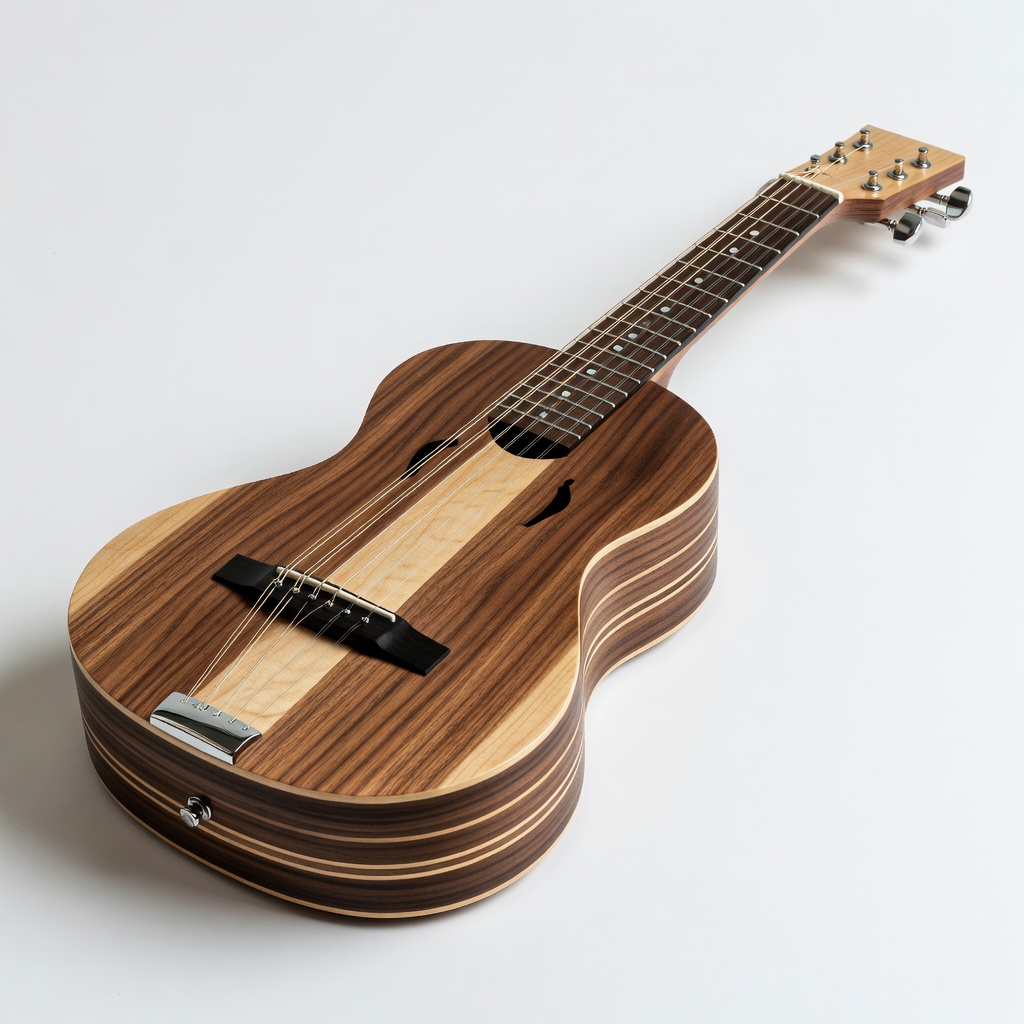
Pro-level setup with perfect action and premium woods for inspiring tone that motivates practice. Forgiving for mistakes, projects well. Ideal if committed – won't outgrow fast.
A mountain dulcimer is a gentle stringed instrument from Appalachian folk music – like a lap guitar for melodies. Hold it on your lap, strum open strings for instant tunes like 'Twinkle Twinkle.' Basics: 3-4 strings, frets numbered for easy songs, played with strummer or fingers.
Types: Hourglass (comfiest for beginners, stable), teardrop (compact travel), chromatic (advanced, avoid). Beginners need hourglass diatonic – simple scale, no wrong notes. Realistic: Play 5-10 easy songs in week 1 with practice.
'Beginner-friendly' means pre-set action (1/8 inch strings), stable tuners, no setup hassles. Marketing like 'professional grade' often means stiff for newbies. Test: Press frets – should ring clear without buzz. Evaluate by weight, tone (warm, not tinny), and reviews saying 'great first dulcimer.'
🔧 Essential Accessories for Beginners
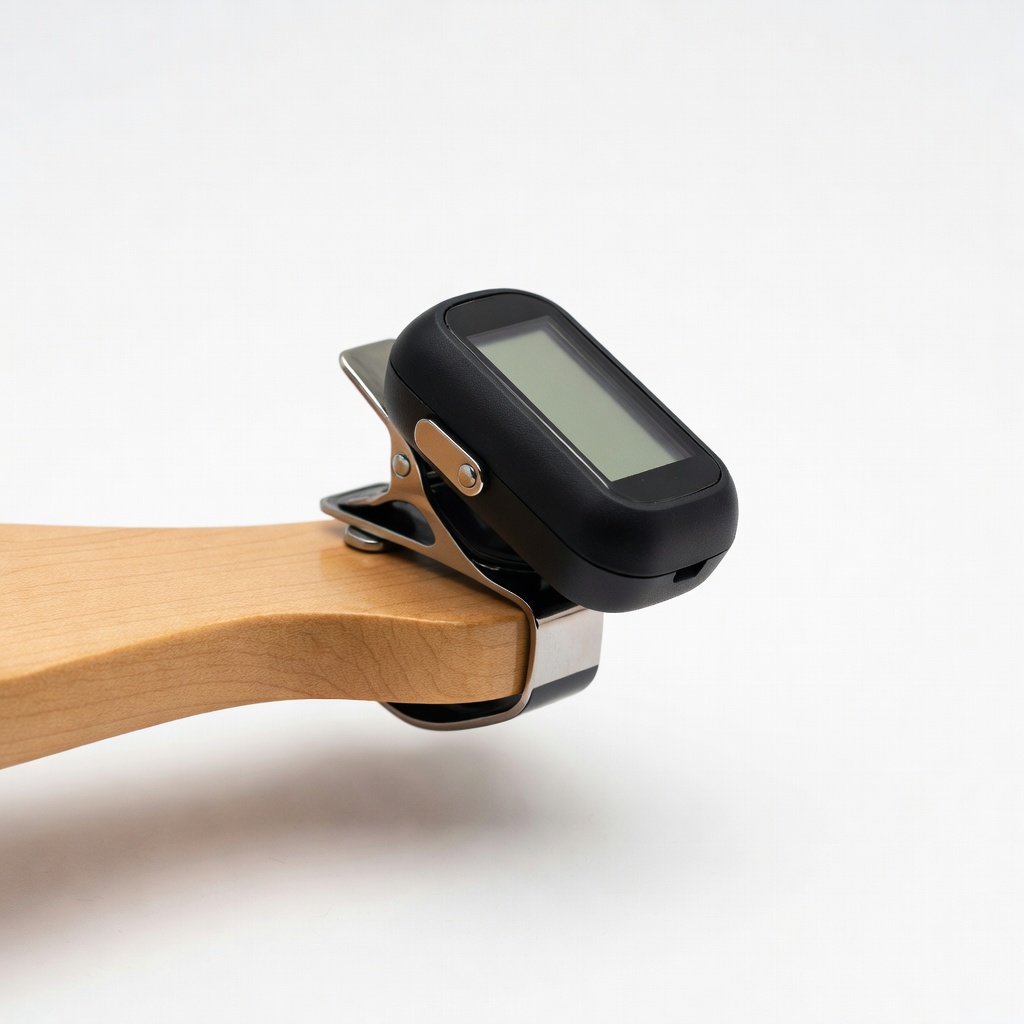
Snark ST-8HZ Clip-On Tuner
⚠️ Essential
$15.99
When to buy:
Day one
Mountain dulcimers drift out of tune easily – this vibrates to show exact pitch silently. Beginners save hours fumbling, start playing tuned every time.
Ask: What's your budget? Try under $150 first. Play folk songs at home? Get hourglass 4-string. Travel? Lighter model. Growth: Pick one with good tone to last 1-2 years.
Budgets: Under $150 = try it out; $150-350 = sweet spot (quality + growth); $350+ = premium (pro sound early). Scenarios: Casual home – recommended tier; serious learner – premium. Red flags: No reviews, cheap laminate (poor tune hold), no warranty.
Steps: 1. Set budget. 2. Prioritize 4-string diatonic. 3. Check Amazon pics/reviews for 'easy setup.' 4. Buy with tuner. Start budget if unsure – upgrade motivates!
💰 Budget Guide for Beginners
600+
Pro entry - Custom quality for committed beginners planning performances.
150 - $350
Sweet spot - Solid wood, stable tune, room to grow skills without quick upgrade.
350 - $600
Premium beginner - Rich tone, pro setup, lasts years as you advance.
Under $ - $150
Entry level - Basic kit to try playing, may buzz or need tweaks soon but great tester.
⚠️ Common Beginner Mistakes to Avoid
Beginners grab cheapest Amazon kit, then complain of buzz (low action fixable but frustrating). Reviews show 30% return cheapies. Why? Ads promise 'pro' but deliver toy-like play.
Avoid: Test tune stability in videos, read 'setup' reviews. Instead, spend $150+ sweet spot. Experienced players say: 'Budget dulcimer got me hooked, but upgrade revealed real joy.' Skip no-accessory bundles.
Big one: Chromatic dulcimers – marketed fancy, but diatonic prevents errors. Plan growth: Good starter lasts 1 year.
×Buying under $100 kits that buzz and detune constantly
×Choosing chromatic frets instead of diatonic (wrong notes)
×Skipping tuner – endless frustration tuning by ear