Choose your first mirrorless camera with confidence: top picks, accessories, and tips to avoid beginner mistakes.
Picking your first mirrorless camera can feel overwhelming with endless options, brands, and tech terms that make no sense. As a beginner, you worry about wasting money on something too complicated or buying the wrong one that you'll outgrow in months. But don't stress—this guide simplifies everything.
Mirrorless cameras are lightweight, modern cameras perfect for starters wanting great photos and video without bulky gear. We'll break down what matters, recommend real Amazon picks that are forgiving and easy, and show you how to start shooting confidently right away. By the end, you'll know exactly what to buy.
📋 In This Guide
• Why Beginners Struggle with Mirrorless Camera
• What to Look For (Key Features)
• Top 4 Beginner-Friendly Mirrorless Camera
• Essential Accessories for Beginners
• Common Beginner Mistakes to Avoid
• Your Progression Path
• FAQ & Learning Resources
😰 Why Beginners Struggle with Mirrorless Camera
Beginners often feel lost because mirrorless cameras come loaded with tech jargon like 'APS-C sensor,' 'EVF,' 'IBIS,' and 'AF points' that sound scary. Forums like Reddit's r/photography are full of newbies frustrated by choosing between Canon, Sony, Nikon, Fuji, or OM System without knowing what fits their needs.
The fear of buyer's remorse is huge—spending $500+ on a camera that sits unused because it's too hard or lacks basics like a good screen. Over 100 models on Amazon alone make it paralyzing, and reviews mix pro opinions with beginner pleas for 'something simple.' Many also underestimate needing lenses or cards, leading to extra costs and disappointment.
🔍 What to Look For: Key Beginner-Friendly Features
For beginners, focus on cameras that are easy to hold, have automatic shooting modes that do the work for you, and forgiving autofocus that tracks faces or eyes automatically. Look for a flip-out touchscreen for selfies or vlogging, electronic viewfinder (a tiny screen inside to preview shots), and image stabilization to reduce blurry photos from shaky hands.
Nice-to-haves include good battery life (300+ shots) and a kit lens (basic zoom included). Skip full-frame sensors or 8K video—they're overkill and expensive. Beginner-friendly means lightweight (under 1 lb body), intuitive menus like a smartphone app, and free tutorials from the brand.
✅ Essential Features for Beginners
•Fully automatic and scene modes (camera chooses settings for you)
•Flip-out touchscreen (easy framing for selfies/video)
•Eye and face detection autofocus (tracks subjects automatically)
•In-body or lens stabilization (sharpens handheld shots)
•Electronic viewfinder (preview exposure before shooting)
•Kit lens included (start shooting day one)
•Wireless app connectivity (transfer photos to phone easily)
🏆 Top 4 Best Mirrorless Camera for Beginners
#1
💰 Budget
Canon EOS R100 Mirrorless Camera with RF-S 18-45mm f/4.5-6.3 IS STM Lens
Learning Curve: Easy
$479.99
Difficulty: 1/5
Why Great for Beginners:
The R100 is Canon's simplest mirrorless, with fully guided modes and a lightweight body perfect for first-timers. It forgives shaky hands with stabilization and auto focus that locks on eyes instantly. Includes everything to start shooting family photos or travel pics right away.
✓ Beginner Pros
+Super intuitive menus like a phone
+Lightweight and easy to carry
+Great battery for all-day use
+4K video without complexity
✗ Beginner Cons
-No flip screen for vlogging
-Basic video features
-Limited lens options early on
👍 Best for: Absolute beginners wanting simple point-and-shoot quality in a real camera
👎 Not for: Vloggers needing flip screen or heavy video users
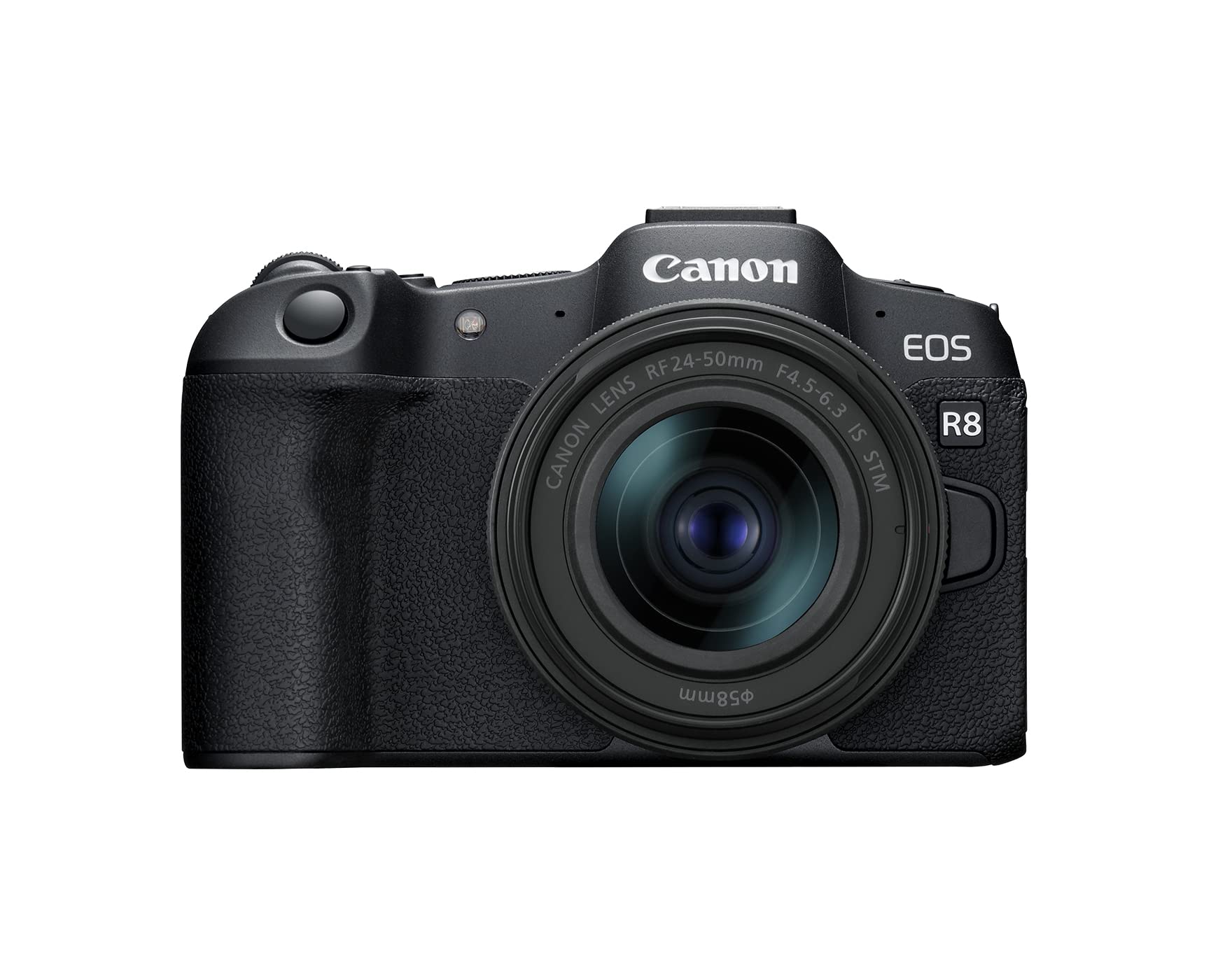
Canon EOS R50 Mirrorless Camera with RF-S 18-45mm f/4.5-6.3 IS STM Lens
Learning Curve: Easy
$679.99
Difficulty: 2/5
Why Great for Beginners:
Sweet spot for most starters: flip-out screen, fast eye AF, and vlogging modes make it forgiving and fun. Grows with you via app tutorials and easy lens swaps. Perfect hybrid for photos and 4K video without overwhelm.
✓ Beginner Pros
+Flip touchscreen for easy framing
+Lightning-fast subject tracking
+Guided interface with tips
+Compact with great grip
✗ Beginner Cons
-Menu slightly deeper than R100
-Battery ok but extras needed for long days
👍 Best for: Beginners into social media, vlogs, or family video
👎 Not for: Ultra-budget testers or pros needing weather sealing
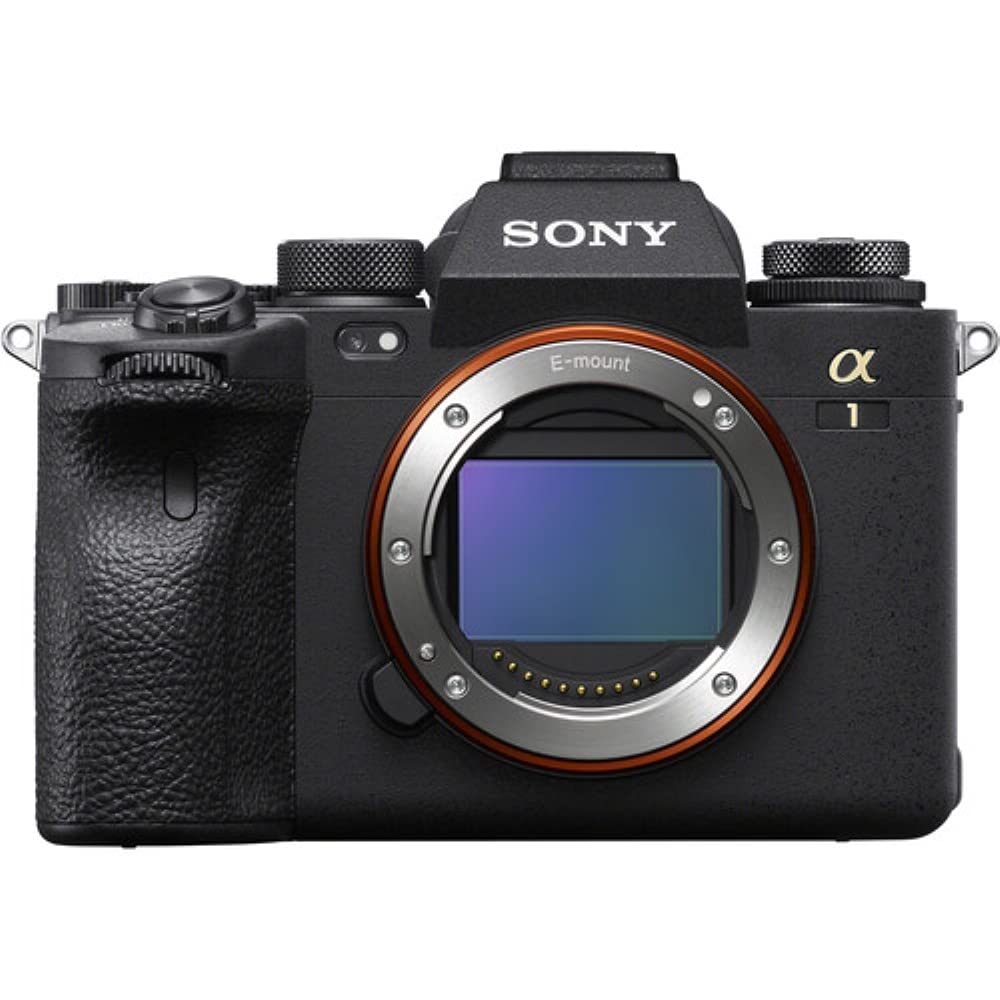
Sony ZV-E10 Mirrorless Camera with 16-50mm Power Zoom Lens
Learning Curve: Easy
$698.00
Difficulty: 2/5
Why Great for Beginners:
Designed for vloggers but great for all beginners: auto framing, product showcase mode, and directional mic make video effortless. Excellent stills too, with forgiving AF. Compact hybrid powerhouse.
✓ Beginner Pros
+Vlog-specific auto modes
+Flip screen with tally light
+Background defocus button
+Great low-light performance
✗ Beginner Cons
-No EVF (use screen)
-Ecosystem lenses pricier
👍 Best for: Video-first beginners or content creators
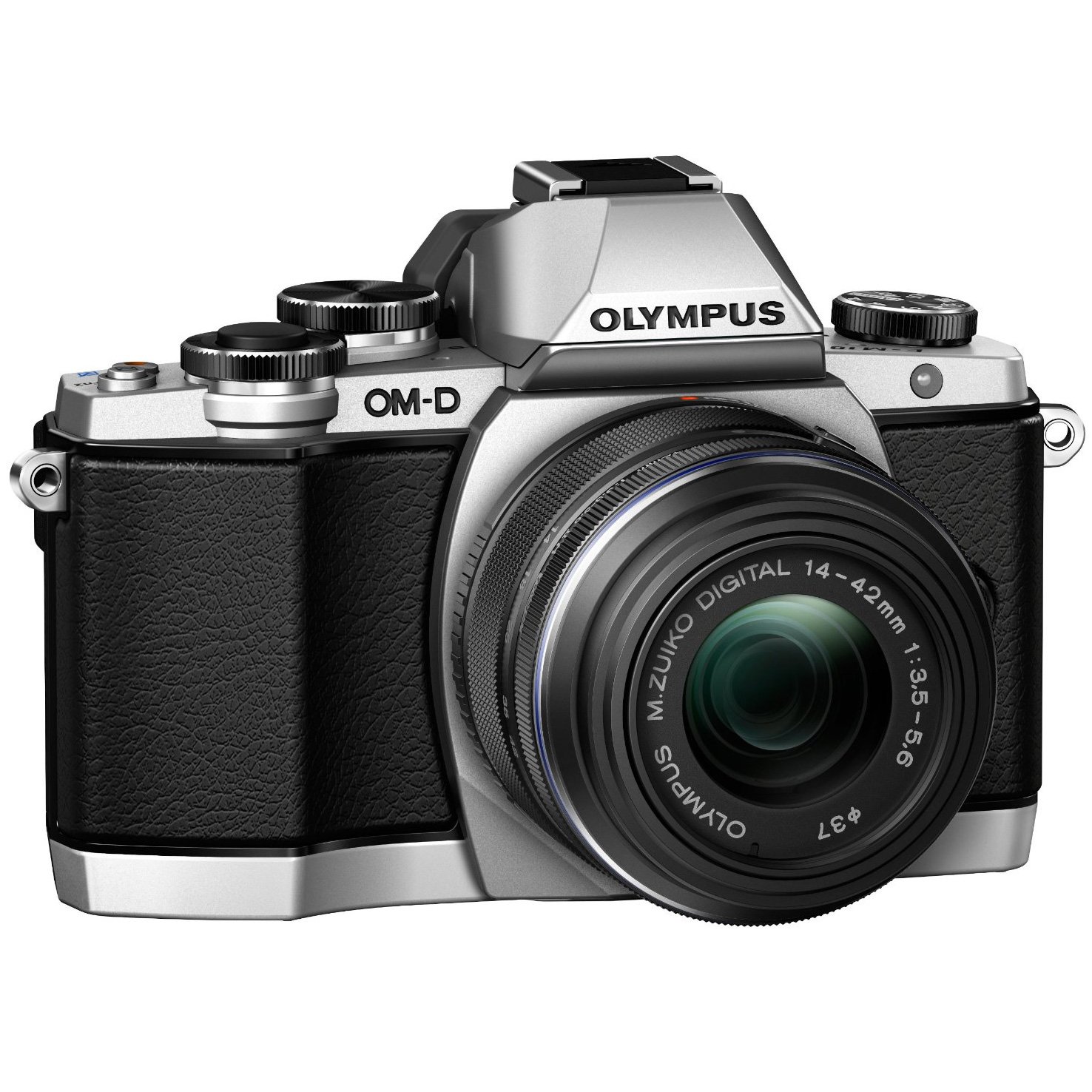
OM SYSTEM OM-D E-M10 Mark IV Mirrorless Camera with 14-42mm EZ Lens
Learning Curve: Moderate
$799.00
Difficulty: 3/5
Why Great for Beginners:
Outstanding stabilization lets you handhold sharp shots at slow speeds, forgiving beginner shake. Art filters and compact size encourage creativity without complexity. Excellent for travel and growth.
✓ Beginner Pros
+5-axis IBIS (super steady)
+Fun art filters
+Weather-resistant build
+Long battery
✗ Beginner Cons
-Smaller sensor (less low-light)
-Menus take getting used to
👍 Best for: Creative beginners wanting stabilization and portability
Mirrorless cameras use an electronic viewfinder and no mirror (unlike old DSLRs), showing exactly what your photo will look like on screen. They're smaller, quieter, and great for hybrid photo/video. Types: APS-C sensors (best for beginners—affordable, versatile crop for wildlife/sports), Micro Four Thirds (compact, stabilized), or full-frame (pro-level, skip for now).
APS-C like Canon R50 or Sony ZV-E10 are ideal starters: sharp photos, 4K video, under $800 with lens. Expect great daylight shots, decent low-light, and fun creative modes. 'Beginner-friendly' means guided interfaces (Sony's creative dial, Canon's picture styles) and forgiving errors like slight underexposure.
Marketing traps: 'Pro-grade' means complex menus; ignore megapixels over 24MP. Test in-store if possible, but Amazon's return policy covers you.
🔧 Essential Accessories for Beginners
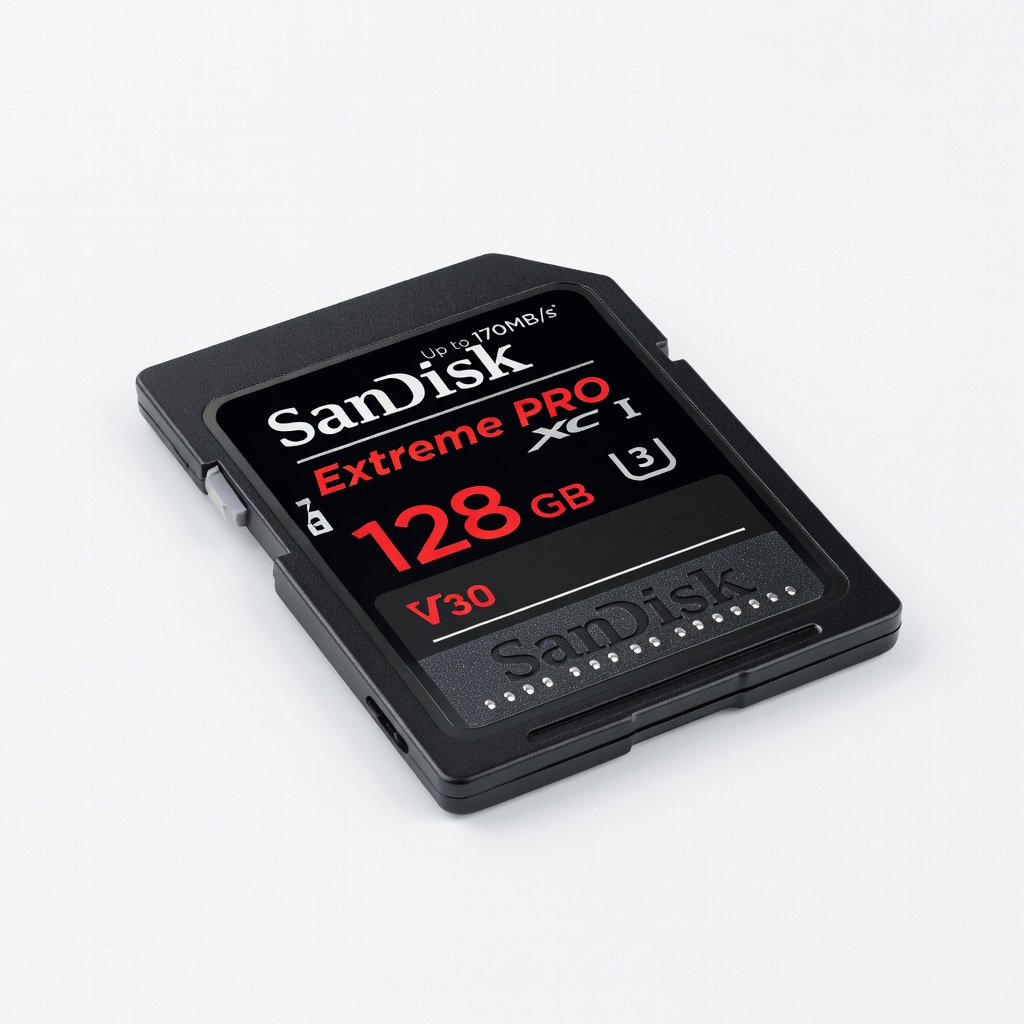
SanDisk 128GB Extreme PRO SDXC UHS-I Memory Card
⚠️ Essential
$16.99
When to buy:
Day one
Cameras fill up fast with photos/videos; this fast card prevents frustrating slowdowns or lost shots. Beginners shoot bursts without worry.
Ask: What's your budget and main use (photos, video, travel)? If casual photos, pick APS-C kit under $700. Video/hybrid? Sony ZV-E10. Prioritize ease: flip screen, auto modes, grip. Budget: Start sweet spot for value.
Red flags: No kit lens (extra $200), poor battery (under 300 shots), heavy body. Go budget if testing hobby; recommended for 1-2 years growth; premium if serious. Match ecosystem (buy Canon if liking RF lenses).
💰 Budget Guide for Beginners
1400+
Pro entry: Full-frame capable, but overwhelming for true beginners.
600 - $900
Sweet spot: Best value with growth room—excellent auto modes, stabilization, lasts 2+ years.
900 - $1400
Premium beginner: Top AF, build quality, video; won't outgrow quickly, ideal for enthusiasts.
Under $ - $600
Entry level: Basic kits to try photography without big risk, but may upgrade in 6-12 months for better AF/video.
⚠️ Common Beginner Mistakes to Avoid
Beginners buy too cheap ($200 junk) and quit from poor quality, or splurge on $2000 bodies ignoring lenses cost 2x more. Many skip cards/bags, leading to lost shots or breakage—Reddit horror stories abound. Avoid by sticking to kits under $900 with stabilization.
Don't chase 'pro' specs like 40MP; start simple. Experienced users say: Learn auto first, buy ecosystem (e.g., Canon RF grows cheap). Test returns on Amazon.
×Buying body-only without kit lens (can't shoot day one)
×Ignoring stabilization (constant blurry shots)
×Choosing full-frame for 'better quality' (too expensive/complex)
×Skipping memory cards/battery (gear unusable)
×Overpaying for megapixels (doesn't matter for prints)
×Picking DSLRs thinking mirrorless is 'toy'
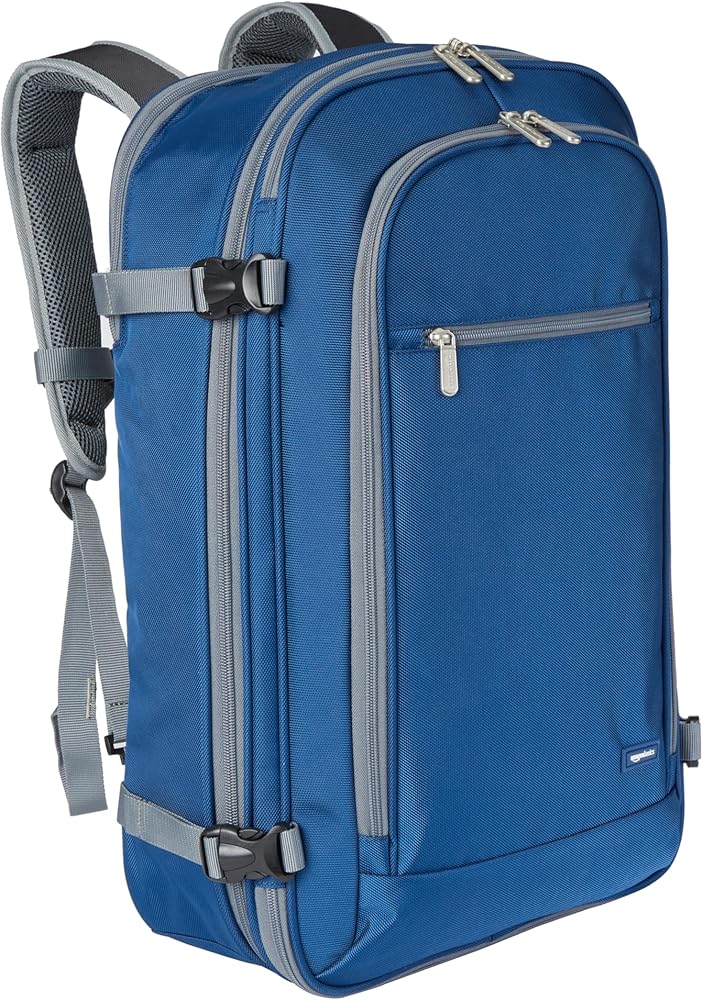
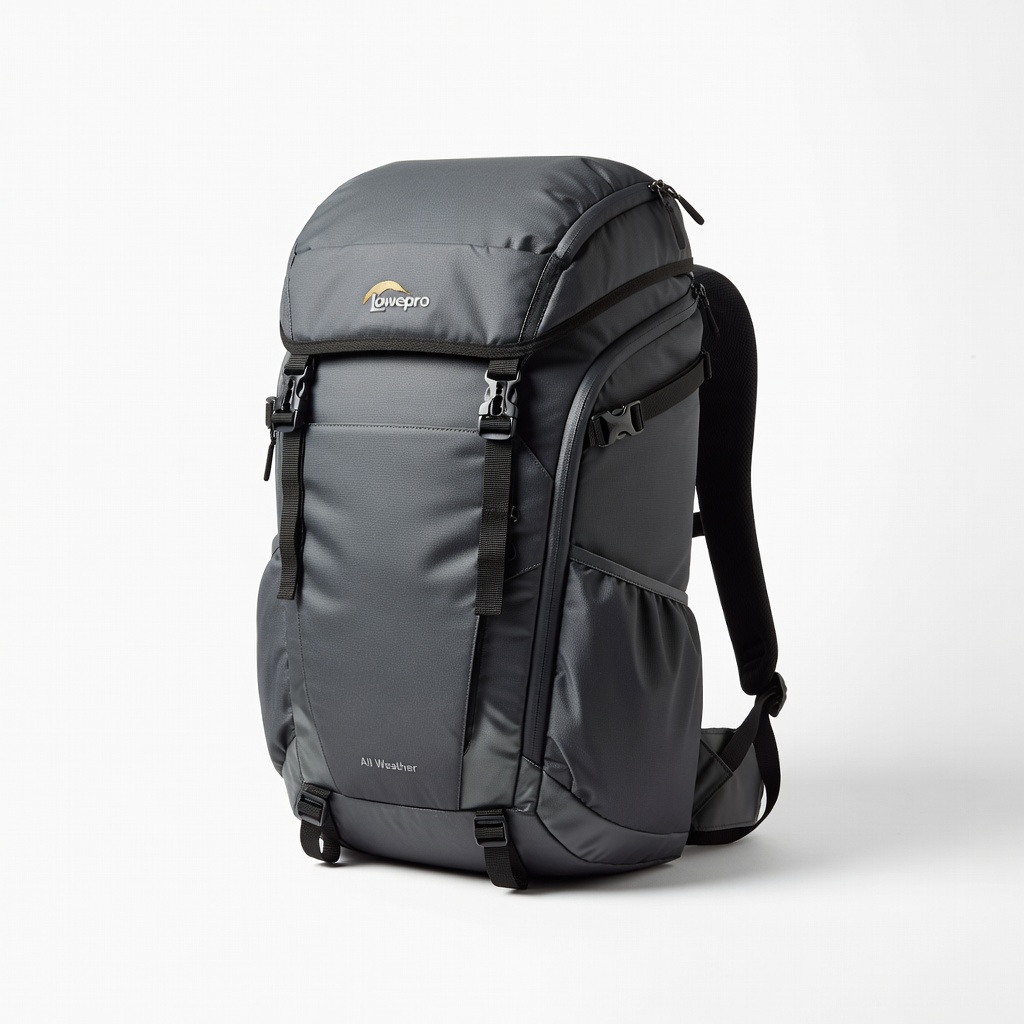
×Not getting a bag (gear gets damaged)
×Forgetting video needs if hybrid user
📈 Your Progression Path: Beginner to Intermediate
Start in full auto/scene modes for 1-2 months, mastering composition. Move to aperture priority for portraits, shutter for action. Practice daily via apps like 365 Project.
Outgrow beginner gear when wanting better low-light, telephoto, or 4K 60p—signs: maxed ISO noisy, cropping too much. Upgrade lenses first (under $300 primes), then body to same brand after 1 year. Intermediate: Manual mode, off-camera flash; expect 6-18 months at beginner.
📚 Learning Resources for Beginners
📖Understanding Exposure by Bryan Peterson (ASIN: 1607748517) - Core book for light basics.
📖Canon EOS R10/R50/R100 Guide to Digital Photography (ASIN: B0C2H5G3K2) - Camera-specific tips.
📖Lightroom for Beginners (ASIN: B0B5K4Z3K4) - Edit your shots easily.
📖OM System Tutorials Book (search Amazon for E-M10 Mark IV guide)
🎯 Bottom Line: Our Recommendations
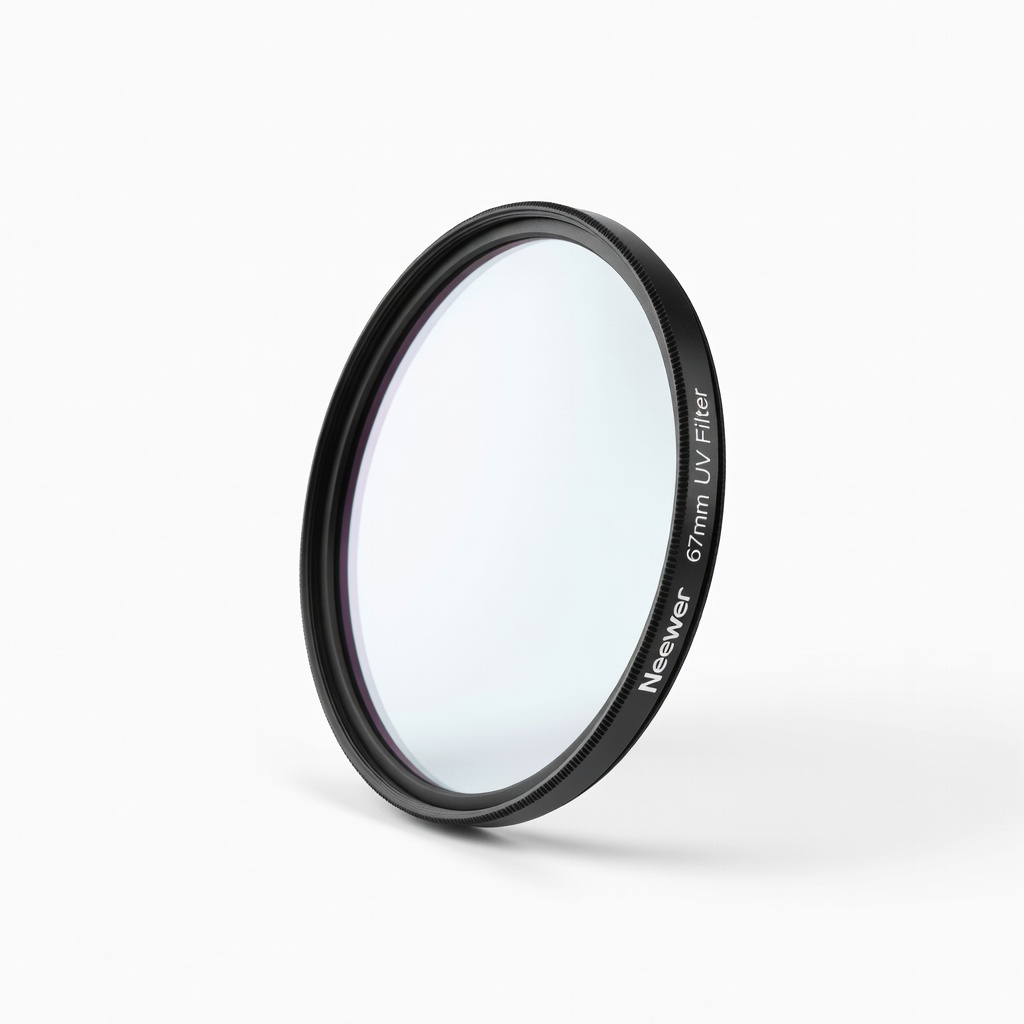
For most beginners, grab the Canon EOS R50 ($680)—perfect balance of ease, features, and growth. Budget? R100 at $480. Premium creative? OM-D E-M10 IV. Add SD card, tripod, UV filter day one.
You're ready! Order, charge, shoot in auto—amazing results await. Join r/photocritique for feedback. Photography is fun, not hard—start today.
❓ Frequently Asked Questions
Canon EOS R50—easy modes, flip screen, great AF for $680. Forgiving hybrid for photos/video.
$600-900 sweet spot for kit with lens, stabilization. Under $600 tests waters; over $900 for longevity.
Auto/scene modes, flip touchscreen, eye AF, stabilization, kit lens, EVF.
Canon EOS R100—simplest menus, lightweight, guided shooting.
SD card, tripod, UV filter, bag—start with first three.
Match use (video=ZV-E10), budget ($600-900), features (auto/stab). Buy kit on Amazon.
No—modern ones have auto modes like phones but better quality. Learn in weeks.
No kit lens, skipping stab/card, chasing megapixels. Stick to recommended kits.
Mirrorless: lighter, preview shots, video better. Skip DSLR.