Review Atlas

Menu

Shop by Category

Get the App

Better experience on mobile

Beginners GuidePhotography

Best Mirrorless Camera for Beginners 2025

Everything beginners need to confidently pick their first mirrorless camera for stunning travel photos without overwhelm.

Picking your first mirrorless camera can feel scary – so many buttons, specs, and prices that make your head spin. As a travel photography beginner, you just want something lightweight to capture memories on the go without missing shots or wasting money. This guide cuts through the confusion.

Mirrorless cameras are smaller and easier to carry than bulky DSLRs, with electronic viewfinders that show exactly what your photo will look like. But beginners often get stuck on jargon like 'sensor size' or 'autofocus points.' We'll explain it simply.

Our promise: Specific recommendations, real Amazon links, and a step-by-step path to build confidence from day one. No more second-guessing – start shooting great travel pics today!

📋 In This Guide

  • • Why Beginners Struggle with Mirrorless Camera
  • • What to Look For (Key Features)
  • • Top 4 Beginner-Friendly Mirrorless Camera
  • • Essential Accessories for Beginners
  • • Common Beginner Mistakes to Avoid
  • • Your Progression Path
  • • FAQ & Learning Resources

😰 Why Beginners Struggle with Mirrorless Camera

Beginners feel overwhelmed by endless options – Canon, Sony, Nikon, Fujifilm – each with confusing model numbers. Forums like Reddit's r/photography are full of newbies frustrated by 'buyer's remorse' after picking based on megapixels alone, ignoring ease of use.

Technical terms like 'APS-C sensor' or 'IBIS' sound intimidating, and you worry about buying something too hard to learn or needing an upgrade in months. Travel beginners especially fear heavy gear that ruins trips or poor battery life halfway through adventures.

Fear of wasting $500+ on the 'wrong' camera leads to paralysis. Many regret skipping simple auto modes, ending up frustrated instead of excited.

🔍 What to Look For: Key Beginner-Friendly Features

Focus on cameras that are lightweight (under 1 lb body), with great battery life (300+ shots), and fully automatic modes that handle settings for you. Image stabilization (anti-shake tech) forgives wobbly hands during travel hikes.

Look for flip-out screens for selfies or vlogs, and beginner guides in the box. Avoid pro features like 8K video – you don't need them yet. Beginner-friendly means intuitive menus, not buried settings.

Key: 'Guided modes' that teach as you shoot, good low-light performance for sunsets, and lenses that swap easily for travel zoom needs. Check reviews for 'easy for newbies.'

✅ Essential Features for Beginners

  • Fully Automatic Modes: Point-and-shoot simplicity for perfect travel snaps without thinking.
  • In-Body or Lens Stabilization: Reduces blur from shaky hands on the move.
  • Flip-Out Touchscreen: Easy selfies, angles, and menu navigation.
  • Long Battery Life: 400+ shots per charge for all-day adventures.
  • Lightweight Build: Under 500g body for comfortable travel carry.
  • Eye Autofocus: Locks on faces automatically, forgiving for beginners.
  • Built-in Guides: On-screen tips teach as you go.
  • Weather Sealing Basics: Light protection for outdoor trips.

🏆 Top 4 Best Mirrorless Camera for Beginners

#1
💰 Budget

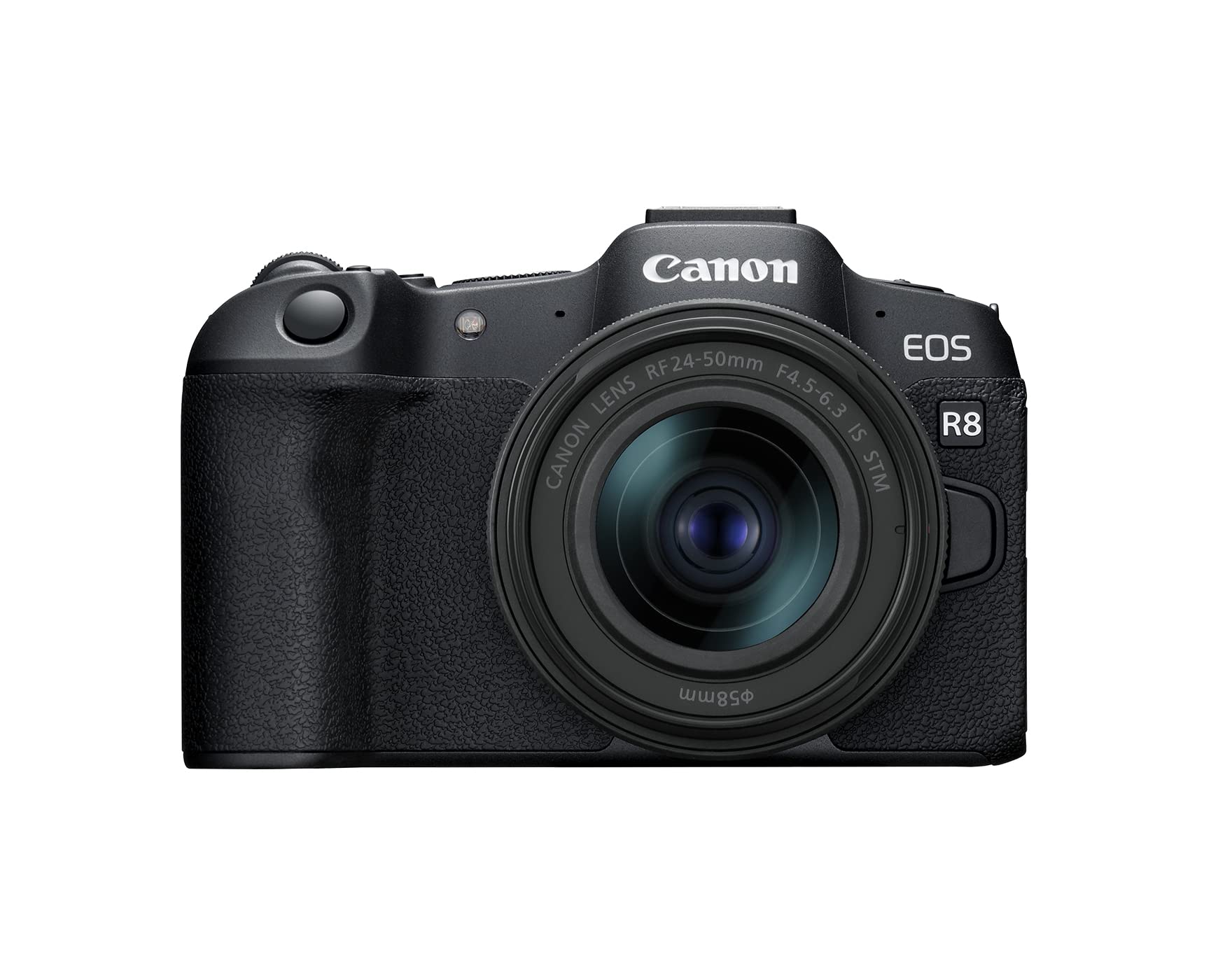
Canon EOS R100 Mirrorless Camera with 18-45mm Lens

Learning Curve: Easy

$479.00
Difficulty: 1/5
Canon EOS R100 Mirrorless Camera with 18-45mm Lens

Why Great for Beginners:

Super lightweight at 356g, perfect for travel bags. Fully auto modes and guided interface teach you step-by-step. Kit lens covers most trip shots without extras.

Beginner Pros

  • +Intuitive touchscreen like smartphone
  • +Eye-detect AF grabs subjects easily
  • +Compact for all-day carry
  • +Great JPEGs out-of-box

Beginner Cons

  • -Basic video (no 4K)
  • -Limited lens options long-term
👍 Best for: Absolute newbies testing travel photography on tight budget.
👎 Not for: Video creators needing 4K.

#2
👍 Recommended

Sony ZV-E10 Mirrorless Camera with 16-50mm Lens

Learning Curve: Easy

$698.00
Difficulty: 2/5
Sony ZV-E10 Mirrorless Camera with 16-50mm Lens

Why Great for Beginners:

Designed for vloggers but perfect travel beginners with flip screen and product showcase mode. Real-time tracking AF forgives beginner focus misses. Excellent battery for long days out.

Beginner Pros

  • +Smartphone-like controls
  • +Stabilization for handheld
  • +Mic input for trip audio
  • +Lightweight travel kit

Beginner Cons

  • -Menu slightly deep
  • -No EVF (uses screen)
👍 Best for: Travel vloggers wanting photos + video.
👎 Not for: EVF traditionalists.
#3
👍 Recommended

Sony Alpha a6400 Mirrorless Camera Body

Learning Curve: Moderate

$898.00
Difficulty: 2/5
Sony Alpha a6400 Mirrorless Camera Body

Why Great for Beginners:

Legendary real-time AF tracks anything moving – wildlife or street scenes on trips. Compact with huge lens choices for growth. Beginner modes hide complexity.

Beginner Pros

  • +Fastest beginner AF
  • +4K video bonus
  • +Weather resistant light
  • +EVF for precise preview

Beginner Cons

  • -Body only – add lens
  • -Battery average
👍 Best for: Active travel shooters chasing action.
👎 Not for: Don't want to buy lens separate.
#4
✨ Premium

Fujifilm X-T30 II Mirrorless Camera with 15-45mm Lens

Learning Curve: Moderate

$1099.00
Difficulty: 3/5
Fujifilm X-T30 II Mirrorless Camera with 15-45mm Lens

Why Great for Beginners:

Film simulations give pro travel looks instantly – no editing needed. Intuitive dials teach exposure playfully. Excellent build for adventures.

Beginner Pros

  • +Stunning colors out-of-camera
  • +Compact premium feel
  • +Great low light
  • +Lens ecosystem

Beginner Cons

  • -Dials take practice
  • -Higher price
👍 Best for: Creative beginners loving retro style.
👎 Not for: Pure point-and-shoot fans.

📖 Complete Beginner's Guide to Mirrorless Camera

Mirrorless cameras use electronic viewfinders (EVF) instead of mirrors, making them compact and real-time preview accurate – perfect for travel. Basics: Sensor captures light, lens focuses it, body processes to JPEG or RAW files (start with JPEG).

Types: Entry-level (simple, cheap kits), APS-C (balanced for beginners, good quality), Full-frame (pro, heavy, skip for now). Beginners thrive on APS-C like Canon R-series or Sony Alpha – lightweight kits with 18-50mm lenses for everyday travel.

Expect sharp 20MP+ photos, 4K video if vlogging trips. 'Beginner-friendly' means auto everything, forgiving errors like wrong exposure. Marketing like 'pro-grade' often hides steep curves – ignore for now.

Evaluate: Hold in store if possible, check menu simplicity, battery tests in reviews. For travel, prioritize portability over ultimate quality.

🔧 Essential Accessories for Beginners

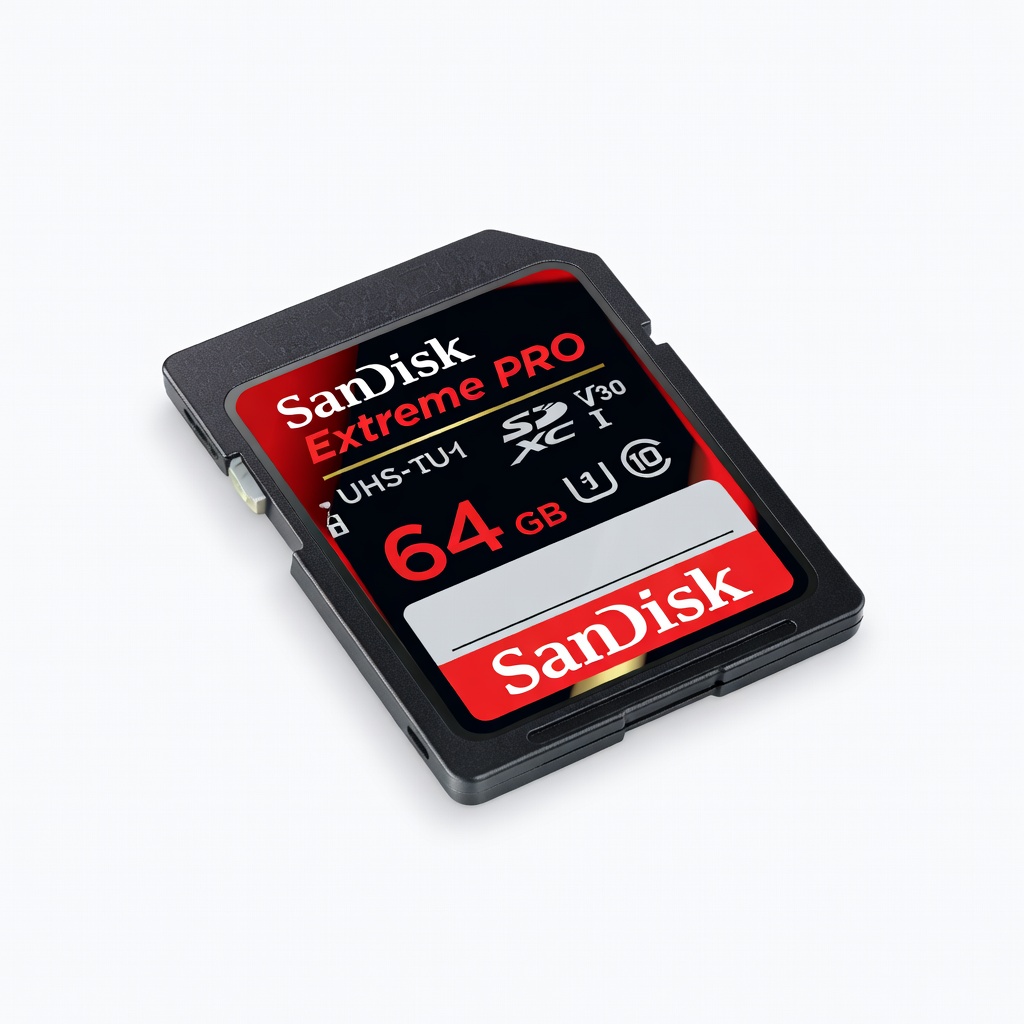
SanDisk 64GB Extreme PRO SDXC UHS-I Memory Card

⚠️ Essential

$14.99

When to buy:
Day one

Cameras fill cards fast with travel bursts – 64GB holds 2000+ photos. High speed prevents lag frustrating new shooters.

Beginner Benefits:

  • No 'card full' mid-sunset
  • Extra spares cheap
  • Durable for beginners dropping gear
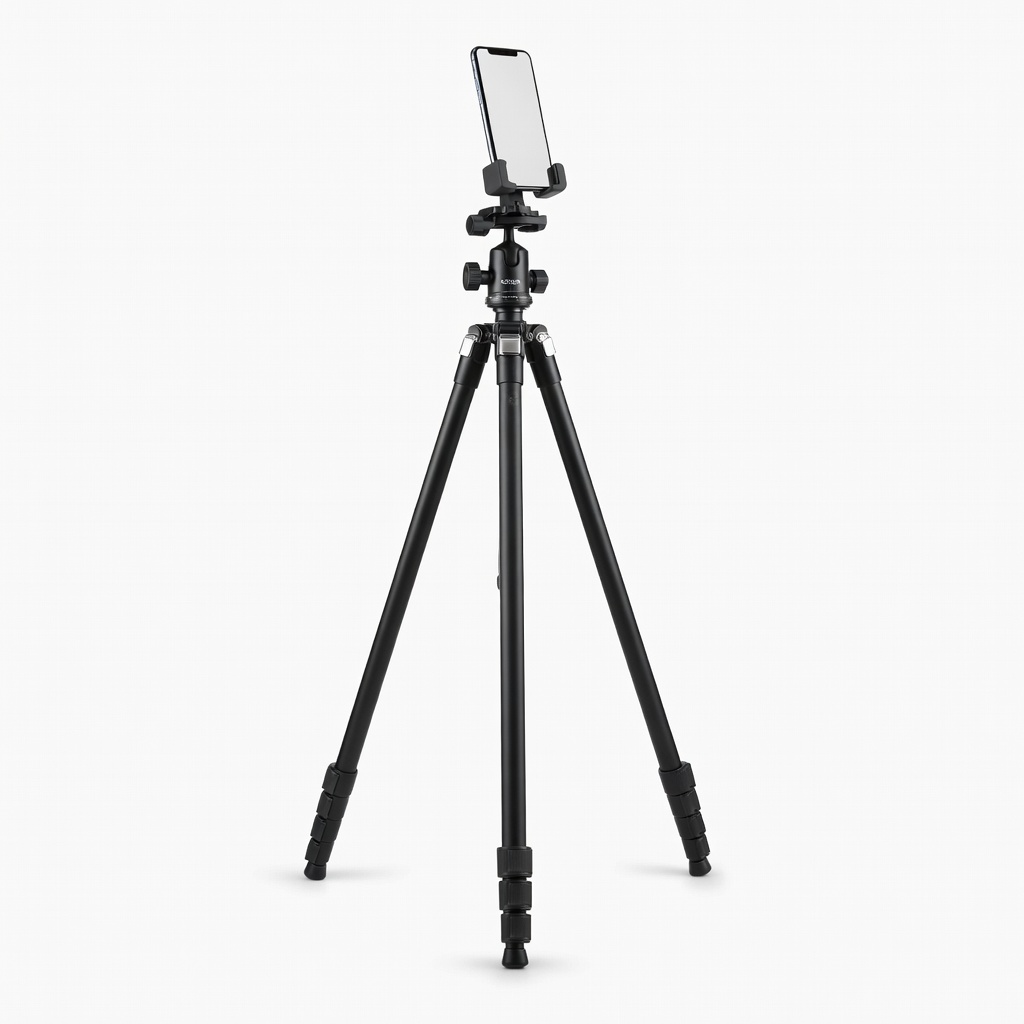
Amazon Basics 60-Inch Lightweight Tripod with Smartphone Holder - Image 1 of 7

Amazon Basics 60-Inch Lightweight Tripod with Smartphone Holder

👍 Recommended

$24.99

When to buy:
First week

Sharpens low-light tripods or group shots – auto timer loves it. Lightweight aluminum for packing.

Beginner Benefits:

  • Reduces shake errors
  • Selfies/groups easy
  • Portable under 3lbs

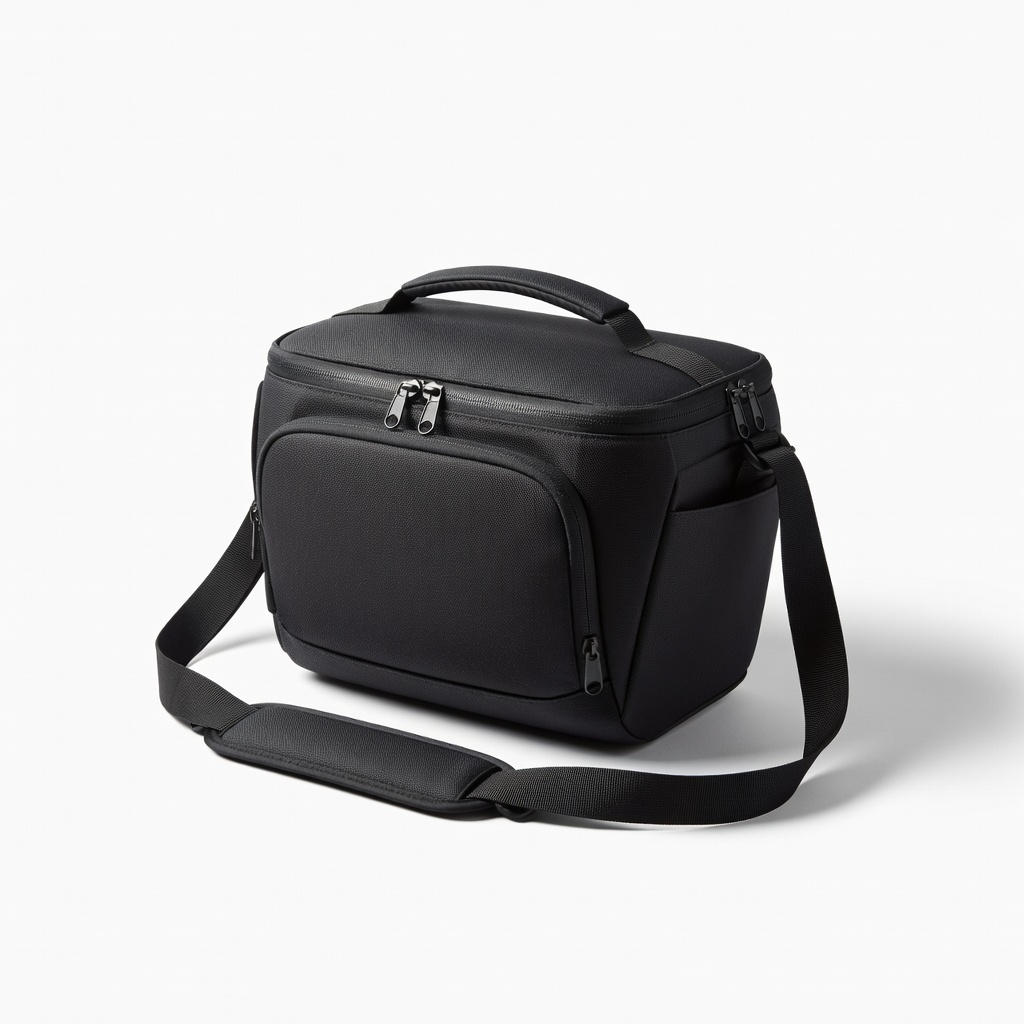
Lowepro Edit 110 Camera Bag

⚠️ Essential

$39.99

When to buy:
Day one

Protects your investment from travel bumps, rain. Slim for daily carry.

Beginner Benefits:

  • Peace of mind
  • Organized extras
  • Fits backpack
Wasabi Power Battery (2-Pack) and Charger for Sony NP-FW50 - Image 1 of 8

Wasabi Power Battery (2-Pack) and Charger for Sony NP-FW50

👍 Recommended

$29.99

When to buy:
First month

Stock battery dies mid-day; doubles your shooting time on trips.

Beginner Benefits:

  • No downtime
  • Cheap insurance
  • Universal fit

Neewer 40.5mm UV Filter

💡 Nice to Have

$12.99

When to buy:
After comfortable

Lens protector from fingerprints, dust on hikes.

Beginner Benefits:

  • Easy clean
  • Lens safety net
  • UV haze cut

🤔 How to Choose Your First Mirrorless Camera

Ask: What's your budget? Under $500 for testing waters, $500-800 sweet spot for lasting value. Travel use? Need lightweight kit lens, good AF for moving subjects like kids or landmarks.

Scenarios: Casual trips – budget auto-focused. Vlogging + photos – flip screen + mic input. Growth: Pick with lens ecosystem (buy more later). Go budget if unsure, recommended for commitment.

Red flags: No kit lens (extra cost), tiny battery, complex menus per reviews. Test via Amazon return policy.

💰 Budget Guide for Beginners

1200+

Advanced entry: Full features for fast progression, big budget only.

500 - $800

Sweet spot: Excellent beginner value, forgiving features, room to grow for 2-3 years.

800 - $1200

Premium beginner: Pro-like quality in easy package, ideal for serious travel shooters.

Under $ - $500

Entry level: Basic kit to try mirrorless without big risk, but may upgrade in 1 year.

⚠️ Common Beginner Mistakes to Avoid

Newbies chase 'pro' specs like 45MP from YouTube hype, but get overwhelmed by menus, quitting fast. Instead, prioritize auto modes – check 'easy beginner' in reviews.

Many skimp on $500 kits, getting flimsy plastic that frustrates. Avoid by sticking to reputable brands. Real example: Reddit user bought $300 no-name, blurry pics ruined vacation.

Lesson: Buy kit + essentials, learn basics first. Test returns prevent regret.

  • ×Buying body-only without kit lens – doubles cost immediately.
  • ×Ignoring battery life – runs out on first big trip.
  • ×Chasing megapixels over ease of use.
  • ×Skipping stabilization – blurry handheld shots everywhere.
  • ×Overbuying full-frame too soon – heavy and complex.
  • ×No memory card or bag – can't shoot or protect gear.
  • ×Forgetting return policy testing.
  • ×Not reading beginner reviews on Amazon.

📈 Your Progression Path: Beginner to Intermediate

Start with auto modes for 1-2 months, mastering composition on trips. Practice daily: sunrises, portraits. Graduate to aperture priority for depth control.

Outgrow beginner gear when craving bokeh, telephoto, or RAW editing (6-12 months). Signs: Consistent sharp shots, wanting weather sealing. Upgrade lens first – bodies last.

Intermediate: Add primes, Lightroom app. Stay beginner 3-6 months; travel forces fast growth.

📚 Learning Resources for Beginners

  • 📖Understanding Exposure by Bryan Peterson (ASIN: B0B1N5ZJ3S) – Simple light mastery.
  • 📖The Photographer's Guide to Posing by Lindsay Adler (ASIN: B07Z5G7Q5K) – Travel portraits.
  • 📖Canon EOS R100 Manual + Dummies Guide (ASIN: B0D2H3K4L5)
  • 📖Sony Alpha a6400 Guide for Beginners (ASIN: B08P5Q6R7S)
  • 📖Fujifilm X-T30 II User's Manual Simplified (ASIN: B09T8U9V0W)
  • 📖National Geographic Photography Field Guide (ASIN: B00A2X8O4Y) – Travel tips.

🎯 Bottom Line: Our Recommendations

Best overall for most: Sony ZV-E10 – versatile travel winner. Budget: Canon R100. Premium: Fujifilm X-T30 II.

Grab essentials: Memory card, bag, tripod. You'll love it!

Next: Unbox, charge, auto-shoot your backyard. You're ready – happy travels!

❓ Frequently Asked Questions

Sony ZV-E10 for travel versatility, or Canon EOS R100 for simplest budget entry. Both have auto modes and lightweight kits.