Pick your first MIDI keyboard with confidence - simple guide to top picks, features, and mistakes to avoid.
Choosing your first MIDI keyboard can feel scary - there are so many options, weird tech terms, and worries about wasting money on the wrong one. As a beginner in music production, you just want something simple to plug into your computer, play notes, and start making beats in a DAW like GarageBand or FL Studio without frustration.
This guide cuts through the confusion. We'll explain what matters for newcomers, recommend real Amazon products that are easy to use, forgiving for mistakes, and great value. By the end, you'll know exactly what to buy, feel confident setting it up, and avoid common pitfalls that trip up newbies.
📋 In This Guide
• Why Beginners Struggle with MIDI Keyboard
• What to Look For (Key Features)
• Top 4 Beginner-Friendly MIDI Keyboard
• Essential Accessories for Beginners
• Common Beginner Mistakes to Avoid
• Your Progression Path
• FAQ & Learning Resources
😰 Why Beginners Struggle with MIDI Keyboard
Beginners often feel overwhelmed by the huge choice of MIDI keyboards - from tiny 25-key minis to full 88-key beasts. Tech jargon like 'velocity-sensitive aftertouch' or 'polyphony' sounds intimidating and meaningless when you're just trying to hit play on some virtual piano sounds.
Many fear buying something too basic that breaks quickly or too advanced they'll never use. Forums like Reddit's r/WeAreTheMusicMakers are full of stories: 'I got a cheap one with sticky keys after a week' or 'Spent $300 but can't figure out the knobs.' Without knowing your DAW setup or future goals, it's easy to pick wrong and quit before starting.
The result? Paralysis or regret. But it doesn't have to be that way - focus on simple, plug-and-play options built for newbies.
🔍 What to Look For: Key Beginner-Friendly Features
For beginners, prioritize ease: USB-powered so it plugs straight into your laptop (no extra power brick). 25-49 full-size or semi-weighted keys for comfortable playing without taking desk space. Velocity-sensitive keys (they sense how hard you hit for louder/softer notes) but skip fancy aftertouch.
Look for included software bundles like virtual instruments - instant fun without buying more. Pads and knobs for drums/beats keep it versatile for DAW music without complexity. Avoid huge key counts or MIDI over USB interfaces if you're on a modern computer.
Beginner-friendly means intuitive setup (under 5 minutes), good build to survive drops, and community tutorials galore.
•USB plug-and-play: No drivers needed, works with any computer instantly.
•Built-in pads & knobs: Easy beat-making and sound tweaking without menus.
•Software bundle: Free DAW plugins to start creating music day one.
•Compact & lightweight: Fits your desk, portable for practice anywhere.
•Arpeggiator/chord modes: Auto-plays cool patterns so you sound pro fast.
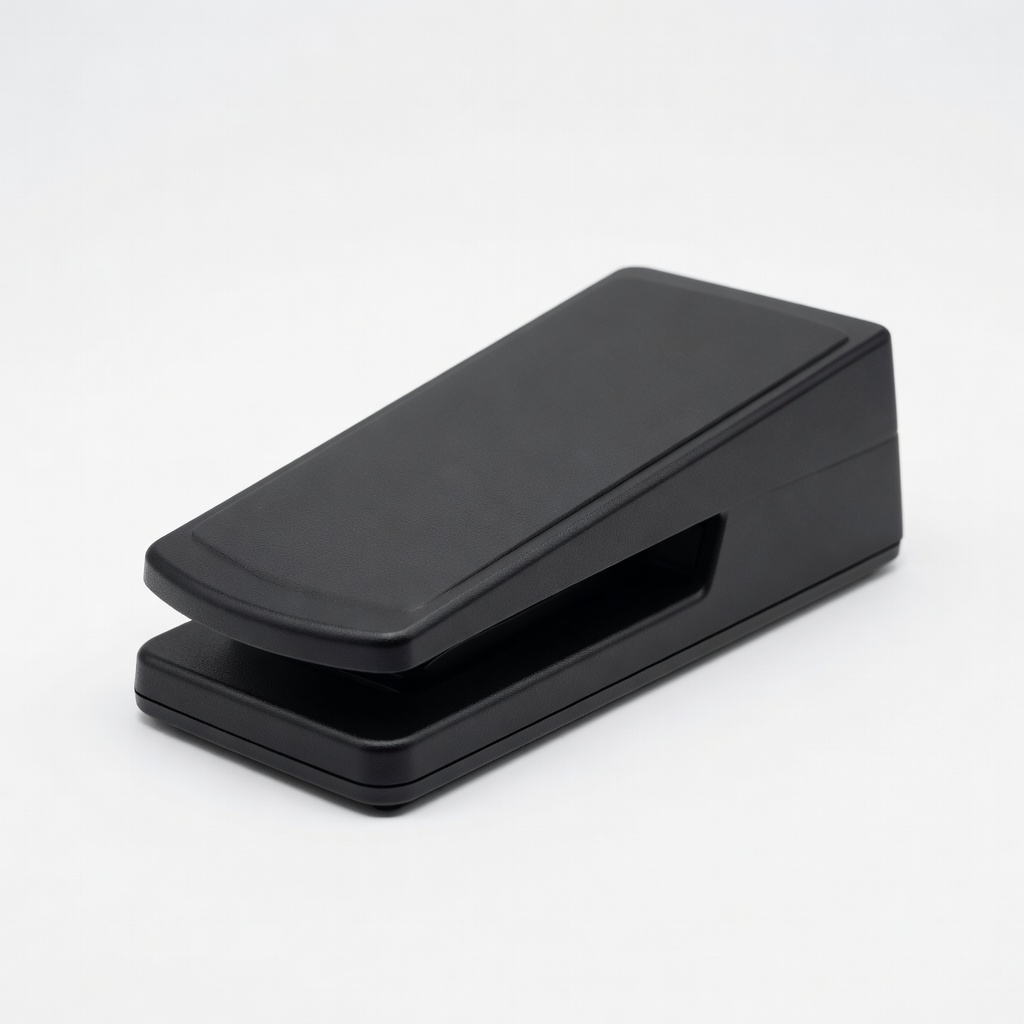
•Sustain pedal input: Adds expression without confusing controls.
•Good customer support: Quick fixes if setup hiccups happen.
🏆 Top 4 Best MIDI Keyboard for Beginners
#1
💰 Budget
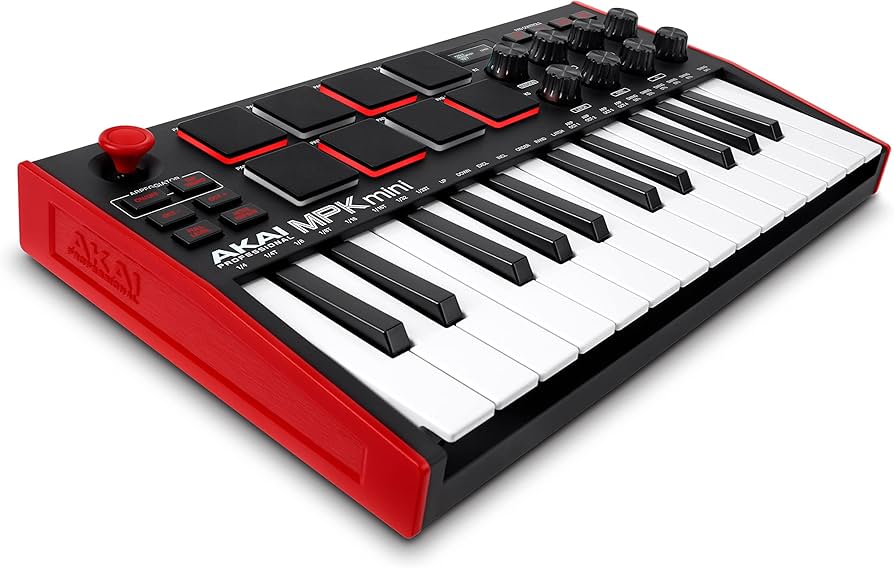
AKAI Professional MPK Mini MK3
Learning Curve: Easy
$99.00
Difficulty: 1/5
Why Great for Beginners:
Ultra-compact 25-key mini perfect for tight spaces and quick laptop sessions. Plug-and-play with massive software bundle gets you producing instantly. Forgiving keys and simple controls mean no frustration for newbies.
✓ Beginner Pros
+Tiny footprint
+Free MPC Beats software
+8 pads for easy drums
+USB powered anywhere
+Tons of YouTube tutorials
✗ Beginner Cons
-Limited keys for chords
-Mini keys feel small
-Build feels plasticky
👍 Best for: Laptop beat-makers on tight budget/desk
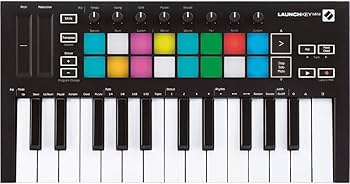
25 keys with smart DAW integration (Ableton/Logic) for seamless control. Chord/arpeggiator modes make you sound advanced fast. Includes free synths/instruments - zero extra buys needed.
✓ Beginner Pros
+DAW-specific modes
+Scale/chord helpers
+USB-C modern
+Custom modes
+Great app editor
✗ Beginner Cons
-Mini keys only
-Pads smallish
👍 Best for: Ableton/FL Studio newbies wanting easy controls
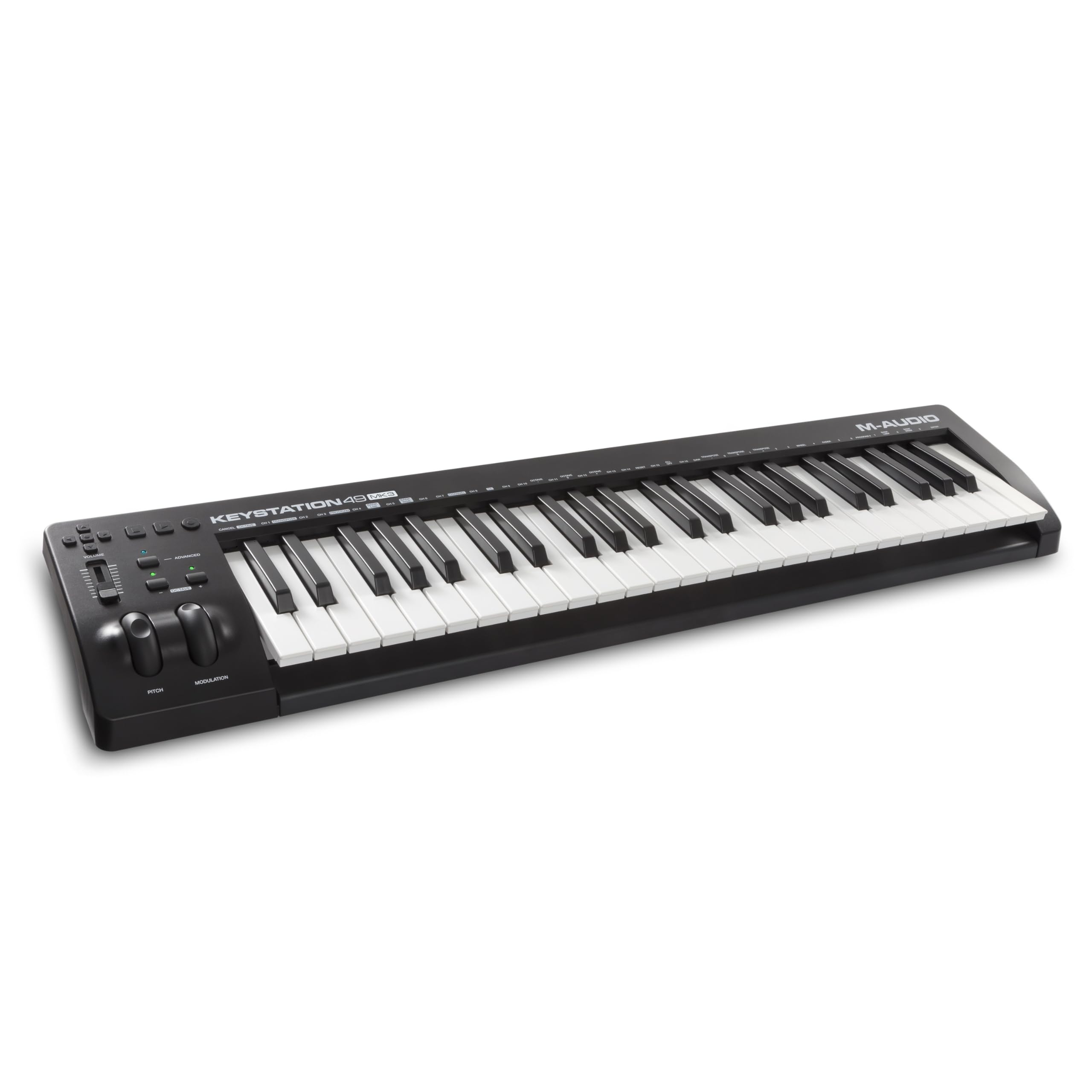
49 velocity-sensitive keys, super simple - just plug in and play any DAW. Lightweight, velocity/volume pedals ready. Perfect no-frills starter that punches above weight.
A MIDI keyboard is a simple piano-like controller that sends note data to your computer software (DAW) to trigger sounds - no built-in speakers or sounds itself. It's for music production, letting you play virtual pianos, synths, drums via USB.
Types: Mini (25 keys, portable), Slim (49-61 keys, desk-friendly), Full (76-88 weighted keys for piano feel). Beginners love minis or 49-key for balance - enough range for melodies/chords without bulk. Skip weighted unless piano-focused; synth-action is bouncy and forgiving.
Expect to make basic loops week one, full songs month one with practice. 'Beginner-friendly' = zero-config setup, visual LED feedback, apps for phone control. Marketing like 'pro-grade' often hides steep curves - ignore, chase 'easy mode' buttons.
🔧 Essential Accessories for Beginners
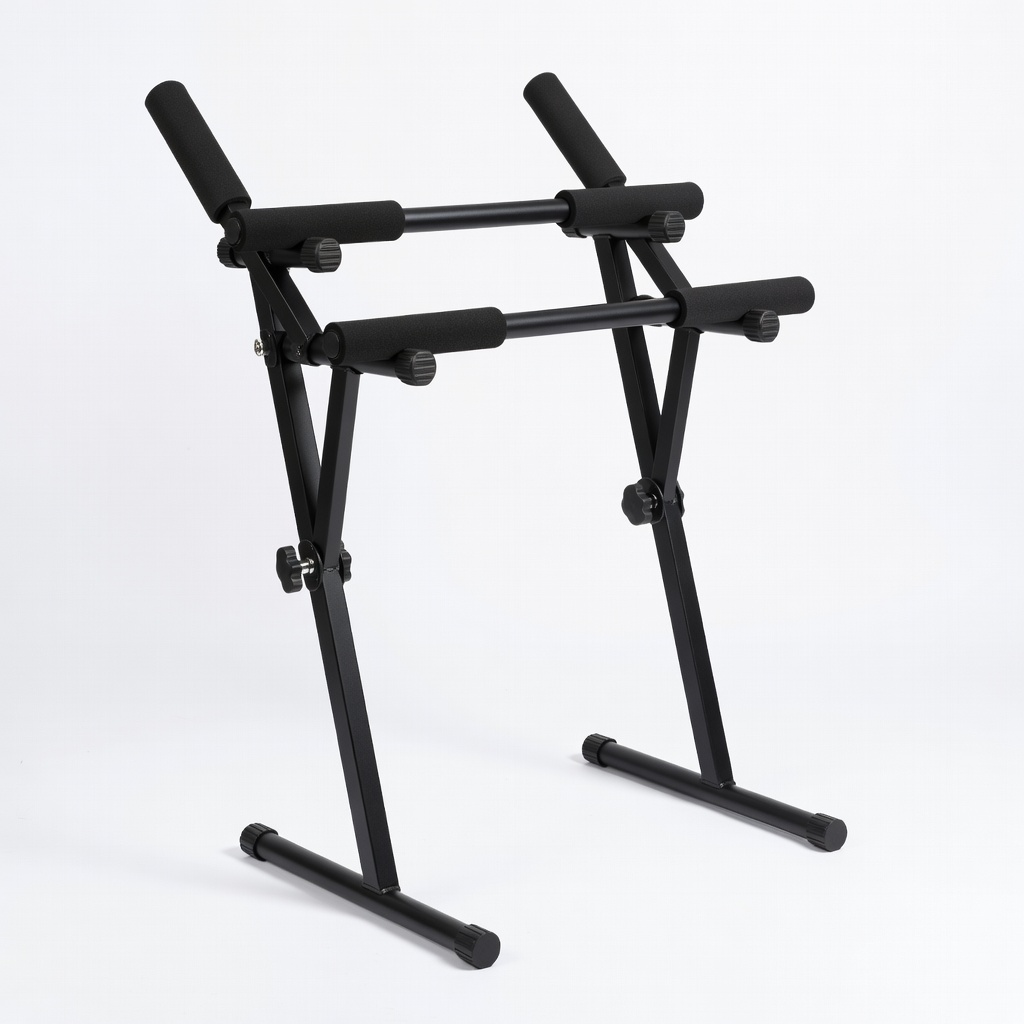
On-Stage KS7190 Keyboard Stand
👍 Recommended
$39.99
When to buy:
Day one
Raises your keyboard to comfy playing height, reduces back strain during long sessions. Adjustable for any size, stable to prevent wobbles/tip-overs common with desk use.
Ask: What's your budget? Desk space? Main use (melodies, beats, piano)? Laptop type? Start under $150 for most.
Budget: Under $100 for testing waters. $100-250 sweet spot (versatile, lasts 2+ years). $250+ premium if serious. Test scenarios: Beats? Get pads. Melodies? More keys. Plan growth: Pick scalable software bundles.
Red flags: No USB power, cheap plastic (breaks easy), no bundle (extra costs). Go budget if casual, recommended for daily use, premium if investing in hobby.
💰 Budget Guide for Beginners
400+
Advanced entry: For committed hobbyists, weighted keys extras.
100 - $250
Sweet spot: Best value, full beginner features, grows with you 2+ years.
250 - $400
Premium beginner: Pro feel, more keys/controls, rarely outgrow.
Under $ - $100
Entry level: Basic tester, limited keys/features, upgrade in 6 months.
⚠️ Common Beginner Mistakes to Avoid
Newbies grab cheapest Amazon 'keyboard' - often toy-grade with zero MIDI, or flimsy imports snapping month one. Instead, spend $100 min for reliable brands like AKAI/Novation.
Many chase 'pro' 88-key weighted without realizing DAW music favors slim action/portability - ends in dust collector. Check bundle/USB first.
Forums show regret skipping pedals/stands: 'Arms hurt after 10 min.' Buy day one. Test DAW pairing videos pre-buy.
×Buying under $50 fakes - sticky keys break fast.
×Overbuying 88-keys - too big, unused features.
×Skipping software bundle - pays extra for sounds.
×Ignoring DAW compatibility - setup headaches.
×No stand/pedal - uncomfortable, limited sound.
×Cheap no-velocity keys - boring flat playing.
×Full weighted keys early - tiring for synth/DAW.
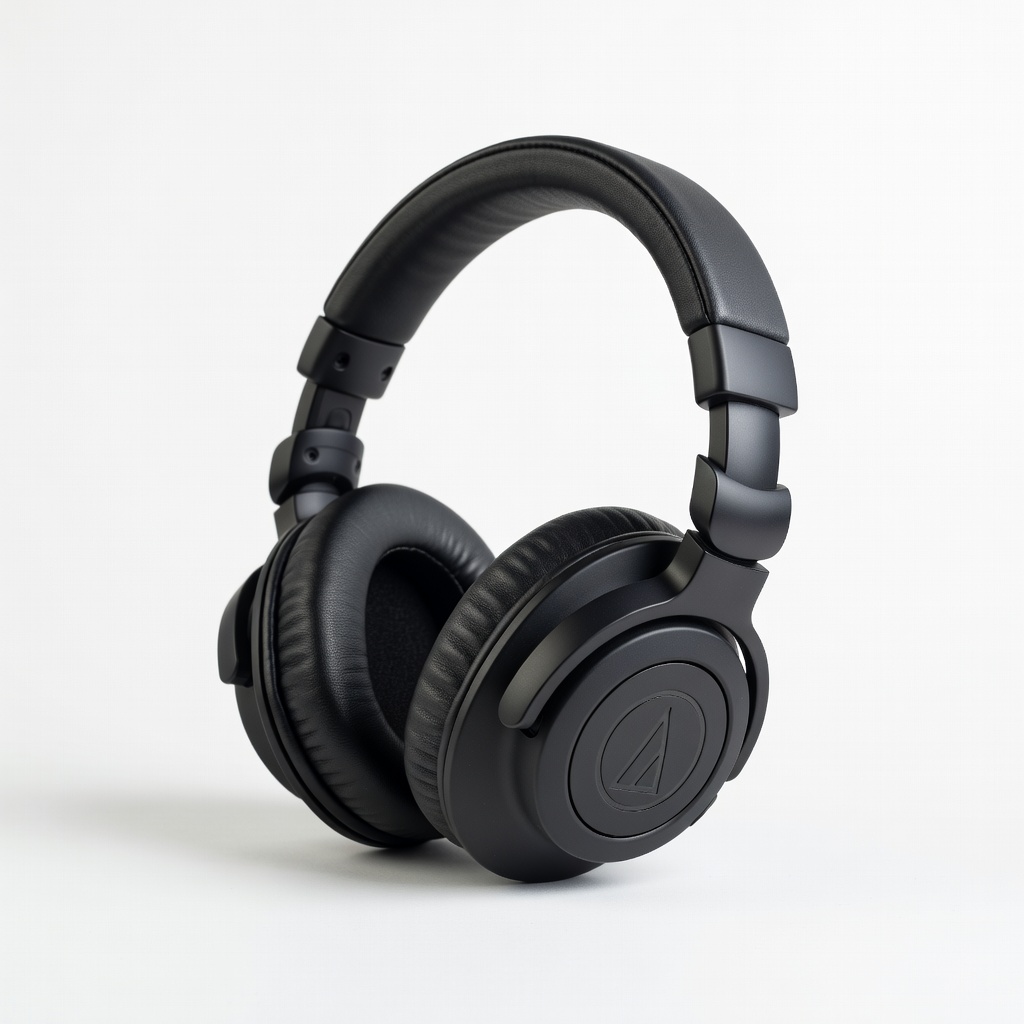
×Forgetting headphones - bad laptop audio kills fun.
📈 Your Progression Path: Beginner to Intermediate
Start: Learn basic DAW (GarageBand free), play scales/chords 15min/day. Use arpeggiators for fun loops. Week 1: Simple beats/melodies.
Build: Month 1-3, layer tracks, learn knobs for filters. Outgrow when needing more keys/expression (pad-less frustration).
Upgrade signs: Want pads/faders, better key feel, MIDI out for hardware. Typically 6-18 months to intermediate (custom mappings, VSTs). First upgrade: More keys or pads.
📚 Learning Resources for Beginners
📖Music Theory for Electronic Music Production (Book, ASIN B08L5YQJ2K) - Simple notes for beats.
Most beginners: Novation Launchkey Mini MK3 - perfect balance easy/fun/growth.
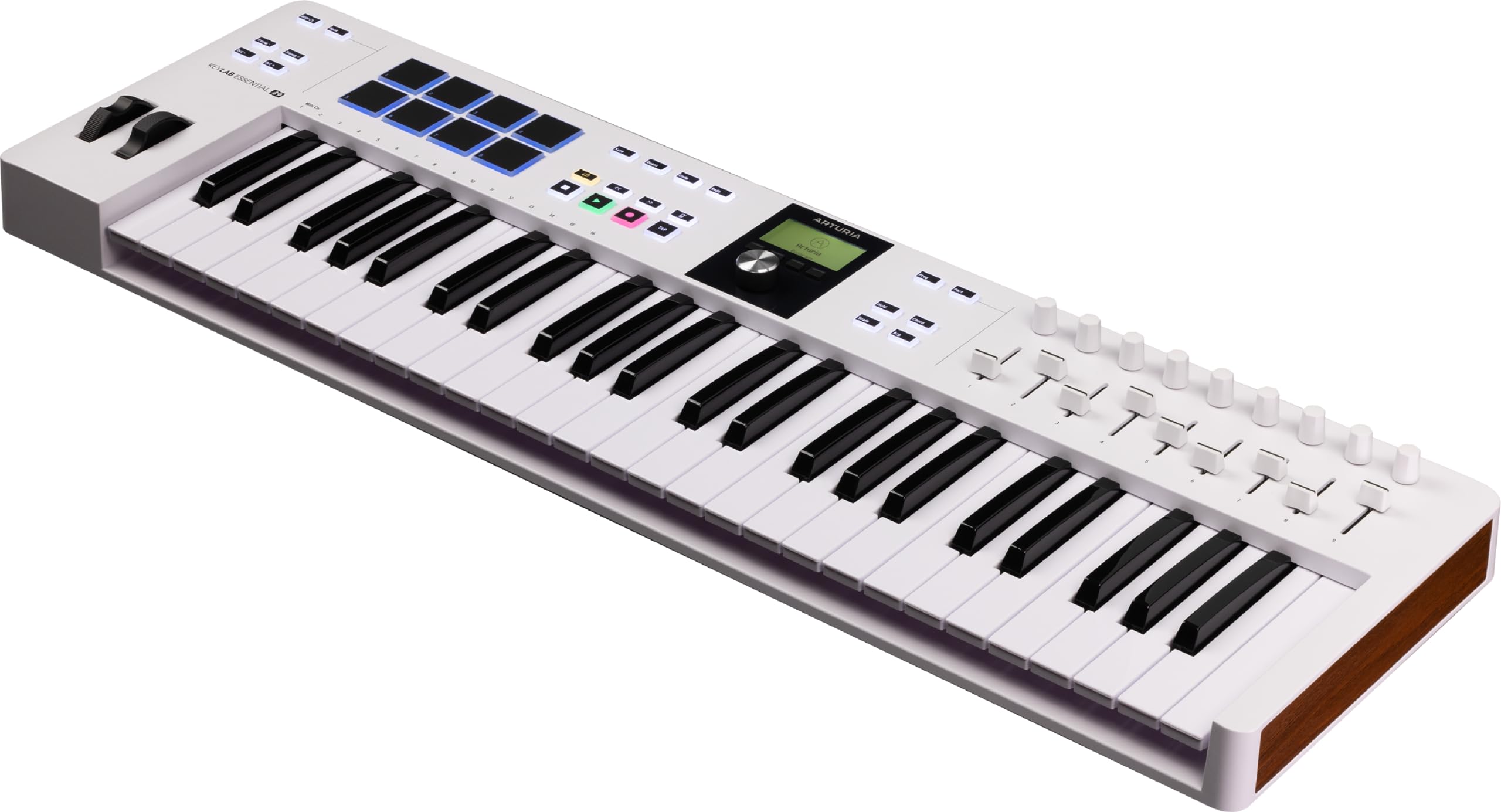
Budget: AKAI MPK Mini MK3. Premium: Arturia KeyLab Essential 49. Grab sustain pedal + headphones + stand day one.
You're ready! Plug in, download bundle, make a 1-min loop today. Music production is forgiving - mistakes build skills. Share your first track online for feedback.
❓ Frequently Asked Questions
Novation Launchkey Mini MK3 or AKAI MPK Mini MK3 - easy USB, software bundles, pads for beats. Plug into any DAW instantly.
$100-150 sweet spot for reliable, feature-packed. Under $100 tests waters, $200+ for growth room.
USB power, 25-49 velocity keys, pads/knobs, software bundle. Skip aftertouch/weighted.
AKAI MPK Mini MK3 - zero setup, intuitive, endless tutorials.
Sustain pedal, stand, headphones. Essential for comfort/sound.
Match keys to use (25 beats, 49 melodies), check DAW bundle, read setup reviews.
No - pick plug-play model, 5-min setup. Practice 15min/day unlocks fun.
Cheapest no-name, no accessories, wrong size for space/DAW.
Any modern laptop (i5/8GB RAM) runs fine with included lite software.
Rarely - needs DAW. Some have sounds but basic; computer unlocks power.