Choose your first compound microscope with confidence – simple guide to top picks, accessories, and mistakes to avoid.
Picking your first microscope can feel overwhelming with endless options, confusing terms, and worries about wasting money on something too basic or too advanced. As a beginner, you just want to see tiny worlds like cells, pond life, or cheek cells without a steep learning curve or frustration.
Compound microscopes are perfect for science beginners because they let you view super-small things on thin glass slides – think biology experiments at home. This guide cuts through the noise, focusing on easy-to-use models that forgive mistakes like shaky hands or bad lighting.
We'll cover what matters, top Amazon picks with real prices, must-have add-ons, and a clear path to success so you can dive in feeling excited, not anxious.
📋 In This Guide
• Why Beginners Struggle with Microscope
• What to Look For (Key Features)
• Top 4 Beginner-Friendly Microscope
• Essential Accessories for Beginners
• Common Beginner Mistakes to Avoid
• Your Progression Path
• FAQ & Learning Resources
😰 Why Beginners Struggle with Microscope
Beginners often feel lost because microscope listings throw around terms like 'achromatic objectives,' 'mechanical stage,' or '0.25 NA condenser' without explaining them. You might not know if you need 1000x magnification or if a cheap toy version will actually show clear images of onion cells.
There's fear of picking the wrong type – stereo for bugs vs. compound for cells – or buying something that breaks easily or needs constant tweaking. Forums like Reddit's r/microscopy are full of newbies frustrated by blurry images, dim lights, or scopes that won't focus properly.
Overwhelm from Amazon's 1000+ options leads to paralysis, and many regret impulse buys that gather dust because they skipped slides or didn't match their kid's science fair needs.
🔍 What to Look For: Key Beginner-Friendly Features
For beginners, prioritize forgiving designs: LED lights (steady, cool brightness without hot bulbs), coarse and fine focus knobs (easy zooming without losing your view), and a mechanical slide holder (slides stay put even if your hands shake).
Must-haves: 40x-400x magnification range (enough for cells and bacteria starters), all-metal body (durable, not plastic toys), and monocular or binocular head (straight viewing, no neck strain). Skip digital cameras or 2500x+ for now – they add complexity.
Nice-to-haves: Built-in dimmer for light control and extra eyepieces. Avoid: Oil immersion lenses (messy for newbies) or fragile glass stages. Beginner-friendly means 'plug-and-play' – quick setup, clear manuals, and views that pop without pro skills.
✅ Essential Features for Beginners
•LED illumination: Steady light that doesn't burn out or overheat slides
•Coarse and fine focus: Easy big adjustments then tiny tweaks for sharp images
•Mechanical stage: Clips and moves slides smoothly, no finger-slipping
•Achromatic lenses: Clear, color-true views without fuzzy edges
•40X-1000X magnification: Versatile for cells, fibers, everything starter
•All-metal construction: Sturdy, won't wobble or break during excited use
•Simple eyepieces: 10X wide-field for relaxed, big views
This all-metal student scope is ultra-simple to set up in minutes with plug-in LED light and easy focus knobs. It forgives shaky slides and beginner slide prep, showing clear cells right away without fancy tweaks.
✓ Beginner Pros
+Super cheap entry
+Durable metal frame
+LED won't burn samples
+Includes basic slides
✗ Beginner Cons
-Monocular only (one eye)
-Plain stage needs clips
-Dimmer light at high mag
👍 Best for: Kids or total newbies testing the hobby
👎 Not for: Anyone wanting shared binocular viewing
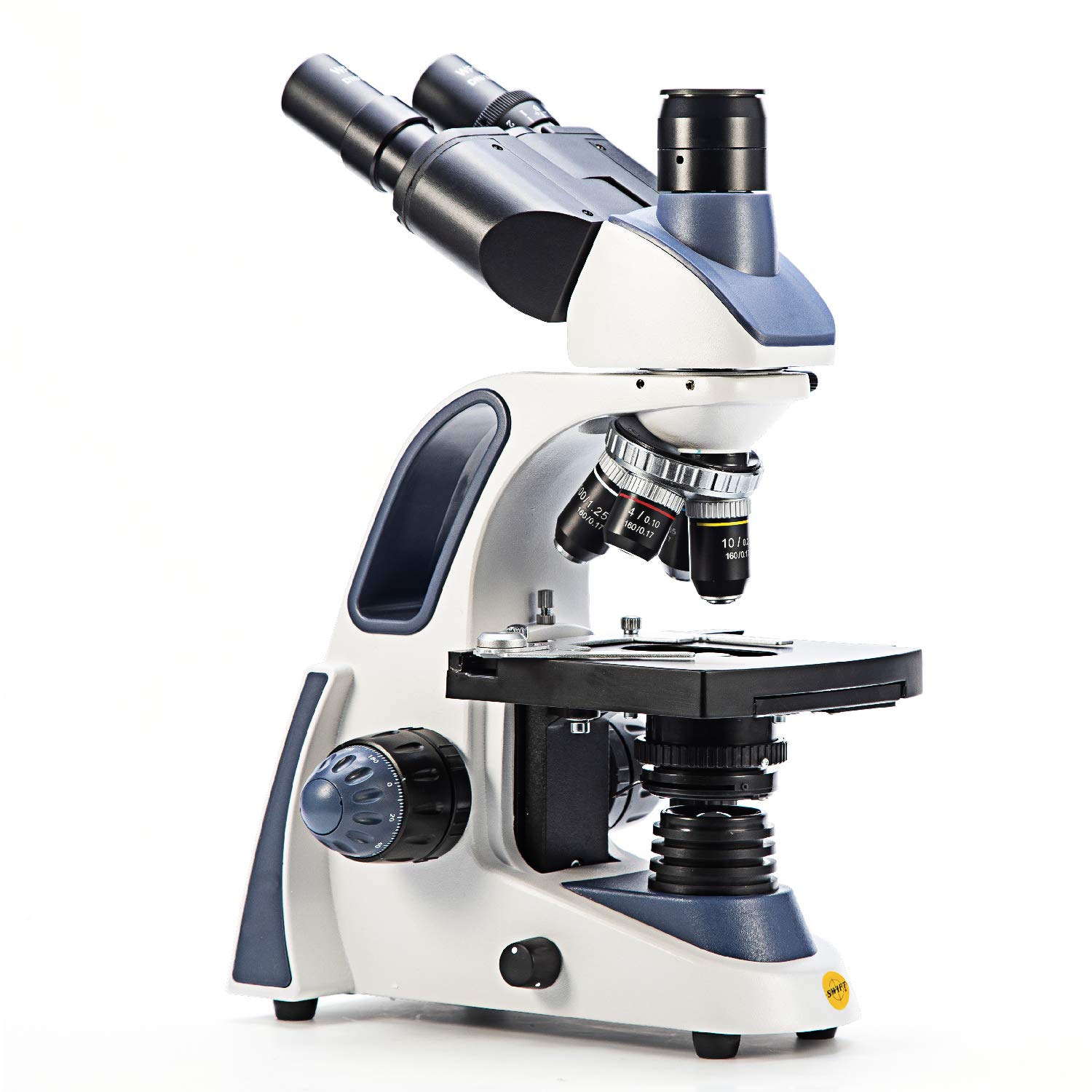
Swift SW380T 40X-2500X Compound Trinocular Microscope
Learning Curve: Easy
$219.99
Difficulty: 2/5
Why Great for Beginners:
Perfect balance of ease and power with smooth mechanical stage and ultra-clear achromatic lenses. Beginners love the binocular comfort for long sessions and trinocular port for future phone camera adds.
✓ Beginner Pros
+Mechanical stage glides easy
+Bright adjustable LED
+Binocular for comfort
+Carrying case included
✗ Beginner Cons
-Slight assembly needed
-High mag blurry without oil
👍 Best for: Homeschool parents or hobby biologists
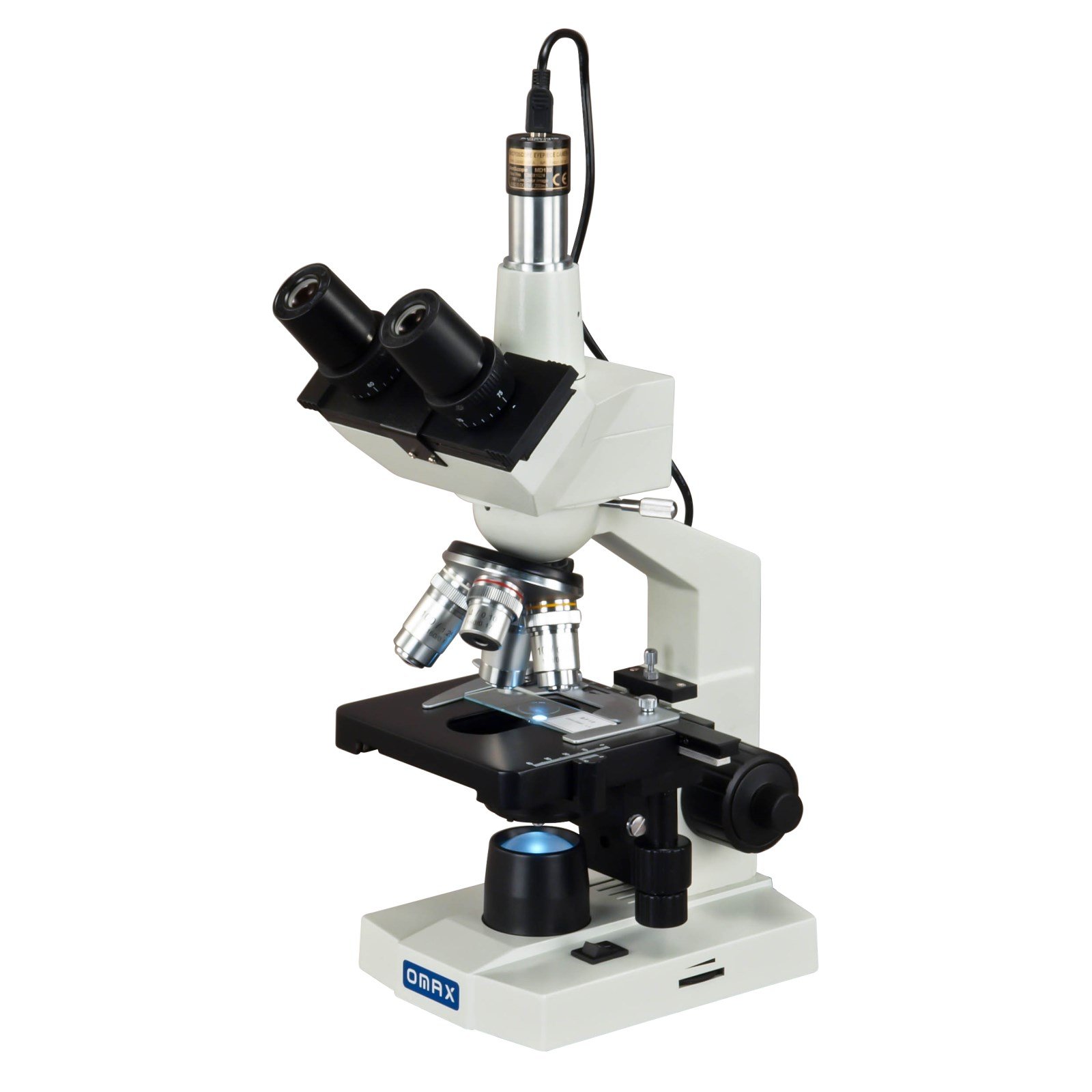
OMAX 40X-2500X LED Digital Trinocular Compound Microscope
Learning Curve: Moderate
$299.99
Difficulty: 2/5
Why Great for Beginners:
Built-in 5MP camera makes sharing discoveries foolproof – snap photos easily without extra gear. Intuitive controls and pro optics mean sharp views from day one, with room to grow into digital microscopy.
Top-tier optics in a beginner-friendly package with 10 levels of mag and mechanical stage for precise control. All-metal, lab-quality but simple enough for home use without overwhelming features.
✓ Beginner Pros
+10 magnification settings
+All brass construction
+Mechanical stage
+Carrying case
✗ Beginner Cons
-No built-in camera
-Pricey for casual
👍 Best for: Serious beginners planning long-term use
A compound microscope uses multiple lenses to magnify thin, transparent samples on glass slides – ideal for beginners exploring biology like blood cells or plant stomata. Unlike stereo scopes (for 3D bugs), compounds go deep into slices of the microscopic world.
Best for beginners: Monocular or binocular student models with fixed stages. Expect to see crystals, fibers, and basic cells clearly after 10-15 minutes practice – not pro lab results day one.
Evaluate by: Light quality (LED > mirror), focus ease (dual knobs), and stage type (mechanical > plain). 'Student grade' means beginner-tuned optics. Marketing like '40X-2500X' sounds great but over 400X needs perfect prep – stick to basics first.
Realistic: Your first views might be blurry, but good picks forgive that with easy adjustments. Start with prepared slides for instant wins.
🔧 Essential Accessories for Beginners
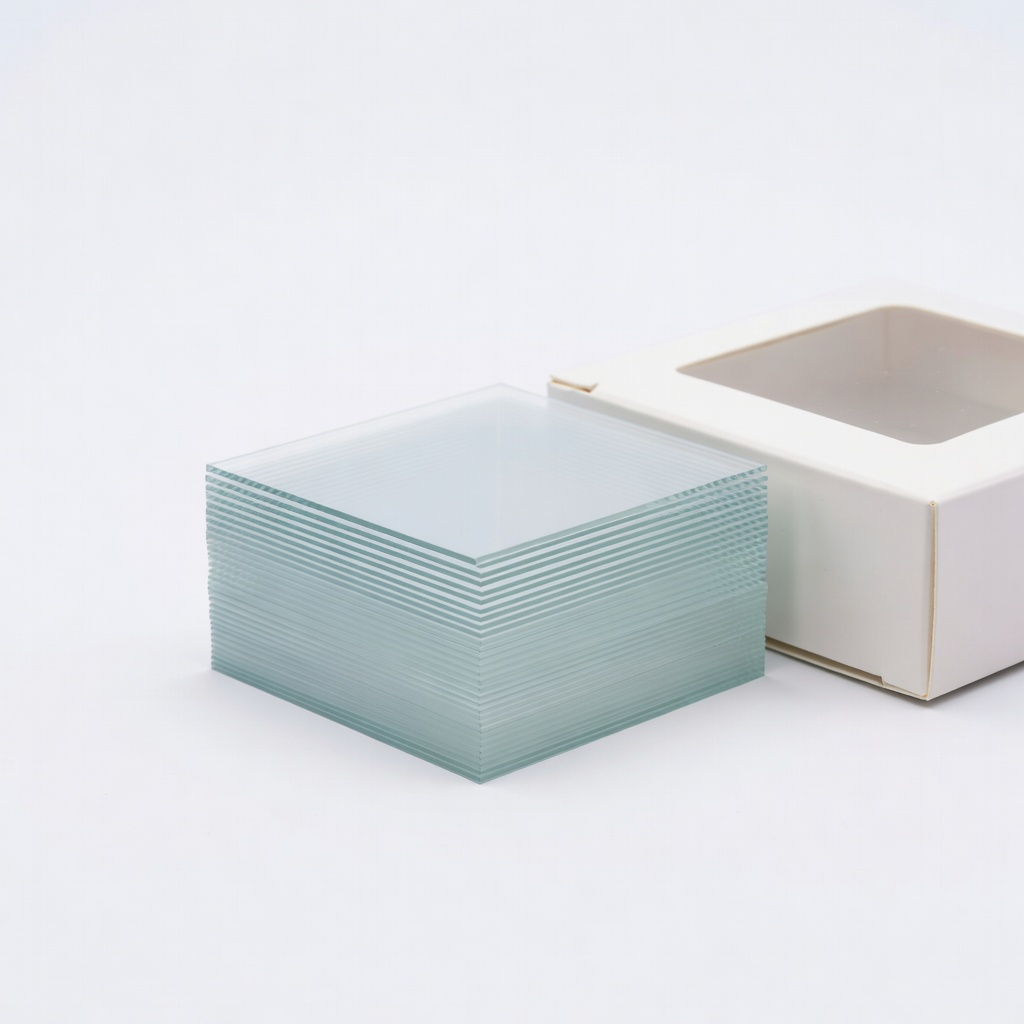
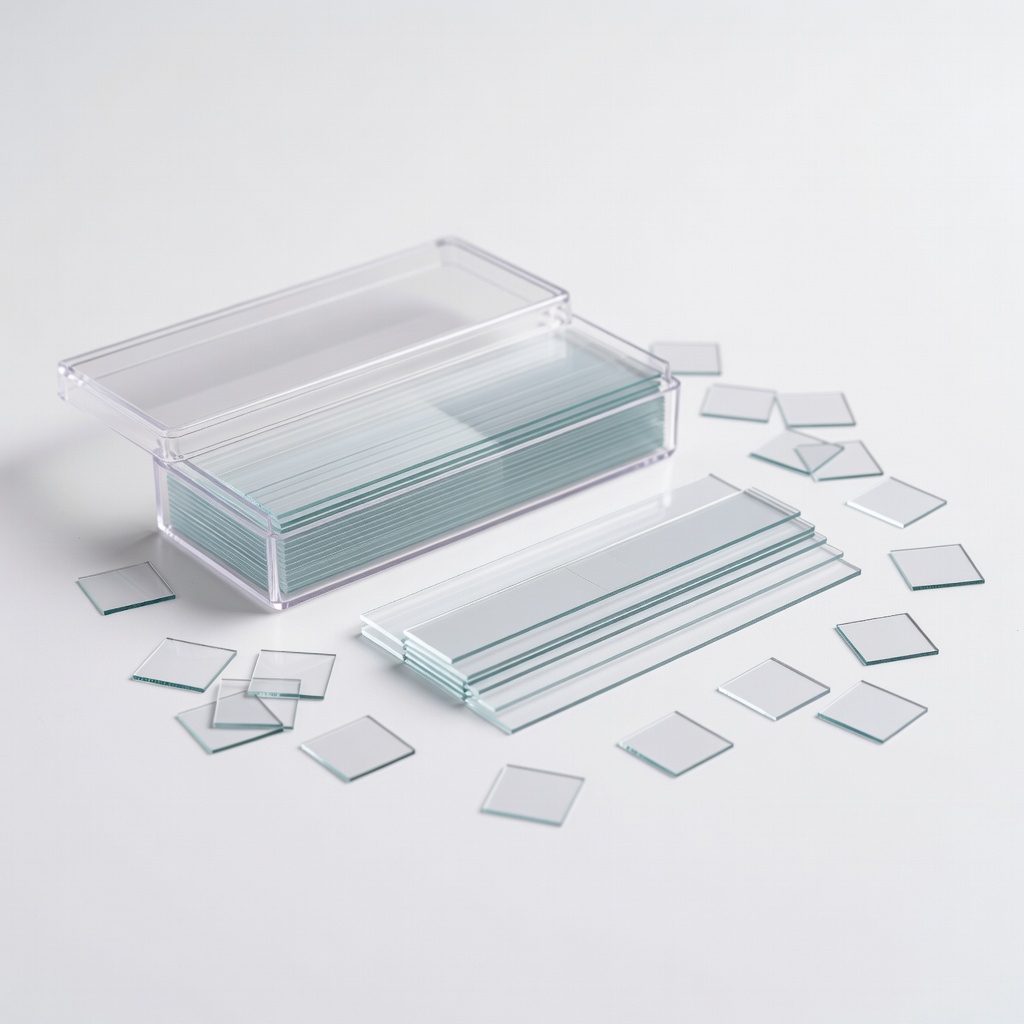
100 Prepared Microscope Slides Set
⚠️ Essential
$19.99
When to buy:
Day one
Without slides, your microscope is useless – these pre-made samples let you see amazing things instantly, building excitement and skills before making your own.
Red flags: Plastic builds, no LED, vague mag claims. Test via reviews for 'easy focus.' Growth: Choose upgradable like trinocular heads for cameras later.
💰 Budget Guide for Beginners
400+
Advanced entry: Digital or research-grade – for committed hobbyists, not pure newbies
100 - $250
Sweet spot: Binocular with mechanical stage and LED – clear views, forgiving, lasts years for most beginners
250 - $400
Premium beginner: Trinocular, better optics – pro-like quality without overwhelm, room for camera add-ons
Under $ - $100
Entry-level: Basic student monocular – great for trying microscopy, but limited stage and light; upgrade in 6 months
⚠️ Common Beginner Mistakes to Avoid
Beginners grab cheap plastic toys expecting lab magic, then quit when images blur. Reviews scream 'waste of money' for no-slides purchases.
Avoid by starting with prepared slides and LED models. Instead of max mag hype, prioritize focus ease – experienced users say stage matters more.
Lesson: Read 'first microscope' reviews; pair with kit for wins.
×Buying toy 'microscopes' under $30 – blurry toys, not real science
×Skipping slides/covers – can't see anything without samples
×Chasing max magnification (2500x) – useless without perfect prep/light
×Ignoring stage type – plain stages slip, frustrating focus
×No cleaning kit – dirty lenses kill clarity fast
×Wrong type: Stereo for cells (needs compound)
×Overbuying digital first – software headaches before basics
Start with prepared slides and basic views (week 1). Practice wet mounts like yogurt bacteria (month 1). Master staining (month 3).
Outgrow when craving photos or finer details (6-12 months). Upgrade camera first, then binocular if mono. Intermediate: Digital trinocular + dissection kit.
Most stay beginner 3-6 months; build via daily 15-min sessions.
📚 Learning Resources for Beginners
📖{"name":"The World of the Microscope Book","asin":"B0000CNY2H","price":12.99,"type":"book"}
📖{"name":"Microscope Activity Kit for Kids","asin":"B07D7J8K9L","price":24.99,"type":"kit"}