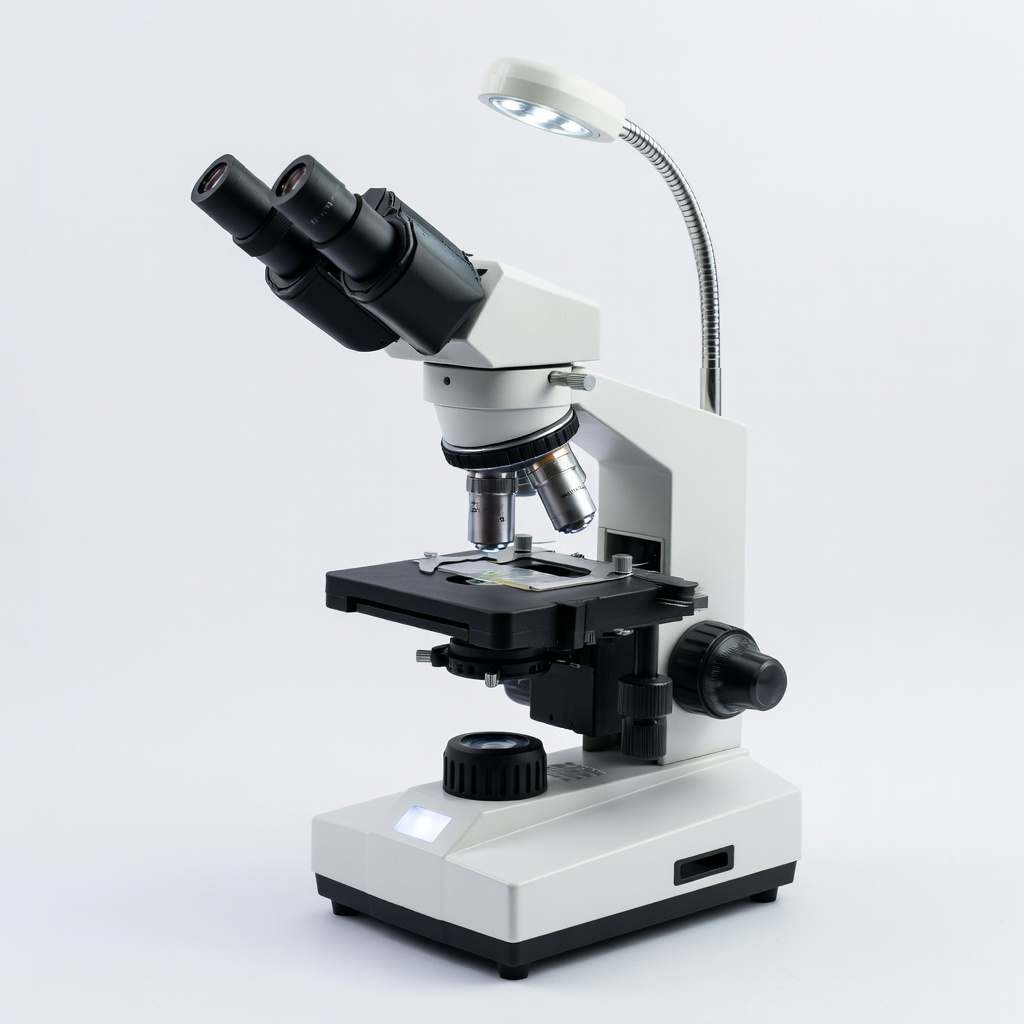
Discover the best beginner microscopes with easy picks, accessories, and tips to start exploring tiny worlds confidently without overwhelm.
Choosing your first microscope can feel intimidating—like stepping into a world of confusing specs and endless options. As a complete beginner, you might worry about wasting money on something too complicated or not powerful enough to see cool things like cells or pond critters. The good news? You don't need a lab-grade setup to have fun and learn.
This guide simplifies everything for total newcomers to compound microscopes (the type that magnifies thin slices super close-up). We'll break down what matters, recommend real Amazon products that are forgiving and easy, and help you avoid pitfalls. By the end, you'll know exactly what to buy to feel excited, not stressed, about your first views of the microscopic universe.
📋 In This Guide
• Why Beginners Struggle with Microscope
• What to Look For (Key Features)
• Top 4 Beginner-Friendly Microscope
• Essential Accessories for Beginners
• Common Beginner Mistakes to Avoid
• Your Progression Path
• FAQ & Learning Resources
😰 Why Beginners Struggle with Microscope
Beginners often feel lost because microscopes come with scary terms like 'achromatic objectives' or 'mechanical stages' that sound like rocket science. Forums like Reddit's r/microscopy are full of newbies frustrated by blurry images, frustrating focus knobs, or scopes that break after a few uses. Many buy cheap toys that show nothing real, leading to disappointment.
The sheer number of choices—over 10,000 on Amazon—makes it worse. Without knowing if you need 40X or 1000X magnification, or LED vs mirror light, it's easy to pick wrong. Fear of spending too much (or too little) freezes people, especially parents buying for kids' science projects.
🔍 What to Look For: Key Beginner-Friendly Features
Focus on scopes that are simple to set up and use right away—no PhD required. Look for bright LED lights (battery or plug-in) so you see clear images without fiddling in the dark. A smooth focusing system (coarse for big moves, fine for tiny tweaks) prevents shaky hands from ruining views.
Must-haves: All-glass lenses for sharp images, a sturdy metal stand (not plastic that wobbles), and slides that clip in easily. Nice-to-haves: Built-in light dimmer or phone camera adapter. Skip fancy digital screens or oil immersion—they're overwhelming and messy for starters. Beginner-friendly means forgiving: it tolerates kid-handling or clumsy slides without damage.
✅ Essential Features for Beginners
•LED Illumination: Bright, even light that's easy to turn on—no matches or sunlight needed, perfect for indoor use anytime.
•Coarse and Fine Focus Knobs: Quick rough focus then precise tweaks, so beginners get sharp images without frustration.
•Mechanical Slide Stage: Clips hold slides steady, no slippery fingers fumbling.
•40X-1000X Magnification Range: Starts low for easy spotting, goes high for cells—covers beginner wonders without excess.
•Achromatic Lenses: Colors stay true and sharp, forgiving of slight misalignments.
•Sturdy Metal Frame: Doesn't tip or wobble during excited peering.
•Included Slides or Kit: Jumpstart fun without hunting supplies.
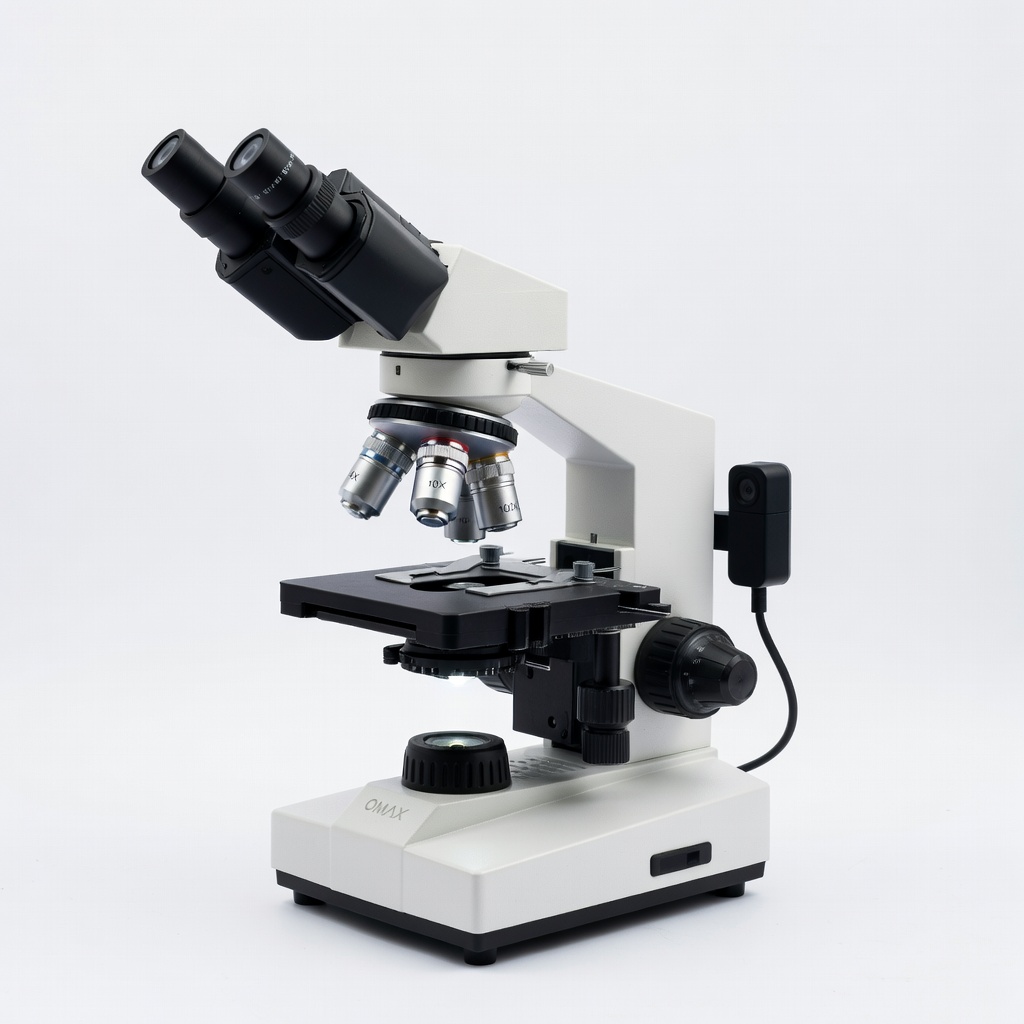
OMAX 40X-2500X LED Digital Lab Compound Microscope
Learning Curve: Moderate
$299.99
Difficulty: 2/5
Why Great for Beginners:
Best quality without overwhelm. Built-in camera for phone photos eases sharing discoveries. Pro lenses but intuitive controls—ideal for motivated beginners.
✓ Beginner Pros
+Phone-ready imaging
+Ultra-sharp optics
+Robust build
+Full accessory kit
✗ Beginner Cons
-App setup minor learning
-Higher price
👍 Best for: Serious students or science enthusiasts
👎 Not for: Strict budgets or total novices scared of apps
A compound microscope uses multiple lenses to magnify super thin samples (like onion skin or blood) up to 1000X or more—think seeing bacteria or plant cells. Unlike stereo scopes (for bugs/rocks), compounds dive deep into slices. For beginners, stick to basic compound models: they're affordable, powerful enough for home science, and match school labs.
Expect to see crystals, fibers, and cells after 10-20 minutes practice—not pro lab results day one. 'Beginner-friendly' means plug-and-play: auto light, easy clip stage, durable build. Marketing buzz like 'digital trinocular' sounds cool but adds confusion—ignore unless you're filming.
Evaluate by: Does it have glass lenses (not plastic)? Metal body? Simple knobs? Read reviews for 'kid used it easily.' Realistic goal: Spot cheek cells week one, pond life month one.
🤔 How to Choose Your First Microscope
Ask: What's my budget? For trying: under $100. Serious fun: $100-250. Kid-proof pro: $250+. What will you view? Home samples like food/skin? Go basic compound. School/Kids? Get slide kits included.
Use this framework: 1) Match budget tier. 2) Prioritize LED + easy focus. 3) Check reviews for 'clear first try.' Budget for quick wins; premium for lasting joy. Red flags: Plastic build, no light, vague 'toy' labels—avoid frustration.
Plan growth: Start simple, upgrade to camera add-ons later.
💰 Budget Guide for Beginners
400+
Advanced entry: Digital or trinocular—only if budgeting big for pro-like features.
100 - $250
Sweet spot: Solid metal, good lenses—most beginners' best value, lasts years with room to grow.
250 - $400
Premium beginner: Top optics, extras like phone adapter—serious starters won't outgrow fast.
Under $ - $100
Entry level: Basic plastic/metal hybrids to dip toes—fun for casual peeks, but upgrade in months.
⚠️ Common Beginner Mistakes to Avoid
Newbies grab $20 Amazon 'microscopes' hyped as kids' toys, but fuzzy plastic lenses show zilch—reviews scream 'waste!' Instead, spend $80+ on glass-lens compounds. Many forget slides, staring at empty stage; always bundle prepared ones.
Parents pick 'advanced' with oil immersion—messy, fiddly for kids. Avoid by sticking to LED, clip-stage basics. Forum vets say: 'Start simple, master focus first.' Skipping cases leads to breakage; protect day one.
×Buying toy 'microscopes' (plastic, <100X)—shows nothing real, total letdown.
×Skipping slides/accessories—scope arrives, nothing to look at.
×Choosing stereo over compound—wrong for cells/bacteria.
×Not budgeting for slides/cleaning—hidden costs annoy.
📈 Your Progression Path: Beginner to Intermediate
Week 1: Learn focus/slide prep with cheek cells, salt. Month 1: Pond water, plants—note what you see. Practice 15-min daily. Outgrown when craving photos/more power (blurry at 1000X? Upgrade).
Intermediate: Add camera adapter (~$50), better eyepieces. Signs ready: Easy sample making, want bacteria ID. Typically 3-6 months at beginner. Next: Binocular head or digital for sharing.
📚 Learning Resources for Beginners
📖{"name":"The World of the Microscope Book","asin":"B0000A8Z4U","price":12.99,"type":"book","why":"Fun photos/experiments guide first steps—no jargon."}
📖{"name":"AmScope Microscope Experiments Book","asin":"B07N1P2Q3R","price":15.99,"type":"book","why":"50+ home projects with household items."}
📖{"name":"Biology Prepared Microscope Slide Kit","asin":"B08J4K5L6M","price":19.99,"type":"tool","why":"Practice set teaches what to expect."}
📖{"name":"Microscope for Kids Activity Book","asin":"B09M7N8O9P","price":8.99,"type":"book","why":"Drawings/logs build observation skills."}
📖{"name":"Swift Microscope Slide Preparation Kit","asin":"B07Q1R2S3T","price":22.99,"type":"tool","why":"Pipettes, stains for own samples."}
🎯 Bottom Line: Our Recommendations
For most beginners, Swift SW200DL (recommended tier) hits the sweet spot—easy, clear, future-proof. Budget? AmScope M150C. Premium? OMAX digital. Grab essential slides + case day one.
You're ready! Order, set up in 5 mins, view a hair or leaf. Science awaits—small investment, huge wonder. Next: Try pond water this weekend.
❓ Frequently Asked Questions
The Swift SW200DL—easy focus, bright light, mechanical stage for frustration-free views. Great value at ~$170.
$100-250 sweet spot for lasting quality. Under $100 ok for tests, $250+ for extras like cameras.
LED light, coarse/fine focus, clip stage, 40-1000X glass lenses. Skip digital/oil for now.
AmScope M150C—1/5 difficulty, plug-light, simple knobs. Kids master in minutes.