Everything beginners need to choose their first singing microphone with confidence, top picks, and mistakes to avoid.
Picking your first singing microphone can feel intimidating with endless options, tech specs, and prices. As a beginner, you just want something simple that sounds good when you sing along to your favorite songs at home or record your voice without hassle.
Singing microphones seem overwhelming because many are designed for pros with complex setups like audio interfaces or mixers. But you don't need that yet. This guide cuts through the noise, focusing on easy-to-use mics perfect for newcomers.
We'll cover what matters, top beginner picks on Amazon, accessories, and pitfalls to skip. By the end, you'll feel confident hitting 'buy' and belting out your first tune.
📋 In This Guide
• Why Beginners Struggle with Singing Microphone
• What to Look For (Key Features)
• Top 4 Beginner-Friendly Singing Microphone
• Essential Accessories for Beginners
• Common Beginner Mistakes to Avoid
• Your Progression Path
• FAQ & Learning Resources
😰 Why Beginners Struggle with Singing Microphone
Beginners often feel lost because singing mics come in wired, wireless, USB, dynamic, condenser – it's a jargon jungle. You worry about buying one that squeals with feedback, sounds tinny, or needs expensive gear to work.
Forums like Reddit's r/singing and Amazon reviews show newbies frustrated by mics that promise 'studio quality' but deliver muddy vocals or die mid-song due to bad batteries. The fear of wasting money on the wrong type is real, especially with thousands of options.
Many don't know basic needs like clear vocals for karaoke or home recording, leading to picks better for podcasts or guitars. This leaves beginners singing off-key in sound, not pitch.
🔍 What to Look For: Key Beginner-Friendly Features
Focus on plug-and-play ease: Look for wireless or USB mics with Bluetooth that connect to your phone, computer, or speaker without extra boxes. Beginners need 'forgiving' mics that handle loud singing without distortion or feedback.
Must-haves: Built-in battery (rechargeable), echo/reverb buttons for fun karaoke effects, and a sturdy build that survives drops. Skip complex EQ sliders – auto modes are better.
Nice-to-haves: Volume control on the mic, long battery life (6+ hours). Avoid pro features like XLR-only outputs needing amps – they're not beginner-friendly.
✅ Essential Features for Beginners
•Plug-and-play Bluetooth/USB connection – works instantly with phones or laptops
•Built-in echo and reverb – makes your voice sound pro without software
•Rechargeable battery (6+ hours) – no hunting for batteries mid-practice
•Anti-feedback tech – stops squealing even if you're close to speakers
•Lightweight handheld design – comfortable for long sing-alongs
•Volume control on mic – easy adjustments without fumbling devices
•Durable metal build – forgives drops from excited beginners
🏆 Top 4 Best Singing Microphone for Beginners
#1
💰 Budget
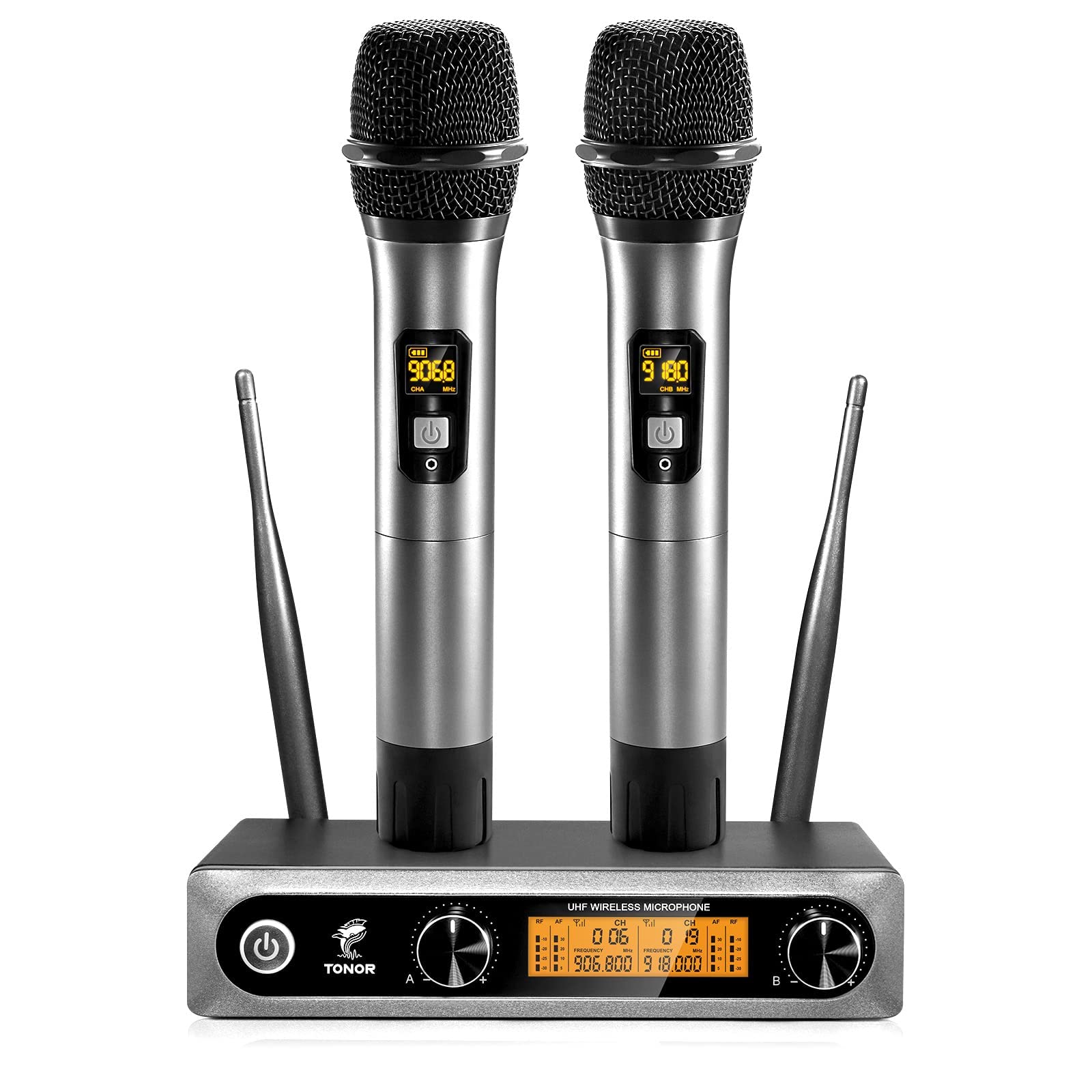
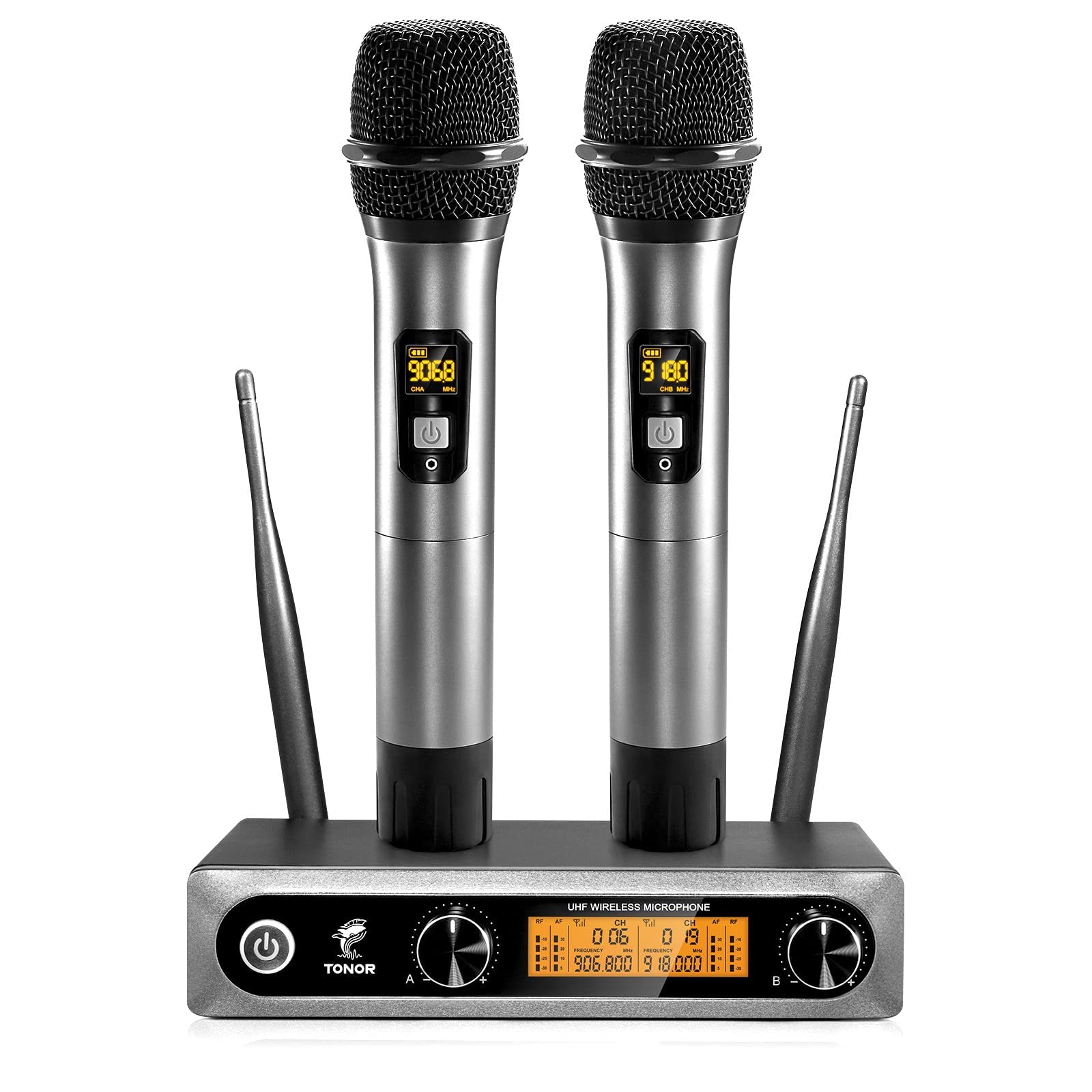
TONOR TW-820 Wireless Karaoke Microphone
Learning Curve: Easy
$79.99
Difficulty: 1/5
Why Great for Beginners:
This wireless mic connects via Bluetooth to any speaker or phone instantly, with built-in echo for instant fun. It's lightweight and rechargeable, perfect for home karaoke without setup headaches.
Plug straight into your computer for recording singing in apps like GarageBand – no drivers needed. Metal build handles beginner drops, clear sound for vocals.
Dual wireless mics with UHF for clear, feedback-free sound over distance. Receiver connects easily to speakers, great for growing into duets or small gigs.
✓ Beginner Pros
+Pro anti-feedback
+Long range
+Rechargeable
+Dual channels
✗ Beginner Cons
-Slightly bulkier receiver
-Higher price
👍 Best for: Serious beginners planning performances
A singing microphone captures your voice clearly for karaoke, recording apps, or live fun. Beginners should start with wireless handheld karaoke mics – they connect via Bluetooth to speakers or phones, have fun effects, and need zero setup.
Types: Handheld wireless (best for beginners – portable, effects built-in), USB condenser (for computer recording, plug straight in), dynamic wired (rugged but needs speakers). Skip pro studio condensers; they pick up room noise and need interfaces.
Beginner-friendly means intuitive buttons, no apps required, and sounds good out-of-box. Expect clear vocals for home use, not Grammy recordings – that's for later.
Marketing traps: 'Hi-Fi' often means fragile; 'Pro' means complex. Check reviews for 'easy karaoke' mentions. Test via Amazon's return policy.
🔧 Essential Accessories for Beginners
Neewer Microphone Stand Adjustable
⚠️ Essential
$25.99
When to buy:
Day one
Frees your hands for better posture while singing, prevents mic drops. Adjustable height fits desks or floors for comfortable practice.
Ask yourself: Will you sing karaoke at home, record on phone/PC, or perform? For home fun, wireless handheld. Recording? USB plug-in.
Set budget: $30-50 to dip toes, $50-120 for reliable daily use, $150+ for top sound. Match to growth: Ensure headphone out for feedback.
Scenarios: Party newbie = budget wireless. Daily practice = recommended USB. Avoid wired if moving around. Red flags: App-required, no returns mentioned.
💰 Budget Guide for Beginners
300+
Pro entry - if budgeting for studio potential, but overkill for pure beginners
50 - $150
Sweet spot - best value with Bluetooth, reverb, long battery for most beginners
150 - $300
Premium beginner - superior sound, anti-feedback, room to grow without upgrade
Under $ - $50
Entry level - basic wireless for trying karaoke, may lack effects or battery life
⚠️ Common Beginner Mistakes to Avoid
Beginners grab $10 toy mics that distort and die fast, leading to frustration (Amazon Q&A full of complaints). Or splurge on Shure SM7B ($400) needing cloudlifter – total waste.
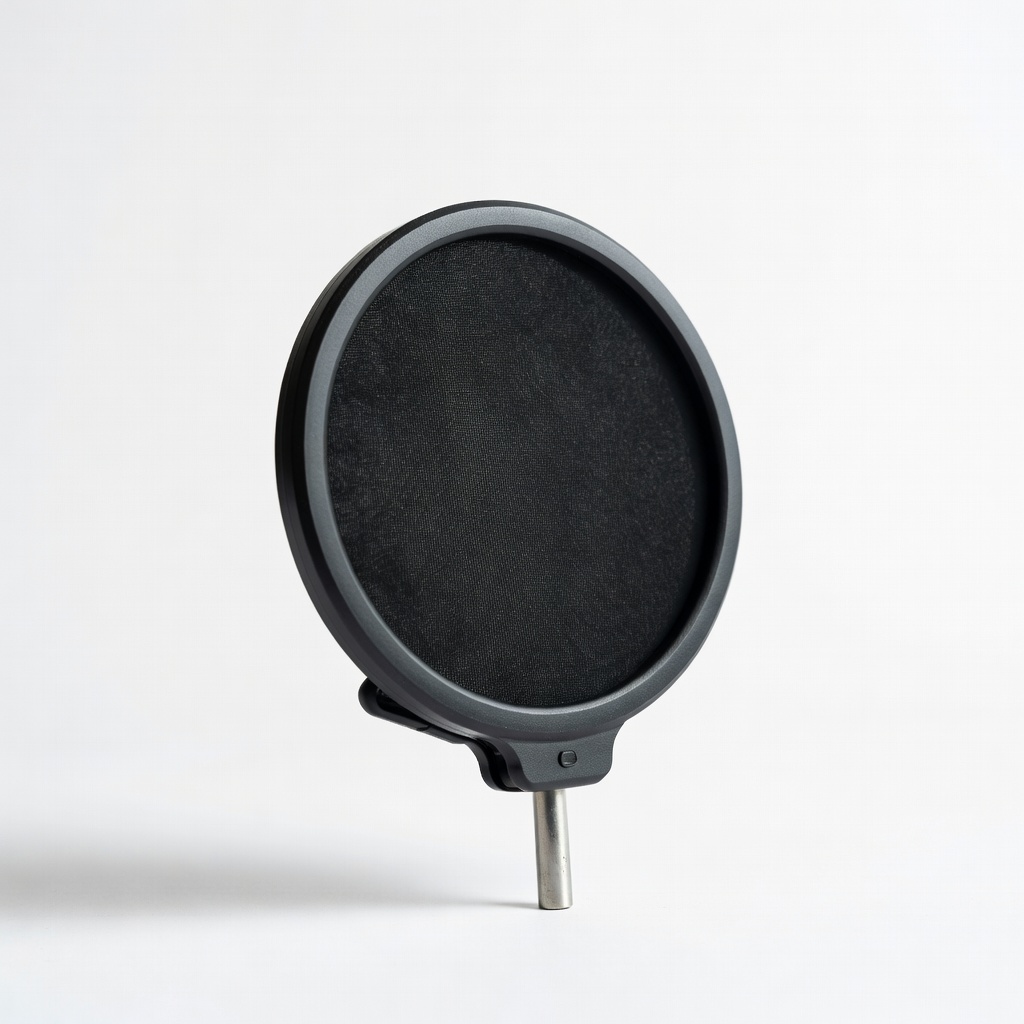
They skip stands/pop filters, getting 'poppy' recordings, or forget batteries. Avoid by sticking to reviewed beginner picks, buy accessories day one.
Lessons: Read 'karaoke easy' reviews, test returns. Users regret no growth room – pick with headphone jacks.
×Buying ultra-cheap plastic mics that break or sound bad
×Picking pro studio mics needing interfaces/amps
×Skipping pop filters/stands, ruining recordings
×Ignoring battery life, mid-song fails
×Choosing podcast mics over vocal-optimized
×Overlooking feedback control for speakers
×Not checking Bluetooth compatibility
×Buying without headphone monitoring
📈 Your Progression Path: Beginner to Intermediate
Start with daily 15-min sing-alongs using apps like Smule or YouTube karaoke. Focus on breath control, pitch matching – no fancy techniques.
Build to recording covers, join online communities. Outgrow beginner mic when needing multi-track or live no-feedback (6-12 months consistent practice).
Upgrade first: Better wireless system, then audio interface. Intermediate: Condenser mic + DAW software. Signs ready: Clean home recordings, small gigs.
📚 Learning Resources for Beginners
📖The Contemporary Singer: Elements of Vocal Technique (Book, ASIN B0015AOP0G)