Best Metal Detector for Beginners: Complete Guide 2025
Everything beginners need to choose their first metal detector with confidence – top picks, accessories, and pitfalls to avoid.
Picking your first metal detector can feel overwhelming with all the choices, prices, and confusing terms. Beginners often worry about wasting money on something too complicated or too basic that breaks right away. Don't stress – this guide is designed for complete newcomers like you.
Metal detecting is a fun, relaxing hobby that gets you outdoors hunting for coins, jewelry, and relics. But with models ranging from simple kids' toys to pro-level machines, it's easy to get lost. We'll break it down simply.
This 2025 guide covers what matters for beginners, top Amazon picks with real links, accessories, mistakes to dodge, and a path to get better. By the end, you'll know exactly what to buy and feel excited to start digging.
📋 In This Guide
• Why Beginners Struggle with Metal Detector
• What to Look For (Key Features)
• Top 4 Beginner-Friendly Metal Detector
• Essential Accessories for Beginners
• Common Beginner Mistakes to Avoid
• Your Progression Path
• FAQ & Learning Resources
😰 Why Beginners Struggle with Metal Detector
Beginners dive into metal detecting excited about treasure, but quickly hit roadblocks. Forums like Reddit's r/metaldetecting and Amazon reviews are full of stories: 'I bought a cheap one and it only beeps for trash!' or 'Too heavy, my arm hurts after 30 minutes.'
Technical jargon like 'VLF vs PI', 'discrimination', 'ground balance' sounds scary and meaningless at first. Plus, hundreds of options mean analysis paralysis – is waterproof essential? What's coil size?
Fear of the wrong buy is huge: spending $200 on something frustrating or missing that 'perfect beach find' because of poor depth. Many quit early without guidance.
🔍 What to Look For: Key Beginner-Friendly Features
For beginners, skip fancy features and focus on ease. Look for preset modes (like 'coins' or 'jewelry') that auto-adjust – no tweaking needed. Lightweight design (under 3 lbs) prevents arm fatigue on long hunts.
Waterproof search coil is key for wet sand or rain; full waterproof body is nice but not day-one must. Clear digital display with simple icons, loud audio alerts, and discrimination to ignore junk like pull tabs.
Forgiving detectors tolerate shaky swings and bad ground. Good battery (20+ hours) and included headphones matter. Avoid overload: no manual ground balance yet – that's advanced.
✅ Essential Features for Beginners
•Preset search modes (auto settings for coins, jewelry, all-metal)
•Lightweight (under 3 lbs for all-day comfort)
•Waterproof coil (handles wet grass, beaches)
•Simple LCD screen with target ID numbers
•Discrimination to skip trash like iron nails
•Adjustable sensitivity and volume
•Long battery life (20+ hours on rechargeables)
🏆 Top 4 Best Metal Detector for Beginners
#1
💰 Budget
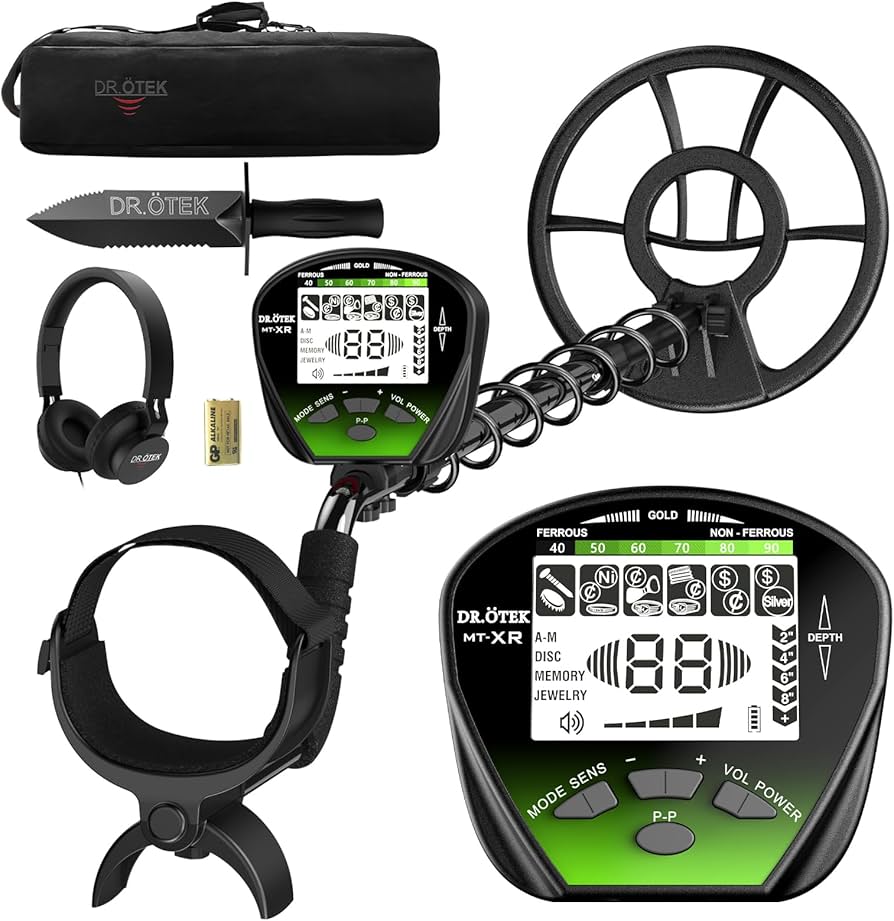
DR.ÖTEK Metal Detector for Adults & Kids
Learning Curve: Easy
$99.99
Difficulty: 1/5
Why Great for Beginners:
Super lightweight and simple one-button start makes it perfect for first-timers. Preset modes handle most sites without confusion. Affordable way to see if you love the hobby.
✓ Beginner Pros
+Ultra-light 2 lbs, no arm strain
+Waterproof 10" coil for beaches
+Clear audio/visual alerts
+20+ hour battery
✗ Beginner Cons
-Limited depth (6-8")
-Basic discrimination misses some junk
👍 Best for: Casual park hunters or families testing the waters
👎 Not for: Deep relic hunters or serious beach combers
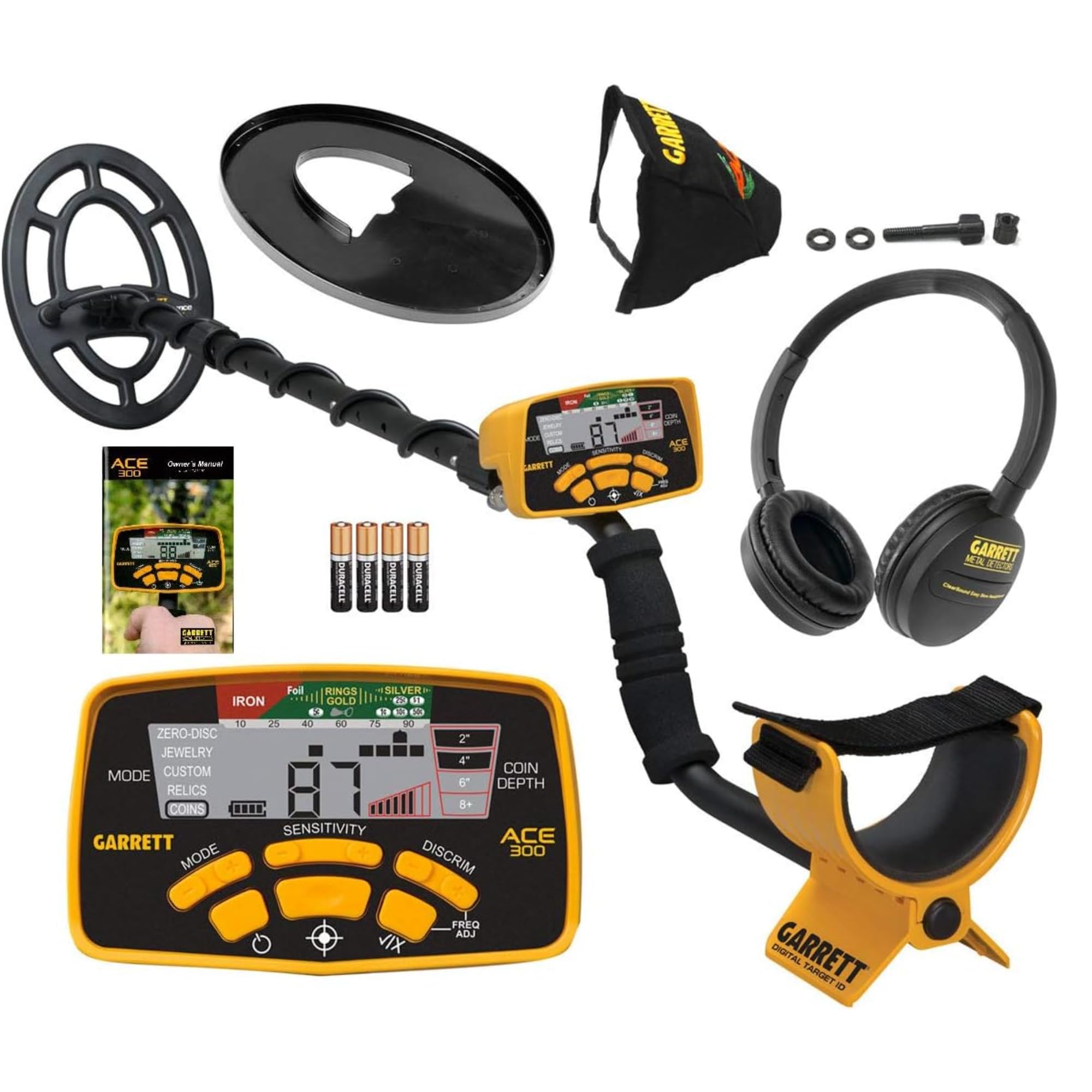
Proven reliable with intuitive controls and excellent discrimination for ignoring trash. Large coil finds deeper targets easily. Huge community support with free guides.
✓ Beginner Pros
+5 preset modes
+Digital target ID
+Lightweight 2.9 lbs
+Coin depth indicator
✗ Beginner Cons
-Not fully submersible
-Slightly pricier
👍 Best for: Most beginners wanting value and growth
A metal detector sends electromagnetic waves into the ground; metal objects disrupt them, triggering beeps. Very Low Frequency (VLF) types are best for beginners – great for coins/relics in parks, beaches.
Types: Very basic (single mode, shallow depth), multi-mode (preset options), waterproof (beach/ rivers). Beginners stick to VLF single-frequency – easy, affordable. Pulse Induction (PI) for salt water/diving is overkill.
Expect to find modern coins, clad, occasional silver/jewelry first year. Depth: 6-10 inches max for small items. 'Beginner-friendly' means turn-on-and-go, forgiving swings, intuitive beeps.
Marketing traps: 'Gold detector' sounds cool but basic ones find gold too if shallow. Focus on user reviews saying 'easy setup, kid used it.' Test in yard first.
🔧 Essential Accessories for Beginners
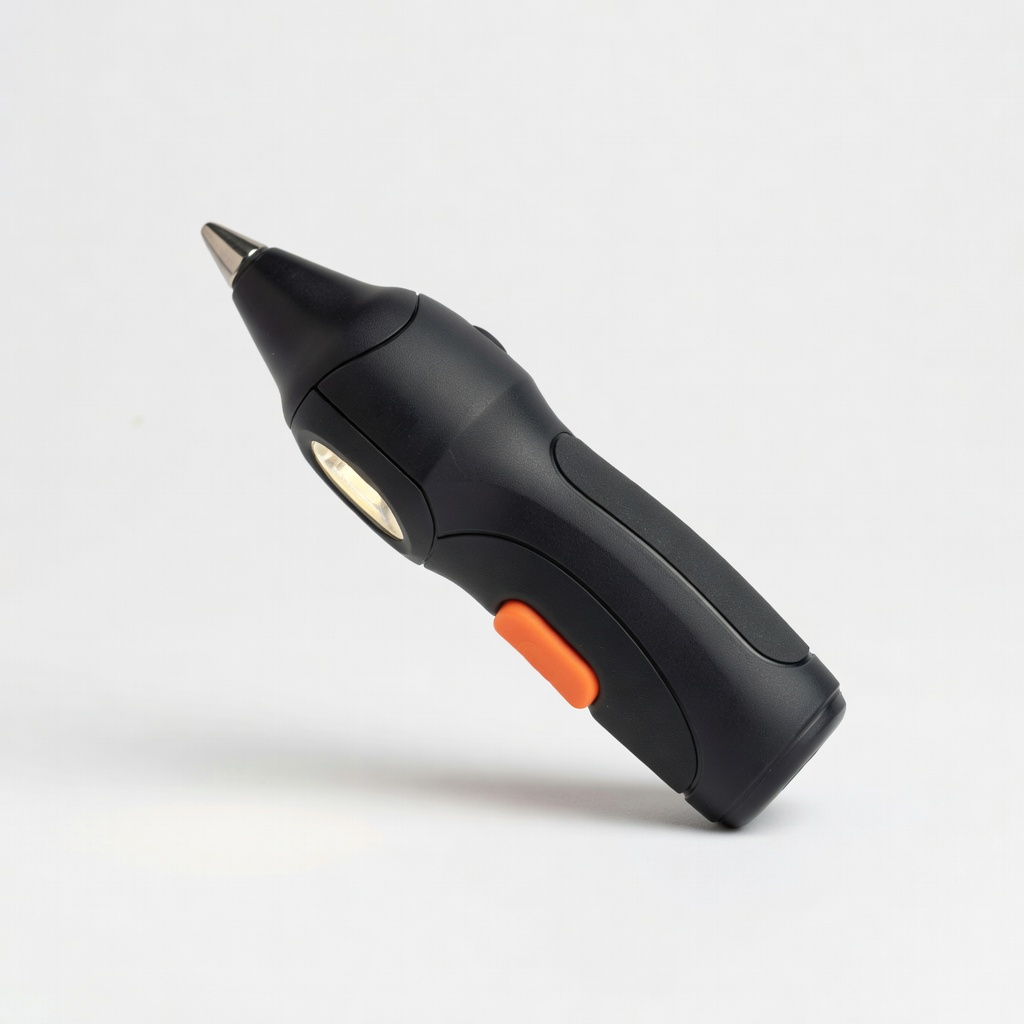
Garrett Pro-Pointer AT Pinpointer
⚠️ Essential
$127.96
When to buy:
Day one
Pinpoints exact target location so you dig less and avoid damaging finds. Waterproof for wet digs. Saves hours of frustration digging big holes.
Ask: Where hunting (park/beach/field)? Budget? Hunt time per session? Start here: Park/beach = waterproof coil. Short hunts = lightweight. Follow our tiers.
Budget: $100-200 sweet spot for reliable fun without quick upgrade. Under $100 risks frustration (weak signals). Over $400 adds complexity. Scenarios: Kids/family – budget preset modes. Solo serious – recommended with discrimination.
Red flags: No warranty, heavy (>4lbs), no modes, vague 'professional' claims. Plan growth: Good beginner model lasts 1-2 years.
💰 Budget Guide for Beginners
500+
Pro entry - Multi-frequency, for dedicated hobbyists expanding sites.
150 - $300
Sweet spot - Reliable performance, preset modes, room to learn without upgrade soon.
300 - $500
Premium beginner - Waterproof options, better depth/ID, lasts into intermediate.
Under $ - $150
Entry level - Basic models to test the hobby, shallow detection, may frustrate with junk sites.
⚠️ Common Beginner Mistakes to Avoid
Beginners grab cheapest Amazon special, then complain 'beeps constantly on dirt!' False economy – upgrade soon. Others splurge on $600 pro models, ignore 90% features, feel overwhelmed.
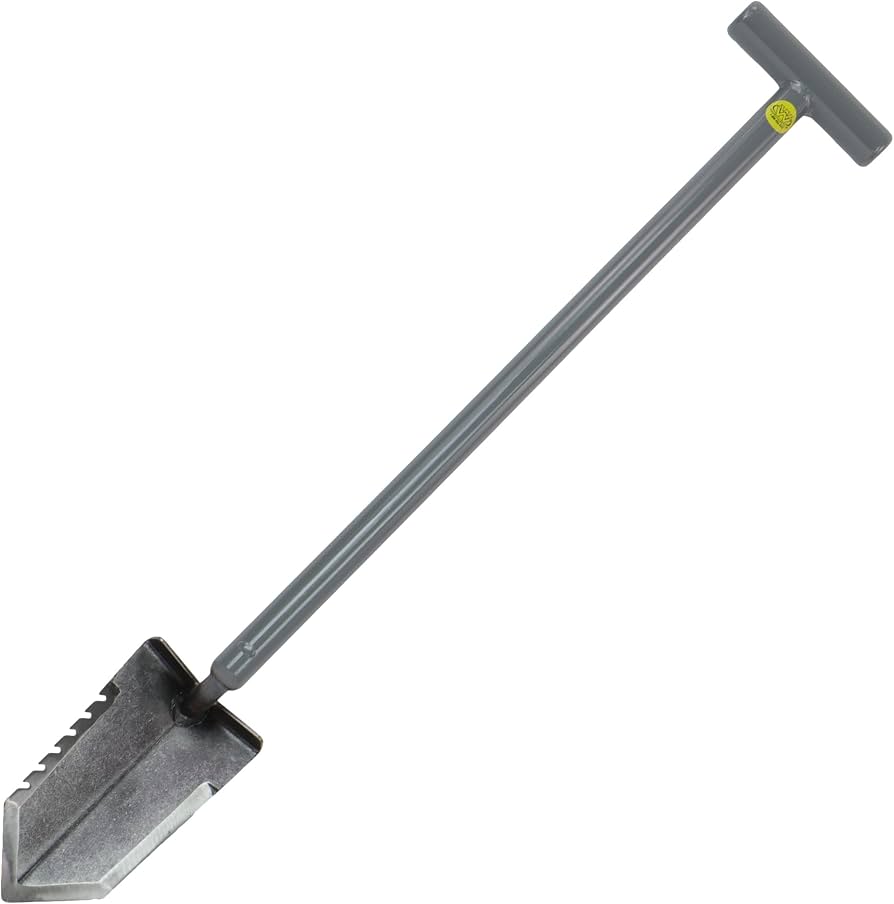
Forgetting accessories: No shovel/pinpointer = damaged finds, sore hands. Reviews scream 'buy better tool!' Hunting wrong spots (freshly mowed no) or ignoring weight leads to arm pain quits.
Avoid: Read 'easy beginner' reviews, buy kit with warranty, start yard. Pros say: Master one site/machine first.
×Buying under $80 toys that miss real targets
×Skipping pinpointer and digging huge craters
×Ignoring weight – heavy models cause quitters
×Hunting plowed fields without digging tool
×No headphones in wind, missing signals
×Overlooking discrimination – endless trash digs
×Not checking local laws/sites
×Upgrading too soon without skills
📈 Your Progression Path: Beginner to Intermediate
Start: Learn swing steady 1-2ft above ground, ID signals in yard. Practice discrimination on known trash. 1-3 months: Parks/beaches, log finds.
Outgrow beginner when needing deeper (12"+) or tough soil/water. Signs: Consistent finds, want relics/gold modes. Upgrade coil first, then machine.