Review Atlas
Review AtlasYour guide to a better purchase

Menu

Shop by Category

Get the App

Better experience on mobile

Beginners Guideβ€’Magic

Best Magic Card Deck for Beginners 2025

Pick your first magic card deck with confidence – our guide simplifies choices, avoids pitfalls, and gets you performing tricks fast.

Choosing your first magic card deck feels intimidating – endless options, confusing terms like 'air flow finish' or 'marked cards,' and worry you'll pick something that frustrates your early tricks. Beginners often freeze, fearing cheap cards will stick or warp, ruining their shuffle or fan displays.

Magic card decks power simple sleights like the four aces trick or ambitious card, but not all decks are equal for newbies. This guide cuts through the noise: we explain what matters, recommend real Amazon picks with links, and share pitfalls to dodge. You'll walk away confident, ready to practice day one.

Our promise: Simple steps to your perfect starter deck, plus accessories and growth tips, so you focus on fun, not frustration.

πŸ“‹ In This Guide

  • β€’ Why Beginners Struggle with Magic Card Deck
  • β€’ What to Look For (Key Features)
  • β€’ Top 4 Beginner-Friendly Magic Card Deck
  • β€’ Essential Accessories for Beginners
  • β€’ Common Beginner Mistakes to Avoid
  • β€’ Your Progression Path
  • β€’ FAQ & Learning Resources

😰 Why Beginners Struggle with Magic Card Deck

Beginners dive into magic card decks overwhelmed by choices – Amazon lists hundreds, from $3 basics to $50 fancy imports. Reviews rant about sticky cards that clump during shuffles or fans that flop because of poor flexibility. Without guidance, you grab the cheapest, only to battle warped edges after one session.

Jargon like 'tapered,' 'rough-smooth,' or 'stripper' decks confuses everyone new. Forums like Reddit's r/Magic echo fears: 'Bought gimmick decks too soon, couldn't do basic tricks.' Fear of wasting money hits hard – what if it's not 'magic-ready'? Overwhelm leads to paralysis or impulse buys that gather dust.

Most struggle knowing core needs: smooth handling for palmings and forces, durability for fumbles, and forgiving stock that bends without creasing. Without this, practice halts, confidence tanks.

πŸ” What to Look For: Key Beginner-Friendly Features

Focus on decks with smooth, casino-quality finish for effortless shuffles and fans – no sticking, even with sweaty hands. Air-cushion or waxed coating (explained: tiny bubbles make cards slide perfectly) is key for beginners; it forgives clumsy cuts.

Look for 52-card poker size (3.5x2.5 inches) – standard for most tricks, fits small hands, easy control. Durable, linen-textured stock resists wear from drops and bends. Avoid thin paper cards that crease; beginners need forgiving thickness (0.3mm+).

Skip complex gimmicks like invisible ink until later – start with reliable standards. Good brands (Bicycle, Bee) have tutorials online, huge communities. Beginner-friendly means: intuitive glide, warp-resistant, versatile for 80% of starter tricks.

βœ… Essential Features for Beginners

  • β€’Smooth air-cushion finish for easy shuffles without sticking
  • β€’Poker-sized cards (3.5x2.5 inches) perfect for small hands
  • β€’Linen texture for better grip and control during sleights
  • β€’Durable stock that forgives bends and drops
  • β€’52-card standard setup for most beginner tricks
  • β€’Warp-resistant material for repeated practice sessions
  • β€’Classic indices (big numbers) easy to read quickly

πŸ† Top 4 Best Magic Card Deck for Beginners

#1
πŸ’° Budget

Bicycle Playing Cards, Rider Back, 1 Decks

Learning Curve: Easy

$5.49
Difficulty: 1/5
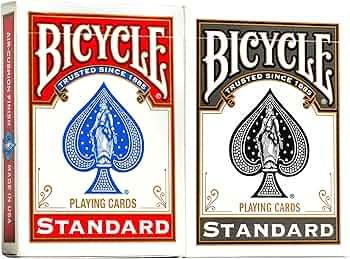
Bicycle Playing Cards, Rider Back, 1 Decks

Why Great for Beginners:

This classic Bicycle deck is the gold standard for new magicians – smooth shuffle and fan right out of box. Forgiving stock handles fumbles without creasing. Perfect for learning basics like Ambitious Card.

βœ“ Beginner Pros

  • +Ultra-smooth air-cushion finish
  • +Affordable for multiple buys
  • +Widely taught in tutorials
  • +Durable for heavy practice

βœ— Beginner Cons

  • -Basic design, no frills
  • -May warp in humidity without care
πŸ‘ Best for: Absolute beginners testing magic
πŸ‘Ž Not for: Those wanting flashy custom backs

#2
πŸ‘ Recommended

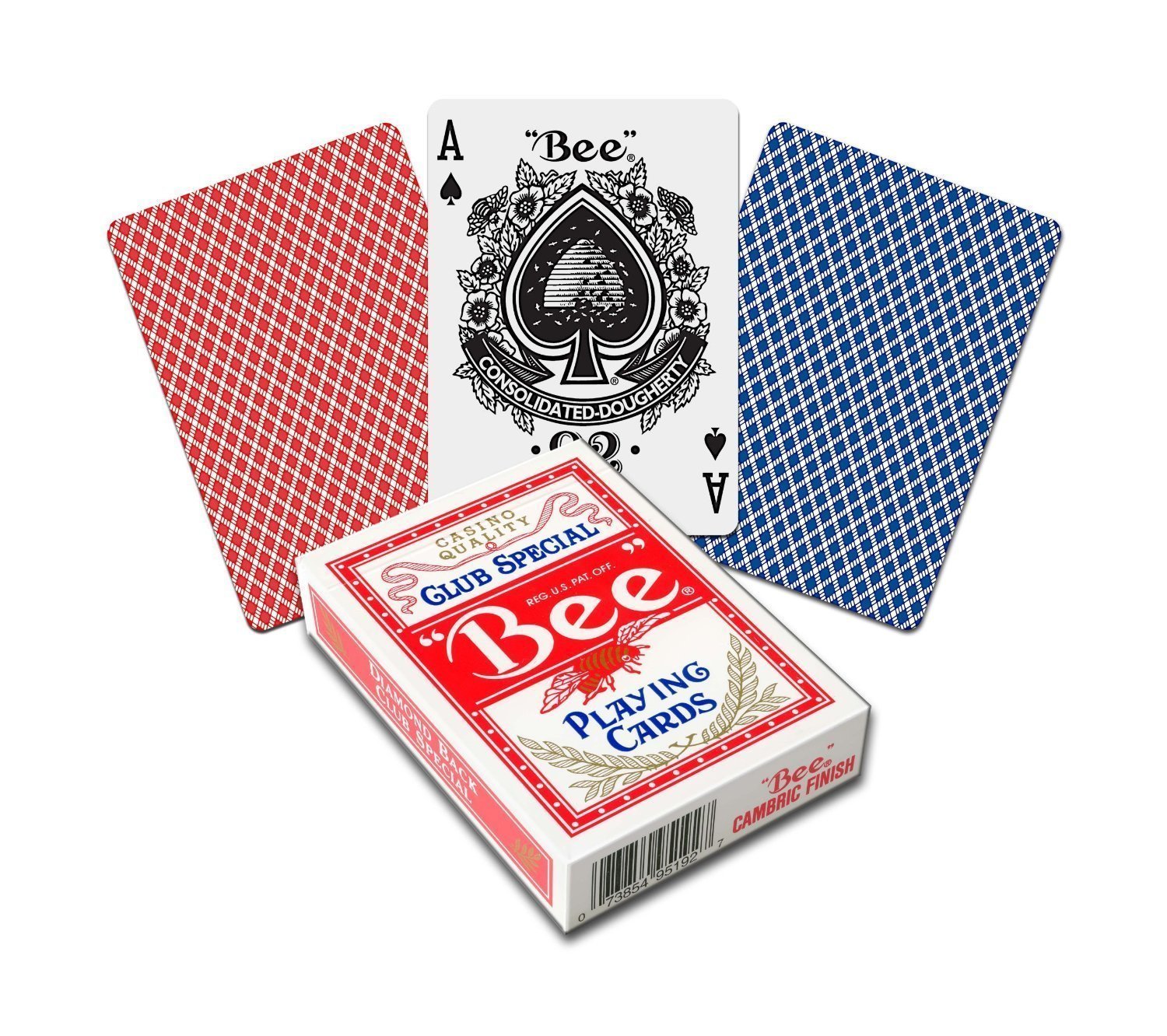
Bee Playing Cards Deck - Casino Quality

Learning Curve: Easy

$12.99
Difficulty: 1/5
Bee Playing Cards Deck - Casino Quality

Why Great for Beginners:

Bee decks offer superior glide and flexibility over Bicycle, ideal for palmings and forces. Slightly narrower for easier control in small hands. Magicians swear by them for beginner-to-intermediate tricks.

βœ“ Beginner Pros

  • +Exceptional snap and shuffle
  • +Warp-resistant
  • +Great for fans and spreads
  • +Pro feel without pro price

βœ— Beginner Cons

  • -Slightly stiffer at first
  • -Less common in free tutorials
πŸ‘ Best for: Beginners with average hands wanting pro handling
πŸ‘Ž Not for: Tiny hands preferring wider cards
#3
πŸ‘ Recommended

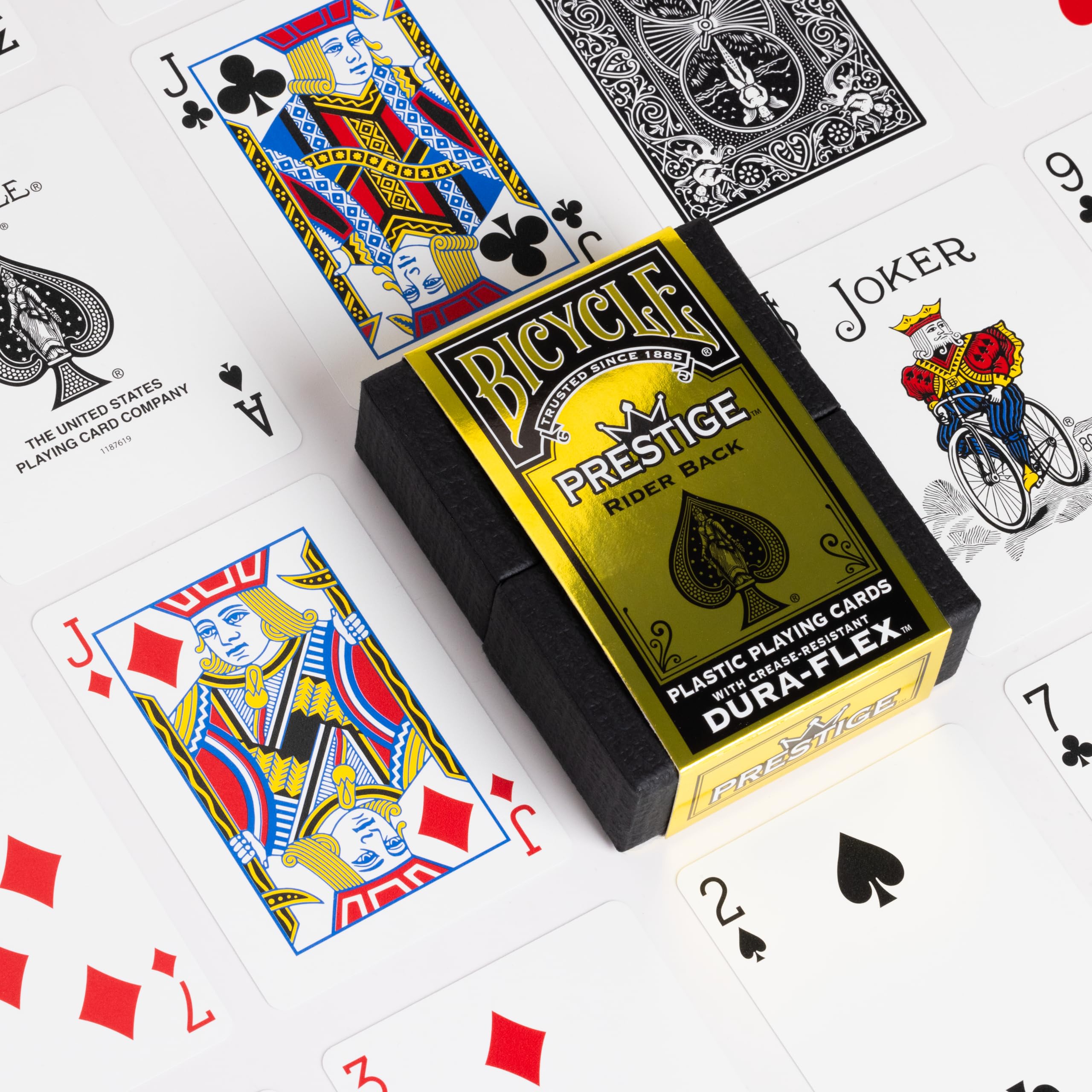
Theory11 Bicycle Prestige Edition Deck

Learning Curve: Moderate

$14.95
Difficulty: 2/5
Theory11 Bicycle Prestige Edition Deck

Why Great for Beginners:

Premium Bicycle variant with crushed stock for buttery handling – fans like silk, shuffles silently. Built for magic abuse, lasts months of daily use. Elevates confidence with pro results early.

βœ“ Beginner Pros

  • +Silky smooth crushed finish
  • +Elegant design boosts morale
  • +Perfect riffles and cuts
  • +Highly durable

βœ— Beginner Cons

  • -Higher price for basics
  • -Breaks in over 1-2 sessions
πŸ‘ Best for: Serious beginners ready for polish
πŸ‘Ž Not for: Budget testers
#4
✨ Premium

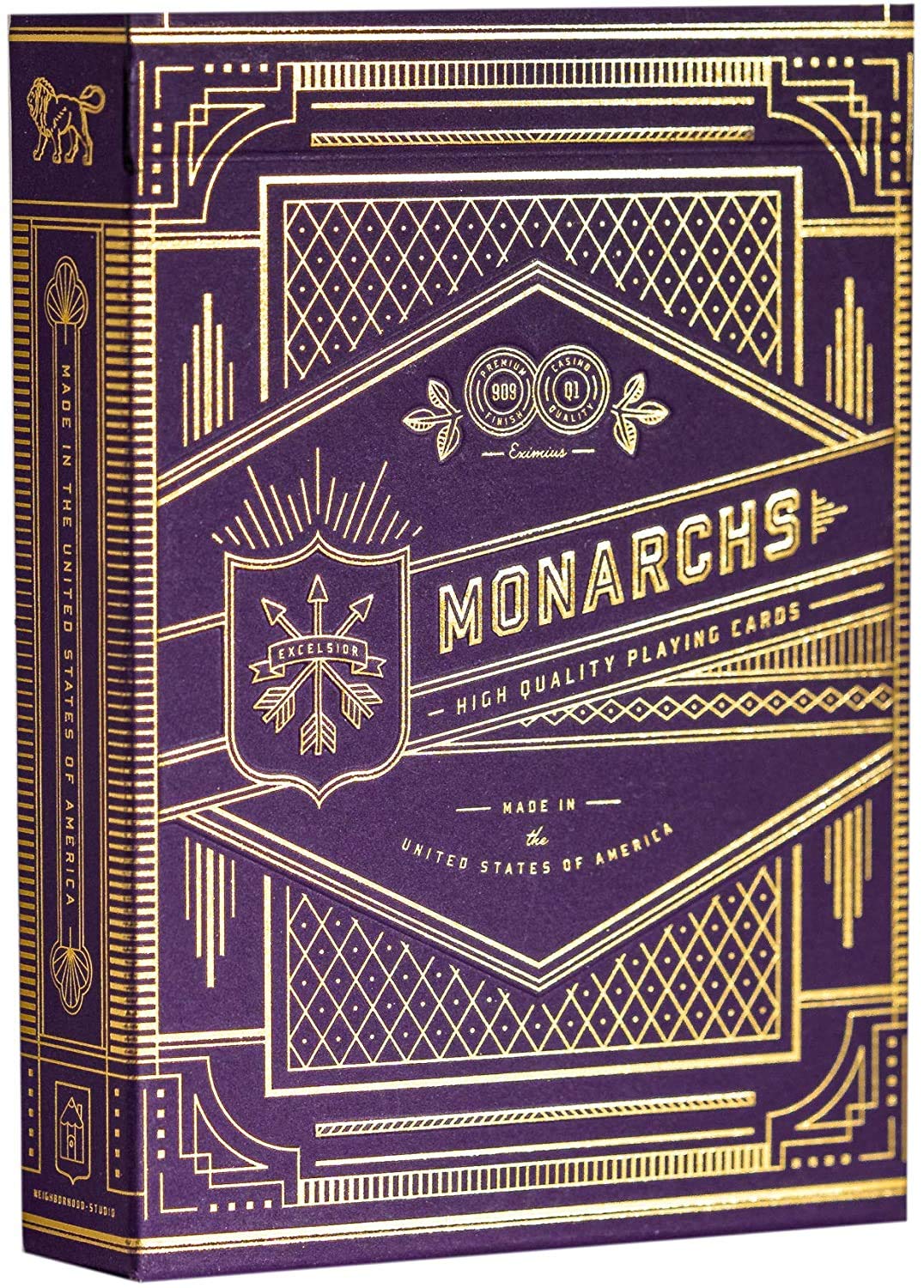
Monarch Playing Cards by Theory11

Learning Curve: Moderate

$28.00
Difficulty: 2/5
Monarch Playing Cards by Theory11

Why Great for Beginners:

Luxury deck with thin-stock glide rivaling pros – ideal for advanced beginner sleights. Eye-catching design motivates practice. Handles like $100 decks but beginner-accessible.

βœ“ Beginner Pros

  • +Incredible thinness and flexibility
  • +Stunning aesthetics
  • +Pro-level fans
  • +Long-lasting quality

βœ— Beginner Cons

  • -Premium cost
  • -Too fancy for casual drops
πŸ‘ Best for: Ambitious beginners investing in growth
πŸ‘Ž Not for: Casual or budget-conscious

πŸ“– Complete Beginner's Guide to Magic Card Deck

A magic card deck is a standard 52-card playing deck optimized for tricks – think shuffles, forces, palms. Unlike regular cards, magic decks prioritize slide, flexibility, and handling for sleights like double lifts or Elmsley counts.

Types: Standard (best for beginners – versatile, learn basics), Gimmick (Svengali for self-forcing, but steep curve), Marked (numbers hidden on backs, advanced reading). Start standard: Bicycle Rider Back handles 95% starter tricks without extras.

Beginner-friendly means reliable performance on basics – smooth riffle shuffles, fans that arc beautifully, bends that snap back. Expect to master 5-10 tricks in weeks with practice. Evaluate by: finish quality (rub cards together – silky?), flex (fan 10 cards), reviews from magicians.

Marketing traps: 'Pro' doesn't mean beginner-easy; flashy designs distract from handling. Realistic: Your first deck won't wow pros, but enables fun reveals like card-to-pocket. 'Beginner-friendly' = minimal frustration, max practice time.

Pro tip: Video handling tests on YouTube before buying – search 'Bicycle vs Bee for card magic.'

πŸ”§ Essential Accessories for Beginners

AC Infinity Card Guard Pro - Image 1 of 9

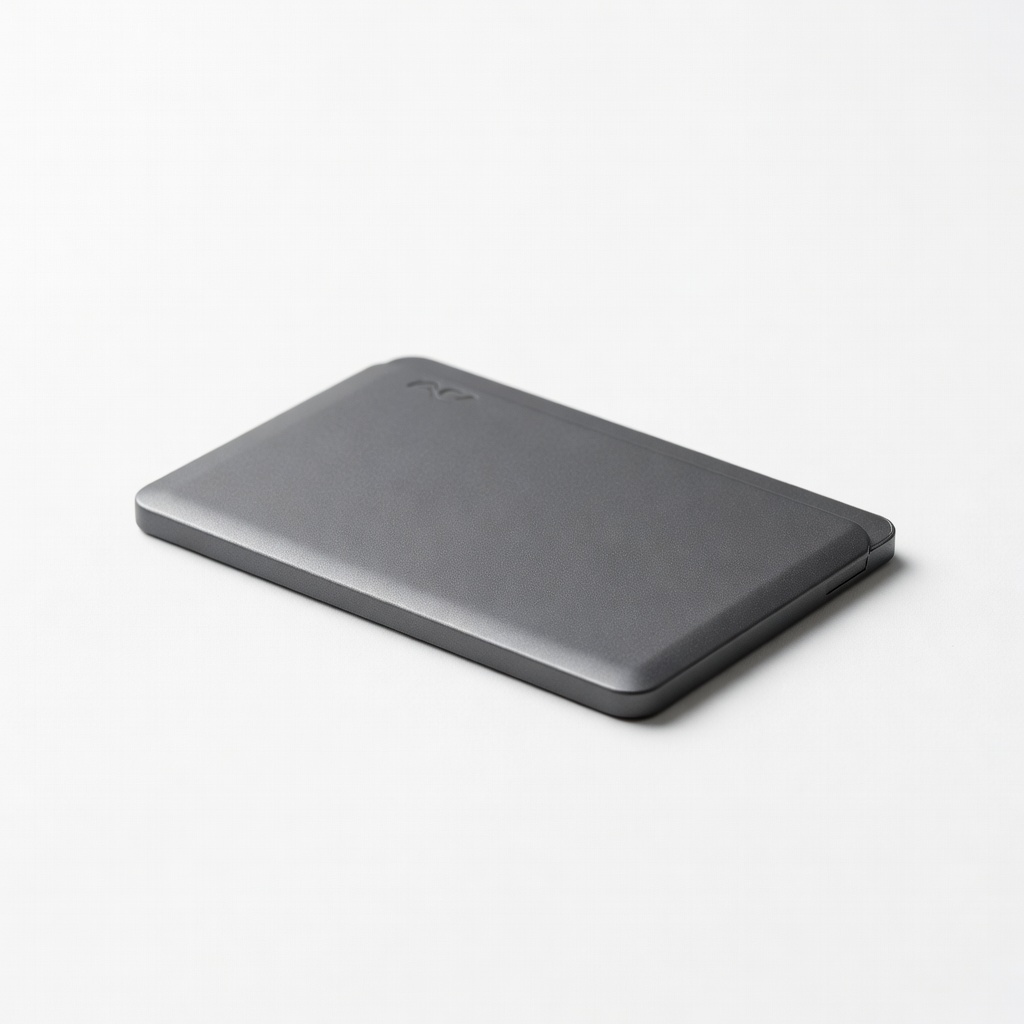
AC Infinity Card Guard Pro

⚠️ Essential

$9.99

When to buy:
Day one

Protects your deck from bends and warps during storage – beginners drop cards everywhere. Keeps edges sharp for clean shuffles. Prevents dust buildup that ruins glide.

Beginner Benefits:

  • β€’ Prevents accidental creases
  • β€’ Maintains card condition
  • β€’ Portable for practice anywhere
  • β€’ Cheap insurance against mistakes
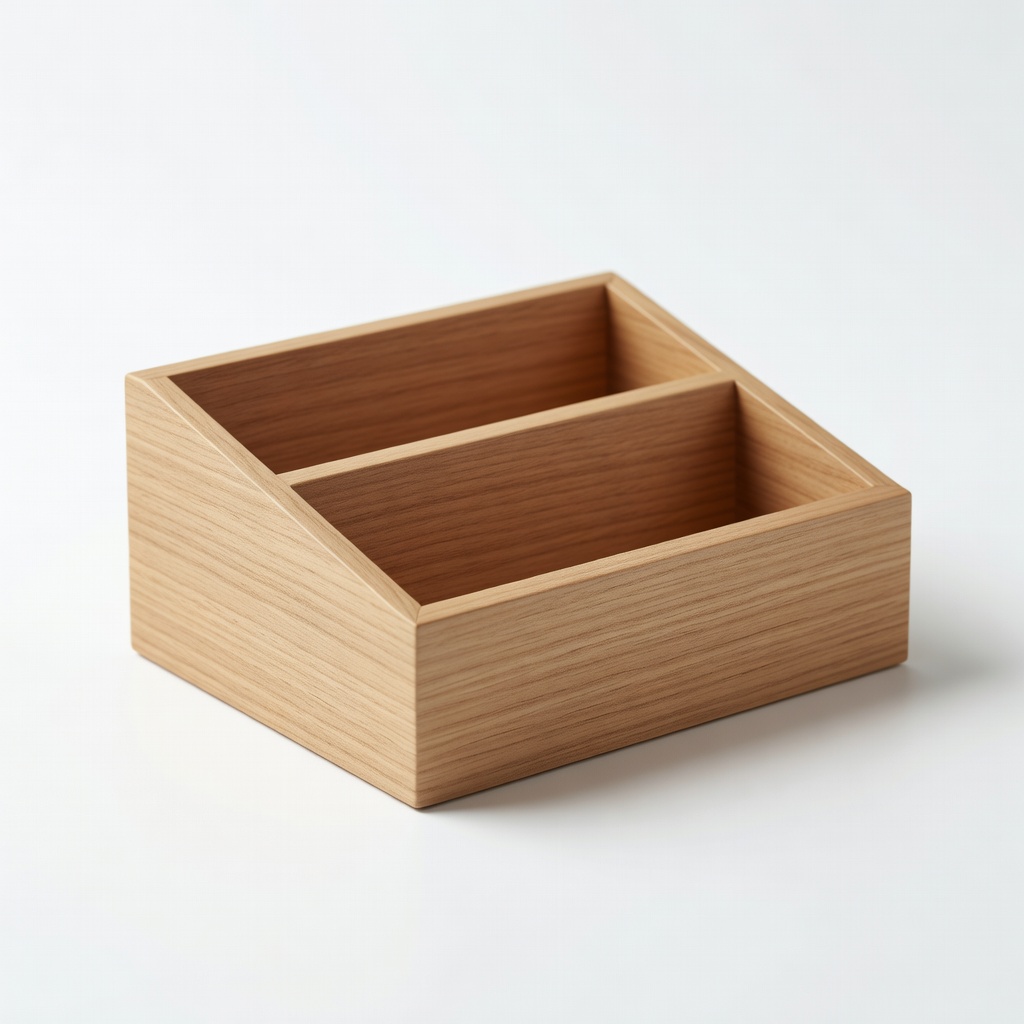
Ameriwood Home 2-Deck Card Holder

Ameriwood Home 2-Deck Card Holder

πŸ‘ Recommended

$14.99

When to buy:
First month

Organizes multiple decks for quick swaps during trick practice. Acrylic stands display cards beautifully, inspiring daily sessions. Reduces fumbling for the right deck.

Beginner Benefits:

  • β€’ Easy deck access
  • β€’ Motivates organization
  • β€’ Prevents mixing decks
  • β€’ Looks pro on desk
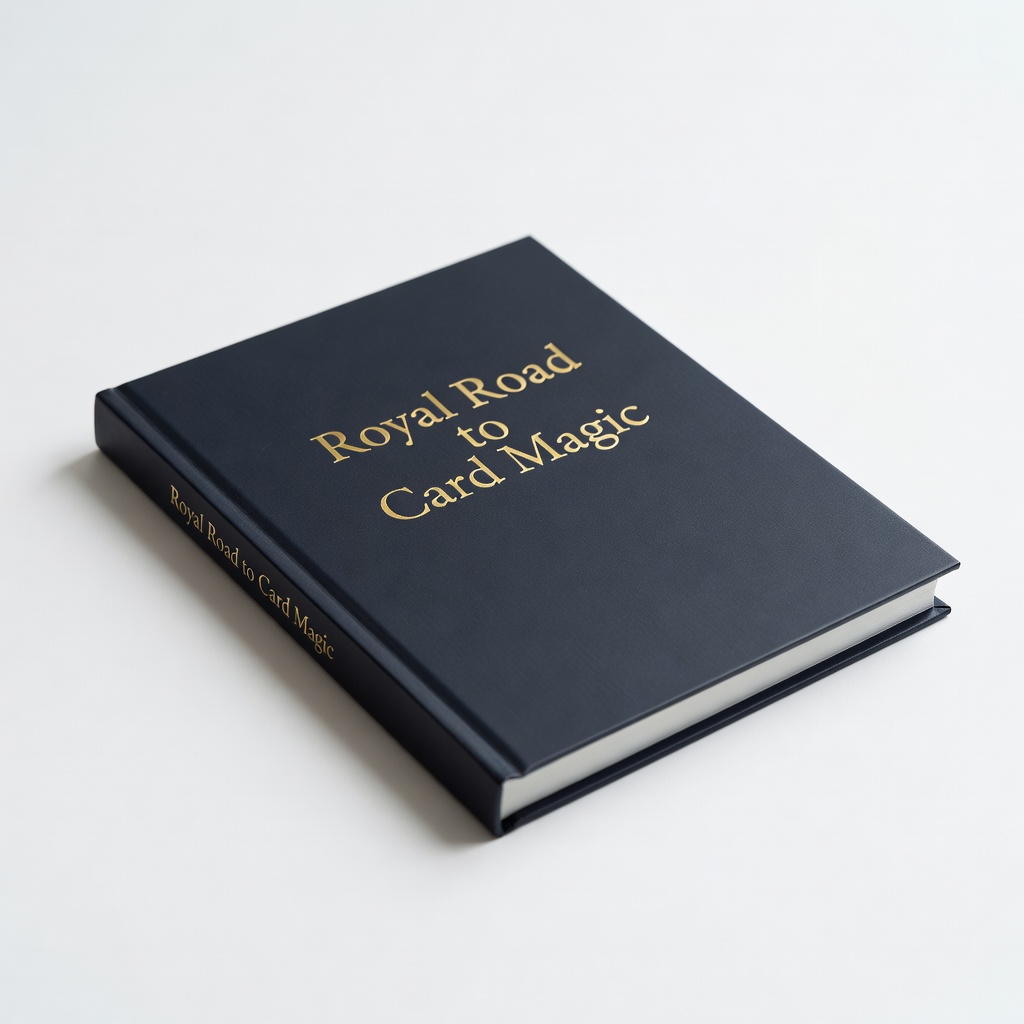
Royal Road to Card Magic Book

Royal Road to Card Magic Book

⚠️ Essential

$22.00

When to buy:
Day one

Step-by-step guide to 50+ tricks using any standard deck – no gimmicks needed. Builds skills progressively, matching your starter deck perfectly. Includes shuffle tips.

Beginner Benefits:

  • β€’ Matches standard decks
  • β€’ Progressive lessons
  • β€’ No prior skills needed
  • β€’ Lifetime reference

πŸ€” How to Choose Your First Magic Card Deck

Ask: What's my budget? Practice indoors/outdoors? Hand size? Start with use: Home practice? Get poker standard. Small hands? Narrower Bee decks.

Budget: Under $10 for trial, $10-25 sweet spot (pro handling), $25+ premium (custom feel). Most beginners thrive in sweet spot – durable, versatile, grows with you.

Scenarios: Casual learner? Budget standard. Trick-performer? Recommended with linen finish. Go premium if hands sweat or you drop cards often. Red flags: No reviews from magicians, flimsy plastic coating, non-standard sizes. Plan growth: Standard lasts years; upgrade to specialty when basics click.

πŸ’° Budget Guide for Beginners

50+

Pro entry – specialty gimmicks or luxury; only if committed long-term.

10 - $25

Sweet spot – pro-quality handling, durable for daily practice, room to learn 50+ tricks.

25 - $50

Premium beginner – custom finishes, superior glide, ideal for serious starters who drop cards.

Under $ - $10

Entry level – basic standards to try magic without risk; may stick slightly but great starter.

⚠️ Common Beginner Mistakes to Avoid

Beginners chase 'magic trick kits' with pre-rigged decks, skipping handling skills – result: can't adapt to real performances. Dollar-store buys frustrate with gluey cards; forums overflow with 'sticky deck hell' regrets.

They ignore cases, leaving decks splayed on tables – warps kill glide fast. Fancy designs tempt, but poor stock hides flaws until mid-trick fails. Avoid by prioritizing finish/reviews over looks; store properly.

Lessons from pros: Start plain standard, practice 30min/day. Mistake cost? Wasted $5-20 + demotivation. Instead: Test rub/glide in-store vids, buy case day one.

  • Γ—Buying the cheapest dollar-store cards that stick and tear
  • Γ—Grabbing gimmick decks before mastering basics
  • Γ—Ignoring storage – cards warp from humidity
  • Γ—Overlooking finish quality, leading to shuffle fails
  • Γ—Not buying a case, causing edge damage
  • Γ—Choosing bridge size for magic (too small for controls)
  • Γ—Skipping tutorials, practicing wrong techniques

πŸ“ˆ Your Progression Path: Beginner to Intermediate

First, learn shuffles, cuts, forces with standard deck (1-2 months). Master 10 tricks from books/videos. Practice 20min daily – mirror for angles.

Outgrow when basics bore, fans perfect, want forces/vanish. Signs: Handle any deck, improvise tricks. Upgrade: Gimmick (Svengali) at 3 months, custom pro decks at 6.

Intermediate: Multiple decks, angle-proof sleights. Stay beginner 2-6 months typically. Build progressively: Week 1 shuffle, Month 1 palms. Gear lasts; skills dictate upgrades.

πŸ“š Learning Resources for Beginners

  • πŸ“–Royal Road to Card Magic Book (B01M0LXS0R)
  • πŸ“–Expert at the Card Table by S.W. Erdnase (Amazon paperback)
  • πŸ“–Card College Volume 1 by Roberto Giobbi
  • πŸ“–Murphy's Magic 20 Card Tricks DVD
  • πŸ“–Beginner Card Magic Practice Pad
  • πŸ“–Ellusionist Learn Quick Card Tricks Kit

🎯 Bottom Line: Our Recommendations

Best overall for most beginners: Bee Deck (B07X4L5N7P) – pro handling at sweet-spot price. Budget: Bicycle (B08Y7R3K4L). Premium: Monarch (B07P8Z9A4B).

Grab card case and Royal Road book day one. You're not buying a toy – this starts your magic journey. Practice consistently; first 'wow' moment comes fast.

Next steps: Order, watch handling vid, learn one trick tonight. You've got this – confidence from right tools!

❓ Frequently Asked Questions

Bee Playing Cards (B07X4L5N7P) for most – smooth, durable, perfect for starter tricks. Budget pick: Bicycle Rider Back (B08Y7R3K4L).
$10-25 sweet spot gets pro handling without waste. Under $10 trials it; $25+ for luxury feel.
Smooth finish, poker size, linen texture, durable stock – for easy shuffles, fans, and forgiving practice.
Bicycle Rider Back (B08Y7R3K4L) – simplest glide, tons of tutorials, zero learning curve.
Card case (essential protection), book like Royal Road (tricks), holder for multiples.
Prioritize finish/handling reviews; standard poker size; match budget to practice commitment.
No – standard decks like Bicycle make basics easy in days. Hard part is practice, not the tool.
Cheap sticky cards, no case, gimmicks too soon – stick to standards, protect them.
Start standard – 90% tricks work. Upgrade gimmicks after basics.
6-12 months heavy use if stored right; quality ones like Bee endure years.