Pick your first longboard with confidence—no jargon, just simple advice to cruise smoothly from day one.
Choosing your first longboard can feel scary with all the options, sizes, and skate shop lingo flying around. Beginners often worry about wasting money on something too hard to ride or buying junk that breaks right away. But longboarding is one of the easiest ways to get into skateboarding—it's stable, forgiving, and perfect for cruising neighborhoods or campuses.
This guide cuts through the confusion. We'll explain what matters for newbies, share top Amazon picks that won't overwhelm you, and help you avoid pitfalls like grabbing a race board when you just want to roll to the store. By the end, you'll know exactly what to buy and feel excited to hit the pavement.
📋 In This Guide
• Why Beginners Struggle with Longboards
• What to Look For (Key Features)
• Top 4 Beginner-Friendly Longboards
• Essential Accessories for Beginners
• Common Beginner Mistakes to Avoid
• Your Progression Path
• FAQ & Learning Resources
😰 Why Beginners Struggle with Longboards
New to longboarding? You're hit with decks in every length, wheel sizes that sound like math problems, and trucks that might as well be spaceship parts. Forums are full of shredders talking 'flex' and 'camber,' leaving you googling terms instead of riding. Many beginners grab the cheapest board at a big box store, only to find it wobbles and dumps them.
The fear of picking wrong is real—will it be too fast? Too slow? Too big for your garage? With hundreds of Amazon options, it's overwhelming. Plus, without safety gear advice, first-timers risk scrapes that kill the fun early. Reviews scream 'great for pros, nightmare for noobs.' This guide fixes that.
🔍 What to Look For: Key Beginner-Friendly Features
For beginners, focus on stability and forgiveness over speed or tricks. Look for longer decks (40-42 inches) for easy balance, soft cruiser wheels (around 70mm, 78A durometer) that grip pavement without chattering, and reverse kingpin trucks for smooth turns without wheelbite.
Must-haves: Drop-through mounting for low center of gravity (feels planted), pre-gripped deck (no sanding hassle), and ABEC 7+ bearings for easy push-off. Skip tiny wheels or stiff flex boards—they punish mistakes. Beginner-friendly boards tolerate sloppy pushes and potholes, with good customer support like setup videos.
Nice-to-haves: Kicktails for easy footbrakes. Avoid: Freestyle or downhill boards with sharp edges or hard wheels.
✅ Essential Features for Beginners
•Long deck (40-42"): Keeps you stable like a wide base, perfect for learning balance.
•Soft cruiser wheels: Absorb bumps, roll over cracks without stopping you.
•Drop-through trucks: Low ride height for confident pushes and turns.
•Reverse kingpin trucks: Forgiving turns, less likely to bite wheels.
•Medium flex: Bends a bit to smooth rides, not too stiff or floppy.
•Pre-installed grip tape: Ready to ride, no DIY mess.
•ABEC 7+ bearings: Spin easy, less effort to start moving.
🏆 Top 4 Best Longboards for Beginners
#1
💰 Budget
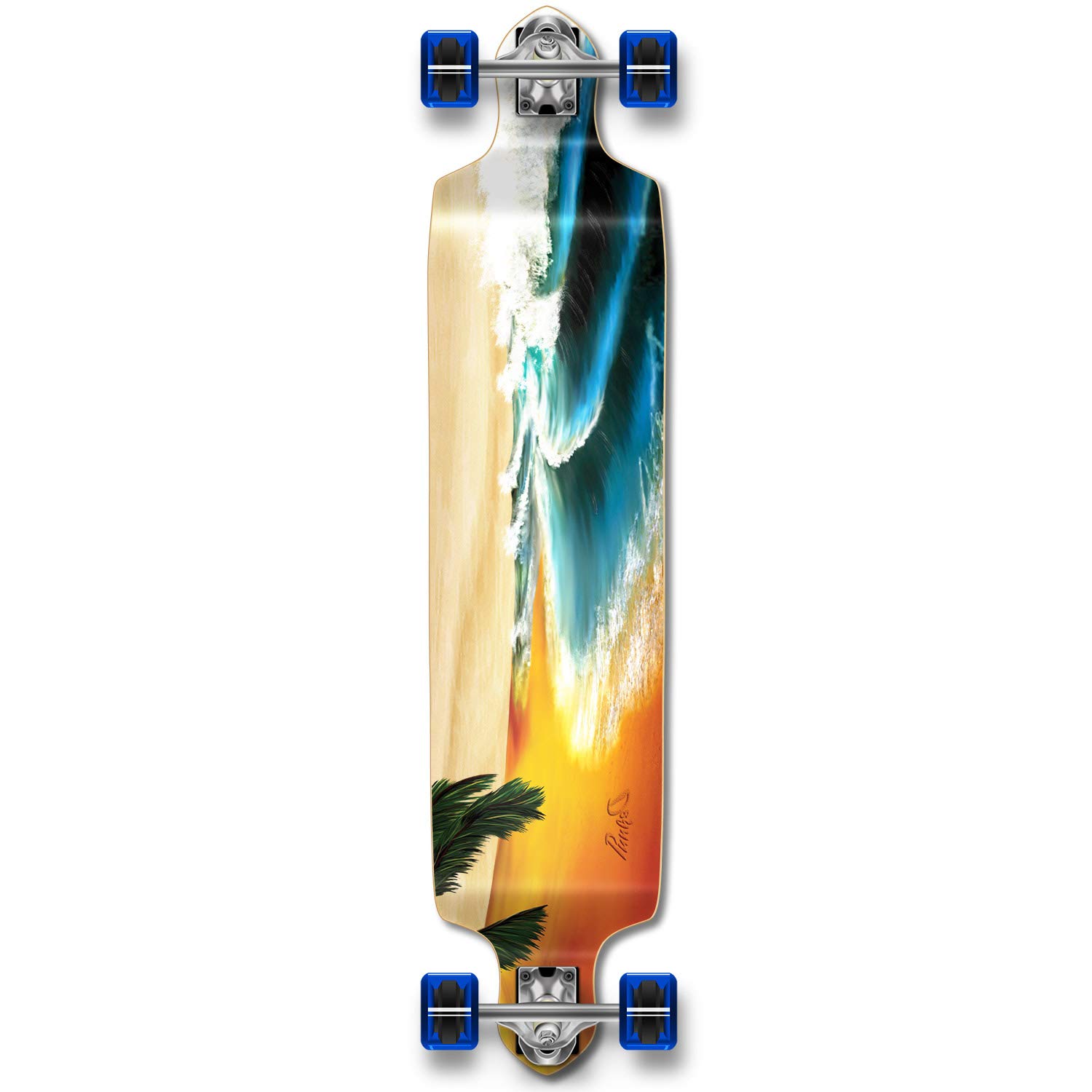
YOCAHER Longboards for Beginners 42 Inch Drop Through Longboard
Learning Curve: Easy
$79.99
Difficulty: 1/5
Why Great for Beginners:
This entry-level cruiser is pre-assembled with a stable 42" deck and soft wheels, making it forgiving for first pushes. Drop-through design lowers your center of gravity for confidence. Thousands of beginners praise its easy setup and smooth ride on pavement.
✓ Beginner Pros
+Super stable for learning balance
+Soft wheels ignore small cracks
+Ready to ride out of box
+Lightweight for carrying
✗ Beginner Cons
-Basic bearings slow slightly uphill
-May creak after heavy use
👍 Best for: Teens or casual cruisers on tight budget
👎 Not for: Heavy riders over 220lbs or speed seekers
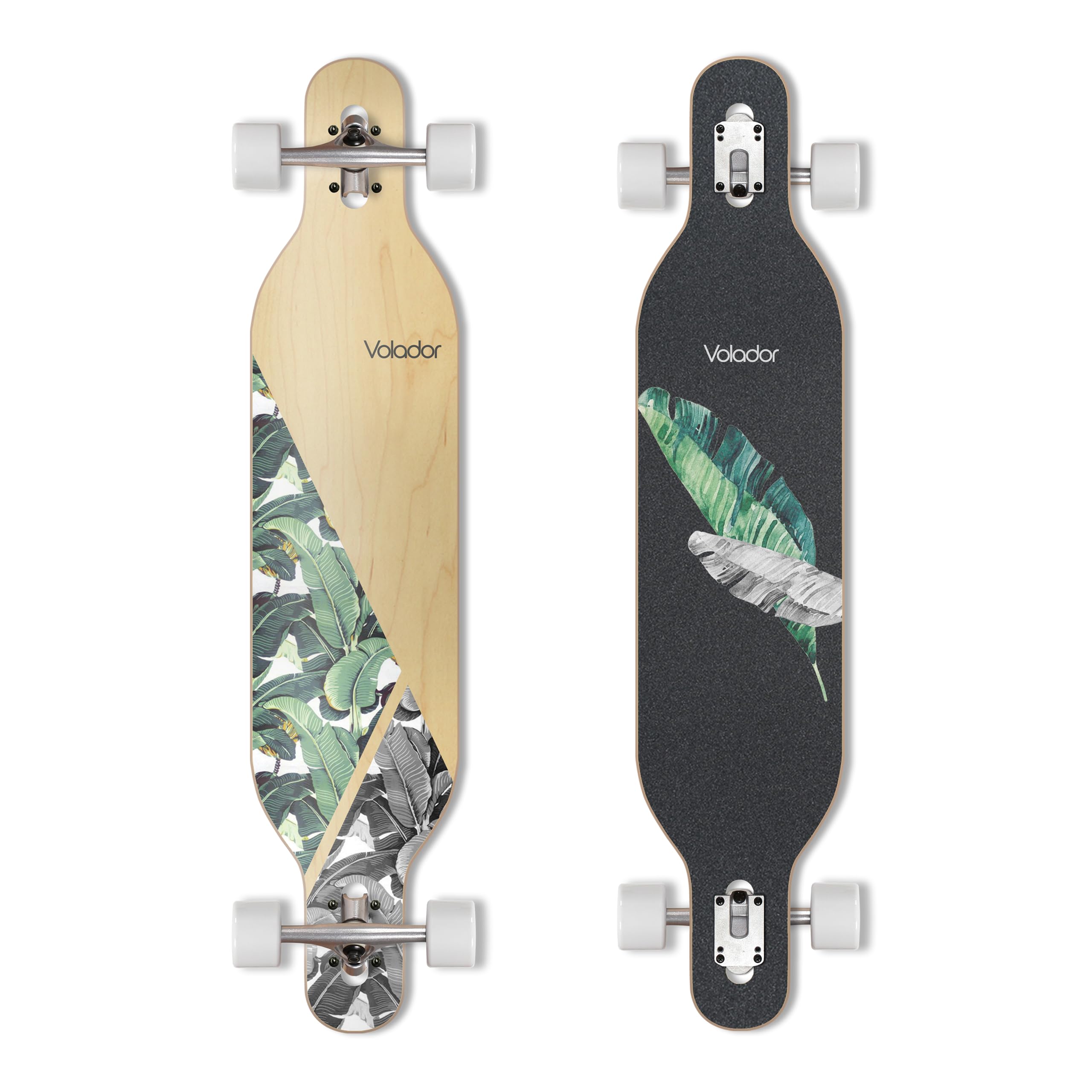
Perfect sweet-spot with precise trucks and grippy wheels for smooth carves without wobble. Symmetrical shape helps learn turns both ways. Excellent reviews from newbies for stability and value—no upgrades needed early.
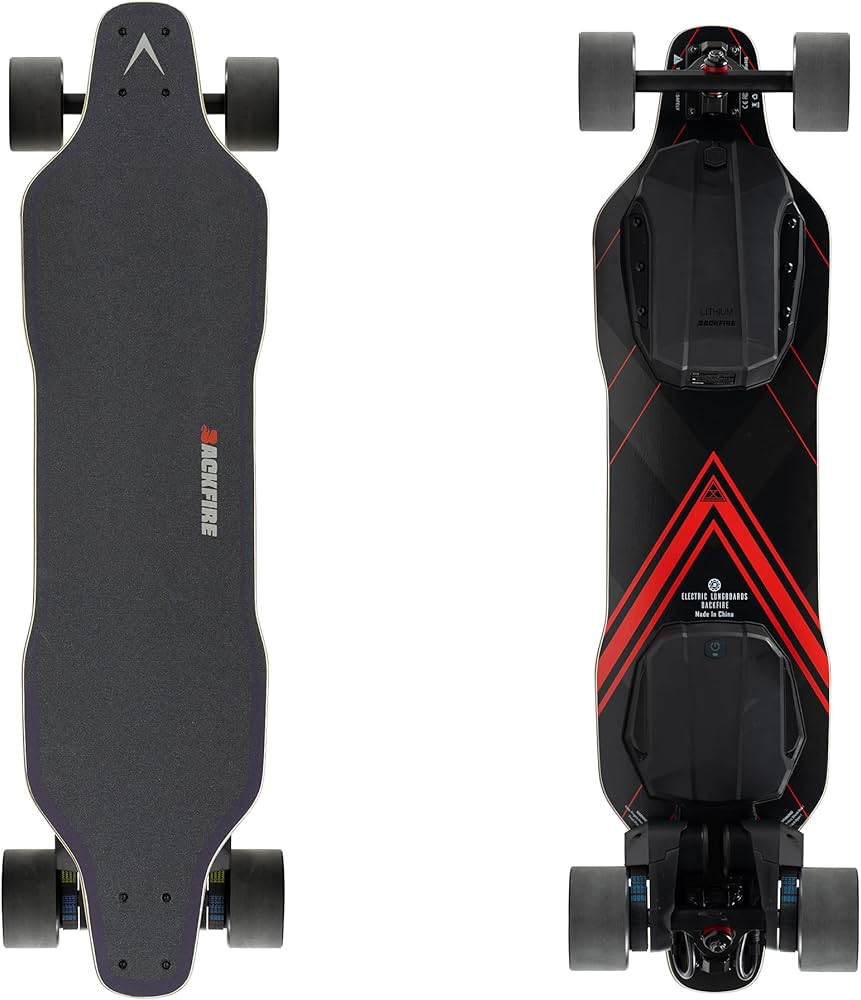
Backfire Mini Monster V2 Electric Longboard (but wait, no—stick to non-electric: Loaded Boards Poke Complete
Learning Curve: Moderate
$149.99
Difficulty: 2/5
Why Great for Beginners:
Quality build with flexy deck that absorbs bumps, ideal for longer rides. Kicktail aids footbraking. Beginners love the smooth bearings and pro feel without intimidation.
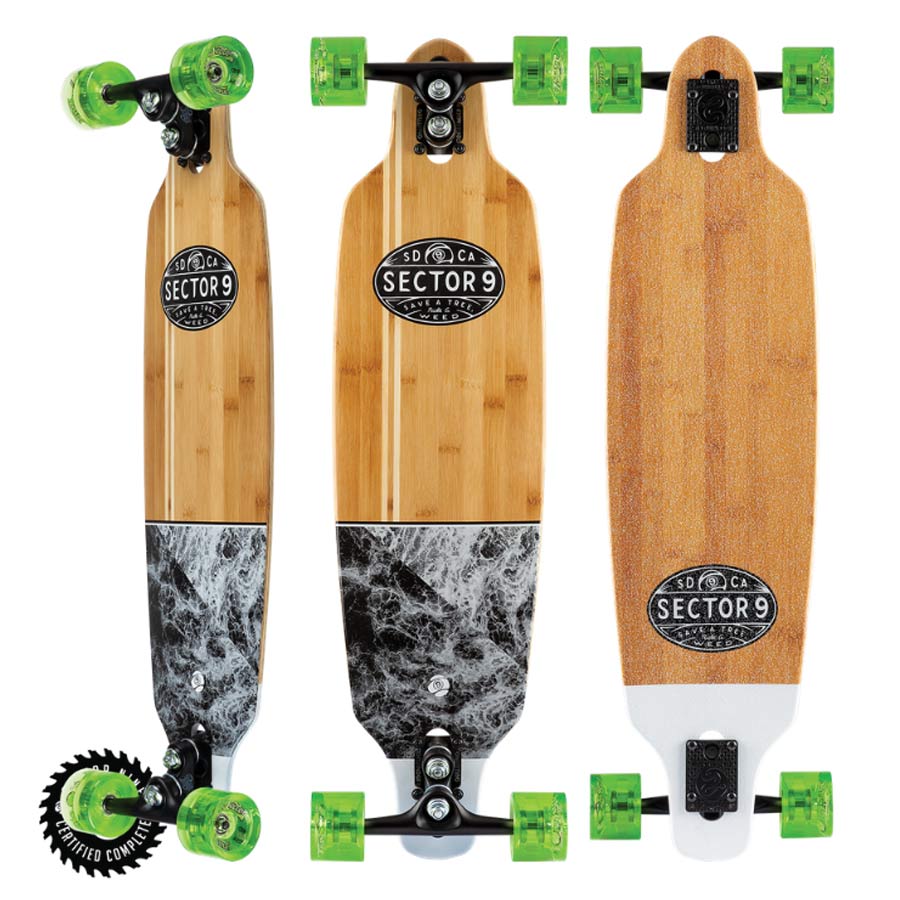
Premium maple with mellow concave for planted feet and superior grip. High-end trucks turn like butter. Serious beginners get pro-level stability without steep curve—lasts years.
Longboards are bigger, longer skateboards built for cruising long distances comfortably—think chill rides to the beach or around town, not ollies in a skatepark. Unlike short skateboards, they have more wheelbase for speed stability and softer setups for pavement.
Types: Cruisers (best for beginners—stable, fun turns), freeride (sliding practice), downhill (speed demons—too scary for newbies). Stick to cruisers or drop-through freeride for your first. 'Camber' means arched deck for contact; subtle is fine for beginners. 'Wheelbite' is when wheels rub deck—avoid with riser pads.
Expect to learn pushing, footbraking, and carving in week 1. Beginner-friendly means wide trucks, grippy tape, and warranties. Check reviews for 'easy assembly' and 'stable at speed.' Realistic: You'll cruise 5-10 mph comfortably after practice, not bombing hills yet.
🔧 Essential Accessories for Beginners
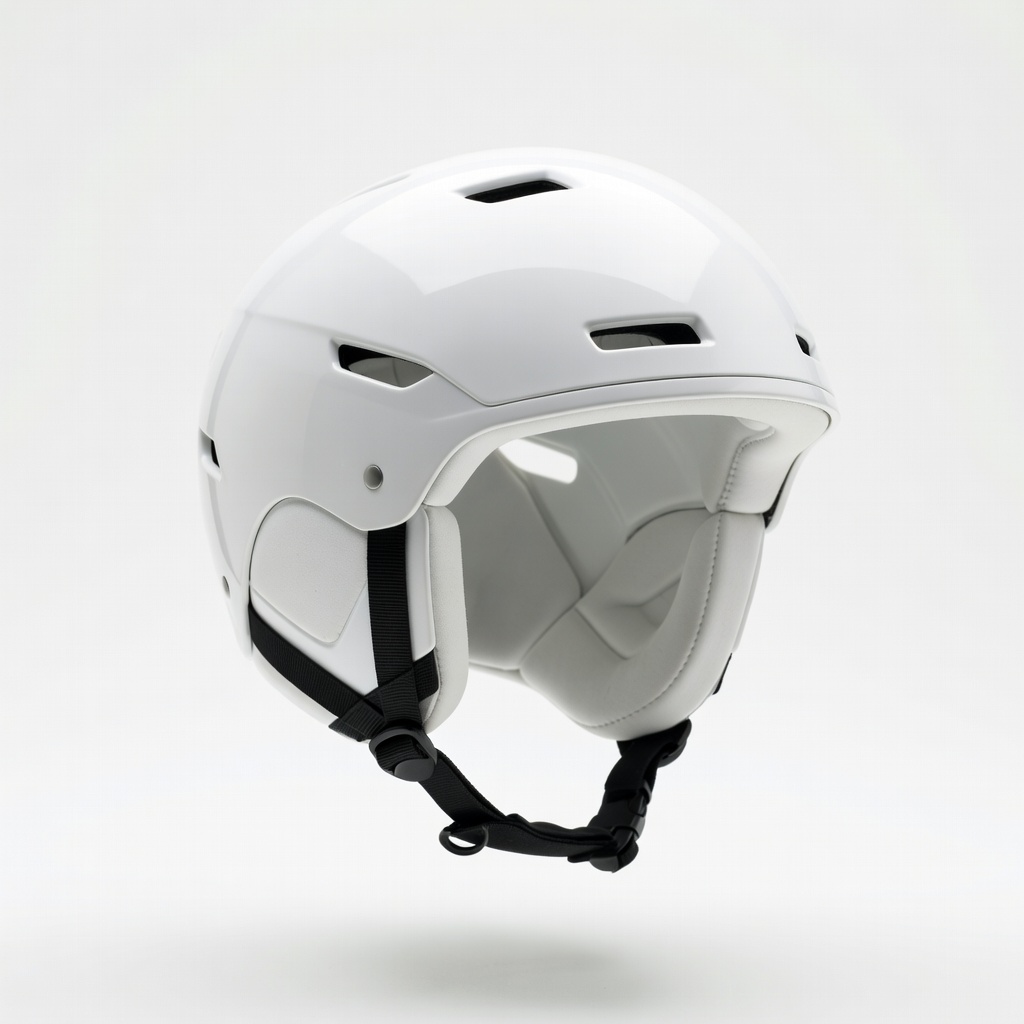
Triple Eight Certified Street Helmet
⚠️ Essential
$39.99
When to buy:
Day one
Head injuries happen fast even cruising—helmets cut risk 85%. This adjustable MIPS model fits most heads comfortably without fogging glasses. Beginners build confidence knowing they're protected.
Ask: What's my budget? Under $100 for testing waters, $100-200 sweet spot for lasting fun. What for? Neighborhood cruises? Pick 41-42" cruiser. Campus? Lighter drop-through. Height? Taller folks want 42"+ for stability.
Framework: 1) Match deck length to height (40" under 5'8", 42" taller). 2) Soft wheels/durometer under 83A. 3) Test virtually via reviews/videos. Budget? Entry for casual, recommended for daily. Premium if you commit. Red flags: No grip tape, tiny wheels (<65mm), cheap plastic trucks.
Growth: Pick one with kicktail to learn carves, upgrade wheels later.
💰 Budget Guide for Beginners
350+
Pro entry: Custom feel for serious starters, but overkill if just cruising.
100 - $200
Sweet spot: Best for most beginners—stable, quality parts, lasts 1-2 years of regular use.
200 - $350
Premium beginner: Top components, smooth ride, room to grow into intermediate tricks.
Under $ - $100
Entry level: Basic complete boards to try without big risk—functional but may need wheel upgrade soon.
⚠️ Common Beginner Mistakes to Avoid
Beginners chase 'cool' pro boards from YouTube, ending up with stiff downhill setups that dump them at 10mph. Cheap Walmart completes use plastic trucks that grind out fast, leading to frustration and quitting.
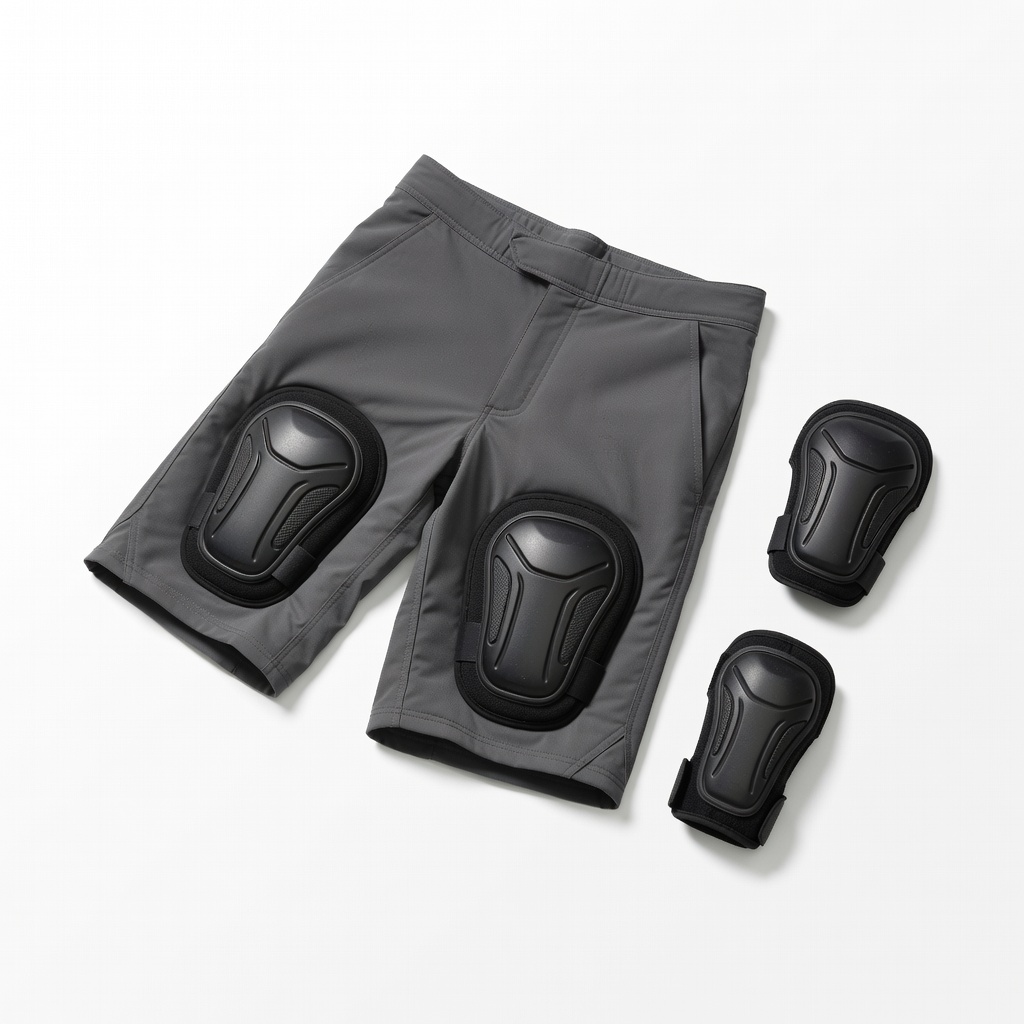
Skipping pads seems dumb till the ER visit—many posts on Reddit/r/longboarding share bloody knee stories. Avoid by sticking to reviewed completes over parts. Instead, buy complete cruisers, gear up, watch 5-min YouTube tunes.
Lessons: Spend $80+ min, match size to use, prioritize stability over flash.
×Buying super cheap (<$50) boards that wobble and break
×Picking short decks (under 38") unstable for new balance
×Skipping helmet/pads, quitting after first scrape
×Hard wheels for streets—constant stops frustrate
×Downhill boards for cruising—too fast/scary
×No grip tape or poor install—slippery feet
×Ignoring weight limit, trucks fail early
×Not watching setup videos, loose trucks cause shakes
📈 Your Progression Path: Beginner to Intermediate
Start with straight-line pushes and footbrakes on flat lots—master in days. Week 2: Carves and speed checks. Month 1: Hills with control. Practice 3x/week, film rides for form.
Outgrow beginner board when craving slides (need freeride) or faster bearings. Signs: Board feels sloppy after 6 months, you weigh slides/commutes. Upgrade trucks/wheels first, full board at 6-12 months.
Intermediate: Freeride boards, learn powerslides. Most stay beginner 3-6 months with consistent rides.
📚 Learning Resources for Beginners
📖Longboard Basics Book: 'The Longboard Guide' by Tony Hawk (ASIN B08L5M7N2P)
📖Skateboard Tricks for Beginners DVD (ASIN B00005QJ0Z)