#1
💰 Budget
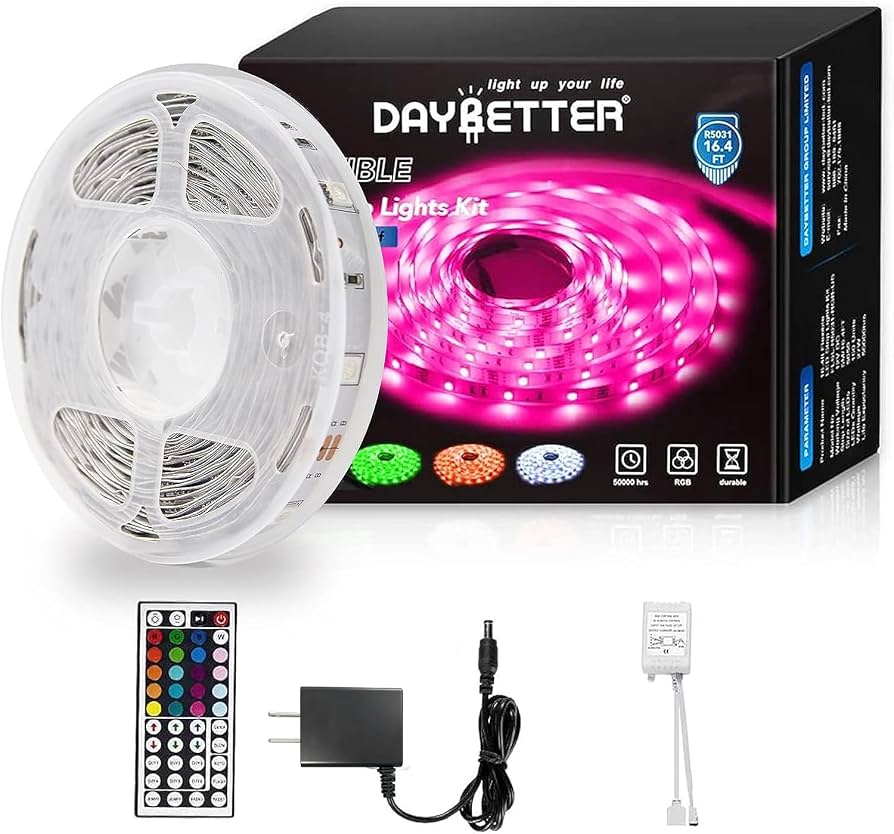
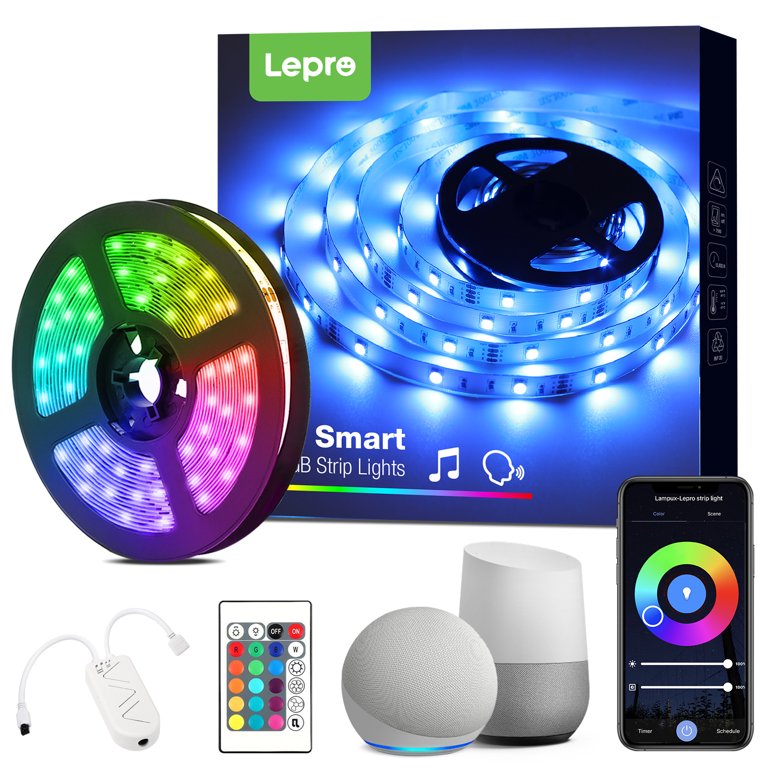
Lepro 16.4ft RGB LED Strip Lights with Remote
Learning Curve: Easy
$13.99
Difficulty: 1/5
Why Great for Beginners:
Simple plug-and-play with included remote and adhesive. Great for testing the waters without breaking the bank. Works reliably for small accents.
✓ Beginner Pros
- +Very low price for a complete kit
- +Easy to install and use immediately
- +Decent brightness for accent lighting
- +Remote control included
✗ Beginner Cons
- -Adhesive may weaken over time
- -No app control or voice integration
- -Limited to 16.4ft length
👍 Best for: Absolute beginners on a tight budget who want to try LED strips on a small project like behind a monitor or short shelf.
👎 Not for: Anyone needing longer runs or smart home integration.