Review Atlas
Review AtlasYour guide to a better purchase

Menu

Shop by Category

Get the App

Better experience on mobile

Beginners GuideLeathercraft

7 Best Best Leather Working Tool Set for beginners in 2026: Test…

Everything beginners need to know to choose their first Leather Working Tool Set with confidence

Starting leatherworking is exciting, but choosing your first tool set can be overwhelming. With so many options, technical terms, and price ranges, it's easy to feel lost. This guide is designed to simplify the process, helping you find a set that matches your skill level and budget. By the end, you'll know exactly what to look for and which product is right for you.

📋 In This Guide

  • • Why Beginners Struggle with Leather Working Tool Set
  • • What to Look For (Key Features)
  • • Top 4 Beginner-Friendly Leather Working Tool Set
  • • Essential Accessories for Beginners
  • • Common Beginner Mistakes to Avoid
  • • Your Progression Path
  • • FAQ & Learning Resources

😰 Why Beginners Struggle with Leather Working Tool Set

Leatherworking tool sets often include unfamiliar tools like pricking irons, edge bevelers, and stitching awls. Beginners can't tell which are essential and which are extras. Online reviews use jargon like 'stitching pitch' and 'thread weight,' adding confusion. Fear of buying a low-quality set that frays or dulls quickly is common. Moreover, many sets include low-quality tools that break, leading to frustration. This guide cuts through the noise, focusing on what truly matters for newcomers.

🔍 What to Look For: Key Beginner-Friendly Features

For beginners, prioritize sets with ergonomic handles (comfort during long sessions), basic stitching tools (pricking irons and an awl), and a cutting mat. Avoid sets with too many specialized tools you won't use yet. Look for stainless steel or high-carbon steel tools that stay sharp. A good beginner set includes a stitching pony or clamp, a mallet, and a few needles. Most importantly, the tools should be forgiving—like a scratch awl that allows mistakes without ruining leather. You don't need a swivel knife or figure-8 punch yet.

✅ Essential Features for Beginners

  • Complete set with case: All essential tools in one box, easy to store and carry
  • Ergonomic handles: Soft grip reduces hand fatigue during long sessions
  • Pricking irons with multiple tine counts: A 2-prong for curves and a 4-prong for straight lines
  • Stitching awl with adjustable thread tension: Helps beginners get consistent stitches
  • Large cutting mat with grid lines: Protects surfaces and helps with measurements
  • Quality mallet (not too heavy): A 1-pound nylon mallet provides good control without marring tools

🏆 Top 4 Best Leather Working Tool Set for Beginners

#1
💰 Budget

Basic Leathercraft Starter Set (Budget)

Learning Curve: Easy

$29.99
Difficulty: 1/5
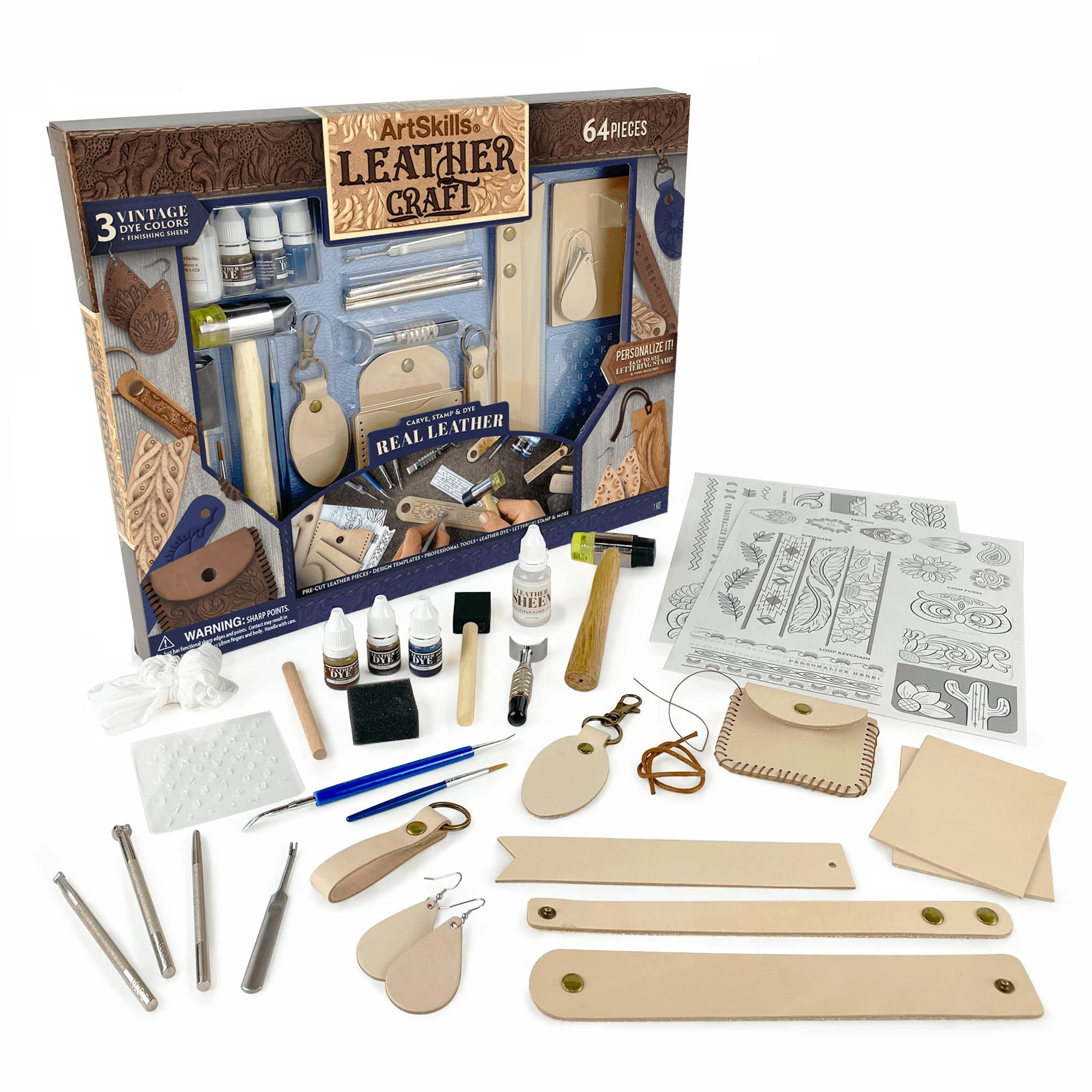
Basic Leathercraft Starter Set (Budget)

Why Great for Beginners:

This set includes the absolute essentials at a low price: a knife, pricking irons, awl, needles, thread, and a cutting mat. It's forgiving for learning basic cuts and stitches.

Beginner Pros

  • +Very affordable
  • +Includes cutting mat
  • +Lightweight and portable
  • +Good for simple projects

Beginner Cons

  • -Tools may feel flimsy
  • -Pricking irons might snag leather
  • -Mallet is small and light
  • -Not all tools are stainless steel
👍 Best for: Hobbyists on a tight budget or wanting to test leatherworking
👎 Not for: Those planning to make complex items like bags or belts

#2
👍 Recommended

Leathercraft Starter Kit Recommended (Mid-Range)

Learning Curve: Easy

$59.99
Difficulty: 2/5
Leathercraft Starter Kit Recommended (Mid-Range) - Image 1 of 6

Why Great for Beginners:

A well-rounded set with better quality tools: ergonomic handles, multiple pricking irons (2 and 4 prong), a stitching awl, and a heavier mallet. Perfect for learning and making wallets, belts, and small bags.

Beginner Pros

  • +Good quality stitching awl with adjustable tension
  • +Two pricking irons for curves and lines
  • +Comfortable handles reduce fatigue
  • +Comes with storage case
  • +Customer reviews mention 'great for beginners'

Beginner Cons

  • -Edge beveler not included
  • -Thread included is limited
  • -Mallet could be slightly heavier
👍 Best for: Most beginners who want a reliable set to learn and grow
👎 Not for: Those who prefer rotary cutters or need edge finishing tools
#3
✨ Premium

Premium Leatherworking Set (Premium Beginner)

Learning Curve: Moderate

$99.99
Difficulty: 2/5
Premium Leatherworking Set (Premium Beginner) - Image 1 of 6

Why Great for Beginners:

High-quality tools that will last for years: stainless steel pricking irons, a professional stitching awl, a nylon mallet, and an edge beveler. Beginners appreciate the smooth operation and precise results from day one.

Beginner Pros

  • +Stainless steel tools resist rust
  • +Edge beveler included for finished edges
  • +Heavy mallet for clean cuts
  • +Excellent customer satisfaction
  • +Tools stay sharp longer

Beginner Cons

  • -Higher upfront cost
  • -May include tools not used immediately
  • -Larger set may be intimidating
👍 Best for: Serious beginners who want quality and plan to stick with leatherworking
👎 Not for: Those unsure about commitment or with very limited budget
#4
Alternative

Deluxe Leather Tool Set (Alternative - Includes Stitching Pony)

Learning Curve: Easy

$79.99
Difficulty: 1/5
Deluxe Leather Tool Set (Alternative - Includes Stitching Pony) - Image 1 of 10

Why Great for Beginners:

Unique set that includes a stitching pony/clamp, making hand stitching much easier. Also includes a variety of needles and thread colors. Great for beginners who want to focus on stitching skills.

Beginner Pros

  • +Stitching pony saves time and frustration
  • +Multiple thread colors for creativity
  • +Comfortable handles
  • +Good reviews specifically for stitching

Beginner Cons

  • -Fewer cutting tools
  • -Mallet is smaller
  • -Not as comprehensive as other sets
👍 Best for: Beginners who want to master stitching first (e.g., for wallets, purses)
👎 Not for: Those who need a complete all-in-one set with edge finishing tools

📖 Complete Beginner's Guide to Leather Working Tool Set

A leather working tool set typically contains tools for cutting, stitching, edge finishing, and hole punching. The core items are a cutting mat, utility knife, stitching awl, pricking irons, mallet, needles, and thread. Some sets also include edge bevelers and burnishers. For beginners, a complete set under $100 is ideal; it has everything to start without overspending. Look for sets with positive customer reviews that mention 'beginner-friendly' and 'good quality for the price.' Avoid sets with plastic tools or those that feel too lightweight. A good set will allow you to learn proper techniques before upgrading individual tools.

🔧 Essential Accessories for Beginners

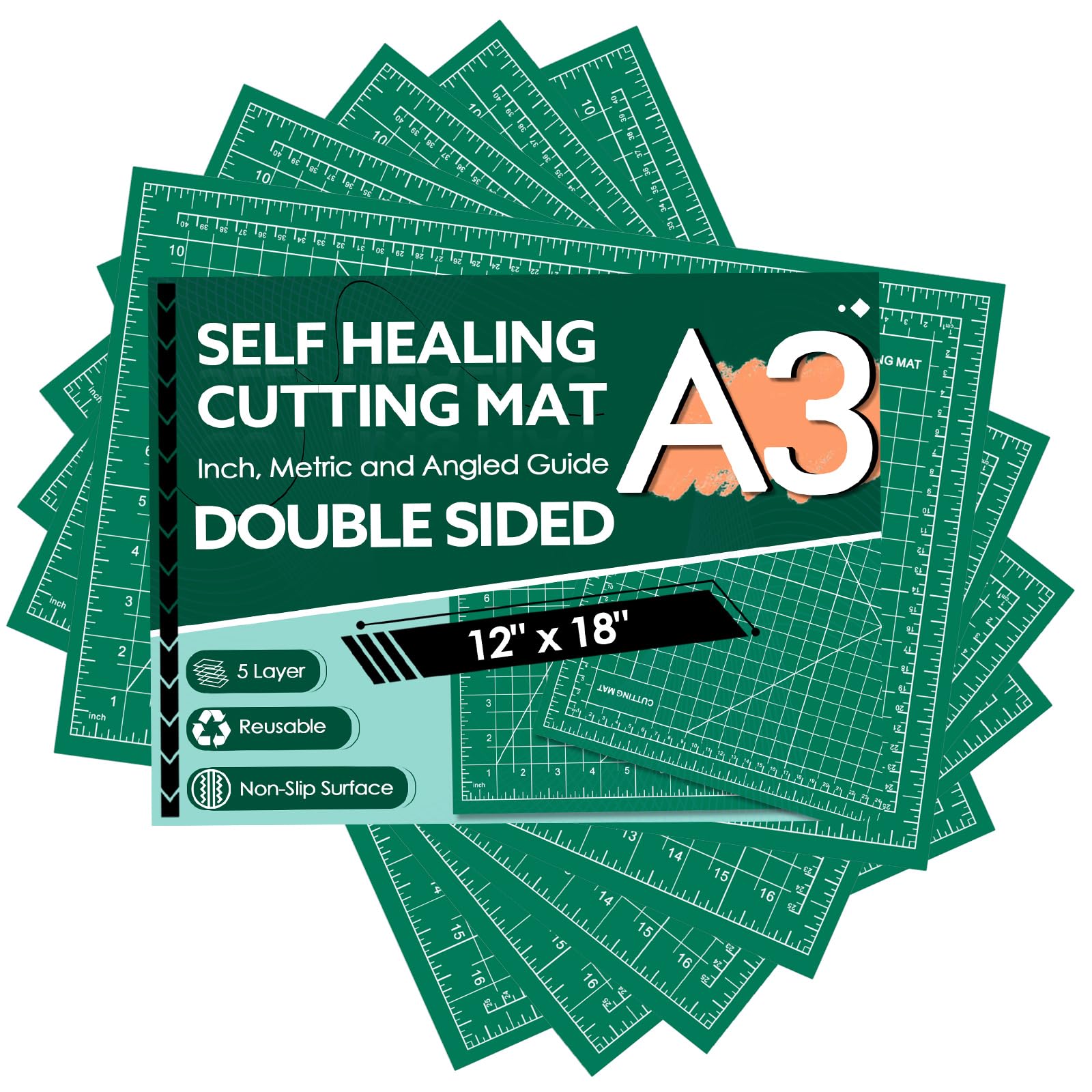
Cutting Mat A3 (Self-Healing)

Cutting Mat A3 (Self-Healing)

⚠️ Essential

$19.99

When to buy:
Day one

Protects your table and keeps blades sharp. Grid lines help measure and cut straight. Self-healing surface extends mat life.

Beginner Benefits:

  • Prevents damage to surfaces
  • Guides straight cuts
  • Extends blade life
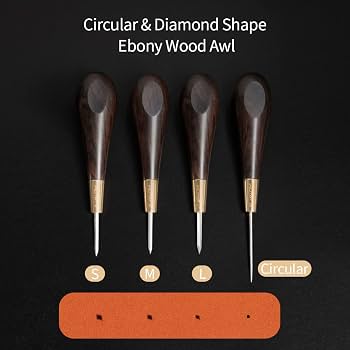
Adjustable Stitching Awl (Diamond Point)

Adjustable Stitching Awl (Diamond Point)

👍 Recommended

$12.99

When to buy:
First month, if your set's awl is poor

Most beginner sets include a basic awl, but an adjustable one lets you set thread tension for consistent stitches. Diamond point makes cleaner holes.

Beginner Benefits:

  • Consistent stitch tension
  • Cleaner holes
  • More control
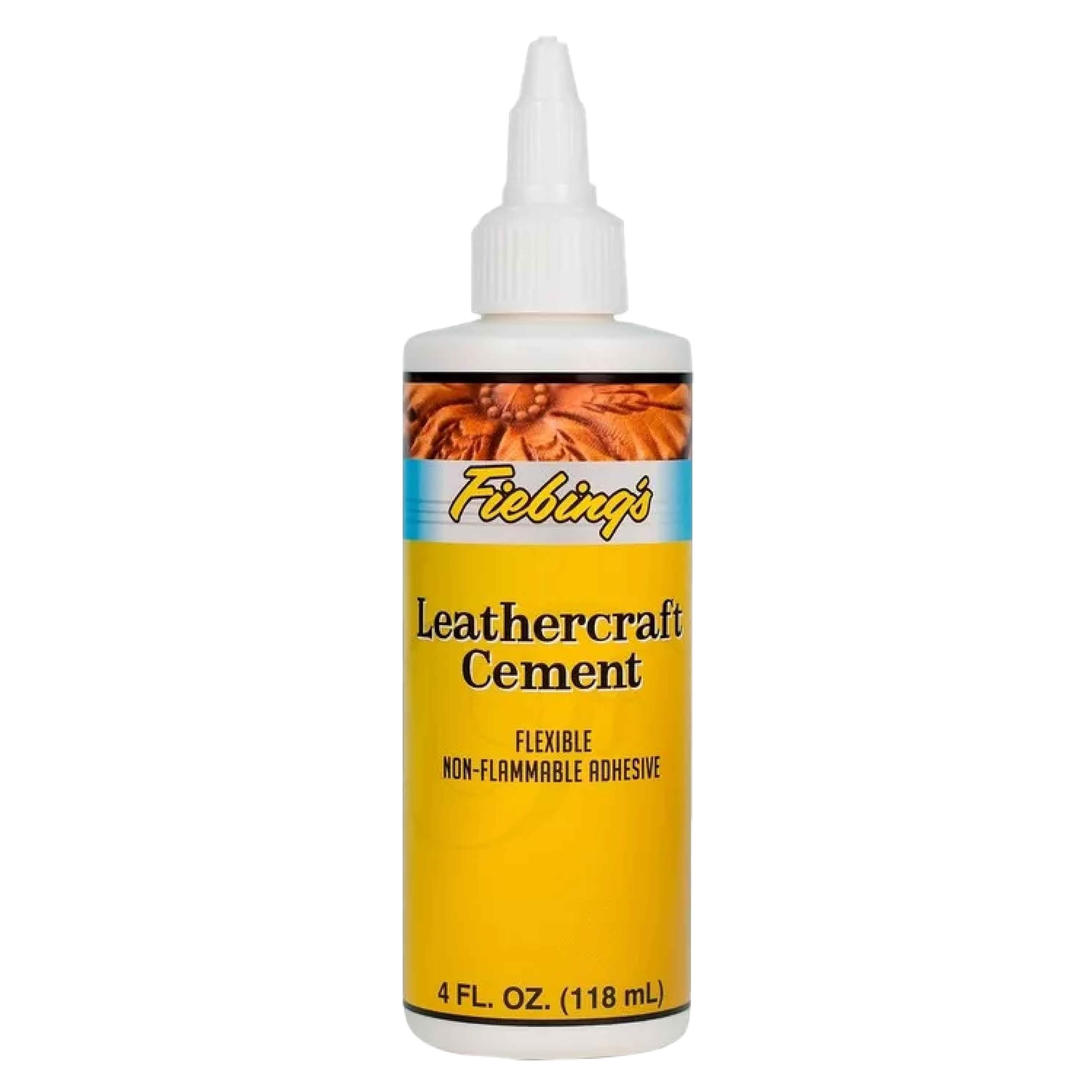
Leather Glue (Craft Cement 4 oz)

Leather Glue (Craft Cement 4 oz)

⚠️ Essential

$7.99

When to buy:
Day one

Used to temporarily hold layers together before stitching. Prevents slipping and gives professional results. Water-based is safe and easy to use.

Beginner Benefits:

  • Simplifies stitching
  • Reduces mistakes
  • Non-toxic
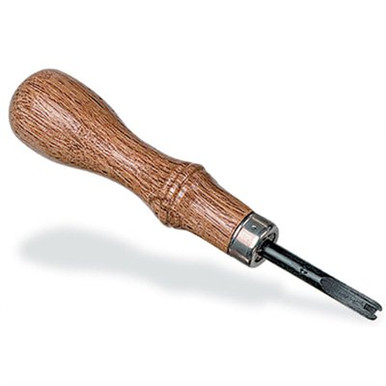
Edge Beveler #2 (Size 2)

Edge Beveler #2 (Size 2)

💡 Nice to Have

$15.99

When to buy:
After you've completed a few projects and want to improve finishing

Gives edges a professional rounded finish. Much easier than sanding. Size 2 is versatile for most beginner projects.

Beginner Benefits:

  • Instant improvement in look
  • Easy to use
  • Affordable upgrade
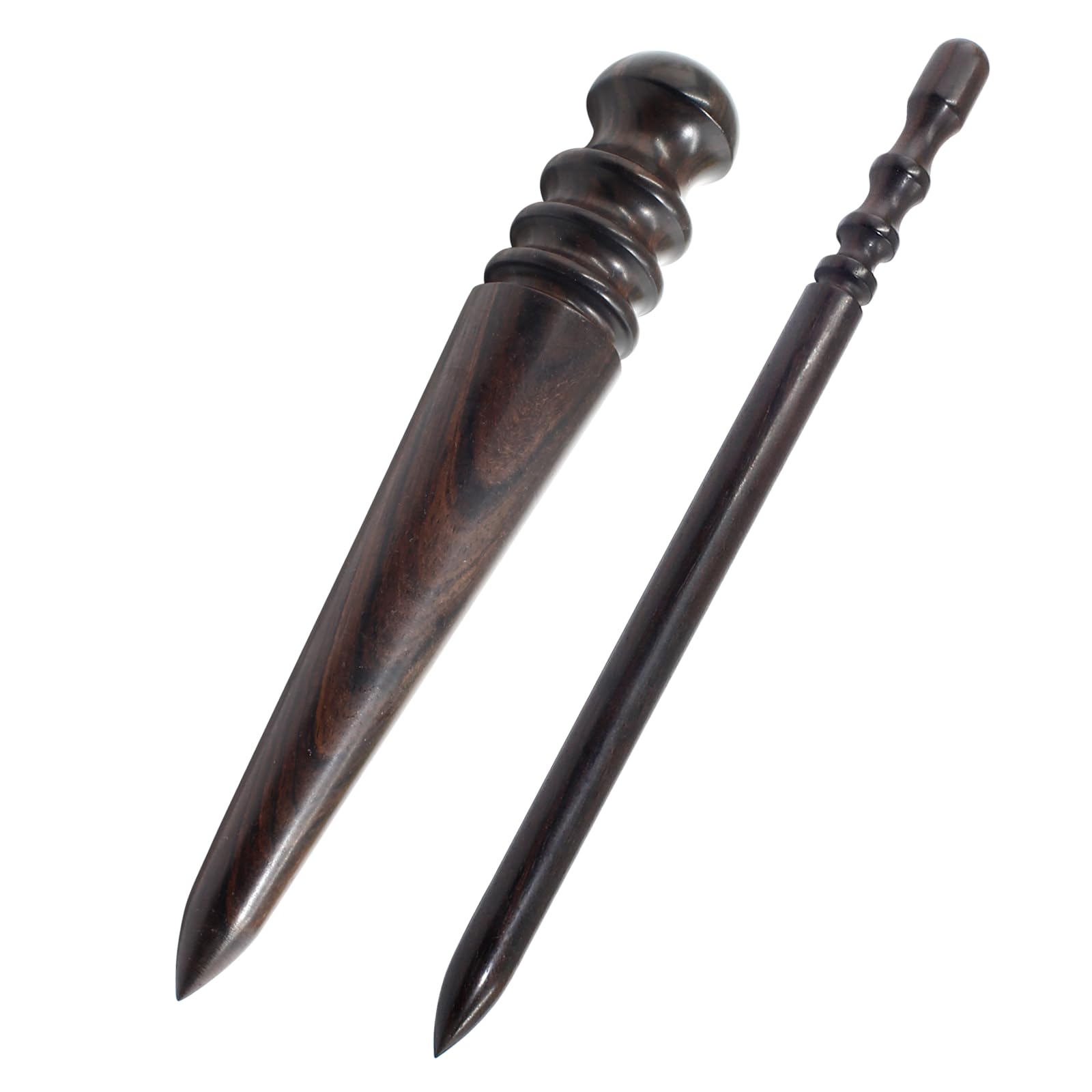
Burnishing Tool (Wood Slicker)

Burnishing Tool (Wood Slicker)

💡 Nice to Have

$8.99

When to buy:
After you get an edge beveler

After beveling, burnishing smooths and seals edges for a finished look. Wood slicker is simple and effective.

Beginner Benefits:

  • Professional finish
  • Very simple technique
  • Low cost

🤔 How to Choose Your First Leather Working Tool Set

Ask yourself: What projects will I start with? (wallets, belts, keychains) Do I prefer stitching by hand or using a machine? (hand stitching is easier for beginners) How much am I willing to invest initially? (under $50 for a trial, $50-$100 for a solid starter set) Consider sets that include a variety of needle sizes and thread colors. Check if the pricking irons have multiple tine options (2-prong and 4-prong) for curves and straight lines. Red flags: sets with vague tool names, missing a cutting mat, or no stitching awl. Choose a set that comes in a storage case to keep tools organized.

💰 Budget Guide for Beginners

120+

Serious hobbyist – top-tier starter sets for those ready to invest long-term

50 - $80

Sweet spot – best value for most beginners; includes quality tools that last through several projects

80 - $120

Premium beginner – higher quality materials and more tools; won't outgrow quickly

Under $ - $50

Entry level – great to try leatherworking without big investment; tools may need replacement sooner

⚠️ Common Beginner Mistakes to Avoid

Many beginners buy the cheapest set and end up with dull blades, poorly aligned pricking irons, or uncomfortable handles. Others buy a professional set with tools like a skiving knife or harness needles they won't use for months. Skipping a cutting mat damages work surfaces and dulls blades faster. Not buying a stitching pony makes stitching awkward and slow. Ignoring tool maintenance (oiling hinges, sharpening) shortens tool life. Some beginners assume all leather is the same and buy thick leather that's hard to cut. Start with 3-4 oz vegetable-tanned leather.

  • ×Buying the cheapest set and getting frustrated with dull or broken tools
  • ×Skipping a cutting mat and damaging tables or dulling blades
  • ×Choosing a set with too many specialty tools that just collect dust
  • ×Assuming all leather is the same and trying to cut thick leather with beginner tools
  • ×Not having a stitching pony or clamp, making sewing difficult
  • ×Ignoring tool maintenance like oiling moving parts
  • ×Overlooking the need for a separate edge beveler and burnisher for finished looks
  • ×Buying a set that lacks a storage case, leading to lost or damaged tools

📈 Your Progression Path: Beginner to Intermediate

Begin by learning to cut straight lines and stitch simple projects like a bookmark or key fob. Once comfortable, move to a wallet or belt. As your skills grow, you'll want better quality pricking irons (e.g., with diamond-shaped tines) and a proper stitching awl. Upgrade to a rotary cutter for longer cuts and a stitching groover for uniform stitches. After a few months, consider a edge beveler and burnisher for professional finishes. Most beginners stay with a basic set for 6-12 months before upgrading individual tools. Signs you've outgrown: you're frustrated with too-light mallets or blades that dull after one project.

📚 Learning Resources for Beginners

  • 📖Book: 'Leathercraft for Beginners' by James Spaulding
  • 📖Book: 'The Leatherworking Handbook' by Valerie Michael
  • 📖Starter Leather Pieces (3-4 oz vegetable tanned, variety pack)
  • 📖Video Course: 'Leather 101' on Amazon Prime (if available)
  • 📖Practice kits with pre-cut pieces for wallets or keychains

🎯 Bottom Line: Our Recommendations

For most beginners, the best choice is a mid-range set like the 'Leathercraft Starter Kit' around $60, which balances quality and cost. If budget is tight, the 'Basic Entry Set' at $30 gets you started, but expect to upgrade sooner. For those ready to invest, the 'Premium Beginner Set' at $100 offers tools that last years. Don't forget a cutting mat and extra thread. Remember, every expert started exactly where you are. Pick a set, start with a simple project, and enjoy the process!

❓ Frequently Asked Questions

The best set is one that includes essential tools (pricking irons, awl, needles, thread, mallet, cutting mat) with good quality. The 'Leathercraft Starter Kit' around $60 is highly rated for its balance of quality and price.
Spend between $30 and $100. Under $30 is too low quality; over $100 may include tools you don't need yet. The sweet spot is $50-$80 for a set that will last through your first few projects.
Look for ergonomic handles, multiple pricking iron sizes (2 and 4 prong), a stitching awl with adjustable tension, a cutting mat, and a mallet. Avoid sets with too many specialized tools.
Sets with few pieces and simple instructions are easiest. The 'Basic Leathercraft Starter Set' or the 'Deluxe Leather Tool Set with Stitching Pony' are both very beginner-friendly.
Essential accessories: a self-healing cutting mat (if not included), leather glue, and an extra stitching awl if the included one is poor. Highly recommended: an edge beveler and burnishing tool for professional finishes.
Decide your budget and the projects you'll start (wallets, belts, keychains). Read reviews emphasizing beginner-friendliness. Make sure the set includes a cutting mat and at least one pricking iron. Avoid plastic tools.
No, most sets are designed for easy start. The skills of cutting straight and stitching take practice, but the tools are simple. Many beginners make a wallet in their first weekend.
Common mistakes: buying the cheapest set, skipping a cutting mat, not having a stitching pony, using thick leather, and ignoring tool maintenance. Also, buying too many tools at once.
You can, but it will be frustrating. A proper set includes pricking irons for even holes and an awl for stitching. A hole punch alone makes it hard to align stitches. Invest in a basic set.
Most beginners can use their first set for 6-12 months. When you find yourself wishing for sharper pricking irons or a better mallet, it's time to upgrade individual tools.