Discover the easiest leather crafting kits for beginners to make your first wallet without frustration or overwhelm.
Choosing your first leather crafting kit can feel intimidating with endless tools, leathers, and projects staring back at you. Beginners often worry about wasting money on the wrong kit or struggling with complicated instructions that leave them frustrated. But leather crafting is one of the most rewarding hobbies—creating something tangible like a wallet with your own hands builds real pride.
This guide cuts through the confusion, focusing only on beginner-friendly kits that include everything you need to succeed on day one. We'll cover what matters, top Amazon picks with affiliate links, must-have accessories, and pitfalls to avoid. By the end, you'll feel confident picking the perfect starter kit and starting your leatherwork journey.
📋 In This Guide
• Why Beginners Struggle with Leather Crafting Kit
• What to Look For (Key Features)
• Top 4 Beginner-Friendly Leather Crafting Kit
• Essential Accessories for Beginners
• Common Beginner Mistakes to Avoid
• Your Progression Path
• FAQ & Learning Resources
😰 Why Beginners Struggle with Leather Crafting Kit
Leather crafting seems simple until you dive in—tools look scary, leather types confuse everyone (veg-tan? chrome-tan?), and one wrong cut ruins your project. Beginners on forums like Reddit's r/Leathercraft complain about kits missing key pieces, vague instructions, or tools that break on first use. The fear of 'ruining expensive leather' stops many from even starting.
Overwhelming options flood Amazon: 100+ kits, from $10 toy sets to $200 pro bundles. Without guidance, it's easy to grab something cheap that frustrates or fancy that overwhelms. Most newcomers don't know basics like 'you need a mallet for stamping' or 'pre-cut pieces prevent cutting disasters.' This leads to abandoned hobbies and buyer's remorse.
🔍 What to Look For: Key Beginner-Friendly Features
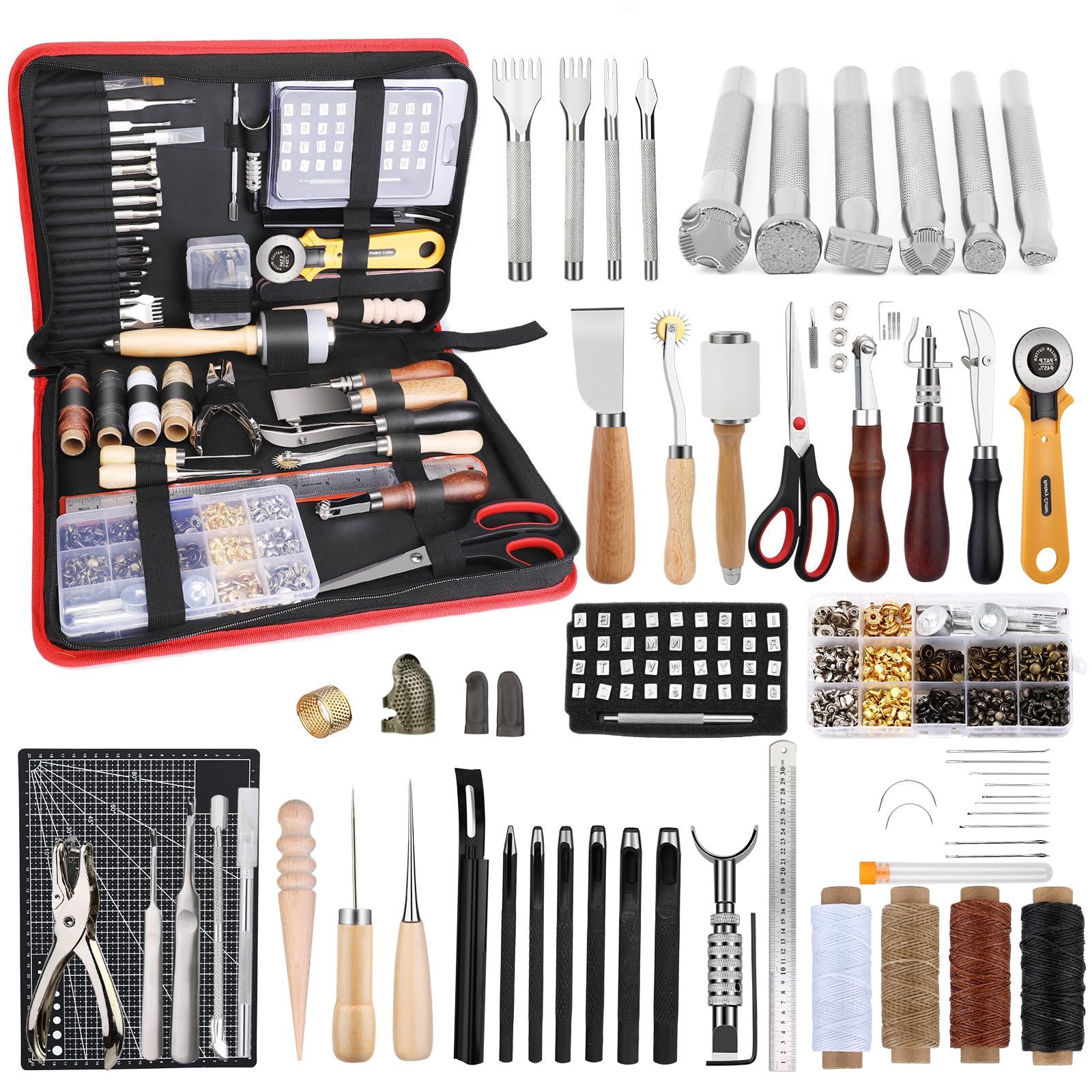
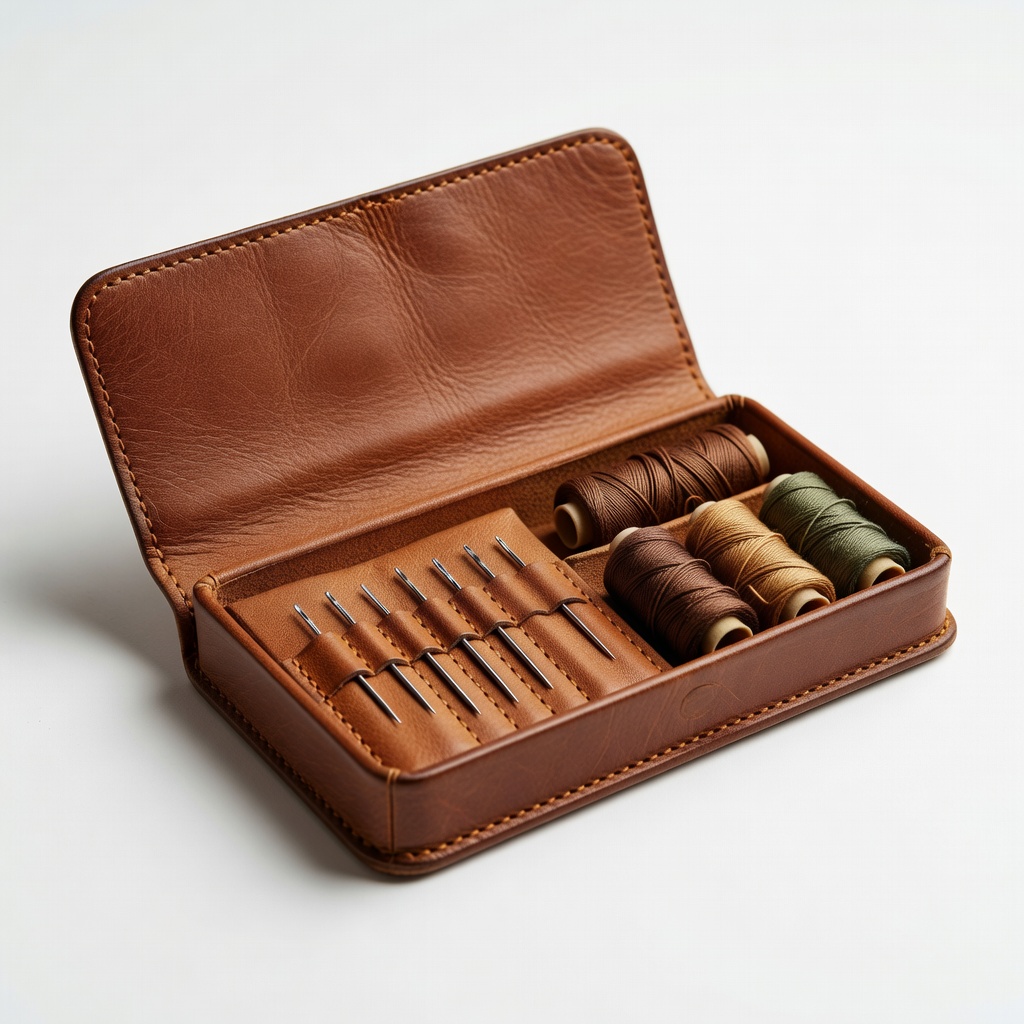
For beginners, prioritize kits with pre-cut or pre-punched leather— no need for precise cutting or hole-making yet. Look for step-by-step photo or video guides; text-only manuals confuse newbies. Essential tools included: swivel knife, basic stamps, mallet, needles, thread, and beeswax. Avoid kits needing extra buys on day one.
Beginner-friendly kits use soft, forgiving veg-tan leather that takes tooling well without cracking. Check for sturdy tools (brass stamps over plastic) and enough materials for 2-3 projects. Nice-to-haves: stencils and edge slickers. Skip advanced features like saddle stitching awls or exotic dyes—you'll master basics first.
'Forgiving' means materials that hide small errors, like thicker leather for sanding mistakes. Good support via YouTube links or communities helps when stuck.
✅ Essential Features for Beginners
•Pre-cut leather pieces to skip scary cutting
•Step-by-step illustrated instructions or videos
•Basic tool set: stamps, knife, mallet, needles
•Forgiving veg-tan leather for tooling practice
•Enough materials for 2-3 wallet projects
•Sturdy, beginner-safe tools that won't break
•Included thread, wax, and finish for complete projects
🏆 Top 4 Best Leather Crafting Kit for Beginners
#1
💰 Budget
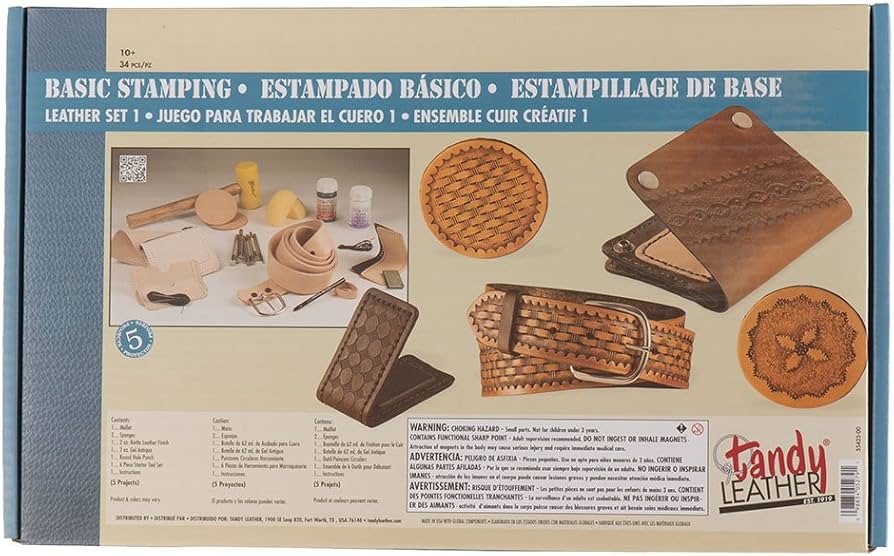
TANDY LEATHER Basic Leathercrafting Kit
Learning Curve: Easy
$29.99
Difficulty: 1/5
Why Great for Beginners:
This Tandy kit gives essentials for your first wallet without overwhelming. Pre-cut pieces and simple tools let you focus on learning, not sourcing. Perfect low-risk entry from a trusted brand.
📖 Complete Beginner's Guide to Leather Crafting Kit
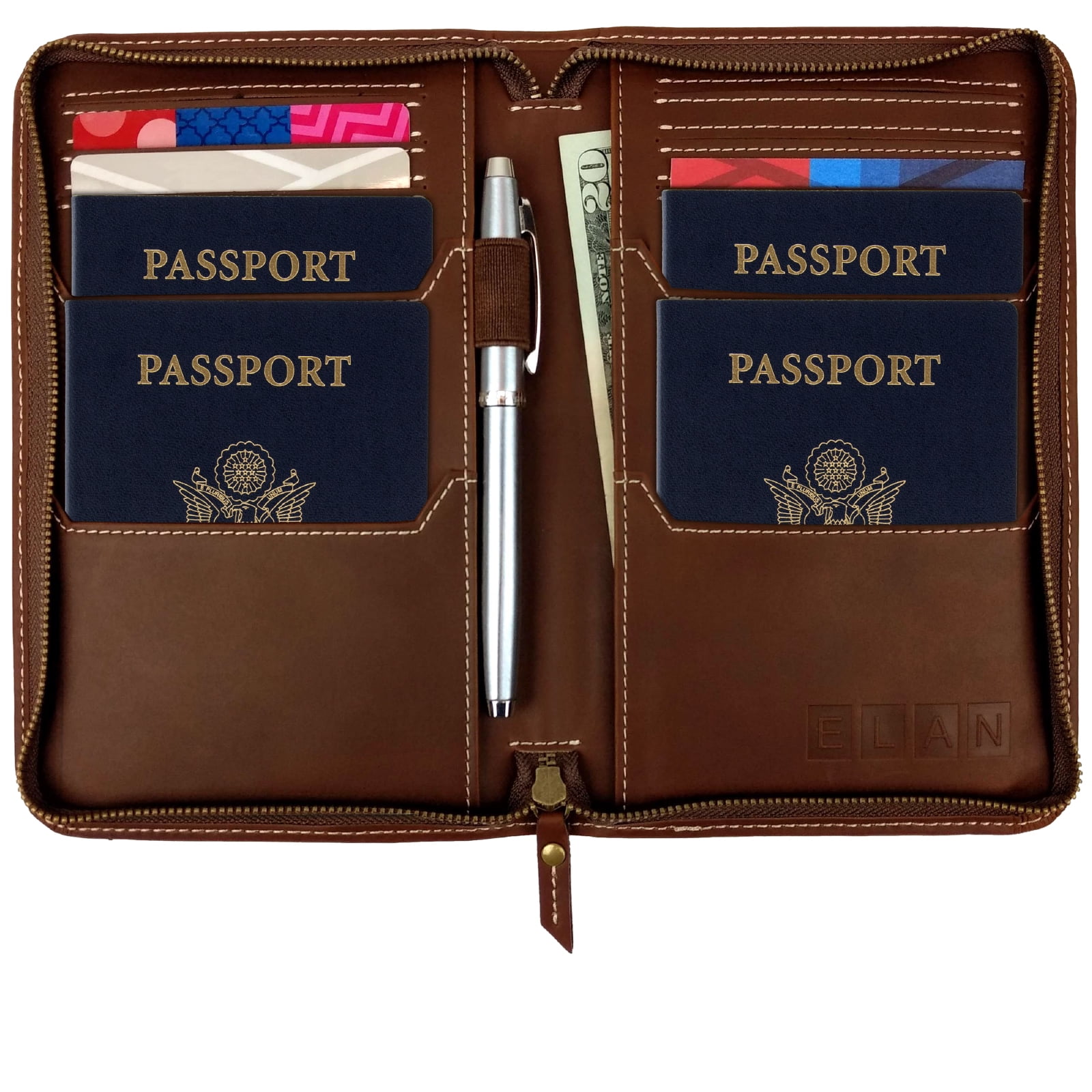
A leather crafting kit is a starter box with tools, leather, and patterns to make simple items like wallets without buying separately. Focus on 'wallet kits' for beginners—they're small, quick (2-4 hours), and teach core skills: cutting, stamping, stitching, edging.
Types: Basic tooling kits (stamping designs), stitching kits (sewing pieces), full project kits (pre-patterned for wallets). Best for beginners: Full project kits with wallet patterns—guided, low-risk. Realistic expectations: Your first wallet won't be pro-level, but it'll be usable and boost confidence.
Beginner-friendly means intuitive tools (ergonomic handles), forgiving leather (0.8-1.2mm thick), and idiot-proof instructions. Marketing traps: 'Pro kit' sounds good but overwhelms; '110pcs' often junk fillers. Evaluate by reviews from 'first-time' users mentioning 'easy follow.'
🔧 Essential Accessories for Beginners
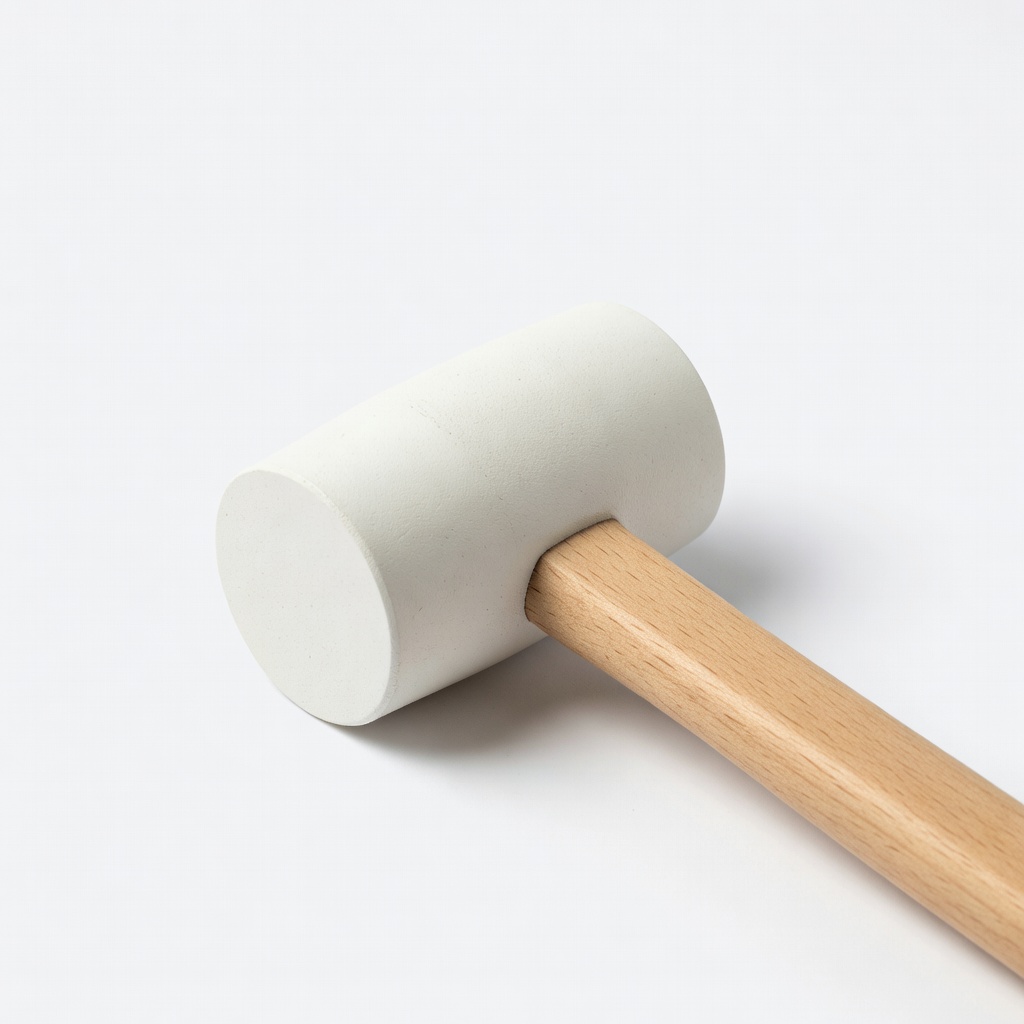
Tandy Leather Poly Mallet
⚠️ Essential
$12.99
When to buy:
Day one
Stamping without a proper mallet bruises your hands and dents tools. This soft-faced mallet absorbs shock, making tooling painless for newbies.
Ask: What's my budget? Under $50 to try; $50-100 for lasting value. Will I make wallets? Yes—stick to niche kits. Space? Kits fit tabletops. Time? 2-4hr projects suit busy beginners.
Budget: Entry for testing interest; sweet spot for growth; premium if committed. Growth: Pick kits with quality tools you keep upgrading leather. Red flags: No instructions, plastic tools, single-use materials.
Semi-pro: Full workshop starters for serious dedication.
50 - $150
Sweet spot: Complete kits with quality tools, 3+ projects, room to grow without frustration.
150 - $300
Premium beginner: Pro-grade tools and leather, multiple advanced projects, lasts years.
Under $ - $50
Entry level: Test the hobby cheaply, basic tools and 1-2 projects; may upgrade tools soon.
⚠️ Common Beginner Mistakes to Avoid
Beginners grab cheapest kits expecting pro results, but flimsy tools break, fueling frustration—seen in 1-star reviews. Others buy 'complete' sets missing leather, wasting time shopping. Skipping edge finishing leaves ugly projects, killing motivation.
Avoid by sticking to reviewed kits with all-in-ones. Prep a firm table, watch one tutorial first. Experienced crafters say: 'Master one wallet before buying more.'
×Buying kits without instructions or videos
×Skipping mallet—using hammer dents tools
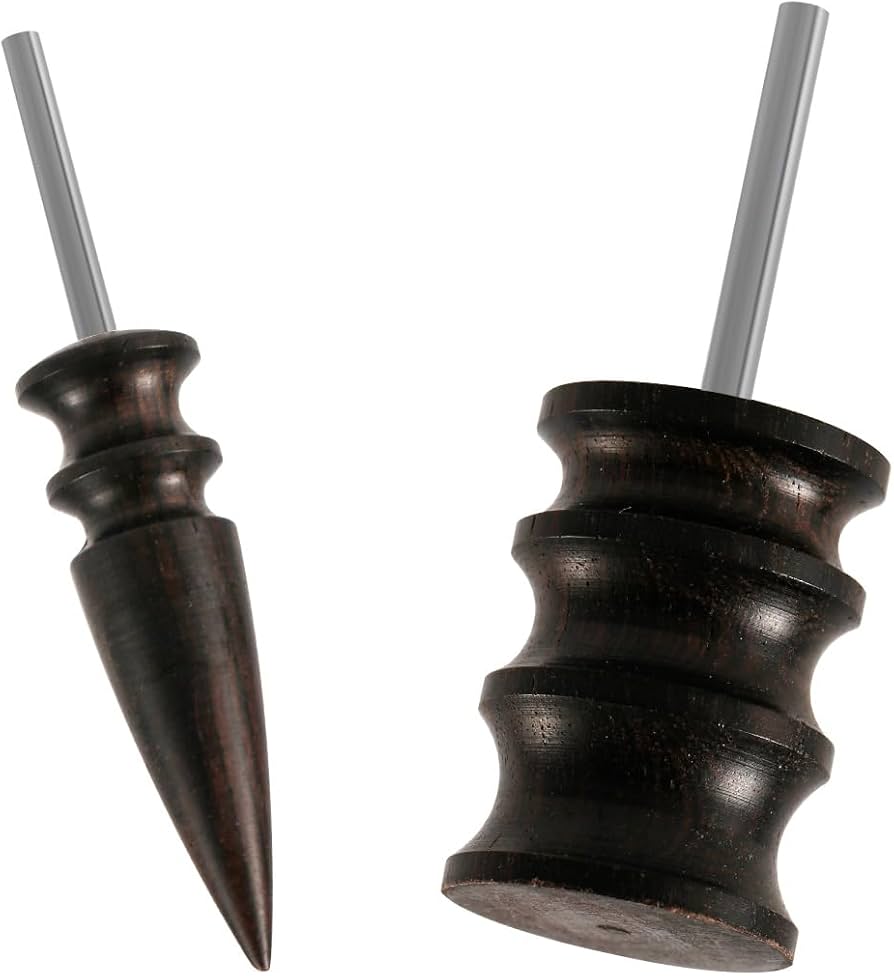
×Not beveling/burnishing edges—ragged look
×Using wrong leather thickness—too thin tears
×Over-tooling: Deep stamps ruin soft leather
×No workspace prep: Leather slips, cuts wrong
×Ignoring thread waxing—stitches pull out
📈 Your Progression Path: Beginner to Intermediate
Start with kit wallets: Learn stamping, stitching basics (1-2 months, 3-5 projects). Practice edges, dyes next. Outgrown when kits bore you, want custom designs.