7 Best Best Laptop for Programming for beginners in 2026: Tested…
Everything beginners need to know to choose their first coding laptop with confidence
Choosing your first laptop for programming can feel overwhelming. With technical specs like processors, RAM, and storage, it's easy to get lost in jargon. This guide simplifies everything, helping you focus on what really matters for a beginner programmer. We'll walk you through the key features, top picks, common mistakes, and essential accessories so you can buy with confidence and start coding without frustration.
📋 In This Guide
• Why Beginners Struggle with Laptop for Programming
• What to Look For (Key Features)
• Top 5 Beginner-Friendly Laptop for Programming
• Essential Accessories for Beginners
• Common Beginner Mistakes to Avoid
• Your Progression Path
• FAQ & Learning Resources
😰 Why Beginners Struggle with Laptop for Programming
Beginners often struggle because laptop specs are confusing. Terms like 'Intel i5 vs i7', 'SSD vs HDD', and '8GB vs 16GB RAM' sound like a foreign language. Many fear buying the wrong laptop – one that's too slow or too expensive. There are hundreds of models, and it's hard to know which features actually matter for learning to code. Beginners also worry about future-proofing, not realizing that a mid-range laptop is often perfect for years of learning.
🔍 What to Look For: Key Beginner-Friendly Features
As a beginner, focus on four things: a fast processor (Intel i5 or AMD Ryzen 5), at least 8GB of RAM, a solid-state drive (SSD), and a comfortable keyboard. You don't need a dedicated graphics card for most programming. A 15.6-inch screen is great for multitasking, and a lightweight design helps if you carry it around. Avoid budget laptops with eMMC storage or 4GB RAM – they'll slow you down. Look for good battery life (8+ hours) and a reliable brand with solid reviews.
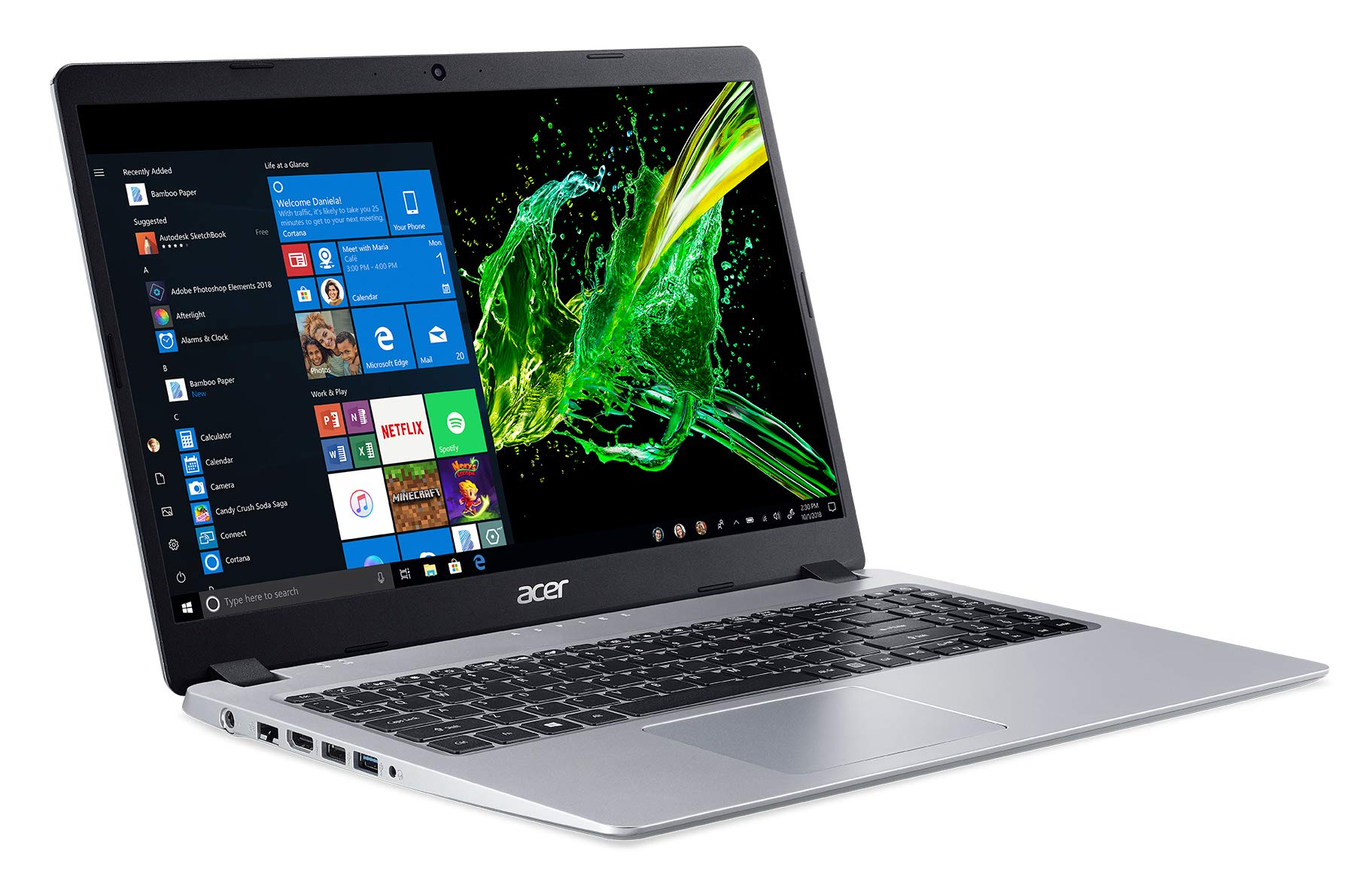
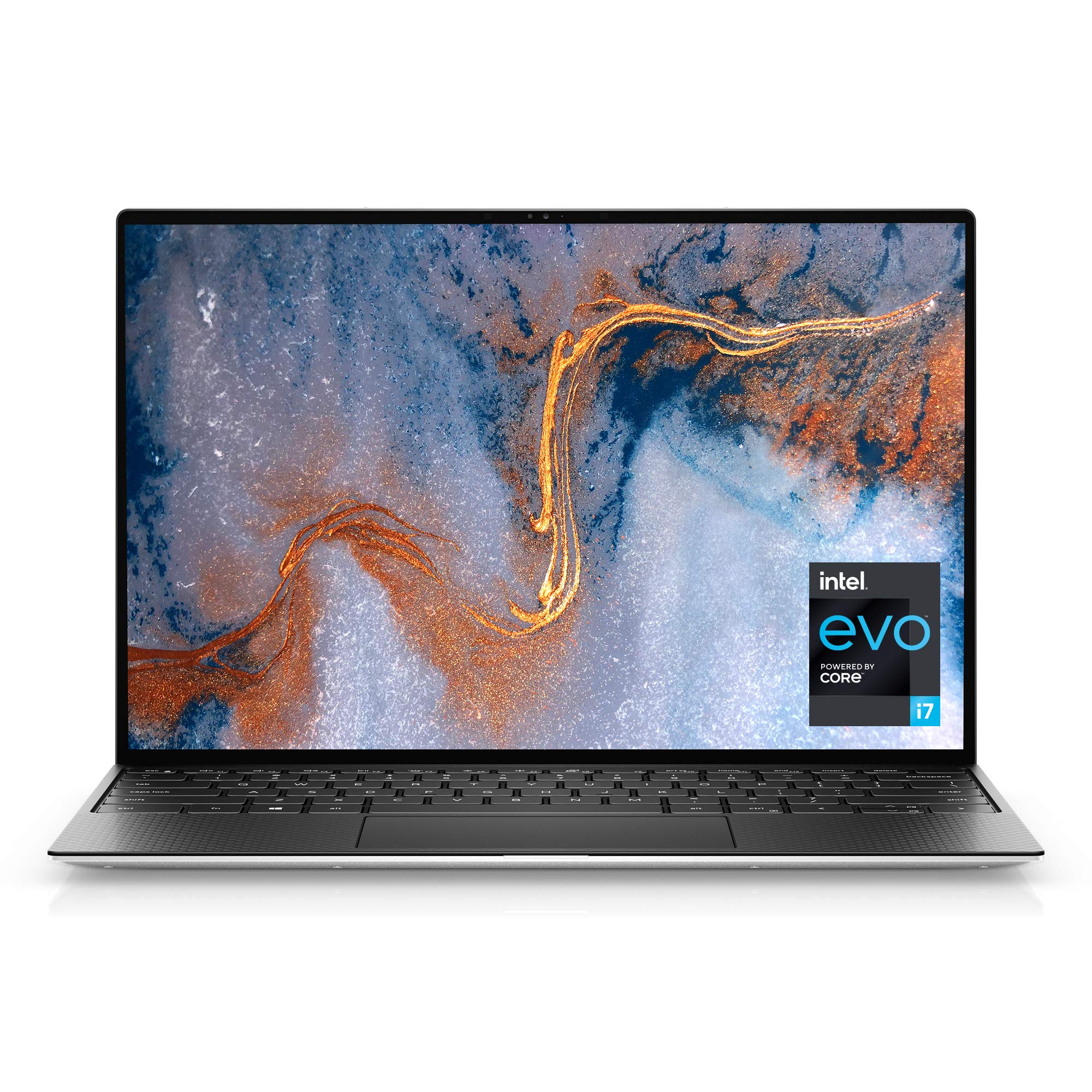
A slightly more premium Windows laptop with an Intel i5, 8GB RAM, and 512GB SSD. Its larger SSD and full HD display are great for storing projects and reading code.
✓ Beginner Pros
+Large 512GB NVMe SSD
+Full HD display with good color accuracy
+Backlit keyboard
+Reliable build quality
✗ Beginner Cons
-Heavier at 4.4 lbs
-Battery life around 7 hours
-Fan noise under load
👍 Best for: Beginners who want extra storage and a better screen for coding, especially if they work on multiple projects.
👎 Not for: Those who prioritize battery life or ultra-portability.
📖 Complete Beginner's Guide to Laptop for Programming
Programming laptops are essentially standard laptops, but some are better suited. Windows laptops offer wide software compatibility, macOS is excellent for web and iOS development, and Chromebooks are cheap but limited. For beginners, a Windows laptop in the $400–$700 range offers the best balance of power and value. Avoid gaming laptops (too heavy, short battery) and ultra-budget models (frustratingly slow). Remember: you don't need the latest i9 or 32GB RAM to learn Python, JavaScript, or HTML. A mid-range laptop will handle all beginner tasks smoothly for at least 3–4 years.
🔧 Essential Accessories for Beginners
Amazon Basics Laptop Bag
⚠️ Essential
$22.99
When to buy:
Day one
Protects your laptop from bumps and scratches. A padded bag makes it easy to carry to class, co-working spaces, or the library.
Start by setting a budget. If you can afford $450–$700, you'll get a great experience. Ask yourself: Will I use Windows, macOS, or Linux? Do I need portability? Will I be running virtual machines or Docker? For pure coding, any decent laptop works. If you're learning web development, iOS, or Android, macOS or Windows with virtualization is fine. Avoid Chromebooks unless you're comfortable with Linux and web tools. Check red flags: laptops with only 4GB RAM, 64GB storage, or an Intel Celeron processor are not suitable.
💰 Budget Guide for Beginners
1000+
Professional entry – for serious beginners who also need video editing, data science, or virtualization. Overkill for pure coding learning.
400 - $700
Sweet spot – best value for most beginners. Offers i5/Ryzen 5, 8GB RAM, SSD, and good build quality. Handles all beginner tasks smoothly.
700 - $1000
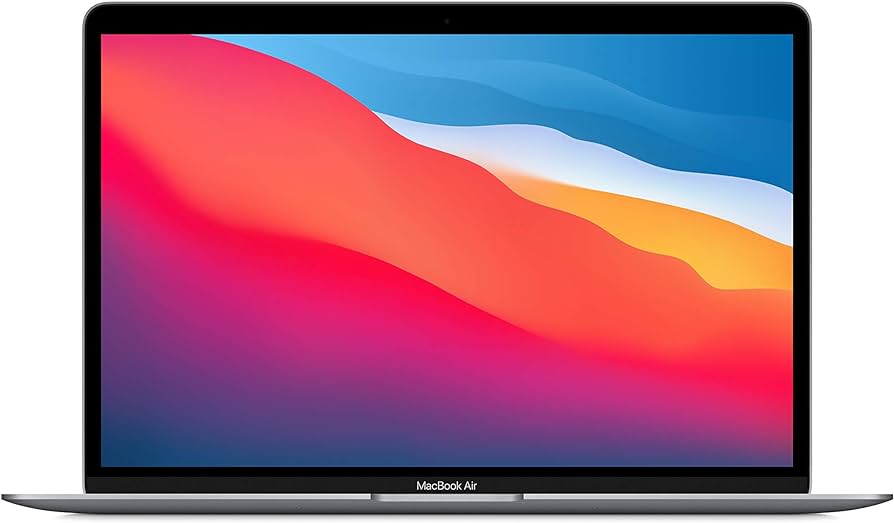
Premium beginner – includes MacBook Air M1 or high-end Windows ultrabooks. Excellent performance, build, and battery. Won't need upgrades for years.
Under $ - $400
Entry level – fine for basic coding and web development, but may struggle with heavier tools. You'll likely want to upgrade within 2 years.
⚠️ Common Beginner Mistakes to Avoid
Many beginners buy a cheap laptop with 4GB RAM and an HDD, then wonder why it's slow. Others overspend on a gaming laptop with a powerful GPU they'll never use. Some forget about the keyboard – a cheap, cramped keyboard causes fatigue. Another mistake is ignoring the OS: macOS is great but expensive, while Windows offers more choices. Beginners also forget accessories like a mouse or laptop stand, which improve ergonomics. Finally, buying without checking online reviews or user experiences can lead to disappointment.
×Buying a laptop with only 4GB RAM and an HDD – painfully slow
×Overspending on a gaming laptop with a dedicated GPU you don't need
×Choosing a Chromebook without checking if your tools (like VS Code) run offline
×Ignoring keyboard quality – cheap keyboards cause typos and fatigue
×Not factoring in the need for a mouse, stand, or external storage
×Buying a 13-inch screen when you'll be coding side-by-side with tutorials
📈 Your Progression Path: Beginner to Intermediate
Start with learning basic syntax and small projects. Your beginner laptop will handle IDEs like VS Code, PyCharm, or IntelliJ easily. As you progress to larger codebases, running Docker, or compiling apps, you might notice slower builds. This is when you upgrade – typically after 2–3 years. Signs you've outgrown: long compile times, RAM hitting 100% with multiple apps, or can't run a virtual machine. Upgrade to 16GB RAM and a faster processor, like an i7 or Ryzen 7. But for most beginners, that's far off.
📚 Learning Resources for Beginners
📖Automate the Boring Stuff with Python (book on Amazon)
📖JavaScript and JQuery by Jon Duckett (book on Amazon)
📖A Beginner's Guide to HTML/CSS (book on Amazon)
📖Udemy courses (not on Amazon, but linked from books)
📖VS Code from Microsoft (free download)
🎯 Bottom Line: Our Recommendations
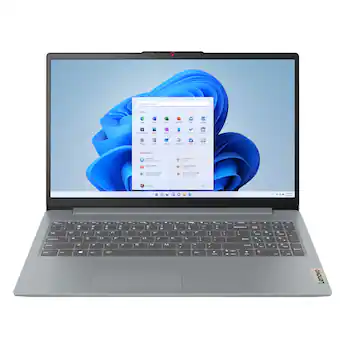
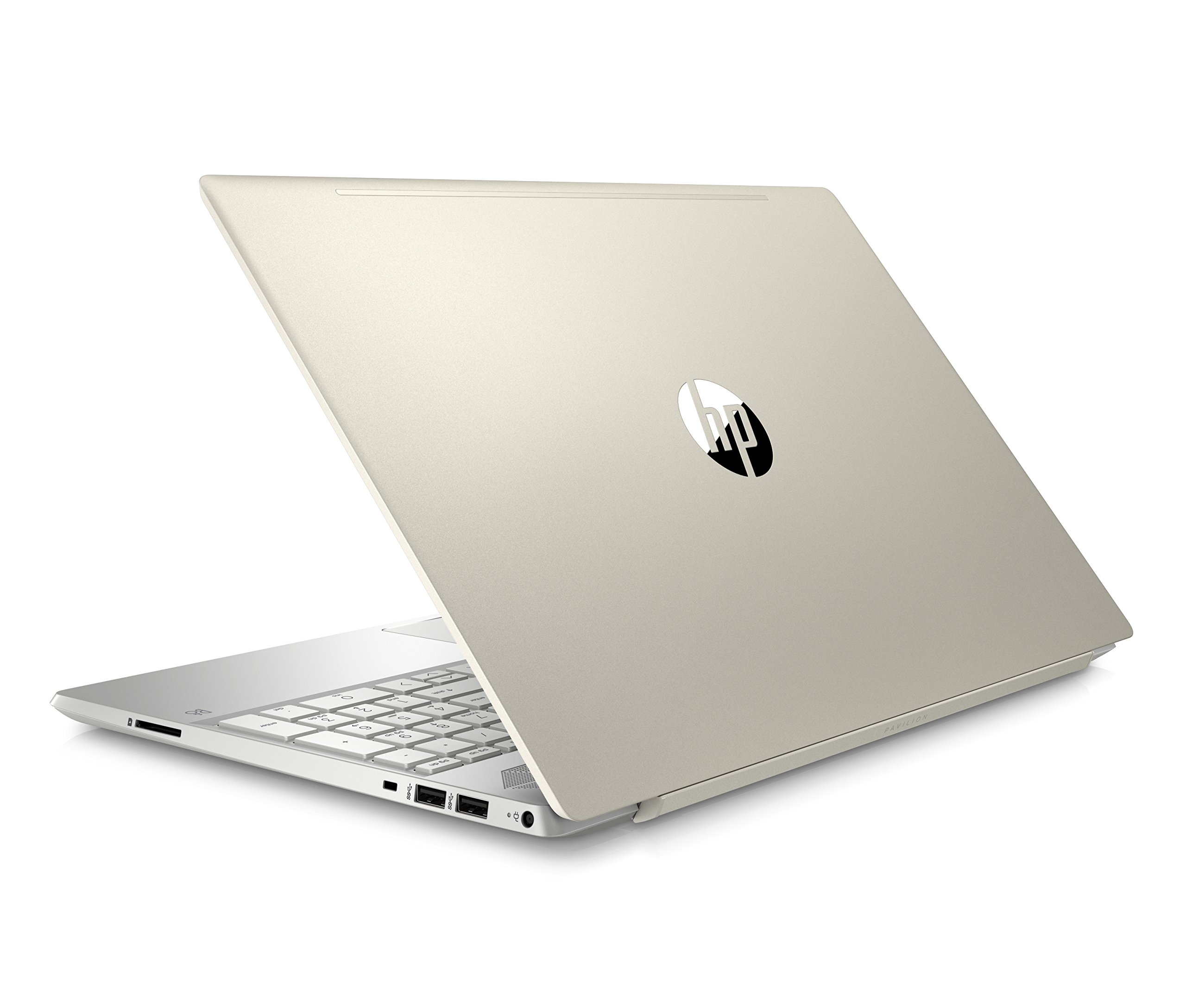
For most beginners, the best laptop is a Windows model with an Intel i5 (or Ryzen 5), 8GB RAM, and 256GB SSD. The Lenovo IdeaPad 3 or HP Pavilion 15 are excellent choices. If you can stretch your budget, the MacBook Air M1 offers great performance and battery life for web and iOS development. Don't forget essential accessories: a wireless mouse, a laptop bag, and an external SSD for backups. Start with a budget-friendly option, focus on learning, and upgrade only when you hit real performance limits.
❓ Frequently Asked Questions
For most beginners, a Windows laptop with an Intel i5 or AMD Ryzen 5, 8GB RAM, and a 256GB SSD is ideal. The Lenovo IdeaPad 3 is a top pick for its balance of performance, keyboard, and price.
Beginner laptops for programming range from $350 to $800. The sweet spot is $400–$700, where you get reliable performance and good build quality. Spending more than $800 is usually unnecessary unless you need macOS or premium features.
Beginners need a fast processor (i5 or Ryzen 5), at least 8GB RAM, a 256GB SSD (or larger), a comfortable keyboard, and a 1080p display. A dedicated GPU is not needed for most programming.
Chromebooks can work if you use web-based tools and Linux, but they have limited storage and software compatibility. For most beginners, a Windows laptop is better. Only choose a Chromebook if you are on a very tight budget and comfortable with Linux.
Yes, the MacBook Air M1 is excellent for beginners, especially for web and iOS development. It has great battery life, a silent design, and a superb build. However, it costs more and may require dongles for connectivity.
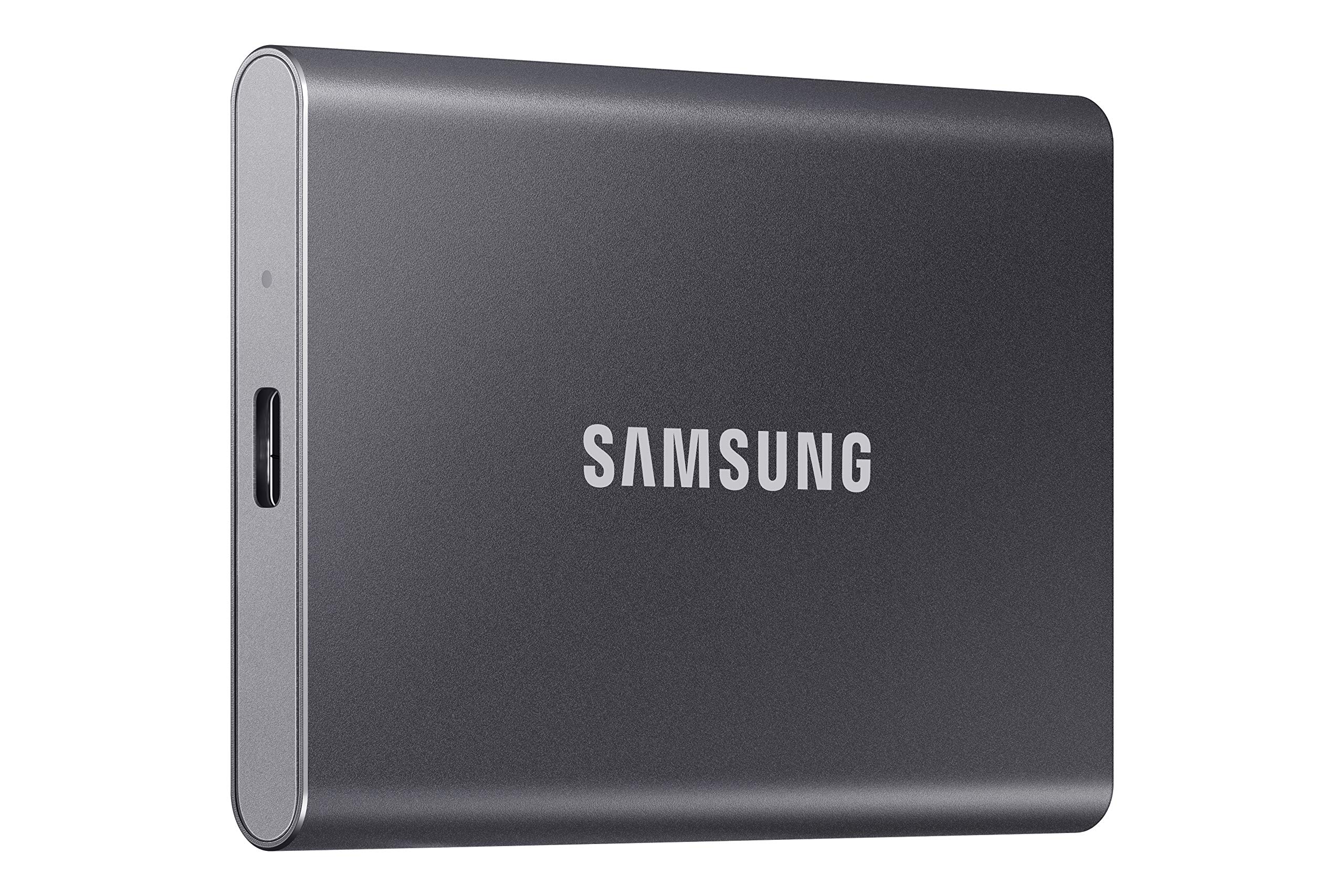
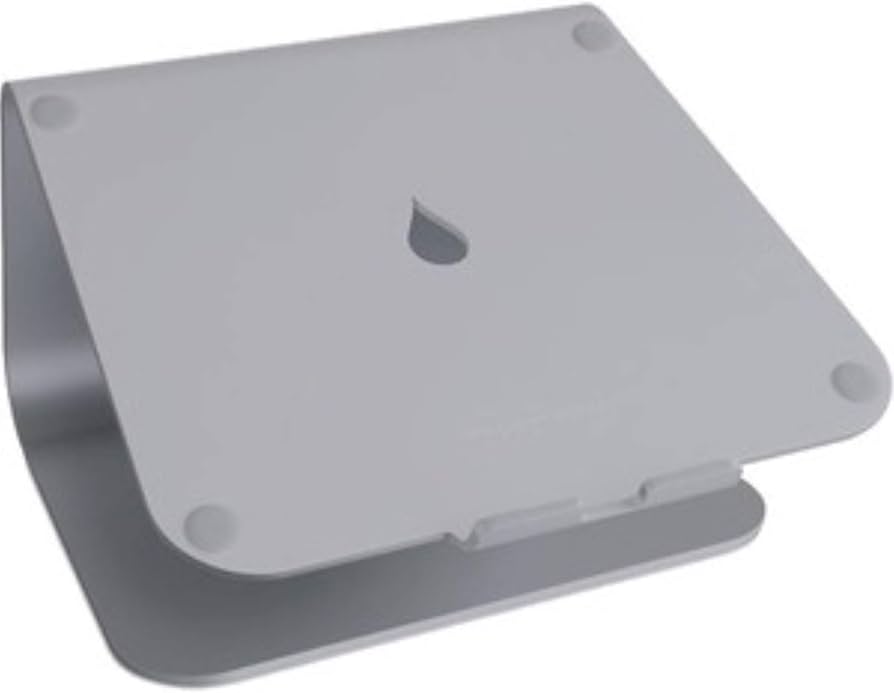
Essential: a laptop bag for protection, a wireless mouse for comfort, and a USB hub if your laptop has few ports. Nice-to-have: an external SSD for backups and a laptop stand for better ergonomics.
Set a budget, decide on Windows vs macOS (Windows is more versatile for beginners), and focus on CPU, RAM, and storage. Read reviews, and buy from a trusted brand. Avoid models with 4GB RAM or an HDD.
Yes, 8GB RAM is plenty for learning programming. You can run an IDE, a browser with tabs, and a few other apps simultaneously. As you advance, you might want 16GB for virtualization or large projects.
Common mistakes: buying too cheap (4GB RAM, HDD), overspending on a gaming laptop, ignoring keyboard quality, and forgetting accessories. Also, many buy a Chromebook without checking tool compatibility.
Yes, but they are often heavier, have shorter battery life, and cost more due to a dedicated GPU. For pure programming, a regular ultrabook or mainstream laptop is better and cheaper.
Windows Defender is usually sufficient as long as you avoid suspicious downloads. Developers often disable antivirus for performance, but keep it on for general use. No additional purchase is needed.
New laptops come with a warranty and no wear, but refurbished from a reputable seller can save money. For beginners, new is recommended to avoid potential hardware issues. If you buy refurbished, choose one with at least a 1-year warranty.