Review Atlas
Review AtlasYour guide to a better purchase

Menu

Shop by Category

Get the App

Better experience on mobile

Beginners GuideProgramming

7 Best Best Laptop for Programming for beginners in 2026: Tested…

Everything beginners need to know to choose their first coding laptop with confidence.

Choosing your first laptop for programming can feel overwhelming. With countless technical specs, confusing jargon like 'cores' and 'GHz', and a wide range of prices, it's easy to worry about making a mistake. This guide is designed to simplify the process and help you pick a machine that fits your needs and budget without unnecessary complexity. By the end, you'll know exactly what to look for and which laptop will set you up for success.

📋 In This Guide

  • • Why Beginners Struggle with Laptop for Programming
  • • What to Look For (Key Features)
  • • Top 4 Beginner-Friendly Laptop for Programming
  • • Essential Accessories for Beginners
  • • Common Beginner Mistakes to Avoid
  • • Your Progression Path
  • • FAQ & Learning Resources

😰 Why Beginners Struggle with Laptop for Programming

Many beginners struggle because they don't know which features truly matter for coding. Terms like CPU, RAM, and SSD sound intimidating, and it's not clear how they impact everyday tasks like writing code, running compilers, or using virtual environments. Additionally, the sheer number of laptop models makes it hard to compare options. Beginners often fear buying something that's either underpowered and frustrating to use, or overpowered and a waste of money. Finally, many new programmers are on a tight budget and worry that they can't afford a decent machine. This guide addresses those fears head-on, providing clear, actionable advice.

🔍 What to Look For: Key Beginner-Friendly Features

As a beginner programmer, you don't need the most expensive laptop. Focus on three core components: the Central Processing Unit (CPU), the Random Access Memory (RAM), and the storage (preferably Solid State Drive - SSD). For coding, a modern Intel Core i5 or AMD Ryzen 5 processor offers excellent performance without breaking the bank. 8GB of RAM is the minimum for smooth multitasking (e.g., browser, editor, and compiler), but 16GB is ideal if you plan to work with larger projects or virtual machines. An SSD (256GB or more) is essential for fast boot times and quick file access – avoid older Hard Disk Drives (HDDs). Also, consider a comfortable keyboard (backlit is nice), decent battery life (6+ hours), and a 1080p or higher resolution display. Touchscreen or 2-in-1 features are optional extras beginners don't need yet.

✅ Essential Features for Beginners

  • Adequate RAM (8GB minimum, 16GB recommended) for multitasking
  • Modern CPU (Intel i5/Ryzen 5 or better) for smooth performance
  • Solid State Drive (SSD) for fast boot and load times
  • Comfortable keyboard with good key travel
  • Decent battery life (6+ hours) for portability
  • 1080p display for clear text and code

🏆 Top 4 Best Laptop for Programming for Beginners

#1
💰 Budget

Lenovo IdeaPad 3 15.6" Laptop, AMD Ryzen 5 5500U, 8GB RAM, 256GB SSD

Learning Curve: Easy

$549.99
Difficulty: 1/5
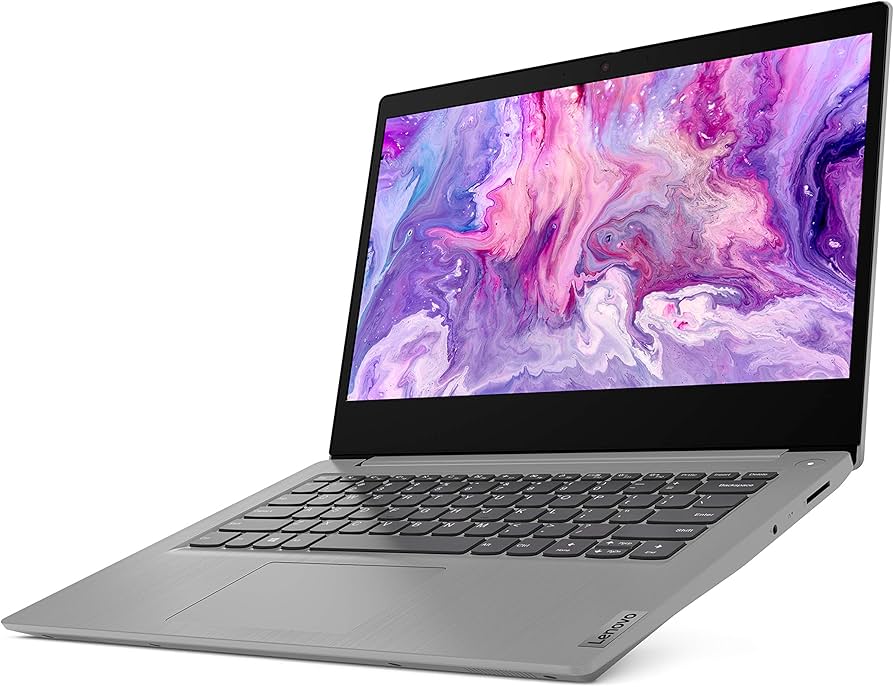
Lenovo IdeaPad 3 15.6" Laptop, AMD Ryzen 5 5500U, 8GB RAM, 256GB SSD

Why Great for Beginners:

Affordable yet powerful enough for web and app development. The Ryzen 5 CPU and 8GB RAM handle multiple tabs and VS Code smoothly. The 256GB SSD ensures fast boot times.

Beginner Pros

  • +Excellent value for money
  • +Reliable brand with good support
  • +Full-size keyboard with numpad
  • +Decent battery life (~7 hours)

Beginner Cons

  • -Only 8GB RAM (not upgradeable easily)
  • -Built-in graphics not for gaming
  • -Screen could be brighter
👍 Best for: Beginners on a tight budget who need a capable machine for coding, browsing, and light multitasking.
👎 Not for: Those planning to run heavy virtual machines or large data sets requiring 16GB+ RAM.

#2
👍 Recommended

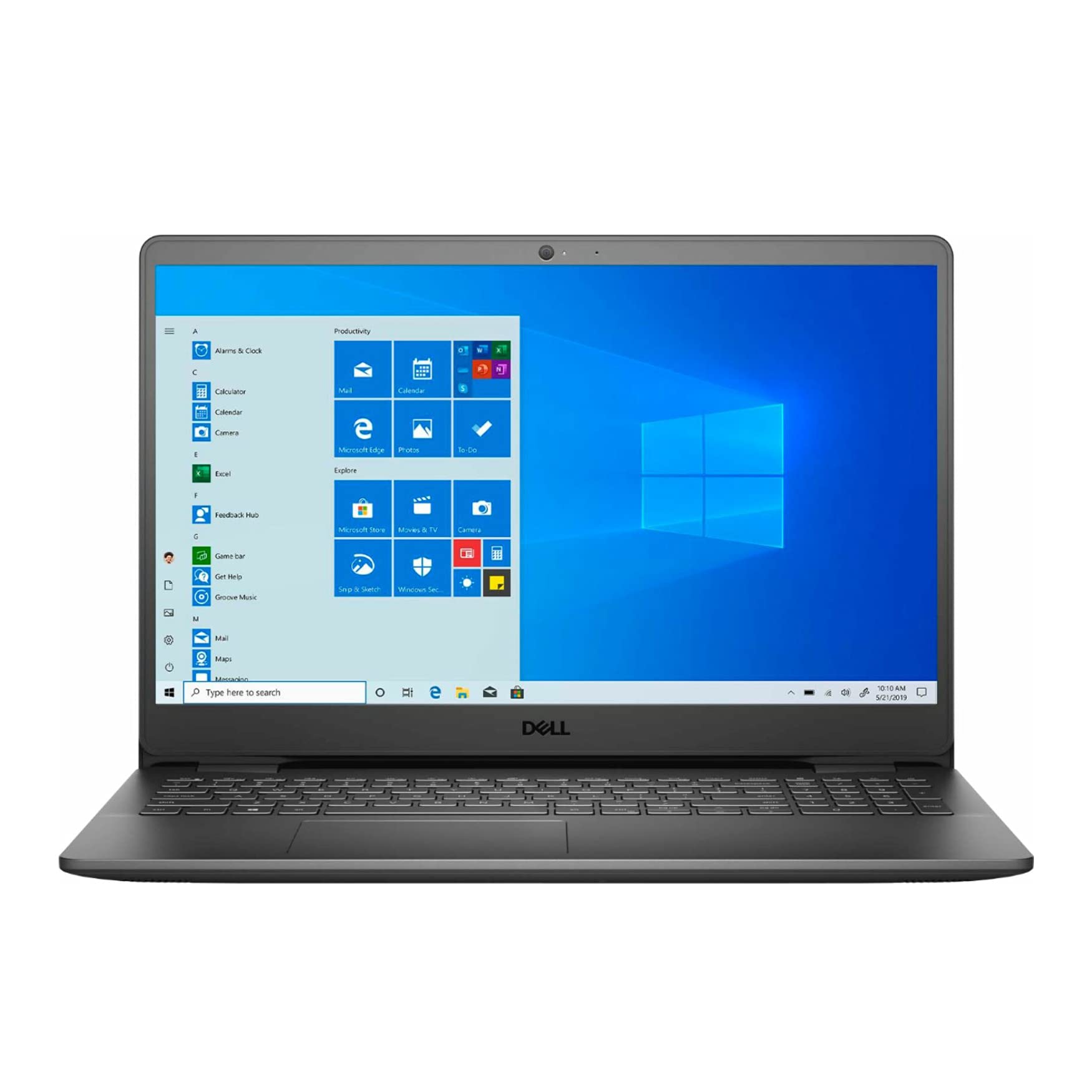
Dell Inspiron 15 3000, Intel Core i5-1135G7, 16GB RAM, 512GB SSD

Learning Curve: Easy

$749.99
Difficulty: 1/5
Dell Inspiron 15 3000, Intel Core i5-1135G7, 16GB RAM, 512GB SSD

Why Great for Beginners:

The sweet spot for most beginners. With 16GB RAM and a Core i5, it handles multitasking like a champ. The 512GB SSD offers plenty of storage for projects and tools. A great balance of performance and price.

Beginner Pros

  • +16GB RAM ensures smooth multitasking
  • +Fast Core i5 processor
  • +Large 512GB SSD
  • +Wide variety of ports (USB-A, HDMI, USB-C)
  • +Good build quality

Beginner Cons

  • -Average battery life (6-7 hours)
  • -Display could be more color-accurate
  • -Slightly heavier at 4.5 lbs
👍 Best for: Most beginners who want a reliable, no-compromise machine for coding, virtual machines, and light gaming.
👎 Not for: Those needing macOS for iOS development or extreme portability.
#3
✨ Premium

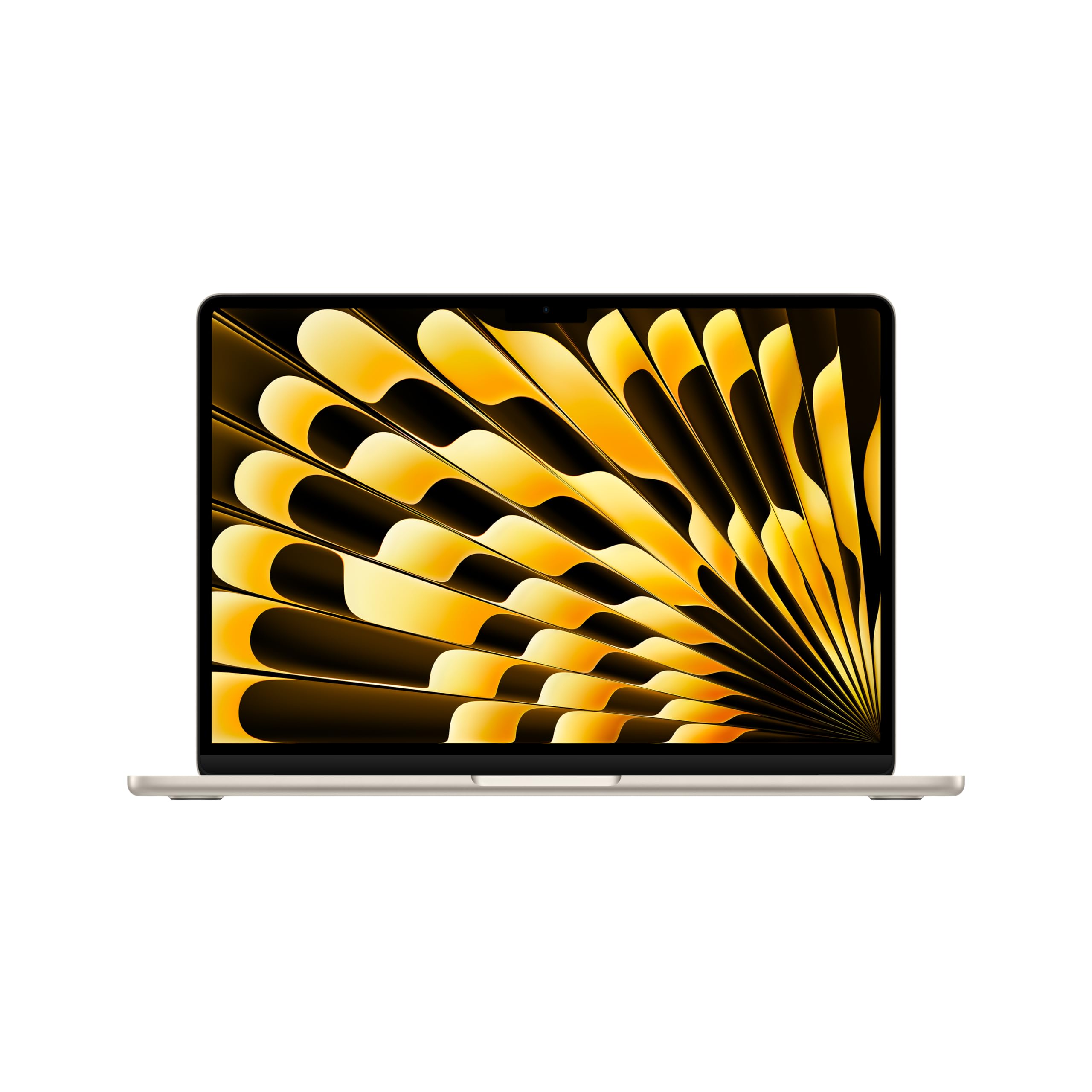
Apple MacBook Air M1, 13.3", 8GB RAM, 256GB SSD

Learning Curve: Easy

$999.99
Difficulty: 2/5
Apple MacBook Air M1, 13.3", 8GB RAM, 256GB SSD

Why Great for Beginners:

The MacBook Air M1 is incredibly fast and silent thanks to Apple's M1 chip. It's a great choice for beginners who prefer macOS or plan to develop iOS apps. The build quality and battery life are superb.

Beginner Pros

  • +Exceptional performance for the price
  • +Amazing 15-hour battery life
  • +Silent operation (no fan)
  • +Excellent trackpad and keyboard
  • +macOS is Unix-based, great for coding

Beginner Cons

  • -Only 8GB RAM (upgrade expensive)
  • -Limited ports (2 USB-C only)
  • -Not ideal for Windows-only software without boot camp
  • -Higher price point
👍 Best for: Beginners who want a premium, portable machine for macOS, iOS development, or Unix-based programming.
👎 Not for: Those on a strict budget or needing Windows-exclusive software (e.g., .NET Framework).
#4
Alternative

ASUS VivoBook 15, Intel Core i7-1165G7, 16GB RAM, 512GB SSD

Learning Curve: Easy

$899.99
Difficulty: 1/5
ASUS VivoBook 15, Intel Core i7-1165G7, 16GB RAM, 512GB SSD

Why Great for Beginners:

For those who want a bit more power without jumping to a gaming laptop. The Core i7 and 16GB RAM handle heavier workloads like Android Studio or local servers. The slim design and backlit keyboard add comfort.

Beginner Pros

  • +Powerful Core i7 processor
  • +16GB RAM for demanding tasks
  • +Slim and lightweight (~3.5 lbs)
  • +Backlit keyboard for night coding
  • +Good selection of ports (USB-A, HDMI, USB-C)

Beginner Cons

  • -Battery life around 6-7 hours
  • -Build quality not as premium as Dell XPS
  • -Fingerprint magnet
👍 Best for: Beginners who anticipate needing extra performance for data science, machine learning, or large projects.
👎 Not for: Those on a budget or seeking macOS.

📖 Complete Beginner's Guide to Laptop for Programming

A laptop for programming is essentially a tool to write, compile, and test code. The main types are Windows laptops, MacBooks, and Linux-based machines. For beginners, Windows or macOS are easiest due to vast software support and community help. Linux is more advanced but free and widely used in development. Most beginners should start with a Windows laptop from a reputable brand like Dell, Lenovo, HP, or ASUS. The key is to get a balanced machine where the CPU, RAM, and SSD work well together. Avoid very cheap laptops with Celeron processors, 4GB RAM, and eMMC storage – they will be frustratingly slow. Look for 'Intel Core i5' or 'AMD Ryzen 5' in product descriptions. If you plan to use heavy IDEs like Visual Studio or Android Studio, prioritize 16GB RAM. For web development, 8GB is fine.

🔧 Essential Accessories for Beginners

Logitech M330 Silent Plus Wireless Mouse - Image 1 of 10

Logitech M330 Silent Plus Wireless Mouse

👍 Recommended

$29.99

When to buy:
Day one

Coding often involves lots of clicking and scrolling. A comfortable, silent mouse reduces hand strain and noise. The M330 is affordable and wireless, eliminating cable clutter.

Beginner Benefits:

  • Reduces wrist fatigue during long coding sessions
  • Silent clicks won't disturb others
  • Wireless keeps desk tidy
  • Plug-and-play, no software needed
Amazon Basics 15.6" Laptop Sleeve - Image 1 of 4

Amazon Basics 15.6" Laptop Sleeve

⚠️ Essential

$14.99

When to buy:
Day one

A laptop sleeve protects your investment from scratches and minor bumps when carrying it in a backpack. The Amazon Basics sleeve is affordable and padded.

Beginner Benefits:

  • Protects laptop from scratches and light drops
  • Thin design fits in most backpacks
  • Affordable and durable
  • Easy to clean
Anker PowerExpand 8-in-1 USB-C Hub - Image 1 of 6

Anker PowerExpand 8-in-1 USB-C Hub

💡 Nice to Have

$35.99

When to buy:
Day one

Many modern laptops have limited ports. A hub adds USB-A, HDMI, and SD card slots, making it easier to connect monitors, mice, and other peripherals.

Beginner Benefits:

  • Expands connectivity for external displays and devices
  • Enables connection to wired Ethernet for stable internet
  • Supports high-speed data transfer
  • Compact enough to carry in a bag
Samsung T7 Portable SSD 1TB

Samsung T7 Portable SSD 1TB

⬆️ Upgrade

$119.99

When to buy:
After you're comfortable – when internal storage is running low

As you accumulate projects, code libraries, and large datasets, your laptop's internal storage may fill up. An external SSD provides fast, portable backup and extra space.

Beginner Benefits:

  • Adds fast storage without opening laptop
  • Great for backups and moving large files
  • Dust and water resistant
  • Works with Windows and Mac
Amazon Basics Adjustable Laptop Stand - Image 1 of 7

Amazon Basics Adjustable Laptop Stand

💡 Nice to Have

$22.99

When to buy:
First month – especially if you code for long hours

Improving your posture while coding can prevent neck and back pain. An adjustable stand raises your laptop screen to eye level, and it improves airflow for cooling.

Beginner Benefits:

  • Promotes better posture and reduces neck strain
  • Elevates screen for comfortable viewing angle
  • Allows better airflow to keep laptop cool
  • Foldable and portable

🤔 How to Choose Your First Laptop for Programming

First, decide your budget. Second, list the types of programming you'll do (web, mobile, data science, etc.). For general coding, a mid-range laptop with i5/Ryzen 5, 8-16GB RAM, and 256-512GB SSD is best. If you travel often, prioritize battery life and weight. If you mostly work at a desk, a larger screen (15.6 inches) might be better. Ask yourself: Do I need Windows or macOS? (Windows: wider game compatibility, cheaper; macOS: Unix-based, great for iOS dev). Red flags: laptops with HDD, 4GB RAM, or Intel Celeron/Pentium processors. Also avoid models known for poor build quality (e.g., some very cheap Acer or HP laptops). Always check recent reviews.

💰 Budget Guide for Beginners

1300+

Professional entry – powerful enough for advanced work, but not necessary for most beginners

600 - $900

Sweet spot – best value, will handle most beginner projects smoothly

900 - $1300

Premium beginner – excellent build quality, will last several years

Under $ - $600

Entry level – good for learning basics, may need upgrade in 1-2 years

⚠️ Common Beginner Mistakes to Avoid

One common mistake is buying a laptop with 4GB RAM and a slow hard drive, thinking any laptop will work. Another is overspending on a high-end gaming laptop with a powerful GPU that coding rarely uses. Beginners also often overlook keyboard comfort – if you type a lot, a bad keyboard can be painful. Some ignore portability and end up with a heavy, short-battery-life machine. Finally, many forget to budget for accessories like a good mouse, extra storage, or a protective case.

  • ×Buying a laptop with insufficient RAM (4GB) and a slow HDD
  • ×Overspending on a gaming laptop with powerful GPU that isn't needed
  • ×Ignoring keyboard quality and comfort
  • ×Choosing a laptop with poor battery life for class/coffee shop work
  • ×Neglecting to budget for essential accessories and software
  • ×Buying a specialized Linux laptop without prior Linux experience

📈 Your Progression Path: Beginner to Intermediate

As a beginner, start with lighter languages like Python, HTML/CSS/JavaScript. You'll use simple text editors (VS Code, Sublime) and basic tools. After 6-12 months, you might explore more resource-intensive languages (Java, C#) or start using Docker, virtual machines, or local servers. At that point, you may benefit from upgrading RAM to 16GB or getting a faster CPU. Signs you've outgrown your beginner laptop: frequent slowdowns when running multiple applications, long compile times, or insufficient storage. Your first upgrade should be RAM (if possible) or an external SSD. Many beginners stay at the entry level for 1-2 years before feeling the need to upgrade.

📚 Learning Resources for Beginners

  • 📖"Automate the Boring Stuff with Python" – great beginner book for practical coding
  • 📖FreeCodeCamp.org – free online platform for web development
  • 📖VS Code – free and beginner-friendly code editor
  • 📖GitHub Student Developer Pack – free tools for students

🎯 Bottom Line: Our Recommendations

For most beginners, the best choice is a Windows laptop with an Intel Core i5 or AMD Ryzen 5, 8GB RAM (16GB preferable), and a 256GB+ SSD. The Lenovo IdeaPad 3 (15.6 inch, Ryzen 5, 8GB RAM) is a solid budget pick, while the Dell XPS 13 or MacBook Air M1 are excellent premium options that will last for years. Don't forget accessories: a quality laptop bag, a wireless mouse, and perhaps an external monitor for your desk. Start with a machine that fits your budget and grow into it. Happy coding!

❓ Frequently Asked Questions

The best laptop for a beginner programmer is one that balances performance and price. We recommend a Windows laptop with an Intel Core i5 or AMD Ryzen 5, 8-16GB RAM, and a 256GB or larger SSD. The Dell Inspiron 15 with 16GB RAM is a great all-around choice, while the Lenovo IdeaPad 3 is excellent for tight budgets.
8GB is the minimum for smooth multitasking with a code editor, browser, and a few tools. If your projects involve running virtual machines, databases, or large frameworks (e.g., Android Studio), 16GB is highly recommended to avoid slowdowns.
No, a mid-range processor like Intel i5 or AMD Ryzen 5 is sufficient for most beginner tasks (web development, Python, Java). i7/Ryzen 7 only matter if you do heavy number crunching, large compilations, or run multiple VMs.
Yes, MacBooks are excellent, especially the M1/M2 MacBook Air. They have great battery life, a Unix-based terminal, and a premium build. However, they are more expensive and not ideal if you need Windows-only software. They're perfect for iOS development.
Avoid laptops with 4GB RAM, mechanical hard drives (HDDs), Intel Celeron or Pentium processors, and eMMC storage. These will be slow and frustrating for coding. Also avoid very low-resolution screens (1366x768) if possible.
Chromebooks can work for web development and Linux-based programming via Crostini, but they have limitations: less RAM and storage, no traditional desktop apps. For a beginner, a Windows or Mac laptop is more versatile.
No, integrated graphics (like Intel UHD or AMD Radeon Graphics) are fine for programming. A dedicated GPU is only needed if you do game development, machine learning with large datasets, or 3D rendering.
With proper care, a good mid-range laptop (i5/Ryzen 5, 8-16GB RAM) should last 3-5 years for beginner to intermediate programming. As you advance, you may want to upgrade RAM or buy a more powerful machine.
15-inch offers more screen real estate, which is helpful for side-by-side code and documentation. 13-inch is more portable. As a beginner, choose based on your mobility needs. Both work fine; you can always use an external monitor at home.
A comfortable mouse (preferably wireless), a laptop sleeve or bag for protection, and a USB-C hub if your laptop has limited ports. An external monitor and ergonomic stand are nice-to-have for longer sessions.