Everything beginners need to pick their first knife set confidently, with top Amazon picks, accessories, and pitfalls to skip.
Picking your first knife set feels scary β too many shiny blades, confusing names like 'German steel' or 'full tang,' and the worry of cutting yourself or wasting money on junk. As a beginner cook, you just want sharp knives that chop veggies easily without frustration.
This guide cuts through the confusion. We'll explain why beginners struggle, what simple features matter most, and share real Amazon recommendations tested by newbies. No jargon, just straightforward advice to get you slicing with a smile.
By the end, you'll know exactly which set to buy, what extras to grab, and how to avoid regrets β building your kitchen confidence from day one.
π In This Guide
β’ Why Beginners Struggle with Knife Set
β’ What to Look For (Key Features)
β’ Top 4 Beginner-Friendly Knife Set
β’ Essential Accessories for Beginners
β’ Common Beginner Mistakes to Avoid
β’ Your Progression Path
β’ FAQ & Learning Resources
π° Why Beginners Struggle with Knife Set
Beginners dive into knife sets overwhelmed by endless options: 5-piece, 20-piece, blocks or rolls, brands like Henckels vs. Wusthof. Forums like Reddit's r/Cooking show newbies frustrated by dull blades right out of the box or slippery handles that cause slips.
Fear of injury looms large β 'Will it be too sharp?' or 'How do I store them safely?' β plus confusing terms like 'high-carbon steel' or 'rockwell hardness' that sound expert-only. Many buy cheap sets that bend or rust, leading to early replacement and regret.
Without guidance, you might grab the biggest set thinking 'more is better,' only to use two knives and ignore the rest. This guide fixes that with beginner empathy.
π What to Look For: Key Beginner-Friendly Features
For beginners, focus on forgiving basics: comfortable handles that fit your hand (rubber or synthetic over slick wood), stainless steel blades that resist rust and are easy to maintain, and a sharpening tool included. Skip fancy Damascus patterns or ultra-thin Japanese blades β they're precise but unforgiving for shaky beginner hands.
Look for sets with 5-8 essential knives (chef's, paring, utility, bread) in a wooden block for safe storage. 'Full tang' (blade extends into handle) adds balance without complexity. Beginner-friendly sets are pre-sharpened, dishwasher-safe (though hand-wash recommended), and backed by lifetime warranties.
Must-haves: Ergonomic grips for control, balanced weight to reduce fatigue, and simple sharpening. Nice-to-haves: Color-coded handles for hygiene. Avoid: Ceramic (chips easily), too many gadgets.
β Essential Features for Beginners
β’Comfortable ergonomic handles to prevent slips
β’Stainless steel blades that stay sharp longer and resist rust
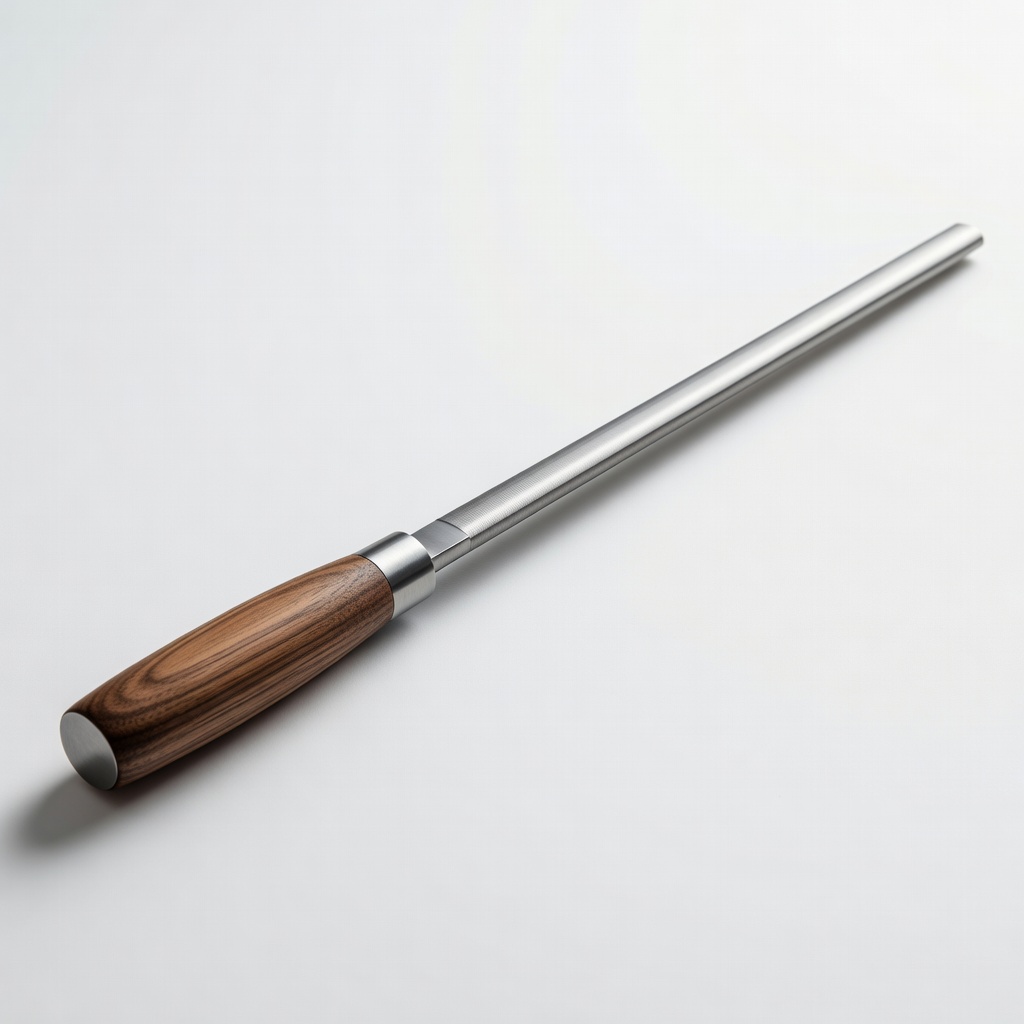
β’Included sharpening rod for easy maintenance
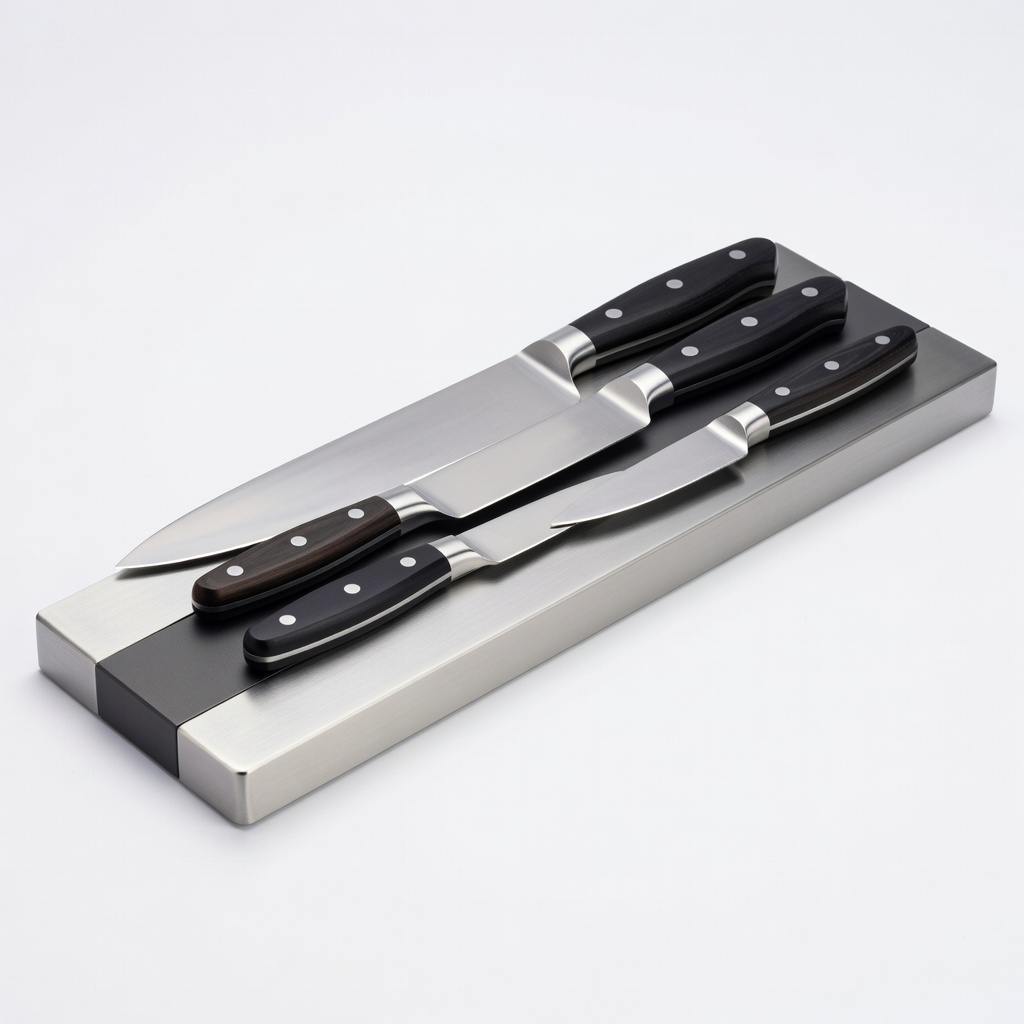
β’Wooden storage block for safe organization
β’Balanced weight for fatigue-free chopping
β’Pre-sharpened out of the box
β’Full tang construction for durability without complexity
π Top 4 Best Knife Set for Beginners
#1
π° Budget
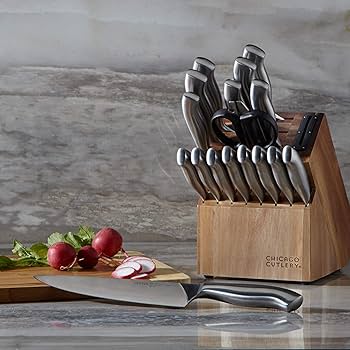
J.A. Henckels International 15-Piece Knife Set with Block
Learning Curve: Easy
$129.95
Difficulty: 1/5
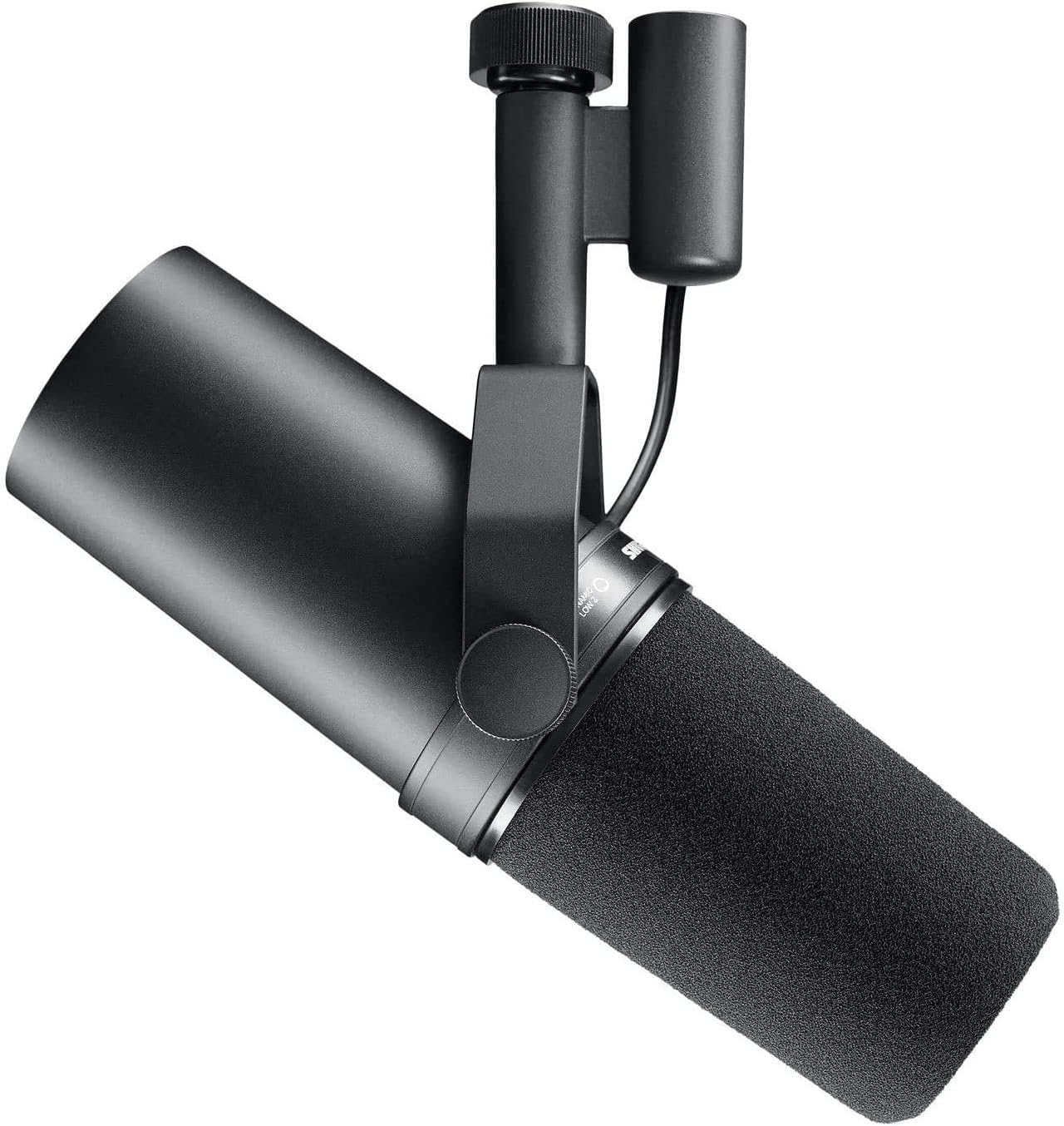
Why Great for Beginners:
This Henckels set gives beginners a full starter kit with comfy handles and reliable stainless blades that forgive minor mistakes like dishwasher runs. The included block keeps everything organized and safe. Pre-sharpened and balanced for easy veggie chopping without fatigue.
β Beginner Pros
+Affordable entry to quality brand
+15 pieces cover all basics
+Ergonomic triple-riveted handles
+Lifetime warranty
+Easy to sharpen at home
β Beginner Cons
-Blades dull quicker than premium
-Block takes counter space
-Not fully forged (stamped paring)
π Best for: Budget-conscious beginners cooking family meals daily
π Not for: Those wanting pro-level edge retention

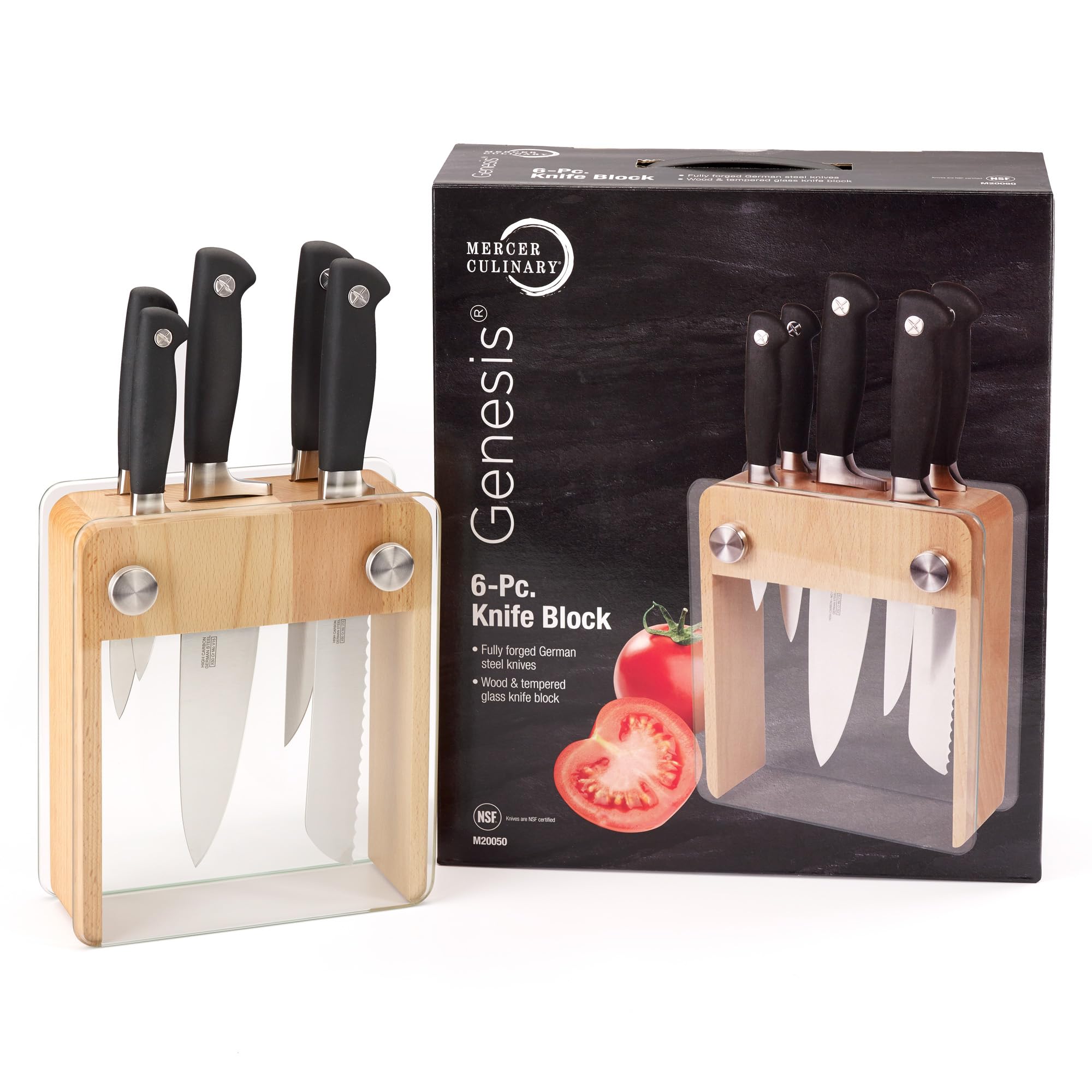
Sweet spot for most new cooks. Forged blades hold edges longer, NSF handles are super grippy even wet, and compact block fits small kitchens. Beginners love the balance for confident cuts without slipping.
β Beginner Pros
+NSF-certified hygienic handles
+Forged one-piece blades
+Compact 6 essentials only
+Dishwasher safe
+Great value durability
β Beginner Cons
-Fewer pieces than full sets
-No shears included
-Block is bamboo (needs oiling)
π Best for: Apartment dwellers wanting pro feel on budget
Ultra-affordable with sharp Acrylonitrile edges that stay keen, soft rubber grips prevent slips, and full block set for complete coverage. Perfect for total newbies intimidated by pricier brands.
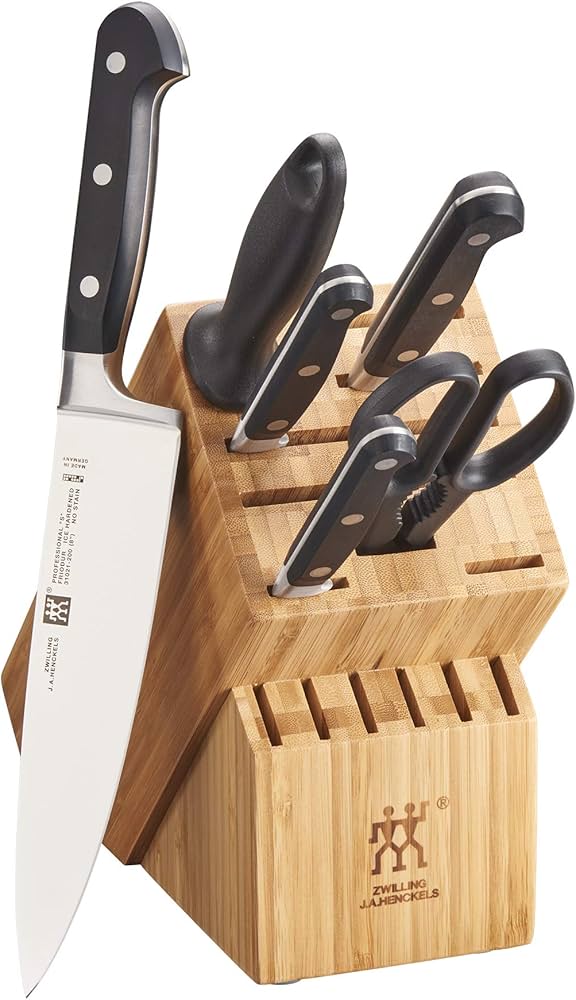
Premium forged SIGMAFORGE steel with ice-hardening for lasting sharpness, ergonomic polymer handles, and pro balance that grows with you. Beginners get high-end feel without steep learning β just sharper, safer cuts.
β Beginner Pros
+Superior edge retention
+Full bolster protection
+Dishwasher safe
+Lifetime warranty
+Compact high-quality block
β Beginner Cons
-Higher price
-Fewer pieces
-Overkill for casual use
π Best for: Serious beginners investing in lifelong set
A knife set is 4-20+ blades for kitchen prep: chef's (all-purpose 8-inch), paring (small tasks), slicer, utility, plus shears and block. Beginners thrive with German-style sets (thicker, tougher blades) over Japanese (thinner, brittle for novices).
Best for newbies: 6-15 piece blocks with basics β forgiving on mistakes like over-chopping. Expect to master straight cuts first; pros take months. 'Beginner-friendly' means intuitive (no special techniques), durable (drops ok), and supported (tutorials online).
Marketing traps: 'Never dulls' is hype β all need sharpening. Evaluate by weight in hand, edge test on paper. Realistic: Your set lasts years with care, helping you progress from onions to herbs confidently.
Types: Block sets (safest storage), open stock (custom, advanced). Start with block for organization.
π§ Essential Accessories for Beginners
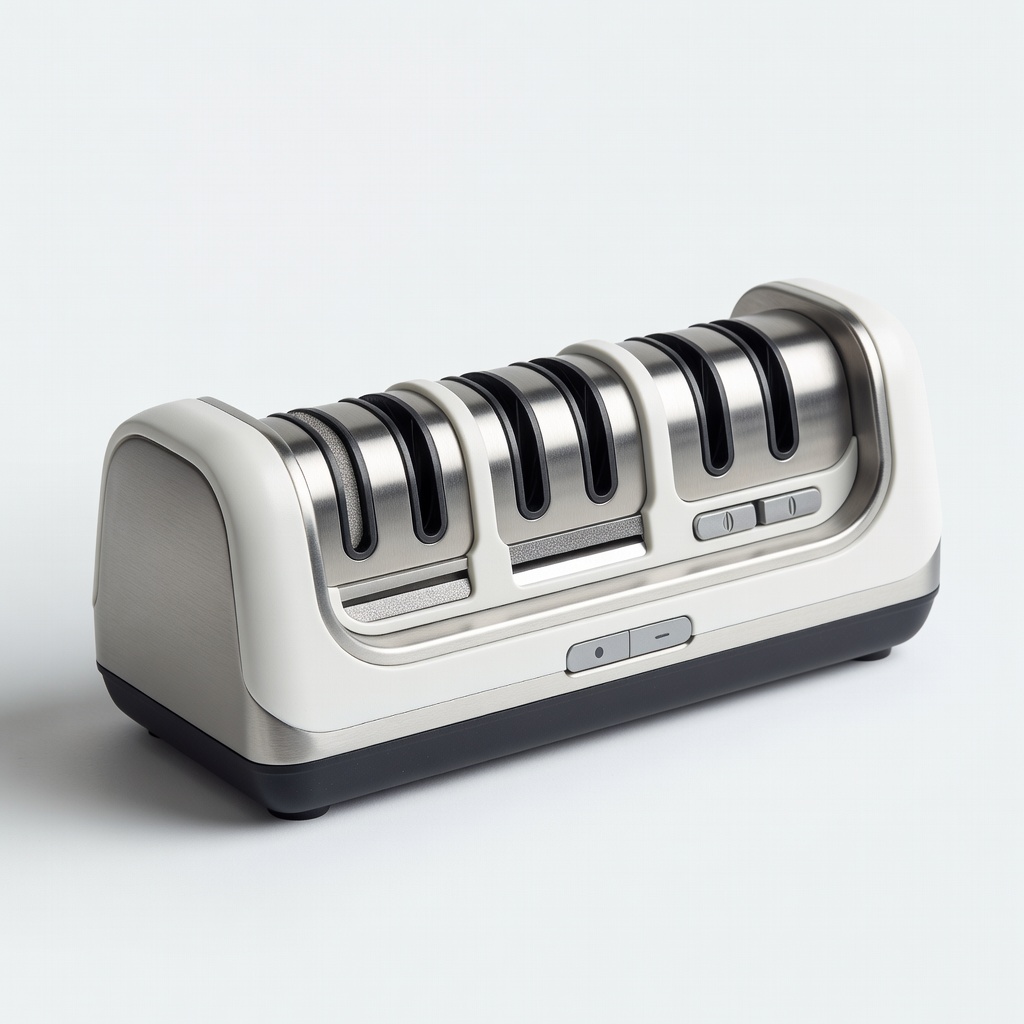
Chef'sChoice HoneMAX 410 Electric Knife Sharpener
π Recommended
$89.99
When to buy:
Day one
Beginners' knives dull fast from misuse; this electric sharpener restores edges in seconds without skill. Prevents frustration and waste β keeps your set performing like new.
Knives dull on glass/plastic; soft bamboo protects edges and is knife-friendly. Reversible for hygiene, essential for safe practice without damaging your set.
Daily honing straightens edges between sharpenings, keeping cuts effortless. Beginners skip this and struggle with dullness β it's quick maintenance.
Ask: What's your budget? Daily cooking or occasional? Hand size? Start under $150 for sweet spot. Scenarios: Family meals? Get 10+ piece. Solo? 5-7 suffices.
Framework: 1) Match budget tier. 2) Prioritize handle comfort. 3) Check reviews for 'easy sharpen.' 4) Ensure block included. Budget for casual, recommended for serious hobby, premium if investing long-term.
Red flags: No warranty, stamped (thin) blades only, no sharpening tool. Plan growth: Good beginner sets handle intermediate skills 1-2 years.
π° Budget Guide for Beginners
400+
Pro entry: Custom-quality for passionate beginners planning career path.
100 - $200
Sweet spot: Forged blades from trusted brands like Henckels, balanced and durable for daily use, lasts 2+ years.
200 - $400
Premium beginner: Superior steel and ergonomics (Zwilling), pro feel without overwhelm, rarely outgrow.
Under $ - $100
Entry-level: Basic stamped stainless, good for testing cooking interest, but dulls faster β upgrade in 6-12 months.
β οΈ Common Beginner Mistakes to Avoid
Newbies grab $20 sets from ads, then complain they're 'useless' after a month β false economy. Others splurge on pro Wusthof without basics, overwhelmed. Skipping boards/sharpeners leads to damaged knives.
Avoid by sticking to $100+ brands, buy accessories first. Experienced cooks say: 'My first Henckels lasted 10 years because I honed weekly.' Test handles in-store if possible.
ΓBuying super-cheap no-name sets that dull in weeks
ΓGetting 20+ piece sets you'll never use
ΓSkipping sharpening tools and letting blades go dull
ΓStoring loose in drawers (dulls and dangerous)
ΓIgnoring handle comfort, leading to slips
ΓChoosing Japanese blades (too brittle for beginners)
ΓHand-washing only rule-breaking (if safe)
ΓNot practicing on proper boards, dulling edges fast
π Your Progression Path: Beginner to Intermediate
Start with basic chops: dice onions, julienne carrots using your chef's knife β 10-20 min daily practice. Master safety grips, then add techniques like rocking chop.
Outgrow beginner set when edges dull too fast despite care (1-2 years heavy use) or want specialized blades. Upgrade to individual pro knives (e.g., single chef's knife).
Intermediate: Custom sets, whetstones. Most stay beginner 6-18 months; track by effortless prep.
πThe Food Lab: Better Home Cooking Through Science (ASIN: 0393081086) - Knife tips in recipes.
πSharpening Supplies Leather Strop Kit (ASIN: B07Z8F6Z4S) - Practice aid.
πSerious Eats: The Ultimate Guide to Cooking (ASIN: B08J4F3Q2S ebook) - Beginner sections.
π― Bottom Line: Our Recommendations
For most beginners, the Mercer Genesis 6-Piece ($160 recommended) hits the sweet spot: pro quality, easy use, grows with you. Budget? Henckels 15-Piece ($130). Serious? Zwilling Pro ($350).
Grab essentials: Bamboo board, honing steel, sharpener day one. You're set for confident cooking β start chopping, build skills, enjoy the kitchen!
Next: Practice 15 min/day, hone weekly. You've got this β happy slicing!
β Frequently Asked Questions
Mercer Culinary Genesis 6-Piece (ASIN B0001MRYGS) β balanced, grippy, forged for easy confident cuts without overwhelm.