Choose your first stunt kite with confidence – top picks, tips, and accessories to get flying fast without frustration.
Picking your first kite, especially a stunt kite, can feel overwhelming with all the sizes, materials, and wind ratings out there. Beginners often worry about buying something too hard to control or that breaks on the first gust. Don't stress – this guide cuts through the confusion.
Stunt kites (dual-line kites for tricks and speed) are exciting but tricky for newbies. You'll see endless options that look cool but aren't forgiving. This guide simplifies it all: what features matter, top Amazon picks, and pitfalls to skip.
By the end, you'll know exactly what to buy, feel ready to launch, and have a clear path to fun flights. Let's get you soaring!
📋 In This Guide
• Why Beginners Struggle with Kite
• What to Look For (Key Features)
• Top 3 Beginner-Friendly Kite
• Essential Accessories for Beginners
• Common Beginner Mistakes to Avoid
• Your Progression Path
• FAQ & Learning Resources
😰 Why Beginners Struggle with Kite
New to kite flying? Stunt kites seem fun from videos, but beginners crash into tangles, fight uncontrollable dives, or give up because assembly takes hours. Forums like Reddit's r/kites are full of 'my lines knotted on launch' stories.
Jargon like 'bridle,' ' Spectra line,' or 'wind window' confuses everyone. Plus, cheap kites tear easily, while fancy ones demand perfect wind and skills you don't have yet.
Fear of wasting money hits hard – $20 toy or $150 pro? Over 50% of Amazon reviews mention 'too hard for kids/me' or 'wish I knew about wind range.' This guide fixes that.
🔍 What to Look For: Key Beginner-Friendly Features
Focus on forgiving designs: ripstop nylon (tough, lightweight fabric that resists tears), easy-clip assembly (no knots needed), and wide wind range (flies in 5-20 mph breezes, not just perfect days).
Must-haves: included pre-stretched lines (100-150 ft, tangle-resistant), ergonomic handles (comfy for short sessions), and adjustable bridle (tunes stability without tools). Skip extras like carbon frames – too brittle for drops.
Beginner-friendly means 'flies straight out of bag,' tolerates crashes, and teaches control gently. Look for 'easy launch' in descriptions and 4+ star reviews from 'first-time' buyers.
✅ Essential Features for Beginners
•Ripstop nylon sail: Lightweight and tear-proof, survives beginner crashes without ripping.
•Pre-stretched dual lines (100+ ft): Won't stretch mid-flight, keeps control predictable for new pilots.
•Adjustable bridle: Simple clips to tweak for stability – more forgiving in gusts.
•Ergonomic handles/straps: Comfy grip reduces hand fatigue during learning dives and turns.
•Wide wind range (5-20 mph): Flies in everyday breezes, not just ideal conditions.
•Quick assembly clips: Sets up in under 5 minutes, no frustrating knots.
•Bright colors: Easy to spot and track while learning maneuvers.
🏆 Top 3 Best Kite for Beginners
#1
💰 Budget
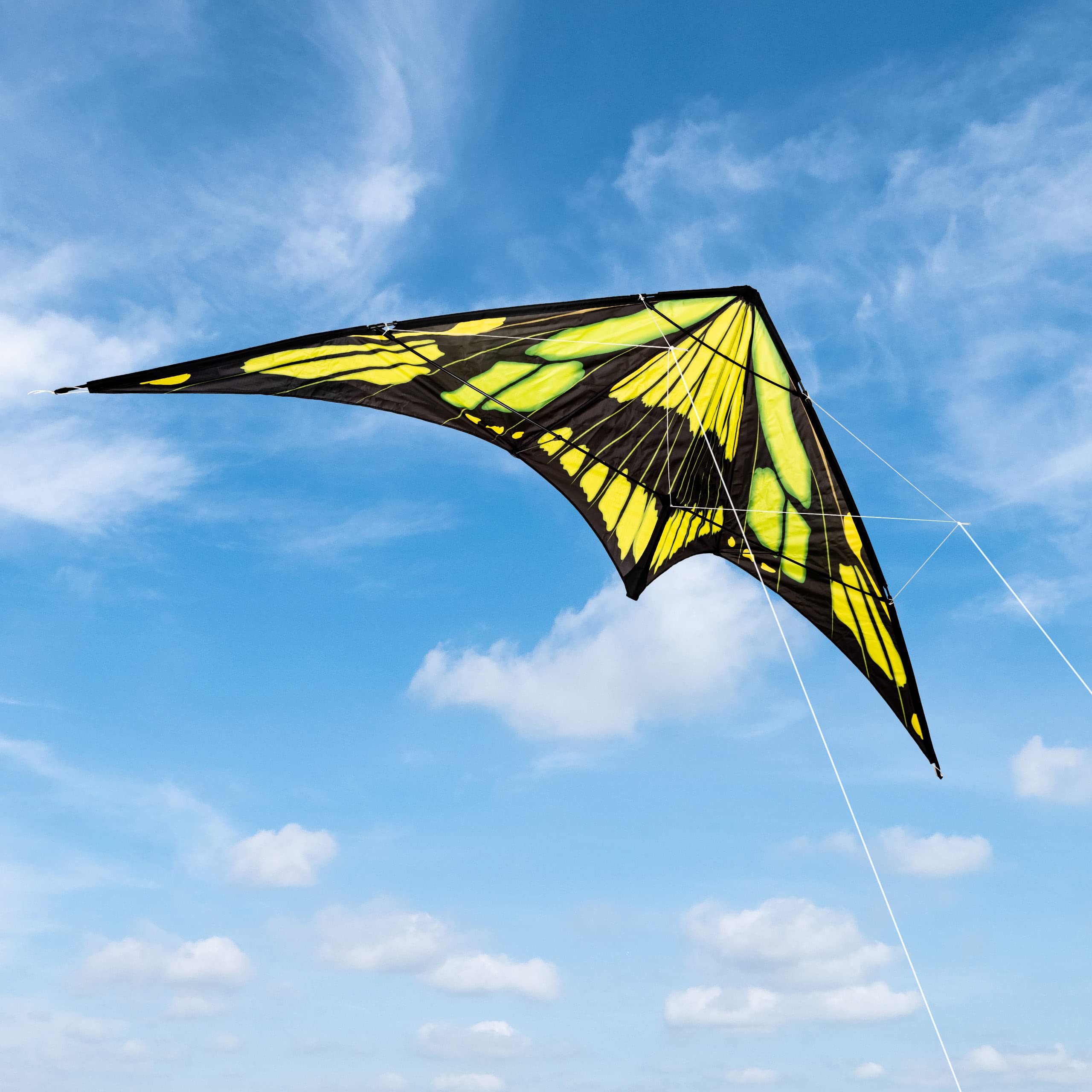
2 Line Stunt Kite for Adults and Kids - Easy to Fly
Learning Curve: Easy
$24.99
Difficulty: 1/5
Why Great for Beginners:
This affordable dual-line kite assembles in minutes with included lines and handles. Its ripstop sail handles crashes well, perfect for park testing without big spend. Beginners love the stable flights in light winds.
✓ Beginner Pros
+Super cheap entry
+Quick setup
+Tangle-resistant lines
+Fun basic turns
✗ Beginner Cons
-Limited wind range
-May tear after heavy use
-Basic tricks only
👍 Best for: Total newbies testing the hobby on a tight budget
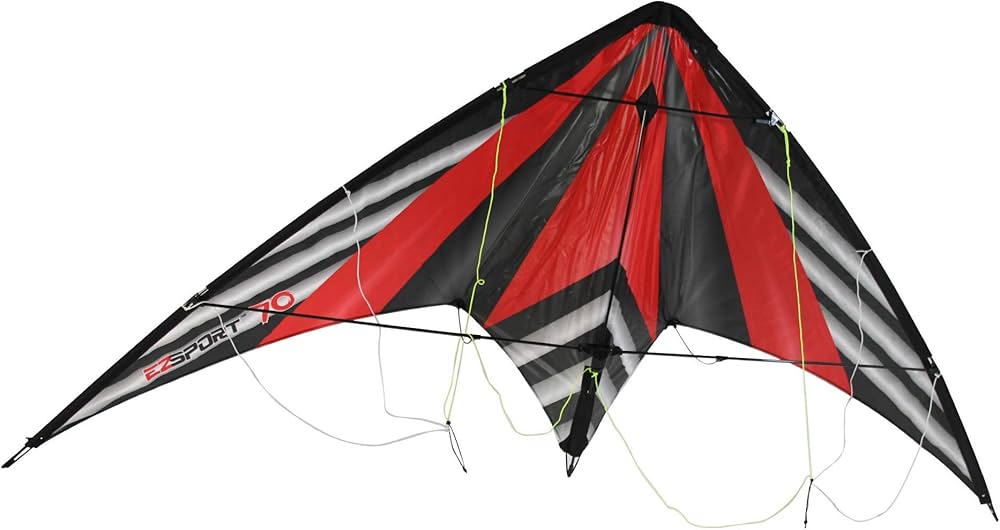
Prism's Synapse is a top beginner pick with pro-level stability and forgiving controls. Pre-stretched lines and adjustable bridle make learning loops intuitive. Thousands of 4.5+ reviews praise 'flies like a dream first time.'
✓ Beginner Pros
+Ultra-stable launch
+Wide 5-25 mph range
+Durable ripstop
+Ergo handles included
✗ Beginner Cons
-Mid-price jump
-Bigger sail needs space
👍 Best for: Most beginners wanting growth without frustration
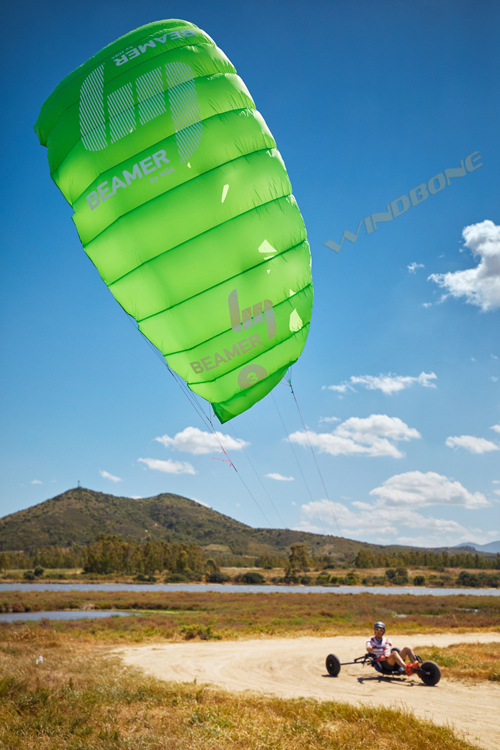
HQ's Beamer offers premium materials like molded PU fittings for zero wear. Super forgiving with ground-handling tricks built-in. Ideal for committed beginners – outgrows toys fast without upgrades.
✓ Beginner Pros
+Pro durability
+Precise yet stable
+Full kit included
+Excellent wind range
✗ Beginner Cons
-Higher cost
-Steeper initial setup
👍 Best for: Serious beginners planning long-term hobby
Kites basics: A stunt kite uses two lines for control – pull left/right to turn, dive, or loop. Unlike single-line beach kites, these go fast and do tricks.
Types: Single-line (easy floaters, boring for stunts), dual-line stunt (beginner tricks), quad-line (pro speed, too complex first). Stick to dual-line stunt for starters – exciting but learnable.
Beginner-friendly = stable launch, self-corrects pulls, low crash speed. Expect 10-20 sessions to loop reliably; start in open fields, 10 mph wind.
Evaluate by video demos (search ASIN + 'beginner review'), check 'wind range' specs, read Q&A for 'easy to fly?'. Marketing like 'pro-level' often hides steep curves – ignore.
🔧 Essential Accessories for Beginners
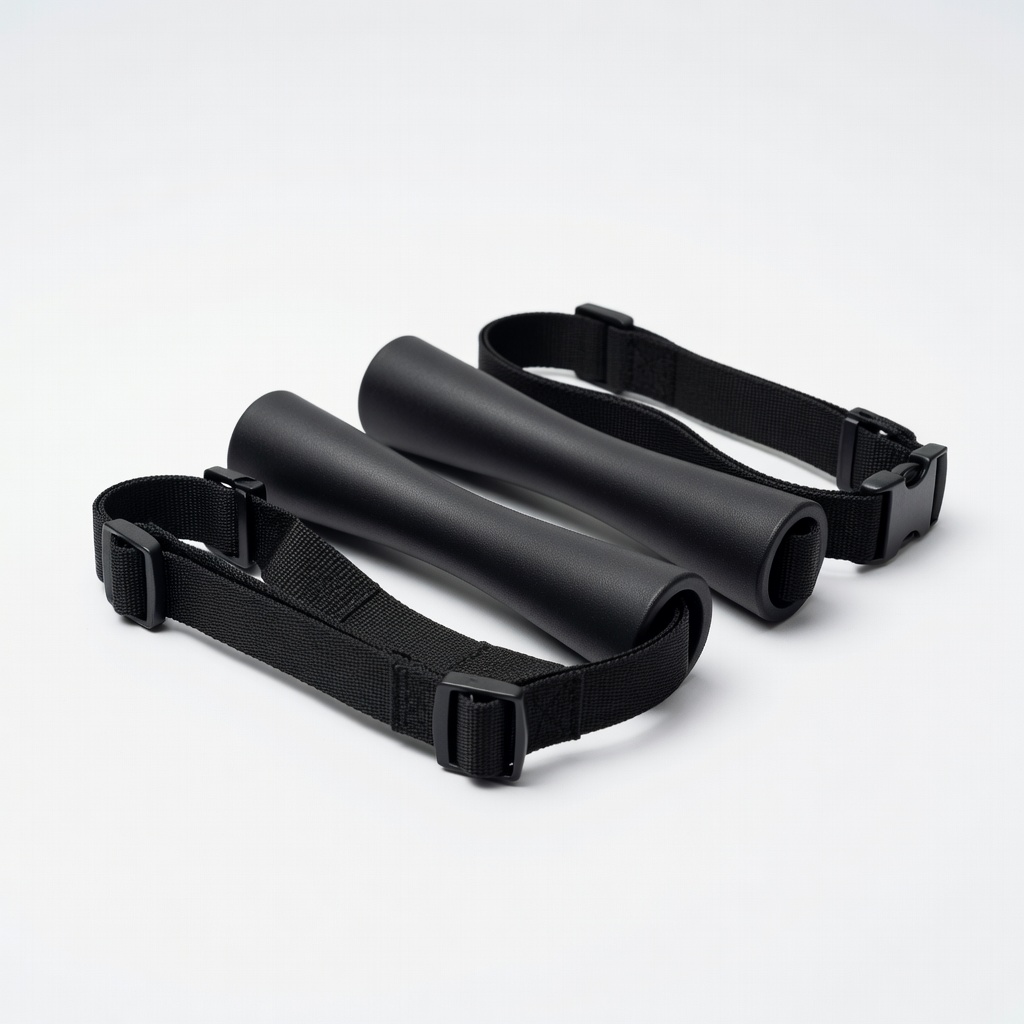
Stunt Kite Dual Line Handles and Wrist Straps
⚠️ Essential
$19.99
When to buy:
Day one
Handles give precise control without hand cramps – pulls tangle without them. Wrist straps prevent drops in wind. Day-one must for safe, comfy learning.
Ask: What's your budget? Solo or family? Windy beach or park? Start here: under $50 for try-out, $50-100 sweet spot.
Scenarios: Kids/family? Bright, stable pick. Solo adult? Precise control. Growth-minded? Roomy sail (1.2-1.5m). Budget tier for testing passion; recommended for sticking with it.
Red flags: No lines included, single-line labeled 'stunt,' narrow wind range (<10 mph), flimsy plastic. Premium if committing $100+ for durability.
💰 Budget Guide for Beginners
200+
Advanced entry – for serious hobbyists, but overkill for first kite.
Entry level – basic fun to test the hobby, may tangle or tear soon.
⚠️ Common Beginner Mistakes to Avoid
Beginners grab shiny 'pro stunt' kites with tiny wind windows, then rage when it dives in real gusts. Cheap $10 ones shred, leading to 'kites suck' quits – forums full of it.
No lines/handles? Bloody hands and spins. Fix: Match budget to tiers, read wind specs, buy kit-included. Experienced flyers say: 'Start simple, upgrade happy.'
Avoid: Beach on calm days only – learn variable winds early.
×Buying single-line kites for 'stunts' – no control or speed.
×Ignoring wind range – kite won't fly or overpowers you.
×Skipping handles/straps – lines cut hands, no precision.
×Cheapest toy store kite – tears instantly, kills fun.
×No open space – trees/power lines tangle everything.
×Overlooking line length/quality – stretches, knots mid-air.
×Biggest sail for power – impossible for newbies to handle.
📈 Your Progression Path: Beginner to Intermediate
Week 1: Launch/land in 10mph open field, master straight lines. Month 1: Gentle turns, ground skids. Practice 5-10x.
Outgrow beginner when looping easy, want speed tricks. Upgrade: Bigger sail or quad-lines after 20-50 hours (3-6 months casual).
Intermediate: Precise tricks, competitions. First upgrade lines/handles. Most stay beginner 3-12 months – patience wins.