Everything beginners need to choose their first kick scooter with confidence, avoid mistakes, and start riding safely.
Choosing your first kick scooter can feel overwhelming with so many options, sizes, and features that seem confusing. Beginners often worry about picking something too flimsy, hard to control, or not fun to ride. Don't stress – this guide is designed for complete newcomers like you.
We'll break it down simply: what matters most, top beginner picks on Amazon, must-have accessories, and pitfalls to skip. By the end, you'll know exactly what to buy and feel excited to hit the pavement.
📋 In This Guide
• Why Beginners Struggle with Kick Scooter
• What to Look For (Key Features)
• Top 4 Beginner-Friendly Kick Scooter
• Essential Accessories for Beginners
• Common Beginner Mistakes to Avoid
• Your Progression Path
• FAQ & Learning Resources
😰 Why Beginners Struggle with Kick Scooter
New to kick scooters? You're not alone in feeling lost. Common headaches include confusing terms like 'wheel size' or 'handlebar height' without knowing what they mean for your ride. Many fear buying a cheap one that breaks or wobbles, or an expensive one that's overkill.
Options flood Amazon – kids' toys vs adult models, foldable vs fixed – making decisions paralyzing. Beginners often ignore stability on uneven sidewalks or weight that's too heavy to carry, leading to frustration. Forums like Reddit's r/scootering echo this: 'I bought wrong size, can't adjust!' This guide fixes that.
🔍 What to Look For: Key Beginner-Friendly Features
Focus on basics that make riding easy and safe. Look for adjustable handlebars (grows with you), large wheels (8-10 inches for smooth rolls over bumps), and lightweight frames under 10 lbs (easy to carry). Good brakes (foot or hand) that stop reliably without skidding.
Skip fancy stunt bars or tiny wheels – they're not forgiving for newbies. Prioritize durable aluminum decks that flex less, high weight limits (220+ lbs), and foldable designs for storage. These make learning intuitive and fun from day one.
✅ Essential Features for Beginners
•Adjustable handlebar height (fits 4'6" to 6' riders)
•8-10 inch urethane wheels (smooth over cracks, stable)
•Lightweight under 10 lbs (easy to pick up and carry)
•Wide deck (2-4 inches, comfy stance)
•Reliable foot brake (quick, safe stops)
•Folding mechanism (stores anywhere)
•ABEC-5+ bearings (rolls far with less effort)
🏆 Top 4 Best Kick Scooter for Beginners
#1
💰 Budget
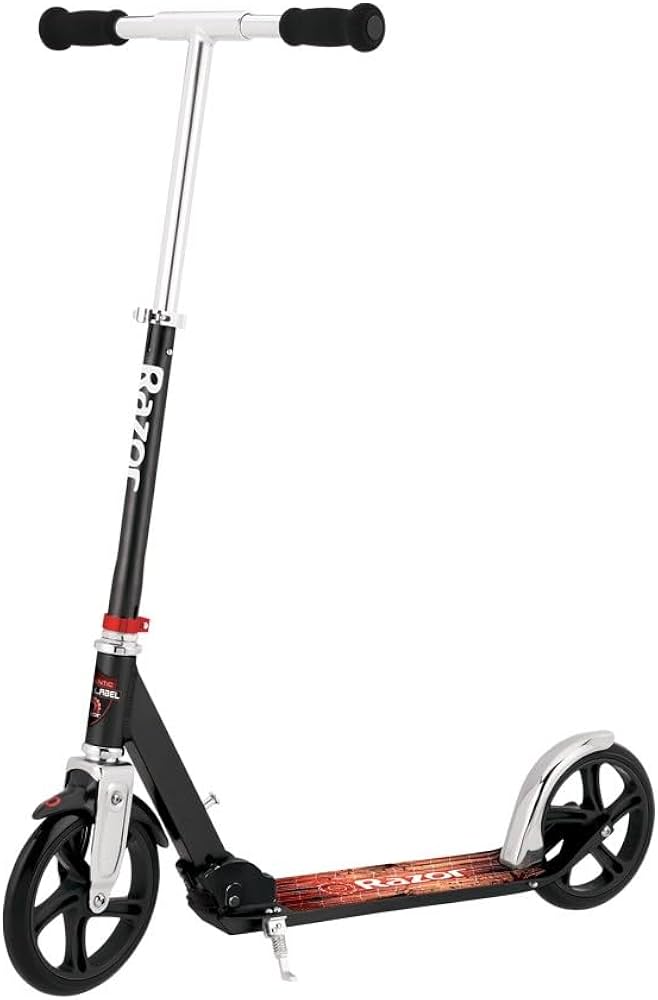
Razor A Kick Scooter
Learning Curve: Easy
$29.99
Difficulty: 1/5
Why Great for Beginners:
Super affordable entry to scooting with classic design that's been trusted for years. Lightweight and folds easily for kids or petite adults starting out. Perfect first test without big spend.
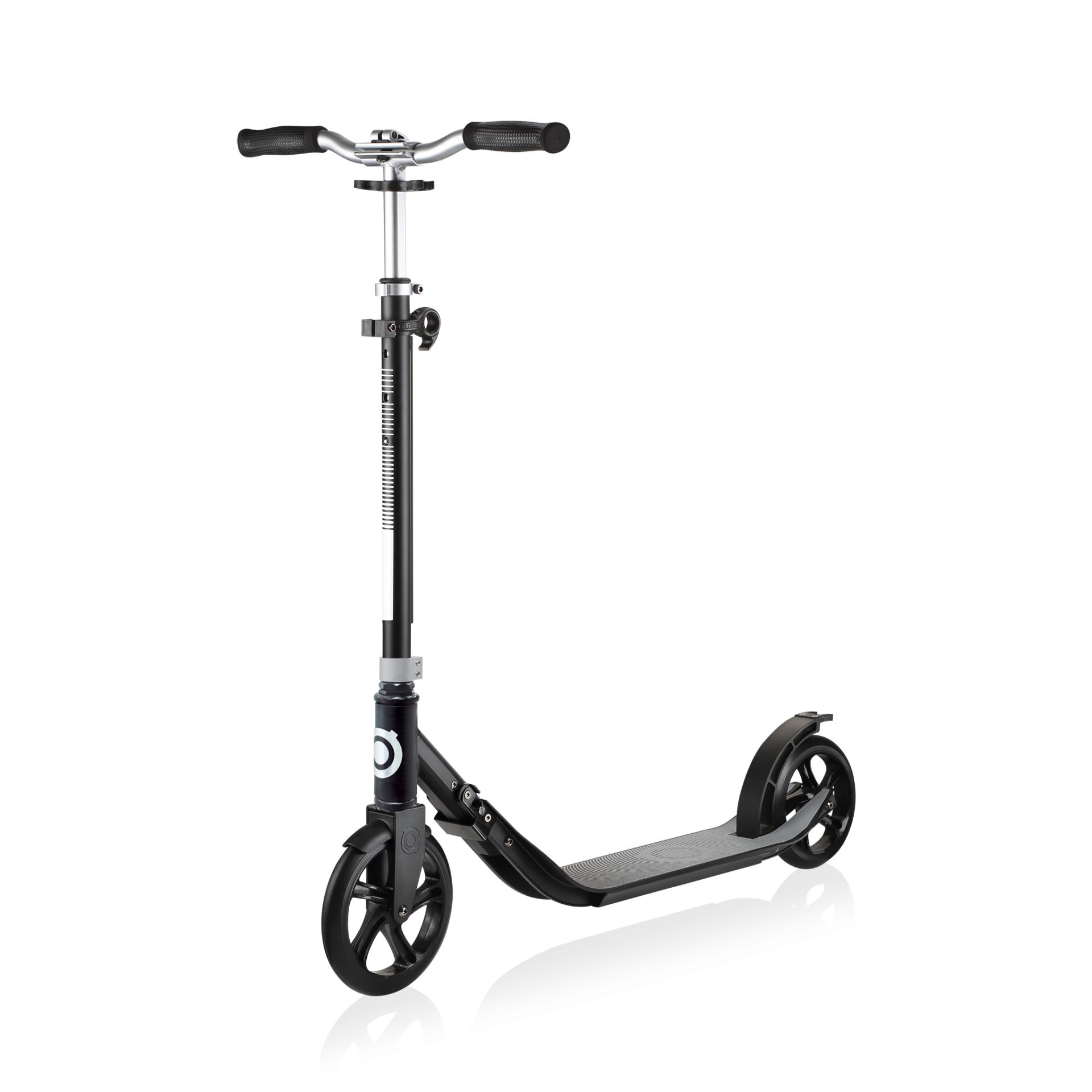
Smooth Swiss engineering with premium wheels that glide effortlessly – ideal for learning balance fast. Adjustable for growing riders, forgiving on sidewalks. Most beginners' favorite for value.
One-second fold and stemless design for max stability without bars getting in way. Great brake and wheels handle beginners' pushes well. Quick to master, fun immediately.
Top-tier build with oversized wheels and scooter-grade bearings for bump-free rides. Grows with you via adjustments, built to last years. Invest once, ride forever.
A kick scooter is a simple stand-up ride powered by your foot pushes – no batteries, just fun gliding. Recreational ones for beginners are commuter-style: upright posture, handlebars for control.
Types: Kids (small wheels, low decks), adult recreational (bigger wheels, adjustable), stunt (narrow decks – avoid!). Best for beginners: Adult recreational with 200mm+ wheels for stability on paths/parks.
Expect short 10-20 minute rides at first, building balance like biking. 'Beginner-friendly' means forgiving wobbles, easy assembly (under 5 mins), and no tools needed. Ignore 'pro-grade' hype – it's for tricks.
🔧 Essential Accessories for Beginners
Razor Youth Helmet
⚠️ Essential
$24.99
When to buy:
Day one
Falling is part of learning – helmet protects your head on first wobbles. Safety first, builds confidence to practice. Adjustable fit for all.
Budget: Cheap tests interest. Recommended balances fun/durability. Premium for heavy use. Red flags: Under 220lb limit, tiny wheels (<8"), heavy (>12lbs), no fold.
💰 Budget Guide for Beginners
200+
Advanced entry - lightweight alloys, but overkill for pure beginners
50 - $100
Sweet spot - stable, adjustable, great value for daily rides, lasts 1-2 years
Entry level - basic fun to try scooting, lightweight but may wobble on bumps, upgrade in 6 months
⚠️ Common Beginner Mistakes to Avoid
Beginners grab cheapest Amazon find, then complain it wobbles or snaps. Why? False economy – $20 toy vs $60 durable. Skip pads thinking 'I'm careful,' regret first spill.
Avoid: Read height/weight specs. Test fold/stability in reviews. Buy kit with scooter + safety gear. Vets say: 'Spend $70 once vs replace thrice.'
×Buying kids' scooter as adult (too small, unstable)
×Ignoring weight limit (breaks under you)
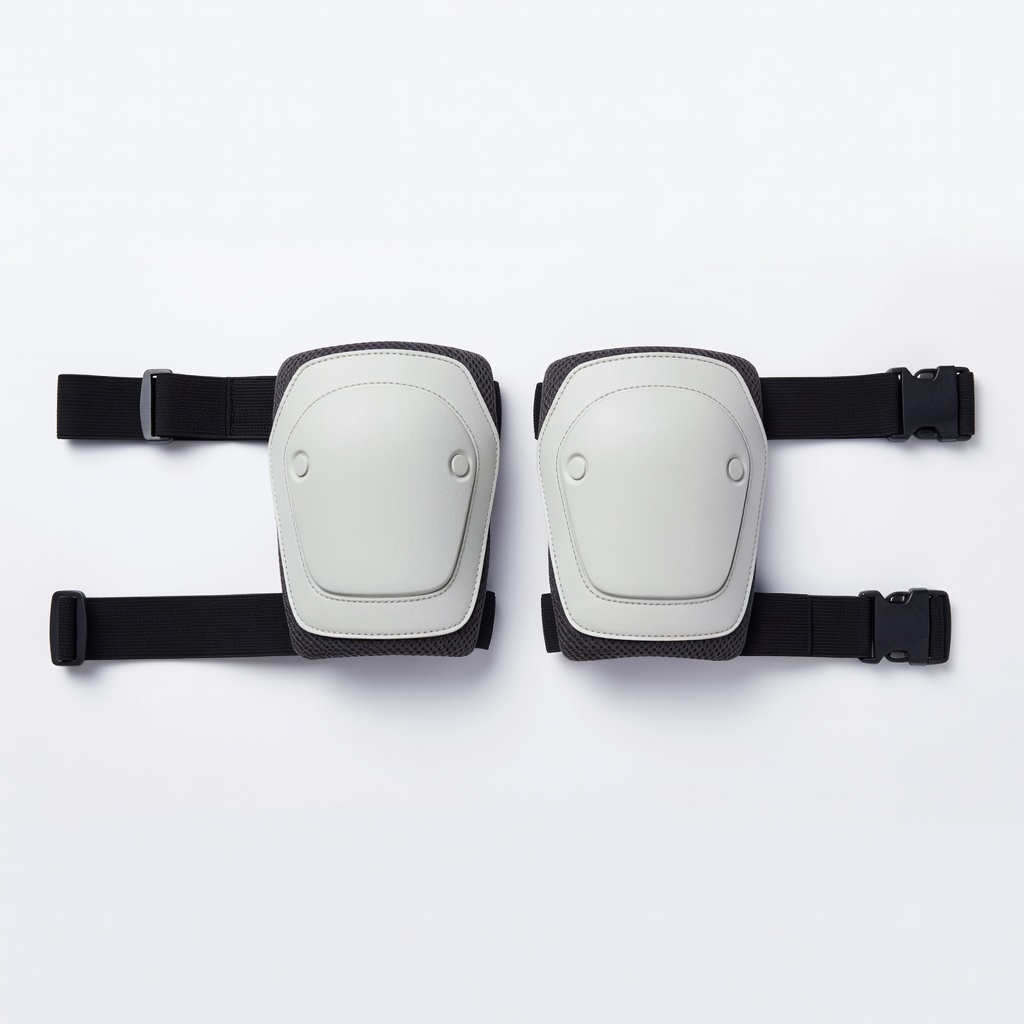
×Skipping helmet/pads (injuries kill motivation)
×Choosing tiny wheels (bumps everywhere)
×No-adjustable height (outgrow fast)
×Cheap no-name (rusts, poor brakes)
×Overbuying stunt model (narrow, tippy)
📈 Your Progression Path: Beginner to Intermediate
Start: Flat pavement, short pushes, focus balance/braking (1-2 weeks). Practice turns, longer glides.
Build: Hills, faster speeds (1 month). Outgrown signs: Crave tricks, rough terrain, current too small.
Upgrade at 3-6 months: Stunt deck or electric. Most stay beginner 6-12 months, then intermediate freeride.