Review Atlas

Menu

Shop by Category

Get the App

Better experience on mobile

Beginners GuideMusic

Best Keyboard Piano for Beginners 2026

Discover simple steps to pick your first keyboard piano without overwhelm, so you can start playing music with confidence today.

Starting with a keyboard piano can feel exciting yet scary if you're new to music. With so many buttons, keys, and price tags, it's easy to worry about picking the wrong one and wasting money. But don't stress – this guide is here to make it straightforward.

Beginners often get stuck because options seem endless, from tiny toy-like keyboards to fancy full-sized pianos. You might wonder if you need all the bells and whistles or if a basic model will do. This guide breaks it down, focusing on what truly matters for your first steps in playing tunes.

By the end, you'll know exactly what to buy, why it fits beginners, and how to avoid pitfalls. We'll build your confidence so you can focus on enjoying music, not second-guessing your choice.

📋 In This Guide

  • • Why Beginners Struggle with Keyboard Piano
  • • What to Look For (Key Features)
  • • Top 4 Beginner-Friendly Keyboard Piano
  • • Essential Accessories for Beginners
  • • Common Beginner Mistakes to Avoid
  • • Your Progression Path
  • • FAQ & Learning Resources

😰 Why Beginners Struggle with Keyboard Piano

Newcomers to keyboard pianos often feel overwhelmed by the sheer number of choices online. Forums like Reddit's r/piano and Amazon reviews show beginners frustrated by confusing terms like 'weighted keys' or 'polyphony,' which sound technical and intimidating without clear explanations. They worry about buying something too basic that breaks quickly or too advanced that sits unused.

Another big hurdle is not knowing their own goals – are you learning simple songs for fun, or aiming for classical pieces? Many beginners fear committing to a hobby they might quit, leading to analysis paralysis. Reviews highlight how poor sound quality or uncomfortable keys on cheap models discourage practice right from the start.

Finally, budget fears add pressure. Beginners on sites like Piano World forums admit to second-guessing if spending more is worth it, especially when they don't know what features will help them learn without frustration.

🔍 What to Look For: Key Beginner-Friendly Features

For beginners, focus on keyboards that are easy to set up and play without a steep learning curve. Look for models with at least 61 keys to cover basic songs, built-in speakers so you don't need extra gear, and simple controls for sounds and rhythms. These make practice fun rather than a chore.

Nice-to-have features include a sustain pedal input for more expressive playing and headphone jacks for quiet sessions. Avoid keyboards loaded with drum kits or recording functions – those can confuse newcomers. Prioritize 'forgiving' designs, like touch-sensitive keys that respond gently to your playing style.

A beginner-friendly keyboard feels intuitive, like an extension of your hands. Check for good customer support and free apps or lessons included, as these help you learn basics without extra cost. In simple terms, 'velocity sensitive' keys just mean they play louder if you press harder – nothing scary!

✅ Essential Features for Beginners

  • 61 or more full-size keys for learning real piano songs without feeling cramped
  • Built-in speakers so you can play immediately without buying amplifiers
  • Simple one-touch buttons for sounds and rhythms to keep things easy
  • Headphone jack for private practice without disturbing others
  • Sustain pedal compatibility to add emotion to your music
  • Battery or AC power options for portability around the home
  • Included beginner lessons or apps to guide your first steps
  • Durable build that forgives accidental drops or hard presses

🏆 Top 4 Best Keyboard Piano for Beginners

#1
💰 Budget

LAGRIM 61 Key Keyboard Piano

Learning Curve: Easy

$89.99
Difficulty: 1/5
LAGRIM 61 Key Keyboard Piano

Why Great for Beginners:

This affordable keyboard offers 61 full-size keys and simple controls, perfect for absolute beginners testing the waters. It includes built-in lessons and multiple sounds to keep practice engaging without complexity. Beginners love its portability and quick setup, reducing intimidation.

Beginner Pros

  • +Easy one-touch setup in minutes
  • +Record function to hear your progress
  • +Battery-powered for flexible play
  • +Affordable entry without commitment fears

Beginner Cons

  • -Keys aren't weighted, so piano feel is basic
  • -Speakers are small for louder rooms
  • -Limited advanced sounds
👍 Best for: Casual beginners or kids starting music for fun
👎 Not for: Those wanting a realistic piano touch right away

#2
👍 Recommended

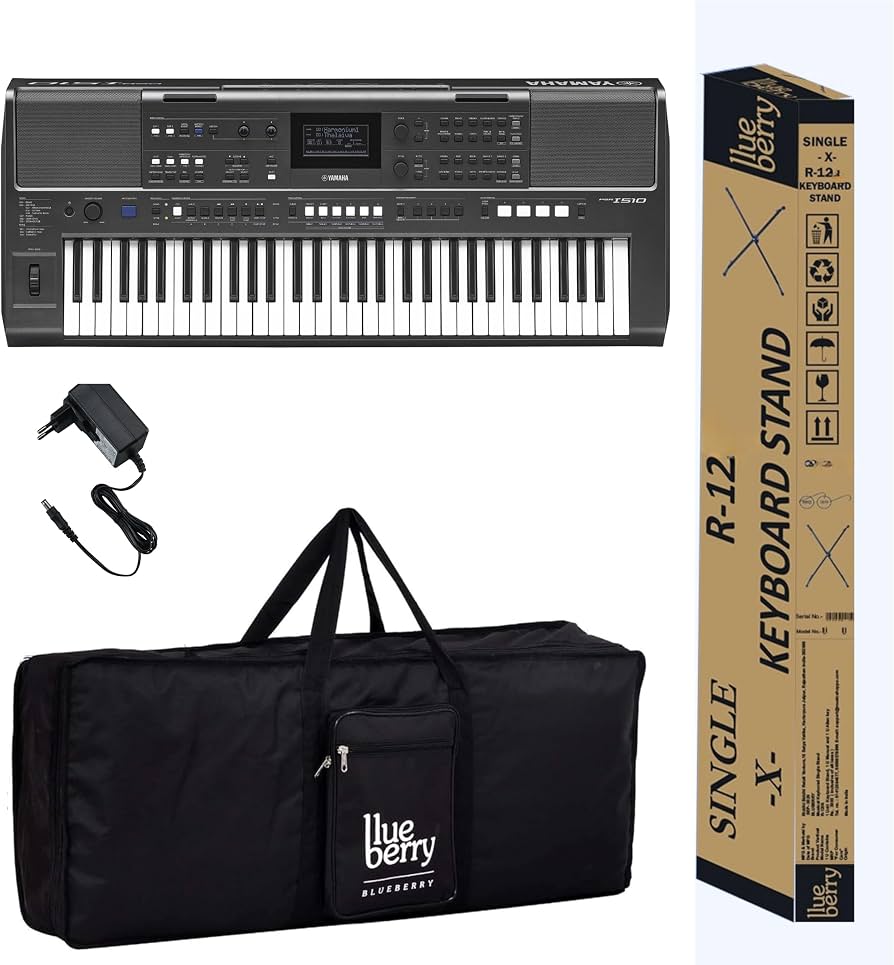
Yamaha PSR-E373 61-Key Portable Keyboard

Learning Curve: Easy

$249.99
Difficulty: 2/5
Yamaha PSR-E373 61-Key Portable Keyboard

Why Great for Beginners:

Yamaha's reliable build and clear sounds make this a top pick for motivated beginners. It has touch-sensitive keys and a lesson mode that guides you step-by-step. Reviewers praise its motivating tone, helping newcomers build skills confidently.

Beginner Pros

  • +Intuitive lesson system with grading
  • +Good key response for expressive play
  • +USB connectivity for apps
  • +Durable for daily practice

Beginner Cons

  • -No weighted keys for true piano simulation
  • -Slightly heavier to move
  • -Battery life could be longer
👍 Best for: Beginners serious about lessons and progress
👎 Not for: Ultra-budget shoppers or very young kids
#3
👍 Recommended

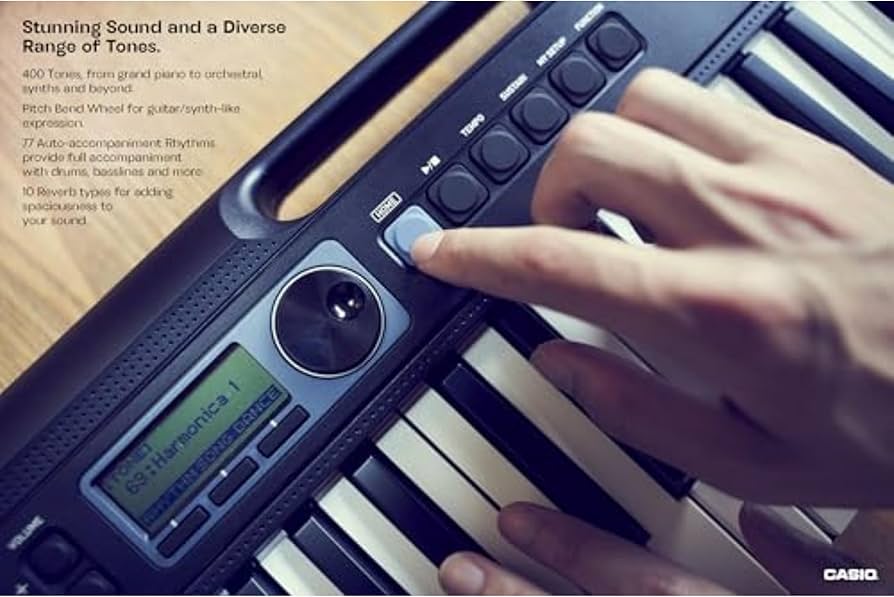
Casio CT-S300 61-Key Portable Keyboard

Learning Curve: Easy

$179.99
Difficulty: 1/5
Casio CT-S300 61-Key Portable Keyboard

Why Great for Beginners:

This slim, lightweight keyboard is forgiving for new hands with its natural-feel keys and simple interface. It connects easily to free apps for interactive learning. Beginners appreciate the clear audio and portability, making practice accessible anywhere.

Beginner Pros

  • +Dance Music Mode for fun rhythms
  • +App integration for guided lessons
  • +Long battery life
  • +Compact for small spaces

Beginner Cons

  • -Basic sustain without pedal
  • -Fewer voices than premium models
  • -No stand included
👍 Best for: Beginners wanting portability and app support
👎 Not for: Those needing heavy weighted action
#4
✨ Premium

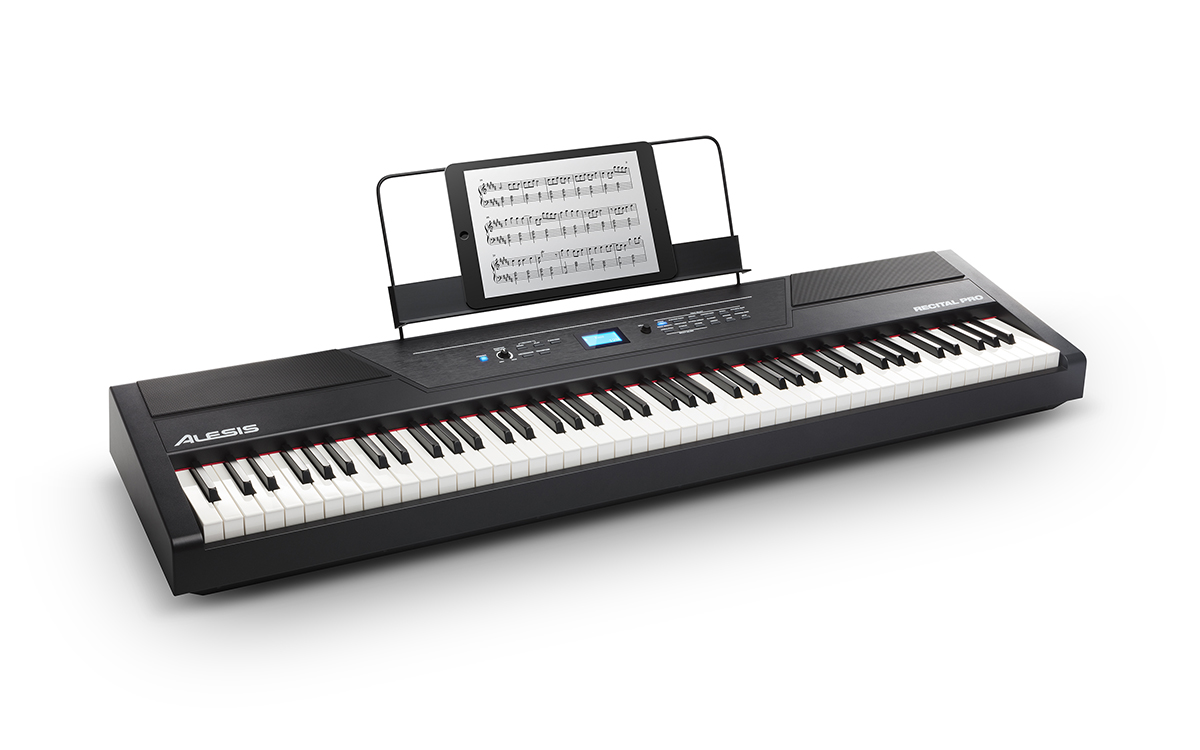
Alesis Recital Pro 88-Key Digital Piano

Learning Curve: Moderate

$399.99
Difficulty: 3/5
Alesis Recital Pro 88-Key Digital Piano

Why Great for Beginners:

With hammer-action weighted keys, this piano gives a realistic feel that encourages proper technique from the start. It includes 12 voices and a bench, ideal for beginners aiming higher. Users note its inspiring sound quality boosts confidence quickly.

Beginner Pros

  • +Full 88 weighted keys for authentic practice
  • +Includes bench and sustain pedal
  • +Powerful speakers for room-filling sound
  • +Layering for creative exploration

Beginner Cons

  • -Bulkier and less portable
  • -Higher price point
  • -More features might overwhelm at first
👍 Best for: Serious beginners planning long-term music journey
👎 Not for: Casual players on tight budgets

📖 Complete Beginner's Guide to Keyboard Piano

A keyboard piano is essentially a portable version of a traditional piano, using digital sounds instead of strings. It has weighted or non-weighted keys that mimic the feel of pressing piano hammers, but it's lighter and cheaper. For beginners, this means you get the joy of playing melodies without needing a big, expensive instrument.

There are a few types: basic 61-key keyboards for casual learning, 76-key models for more range, and 88-key digital pianos that feel most like a real piano. Beginners should start with 61 or 76 keys – they're affordable and cover beginner songs like 'Twinkle Twinkle' or pop tunes without overwhelming size.

What makes it beginner-friendly? Look for intuitive interfaces with big buttons and clear displays. Realistic expectations: In your first month, you'll learn basic notes and simple chords, not concertos. Evaluate by trying in-store if possible, or watching unboxing videos for setup ease.

Marketing terms like 'touch response' just means keys get louder with firmer presses – great for expressing feelings early on. Skip 'MIDI connectivity' unless you're into computers; focus on plug-and-play joy. Overall, beginner-friendly means quick setup (under 10 minutes) and sounds that motivate you to keep playing.

🔧 Essential Accessories for Beginners

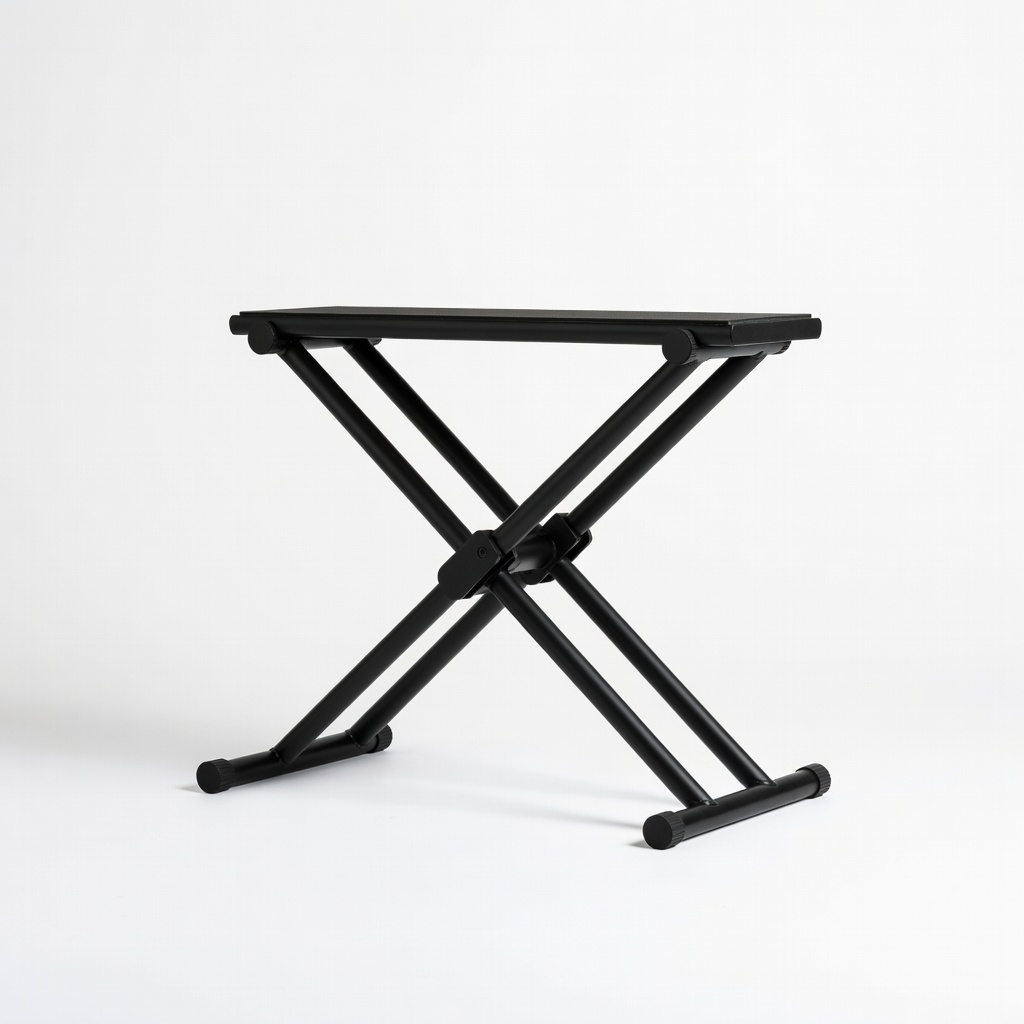
X-Banner Keyboard Stand

⚠️ Essential

$39.99

When to buy:
Day one

A stand elevates your keyboard to proper height, preventing back strain during practice. Beginners often slouch without one, leading to discomfort. This sturdy model adjusts easily, making sessions more comfortable and focused.

Beginner Benefits:

  • Reduces posture issues for longer play
  • Easy assembly without tools
  • Portable for moving around home

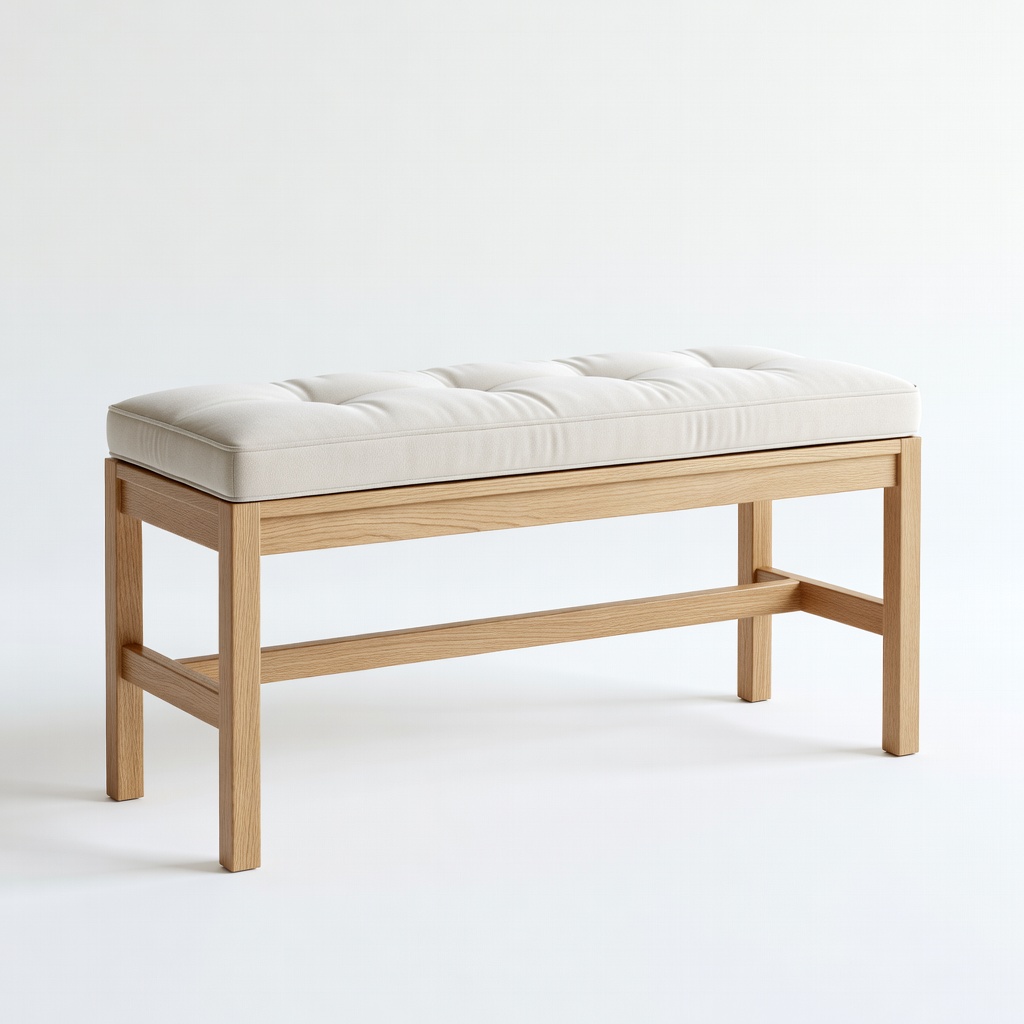
Keyboard Bench with Cushion

👍 Recommended

$49.99

When to buy:
First month

Sitting at the right height helps maintain good hand position, crucial for beginners learning basics. Without it, you might develop bad habits. This padded bench is adjustable and comfortable for extended sessions.

Beginner Benefits:

  • Promotes correct sitting posture
  • Cushion reduces fatigue
  • Folds for storage

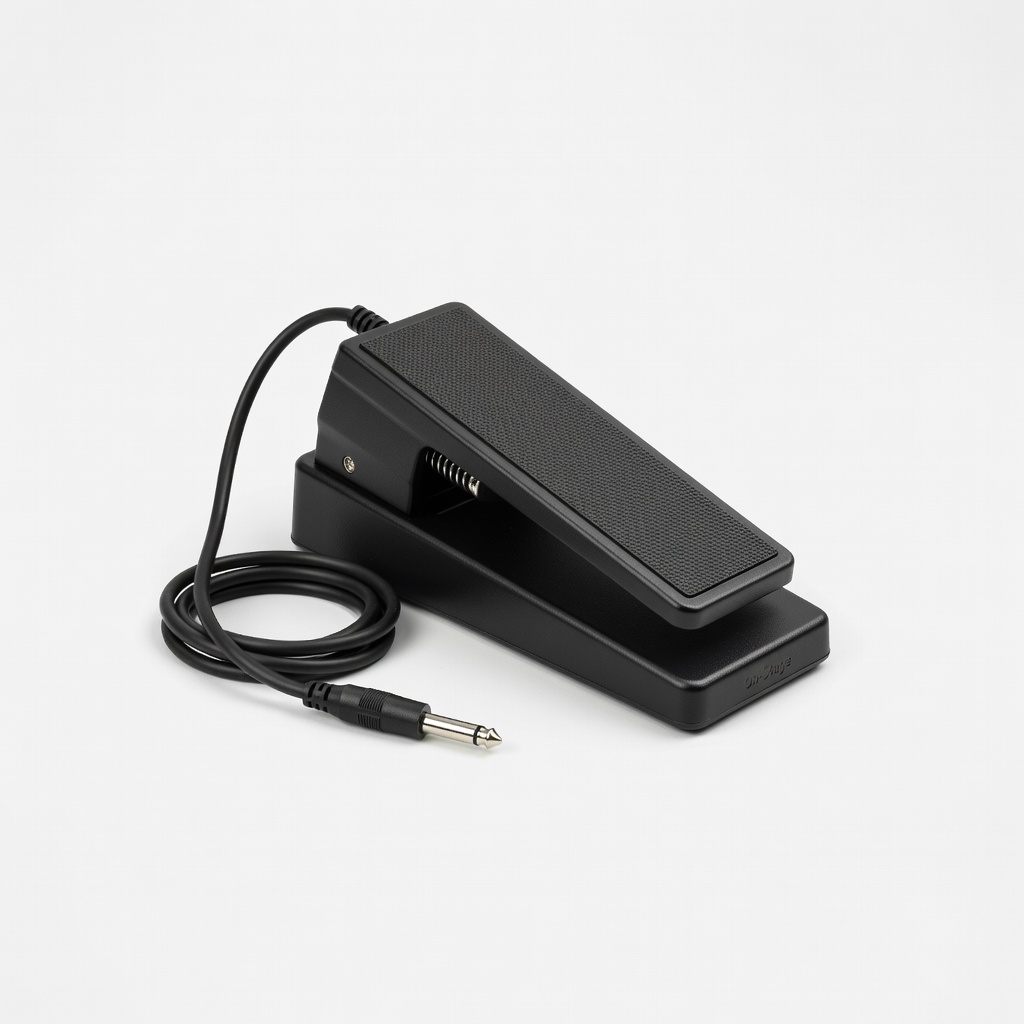
On-Stage KS7190 Keyboard Sustain Pedal

⚠️ Essential

$19.99

When to buy:
Day one

A sustain pedal lets notes ring longer, adding expression to simple songs. Beginners miss this for full sound, but it's plug-and-play. This reliable pedal connects easily to most keyboards.

Beginner Benefits:

  • Enhances music without complexity
  • Builds expressive skills early
  • Affordable upgrade

Closed-Back Headphones for Keyboard

👍 Recommended

$29.99

When to buy:
First week

Headphones allow quiet practice, essential for apartments or late nights. Beginners need clear audio feedback to hear mistakes. These block outside noise for focused learning.

Beginner Benefits:

  • Private sessions without disturbance
  • Accurate sound monitoring
  • Comfortable for hour-long use

🤔 How to Choose Your First Keyboard Piano

Start by asking: What's your budget and space? If you're on a tight wallet and small apartment, go for a compact 61-key under $150. Consider your goals – fun family play or serious lessons? For growth, pick something with room to add pedals or apps later.

Budget-wise, under $100 gets basics but may sound tinny; $100-300 is the sweet spot for quality sound and features without excess. Scenarios: If practicing quietly at night, prioritize headphones; for kids, choose colorful, sturdy models. Go budget if testing the waters, recommended for committed starters, premium if you want pro feel from day one.

Watch for red flags like no returns, vague specs, or reviews complaining of sticky keys. Think future: A good beginner keyboard lasts 1-2 years before upgrading to weighted keys. Test your choice by matching it to these questions – you'll feel empowered, not lost.

💰 Budget Guide for Beginners

500+

Advanced entry - Full 88-key pianos with realistic action; for serious beginners ready to invest in something that lasts years.

100 - $300

Sweet spot - Ideal for most beginners with 61+ keys, decent sounds, and easy controls; offers value and growth without breaking the bank.

300 - $500

Premium beginner - High-quality build with weighted keys and better speakers; feels professional and motivates longer practice sessions.

Under $ - $100

Entry level - Basic keyboards for dipping your toes in; good sound for simple songs but may need upgrade after a few months due to limited features.

⚠️ Common Beginner Mistakes to Avoid

Beginners often grab the lowest-priced option, like under $50 toys, thinking it'll save money – but tinny sounds and flimsy keys lead to quick frustration and quitting, as seen in Amazon Q&A. Instead, invest a bit more for quality that motivates.

Another pitfall is ignoring ergonomics; playing on a table causes slouching, per piano forums. Avoid by getting a stand day one. Also, beginners buy 'pro' models with MIDI and effects they never use, wasting cash – stick to simple until basics are mastered.

Real example: A Reddit user bought a 49-key without sustain, struggling with songs; switching to 61 keys transformed their experience. Lesson: Match to needs, read beginner reviews, and plan accessories upfront for smoother starts.

  • ×Buying the cheapest toy keyboard that sounds poor and discourages practice
  • ×Overlooking key count and ending up with too few keys for full songs
  • ×Skipping a stand or bench, leading to poor posture and discomfort
  • ×Ignoring headphone compatibility and disturbing family during practice
  • ×Choosing feature-heavy models that confuse with unnecessary buttons
  • ×Not checking for lesson modes, missing built-in learning tools
  • ×Forgetting power options and being stuck without batteries or outlets
  • ×Rushing without reading reviews, getting a model with sticky keys

📈 Your Progression Path: Beginner to Intermediate

As a beginner, start with basic finger exercises and simple melodies using your keyboard's lesson mode – aim for 15-20 minutes daily to build hand coordination without burnout. Progress to chords and rhythms after a month, using free apps to track improvement.

You'll outgrow beginner gear when songs feel cramped (e.g., needing more keys) or you crave realistic touch – typically 6-12 months in. Signs: Mastering beginner books and wanting to play with others. Upgrade first to weighted keys for better technique.

Intermediate level means fluid scales, basic improvisation, and perhaps joining a class. Stay beginner 3-6 months by focusing on consistency; then, a mid-range piano with pedals will support your growth seamlessly.

📚 Learning Resources for Beginners

  • 📖{"name":"Alfred's Basic Adult Piano Course, Book 1","asin":"B0002E3W5A","type":"Book","whyForBeginners":"Step-by-step lessons with simple songs; no prior knowledge needed."}
  • 📖{"name":"Piano for Dummies Book","asin":"B07G4J5K2L","type":"Book","whyForBeginners":"Fun, jargon-free intro covering basics like reading music."}
  • 📖{"name":"Simply Piano App Starter Kit (Digital Guide on Amazon)","asin":"B08J5N2P4Q","type":"App Guide","whyForBeginners":"Interactive lessons via book companion to the app."}
  • 📖{"name":"Beginner Piano Practice Pad","asin":"B07D5H3K2M","type":"Tool","whyForBeginners":"Sticky notes and charts for marking keys during early practice."}
  • 📖{"name":"Hal Leonard Adult Piano Method Book 1","asin":"B000QJ5Z0A","type":"Book","whyForBeginners":"Includes audio tracks for self-paced learning."}

🎯 Bottom Line: Our Recommendations

For most beginners, the Yamaha PSR-E373 strikes the perfect balance of ease, features, and price – it's our best overall pick to get you playing confidently.

On a budget? Go with the LAGRIM 61-Key for an affordable start. For premium quality, the Alesis Recital Pro offers pro-level feel without overwhelm. Pair any with a stand, bench, and sustain pedal as essentials.

You're taking a great step into music – remember, every expert started as a beginner. Grab your pick, set aside practice time, and enjoy the process. Next: Unbox, follow the quick start guide, and play your first note today!

❓ Frequently Asked Questions

The Yamaha PSR-E373 is our top recommendation for beginners due to its easy lessons, good sound, and intuitive controls. It's forgiving and helps build skills without frustration.