7 Best Best Keyboard Piano Stand for beginners in 2026: Tested &…
Everything beginners need to know to choose their first keyboard piano stand with confidence.
Choosing your first keyboard piano stand can feel overwhelming with so many options, but it doesn't have to be. A good stand provides stability, comfort, and proper height for playing, which is essential for learning and enjoying your instrument. This guide simplifies everything, helping you find a stable, adjustable stand that fits your keyboard and budget. We'll walk you through key features, common mistakes, and top picks so you can start playing with confidence.
📋 In This Guide
• Why Beginners Struggle with Keyboard Piano Stand
• What to Look For (Key Features)
• Top 5 Beginner-Friendly Keyboard Piano Stand
• Essential Accessories for Beginners
• Common Beginner Mistakes to Avoid
• Your Progression Path
• FAQ & Learning Resources
😰 Why Beginners Struggle with Keyboard Piano Stand
Beginners often get confused by technical terms like X-frame, Z-stand, or weight capacity. They fear buying a stand that is wobbly, doesn't fit their keyboard, or is too difficult to assemble. The sheer number of options—from budget to premium—can be paralyzing. Many also overlook the importance of height adjustability and stability, leading to poor posture and frustration. This guide cuts through the noise and gives you clear, simple criteria to evaluate any stand.
🔍 What to Look For: Key Beginner-Friendly Features
For a beginner, the most important features are stability, adjustability, and compatibility. A sturdy stand prevents your keyboard from wobbling while you play. Height adjustment lets you sit or stand comfortably, reducing strain. Make sure the stand can support your keyboard's weight (most 88-key keyboards weigh 20-50 lbs) and has non-slip grips to keep it in place. Foldable designs are great if you need to move your setup. You don't need complex locking mechanisms or extra tiers—stick to the basics for your first stand.
✅ Essential Features for Beginners
•Adjustable height – ensures ergonomic playing position
•Sturdy construction – prevents wobbling and accidents
•Rubber grips – protect keyboard and provide grip
•Foldable design – easy storage and portability
•Weight capacity – must support your keyboard's weight
•Quick setup – no tools required assembly
🏆 Top 5 Best Keyboard Piano Stand for Beginners
#1
💰 Budget
Amazon Basics X-Frame Keyboard Stand
Learning Curve: Easy
$39.99
Difficulty: 1/5
Why Great for Beginners:
Affordable and lightweight, this X-frame stand is easy to set up and fold away. It's perfect for beginners with lighter keyboards (up to 40 lbs) who need a no-frills solution for home practice.
✓ Beginner Pros
+Very affordable
+Lightweight and portable
+Easy no-tool assembly
+Foldable for storage
✗ Beginner Cons
-Can wobble with heavy keyboards
-Plastic locks may wear over time
-Limited height adjustment
👍 Best for: Beginners on a tight budget with a 61-key or smaller keyboard
👎 Not for: Those with 88-key weighted keyboards or who need maximum stability
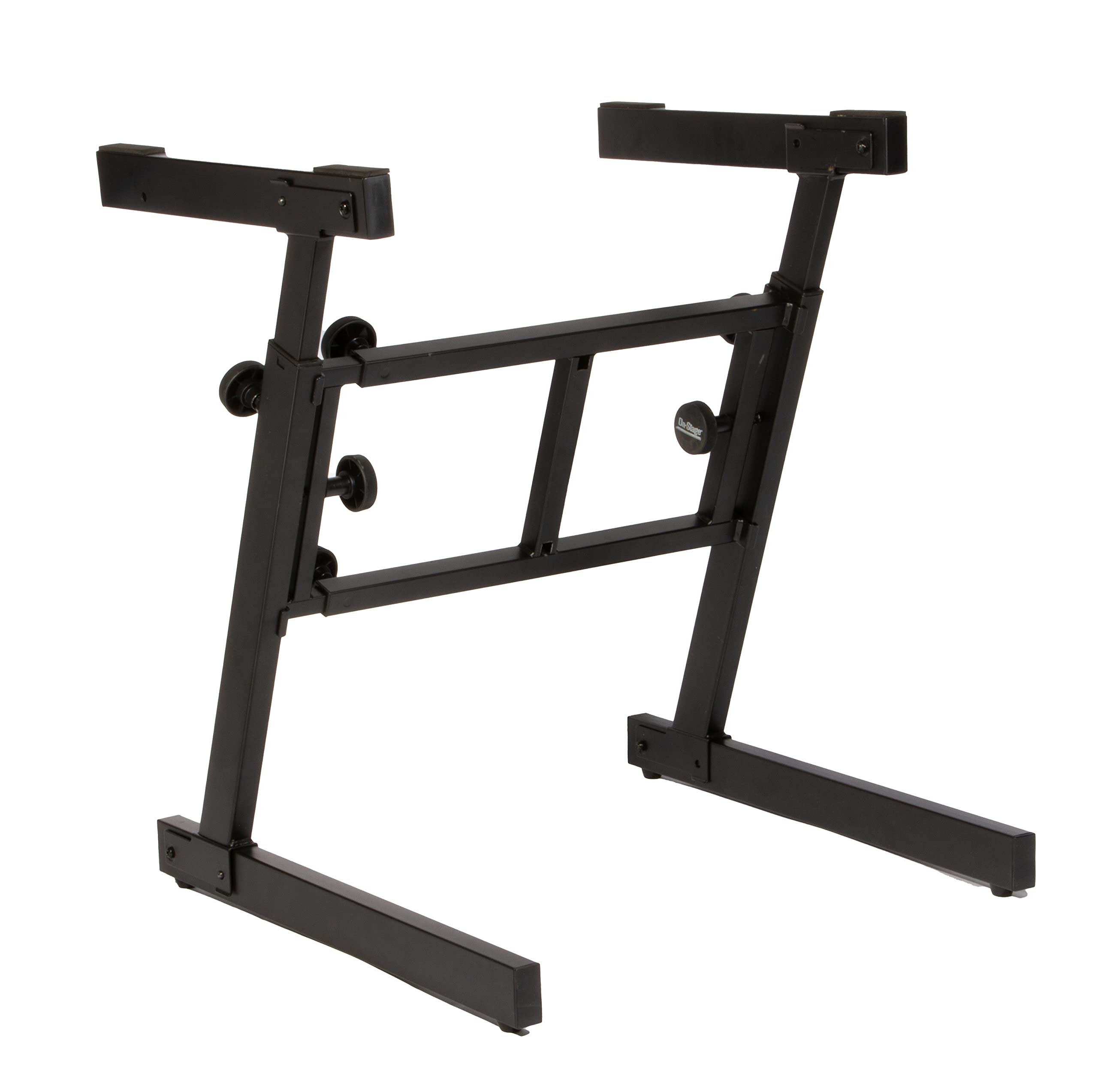
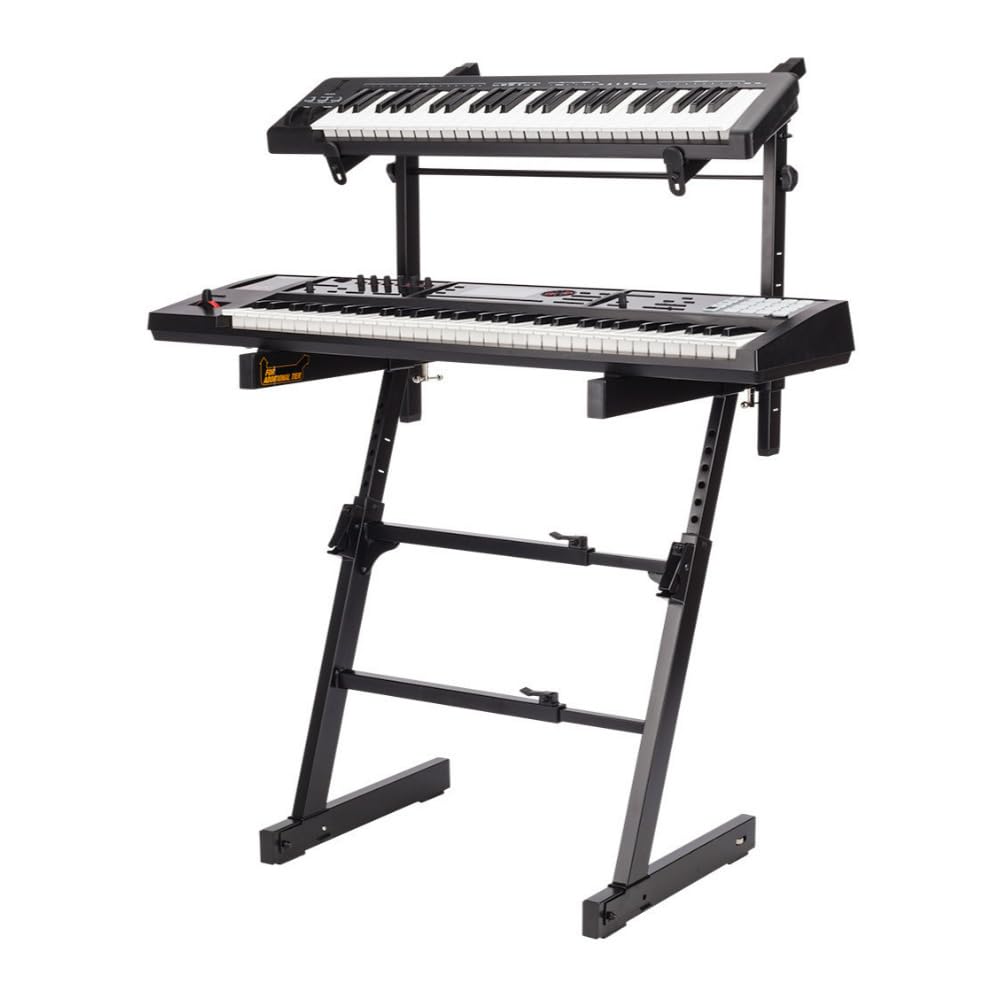
The Z-frame design offers excellent stability without sacrificing portability. It supports up to 200 lbs, so any beginner keyboard is safe. Height is quickly adjustable via a locking knob, and it folds flat for storage. A perfect balance of quality and cost.
✓ Beginner Pros
+Very stable Z-frame
+Supports heavy keyboards
+Quick height adjustment
+Folds flat
+Non-slip rubber grips
✗ Beginner Cons
-Slightly heavier than X-stands
-Assembly requires a few bolts
👍 Best for: Most beginners with any size keyboard who want a reliable, long-lasting stand
👎 Not for: Those who need ultra-light portability for gigging
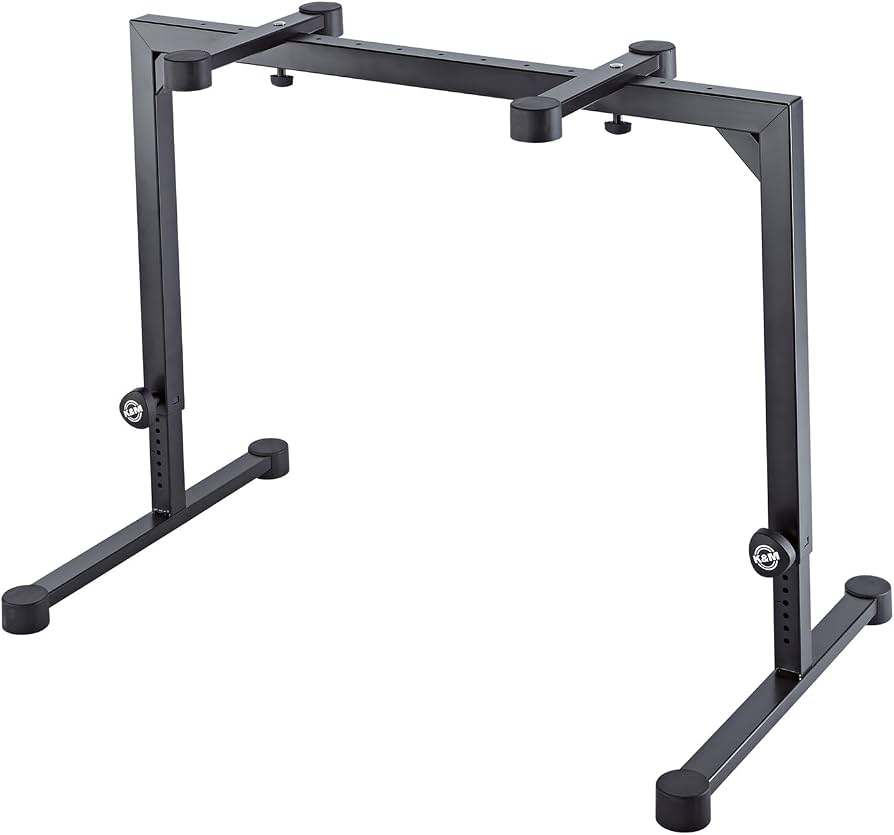
German engineering at an accessible price. This Z-stand is built like a tank yet folds easily. Height is steplessly adjustable with a simple clamp. It's forgiving of beginner mistakes—super stable even with heavy keyboards. A great investment for serious learners.
✓ Beginner Pros
+Extremely stable
+Stepless height adjustment
+High-quality materials
+Folds compactly
✗ Beginner Cons
-More expensive than entry-level
-Heavier for carrying
👍 Best for: Beginners willing to spend a bit more for excellent stability and build quality
The Double X design offers more stability than a single X-frame while remaining portable. It has a unique auto-lock system that prevents collapse. Good for beginners who want the portability of an X but with added security.
✓ Beginner Pros
+Auto-lock safety feature
+More stable than standard X-stand
+Lightweight and portable
+Easy setup
✗ Beginner Cons
-Still not as stable as Z-stands
-Height adjustment not as fine
👍 Best for: Beginners who need portability but want extra security against tipping
👎 Not for: Those who play heavy-weighted keyboard and want ultimate stability
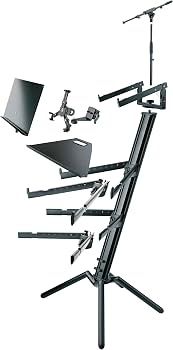
The Spider Pro is the gold standard for stability and versatility. Its unique tripod base ensures no wobble, and the arms adjust independently to fit any keyboard. While pricey, beginners who invest in this will never need another stand. Exceptionally forgiving and easy to adjust.
✓ Beginner Pros
+Unmatched stability
+Independent arm adjustment
+Folds compactly
+Very high weight capacity (220 lbs)
✗ Beginner Cons
-Expensive
-Heavier than other stands
-Overkill for simple home use
👍 Best for: Serious beginners with larger keyboards who want a professional-grade stand from day one
👎 Not for: Budget-conscious beginners or those with small keyboards
📖 Complete Beginner's Guide to Keyboard Piano Stand
Keyboard piano stands come in three main types: X-frame, Z-frame, and table-top. X-frame stands are the most common and budget-friendly, folding flat for portability. However, they can be less stable, especially with heavier keyboards. Z-frame stands are more stable and often have a lower center of gravity, making them ideal for home use. Table-top stands are simple, sturdy but not adjustable. For beginners, a quality Z-frame or a sturdy X-frame with safety locks is best. Realistic expectations: a $30 stand might wobble, while a $80+ stand will feel solid. Look for stands with non-slip rubber pads and easy height adjustment. Avoid the cheapest options if you have a full-size 88-key keyboard.
🤔 How to Choose Your First Keyboard Piano Stand
Ask yourself: Do you need portability? For home practice, a Z-frame stand offers stability. If you plan to move it often, a lightweight X-frame with locking mechanisms works. What's your budget? Under $50 gets a basic X-frame; $50-$100 delivers a reliable X or Z-stand. Over $100 gets premium stability and features. Also consider your keyboard size: 61-key keyboards fit almost any stand, while 88-key need a stand with wide enough arms. Red flags: stands with plastic locking parts, no rubber grips, or flimsy legs. Always check weight capacity—if it's close to your keyboard's weight, go higher.
💰 Budget Guide for Beginners
200+
Professional entry – heavy-duty stands for serious beginners or gigging musicians. Overbuilt and often unnecessary for most learners.
50 - $100
Sweet spot – offers solid X-frame or basic Z-frame stands. Best value for most beginners, with better stability and adjustability.
100 - $200
Premium beginner – high-quality Z-frame stands with excellent stability, usually from trusted brands. Won't outgrow quickly.
Under $ - $50
Entry level – typically X-frame stands. Good for lightweight keyboards and occasional use, but may wobble with heavier instruments.
📈 Your Progression Path: Beginner to Intermediate
Start with a budget or recommended stand (like the On-Stage KS7350). Focus on learning the basics without worrying about gear. After 6-12 months, you'll notice if the stand feels wobbly or height adjustments are limited. That's when you can upgrade to a premium stand. The Spider Pro is a lifelong investment. As you progress, you may also want a double-tier stand if you add a second keyboard. But for most beginners, a good single-tier stand is enough for years. Signs you've outgrown: the stand doesn't feel solid when you play expressively, or you need more height settings.
🎯 Bottom Line: Our Recommendations
For most beginners, the On-Stage KS7350 Z-Stand offers the best balance of stability, price, and ease of use. If you're on a tight budget, the Amazon Basics X-Frame gets the job done, but upgrade soon. For those who want the best from day one, the K&M Spider Pro is unbeatable. Don't forget an adjustable bench and a sustain pedal—they're essential. Start simple, enjoy making music, and upgrade only when needed. Happy playing!
❓ Frequently Asked Questions
The On-Stage KS7350 Z-Styled Stand is our top recommendation. It's stable, adjustable, foldable, and reasonably priced. It supports up to 200 lbs, so it fits any keyboard you're likely to own as a beginner.
Plan to spend between $50 and $100 for a solid, stable stand. The under-$50 options are often too wobbly. Spending $100-$200 gets you premium stability that will last for years.
Beginners should prioritize: adjustable height, stable construction (Z-frame or double X), rubber grips to protect the keyboard, and enough weight capacity for your specific keyboard.
The Amazon Basics X-Frame is the easiest to assemble and use—no tools, folds flat. However, it's less stable. For a good balance, the On-Stage KS7350 is also very easy to set up with just a few bolts.
Essential: an adjustable bench and a sustain pedal. Highly recommended: a dust cover and a padded bag if you move your keyboard. A music stand is optional if your keyboard has a built-in rest.
Start by checking your keyboard's weight and size. Then decide if you need portability. For home use, a Z-stand is best. For occasional moving, a sturdy X-frame with locks works. Set a budget of $50-$100 for a good stand.
Most stands are easy to assemble with basic tools (screwdriver). X-frames often require no tools. Z-frames might need a few bolts. Follow the manual and you'll have it done in 15-30 minutes.
Common mistakes: buying too cheap (wobbly), ignoring weight capacity, not getting a bench, forgetting to check height adjustability, and buying a stand that's too small for their keyboard.
Yes, a sturdy table at the right height can work, but it's not adjustable and may not be comfortable. A proper stand is better for ergonomics and portability.
When seated, your forearms should be parallel to the floor, wrists straight. That typically means the keyboard's white keys are about 27-28 inches from the floor. Most adjustable stands cover this range.