7 Best Best Keyboard (Musical) for beginners in 2026: Tested & R…
Everything beginners need to know to choose their first digital piano with confidence
Choosing your first keyboard or digital piano can feel overwhelming. With dozens of models, confusing specs like weighted keys and polyphony, and price tags ranging from $100 to over $1,000, it's easy to worry about making the wrong choice. This guide cuts through the noise and helps you find a keyboard that matches your goals, budget, and skill level. Whether you dream of playing classical pieces, pop songs, or just want to learn for fun, we'll help you start with confidence.
📋 In This Guide
• Why Beginners Struggle with Keyboard (Musical)
• What to Look For (Key Features)
• Top 5 Beginner-Friendly Keyboard (Musical)
• Essential Accessories for Beginners
• Common Beginner Mistakes to Avoid
• Your Progression Path
• FAQ & Learning Resources
😰 Why Beginners Struggle with Keyboard (Musical)
Many beginners struggle because they don't know what features truly matter for learning. Terms like 'touch sensitivity', 'polyphony', and 'MIDI' can be intimidating. Plus, the sheer number of options—from cheap unweighted keyboards to full-size digital pianos—makes comparison difficult. Beginners often fear buying something too basic that they'll outgrow quickly, or too expensive that they might abandon. Without guidance, it's easy to pick a model with uncomfortable keys or limited sound quality, which kills motivation early on.
🔍 What to Look For: Key Beginner-Friendly Features
As a beginner, prioritize features that make practice enjoyable and progress easy. The most important is weighted keys (or at least semi-weighted) that mimic an acoustic piano's resistance. This builds proper finger strength and technique. Next, ensure the keyboard has touch sensitivity so louder playing produces louder sound—this is essential for expression. Look for at least 64-note polyphony (more is better) to avoid notes dropping out when playing chords with sustain. A built-in metronome, headphone jack for silent practice, and simple onboard sounds (piano, electric piano, strings) are helpful. Avoid models with too many complex features you won't use as a beginner. Finally, consider portability; a keyboard that's easy to move and set up encourages regular practice.
✅ Essential Features for Beginners
•Weighted keys – mimics acoustic piano feel, builds finger strength
•Touch sensitivity – responds to how hard you play, essential for expression
•88 keys – full range for most piano music, but 61/76 can start
•Headphone jack – allows silent practice without disturbing others
•Built-in metronome – helps develop timing and rhythm
•USB-MIDI – connects to apps and computer for learning tools
•Simple interface – not overwhelmed by hundreds of sounds
🏆 Top 5 Best Keyboard (Musical) for Beginners
#1
💰 Budget
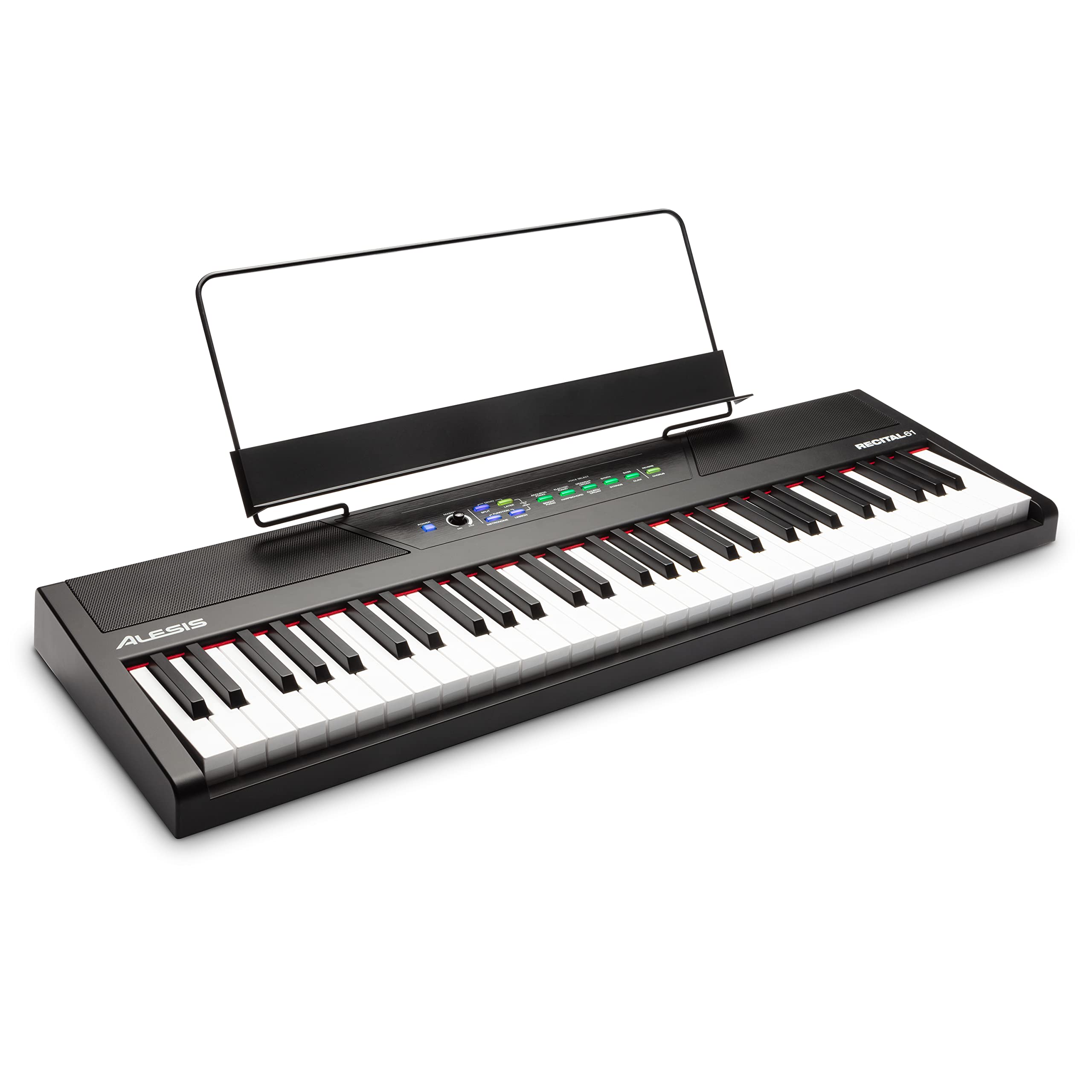
Alesis Recital – 61-Key Beginner Keyboard
Learning Curve: Easy
$159.99
Difficulty: 1/5
Why Great for Beginners:
The Alesis Recital is an affordable 61-key keyboard with semi-weighted keys and touch sensitivity. It includes built-in speakers, a headphone jack, and 12 sounds. Perfect for beginners on a tight budget who want a true piano feel without weighted keys.
✓ Beginner Pros
+Affordable price
+Semi-weighted keys for better feel
+Touch sensitivity included
+Built-in speakers and headphone jack
+Simple interface
✗ Beginner Cons
-Only 61 keys (may limit some pieces)
-Keys not fully weighted
-Limited polyphony (64 notes) may drop notes in complex pieces
👍 Best for: Beginners on a strict budget or children starting piano lessons
👎 Not for: Adults committed to proper piano technique or those with larger hands needing 88 keys
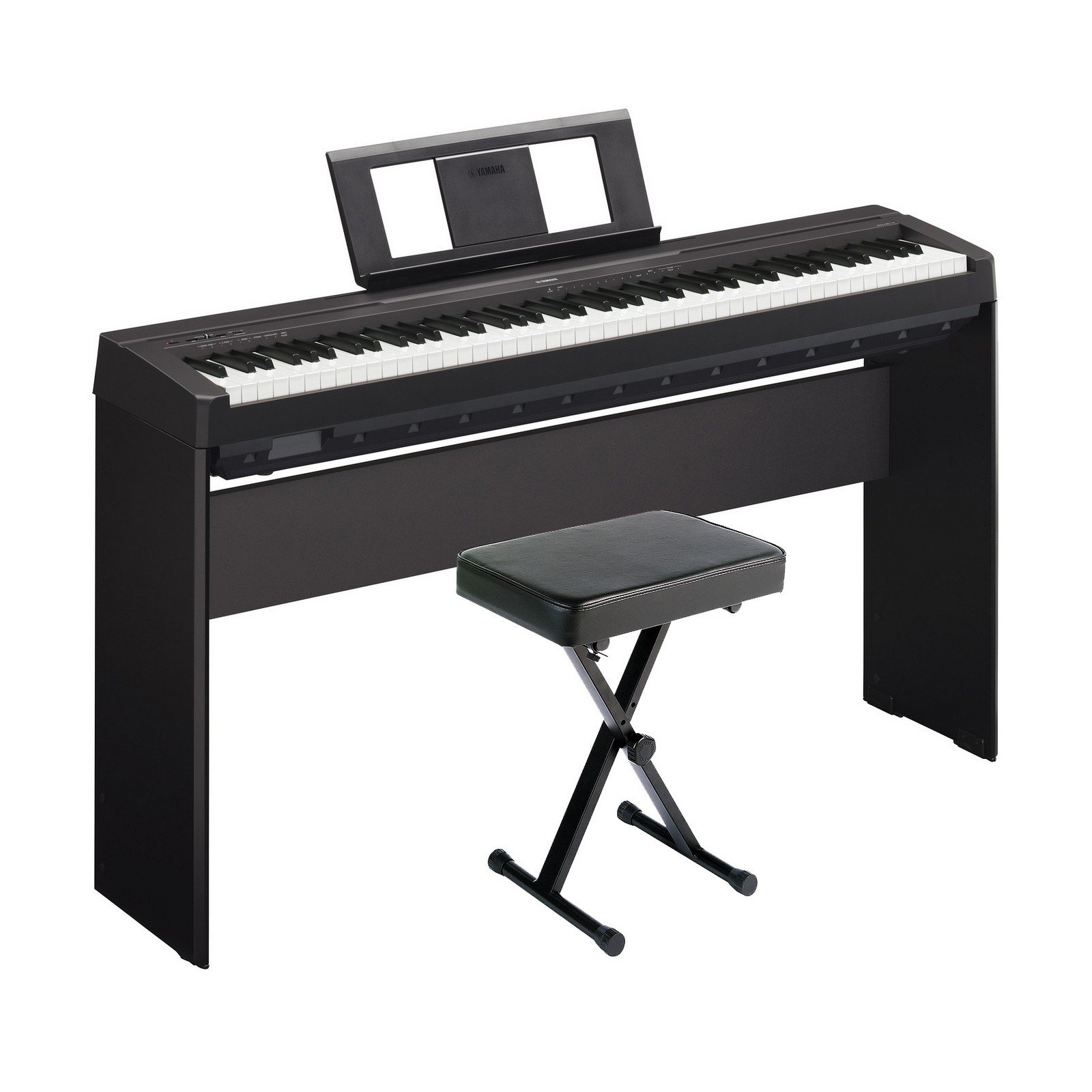
The Yamaha P-45 is the gold standard for beginner digital pianos. It features fully weighted keys with Yamaha's Graded Hammer Standard (GHS) action, excellent piano sound, and a simple layout. It's the most recommended model for serious beginners.
✓ Beginner Pros
+88 weighted keys (GHS) build proper technique
+High-quality piano sound
+Simple, intuitive interface
+Lightweight (25 lbs) and portable
+Headphone jack for silent practice
✗ Beginner Cons
-Only 10 voices (limited variety)
-No built-in recording
-Basic speakers (not very loud)
-No Bluetooth or app connectivity
👍 Best for: Beginners who want a real piano feel and plan to learn long-term
👎 Not for: Those wanting many sounds, Bluetooth, or a very cheap option
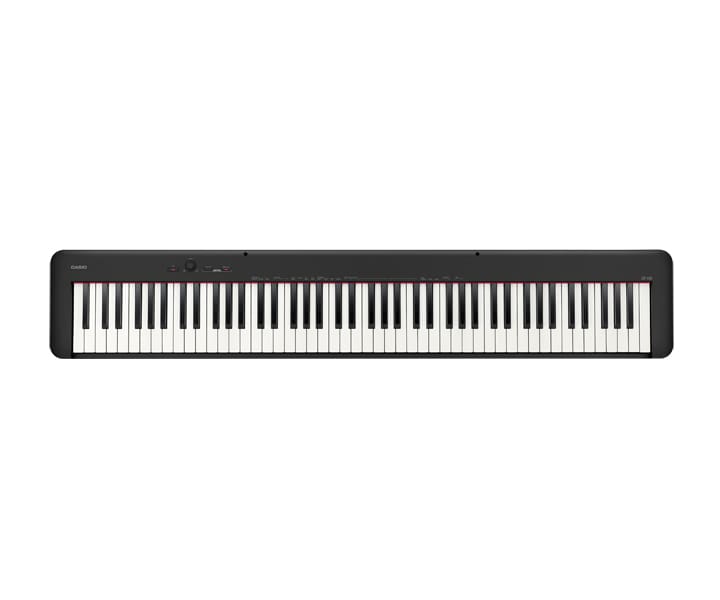
Casio CDP-S100 88-Key Weighted Action Digital Piano
Learning Curve: Easy
$449.99
Difficulty: 2/5
Why Great for Beginners:
The Casio CDP-S100 is a slim, lightweight 88-key digital piano with weighted keys and excellent portability. It offers a great piano sound, built-in metronome, and USB-MIDI. Its compact design is perfect for small spaces.
✓ Beginner Pros
+88 weighted keys (Scaled Hammer Action)
+Very slim and lightweight (24 lbs)
+Great piano tone
+USB-MIDI for apps
+Affordable for a weighted 88-key
✗ Beginner Cons
-Only one reverb type
-No line outputs (headphone only)
-Limited sounds (10 voices)
👍 Best for: Beginners living in small apartments or needing to move the piano often
👎 Not for: Those wanting lots of sounds or built-in recording
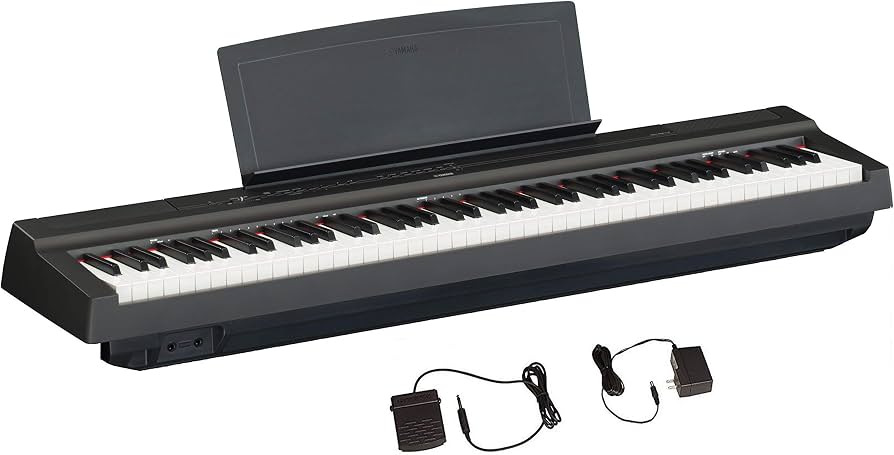
The Yamaha P-125 is a step up from the P-45 with better sound, built-in speakers, and more voices. It features Yamaha's Graded Hammer Standard keys and adds Smart Pianist app connectivity, making learning interactive and fun.
✓ Beginner Pros
+88 weighted GHS keys with improved touch
+Better sound engine (CF Grand Piano)
+Smart Pianist app for learning
+More voices (24) and rhythms
+Built-in speakers with good volume
✗ Beginner Cons
-More expensive
-Still no Bluetooth audio (only MIDI over Bluetooth)
-Slightly heavier (26 lbs)
👍 Best for: Beginners who want premium sound and app integration from the start
👎 Not for: Strict budget buyers or those who prefer simple features
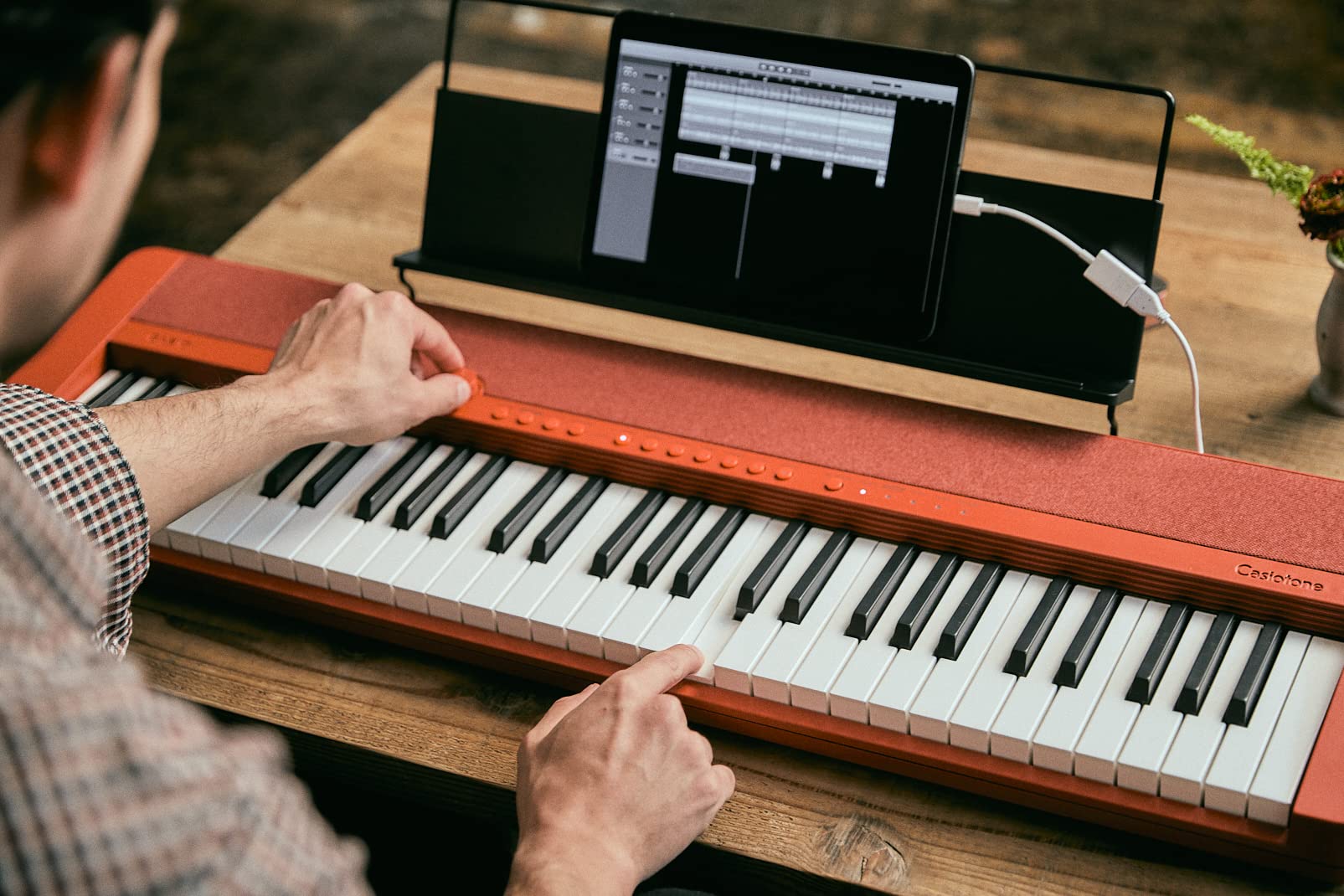
The Casio CT-S1 is a compact 61-key keyboard with touch-sensitive keys and high-quality sounds designed for beginners who want portability and a variety of tones. It's great for casual playing and learning basic songs.
✓ Beginner Pros
+Lightweight and portable (under 10 lbs)
+Touch-sensitive keys (though unweighted)
+Great selection of 61 sounds
+Built-in speakers and headphone jack
+Battery powered for play anywhere
✗ Beginner Cons
-Unweighted keys (not ideal for technique)
-61 keys may limit some pieces
-No weighted action
-Limited polyphony (48 notes)
👍 Best for: Casual beginners, children, or those who need extreme portability
👎 Not for: Serious piano students needing weighted keys and full range
Digital pianos and keyboards for beginners generally fall into two categories: portable keyboards (often called 'arranger keyboards') and digital pianos. Portable keyboards are lighter, cheaper, and include hundreds of sounds and rhythms, but often have unweighted keys that feel spongy. Digital pianos focus on authentic piano feel with weighted keys and high-quality piano sound, making them ideal for those serious about learning piano properly. For most beginners, a digital piano with weighted keys is the better long-term investment. It teaches correct technique and can serve you for years. However, if you're on a very tight budget or want to experiment with many sounds, a basic portable keyboard can still get you started. The key is to realistically assess your commitment: if you think you'll stick with piano, spend a bit more for weighted keys. You don't need 88 keys initially—61 or 76 keys can suffice for the first year or two, but 88 keys are preferred. Marketing terms like 'full-size keys' always mean standard width, but 'weighted action' is what matters. 'Graded hammer action' mimics a grand piano (heavier in the lower keys, lighter in the upper) and is a premium feature.
🤔 How to Choose Your First Keyboard (Musical)
Start by setting a budget. For $200-400, you can get a decent digital piano with weighted keys (like Yamaha P-45 or Casio CDP-S100). For $400-600, you get better sound, more features, and graded hammer action (Yamaha P-125). If you can only spend under $200, look for a semi-weighted or unweighted model like Alesis Recital. Ask yourself: Do I plan to take lessons? If yes, weighted keys are non-negotiable. Will I need to move it often? Look for lightweight models. Do I want to connect to apps or a computer? Check for USB-MIDI. Avoid keyboards that lack touch sensitivity—they feel like a toy. Red flags include extremely low price (under $100), unweighted keys with no touch response, and very old models with poor sound quality.
💰 Budget Guide for Beginners
600+
Enthusiast level – serious beginners who want the best feel and features from day one
200 - $400
Sweet spot – best value for most beginners; offers weighted keys and decent sound
Entry level – good for trying out, but may hinder progress due to unweighted keys
⚠️ Common Beginner Mistakes to Avoid
One of the biggest mistakes is buying a keyboard under $100 with mini or unweighted keys. These feel nothing like a real piano and can make learning frustrating. Another is ignoring the need for a sustain pedal—many beginners think it's optional, but most piano music requires it. Also, many beginners buy a model with too many sounds and auto-accompaniment features, which can be distracting. Instead, focus on a simple digital piano with good key action and sound. Finally, not budgeting for a decent stand and bench leads to poor posture and discomfort, which can discourage practice.
×Buying a cheap unweighted keyboard that feels like a toy and hinders progress
×Ignoring key weight and not buying weighted keys, leading to bad technique
×Buying too many features (workstations, arranger keyboards) that distract from learning
×Not buying a sustain pedal – essential for almost all piano music
×Skipping a proper stand and bench, causing poor posture and back pain
×Choosing 61 keys when they later need 88 for intermediate pieces
×Overlooking headphone jacks; silent practice is vital for consistent practice
×Not considering portability if they need to move the keyboard frequently
📈 Your Progression Path: Beginner to Intermediate
Start by learning proper hand position and basic scales using a weighted-key digital piano. After a few months, work on simple songs and sight-reading. Once you can play basic pieces comfortably (around 6-12 months), you may want to explore different sounds, recording features, or connect to music apps. When you start feeling limited by the number of voices or the action of your keyboard, it might be time to upgrade to a model with graded hammer action or better sound engine. Most beginners stay with their first digital piano for 2-3 years before feeling the need to upgrade.
🎯 Bottom Line: Our Recommendations
For most beginners, the best choice is a digital piano with 88 weighted keys, such as the Yamaha P-45 or Casio CDP-S100. They offer excellent value, proper feel, and won't hold you back. If your budget is tight, the Alesis Recital is a decent start, but plan to upgrade soon. Don't forget essential accessories: a sustain pedal, adjustable stand, and a bench. The right gear will make learning enjoyable and keep you motivated. Remember: the best keyboard is the one you'll actually practice on.
❓ Frequently Asked Questions
The best beginner keyboard is a digital piano with 88 weighted keys. Top choices include the Yamaha P-45 and Casio CDP-S100 for their excellent feel, sound, and value.
Budget at least $200-400 for a decent digital piano with weighted keys. Avoid going under $150 as those models often have unweighted keys that hinder progress.
Essentials: weighted keys, touch sensitivity, headphone jack, built-in metronome, and at least 64-note polyphony. Nice-to-have: USB-MIDI and a simple interface.
Digital pianos with weighted keys but simple controls, like the Yamaha P-45, are easiest because they focus on piano playing without extra distractions.
Essential: a sustain pedal, adjustable stand, and headphones. Highly recommended: a proper piano bench and a dust cover.
Decide your budget, commit to weighted keys if you're serious, choose 88 keys if possible, and pick a model from Yamaha, Casio, or Alesis that fits your needs.
Like any instrument, it takes time and practice. A good keyboard with weighted keys makes learning easier by building proper technique from the start.
Buying unweighted keys, skipping the sustain pedal, choosing too many features, not getting a proper stand/bench, and buying too few keys (61 when 88 is better).
Not strictly necessary, but 88 keys allow you to play most piano repertoire without transposing. If you're serious, starting with 88 is recommended.
Yes, you can start on 61 keys, but you may outgrow it within a year as you encounter pieces that require the full range. Many beginners wish they had started with 88.
Weighted keys resist and feel like an acoustic piano, helping build finger strength and control. Unweighted keys are springy and lightweight; they don't teach proper technique.
For learning piano, a digital piano with weighted keys is best. Keyboards (arrangers) are more for experimenting with sounds and styles but lack realistic feel.