7 Best Best Keyboard (Piano) for beginners in 2026: Tested & Ran…
Everything beginners need to know to choose their first keyboard piano with confidence
Starting your piano journey is exciting, but choosing your first keyboard can feel overwhelming. With dozens of models, confusing technical terms like weighted keys and polyphony, and a wide range of prices, it’s easy to make a costly mistake. This guide cuts through the noise and shows you exactly what to look for as a beginner. We’ll explain the essential features in plain English, recommend the best keyboards for your budget, and help you avoid common pitfalls. By the end, you’ll feel confident to pick a keyboard that fits your needs and start playing.
📋 In This Guide
• Why Beginners Struggle with Keyboard (Piano)
• What to Look For (Key Features)
• Top 4 Beginner-Friendly Keyboard (Piano)
• Essential Accessories for Beginners
• Common Beginner Mistakes to Avoid
• Your Progression Path
• FAQ & Learning Resources
😰 Why Beginners Struggle with Keyboard (Piano)
Many beginners struggle because they don’t know which features truly matter. Technical jargon like 'graded hammer action' or '64-note polyphony' can be intimidating. You might worry about buying something too basic that you'll outgrow, or too advanced that you never use. The sheer number of options from Yamaha, Casio, Alesis, and others makes decision paralysis common. Beginners also often forget about essential accessories like a stand, bench, or sustain pedal, leading to extra costs later. Additionally, many overlook the importance of a quality action (touch) that mimics an acoustic piano, which can hinder proper technique.
🔍 What to Look For: Key Beginner-Friendly Features
As a beginner, focus on three things: touch sensitivity, sound quality, and learning tools. First, look for 'weighted keys' or 'hammer action' keys—these feel heavy like a real piano and are crucial for developing finger strength. Semi-weighted keys are acceptable at lower budgets. Second, ensure the keyboard has at least 61 keys (but 88 is ideal) and built-in speakers. Third, look for features like built-in lessons, Metronome, and headphone jack for quiet practice. You don't need many instrument voices or recording features yet. Also, a good sustain pedal (not a cheap button type) is a must for expressive playing.
✅ Essential Features for Beginners
•Weighted keys (hammer action) for realistic feel
•Touch sensitivity (velocity response)
•At least 61 keys (preferably 88)
•Built-in speakers for immediate play
•Headphone jack for quiet practice
•USB MIDI connectivity for learning apps
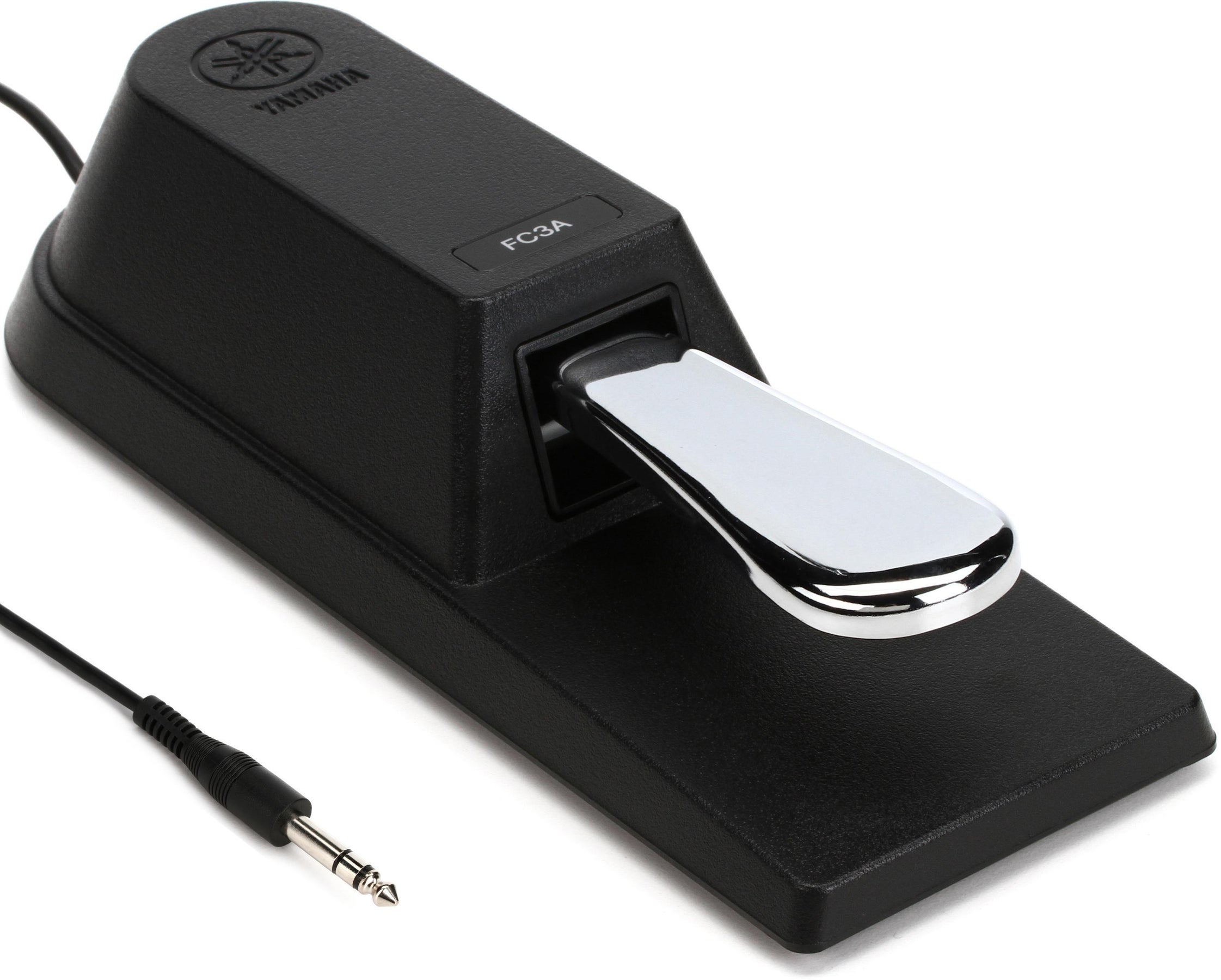
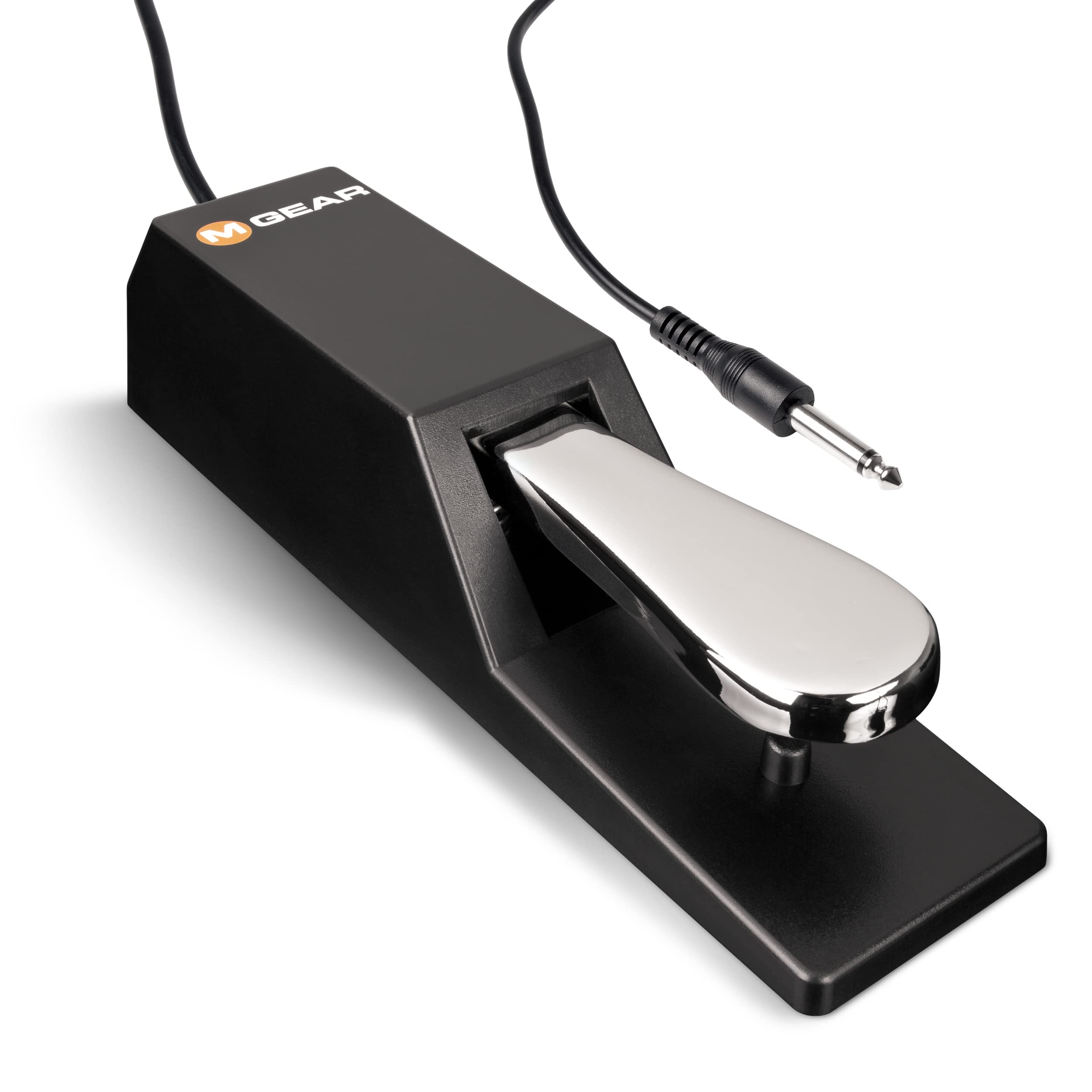
•Sustain pedal support (1/4 inch jack not button)
🏆 Top 4 Best Keyboard (Piano) for Beginners
#1
💰 Budget
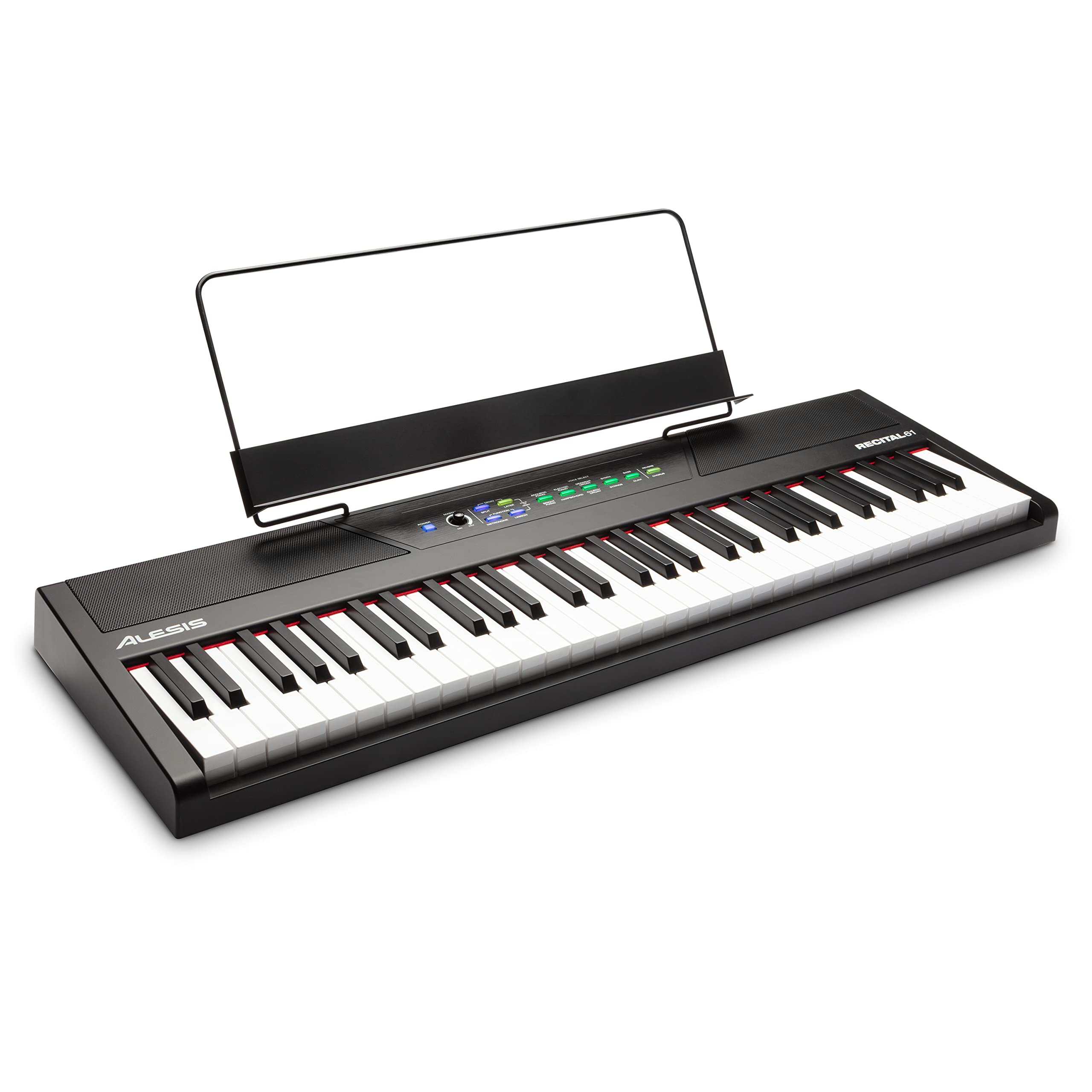
Alesis Recital – 61 Key Digital Piano
Learning Curve: Easy
$159.99
Difficulty: 1/5
Why Great for Beginners:
Semi-weighted keys provide a better feel than non-weighted, and it has built-in speakers and a headphone jack. Includes a simple built-in lesson mode and 128-note polyphony. Great value for tight budgets.
✓ Beginner Pros
+Semi-weighted keys responsive to touch
+Lightweight and portable (12 lbs)
+Built-in speakers and headphone jack
+Includes sustain pedal (basic)
+USB MIDI for apps
✗ Beginner Cons
-61 keys may limit two-hand playing eventually
-Not fully weighted – less realistic feel
-Built-in songs are not comprehensive for learning
-Key action is noisier than higher-end models
👍 Best for: Absolute beginners on a tight budget who want a quick start without breaking the bank.
👎 Not for: Serious learners wanting to develop proper technique long-term.
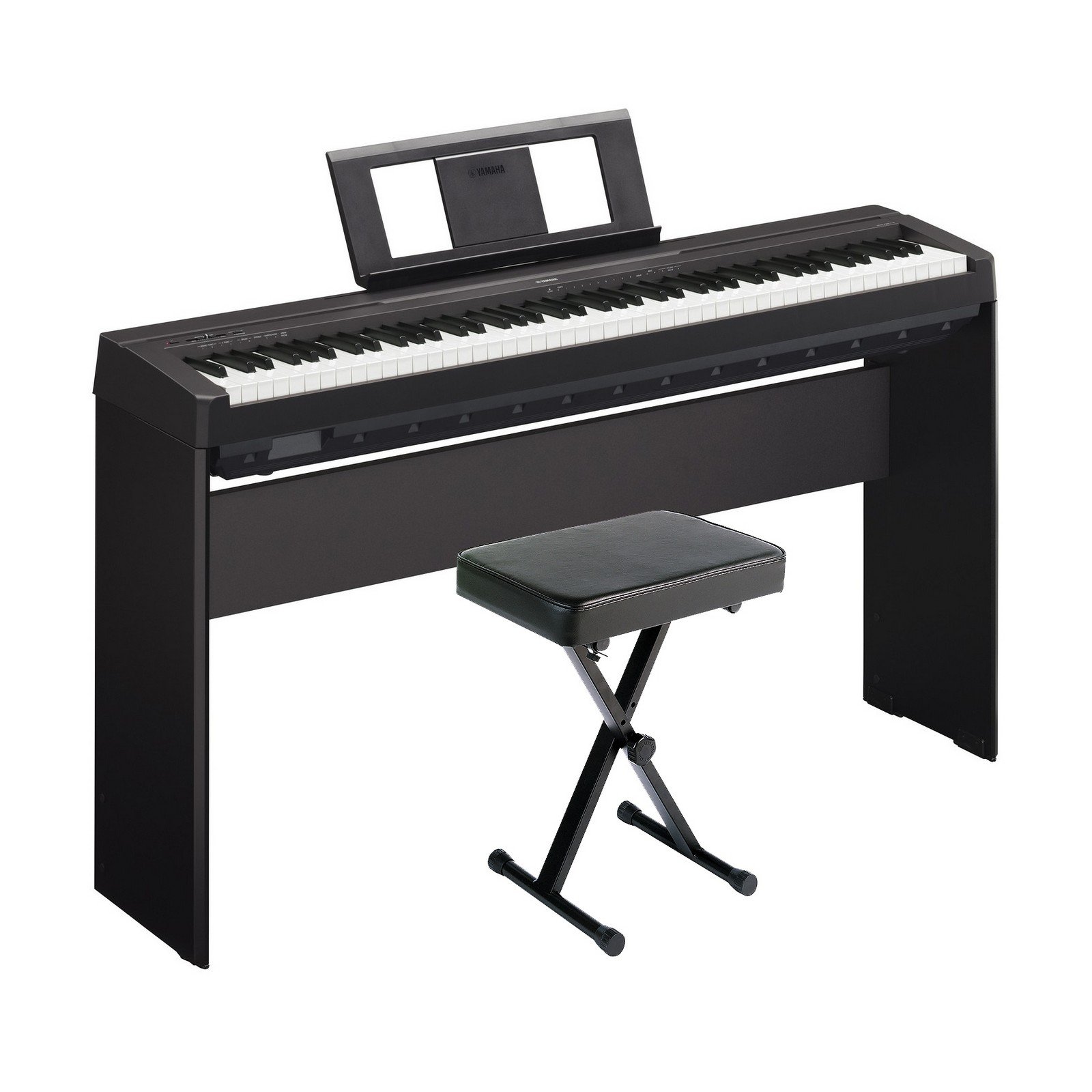
The gold standard for beginners – fully weighted keys (Graded Hammer Standard) feel like an acoustic piano. Rich, sampled grand piano sound. Simple interface with few distractions. Built-in speakers and headphone jack. Includes sustain pedal and music rest.
✓ Beginner Pros
+Realistic weighted keys for proper technique
+Great grand piano sound sampled from Yamaha CFX
+Simple controls – no overwhelming options
+Lightweight for a full 88-key (25 lbs)
+Durable and reliable brand
✗ Beginner Cons
-No Bluetooth or advanced connectivity
-Only 64-note polyphony (fine for most)
👍 Best for: Beginners who want a realistic piano experience without spending too much.
👎 Not for: Those needing Bluetooth or many instrument voices.
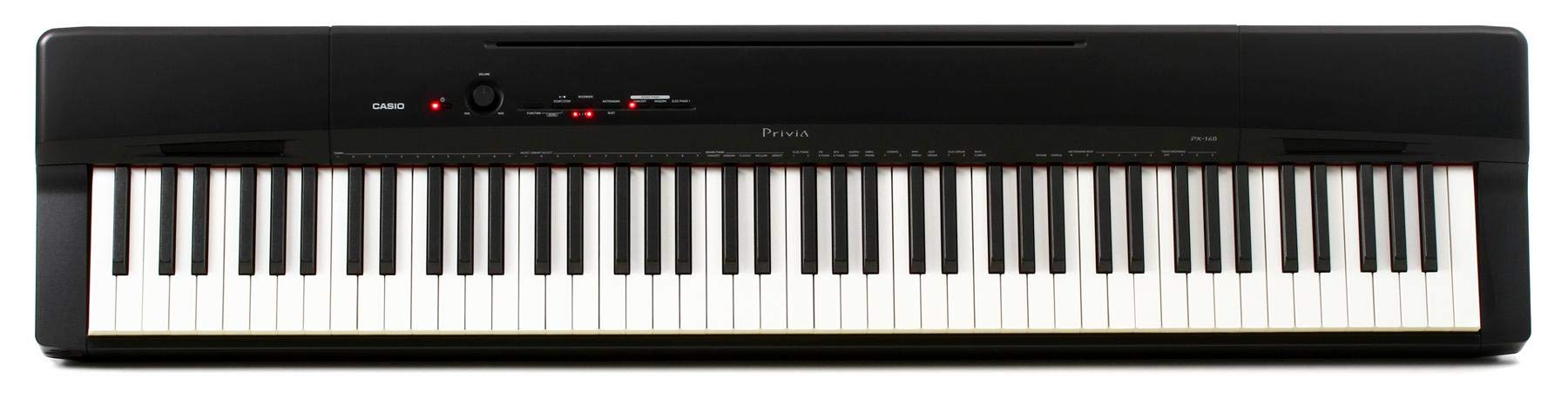
Excellent weighted action (Tri-sensor Scaled Hammer) with realistic feel. 128-note polyphony ensures no note drops. 18 high-quality voices, but still simple to use. Built-in speakers and headphone jack. Pitch bend wheel for creative expression.
✓ Beginner Pros
+Very realistic weighted keys
+128-note polyphony (great for sustain pedaling)
+Compact and portable (25 lbs)
+Built-in reverb and chorus effects
+USB MIDI and audio line out
✗ Beginner Cons
-No Bluetooth
-Speakers not as powerful as Yamaha's
👍 Best for: Beginners wanting a step up in action and polyphony without a huge price jump.
👎 Not for: Absolute budget-conscious ($200-300 range)
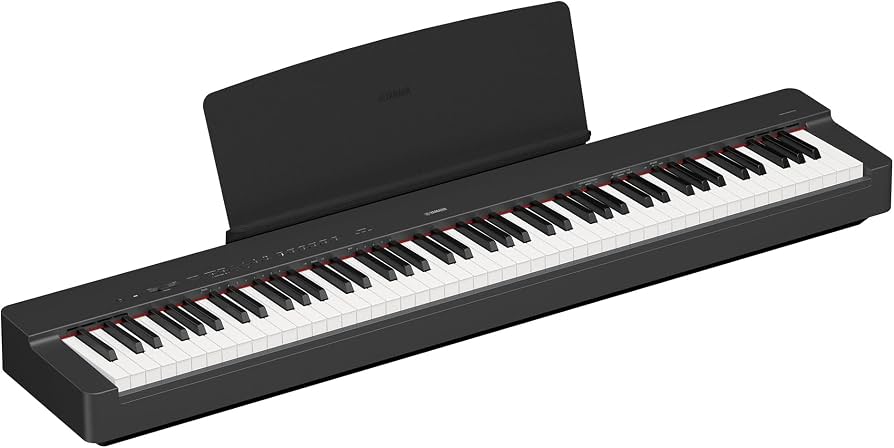
Latest generation with improved GHS-weighted action, better sound engine (CFX Grand), and Bluetooth audio/MIDI. 192-note polyphony. Enhanced speaker system. Perfect for serious beginners who want to grow into advanced levels.
✓ Beginner Pros
+Exceptional weighted key feel with synthetic ivory keytops
+Bluetooth Audio and MIDI built-in
+192-note polyphony – never worry about note cut-offs
+Rich, dynamic piano sounds
+Compact yet solid build
✗ Beginner Cons
-Higher price point
-No built-in lesson features
👍 Best for: Dedicated beginners who want a future-proof instrument with connectivity for apps.
A keyboard (digital piano) for beginners works like an acoustic piano but generates sound electronically. The key types are: 1) Non-weighted (springy) – cheap but poor for technique. 2) Semi-weighted – a compromise. 3) Weighted – heavy, realistic feel. 4) Hammer action – most accurate to acoustic. Beginners should aim for weighted or hammer action. Most digital pianos have 88 keys, but 61-key models are cheaper and portable. Polyphony (number of notes played simultaneously) – 64 notes is enough for a beginner. Built-in speakers are convenient; if missing, you’ll need external speakers or headphones. Look for USB MIDI connectivity to link with learning apps. Entry-level digital pianos from Yamaha (P-45), Casio (PX-160), and Alesis (Recital) are top choices. Avoid keyboard-like 'arranger' keyboards with hundreds of sounds unless you want auto-accompaniment.
🔧 Essential Accessories for Beginners
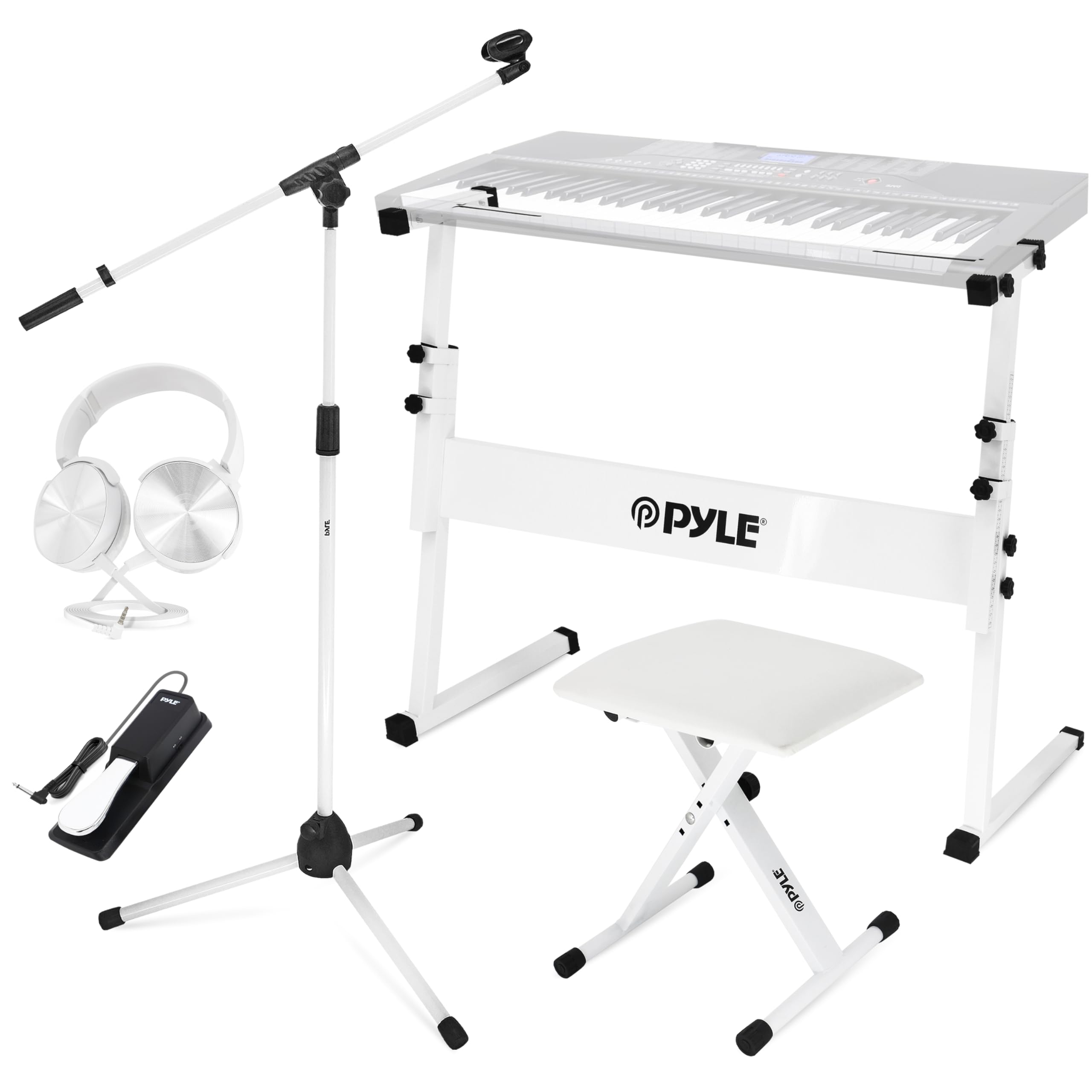
Pyle Adjustable X-Style Keyboard Stand
⚠️ Essential
$34.99
When to buy:
Day one
A stable stand puts your keyboard at the right height for proper posture. Avoid tables or beds that cause strain. This X-stand is affordable, adjustable, and folds for storage.
A proper bench ensures good posture and comfortable playing for longer sessions. Fixed seats often are too high or low. This bench is height-adjustable and sturdy.
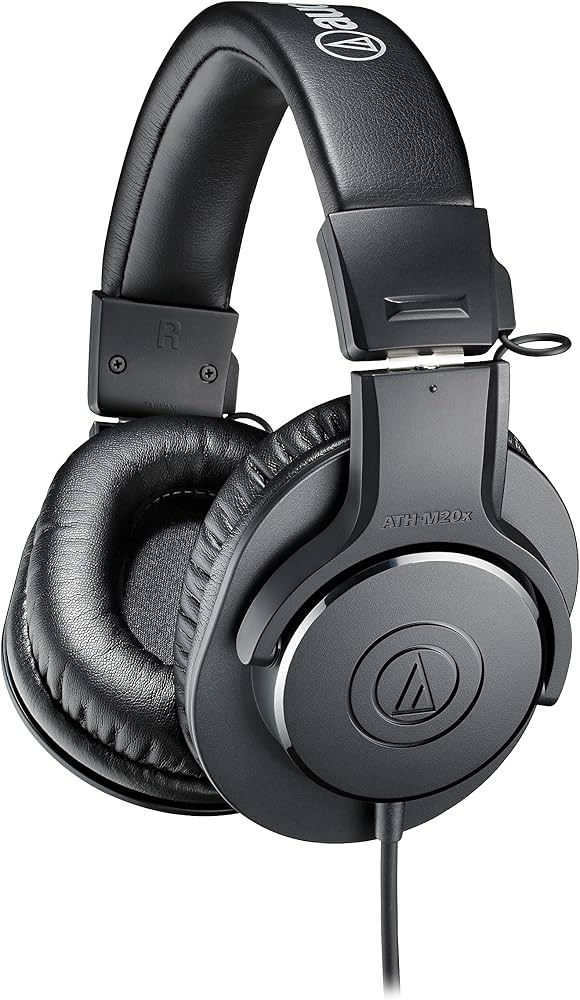
Quiet practice is essential for apartments or shared spaces. These closed-back headphones deliver clear sound without disturbing others. Great for focusing on your playing.
Start by setting a budget. Under $200 you’ll get semi-weighted 61 keys – fine for first 6 months. $200–$400 is the sweet spot with weighted 88-keys. $400+ gives you better sound and action. Consider where you’ll practice – if in a shared space, headphones (and a headphone jack) are essential. Do you want portability? Then a lighter model. Also, think about learning method: apps like Simply Piano or Flowkey work best with keyboards that have USB MIDI (most do). Try to test key feel at a store if possible. Red flags: very cheap (<$100) non-weighted keyboards, lack of velocity sensitivity, or 32-note polyphony.
💰 Budget Guide for Beginners
200 - $400
Sweet spot – full-size weighted keys (88), decent sound engine, essential features like USB MIDI and headphone jack. Best value for most beginners.
Serious investment – stage pianos with top-tier action and sound. For dedicated learners who plan to take lessons for years.
Under $ - $200
Entry level – usually semi-weighted or light-weighted keys, 61 or 88 keys. Good for trying out piano with basic features, but may lack realistic feel.
⚠️ Common Beginner Mistakes to Avoid
One of the biggest mistakes is buying a cheap, non-weighted keyboard that feels like a toy. This makes learning proper technique difficult and can lead to frustration. Another is ignoring essential accessories: a proper stand, adjustable bench, and sustain pedal. Beginners also forget to check polyphony – 32-note models will cut off notes when playing with sustain. Many overspend on features they don't need, like hundreds of instrument sounds or recording capabilities. Others buy a full 88-key stage piano without considering weight and space. Finally, some skip a headphone jack if practicing in an apartment, causing annoyance to others.
×Buying a non-weighted keyboard that hampers technique
×Choosing too few keys (61 might be limiting soon)
×Overlooking polyphony (need at least 64 notes)
×Getting too many features that distract from learning
×Not checking if keyboard has a headphone jack
×Buying a used model without testing keys for stickiness
📈 Your Progression Path: Beginner to Intermediate
As a beginner, focus on learning properly with a weighted keyboard. Start with hand position, scales, and simple songs. The first 3-6 months are about building muscle memory. When you can play basic melodies and chords confidently, you'll outgrow entry-level keyboards. Signs you need an upgrade: the action feels too light, sound quality is thin, or you need more polyphony for pedaling. Next step is a stage piano or console digital piano with better sound engines and more realistic action. Intermediate players might add a sustain pedal with half-pedaling capability, or upgrade to a keyboard with Bluetooth audio for apps. The timeline varies, but many move up after 1-2 years.
📚 Learning Resources for Beginners
📖Alfred's Basic Adult Piano Course (Book 1) – ASIN: 0739008964
📖Simply Piano App (subscription) – available on iOS/Android, but no Amazon product
📖Hal Leonard Piano for Kids (if adult or child) – ASIN: 1495020456
📖USB MIDI Cable (for connecting to computer) – ASIN: B01DV64H6Y
📖Metronome (physical or app) – ASIN: B0018NMG2A (Korg TM-50)
🎯 Bottom Line: Our Recommendations
For most beginners, the best choice is a Yamaha P-145 (or P-45) or Casio Privia PX-160 – both offer weighted 88-keys at a great price. Budget pick: Alesis Recital (61 semi-weighted) or Yamaha PSR-E373 (61 weighted). Premium pick: Yamaha P-225 or Roland FP-30X. Don't forget a proper stand, adjustable bench, and a quality sustain pedal. Start with these, and you'll have a solid foundation for years. Remember, your practice consistency matters more than equipment. Get a keyboard that excites you to play every day.
❓ Frequently Asked Questions
The Yamaha P-45 or Casio Privia PX-160 are top choices due to their realistic weighted keys, good sound, and simplicity. The Alesis Recital is a great budget option.
For a quality weighted 88-key, expect to spend $400-$500. If budget is tight, $150-$200 can get a decent semi-weighted 61-key model, but you may outgrow it faster.
Yes, highly recommended. Weighted keys strengthen your fingers and teach proper technique. Non-weighted keyboards can lead to bad habits.
You can start, but many songs require the full 88 keys. If possible, invest in 88 keys from the beginning. If space/budget is limited, 61 is okay temporarily.
A stable stand, adjustable bench, and a good sustain pedal. Headphones if you share a space. A USB cable to connect to apps is also useful.
Hammer action is a type of weighted key that mimics the internal mechanism of an acoustic piano. Most beginner-friendly weighted keyboards use either a graded hammer action (heavier in bass, lighter in treble) or a simpler weighted spring system. Both are fine for beginners.
Polyphony is the number of notes that can sound simultaneously. For a beginner, 64 notes is enough. 128 is better for heavy pedaling. Avoid keyboards with 32-note polyphony.
Yes, if from a trusted source. Check that all keys work, there’s no stickiness, and the sustain pedal input works. Older models may lack USB-MIDI but still function fine.
For learning proper piano, a digital piano with weighted 88 keys is best. Keyboards often have semi-weighted or unweighted keys and are more portable, but less suitable for classical technique.
Most modern keyboards have USB MIDI, which works with apps. Some also have Bluetooth MIDI. Check connectivity before purchase.
It varies. With consistent practice, you might feel limited after 1-2 years if your keyboard has only 61 keys or non-weighted action. Weighted 88-key keyboards can last you longer.
Stage pianos are designed for live performance, often without built-in speakers, but with more sounds and connections. Home digital pianos come with stands and speakers, focusing on piano feel. Beginners usually benefit from home digital pianos.