Discover the easiest kayaks for total beginners, with top picks, accessories, and tips to paddle confidently from day one.
Choosing your first kayak can feel overwhelming with endless options, scary tipping fears, and confusing terms like 'sit-on-top' or 'tracking.' Beginners often worry about stability, transport, and wasting money on the wrong one. This guide cuts through the noise to help you pick a forgiving, easy-to-use kayak perfect for calm lakes or slow rivers.
We'll cover what really matters for new paddlers, top Amazon picks across budgets, must-have accessories, and mistakes to skip. By the end, you'll know exactly what to buy and feel excited to hit the water—no experience needed.
📋 In This Guide
• Why Beginners Struggle with Kayak
• What to Look For (Key Features)
• Top 4 Beginner-Friendly Kayak
• Essential Accessories for Beginners
• Common Beginner Mistakes to Avoid
• Your Progression Path
• FAQ & Learning Resources
😰 Why Beginners Struggle with Kayak
New kayakers face big hurdles: fear of flipping over (it's rare in beginner models but feels real), lugging heavy gear without a car rack, and decoding jargon like 'primary stability' or 'rocker.' Forums like Reddit's r/kayak overflow with stories of buyers regretting narrow 'speed' kayaks that wobble wildly.
Overwhelmed by types—inflatable vs. hardshell, sit-in vs. sit-on-top—plus prices from $100 to $1,000+, it's easy to freeze. Many fear buying too cheap (leaks or breaks) or too fancy (hard to handle), leaving them sidelined instead of paddling.
🔍 What to Look For: Key Beginner-Friendly Features
Focus on stability first: wide hulls (30+ inches) prevent tipping on flat water. Look for sit-on-top designs—they're self-draining, easier to re-enter if you fall in, and forgiving for clumsy starts. Lightweight under 40 lbs for easy carrying.
Must-haves: adjustable seats, foot braces, and grab handles. Skip skinny racing kayaks or heavy fishing models. Beginner-friendly means intuitive—no steep learning curve—and room to grow without instant upgrade.
✅ Essential Features for Beginners
•Wide hull for rock-solid stability
•Sit-on-top design for easy entry/exit
•Lightweight (under 40 lbs) for transport
•Comfortable adjustable seat with backrest
•Multiple carry handles for solo handling
•High weight capacity (250+ lbs)
•Self-bailing scuppers to drain water
🏆 Top 4 Best Kayak for Beginners
#1
💰 Budget
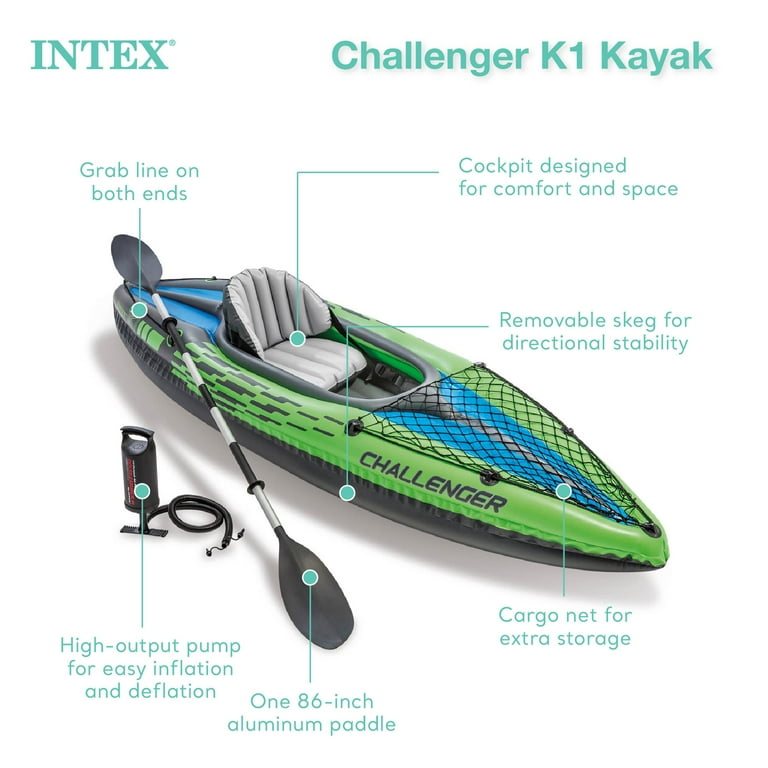
Intex Challenger K1 Inflatable Kayak
Learning Curve: Easy
$129.99
Difficulty: 1/5
Why Great for Beginners:
Super portable and affordable, inflates in minutes for quick lake tries. Wide design keeps you steady, perfect for total newbies scared of tipping.
Kayaks are boats you paddle with a double-bladed paddle for fun on calm water. Beginners need recreational models: short (9-12 ft), wide, stable sit-on-tops for lakes or easy rivers. Avoid sit-ins (trappier if you capsize) or long tourers (tippy for newbies).
Sit-on-tops are tops for starters—open deck, hard to sink, simple. Inflatables are cheap/portable but less durable; hardshells track better. Expect calm paddles first: 1-2 hours, short trips. 'Beginner-friendly' means stable enough for wobbles, easy to learn basic strokes.
🔧 Essential Accessories for Beginners
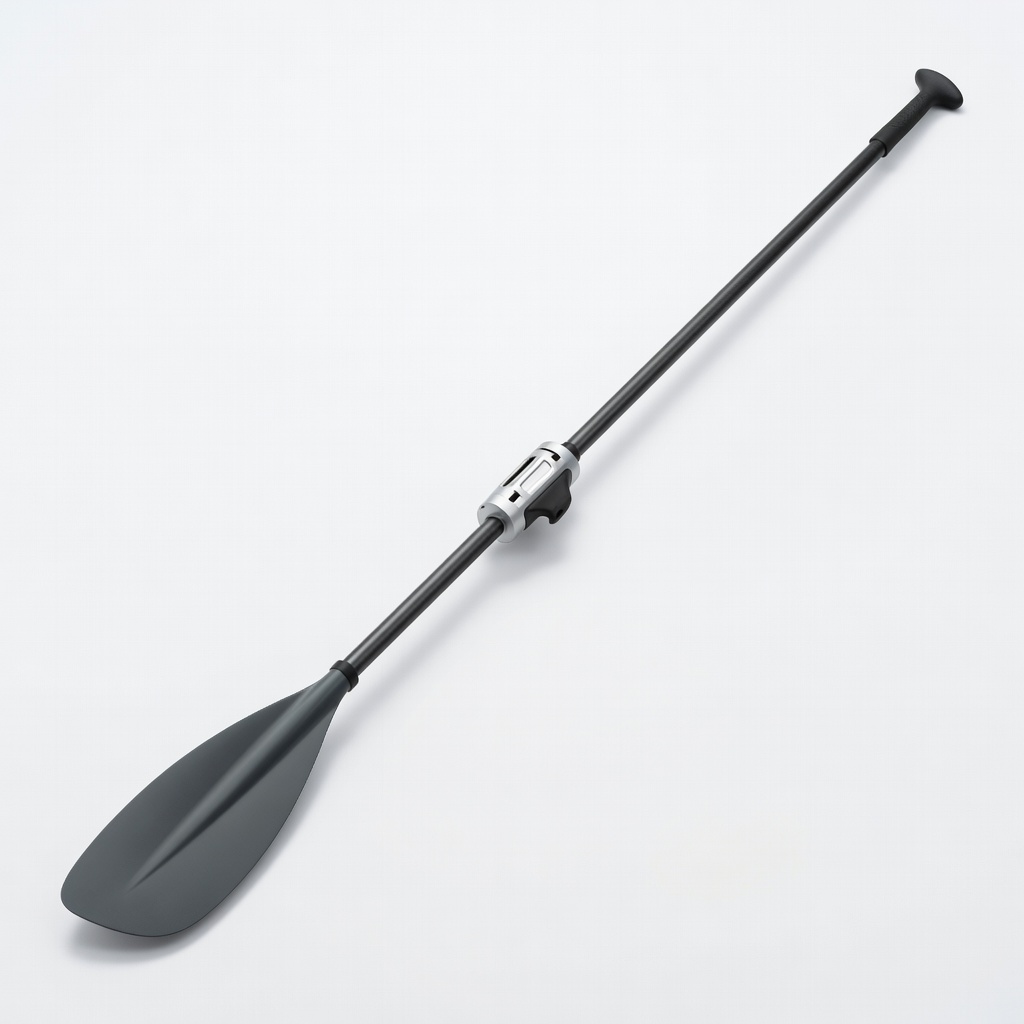
Carolina Kayak Co. Bixpy Jet Kit Paddle
⚠️ Essential
$49.99
When to buy:
Day one
Can't paddle without one—basic ones flop. This lightweight aluminum is durable, breaks down for carry.
Ask: Where? (Lakes = stable rec kayak). Who? (Solo = 10ft; fishing = with rod holders). Budget? Size? (Fit your height/weight). Start with sit-on-top recreational.
Under $200: Try inflatables. $200-400: Best value hardshells. Premium if serious. Avoid narrow (<28in) or over 40lbs. Test if possible, check capacity.
💰 Budget Guide for Beginners
700+
Advanced entry: Touring features for longer trips, only if budget allows.
200 - $400
Sweet spot recreational: Stable hardshells with great value, forgiving, lasts years.
400 - $700
Premium beginner: Top stability/comfort, lightweight, room to grow without quick replace.
Under $ - $200
Entry-level inflatables: Affordable to test waters, portable, but may puncture or need upgrades soon.
⚠️ Common Beginner Mistakes to Avoid
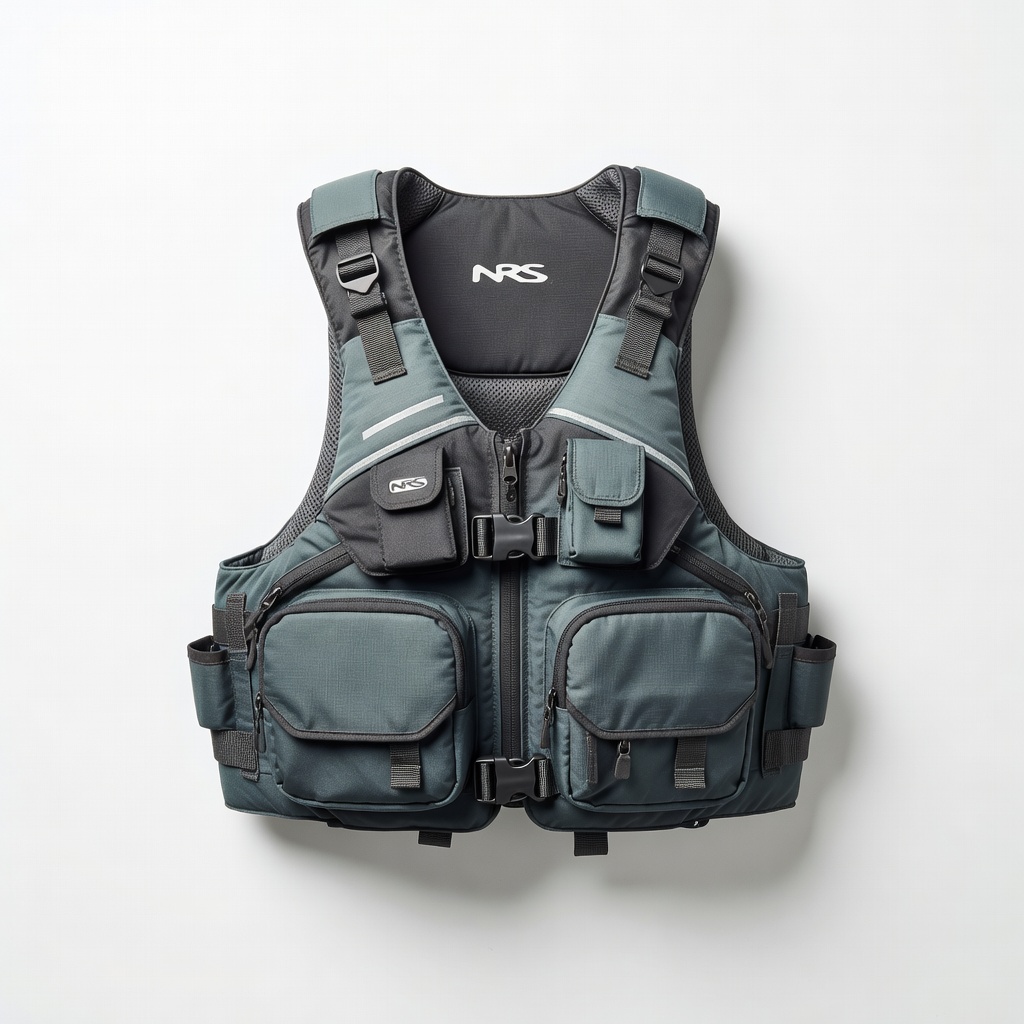
Beginners grab cheap $50 pool floats mislabeled 'kayaks,' leaking on first use. Or splurge on sleek racers that flip at hello. Forums rant about no PFD, leading to panic swims.
Avoid by sticking to rec sit-on-tops, always buy PFD/paddle bundle. Test fit capacity; measure yourself.
×Buying narrow touring kayaks that tip easily
×Skipping life jacket for 'calm water'
×Choosing inflatables without puncture kit
×Overlooking weight capacity for gear
×No roof rack plan for hardshells
×Ignoring seat comfort for long sits
×Buying without paddle/accessories
×Rushing to whitewater models
📈 Your Progression Path: Beginner to Intermediate
Start on ponds mastering forward stroke, turns (1-2 months). Practice re-entry drills. Outgrow when craving speed/rivers (3-6 months).
Upgrade to 12-14ft with skeg first. Intermediate: whitewater or sea kayaks after classes.
📚 Learning Resources for Beginners
📖Kayaking (Paddling Series) by American Canoe Association ASIN B07G9J2Q5L
📖The New Complete Guide to Kayaking ASIN B08P3R5Z3K
📖Kayak Beginner Training DVD ASIN B001U2BKW0
📖Paddle Grip Trainer ASIN B07Z5H8J2M
🎯 Bottom Line: Our Recommendations
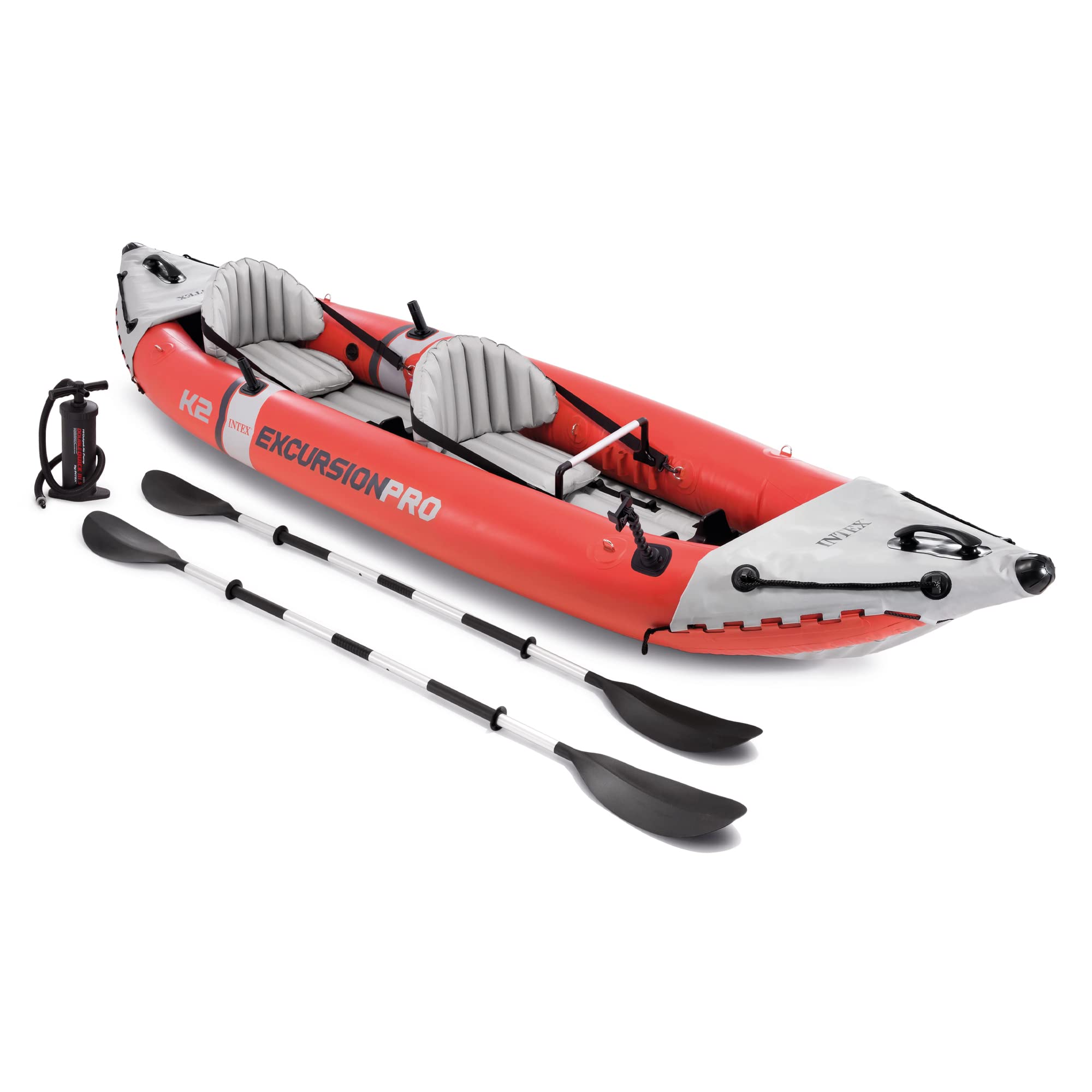
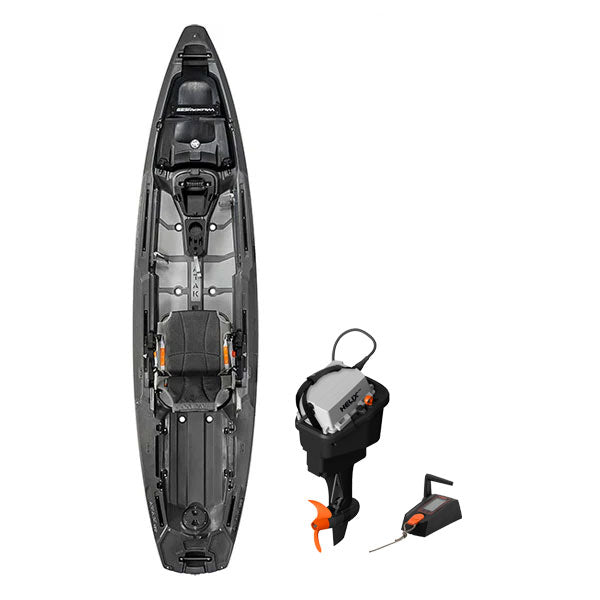
Most beginners: Intex Excursion Pro ($250 sweet spot)—stable, fun, grows with you. Budget: Challenger K1. Premium: ATAK 120.