Choose your first sit-on-top kayak with confidence: top picks, must-have accessories, and tips to avoid beginner pitfalls.
Picking your first kayak feels overwhelming with endless options, confusing terms like 'hull speed' or 'tracking,' and the fear of wasting money on something unstable or hard to use. As a beginner, you just want something stable, easy to paddle on calm lakes or slow rivers, and forgiving if you wobble or tip. This guide cuts through the noise.
We'll focus on sit-on-top kayaks – the best for newbies because you sit above the water, they're super stable, self-draining, and simple to hop on and off. No matter your budget, you'll get specific Amazon recommendations, why they work for beginners, and a step-by-step plan to start paddling safely and happily. By the end, you'll feel ready to hit the water.
📋 In This Guide
• Why Beginners Struggle with Kayak
• What to Look For (Key Features)
• Top 4 Beginner-Friendly Kayak
• Essential Accessories for Beginners
• Common Beginner Mistakes to Avoid
• Your Progression Path
• FAQ & Learning Resources
😰 Why Beginners Struggle with Kayak
Beginners often feel lost because kayaks come in dozens of styles – sit-in, sit-on-top, inflatable, fishing, touring – and it's hard to know which fits casual lake paddling. Forums like Reddit's r/kayak and Amazon reviews are full of stories: 'I bought a cheap inflatable that popped,' or 'My sit-in kayak trapped water and scared me.' Jargon like 'rocker,' 'primary stability,' or 'scupper holes' sounds scary.
The fear of instability is huge – one wobble and you're imagining capsizing. Plus, without guidance, people overspend on fancy fishing kayaks or underspend on flimsy toys that frustrate. Overwhelming choices lead to paralysis, and many quit after one bad experience.
🔍 What to Look For: Key Beginner-Friendly Features
For beginners, prioritize stability (wide base so you don't tip easily), sit-on-top design (easy entry/exit, no cockpit to fill with water), and lightweight (under 50 lbs for easy carrying). Must-haves: drain plugs (water drains out automatically), comfy adjustable seat, and carry handles. Nice-to-haves: rod holders if you fish later, but skip rudders or pedals – too complex.
Avoid narrow 'speed' kayaks or heavy touring models; they're unstable and unforgiving for new paddlers. Look for UV-resistant plastic that won't crack fast, weight capacity 300+ lbs (covers most adults plus gear), and 9-12 ft length (maneuverable yet roomy). These make kayaking feel intuitive from paddle one.
✅ Essential Features for Beginners
•Wide hull (30+ inches) for rock-solid stability
•Sit-on-top design for easy on/off and self-draining
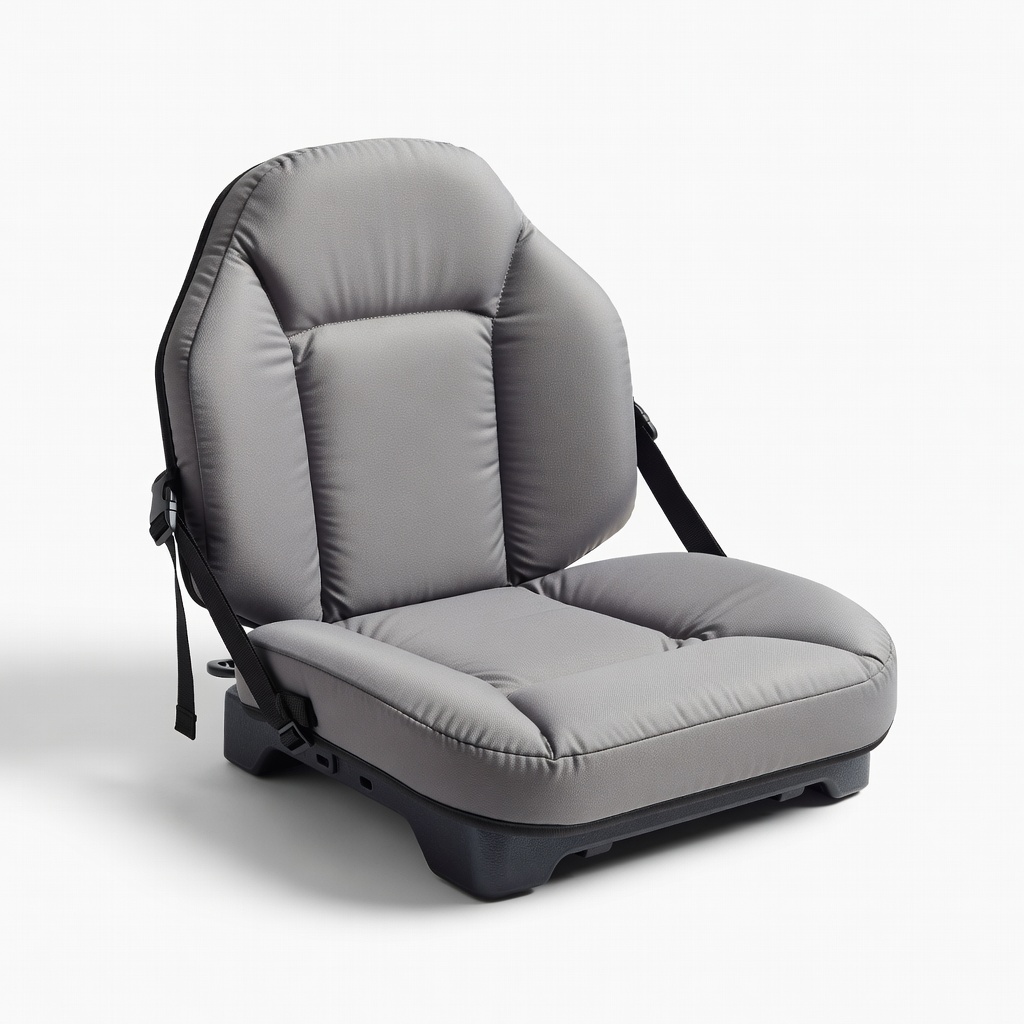
•Adjustable padded seat for all-day comfort
•Multiple molded handles for solo carrying
•Scupper holes/drain plugs to shed water fast
•High weight capacity (300+ lbs) for gear/people
•Lightweight (under 50 lbs) for transport
•Footrest pegs that adjust easily
🏆 Top 4 Best Kayak for Beginners
#1
💰 Budget
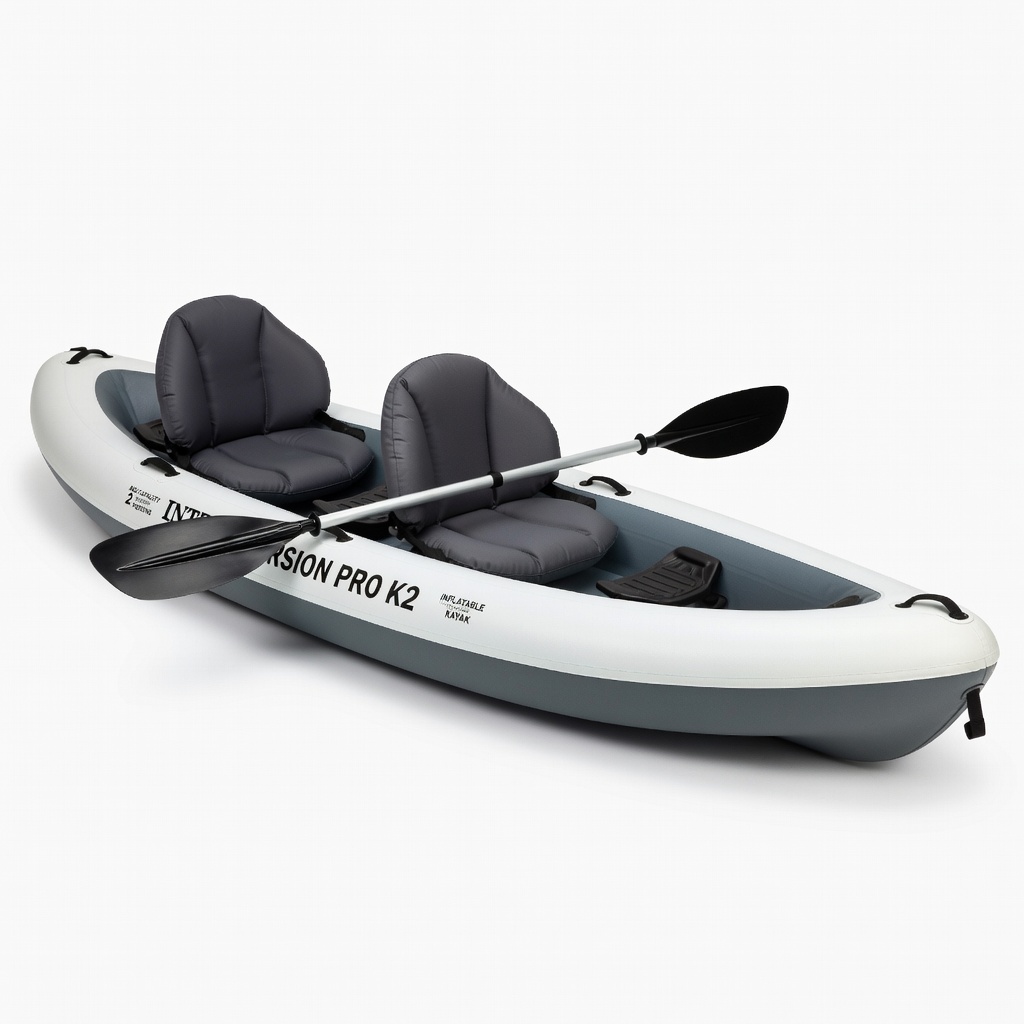
Intex Excursion Pro K2 Inflatable Kayak
Learning Curve: Easy
$249.99
Difficulty: 1/5
Why Great for Beginners:
This inflatable sit-on-top is ultra-portable and stores in a bag, perfect for apartment dwellers or car trunks. Super stable wide design forgives wobbles, with built-in motors mount if you upgrade later. Ideal first kayak for calm lakes without big investment.
✓ Beginner Pros
+Packs small for easy transport
+Very stable 30in width
+Includes pump/seats/paddles
+Self-bailing floor
+Fits 2 beginners or 1+gear
✗ Beginner Cons
-Inflates slower than hardshell
-Not for rough water
-Punctures possible (rare with care)
👍 Best for: Budget-conscious newbies with limited storage
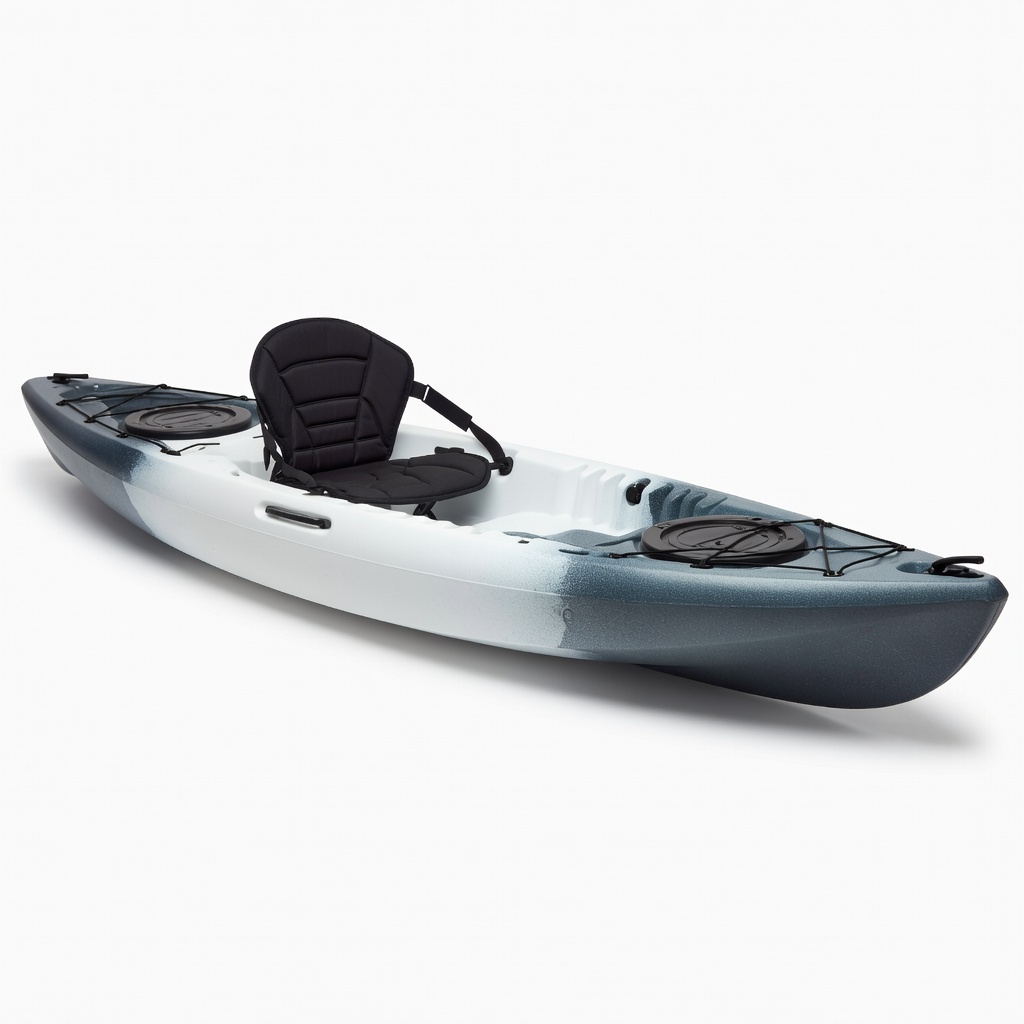
Durable hardshell sit-on-top with exceptional stability for learning strokes without fear. Adjustable seat and multiple rod holders let you grow into fishing. Lightweight for one-person carry to water's edge.
✓ Beginner Pros
+Rock steady primary stability
+Light 52 lbs
+Adjustable backrest
+Drain plugs galore
+Gear tracks for accessories
✗ Beginner Cons
-Basic seat (upgrade later)
-Slower than narrow kayaks
-Needs roof rack for transport
👍 Best for: Solo paddlers wanting durability on lakes
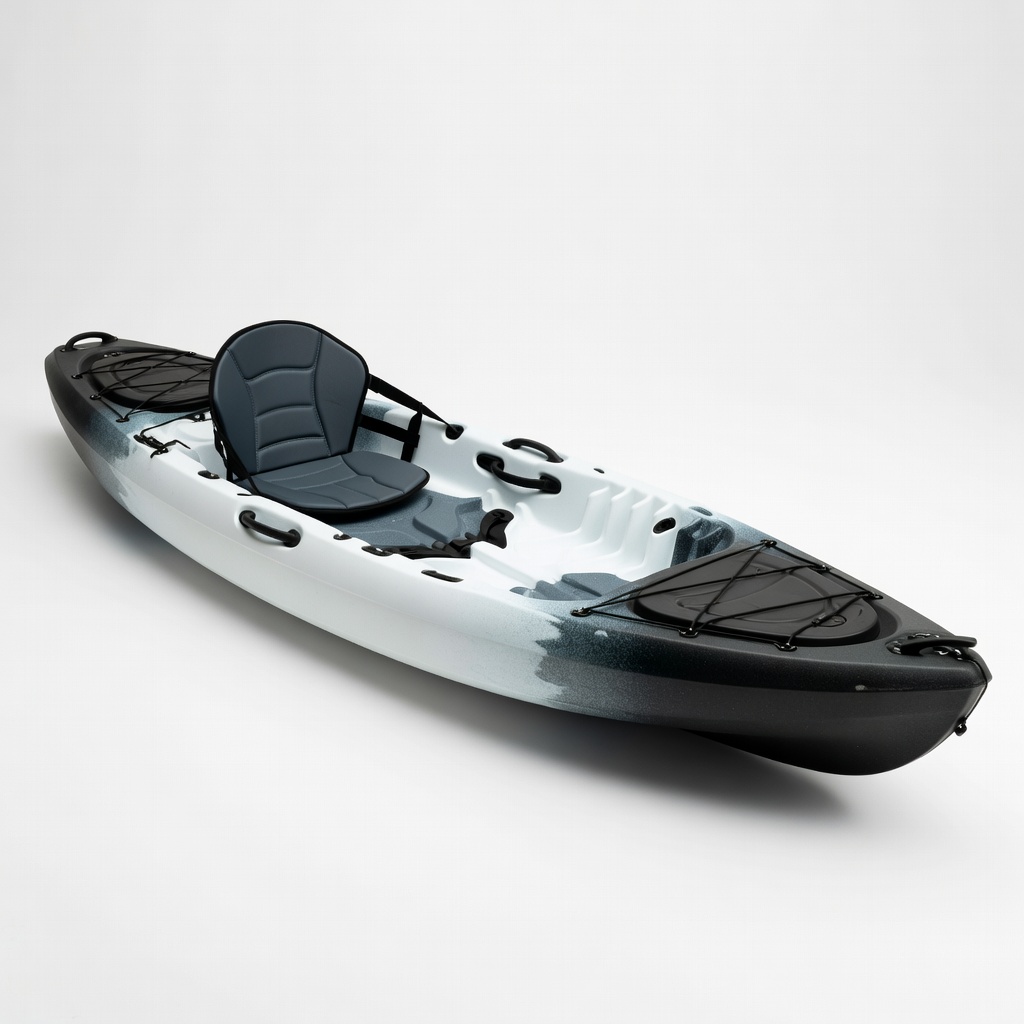
Stable sit-on-top (despite some listings) with premium feel at mid-price. Comfy seat and easy handles make launching solo a breeze. Great balance of value and growth potential.
Top-tier stability and comfort in a premium hardshell sit-on-top. Loaded with beginner-friendly features like huge tankwell and gear tracks, yet simple to use. Invest if paddling weekly.
Kayaks are boats you propel with a double-bladed paddle, perfect for exploring calm waters. Sit-on-top kayaks (our focus) have an open deck like a surfboard – water splashes in but drains right out via holes, and you can't get stuck inside like sit-in models.
Best for beginners: recreational sit-on-tops 9-11 ft long, wide (30-34 inches), stable for lakes/rivers. Skip whitewater or sea kayaks – too tippy. Realistic expectations: You'll paddle straight-ish, cover 2-3 mph comfortably, and feel secure in light wind. 'Beginner-friendly' means forgiving mistakes, like leaning without flipping, and simple setup (no inflation hassles for hardshells).
Marketing traps: 'Fishing kayak' sounds cool but adds weight/complexity; ignore unless fishing. Test stability by looking at beam width and hull shape (flat bottom = stable).
🔧 Essential Accessories for Beginners
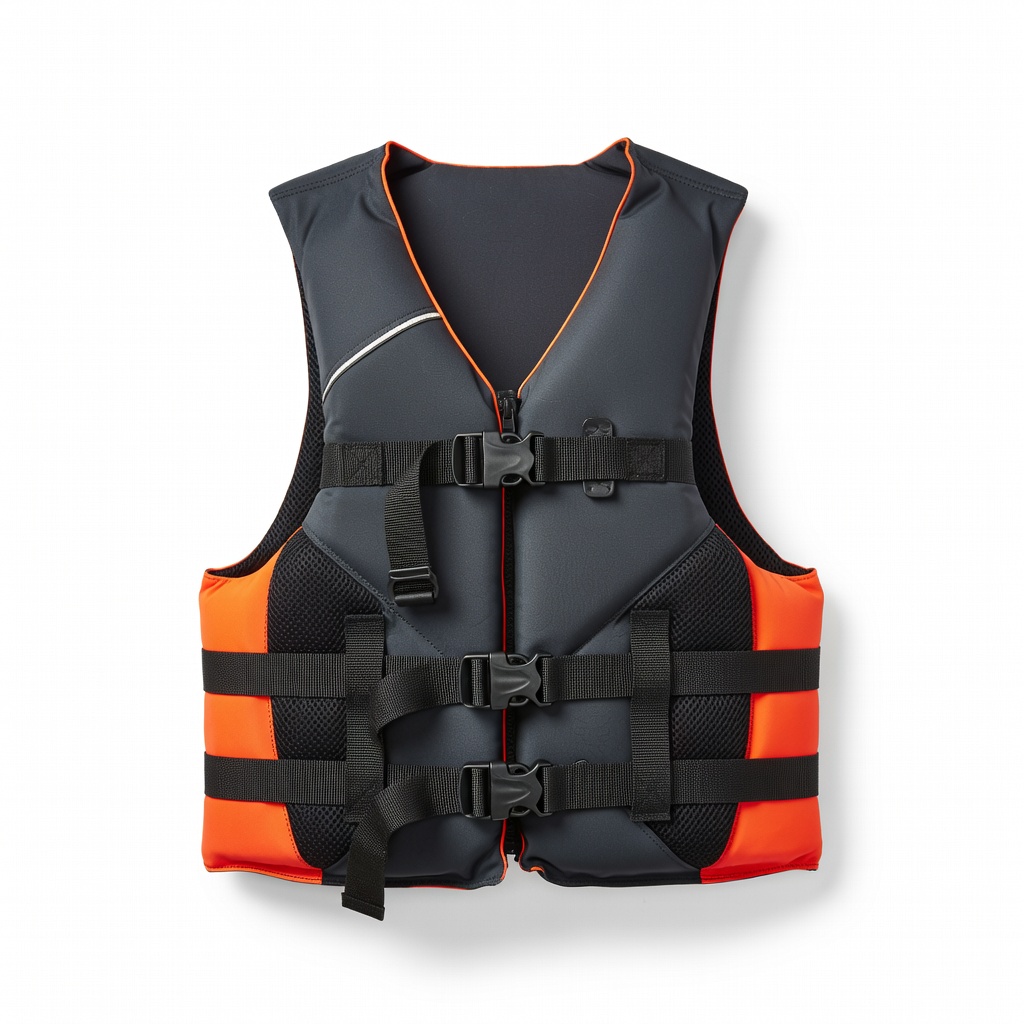
O'Neill Men's Reactor USCG Life Vest
⚠️ Essential
$69.99
When to buy:
Day one
Safety first – kayaks can flip in wind or currents; this Coast Guard-approved PFD keeps you afloat effortlessly. Mesh panels prevent overheating on hot days.
Ask: Where will I paddle (lakes = any stable kayak; rivers need tracking)? Solo or tandem? Budget? Storage/transport space? Start with budget: under $300 for inflatables (easy store), $300-500 sweet spot for durable hardshells.
Solo beginners: 10ft single. Rent first if possible. Go budget if testing waters (pun intended), recommended for 1-2 years use, premium if paddling often. Red flags: No drain plugs, over 60 lbs, under 275 lb capacity, cheap plastic that warps. Plan growth: Pick one with rod holders/gear tracks for later upgrades.
💰 Budget Guide for Beginners
800+
Serious upgrade: Pedal-drive or advanced stability for fishing/frequent use.
300 - $500
Sweet spot hardshells: Stable sit-on-tops with good build quality, perfect for most beginners 1-3 years.
500 - $800
Premium beginner: Tougher materials, better seats/features; lasts through intermediate use.
Under $ - $300
Entry-level inflatables: Super cheap, portable, great for calm flatwater testing without commitment.
⚠️ Common Beginner Mistakes to Avoid
Beginners buy super-cheap Walmart floats that deflate or crack, leading to frustration and quitting. Others grab racing kayaks that flip constantly. Skipping PFDs because 'it's a lake' ignores wind gusts or fatigue. Lessons from r/kayak: Always over-spec stability, get proper paddle.
Avoid by sticking to sit-on-tops under 12ft, reading reviews for 'stability,' and bundling paddle/PFD. Rent once to confirm fit before buying.
×Buying inflatable without puncture kit
×Skipping PFD – thinking 'calm water is safe'
×Choosing narrow kayak for 'speed'
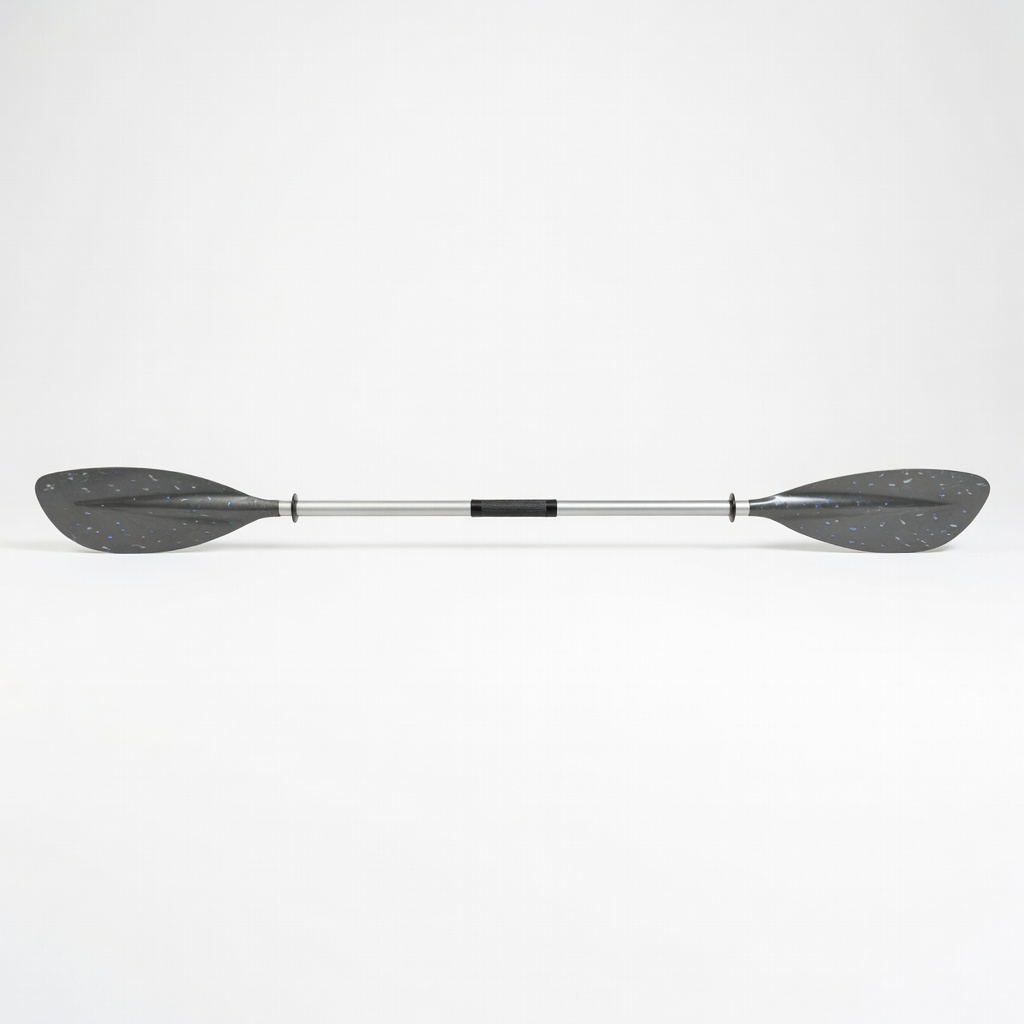
×No paddle or wrong length
×Ignoring weight/transport needs
×Overlooking drain plugs
×Buying tandem if solo most times
×Not checking capacity for your size
📈 Your Progression Path: Beginner to Intermediate
Start with basic strokes (forward, sweep turn) on calm lakes 30min sessions. Practice balance by standing/kneeling. After 10-20 outings, try mild rivers. Outgrow beginner kayak when you want speed, fishing gear, or longer trips (paddling 5+ miles easy).
Upgrade first: Better paddle/seat, then pedal kayak or 14ft tourer. Most stay beginner 6-18 months; signs ready: Confident in wind, adding gear without instability.
📚 Learning Resources for Beginners
📖Kayaking (Paddlesports Series) by American Canoe Association, ASIN 0736051700 - Step-by-step basics with photos.
📖The New Complete Guide to Kayaking by Nick Mills, ASIN B00AEB6K4E - Simple skills/troubleshooting.
📖Canoeing and Kayaking for Beginners by American Canoe Association, ASIN 1493054402 - Safety-focused starter book.
Best overall for most: Lifetime Tamarack Angler ($379) – stable, versatile, grows with you. Budget pick: Intex Excursion Pro ($250). Premium: Perception Pescador Pro ($900).
Grab PFD and paddle day one. You're not just buying a boat – you're starting an adventure. Rent locally first if unsure, then paddle easy waters. You've got this; thousands start yearly and love it!
❓ Frequently Asked Questions
Sit-on-top recreational like Lifetime Tamarack Angler or Intex Excursion Pro – wide, stable, easy to use on lakes.
$250-500 sweet spot for durable, forgiving models that last years without overwhelming features.